Thrips Control Insecticide — Isoprocarb 10% + Synergistic Adjuvant (5–8%) FU
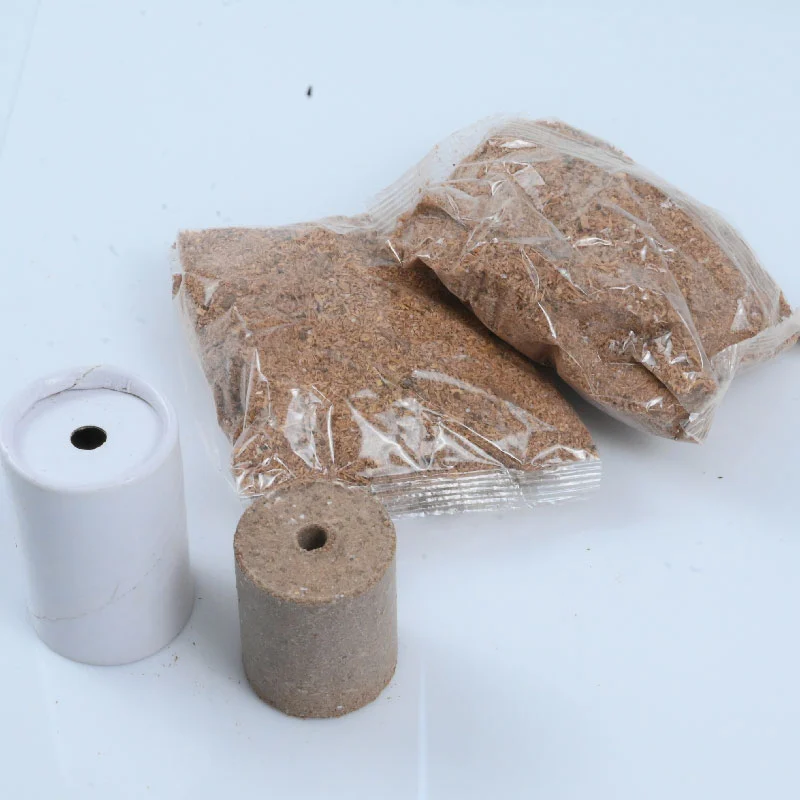
You need fast, label-compliant thrips control in closed structures. This FU (smoke/aerosol) formulation combines Isoprocarb 10% (IRAC 1A) with a 5–8% synergistic adjuvant to deliver space-filling coverage across leaf undersides, flowers, and dense canopies—reducing spray blind spots and improving contact on adult and nymph stages. Once activated in a sealed greenhouse or net-house, micro-aerosols disperse and settle evenly. We support OEM private label, multilingual GHS artwork, and a full COA/MSDS/TDS pack to streamline audits and distributor onboarding.
- Designed for Professional Buyers & Bulk Orders
- We support custom packaging, labeling, and formulation to meet your market needs.
- Export wholesale inquiries only.
- Please include destination country, business type (importer/distributor/registrant), and expected volume.
- Retail requests will not be processed.

About Thrips Control Insecticide — Isoprocarb 10% + Synergistic Adjuvant (5–8%) FU
| Product | Thrips Control Insecticide FU (smoke/aerosol, space-filling coverage) |
| Active System | Isoprocarb 10% (IRAC 1A) + Synergistic Adjuvant 5–8% |
| Mode of Action | AChE inhibition (carbamate); adult/nymph contact via airborne micro-aerosols and deposition |
| Primary Targets | Thrips complexes in protected crops (adult & nymph stages) — label-dependent |
| Use Sites | Greenhouse / Net-house and other closed structures with seal-expose-vent workflow |
| Performance Focus | Space-filling coverage of leaf undersides, flowers, tight canopies; reduces spray blind spots |
| Non-Target Notes | Respect pollinator/biocontrol windows; protect aquatic organisms per label |
| Documentation | COA / MSDS (SDS) / TDS, batch traceability (barcoding/QR) |
| Shelf Life | Typical 2 years in original packaging (see SDS/label) |
| OEM & Packs | Private label (multilingual GHS), tamper-evident options; pack weight/carton count customizable |
| Compliance | No prescriptive rates published; Always follow the product label and local regulations. |
Isoprocarb 10% + Synergistic Adjuvant (5–8%) FU
You need reliable thrips control in greenhouses and net-houses where spray coverage is inconsistent. Traditional nozzles struggle with leaf undersides, flowers, tight canopies, and structural gaps; labor windows are short, and water can leave marks on high-value crops. This FU (smoke/aerosol) formulation of Isoprocarb 10% (IRAC 1A) plus a 5–8% synergistic adjuvant creates space-filling micro-aerosols that disperse, circulate, and settle uniformly, reducing blind spots and improving contact on adult and nymph stages. It aligns with closed-structure workflows (seal → expose → vent) and helps you run a predictable, label-compliant program without publishing prescriptive rates here.
This product also fits cleanly into IPM. You can design rotations with different IRAC groups (where labels allow) to reduce resistance pressure, schedule applications during non-working/night windows to minimize disruption, and coordinate with pollinator or biocontrol releases after ventilation reaches the required REI. From a procurement lens, OEM private label and full COA/MSDS/TDS shorten onboarding, while customizable pack weight and carton counts let you match dosing logistics to greenhouse zones.
Mode of Action — IRAC 1A + Synergy
This formulation uses Isoprocarb 10% (IRAC 1A) to inhibit acetylcholinesterase (AChE) in thrips, disrupting synaptic signaling and causing rapid loss of coordination and feeding. In a space-filling FU (smoke/aerosol) format, airborne micro-particles contact adults and nymphs across flowers, leaf undersides, and tight canopies—surfaces that conventional spray patterns often miss. Because eggs are less susceptible, positioning against adult/nymph populations in closed structures (where the label permits) is central to consistent results and predictable operational windows.
The synergistic adjuvant (5–8%) is designed to enhance deposition, wetting, and cuticular penetration while moderating detoxification pathways that can blunt carbamate performance. In practice, this pairing shortens apparent time-to-effect and improves spatial uniformity of residues after settling, especially in dense plant architecture. To maintain long-run efficacy and stewardship, plan rotations with different IRAC groups (e.g., non-1A chemistries where labels allow) and align the FU workflow with your seal → expose → vent SOPs.
FU Formulation Benefits — Space-Filling Coverage
You operate in dense canopies where spray patterns miss leaf undersides and floral structures. The FU (smoke/aerosol) system solves that coverage gap by generating micro-aerosols that travel with the internal air mass, fill enclosed volumes, and settle uniformly onto surfaces thrips actually use. With Isoprocarb 10% (IRAC 1A) plus a 5–8% synergistic adjuvant, the plume achieves consistent deposition across tight internodes and complex plant geometry, reducing hot and cold spots typical of conventional nozzles. Because the process is water-free, you avoid water marks on sensitive crops and cut back on tank hygiene and rinsewater management in greenhouse routines.
For continuous operations, this space-filling coverage complements your IPM program by reaching adult and nymph stages in greenhouse/net-house zones where worker access is limited during peak growth. The formulation is engineered for repeatable particle size distribution, supporting predictable settling and residue uniformity after the seal→expose→vent cycle (where permitted by the label). The end point is operational: more reliable contact on thrips with less dependence on line-of-sight spraying, and a simpler way to standardize night-window applications across multiple bays.
Application Principles — Label-Led (No Rates)
You run this FU (smoke/aerosol) chemistry in closed structures using a disciplined seal → expose → vent workflow. Before activation, verify doors/vents/fans are shut, post restricted-entry signage, and confirm workers are clear of the zone. Shake/stir packs as required by the label, distribute canisters evenly to match bay volume, and avoid alkaline conditions that can degrade carbamates. After activation, maintain the label-specified exposure time to allow micro-aerosols to disperse and settle uniformly across flowers, leaf undersides, and tight canopies, where thrips adults and nymphs feed and shelter.
On completion of the exposure phase, execute controlled ventilation until the area meets the required REI (restricted-entry interval). Protect pollinators and biocontrol agents by scheduling applications outside release windows and re-introducing beneficials only after ventilation is complete and the area is cleared by your HSE SOP. Observe PPE/PHI/REI, maintain application records (date, bay, conditions, outcome), and run a small-area check before broad deployment. Where labels allow, embed this product in an IRAC-diverse rotation to help manage resistance and preserve long-run performance.
Target Pests & Sites — Label-Dependent
You target thrips complexes in protected cultivation where adult and nymph stages occupy flowers, leaf undersides, and tight internodes. This FU system with Isoprocarb 10% (IRAC 1A) plus a 5–8% synergistic adjuvant is positioned for adult/nymph knockdown in closed structures, acknowledging that eggs are typically less susceptible. Program timing is based on scouting and trap counts, aligning applications to night or non-working windows so the plume can fill the volume, settle uniformly, and reach feeding surfaces that conventional sprays miss. Because resistance can develop with single-MoA pressure, plan rotations with non-1A IRAC groups where your label allows, and document outcomes bay by bay for continuous improvement.
Use sites are greenhouses and net-houses across fruiting vegetables (tomato, pepper, cucumber), leafy greens, herbs, strawberries, and floriculture/ornamentals, plus propagation rooms and mother blocks where access is constrained and line-of-sight spraying is impractical. The FU format supports a disciplined seal → expose → vent workflow: you close and post the zone, activate according to the approved label, maintain exposure for even deposition, then ventilate to the required REI before worker reentry or beneficial/pollinator release. All crop and site claims, intervals, and precautions are label-dependent; this page does not publish prescriptive rates or step-by-step instructions.
Quality & Stability — Batch You Can Audit
You need auditable, repeatable performance in closed structures. Each lot of this FU (smoke/aerosol) formulation is released against a documented QC plan: HPLC identity/assay for Isoprocarb 10%, verification of the synergistic adjuvant (5–8%) range, and routine physicals tied to in-use behavior—activation consistency, plume formation, and particle-size profile that supports uniform settling. Packaging integrity is checked for seal strength, headspace, and canister weight tolerance so your distribution chain can handle night-window deployments without surprises. We include COA/MSDS (SDS)/TDS and lot traceability (barcoding/QR) with every shipment.
Stability is validated to protect your season plan. Finished goods undergo cold/heat and freeze–thaw challenges, plus transport simulations for vibration/shock to keep activation and burn characteristics within spec after shipping. Storage guidance is straightforward: cool, dry, out of sunlight, in original packaging; do not store near alkaline materials. Under standard conditions the product offers a typical 2-year shelf life (refer to SDS/label). These controls help you standardize the seal → expose → vent SOP across bays and reduce variability between greenhouse zones.
Packaging & OEM — Private Label, Traceability
You need packaging that aligns with greenhouse zoning and a compliant label set that clears audits fast. We provide OEM private label with multilingual GHS artwork, barcoding/QR traceability, and tamper-evident options, delivered with label templates so your review cycle is short. You can specify pack weight per canister, units per carton, and carton per pallet to match bay volumes and night-window workflows. Every shipment includes COA/MSDS (SDS)/TDS and lot-level IDs to synchronize with distributor ERPs and recall procedures.
To standardize night operations, we match pack weight to your seal → expose → vent SOP so deposition is repeatable across bays. Outer cartons carry orientation and hazard panels for clear HSE hand-offs; inner units use durable inks/laminates to resist condensation and handling. We coordinate export paperwork with your broker and set a forecast-based production window so you can stage inventory before peak thrips pressure—without publishing prescriptive rates here. If you need region-specific languages or icons, we’ll deliver localized label sets under the same master spec.
Field Scenarios
You manage protected crops where thrips pressure rises fast and spray coverage is inconsistent. In fruiting vegetables such as tomato, pepper, and cucumber, flowers and leaf undersides are primary feeding sites that conventional nozzles often miss. This FU (smoke/aerosol) formulation—Isoprocarb 10% (IRAC 1A) plus a 5–8% synergistic adjuvant—creates space-filling micro-aerosols that disperse through dense canopies, then settle uniformly after the seal → expose → vent cycle (as permitted by the label). You can schedule night-window applications to minimize labor conflicts, protect pollinators and biocontrol agents by re-introducing them after ventilation meets the required REI, and standardize bay-by-bay operations without publishing prescriptive rates here.
High-value floriculture/ornamentals and propagation rooms benefit from water-free coverage that avoids spotting and reduces rinsewater handling. Where line-of-sight spraying is impractical—multi-tier benches, tight internodes, and complex trainer systems—the FU plume reaches adult and nymph thrips across hidden surfaces, improving contact uniformity relative to manual passes. For resistance stewardship, align with non-1A IRAC rotations where the label allows, capture trap counts and outcome notes after each event, and use lot-traceable shipments (COA/MSDS/TDS) to keep audits clean. All crops, sites, and intervals remain label-dependent; always follow the product label and local regulations.
FAQ
Why Choose POMAIS
You’re buying more than a thrips control insecticide—you’re buying execution certainty. We release every lot of the Isoprocarb 10% + synergistic adjuvant (5–8%) FU against auditable QC (HPLC identity/assay, particle profile tied to plume behavior, packaging integrity, traceable lot IDs). Your compliance team gets COA/MSDS (SDS)/TDS up front; your operations team gets forecast-based production windows and pallet plans that match greenhouse zoning. The result is fewer surprises during seal → expose → vent events and cleaner handoffs from warehouse to night-window deployment—without publishing prescriptive rates here.
You also get speed to market. Our OEM private label delivers multilingual GHS artwork, barcoding/QR traceability, and tamper-evident options under a single master spec, so localized labels move fast through reviews. We configure pack weight per canister and units per carton to align with bay volumes, helping you standardize FU cycles and document outcomes for audits and IRAC-diverse rotations. In short, you gain a partner that blends quality proof, labeling agility, and delivery predictability—keeping your greenhouse program compliant, scalable, and ready for peak pressure.
Partner with POMAIS — Request Specs, Samples & a Lead-Time Window
You want a fast, compliant start without guesswork. Share your destination market, greenhouse/net-house type and bay volumes, preferred pack weight per canister, units per carton, required label languages/GHS icons, and your target arrival window. We’ll return spec sheets, OEM label templates, samples policy, MOQ & lead-time confirmation, and a palletization plan aligned to your logistics lane—so your team can stage inventory before peak thrips pressure. Documentation ships with each lot: COA/MSDS (SDS)/TDS plus barcoding/QR for traceability.
Your operations need predictability. We align production to your forecast and standardize FU cycles around your seal → expose → vent SOP, while keeping this page label-guided and free of prescriptive rates. If you’re consolidating multiple sites, we’ll map pack weights and carton counts to zone sizes for consistent coverage and clean audits.