
Katydids in Peach Orchards: Identification, Damage & IPM Control
Who should read this: peach growers, PCAs, farm managers, and orchard service providers.
Why it matters: katydid feeding during early fruit development leaves shallow “single-bite” scars that expand into corky patches as fruit enlarges, reducing pack-out. Miss the young-nymph window and costs rise fast.
Your quick plan: monitor in spring for leaf-center holes and small nymphs; confirm with beat cloth; treat during early nymph stages when thresholds are met; rotate modes of action; protect pollinators; document outcomes for next season tuning.
Species & Field Identification
Two species are most relevant in stone-fruit blocks:
- Forktailed bush katydid (Scudderia furcata) — commonly implicated in economic damage. Nymphs have extremely long, black-and-white banded antennae; adults slender, green, with a “forked” ovipositor on females. Eggs are typically inserted along leaf margins.
- Angularwinged (angle-wing) katydid (Microcentrum retinerve) — less frequent but present. Nymphs and adults show a more hump-backed look; eggs are gray, laid on twigs/young branches in two overlapping rows forming a distinct “tent”.
Nymph cues: tiny, bright green, very long antennae, active jumpers; early instars are easiest to suppress.
Damage cues: mid-leaf “pinholes” or small chew marks early; single shallow bites on young fruit that later expand into corky scars as fruit grows.
Seasonal Biology (Phenology You Can Use)
- Eggs: laid late summer–fall; forktail in leaf edges, angularwinged on twigs in “tents”. Most eggs overwinter.
- Hatch & nymphs: spring (roughly April–May depending on location). Young nymphs first feed on tender foliage, then sample small fruit.
- Adults: appear mid- to late-season and can continue oviposition. Some forktail eggs may hatch the same summer while others overwinter, creating overlap.
- Implication: the young-nymph window (from first flush through early fruit set) is the money time for intervention.
Damage & Economics
- Fruit: characteristic single-bite lesions on small fruit (about pencil-eraser width). As fruit enlarges, wounds cork over and spread, downgrading fruit for fresh markets.
- Leaves: early mid-leaf holes and later notched edges—useful detection signals even when fruit injury hasn’t shown.
- Where outbreaks persist: reduced-tillage/soft programs, blocks near alternate hosts, and years following broad-spectrum insecticide reductions.
- Cost reality: once colonies mature, more scouting, multiple passes, and rejections at packing can stack quickly.
Monitoring & Action Triggers
When: begin in early spring and continue through petal-fall and early fruit set.
How:
- Visual scan: mid-canopy new leaves for center holes and edge notching.
- Beat cloth check: shake/sample representative shoots over a white sheet to confirm nymph presence.
- Block design: for large blocks, sample at least ~50 trees; allocate ~30 seconds per tree for a fast pass, then intensify where feeding is found.
- Cover-crop sweep: where groundcovers are present, sweep-net borders/alleys for nymph buildup.
Trigger to act: any confirmed feeding on young fruit or repeated nymph detections in multiple sampling points merits an early-window treatment. Tune to your orchard history and market tolerance.
IPM Program by Phenology
Cultural
- Shred and incorporate leaf litter in late winter to reduce overwintered egg success.
- Manage vigor and irrigation to avoid lush, shaded, high-nitrogen pockets that favor nymph activity.
- Prune to improve light and air—reducing cool, protected micro-habitats.
Mechanical / Physical
- Low pressure: targeted hand removal on scattered hot spots (young trees, edges).
- High pressure: combine hedging/green pruning with a follow-up spray program—cutting alone often stimulates fresh growth and renewed feeding.
Timing principle: treatments timed at young nymph stages give the best ROI. Later remedial sprays against larger nymphs/adults are less efficient and may require repeats.
Chemistry & Field Timing (follow labels and local regulations)
Availability varies by country/region. Always follow label, observe bee-safety restrictions, worker re-entry intervals (REI), preharvest intervals (PHI), and buffer zones.
Pre-harvest reality: aim to intercept during young nymph stages between bloom and early fruit set whenever possible. Coordinate with other pest/rot programs to minimize passes.
Commonly Used Actives (summary)
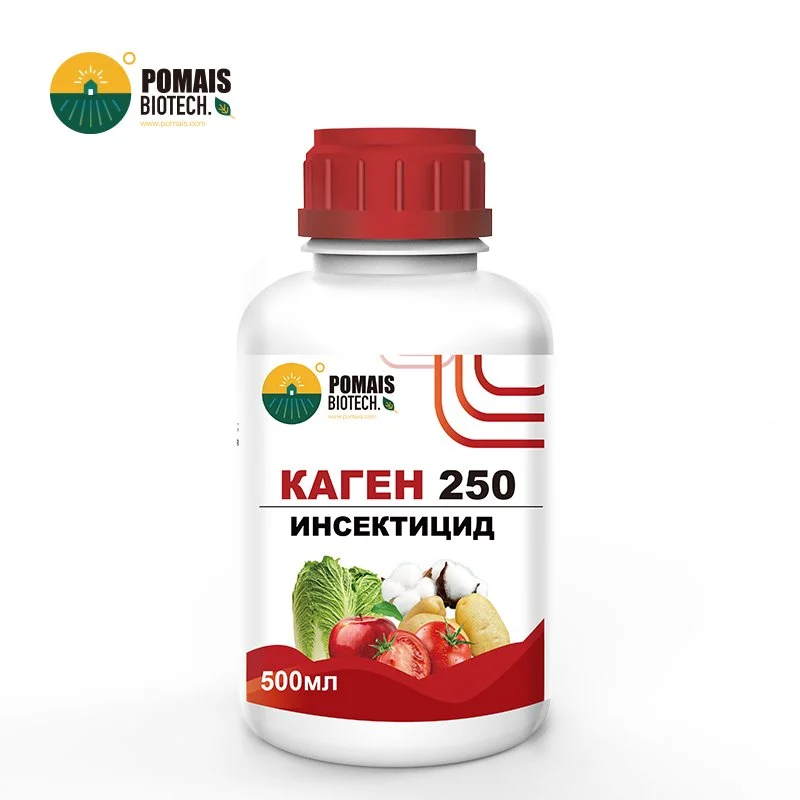
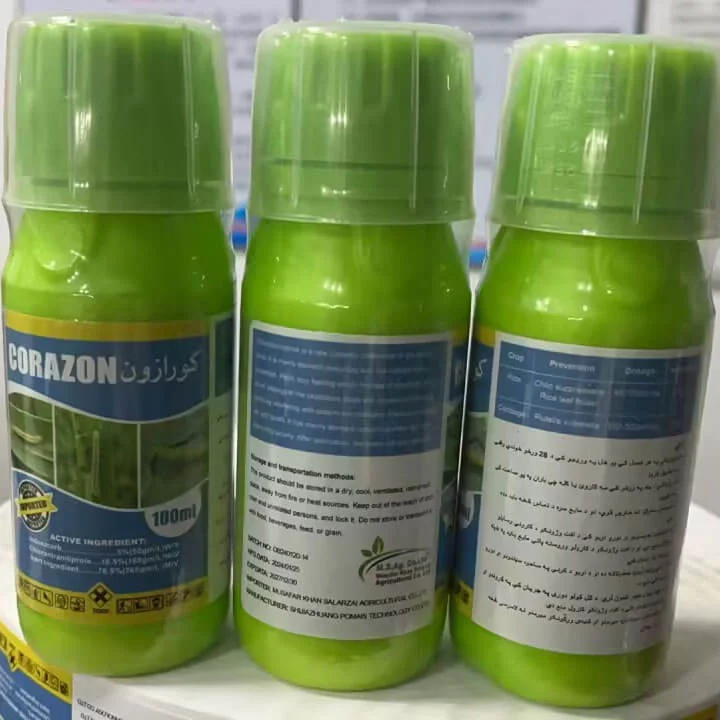
- Chlorantraniliprole (Group 28) — strong on young nymphs; fits soft programs; best with thorough coverage (e.g., 100–150 gal/ac in airblast, adjust to canopy).
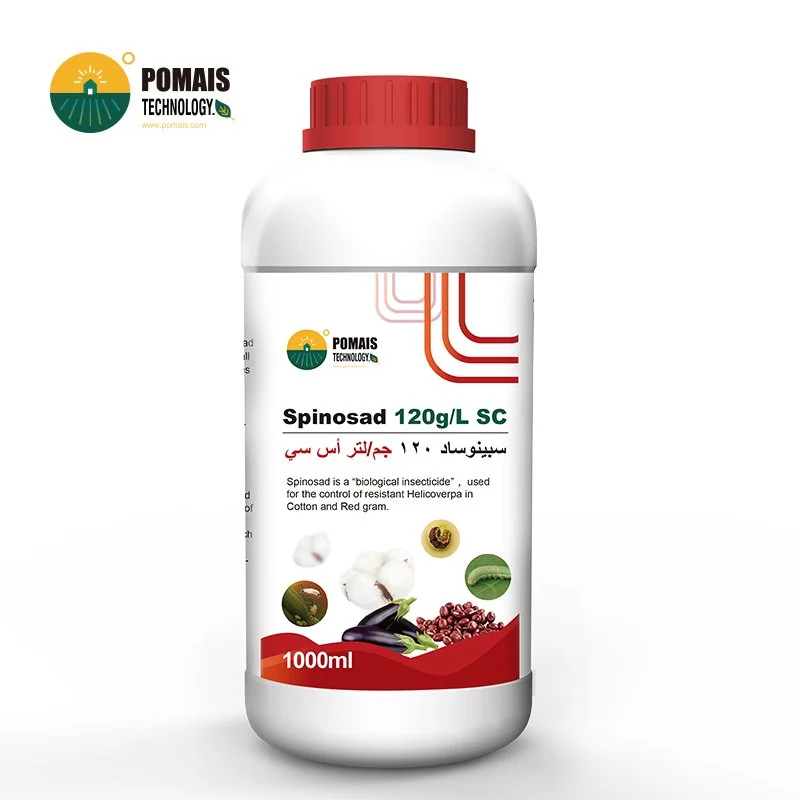
- Spinetoram / Spinosad (Group 5) — excellent on 1st–2nd instars; mind pollinator windows and label restrictions. Organic formulations of spinosad exist in some regions.
- Indoxacarb (Group 22A) — effective on nymphs; adhere to max seasonal limits and water-volume guidance.
- Phosmet (Group 1B) — broad spectrum with nymph/adult activity; high bee hazard—avoid bloom and drift to flowering groundcovers.
- Azadirachtin (UN) — moderate performance, requires direct contact and good coverage; use as a component in softer programs.
Practical Field Notes
- Coverage beats rate games: tight canopies and windy afternoons hurt results; use a marker dye occasionally to audit coverage.
- Sequence if needed: if larger nymphs persist, a second pass 10–14 days later may be required depending on pressure and growth stage.
- Coordinate with broader spray plan: dovetail with peach twig borer or fruit rot timings to reduce total passes.
Resistance & Beneficials
- Rotate modes of action: do not run the same MoA more than two consecutive times in a season; rotate across program windows and across target pests.
- Pollinator protection: avoid bloom and active bee foraging periods; manage flowering groundcovers before sprays; choose actives and timings with bee safety in mind.
- Conservation: favor selective options where feasible to maintain natural enemies that help with secondary pests.
Orchard Scenarios
A) Reduced-tillage with cover crops
- Increase early-season scouting density (visual + beat cloth + occasional sweeps).
- Pre-position an early nymph spray if three or more hotspots are confirmed per block.
B) Blocks bordering alternate hosts (e.g., mixed plantings, field margins)
- Add edge transects to sampling; treat edges first if pressure is localized; re-check 7–10 days later.
C) Organic programs
- Spinosad products timed to early instars can be effective; coverage and timing are critical.
- Strengthen cultural steps and hedging to lower refuges; plan for follow-up verification.
Procurement & Crew-Ready Supply (for dealers and service providers)
POMAIS supports export and field crews with:
- Small-pack SKUs for fast truck-stocking and minimal waste (contractor kits, sub-5-L sizes).
- Multi-language labels (Arabic, Russian, French, Spanish, English) for cross-border teams and audits.
- Multiple formulations (SC, EC, WG, WP, granular) to fit different sprayers and water-volume strategies.
- Compliance documents (ISO/SGS, COA, MSDS, TDS) and region-fit logistics; typical 20–30-day delivery to many Central Asian, African, and South American destinations.
Verification & Recordkeeping
- Pre-harvest checks: every 10–14 days, sample fruit from each quadrant of the block; log fresh injury vs. corked scars.
- Post-harvest review: reconcile pack-out data with scouting notes to refine next season’s triggers.
- Dashboard: track “hotspot count,” “revisit interval,” and “bites per 100 fruit” to quantify ROI of the program.
FAQ
Do katydids bite?
They can nip if handled, but they rarely bite people. In orchards, the concern is fruit feeding rather than human injury.
Are katydids harmful or dangerous?
To people, generally no. To peaches, yes—high densities during early fruit development reduce fruit quality and pack-out.
Are katydids poisonous or poisonous to dogs?
They’re not considered poisonous. As with most insects, ingestion could upset a pet’s stomach; keep pets from eating insects and consult a veterinarian if problems occur.
Are katydids beneficial?
In natural settings they’re part of the food web. In commercial peaches, their fruit feeding is a liability, so the focus is IPM control.
What do katydids eat? Are they carnivorous?
Primarily plant material—leaves, flowers, tender fruit. A few species may opportunistically nibble other small arthropods, but fruit and foliage feeding is the orchard issue.
Do katydids fly? Are they nocturnal?
Adults can fly short distances. Many species are most active at dusk and night; this is when males produce calling songs.
Sounds of katydids?
Males “stridulate” by rubbing wings to produce rhythmic, clicking or rasping calls—often heard at night in summer.
How long do katydids live?
Most complete one generation per year in temperate regions: eggs overwinter; nymphs appear in spring; adults in mid- to late-season.
Types of katydids; katydids vs. crickets vs. grasshoppers; katydids vs. cicadas
Katydids (Tettigoniidae) are relatives of crickets and grasshoppers in the order Orthoptera but differ in body form, wing venation, and song. Cicadas belong to a completely different order and biology.
Are katydids harmful to plants?
At high densities they can scar fruit and skeletonize tender leaves. In peaches, the fruit scarring is the economic driver.
How to get rid of katydids / How do you get rid of katydids?
In orchards: monitor early; act on young nymphs; choose the right chemistry and rotate MoAs; pair with cultural and mechanical steps; verify with post-treatment checks. In landscapes around homes, early detection and spot treatments are usually sufficient.
Are katydids crickets?
No. They’re in related families; katydids are not crickets, though they share some behaviors (e.g., nocturnal calling).
Summary & Next Steps
Katydids are a spring-to-early-summer risk for fresh-market peaches. A professional program—early detection + young-nymph treatments + smart rotations + verification—keeps scars off fruit and costs off your books.
Need small-pack, multi-language label herbicide/insecticide options and export documentation for your crews? POMAIS can configure formulations, labels, and logistics to match your blocks, routes, and seasons.
Hot Products
Hot news
Recommended news
FAQ
