
Last Updated: January 12th, 20262960 words14.9 min read

Indoxacarb vs Fipronil: Key Technical Differences Explained

Introduction: Understanding the Real Difference Between Indoxacarb and Fipronil

This page is not written to tell you which active ingredient is “better.”
It is written to help you understand why indoxacarb and fipronil behave differently in real control programs, and how those differences should influence technical selection, formulation decisions, and long-term control strategies.

Both indoxacarb and fipronil are globally recognized insecticidal active ingredients. They are used across structural, commercial, industrial, and agricultural-adjacent pest control systems. They often appear in the same tenders, product portfolios, and technical discussions, which is why they are frequently compared.

However, they are not functionally equivalent, even when applied against the same target. Their differences extend beyond efficacy into:

  • Control philosophy
  • Population-level impact
  • Resistance dynamics
  • Regulatory flexibility
  • Program sustainability

Choosing between indoxacarb and fipronil without understanding these factors often leads to mismatched expectations, inconsistent results, and premature product switching.
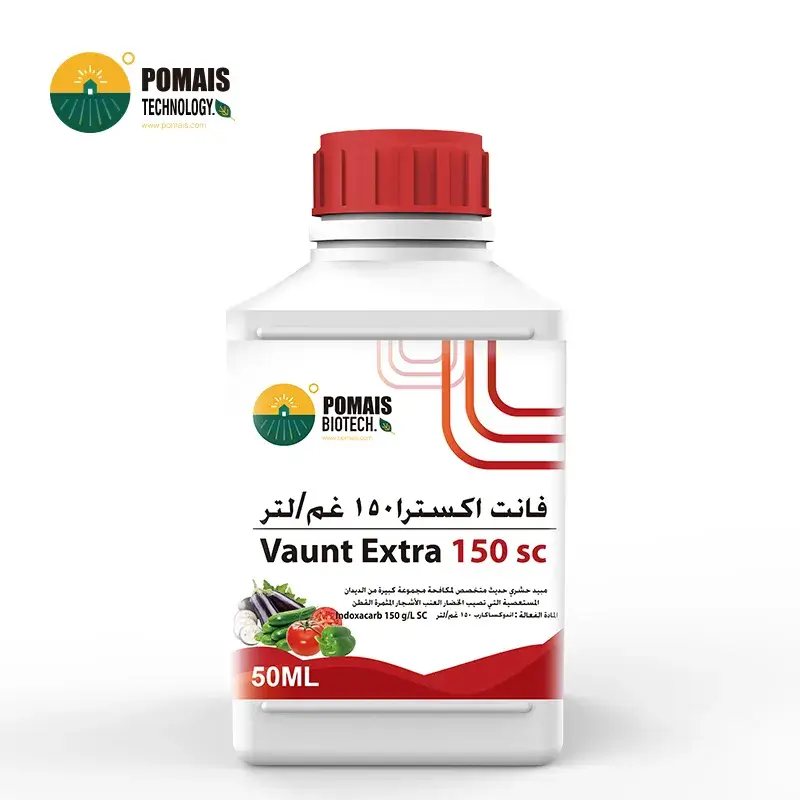
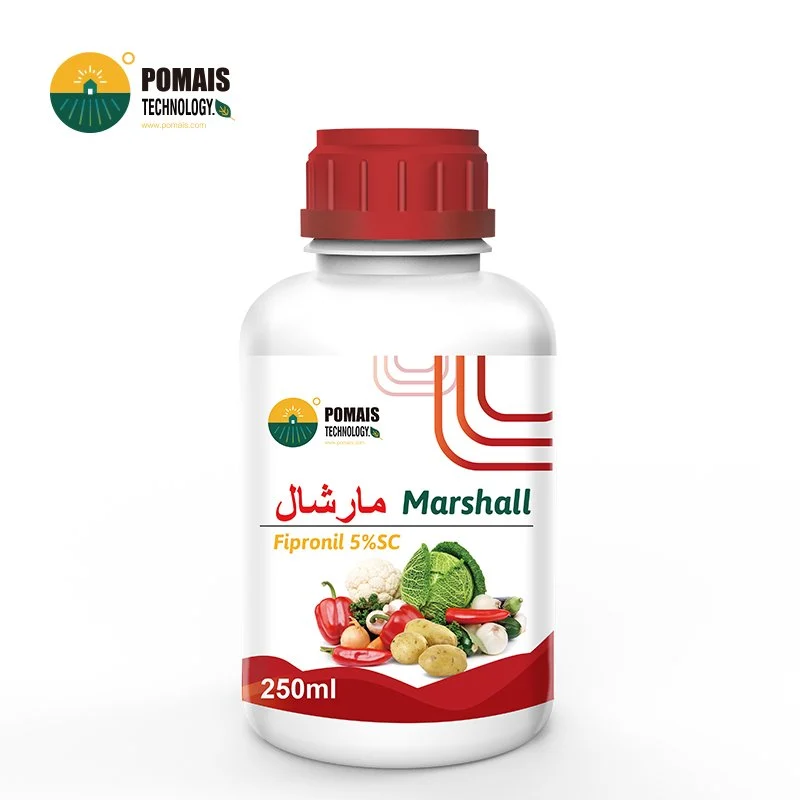
Why Indoxacarb and Fipronil Are Commonly Compared

Indoxacarb and Fipronil as Reference Actives in Modern Pest Control

Indoxacarb and fipronil are often treated as “benchmark” actives in professional pest control for several reasons.

First, both compounds were developed as next-generation alternatives to older broad-spectrum contact insecticides. Their development emphasized:

  • Lower use rates
  • Targeted delivery
  • Reduced reliance on surface saturation
  • Compatibility with professional application systems

Second, both actives are effective at low exposure thresholds, making them suitable for environments where excessive chemical loading is undesirable or restricted.

Third, both are commonly formulated into bait-based or targeted application products, which places them in direct comparison during program design.

Because of these shared attributes, procurement teams and formulators frequently narrow choices to indoxacarb or fipronil when evaluating modern control solutions.

Superficial Similarities vs Functional Differences

At a surface level, indoxacarb and fipronil appear similar:

  • Both kill insects effectively
  • Both disrupt the nervous system
  • Both are used in professional-grade products

This superficial similarity often leads to the assumption that they are interchangeable. In reality, their functional behavior inside the insect and within a population is fundamentally different.

These differences become especially important in situations involving:

  • High population density
  • Limited direct exposure
  • Repeated treatment cycles
  • Resistance management requirements

Understanding these distinctions is essential before making any technical or commercial decision.

Mode of Action: Indoxacarb (Technical Deep Dive)

Pro-Insecticide Design and Metabolic Activation

Indoxacarb belongs to the oxadiazine class of insecticides and is best understood as a pro-insecticide. In its applied form, indoxacarb itself has limited biological activity. It must first be metabolically activated within the insect to produce the toxic metabolite responsible for lethality.

This activation process occurs through enzymatic pathways unique to insects, which has several critical implications:

  • Toxicity is largely confined to target organisms
  • Mammalian toxicity is comparatively lower
  • Biological activity depends on ingestion or internal exposure

From a technical standpoint, this design shifts control from external contact toxicity to internal physiological disruption.

Sodium Channel Blockade and Functional Outcomes

Once activated, indoxacarb blocks voltage-dependent sodium channels in nerve cells. Unlike rapid neurotoxins that cause immediate overstimulation, indoxacarb gradually prevents nerve impulse transmission.

This results in a predictable sequence of effects:

  • Reduced feeding and movement
  • Loss of coordination
  • Progressive paralysis
  • Eventual death

Importantly, death is not immediate, and this delay is a defining characteristic rather than a flaw.

Behavioral Implications of Delayed Toxicity

From a control perspective, delayed toxicity creates outcomes that are often overlooked in simplified comparisons.

Affected insects remain mobile long enough to:

  • Return to aggregation sites
  • Interact with conspecifics
  • Continue normal movement patterns

In structured control systems, this increases the probability that exposure will extend beyond the initially affected individual, contributing to population-level suppression.

This behavior is particularly relevant in environments where only a fraction of the population can be directly exposed at any given time.

Mode of Action: Fipronil (Technical Deep Dive)

Direct Neurotoxicity and GABA Receptor Disruption

Fipronil belongs to the phenylpyrazole class and acts as a direct neurotoxicant. It interferes with GABA-regulated chloride channels, which are essential for inhibitory nerve signaling.

By blocking these channels, fipronil causes:

  • Uncontrolled nerve firing
  • Rapid loss of neural regulation
  • Paralysis and death

Unlike indoxacarb, fipronil does not require metabolic activation. Its toxicity begins as soon as sufficient exposure occurs.

Contact and Ingestion Pathways

Fipronil’s mode of action allows it to be effective through multiple exposure routes:

  • Direct contact with treated surfaces
  • Ingestion of bait or residues

This versatility contributes to its reputation for fast and visible control, particularly in situations where insects readily contact treated zones.

Physiological Consequences of Rapid Action

The rapid onset of toxicity produces immediate control benefits, but it also introduces certain limitations.

Insects affected by fipronil often die:

  • Near exposure points
  • Before returning to aggregation areas
  • With limited opportunity for indirect population impact

As a result, fipronil’s strength lies in individual mortality, not necessarily in long-term population disruption unless exposure coverage is extensive.

Speed of Action vs Control Dynamics

Why Speed Alone Is an Incomplete Metric

Speed of kill is one of the most commonly cited performance indicators, but it is also one of the most misleading when used in isolation.

Fast-acting insecticides like fipronil provide:

  • Immediate visual confirmation
  • Rapid reduction of exposed individuals
  • Strong short-term suppression

However, speed does not automatically correlate with depth of control.

In environments where a large portion of the population remains hidden, rapid death can actually limit overall effectiveness by preventing insects from moving back into areas where population-level effects could occur.

Delayed Action and Population-Level Impact

Indoxacarb’s slower action supports a different control dynamic.

By allowing exposed insects to remain active for a limited period, indoxacarb-based systems can:

  • Increase distribution of exposure
  • Affect individuals beyond direct contact points
  • Reduce the likelihood of rapid rebound

This makes indoxacarb particularly well suited to programmatic control strategies, where success is measured over weeks rather than hours.

Decision Implications for Technical Selection

From a decision-making standpoint:

  • If immediate suppression is the primary goal, fipronil may be technically appropriate.
  • If long-term population reduction is the objective, indoxacarb often aligns better with that strategy.

Neither approach is inherently superior. The key is aligning mode of action and speed of effect with program objectives.

Residual Performance and Control Stability

What “Residual Control” Actually Means in Professional Programs

In technical discussions, “residual effect” is often misunderstood as simply how long an insecticide remains toxic on a surface. In professional pest control and formulation design, residual performance is better defined as:

The consistency of control outcomes over time under real operational conditions.

This includes not only chemical persistence, but also:

  • Behavioral interaction with treated areas
  • Stability under environmental stress
  • Repeated exposure potential
  • Compatibility with sanitation and maintenance practices

When evaluated under this broader definition, indoxacarb and fipronil behave very differently.

Residual Behavior of Fipronil in Real-World Environments

Fipronil exhibits strong residual toxicity under controlled conditions. On treated surfaces or within bait matrices, it can remain biologically active for extended periods. This is one reason it has been widely adopted in professional systems.

However, field performance depends heavily on exposure continuity.

In real environments:

  • Treated surfaces may be cleaned or disturbed
  • Access to exposure points may be inconsistent
  • Insects may alter movement patterns after initial exposure

Because fipronil acts quickly, insects that encounter it tend to die close to the point of contact. While this produces strong local suppression, it also means that residual activity may be underutilized if behavioral avoidance develops.

In programs where long-term stability is required, reliance on surface-based residual toxicity alone can lead to diminishing returns.

Residual Dynamics of Indoxacarb-Based Systems

Indoxacarb does not rely on residual surface toxicity in the same way. Instead, its performance stability comes from repeated ingestion and systemic action.

Key characteristics include:

  • Effectiveness driven by consumption rather than contact
  • Reduced dependence on surface integrity
  • Greater tolerance to environmental disruption

Because indoxacarb must be ingested and metabolically activated, its impact is less affected by cleaning, moisture, or surface wear. This makes it particularly suitable for environments where residual surface treatments are difficult to maintain.

Control Stability Over Multiple Treatment Cycles

Professional control programs rarely rely on a single application. Success is measured over multiple treatment cycles, often spanning weeks or months.

In this context:

  • Fipronil tends to deliver strong initial suppression
  • Indoxacarb tends to deliver more stable cumulative suppression

Programs that emphasize program continuity rather than immediate results often favor actives whose effectiveness does not decline sharply after the first cycle.

Reinfestation Risk and Population Recovery

Why Reinfestation Happens Even After Effective Treatments

Reinfestation is not always caused by product failure. Common contributing factors include:

  • Incomplete exposure of hidden populations
  • Survival of reproductive individuals
  • Immigration from untreated areas
  • Behavioral avoidance after initial treatments

The ability of an active ingredient to address these factors plays a critical role in long-term success.

Fipronil and Rebound Dynamics

Fipronil’s fast action can paradoxically contribute to rebound risk under certain conditions.

Because insects die rapidly:

  • Exposure may remain localized
  • Indirect population effects may be limited
  • Surviving individuals may avoid treated areas

If control programs rely exclusively on fipronil without rotation or supplemental strategies, population recovery can occur once exposure pressure decreases.

Indoxacarb and Progressive Population Suppression

Indoxacarb’s delayed mortality supports a different dynamic.

Exposed insects are more likely to:

  • Continue normal movement patterns temporarily
  • Interact with untreated individuals
  • Contribute to broader exposure

Over repeated cycles, this can result in progressive population decline, rather than the sharp drop-and-rebound pattern sometimes observed with fast-acting actives.

Resistance Risk and Long-Term Sustainability

Understanding Resistance Beyond Simple Failure

Resistance should not be viewed as a binary condition where a product suddenly stops working. In practice, resistance manifests as:

  • Slower control
  • Reduced consistency
  • Increased variability across sites

These early signals often go unnoticed until performance becomes unacceptable.

Fipronil: Long Use History and Selection Pressure

Fipronil has been in widespread use across multiple pest categories and application types for many years. This extensive use history creates selection pressure, particularly in environments where:

  • The same active is used repeatedly
  • Alternative modes of action are limited
  • Exposure pathways are predictable

Under these conditions, reduced sensitivity can emerge gradually. This does not eliminate fipronil’s value, but it does require more careful management.

Indoxacarb as a Resistance Management Tool

Indoxacarb’s mode of action and activation pathway differ significantly from many traditional neurotoxicants. This makes it particularly useful in:

  • Rotation programs
  • Resistance mitigation strategies
  • Situations where performance of fast-acting actives has declined

Because indoxacarb relies on metabolic activation within the insect, cross-resistance patterns are less common compared to direct-acting neurotoxins.

Strategic Rotation vs Reactive Switching

A common mistake in pest control programs is reactive switching—changing products only after failure occurs.

From a technical standpoint, proactive rotation is far more effective. In this context:

  • Fipronil can be used for rapid suppression phases
  • Indoxacarb can be used for stabilization and long-term control

This complementary use reduces selection pressure on any single mode of action and improves overall program sustainability.

Long-Term Control Philosophy: Suppression vs Elimination

Why “Elimination” Is Often a Misleading Goal

In many professional settings, complete elimination is unrealistic due to:

  • Structural complexity
  • Continuous reinfestation pressure
  • Environmental constraints

Control programs are therefore designed around suppression thresholds, not absolute elimination.

Alignment of Active Ingredient with Control Philosophy

Indoxacarb aligns naturally with suppression-oriented programs that focus on:

  • Gradual population reduction
  • Stability over time
  • Integration with monitoring and sanitation

Fipronil aligns more closely with intervention-oriented programs where:

  • Immediate action is required
  • Control zones are clearly defined
  • Rapid results are prioritized

Neither philosophy is inherently superior. Problems arise only when the active ingredient is misaligned with the program objective.

Decision Impact for Technical Buyers and Formulators

For technical buyers, formulators, and program designers, the decision between indoxacarb and fipronil should consider:

  • Expected treatment frequency
  • Population pressure intensity
  • Regulatory environment
  • Resistance management plans

Ignoring these factors often leads to inconsistent performance and unnecessary reformulation cycles.

Formulation Strategy and Application Logic

Why Active Ingredient Selection Cannot Be Separated from Formulation Design

In professional pest control, the active ingredient alone does not determine performance. Formulation design defines how the active ingredient behaves in the field, how exposure occurs, and how consistently results can be reproduced.

Indoxacarb and fipronil are formulated differently not by accident, but because their chemical and biological properties demand different delivery strategies.

Ignoring formulation logic is one of the most common reasons technically sound actives underperform in real programs.

Fipronil: Formulations Optimized for Rapid Exposure

Fipronil formulations are typically designed to maximize immediate availability of the active ingredient. Common formulation objectives include:

  • Rapid uptake through contact or ingestion
  • High bioavailability at exposure points
  • Minimal delay between exposure and effect

As a result, fipronil is frequently formulated into:

  • Gel or paste systems intended for quick interaction
  • Spot or crack-and-crevice applications
  • Products designed for visible and localized control

These formulations align with fipronil’s direct neurotoxic action. They are particularly effective when exposure can be reliably engineered and when rapid suppression is operationally valuable.

However, this same design philosophy can limit flexibility in environments where exposure patterns are unpredictable or where repeated disturbance is expected.

Indoxacarb: Formulations Designed for Programmatic Control

Indoxacarb formulations, by contrast, are engineered to support controlled, repeated ingestion rather than immediate contact toxicity.

Key formulation priorities often include:

  • Palatability and sustained acceptance
  • Stability over extended placement periods
  • Controlled release aligned with metabolic activation

These characteristics make indoxacarb well suited to:

  • Structured baiting programs
  • Long-duration placements
  • Environments where immediate contact cannot be guaranteed

From a formulation standpoint, indoxacarb’s performance depends less on surface persistence and more on behavioral interaction over time.

Application Logic: One-Time Intervention vs Program-Based Deployment

The formulation differences between indoxacarb and fipronil naturally lead to different application philosophies.

Fipronil-based products are often deployed as interventions—they are introduced to rapidly reduce activity and then removed or replaced as conditions change.

Indoxacarb-based products are more commonly deployed as part of ongoing programs, where success is measured across multiple inspection and treatment cycles.

This distinction matters when designing professional control protocols, especially in large or complex facilities.

Application Environment Fit and Operational Flexibility

Structural and Commercial Environments

In structural and commercial environments, pest pressure is rarely static. Occupancy patterns, sanitation levels, and environmental conditions fluctuate continuously.

Under these conditions:

  • Fipronil performs best when exposure points can be precisely controlled
  • Indoxacarb performs best when exposure must be sustained despite variability

Facilities that experience frequent disruption often benefit from actives that maintain effectiveness even when ideal placement conditions cannot be preserved.

Industrial and Infrastructure Settings

In industrial or infrastructure settings, access limitations and safety protocols often restrict frequent reapplication.

Indoxacarb’s ability to function within longer placement intervals can be advantageous in these environments. Fipronil may still be used effectively, but typically requires more deliberate exposure planning to maintain consistent results.

Safety and Regulatory Positioning

Regulatory Sensitivity of Fipronil

From a regulatory perspective, fipronil is often classified as a highly scrutinized active ingredient. Its regulatory status varies widely across regions, and permitted uses may be limited by:

  • Environmental risk considerations
  • Non-target organism sensitivity
  • Application site restrictions

These factors do not inherently disqualify fipronil from professional use, but they do require careful regulatory alignment during product development and deployment.

For manufacturers and program designers, regulatory uncertainty can translate into longer approval timelines and narrower application scopes.

Indoxacarb in Compliance-Oriented Programs

Indoxacarb is frequently positioned within compliance-focused pest control frameworks. Its metabolic activation mechanism and formulation flexibility allow it to be integrated into programs that emphasize:

  • Controlled exposure
  • Documented application protocols
  • Long-term monitoring

This positioning can simplify regulatory compliance in jurisdictions with stringent oversight, particularly when pest control activities must be audited or certified.

Risk Management and Non-Target Considerations

Exposure Control and Risk Mitigation

Professional programs increasingly prioritize risk management alongside efficacy. This includes minimizing exposure to non-target organisms and reducing environmental dispersion.

Indoxacarb’s reliance on ingestion rather than surface toxicity can reduce unintended exposure pathways when formulations and placement strategies are properly designed.

Fipronil’s broad neurotoxic activity requires stricter exposure control, especially in sensitive environments.

Indoxacarb vs Fipronil: Integrated Technical Comparison

Dimension Indoxacarb Fipronil
Activation mechanism Metabolically activated Direct neurotoxic
Speed of effect Delayed Rapid
Control philosophy Programmatic suppression Immediate intervention
Formulation focus Sustained ingestion Rapid exposure
Resistance management role Strong rotation value Requires careful management
Regulatory flexibility Generally higher Often more restricted
Best fit Long-term, structured programs Short-term, targeted control

This comparison highlights a critical reality: these two actives are not substitutes; they are tools designed for different roles.

Professional Decision Pathways: How to Choose Between Indoxacarb and Fipronil

When Indoxacarb Is the Technically Sound Choice

Indoxacarb is often the better technical choice when:

  • Control objectives emphasize stability over time
  • Repeated exposure cycles are expected
  • Resistance management is a priority
  • Regulatory compliance is a key constraint
  • Programs are designed for long-term operation

In these scenarios, indoxacarb’s delayed action and formulation flexibility align well with sustainable control goals.

When Fipronil Is the More Appropriate Tool

Fipronil may be the preferred option when:

  • Immediate suppression is required
  • Exposure pathways can be tightly controlled
  • Regulatory conditions clearly permit its use
  • Rapid reduction of activity is operationally critical

In these cases, fipronil’s speed and potency can deliver decisive short-term results.

Avoiding the False “Either–Or” Choice

One of the most important professional insights is that indoxacarb and fipronil do not need to compete.

In well-designed programs, they may be:

  • Used in rotation
  • Assigned to different phases of control
  • Applied in different zones or environments

This strategic use reduces resistance pressure, improves consistency, and extends the useful life of both actives.

Final Synthesis: Indoxacarb vs Fipronil in Modern Control Programs

Indoxacarb and fipronil represent two distinct approaches to insect control.

  • Indoxacarb prioritizes behavioral interaction, delayed toxicity, and population-level suppression.
  • Fipronil prioritizes speed, acute toxicity, and immediate reduction of activity.

Neither approach is universally superior. The most successful professional programs are those that match the active ingredient to the control objective, formulation strategy, regulatory context, and operational reality.

When these elements are aligned, both indoxacarb and fipronil can deliver reliable, repeatable, and professional-grade control outcomes.

Introduction: Understanding the Real Difference Between Indoxacarb and Fipronil

This page is not written to tell you which active ingredient is “better.”
It is written to help you understand why indoxacarb and fipronil behave differently in real control programs, and how those differences should influence technical selection, formulation decisions, and long-term control strategies.

Both indoxacarb and fipronil are globally recognized insecticidal active ingredients. They are used across structural, commercial, industrial, and agricultural-adjacent pest control systems. They often appear in the same tenders, product portfolios, and technical discussions, which is why they are frequently compared.

However, they are not functionally equivalent, even when applied against the same target. Their differences extend beyond efficacy into:

  • Control philosophy
  • Population-level impact
  • Resistance dynamics
  • Regulatory flexibility
  • Program sustainability

Choosing between indoxacarb and fipronil without understanding these factors often leads to mismatched expectations, inconsistent results, and premature product switching.

Why Indoxacarb and Fipronil Are Commonly Compared

Indoxacarb and Fipronil as Reference Actives in Modern Pest Control

Indoxacarb and fipronil are often treated as “benchmark” actives in professional pest control for several reasons.

First, both compounds were developed as next-generation alternatives to older broad-spectrum contact insecticides. Their development emphasized:

  • Lower use rates
  • Targeted delivery
  • Reduced reliance on surface saturation
  • Compatibility with professional application systems

Second, both actives are effective at low exposure thresholds, making them suitable for environments where excessive chemical loading is undesirable or restricted.

Third, both are commonly formulated into bait-based or targeted application products, which places them in direct comparison during program design.

Because of these shared attributes, procurement teams and formulators frequently narrow choices to indoxacarb or fipronil when evaluating modern control solutions.

Superficial Similarities vs Functional Differences

At a surface level, indoxacarb and fipronil appear similar:

  • Both kill insects effectively
  • Both disrupt the nervous system
  • Both are used in professional-grade products

This superficial similarity often leads to the assumption that they are interchangeable. In reality, their functional behavior inside the insect and within a population is fundamentally different.

These differences become especially important in situations involving:

  • High population density
  • Limited direct exposure
  • Repeated treatment cycles
  • Resistance management requirements

Understanding these distinctions is essential before making any technical or commercial decision.

Mode of Action: Indoxacarb (Technical Deep Dive)

Pro-Insecticide Design and Metabolic Activation

Indoxacarb belongs to the oxadiazine class of insecticides and is best understood as a pro-insecticide. In its applied form, indoxacarb itself has limited biological activity. It must first be metabolically activated within the insect to produce the toxic metabolite responsible for lethality.

This activation process occurs through enzymatic pathways unique to insects, which has several critical implications:

  • Toxicity is largely confined to target organisms
  • Mammalian toxicity is comparatively lower
  • Biological activity depends on ingestion or internal exposure

From a technical standpoint, this design shifts control from external contact toxicity to internal physiological disruption.

Sodium Channel Blockade and Functional Outcomes

Once activated, indoxacarb blocks voltage-dependent sodium channels in nerve cells. Unlike rapid neurotoxins that cause immediate overstimulation, indoxacarb gradually prevents nerve impulse transmission.

This results in a predictable sequence of effects:

  • Reduced feeding and movement
  • Loss of coordination
  • Progressive paralysis
  • Eventual death

Importantly, death is not immediate, and this delay is a defining characteristic rather than a flaw.

Behavioral Implications of Delayed Toxicity

From a control perspective, delayed toxicity creates outcomes that are often overlooked in simplified comparisons.

Affected insects remain mobile long enough to:

  • Return to aggregation sites
  • Interact with conspecifics
  • Continue normal movement patterns

In structured control systems, this increases the probability that exposure will extend beyond the initially affected individual, contributing to population-level suppression.

This behavior is particularly relevant in environments where only a fraction of the population can be directly exposed at any given time.

Mode of Action: Fipronil (Technical Deep Dive)

Direct Neurotoxicity and GABA Receptor Disruption

Fipronil belongs to the phenylpyrazole class and acts as a direct neurotoxicant. It interferes with GABA-regulated chloride channels, which are essential for inhibitory nerve signaling.

By blocking these channels, fipronil causes:

  • Uncontrolled nerve firing
  • Rapid loss of neural regulation
  • Paralysis and death

Unlike indoxacarb, fipronil does not require metabolic activation. Its toxicity begins as soon as sufficient exposure occurs.

Contact and Ingestion Pathways

Fipronil’s mode of action allows it to be effective through multiple exposure routes:

  • Direct contact with treated surfaces
  • Ingestion of bait or residues

This versatility contributes to its reputation for fast and visible control, particularly in situations where insects readily contact treated zones.

Physiological Consequences of Rapid Action

The rapid onset of toxicity produces immediate control benefits, but it also introduces certain limitations.

Insects affected by fipronil often die:

  • Near exposure points
  • Before returning to aggregation areas
  • With limited opportunity for indirect population impact

As a result, fipronil’s strength lies in individual mortality, not necessarily in long-term population disruption unless exposure coverage is extensive.

Speed of Action vs Control Dynamics

Why Speed Alone Is an Incomplete Metric

Speed of kill is one of the most commonly cited performance indicators, but it is also one of the most misleading when used in isolation.

Fast-acting insecticides like fipronil provide:

  • Immediate visual confirmation
  • Rapid reduction of exposed individuals
  • Strong short-term suppression

However, speed does not automatically correlate with depth of control.

In environments where a large portion of the population remains hidden, rapid death can actually limit overall effectiveness by preventing insects from moving back into areas where population-level effects could occur.

Delayed Action and Population-Level Impact

Indoxacarb’s slower action supports a different control dynamic.

By allowing exposed insects to remain active for a limited period, indoxacarb-based systems can:

  • Increase distribution of exposure
  • Affect individuals beyond direct contact points
  • Reduce the likelihood of rapid rebound

This makes indoxacarb particularly well suited to programmatic control strategies, where success is measured over weeks rather than hours.

Decision Implications for Technical Selection

From a decision-making standpoint:

  • If immediate suppression is the primary goal, fipronil may be technically appropriate.
  • If long-term population reduction is the objective, indoxacarb often aligns better with that strategy.

Neither approach is inherently superior. The key is aligning mode of action and speed of effect with program objectives.

Residual Performance and Control Stability

What “Residual Control” Actually Means in Professional Programs

In technical discussions, “residual effect” is often misunderstood as simply how long an insecticide remains toxic on a surface. In professional pest control and formulation design, residual performance is better defined as:

The consistency of control outcomes over time under real operational conditions.

This includes not only chemical persistence, but also:

  • Behavioral interaction with treated areas
  • Stability under environmental stress
  • Repeated exposure potential
  • Compatibility with sanitation and maintenance practices

When evaluated under this broader definition, indoxacarb and fipronil behave very differently.

Residual Behavior of Fipronil in Real-World Environments

Fipronil exhibits strong residual toxicity under controlled conditions. On treated surfaces or within bait matrices, it can remain biologically active for extended periods. This is one reason it has been widely adopted in professional systems.

However, field performance depends heavily on exposure continuity.

In real environments:

  • Treated surfaces may be cleaned or disturbed
  • Access to exposure points may be inconsistent
  • Insects may alter movement patterns after initial exposure

Because fipronil acts quickly, insects that encounter it tend to die close to the point of contact. While this produces strong local suppression, it also means that residual activity may be underutilized if behavioral avoidance develops.

In programs where long-term stability is required, reliance on surface-based residual toxicity alone can lead to diminishing returns.

Residual Dynamics of Indoxacarb-Based Systems

Indoxacarb does not rely on residual surface toxicity in the same way. Instead, its performance stability comes from repeated ingestion and systemic action.

Key characteristics include:

  • Effectiveness driven by consumption rather than contact
  • Reduced dependence on surface integrity
  • Greater tolerance to environmental disruption

Because indoxacarb must be ingested and metabolically activated, its impact is less affected by cleaning, moisture, or surface wear. This makes it particularly suitable for environments where residual surface treatments are difficult to maintain.

Control Stability Over Multiple Treatment Cycles

Professional control programs rarely rely on a single application. Success is measured over multiple treatment cycles, often spanning weeks or months.

In this context:

  • Fipronil tends to deliver strong initial suppression
  • Indoxacarb tends to deliver more stable cumulative suppression

Programs that emphasize program continuity rather than immediate results often favor actives whose effectiveness does not decline sharply after the first cycle.

Reinfestation Risk and Population Recovery

Why Reinfestation Happens Even After Effective Treatments

Reinfestation is not always caused by product failure. Common contributing factors include:

  • Incomplete exposure of hidden populations
  • Survival of reproductive individuals
  • Immigration from untreated areas
  • Behavioral avoidance after initial treatments

The ability of an active ingredient to address these factors plays a critical role in long-term success.

Fipronil and Rebound Dynamics

Fipronil’s fast action can paradoxically contribute to rebound risk under certain conditions.

Because insects die rapidly:

  • Exposure may remain localized
  • Indirect population effects may be limited
  • Surviving individuals may avoid treated areas

If control programs rely exclusively on fipronil without rotation or supplemental strategies, population recovery can occur once exposure pressure decreases.

Indoxacarb and Progressive Population Suppression

Indoxacarb’s delayed mortality supports a different dynamic.

Exposed insects are more likely to:

  • Continue normal movement patterns temporarily
  • Interact with untreated individuals
  • Contribute to broader exposure

Over repeated cycles, this can result in progressive population decline, rather than the sharp drop-and-rebound pattern sometimes observed with fast-acting actives.

Resistance Risk and Long-Term Sustainability

Understanding Resistance Beyond Simple Failure

Resistance should not be viewed as a binary condition where a product suddenly stops working. In practice, resistance manifests as:

  • Slower control
  • Reduced consistency
  • Increased variability across sites

These early signals often go unnoticed until performance becomes unacceptable.

Fipronil: Long Use History and Selection Pressure

Fipronil has been in widespread use across multiple pest categories and application types for many years. This extensive use history creates selection pressure, particularly in environments where:

  • The same active is used repeatedly
  • Alternative modes of action are limited
  • Exposure pathways are predictable

Under these conditions, reduced sensitivity can emerge gradually. This does not eliminate fipronil’s value, but it does require more careful management.

Indoxacarb as a Resistance Management Tool

Indoxacarb’s mode of action and activation pathway differ significantly from many traditional neurotoxicants. This makes it particularly useful in:

  • Rotation programs
  • Resistance mitigation strategies
  • Situations where performance of fast-acting actives has declined

Because indoxacarb relies on metabolic activation within the insect, cross-resistance patterns are less common compared to direct-acting neurotoxins.

Strategic Rotation vs Reactive Switching

A common mistake in pest control programs is reactive switching—changing products only after failure occurs.

From a technical standpoint, proactive rotation is far more effective. In this context:

  • Fipronil can be used for rapid suppression phases
  • Indoxacarb can be used for stabilization and long-term control

This complementary use reduces selection pressure on any single mode of action and improves overall program sustainability.

Long-Term Control Philosophy: Suppression vs Elimination

Why “Elimination” Is Often a Misleading Goal

In many professional settings, complete elimination is unrealistic due to:

  • Structural complexity
  • Continuous reinfestation pressure
  • Environmental constraints

Control programs are therefore designed around suppression thresholds, not absolute elimination.

Alignment of Active Ingredient with Control Philosophy

Indoxacarb aligns naturally with suppression-oriented programs that focus on:

  • Gradual population reduction
  • Stability over time
  • Integration with monitoring and sanitation

Fipronil aligns more closely with intervention-oriented programs where:

  • Immediate action is required
  • Control zones are clearly defined
  • Rapid results are prioritized

Neither philosophy is inherently superior. Problems arise only when the active ingredient is misaligned with the program objective.

Decision Impact for Technical Buyers and Formulators

For technical buyers, formulators, and program designers, the decision between indoxacarb and fipronil should consider:

  • Expected treatment frequency
  • Population pressure intensity
  • Regulatory environment
  • Resistance management plans

Ignoring these factors often leads to inconsistent performance and unnecessary reformulation cycles.

Formulation Strategy and Application Logic

Why Active Ingredient Selection Cannot Be Separated from Formulation Design

In professional pest control, the active ingredient alone does not determine performance. Formulation design defines how the active ingredient behaves in the field, how exposure occurs, and how consistently results can be reproduced.

Indoxacarb and fipronil are formulated differently not by accident, but because their chemical and biological properties demand different delivery strategies.

Ignoring formulation logic is one of the most common reasons technically sound actives underperform in real programs.

Fipronil: Formulations Optimized for Rapid Exposure

Fipronil formulations are typically designed to maximize immediate availability of the active ingredient. Common formulation objectives include:

  • Rapid uptake through contact or ingestion
  • High bioavailability at exposure points
  • Minimal delay between exposure and effect

As a result, fipronil is frequently formulated into:

  • Gel or paste systems intended for quick interaction
  • Spot or crack-and-crevice applications
  • Products designed for visible and localized control

These formulations align with fipronil’s direct neurotoxic action. They are particularly effective when exposure can be reliably engineered and when rapid suppression is operationally valuable.

However, this same design philosophy can limit flexibility in environments where exposure patterns are unpredictable or where repeated disturbance is expected.

Indoxacarb: Formulations Designed for Programmatic Control

Indoxacarb formulations, by contrast, are engineered to support controlled, repeated ingestion rather than immediate contact toxicity.

Key formulation priorities often include:

  • Palatability and sustained acceptance
  • Stability over extended placement periods
  • Controlled release aligned with metabolic activation

These characteristics make indoxacarb well suited to:

  • Structured baiting programs
  • Long-duration placements
  • Environments where immediate contact cannot be guaranteed

From a formulation standpoint, indoxacarb’s performance depends less on surface persistence and more on behavioral interaction over time.

Application Logic: One-Time Intervention vs Program-Based Deployment

The formulation differences between indoxacarb and fipronil naturally lead to different application philosophies.

Fipronil-based products are often deployed as interventions—they are introduced to rapidly reduce activity and then removed or replaced as conditions change.

Indoxacarb-based products are more commonly deployed as part of ongoing programs, where success is measured across multiple inspection and treatment cycles.

This distinction matters when designing professional control protocols, especially in large or complex facilities.

Application Environment Fit and Operational Flexibility

Structural and Commercial Environments

In structural and commercial environments, pest pressure is rarely static. Occupancy patterns, sanitation levels, and environmental conditions fluctuate continuously.

Under these conditions:

  • Fipronil performs best when exposure points can be precisely controlled
  • Indoxacarb performs best when exposure must be sustained despite variability

Facilities that experience frequent disruption often benefit from actives that maintain effectiveness even when ideal placement conditions cannot be preserved.

Industrial and Infrastructure Settings

In industrial or infrastructure settings, access limitations and safety protocols often restrict frequent reapplication.

Indoxacarb’s ability to function within longer placement intervals can be advantageous in these environments. Fipronil may still be used effectively, but typically requires more deliberate exposure planning to maintain consistent results.

Safety and Regulatory Positioning

Regulatory Sensitivity of Fipronil

From a regulatory perspective, fipronil is often classified as a highly scrutinized active ingredient. Its regulatory status varies widely across regions, and permitted uses may be limited by:

  • Environmental risk considerations
  • Non-target organism sensitivity
  • Application site restrictions

These factors do not inherently disqualify fipronil from professional use, but they do require careful regulatory alignment during product development and deployment.

For manufacturers and program designers, regulatory uncertainty can translate into longer approval timelines and narrower application scopes.

Indoxacarb in Compliance-Oriented Programs

Indoxacarb is frequently positioned within compliance-focused pest control frameworks. Its metabolic activation mechanism and formulation flexibility allow it to be integrated into programs that emphasize:

  • Controlled exposure
  • Documented application protocols
  • Long-term monitoring

This positioning can simplify regulatory compliance in jurisdictions with stringent oversight, particularly when pest control activities must be audited or certified.

Risk Management and Non-Target Considerations

Exposure Control and Risk Mitigation

Professional programs increasingly prioritize risk management alongside efficacy. This includes minimizing exposure to non-target organisms and reducing environmental dispersion.

Indoxacarb’s reliance on ingestion rather than surface toxicity can reduce unintended exposure pathways when formulations and placement strategies are properly designed.

Fipronil’s broad neurotoxic activity requires stricter exposure control, especially in sensitive environments.

Indoxacarb vs Fipronil: Integrated Technical Comparison

Dimension Indoxacarb Fipronil
Activation mechanism Metabolically activated Direct neurotoxic
Speed of effect Delayed Rapid
Control philosophy Programmatic suppression Immediate intervention
Formulation focus Sustained ingestion Rapid exposure
Resistance management role Strong rotation value Requires careful management
Regulatory flexibility Generally higher Often more restricted
Best fit Long-term, structured programs Short-term, targeted control

This comparison highlights a critical reality: these two actives are not substitutes; they are tools designed for different roles.

Professional Decision Pathways: How to Choose Between Indoxacarb and Fipronil

When Indoxacarb Is the Technically Sound Choice

Indoxacarb is often the better technical choice when:

  • Control objectives emphasize stability over time
  • Repeated exposure cycles are expected
  • Resistance management is a priority
  • Regulatory compliance is a key constraint
  • Programs are designed for long-term operation

In these scenarios, indoxacarb’s delayed action and formulation flexibility align well with sustainable control goals.

When Fipronil Is the More Appropriate Tool

Fipronil may be the preferred option when:

  • Immediate suppression is required
  • Exposure pathways can be tightly controlled
  • Regulatory conditions clearly permit its use
  • Rapid reduction of activity is operationally critical

In these cases, fipronil’s speed and potency can deliver decisive short-term results.

Avoiding the False “Either–Or” Choice

One of the most important professional insights is that indoxacarb and fipronil do not need to compete.

In well-designed programs, they may be:

  • Used in rotation
  • Assigned to different phases of control
  • Applied in different zones or environments

This strategic use reduces resistance pressure, improves consistency, and extends the useful life of both actives.

Final Synthesis: Indoxacarb vs Fipronil in Modern Control Programs

Indoxacarb and fipronil represent two distinct approaches to insect control.

  • Indoxacarb prioritizes behavioral interaction, delayed toxicity, and population-level suppression.
  • Fipronil prioritizes speed, acute toxicity, and immediate reduction of activity.

Neither approach is universally superior. The most successful professional programs are those that match the active ingredient to the control objective, formulation strategy, regulatory context, and operational reality.

When these elements are aligned, both indoxacarb and fipronil can deliver reliable, repeatable, and professional-grade control outcomes.

Share to:
Share to: