
Difference Between Fipronil and Selamectin: A Practical Guide for Veterinary Product Portfolios
In the companion-animal parasiticide market, two active ingredients often appear on lists of must-haves: Fipronil and Selamectin. Both are widely used for flea, tick, mite (and in some cases endo-parasite) control in dogs and cats.
Though they target many of the same challenges, they differ significantly in chemical class, mode of action, application profile, species/parasite spectrum, regulatory and market positioning. For a distributor, importer or veterinary brand owner, understanding those differences is key to building a differentiated, compliant and high-value product line.
This article provides a structured comparison of fipronil vs selamectin – what each does, how they differ, how to position them in the market, and how to use this insight to support procurement, product strategy and customer communication.
What Are Fipronil and Selamectin Used For?
Fipronil
Fipronil is a broad-spectrum ectoparasiticide (fleas, ticks, lice) applied topically (spot-on, spray) in pets. It has been a staple in flea and tick prevention for dogs and cats.
Its main selling points: long-standing use, strong brand recognition, multiple formulation types, wide market adoption.
Selamectin
Selamectin is a topical endectocide/ectoparasiticide for dogs and cats. It treats fleas, ear mites, some ticks and certain internal parasites (depending on the region and registration).
It is positioned as a multi-parasite solution rather than purely a flea/tick remedy.
Key procurement/brand-owner significance
- When choosing which actives to include in your product line, you’ll ask: Which parasites are top of mind in my target market? Dogs vs cats? Mixed infestations vs single parasite type?
- Fipronil may cover “classic fleas + ticks” need.
- Selamectin may address “multi-parasite, premium pet wellness” need.
- Registerability, local regulatory approval, history of use and user familiarity also matter.
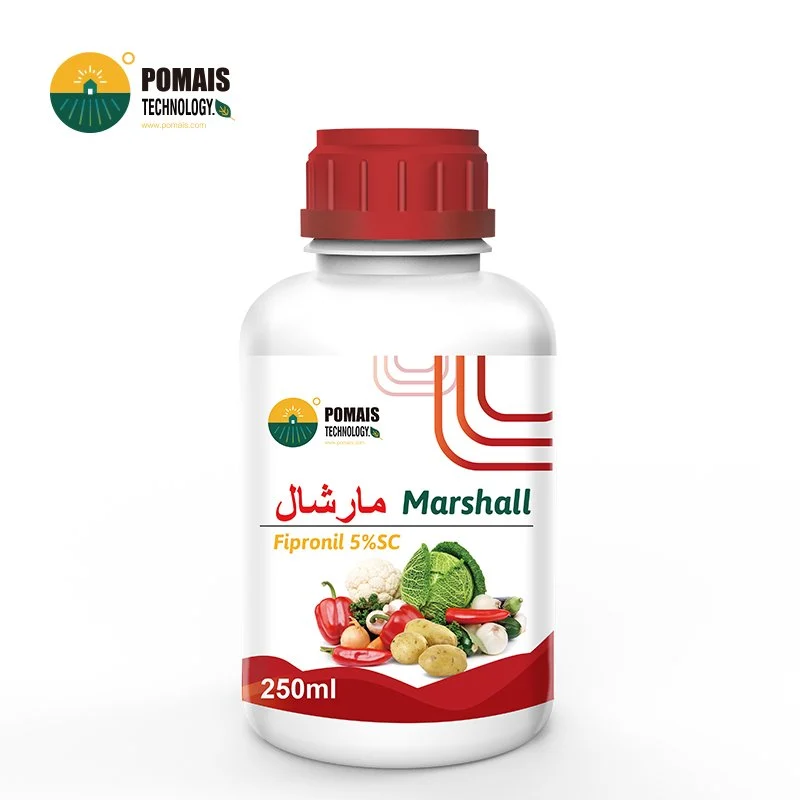
Mode of Action and Chemical Class
Fipronil – Phenylpyrazole class
Fipronil blocks GABA-gated (and glutamate-gated) chloride channels in insects/acarines, causing hyper-excitation and death.
In veterinary use, after topical application the compound spreads over the skin/hair, accumulates in sebaceous glands, and kills fleas/ticks that come into contact.
Because the chemical class is older and widely used, safety margins, resistance history and market familiarity are well established.
Selamectin – Macrocyclic lactone / avermectin-related
Selamectin belongs to a class of macrocyclic lactones used in small-animal parasiticides. It appears to act by activating glutamate-gated chloride channels (and potentially GABA channels) in parasites, causing neuromuscular paralysis.
It has systemic absorption (after topical application) and distributes via the bloodstream and sebaceous glands in the animal.
From a brand/portfolio perspective: the chemistry is more recent and often positioned as a “premium” multi-parasite tool.
Implications for portfolio/brand owners
- Different modes of action mean differentiation potential in communications. For example, “classic contact + residual control (fipronil)” vs “systemic multi-parasite coverage (selamectin)”.
- Also means different resistance risk profiles, label restrictions, formulation complexity, and cost bases.
- When building your range: consider how you want to stack these actives – whether to treat them as alternatives or complementary options.
Efficacy, Spectrum and Comparative Evidence
Spectrum and positioning
- Fipronil is predominantly used for fleas and ticks; many brands add insect growth regulators or other actives to improve spectrum.
- Selamectin often covers fleas, ear mites (Otodectes spp.), maybe some ticks in certain markets, and internal parasites like heartworm or some intestinal worms (where labels allow).
Comparative data
A study comparing fipronil vs selamectin found: in flea-larvae assays, selamectin was more potent than fipronil at certain concentrations.
Another comparative study in cats found selamectin was at least as effective as fipronil under certain conditions.
Interpretation for business planning
- For markets where fleas are the dominant parasite and cost is a major driver, fipronil may remain a strong entry/volume option.
- For markets where pet owners and veterinarians expect multi-parasite coverage (fleas + mites + internal + ticks) or “premium product” positioning, selamectin may be the preferable anchor.
- If you are launching a new brand, you may offer both: fipronil-based as “core”, selamectin-based as “premium”.
- Consider local parasite epidemiology: e.g., in regions with high ear mite incidence, selamectin may have added justification.
Safety, Regulatory and Market Considerations
Fipronil
- Well established safety profile in dogs and cats under approved use.
- However, there are ecological concerns (e.g., environmental persistence and toxicity to aquatic invertebrates).
- From procurement/branding side: ensure that your supplier provides full regulatory dossiers, batch consistency, permissible use claims in your target country.
Selamectin
- Generally considered safe when used according to label. Some sources report less than 1% incidence of minor reactions.
- Use in heartworm prevention and multiple parasites gives added regulatory complexity: internal + external parasites.
- For premium positioning, you must ensure full registration support, correct dosing labels for dogs vs cats, and clear user guidance.
Commercial/regulatory strategy implications
- In some jurisdictions, registration for internal + external parasites may add value (premium price) but also require higher supporting cost (toxicity studies, longer approval time).
- Fipronil may offer lower entry-cost volume opportunity (simpler registration in many markets for fleas/ticks), but you might face substantial generic competition.
- Consider packaging, branding and claims strategy: “Spot-on monthly for fleas & ticks” vs “Comprehensive parasite protection”.
- Always emphasise in your communications: “Use strictly in accordance with product label and local regulations.”
Product Positioning & Market Strategy
Positioning difference
- Fipronil: “Classic, trusted flea/tick control. Volume potential. Cost sensitive segments.”
- Selamectin: “Broader spectrum, premium position, pet-wellness oriented, fewer compromise claims.”
Portfolio strategy for a brand or distributor
- Core product: Fipronil-based formulation targeted at mass-market dogs/cats with fleas/ticks risk.
- Premium product: Selamectin-based formulation targeted at veterinarians and discerning pet owners seeking full-parasite protection.
- Optional enhancements: Consider bundling or co-marketing add-ons (e.g., internal parasite control or collars) depending on market ecology.
Supplier and procurement issues
- Ensure your supplier for fipronil or selamectin has: clean manufacturing, full COA/MSDS, registration support for your target country.
- Decide whether you promote an established brand or an own-label generic. If generic, you must justify performance & documentation.
- Pricing: Fipronil-based may allow lower cost and broader adoption; Selamectin-based may justify higher margin but requires premium messaging and fewer cost concessions.
Practical Selection Checklist for Distributors / Importers
When evaluating fipronil vs selamectin (or both) for your portfolio, use this checklist:
- Is the active ingredient approved for dogs and/or cats in target country?
- What parasites drive veterinary demand in your market (fleas only? ticks + mites? internal parasites?)
- What formulations are available (spot-on, spray, oral)?
- Are claims for internal parasites included (selamectin may have advantage)?
- What is the cost basis of manufacture, packaging and registration?
- What level of service/documentation does the supplier provide (COA, stability, batch traceability)?
- What is the competitive landscape: are generics dominating, or is premium space underserved?
- What is the regulatory and environmental risk profile (e.g., fipronil’s environmental side-effects; internal parasite claims’ data burden)?
- How will you position your brand: cost-leader vs premium?
- What distribution, training and after-sales support will you offer to veterinary and retail channels?
FAQ: Fipronil vs Selamectin
Q1. What is the main difference between fipronil and selamectin?
A: The main difference lies in the chemical class and usage profile. Fipronil is a phenylpyrazole ectoparasiticide primarily for fleas and ticks; selamectin is a macrocyclic lactone endectocide/ectoparasiticide for fleas, mites, ticks and some internal parasites.
Q2. Can I use fipronil and selamectin on the same animal?
A: In theory yes (depending on region and veterinary guidance), but you must follow label restrictions, pay attention to animal species, weight, parasite burden, and avoid redundant usage or excessive exposure.
Q3. Does selamectin cover more parasites than fipronil?
A: Typically yes — selamectin’s label in many markets includes multiple parasite categories (external + internal), whereas fipronil is more focused on external parasites (fleas, ticks). But actual coverage depends entirely on the specific product formulation and local registration.
Q4. Are there regulatory restrictions I should consider?
A: Yes. For fipronil you should check environmental and operator-safety issues; for selamectin you should check internal parasite claims, species/age restrictions, and registration burdens. Always check your country’s veterinary medicines authority.
Q5. How should I define the price tier for a selamectin-based product vs a fipronil-based product?
A: Use cost + registration + formulation complexity + claims breadth as inputs. Typically, selamectin-based (with multi-parasite claims) justify a higher price and narrower, premium channel; fipronil-based allow broader, cost-sensitive adoption. Your channel strategy and margin targets must reflect this.
Choosing the Right Parasiticide Line
Selecting between fipronil and selamectin (or deciding to include both) is not merely a product-choice, it’s a strategic brand decision:
- For broad-acre, cost-sensitive markets focused on fleas/ticks, a fipronil-based product may be your backbone.
- For premium pet wellness markets, or where mites + internal parasites matter, a selamectin-based product may differentiate you.
- A combined approach allows you to segment your offer: entry-level + premium.
- Work with suppliers who provide full technical dossiers, registration-ready documentation, formulation support, packaging and multilingual labels.
If you are planning to launch or expand your veterinary parasite control portfolio, we can assist you with:
- Technical files for fipronil and selamectin actives
- Formulation options (spot-on, spray, combination products)
- Registration support for target countries
- Packaging, labelling, marketing assets
By aligning your product strategy with parasite burden, veterinary demand and channel positioning in your region, you’ll convert an active ingredient choice into long-term business value.
Summary
Fipronil and selamectin serve overlapping but distinct niches in the companion-animal parasiticide market. Fipronil offers a widely accepted and cost-effective solution for external parasites; selamectin offers a broader spectrum and premium positioning covering external and internal parasites. The right choice—or the right combination—depends on your market, regulatory environment, cost structure and brand ambition. Managed well, this becomes not a product gamble, but a portfolio opportunity.
Hot Products
Hot news
Recommended news
FAQ
