
Clothianidin vs Thiamethoxam
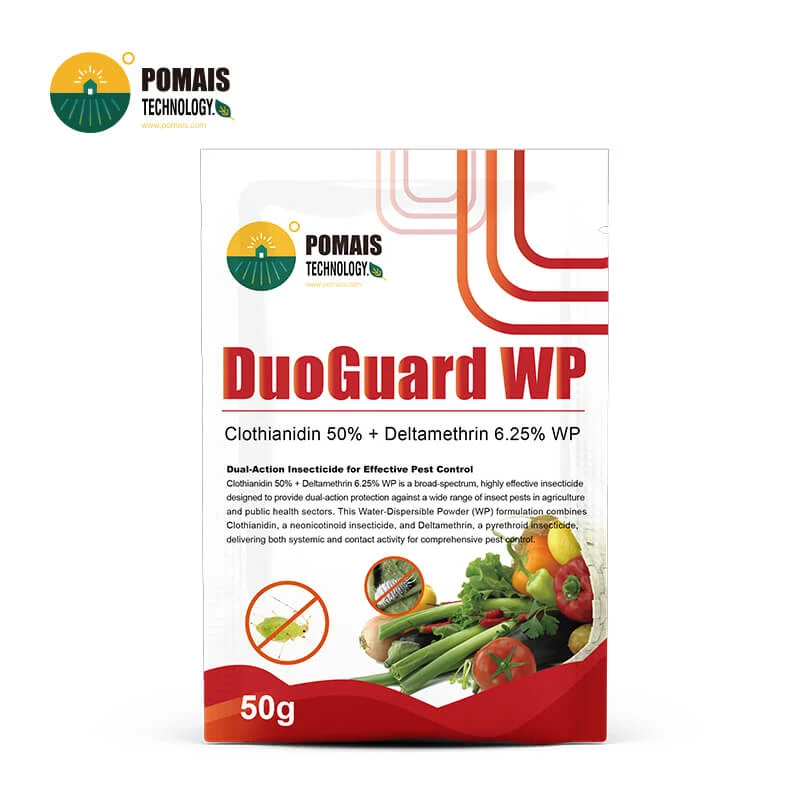
Seed treatment, soil applications
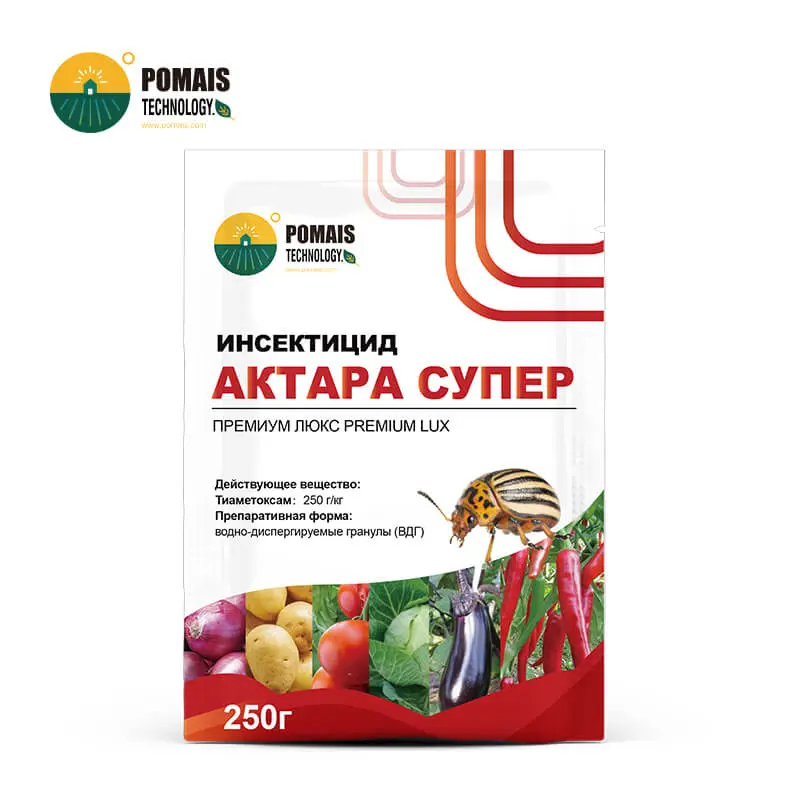
Seed treatment, foliar sprays, soil drenches
| Aspect | Clothianidin | Thiamethoxam |
|---|---|---|
| Chemical Formula | C9H10ClN5 | C8H10ClN5O3S |
| Primary Target Pests | Aphids, termites, root weevils | Aphids, whiteflies, termites, beetles |
| Common Applications | Seed treatment, soil applications | Seed treatment, foliar sprays, soil drenches |
| Environmental Impact | Toxic to pollinators, moderate persistence | Toxic to pollinators, moderate persistence |
| Speed of Action | Moderate speed | Faster-acting in some cases |
| Regulatory Status | Restricted in some regions | Restricted in the EU, closely monitored |
Clothianidin and thiamethoxam are both part of the neonicotinoid family, a class of insecticides that are widely used for pest control. Despite their similarities, these two insecticides have key differences in their chemical properties, target pests, applications, and environmental impact. Here is a more in-depth look at how they compare:
1. Chemical Structure and Properties
- Clothianidin (C9H10ClN5) is a yellowish crystalline powder with a high solubility in water. It is primarily used in seed treatments and soil applications for pest control.
- Thiamethoxam (C8H10ClN5O3S), on the other hand, is a white to light yellow crystalline powder. It is also highly soluble in water and can be used in various forms, such as seed treatments, foliar sprays, and soil drenches.
Both have a similar molecular structure and function through the same mode of action — affecting nicotinic acetylcholine receptors (nAChRs) in insect nervous systems. This blockage disrupts nerve function, leading to paralysis and death.
2. Target Pests and Applications
Both products are used to control a wide variety of insect pests, including aphids, termites, whiteflies, and root-feeding insects. However, each has specific pest targets where they shine:
- Clothianidin is most commonly used for pest control in corn, wheat, and other field crops. It is highly effective against root-feeding pests like wireworms and grubs, which can significantly damage crops.
- Thiamethoxam, while also effective on pests like aphids and whiteflies, is particularly useful in controlling soil-dwelling pests such as rootworms. It is commonly applied in cornfields, vegetable crops, and fruit crops. Thiamethoxam is also used in ornamental plant protection.
Both insecticides are widely applied as seed treatments, where they provide systemic protection to young plants. However, thiamethoxam is more often used in foliar applications and soil drenches, especially for larger pests like termites and certain beetles.
3. Mode of Action
Both clothianidin and thiamethoxam act as neonicotinoids, targeting insect nicotinic acetylcholine receptors (nAChRs). These receptors are critical for nerve signal transmission in insects. When blocked, they cause the insect to become paralyzed and eventually die. This mechanism is very effective for killing a variety of sucking and chewing pests.
However, thiamethoxam is sometimes considered to be faster-acting compared to clothianidin, which may make it more effective against rapidly reproducing pests. Both have systemic properties, meaning they are absorbed by plants and transported throughout the plant tissues, providing long-lasting protection.
4. Environmental Impact and Safety
Both clothianidin and thiamethoxam have raised concerns due to their impact on pollinators, particularly bees. As neonicotinoids, they are known to be toxic to pollinators, which has led to stricter regulations in some regions.
- Clothianidin has been the subject of environmental concerns due to its long persistence in the soil and water contamination. Studies have shown that clothianidin can persist for months in the environment, which can harm non-target insects and wildlife. In some regions, the use of clothianidin has been restricted or banned to protect pollinators.
- Thiamethoxam shares similar concerns, as it also has high toxicity to bees and other beneficial insects. Like clothianidin, thiamethoxam can persist in the soil, making it a concern for water contamination and environmental toxicity. However, thiamethoxam has been banned or restricted in several countries due to its impact on pollinators.
5. Speed of Action
While both insecticides are systemic, thiamethoxam is often considered to have a faster action compared to clothianidin. This makes it more effective in situations where immediate pest control is necessary, such as with certain pests like termite colonies or rootworms.
- Clothianidin, while still effective, might take slightly longer to show its full effects, which is not an issue for most long-term applications but could be a drawback when rapid results are desired.
Conclusion: Clothianidin vs Thiamethoxam
Both clothianidin and thiamethoxam are highly effective neonicotinoid insecticides that are used for pest control in a variety of agricultural applications. They share many similarities, such as their mode of action, systemic nature, and ability to control a wide range of pests. However, there are some notable differences:
- Clothianidin is often preferred for controlling soil-dwelling pests like root weevils and is commonly used in corn and wheat.
- Thiamethoxam is often used for rapid pest control, including for pests like rootworms, whiteflies, and beetles, and is effective in both seed treatments and foliar applications.
Both insecticides require careful management to avoid environmental contamination and harm to pollinators. The increasing scrutiny on neonicotinoids has led to regulatory restrictions, so it’s important to use these products responsibly and in accordance with local regulations.
Hot Products
Hot news
Recommended news
FAQ
