
Clothes Moth Control: Identification, Prevention, and Professional Treatment
Objective: cut textile losses from webbing clothes moth and casemaking clothes moth fast.
Strategy: IPM-first—verify the pest, fix storage and hygiene, then layer clothes moth pest control services and clothes moth control products for lasting prevention.
Outcome: a complete loop from discovery → treatment → prevention → procurement for both retail buyers and professional operators.
Identification (Fast, mistake-proof)
Get the species right before you spend a dollar. Most failures come from mis-ID or using pantry-moth traps on clothes moths.
1) The two culprits
- Webbing clothes moth (Tineola bisselliella)
- Uniform golden-buff adult; long, narrow wings with fringed edges; avoids light.
- Larvae spin diffuse webbing on fabrics; damage appears as irregular, thinned patches or holes.
- Casemaking clothes moth (Tinea pellionella)
- Similar size; adults slightly patterned.
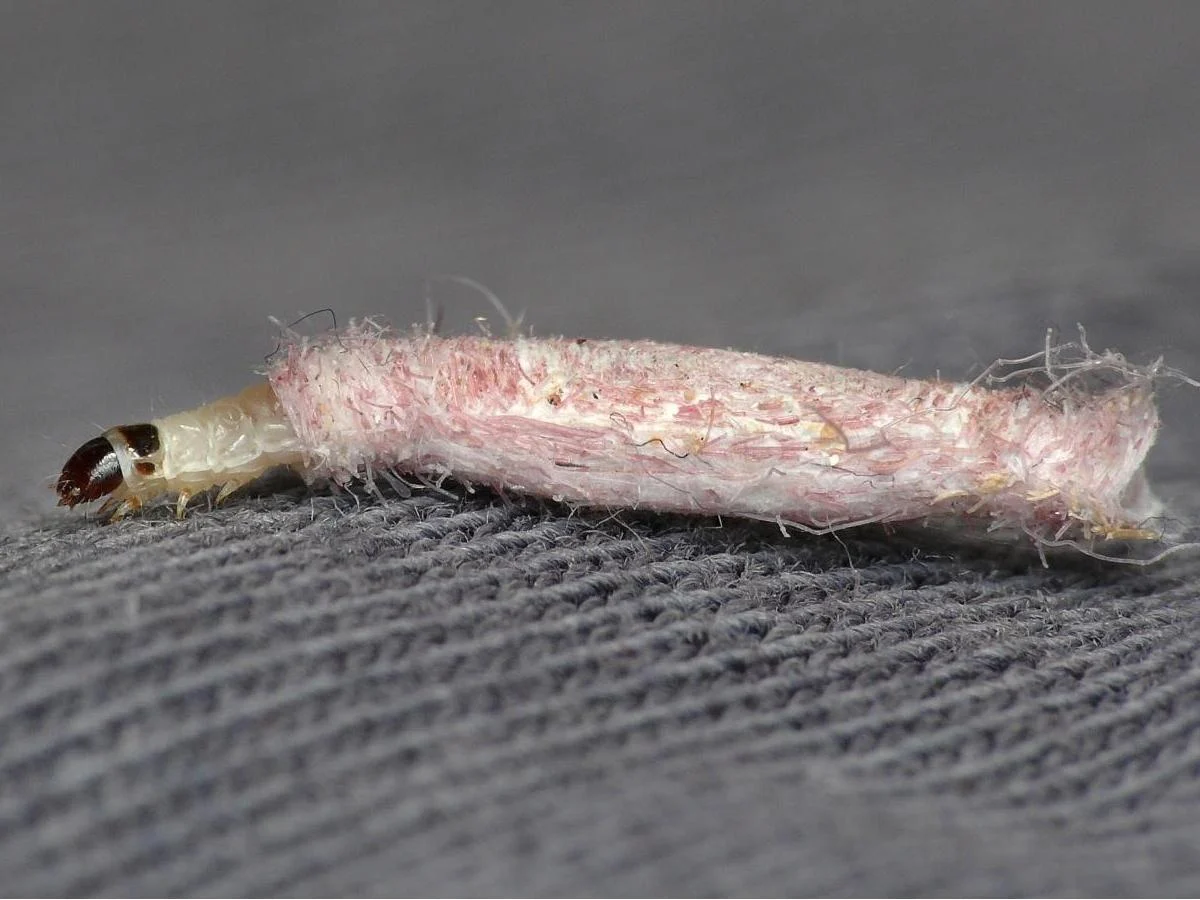
- Larvae carry a silken portable case camouflaged with fibers; feeding holes often cleaner-edged; cases may be found attached to fabric.
2) What damage looks like
- Pinholes to coin-sized gaps, thinning or “grazed” wool, silk, cashmere, fur, feathers, and down.
- Silken mats or small cigar-shaped cases; fine powdery frass blended with fibers.
- Adults hide in dark, undisturbed zones: closet corners, baseboards, under furniture, inside rugs or piano felts.
3) Don’t confuse with pantry moths
- Pantry moths fly toward lights and are linked to grain products; their traps use different pheromones.
- Clothes moths are not attracted to kitchen-moth lures. Using the wrong trap wastes time and lets damage spread.
4) Risk amplifiers
- Soil, body oils, food stains on garments (larvae prefer contaminated areas).
- Long-term storage of natural fibers in warm, still, shaded spaces.
- Dead zones you never clean: closet floors, under sofas, behind kick plates.
Quick decision rule: If you find webbing or little fiber-covered cases on wool or cashmere—and adults scuttle away from light—you’re dealing with clothes moths, not pantry moths.

Biology & Conditions (Why infestations persist)
Clothes moth problems are driven by the larval stage. Adults do not feed; larvae digest keratin in wool, cashmere, silk, fur, feathers, and down. Indoors, development can proceed year-round wherever microclimates stay warm, still, and shaded.
- Lifecycle in brief: egg (4–10+ days) → larva (6–10+ weeks, longer in cool/dry conditions) → pupa (2–6 weeks) → adult (1–4 weeks). Multiple overlapping generations can occur in undisturbed closets and storage rooms.
- Microclimate drivers: humidity pockets behind baseboards, inside rugs, under furniture, and packed wardrobes reduce air movement. Stale air + darkness + natural fibers = reliable larval habitat.
- Food quality matters: larvae prefer soiled fibers—areas with sweat, skin oils, food drips, or urine traces. Clean garments suffer less and are easier to protect.
- Silent spread: eggs are tiny and often laid in seams, cuffs, hems, and beneath rug edges. Without systematic cleaning and sealed storage, re-infestation from residual eggs is common.
- Why DIY sprays fail: adult knockdown does little. Unless you remove larval food and interrupt the life cycle (clean/dry-clean, heat/cold, sealed storage, targeted residuals per label), damage resumes as new larvae emerge.
Operational takeaway: engineer the environment—light, airflow, cleanliness, and sealed storage—so larvae cannot complete development. Then add monitoring and targeted clothes moth control measures for durability.
Nonchemical IPM (Clean, isolate, deny access—before you spray)
This is the operational core of clothes moth control. Remove larval food, interrupt the life cycle, and seal storage. Chemicals—if used—should only reinforce a clean, well-engineered environment.
1) Deep-clean protocol (whole area, not just garments)
- Vacuum seams, baseboards, closet floors, under furniture, and rug backs; discard bags immediately.
- Damp-wipe shelves and corners; expose dark zones to light and airflow.
- Shake out rugs and brush pile-facing edges where eggs lodge.
2) Garment-level treatment (target the larvae)
- Dry-clean or hot tumble per fabric tolerance; heat kills eggs and larvae.
- For delicate fibers, freeze: seal items in airtight bags, freeze 72 hours, thaw sealed, then re-freeze once to break survivors.
- Brush seams, cuffs, collars, and folds to remove eggs and silk cases before storage.
3) Sealed storage & materials management
- Store cleaned natural fibers in airtight bins or vacuum bags; label dates.
- Keep long-term items off the floor; avoid packed, stagnant closets.
- Rotate seasonal garments; sunlight and airflow are hostile to larvae.
4) Pheromone monitoring (measure, don’t guess)
- Use clothes-moth–specific pheromone traps (not pantry-moth lures).
- Place at problem zones (closets, under dressers, behind kick plates); record weekly counts.
- A spike in captures triggers a focused re-clean and inspection.
5) Sanitation & exclusion
- Remove food stains and body oils promptly; these drive feeding preferences.
- Seal cracks and gaps; line drawers and storage boxes for easy cleaning.
- Maintain a monthly “light-and-air” routine for dark storage.
6) Rapid-response playbook (7-day reset)
- Day 1–2: Area deep clean + garment treatment (dry-clean/heat/freeze).
- Day 3: Install pheromone traps; set weekly check cadence.
- Day 4–5: Box and label cleaned items; vacuum-seal seasonal stock.
- Day 6: Secondary sweep of floors, baseboards, and rug backs.
- Day 7: Review trap counts; schedule a 30-day follow-up.
Outcome: you’ve starved larvae, removed eggs, and created sealed, monitored storage. Any remaining activity will be smaller, easier to localize, and ready for targeted clothes moth pest control if needed.
Chemical & Professional Control (Targeted, label-compliant, post-IPM)
Chemistry reinforces a clean, engineered environment—it never replaces it. Treat structures (cracks/crevices, baseboards, voids), not fabrics. Garments are handled by dry-clean / controlled heat / freeze only.
Where chemistry fits
- Cracks & crevices / baseboards / closet perimeters: create labeled residual barriers after deep clean.
- Voids & built-ins: targeted delivery with straw nozzles into lint-holding cavities (under drawers, toe-kicks, closet runners).
- Never on delicate textiles: wool/silk/cashmere are processed via garment methods, not sprays.
Active Catalog (for procurement)
Ranges below are common market label strengths to aid sourcing and SKU planning. They are not application rates. All use must follow local registrations and labels.
A) Residuals — Pyrethroid class (IRAC 3A)
| Active | Typical label strength (RTU / Consumer) | Typical concentrate (Pro) | Common formulations | Role & use-site notes |
|---|---|---|---|---|
| Bifenthrin | ~0.03–0.10% w/w | ~2.5–8% w/w | RTU aerosol/spray, CS/SC | Structural perimeter and crack/crevice “intercept” bands in closets and storage rooms. |
| Cypermethrin | ~0.05–0.15% | ~10–25% | RTU aerosol/spray, EC/SC | Directed crack/crevice after deep clean; short/medium residual on building surfaces. |
| Deltamethrin | ~0.02–0.05% | ~2.5–5% | RTU aerosol/spray, SC/WDG | Low-odor options for residential closets and skirtings; precise placement only. |
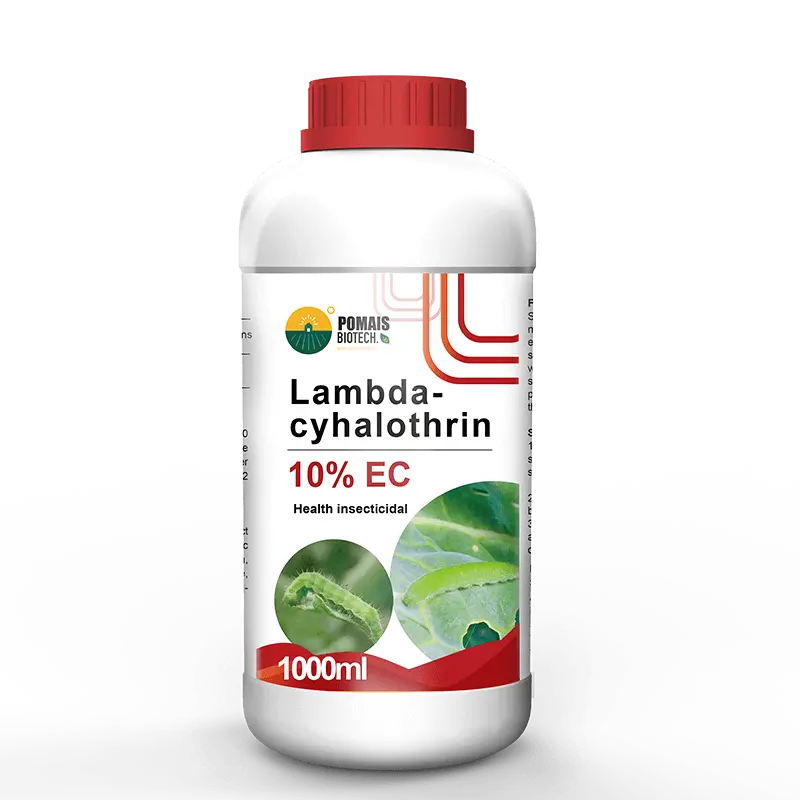
| Lambda-cyhalothrin / (Beta)-cyfluthrin / Cyfluthrin | ~0.02–0.08% | ~2.5–10% | RTU, CS/SC | Select per local label availability; same structural use sites as above. |
Buying notes: prioritize low-odor valves, fine mist, and stain-control for residential channels; pros prefer CS/SC concentrates for controlled coverage.
B) IGRs — Juvenile-hormone analogs (population backstop)
| Active (IRAC) | Typical label strength (RTU) | Common formulations | Role & use-site notes |
|---|---|---|---|
| Hydroprene (7A) | ~0.05–0.10% | RTU aerosol/spray | Development disruptor for long-term storage spaces; slow, population-level effect. |
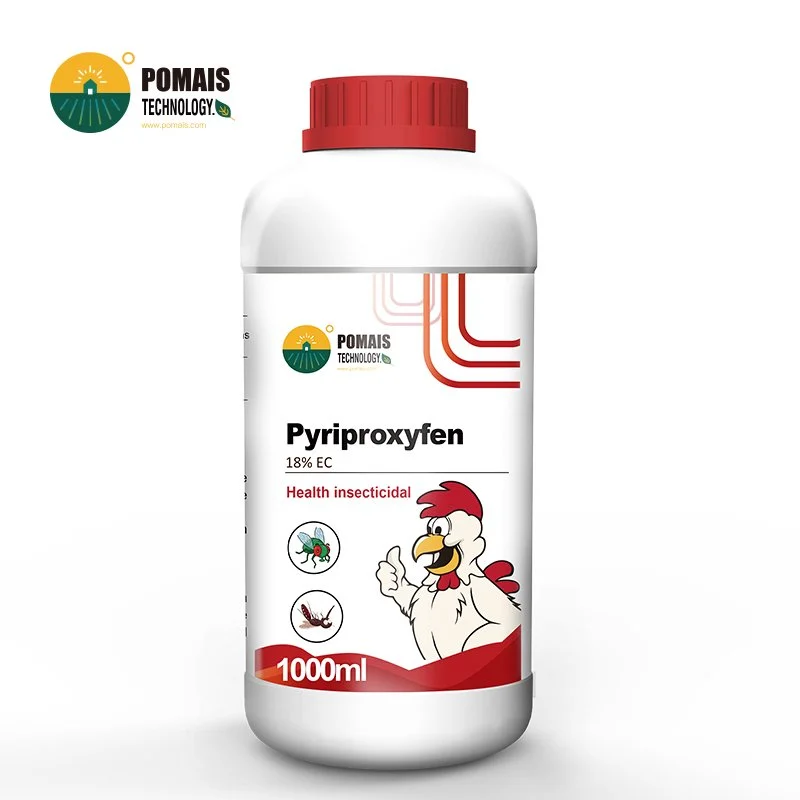
| Pyriproxyfen (7C) | ~0.05–0.10% | RTU / microencapsulated | Parallel with residuals where labeled to suppress new cohorts. |
| (S)-Methoprene (7A) | ~0.01–0.20% (brand-dependent) | RTU / emitters | Used in sensitive storage areas as a “valve” on future emergence. |
Positioning: IGRs do not knock down adults; they stabilize outcomes after IPM + residuals where labels allow.
C) Void dusts — Desiccants (non-IRAC)
| Material | Typical composition | Form | Role & use-site notes |
|---|---|---|---|
| Amorphous silica (aerogel, etc.) | ~90–100% SiO₂ | Dust | Very light applications into dry inaccessible gaps; leave undisturbed. |
| Diatomaceous earth (DE) | ~85–95% SiO₂ | Dust | For low-humidity voids only; avoid drift onto garments. Choose low-respirable grades. |
Buying notes: pair dusts with controlled-flow applicators and clear safety cards (PPE, cleanup).
Professional-only options (no concentrations listed)
- Heat chambers / controlled heat for items: lethal temperatures with probe monitoring; zero chemical residues.
- Anoxia (CO₂/low-oxygen) for sensitive collections: museum-grade process for furs, heirlooms, archival textiles.
- Whole-unit assessments when activity spans multiple rooms/floors: professional re-survey, selective opening of construction voids, multi-method plan.
Safety & compliance (non-negotiable)
- Label is law: use-site, PPE, ventilation, re-entry intervals, storage/disposal—all per local registration.
- People & pets: exclude during application and until re-entry criteria are met.
- Recordkeeping: product (AI, %, lot), date, exact locations, trap counts, and follow-up findings to validate efficacy and warranty terms.
Practical decision aid
- Localized, low pressure after IPM → labeled 3A residual perimeter + IGR in storage zones; continue pheromone monitoring; re-inspect in 2–3 weeks.
- Recurrent captures / new damage sites → heat chamber for garments + reinforce 3A + IGR structurally; consider desiccant dust in dry voids.
- High-value or heat-sensitive textiles → anoxia or conservation-grade protocols via licensed provider.
Control Products (Procurement) — monitor → treat → store (built for execution)
A resilient clothes moth control program is product-led but IPM-anchored. Build your kit in three lanes—monitor, treat, store—and document everything for compliance and warranty. The goal: reduce trial-and-error, standardize outcomes, and simplify reorders for retail and pro channels.
1) Monitor (know where and when)
- Clothes-moth–specific pheromone traps (not pantry moth lures): triangle or tent style; date-stamped on placement; weekly capture log.
- Placement guidance: one trap per closet zone (door corner, baseboard edge, under hanging rails). For large rooms, add a second unit behind furniture.
- KPI: captures drop ≥70% within 30 days after IPM reset; otherwise escalate to pro service or re-survey hidden storage.
2) Treat (target structures, not fabrics)
- Residual crack & crevice aerosols/sprays (labelled for clothes moth sites): perimeter of closets, baseboards, voids, toe-kicks.
- IGR add-on (where labelled): development disruptor for long-term spaces and storage rooms.
- Void dusts (silica-based, where labelled): ultra-light applications in dry, inaccessible gaps after cleaning.
- Important: never spray delicate textiles; garments are handled by dry-clean / heat / freeze only.
3) Store (deny larvae a future)
- Airtight bins & vacuum bags: cleaned wool/silk/cashmere stored sealed; date labels for rotation.
- Closet liners & drawer inserts: easy-wipe surfaces to reduce lint and food residue build-up.
- Natural repellency cues (cedar, lavender) are supplementary—use for scent management, not as a stand-alone control.
4) Ready-to-sell bundles (reduce friction for buyers)
- Starter Kit (Monitoring Focus): 4× clothes-moth pheromone traps + placement guide + weekly log card.
- Home Remediation Kit (Monitor + Treat + Store): traps + labelled crack/crevice residual + void dust (where legal) + 6× vacuum bags + closet checklist.
- Pro Closet Kit (Service Teams): traps (bulk) + labelled residual + IGR (if legal) + dust + PPE check card + service record forms.
- Premium Storage Kit (Seasonal/Heirloom): vacuum bags, airtight bins, liners, garment-care cards; designed for zero-chemical garment handling.
5) OEM/ODM & documentation (made for distributors)
- Custom packaging: private label for clothes moth control products with barcodes, QR manuals, and multi-language inserts.
- Regulatory file: label copies, SDS, COA, batch traceability, and shelf-life statements.
- Training assets: one-page IPM flow (clean → monitor → treat → store), trap-placement visuals, and customer FAQ cards for retail staff.
- Region fit: align product lists to local registrations and retail rules; maintain a country-by-country matrix for listed use sites.
FAQ
Need clothes moth control products or private-label bundles? We supply pheromone traps, labeled crack-and-crevice residuals, silica void dusts, airtight storage kits, and OEM/ODM packaging with multi-language labels and SDS/COA support.
Talk to our team to map a country-specific, label-aligned Monitor → Treat → Store kit for retail and service channels.
Objective: cut textile losses from webbing clothes moth and casemaking clothes moth fast.
Strategy: IPM-first—verify the pest, fix storage and hygiene, then layer clothes moth pest control services and clothes moth control products for lasting prevention.
Outcome: a complete loop from discovery → treatment → prevention → procurement for both retail buyers and professional operators.
Identification (Fast, mistake-proof)
Get the species right before you spend a dollar. Most failures come from mis-ID or using pantry-moth traps on clothes moths.
1) The two culprits
- Webbing clothes moth (Tineola bisselliella)
- Uniform golden-buff adult; long, narrow wings with fringed edges; avoids light.
- Larvae spin diffuse webbing on fabrics; damage appears as irregular, thinned patches or holes.
- Casemaking clothes moth (Tinea pellionella)
- Similar size; adults slightly patterned.
- Larvae carry a silken portable case camouflaged with fibers; feeding holes often cleaner-edged; cases may be found attached to fabric.
2) What damage looks like
- Pinholes to coin-sized gaps, thinning or “grazed” wool, silk, cashmere, fur, feathers, and down.
- Silken mats or small cigar-shaped cases; fine powdery frass blended with fibers.
- Adults hide in dark, undisturbed zones: closet corners, baseboards, under furniture, inside rugs or piano felts.
3) Don’t confuse with pantry moths
- Pantry moths fly toward lights and are linked to grain products; their traps use different pheromones.
- Clothes moths are not attracted to kitchen-moth lures. Using the wrong trap wastes time and lets damage spread.
4) Risk amplifiers
- Soil, body oils, food stains on garments (larvae prefer contaminated areas).
- Long-term storage of natural fibers in warm, still, shaded spaces.
- Dead zones you never clean: closet floors, under sofas, behind kick plates.
Quick decision rule: If you find webbing or little fiber-covered cases on wool or cashmere—and adults scuttle away from light—you’re dealing with clothes moths, not pantry moths.
Biology & Conditions (Why infestations persist)
Clothes moth problems are driven by the larval stage. Adults do not feed; larvae digest keratin in wool, cashmere, silk, fur, feathers, and down. Indoors, development can proceed year-round wherever microclimates stay warm, still, and shaded.
- Lifecycle in brief: egg (4–10+ days) → larva (6–10+ weeks, longer in cool/dry conditions) → pupa (2–6 weeks) → adult (1–4 weeks). Multiple overlapping generations can occur in undisturbed closets and storage rooms.
- Microclimate drivers: humidity pockets behind baseboards, inside rugs, under furniture, and packed wardrobes reduce air movement. Stale air + darkness + natural fibers = reliable larval habitat.
- Food quality matters: larvae prefer soiled fibers—areas with sweat, skin oils, food drips, or urine traces. Clean garments suffer less and are easier to protect.
- Silent spread: eggs are tiny and often laid in seams, cuffs, hems, and beneath rug edges. Without systematic cleaning and sealed storage, re-infestation from residual eggs is common.
- Why DIY sprays fail: adult knockdown does little. Unless you remove larval food and interrupt the life cycle (clean/dry-clean, heat/cold, sealed storage, targeted residuals per label), damage resumes as new larvae emerge.
Operational takeaway: engineer the environment—light, airflow, cleanliness, and sealed storage—so larvae cannot complete development. Then add monitoring and targeted clothes moth control measures for durability.
Nonchemical IPM (Clean, isolate, deny access—before you spray)
This is the operational core of clothes moth control. Remove larval food, interrupt the life cycle, and seal storage. Chemicals—if used—should only reinforce a clean, well-engineered environment.
1) Deep-clean protocol (whole area, not just garments)
- Vacuum seams, baseboards, closet floors, under furniture, and rug backs; discard bags immediately.
- Damp-wipe shelves and corners; expose dark zones to light and airflow.
- Shake out rugs and brush pile-facing edges where eggs lodge.
2) Garment-level treatment (target the larvae)
- Dry-clean or hot tumble per fabric tolerance; heat kills eggs and larvae.
- For delicate fibers, freeze: seal items in airtight bags, freeze 72 hours, thaw sealed, then re-freeze once to break survivors.
- Brush seams, cuffs, collars, and folds to remove eggs and silk cases before storage.
3) Sealed storage & materials management
- Store cleaned natural fibers in airtight bins or vacuum bags; label dates.
- Keep long-term items off the floor; avoid packed, stagnant closets.
- Rotate seasonal garments; sunlight and airflow are hostile to larvae.
4) Pheromone monitoring (measure, don’t guess)
- Use clothes-moth–specific pheromone traps (not pantry-moth lures).
- Place at problem zones (closets, under dressers, behind kick plates); record weekly counts.
- A spike in captures triggers a focused re-clean and inspection.
5) Sanitation & exclusion
- Remove food stains and body oils promptly; these drive feeding preferences.
- Seal cracks and gaps; line drawers and storage boxes for easy cleaning.
- Maintain a monthly “light-and-air” routine for dark storage.
6) Rapid-response playbook (7-day reset)
- Day 1–2: Area deep clean + garment treatment (dry-clean/heat/freeze).
- Day 3: Install pheromone traps; set weekly check cadence.
- Day 4–5: Box and label cleaned items; vacuum-seal seasonal stock.
- Day 6: Secondary sweep of floors, baseboards, and rug backs.
- Day 7: Review trap counts; schedule a 30-day follow-up.
Outcome: you’ve starved larvae, removed eggs, and created sealed, monitored storage. Any remaining activity will be smaller, easier to localize, and ready for targeted clothes moth pest control if needed.
Chemical & Professional Control (Targeted, label-compliant, post-IPM)
Chemistry reinforces a clean, engineered environment—it never replaces it. Treat structures (cracks/crevices, baseboards, voids), not fabrics. Garments are handled by dry-clean / controlled heat / freeze only.
Where chemistry fits
- Cracks & crevices / baseboards / closet perimeters: create labeled residual barriers after deep clean.
- Voids & built-ins: targeted delivery with straw nozzles into lint-holding cavities (under drawers, toe-kicks, closet runners).
- Never on delicate textiles: wool/silk/cashmere are processed via garment methods, not sprays.
Active Catalog (for procurement)
Ranges below are common market label strengths to aid sourcing and SKU planning. They are not application rates. All use must follow local registrations and labels.
A) Residuals — Pyrethroid class (IRAC 3A)
| Active | Typical label strength (RTU / Consumer) | Typical concentrate (Pro) | Common formulations | Role & use-site notes |
|---|---|---|---|---|
| Bifenthrin | ~0.03–0.10% w/w | ~2.5–8% w/w | RTU aerosol/spray, CS/SC | Structural perimeter and crack/crevice “intercept” bands in closets and storage rooms. |
| Cypermethrin | ~0.05–0.15% | ~10–25% | RTU aerosol/spray, EC/SC | Directed crack/crevice after deep clean; short/medium residual on building surfaces. |
| Deltamethrin | ~0.02–0.05% | ~2.5–5% | RTU aerosol/spray, SC/WDG | Low-odor options for residential closets and skirtings; precise placement only. |
| Lambda-cyhalothrin / (Beta)-cyfluthrin / Cyfluthrin | ~0.02–0.08% | ~2.5–10% | RTU, CS/SC | Select per local label availability; same structural use sites as above. |
Buying notes: prioritize low-odor valves, fine mist, and stain-control for residential channels; pros prefer CS/SC concentrates for controlled coverage.
B) IGRs — Juvenile-hormone analogs (population backstop)
| Active (IRAC) | Typical label strength (RTU) | Common formulations | Role & use-site notes |
|---|---|---|---|
| Hydroprene (7A) | ~0.05–0.10% | RTU aerosol/spray | Development disruptor for long-term storage spaces; slow, population-level effect. |
| Pyriproxyfen (7C) | ~0.05–0.10% | RTU / microencapsulated | Parallel with residuals where labeled to suppress new cohorts. |
| (S)-Methoprene (7A) | ~0.01–0.20% (brand-dependent) | RTU / emitters | Used in sensitive storage areas as a “valve” on future emergence. |
Positioning: IGRs do not knock down adults; they stabilize outcomes after IPM + residuals where labels allow.
C) Void dusts — Desiccants (non-IRAC)
| Material | Typical composition | Form | Role & use-site notes |
|---|---|---|---|
| Amorphous silica (aerogel, etc.) | ~90–100% SiO₂ | Dust | Very light applications into dry inaccessible gaps; leave undisturbed. |
| Diatomaceous earth (DE) | ~85–95% SiO₂ | Dust | For low-humidity voids only; avoid drift onto garments. Choose low-respirable grades. |
Buying notes: pair dusts with controlled-flow applicators and clear safety cards (PPE, cleanup).
Professional-only options (no concentrations listed)
- Heat chambers / controlled heat for items: lethal temperatures with probe monitoring; zero chemical residues.
- Anoxia (CO₂/low-oxygen) for sensitive collections: museum-grade process for furs, heirlooms, archival textiles.
- Whole-unit assessments when activity spans multiple rooms/floors: professional re-survey, selective opening of construction voids, multi-method plan.
Safety & compliance (non-negotiable)
- Label is law: use-site, PPE, ventilation, re-entry intervals, storage/disposal—all per local registration.
- People & pets: exclude during application and until re-entry criteria are met.
- Recordkeeping: product (AI, %, lot), date, exact locations, trap counts, and follow-up findings to validate efficacy and warranty terms.
Practical decision aid
- Localized, low pressure after IPM → labeled 3A residual perimeter + IGR in storage zones; continue pheromone monitoring; re-inspect in 2–3 weeks.
- Recurrent captures / new damage sites → heat chamber for garments + reinforce 3A + IGR structurally; consider desiccant dust in dry voids.
- High-value or heat-sensitive textiles → anoxia or conservation-grade protocols via licensed provider.
Control Products (Procurement) — monitor → treat → store (built for execution)
A resilient clothes moth control program is product-led but IPM-anchored. Build your kit in three lanes—monitor, treat, store—and document everything for compliance and warranty. The goal: reduce trial-and-error, standardize outcomes, and simplify reorders for retail and pro channels.
1) Monitor (know where and when)
- Clothes-moth–specific pheromone traps (not pantry moth lures): triangle or tent style; date-stamped on placement; weekly capture log.
- Placement guidance: one trap per closet zone (door corner, baseboard edge, under hanging rails). For large rooms, add a second unit behind furniture.
- KPI: captures drop ≥70% within 30 days after IPM reset; otherwise escalate to pro service or re-survey hidden storage.
2) Treat (target structures, not fabrics)
- Residual crack & crevice aerosols/sprays (labelled for clothes moth sites): perimeter of closets, baseboards, voids, toe-kicks.
- IGR add-on (where labelled): development disruptor for long-term spaces and storage rooms.
- Void dusts (silica-based, where labelled): ultra-light applications in dry, inaccessible gaps after cleaning.
- Important: never spray delicate textiles; garments are handled by dry-clean / heat / freeze only.
3) Store (deny larvae a future)
- Airtight bins & vacuum bags: cleaned wool/silk/cashmere stored sealed; date labels for rotation.
- Closet liners & drawer inserts: easy-wipe surfaces to reduce lint and food residue build-up.
- Natural repellency cues (cedar, lavender) are supplementary—use for scent management, not as a stand-alone control.
4) Ready-to-sell bundles (reduce friction for buyers)
- Starter Kit (Monitoring Focus): 4× clothes-moth pheromone traps + placement guide + weekly log card.
- Home Remediation Kit (Monitor + Treat + Store): traps + labelled crack/crevice residual + void dust (where legal) + 6× vacuum bags + closet checklist.
- Pro Closet Kit (Service Teams): traps (bulk) + labelled residual + IGR (if legal) + dust + PPE check card + service record forms.
- Premium Storage Kit (Seasonal/Heirloom): vacuum bags, airtight bins, liners, garment-care cards; designed for zero-chemical garment handling.
5) OEM/ODM & documentation (made for distributors)
- Custom packaging: private label for clothes moth control products with barcodes, QR manuals, and multi-language inserts.
- Regulatory file: label copies, SDS, COA, batch traceability, and shelf-life statements.
- Training assets: one-page IPM flow (clean → monitor → treat → store), trap-placement visuals, and customer FAQ cards for retail staff.
- Region fit: align product lists to local registrations and retail rules; maintain a country-by-country matrix for listed use sites.
FAQ
Need clothes moth control products or private-label bundles? We supply pheromone traps, labeled crack-and-crevice residuals, silica void dusts, airtight storage kits, and OEM/ODM packaging with multi-language labels and SDS/COA support.
Talk to our team to map a country-specific, label-aligned Monitor → Treat → Store kit for retail and service channels.