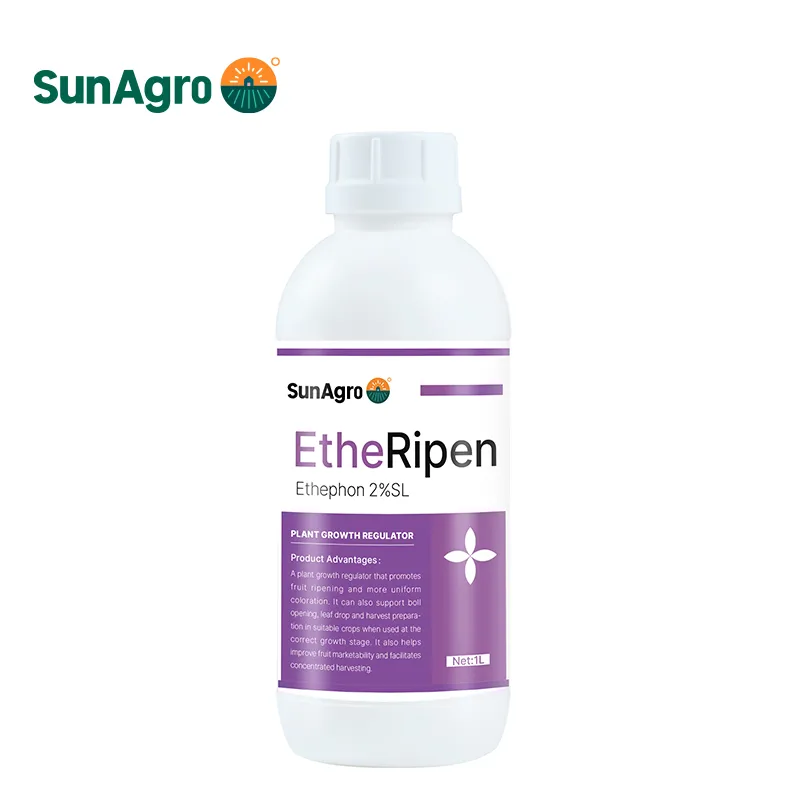

Ethephon 2% SL and 480 g/L SL Plant Growth Regulator
Ethephon is a plant growth regulator that releases ethylene under appropriate physiological conditions and plays a role in fruit ripening, plant tissue senescence, and other growth and development processes. Its actual effects depend on the crop species, growth stage, application conditions and the registered uses of the specific product.
POMAIS offers two Ethephon formulations: 2% SL and 480 g/L SL, and seeks product supply partnerships with pesticide importers, distributors, brand owners, and registration companies. Both formulations contain Ethephon as the active ingredient, but because their concentrations differ, the same application rates, scope of use, or quality standards cannot be applied directly to both.
In application scenarios where the relevant registration approval has been obtained, Ethephon may be used for cotton boll opening and fruit maturity management. Confirm the specific crops for which it is suitable, the treatment periods, application rates, and pre-harvest intervals in accordance with the registration label of the actual product supplied.
About Ethephon 2% SL and 480 g/L SL Plant Growth Regulator
Product Specifications
Technical Parameters
| Parameter | Ethephon 2% SL | Ethephon 480 g/L SL |
|---|---|---|
| Active Ingredient | Ethephon | Ethephon |
| Content | 2% (as stated on the product label) | 480 g/L |
| Formulation | SL | SL |
| CAS Number | 16672-87-0 | 16672-87-0 |
| Product Type | Plant Growth Regulator | Plant Growth Regulator |
| Primary Application Direction | To be confirmed according to actual registered uses | To be confirmed according to actual registered uses |
| Application Timing | As per the approved label | As per the approved label |
| Quality Standard | Subject to actual product specifications | Subject to actual product specifications |
| Packaging | To be confirmed according to actual supply conditions | To be confirmed according to actual supply conditions |
| Technical Documents | To be confirmed based on the documentation actually available | To be confirmed based on the documentation actually available |
Ethephon 2% SL
Ethephon 2% SL is an SL formulation product containing Ethephon as the active ingredient. Its actual product identity, content measurement method, and quality requirements shall be consistent with the label, technical specifications, and batch test data of the supplied product.
Purchasers should verify the active ingredient name, stated content, formulation, registered uses, and relevant quality documents on the product label. Do not infer the specific measurement basis for the active ingredient solely from the trade name.
Ethephon 480 g/L SL
Ethephon 480 g/L SL has a nominal active ingredient concentration of 480 g of Ethephon per litre of formulation.
This specification must be assessed in light of the actual product’s technical specifications, quality standards and registration requirements for the target market. A higher active ingredient concentration does not automatically mean better field performance, nor does it mean the product can be directly substituted for products with different concentrations.
Prior to procurement, the relevant registered uses, application requirements, quality standards and packaging conditions should be confirmed.
What Is the Difference Between 2% SL and 480 g/L SL?
The key distinction between the two formulations is their stated active ingredient concentrations.
| Comparison Item | Ethephon 2% SL | Ethephon 480 g/L SL |
|---|---|---|
| Labelled Content | 2% | 480 g/L |
| Formulation | SL | SL |
| Active Ingredient | Ethephon | Ethephon |
| Product Documentation | Documentation corresponding to the actual specification | Documentation corresponding to the actual specification |
| Application Requirements | Subject to the relevant registered label | Subject to the relevant registered label |
| Interchangeability | Cannot be determined solely on the basis of the active ingredient name | Cannot be determined solely on the basis of the active ingredient name |
Importers with existing product registrations are advised to prioritise products that match the specifications of their current registration. If a change in concentration or formulation is required, the product registration, actual usage requirements and quality documentation should be verified first.
How Does Ethephon Work?
Ethephon is an ethylene-releasing plant growth regulator.
Under appropriate plant physiological conditions, Ethephon releases ethylene. Ethylene is a plant hormone involved in plant growth and development; it influences fruit ripening, tissue senescence, abscission layer formation and other physiological processes.
Ethephon’s mode of action is not identical across all crops. Crop type, growth stage, environmental conditions, timing of application and formulation characteristics may all influence the final response.
Ethylene Release
Once Ethephon enters plant tissues, it can degrade under appropriate conditions and release ethylene. Ethylene subsequently participates in relevant plant physiological regulatory processes.
In fruit ripening management, ethylene-related reactions may influence ripening; in cotton production, specific application schemes can use these physiological reactions to promote splitting of mature cotton bolls.
It should be noted that ethylene release does not imply that all crops will exhibit the same response, nor does it guarantee consistent ripening results under all treatment conditions.
Crop-Specific Physiological Response
Ethephon’s effectiveness depends on the target crop and the treatment purpose.
Cotton boll opening and fruit ripening management are distinct application scenarios. Because objectives, timing, and evaluation criteria may differ between the two, a single set of application parameters cannot apply to all crops.
During the product selection and registration assessment stages, the target crop, intended use and the approved label for the specific product should first be clarified before determining whether the relevant application is appropriate.
Agricultural Applications of Ethephon
In certain approved agricultural applications, Ethephon may be used for cotton boll opening and fruit ripening management.
Cotton Boll Opening
In cotton production, Ethephon may be used, under appropriate registered application conditions, to promote the opening of mature cotton bolls, thereby helping to coordinate harvest preparations.
Its performance depends on boll maturity, the crop’s physiological state, environmental conditions, and treatment timing. Therefore, you cannot judge the effectiveness of cotton boll opening solely by active ingredient content.
When evaluating relevant products, purchasers should focus on verifying the following:
- Whether the product is authorised for use in the target cotton production market.
- The application window specified on the registration label.
- The degree of boll maturity and actual application conditions.
- The application-parameter and harvest-timing requirements specified on the product label.
- Whether the product quality documentation aligns with the actual supply specifications.
Cotton boll opening is not the same as defoliation. The boll-opening effect of Ethephon cannot be directly equated with that of a standalone defoliant, nor does it guarantee that all cotton bolls will open at the same time.
If customers need to evaluate different products before cotton harvest, they may refer to the Thidiazuron 120 g/L + Diuron 60 g/L SC page to understand how other cotton harvest preparation products are positioned. The application requirements for different products must be verified individually; unverified mixture formulations must not be inferred on this basis.
Fruit Maturity Management
In fruit maturity management scenarios where the relevant registration has been obtained, Ethephon influences relevant physiological processes by releasing ethylene.
However, ripening mechanisms, harvest objectives, and treatment conditions vary between fruits. Application schemes for one crop cannot be extrapolated to other fruits solely on the basis of Ethephon’s active ingredient status.
Importers and distributors are advised to verify the following information according to their target market:
- Specific fruit types and authorised uses.
- The treatment window specified on the product label.
- Fruit ripening stages and target harvest requirements.
- Relevant application restrictions and pre-harvest intervals.
- The product’s registration status in the target market.
This page does not provide universal dosages across crops, nor does it guarantee a fixed ripening rate, a standardised harvest time, or a specific quality improvement.
Application Requirements and Product Compatibility
The application requirements for Ethephon must be aligned with the specific product specifications, crop and registered uses.
Ethephon 2% SL and 480 g/L SL have different active ingredient concentrations; therefore, you cannot apply the same rate to both formulations. Even where the target crop is the same, the respective approved product labels should be followed.
Application Parameters
| Parameter | Requirement |
|---|---|
| Target Crop | Refer to the specific product’s registered label |
| Intended Application | Cotton boll opening or approved fruit ripening management |
| Application Timing | Refer to the approved label |
| Application Rate | Verify separately for different formulations and uses |
| Pre-Harvest Interval | Refer to the actual product label |
| Water Quality | To be confirmed in accordance with the product label and technical data |
| Tank Mixing | No general mixing recommendations are provided unless confirmed |
| Repeated Applications | To be carried out in accordance with the approved label |
Water Quality and pH
Ethephon solution stability may be affected by conditions such as pH. Slightly alkaline conditions may accelerate Ethephon degradation; therefore, it should not be claimed that it is compatible with all water qualities, fertilisers, or pesticides without product evidence.
In actual use, the conditions of the dilution water should be confirmed in accordance with the product label, technical data and applicable requirements.
Tank Mixing and Compatibility
Compatibility between different formulations depends on the active ingredient, formulation system, dilution water and specific application conditions.
This page does not provide general recommendations regarding the tank mixing of Ethephon with other pesticides or fertilisers. If a customer needs to evaluate a specific tank mix, they should first consult the relevant product labels, compatibility data and crop safety requirements.
The mixing sequence, concentration or application conditions should not be altered without prior confirmation.
Quality Control and Technical Documentation
For Ethephon products, purchasers should pay attention to the active ingredient content, formulation quality, batch consistency and relevant technical documentation.
Ethephon 2% SL and 480 g/L SL must correspond to the actual product specifications and quality standards, respectively. A Certificate of Analysis (COA) or Technical Data Sheet (TDS) for one specification must not be used in place of documentation for another specification.
Quality Control Requirements
| Quality Item | Procurement Focus |
|---|---|
| Active Ingredient Identity | Confirm that the active ingredient is Ethephon |
| Content | Verify that the actual labelled specification matches the test results |
| Formulation | Confirm the SL formulation |
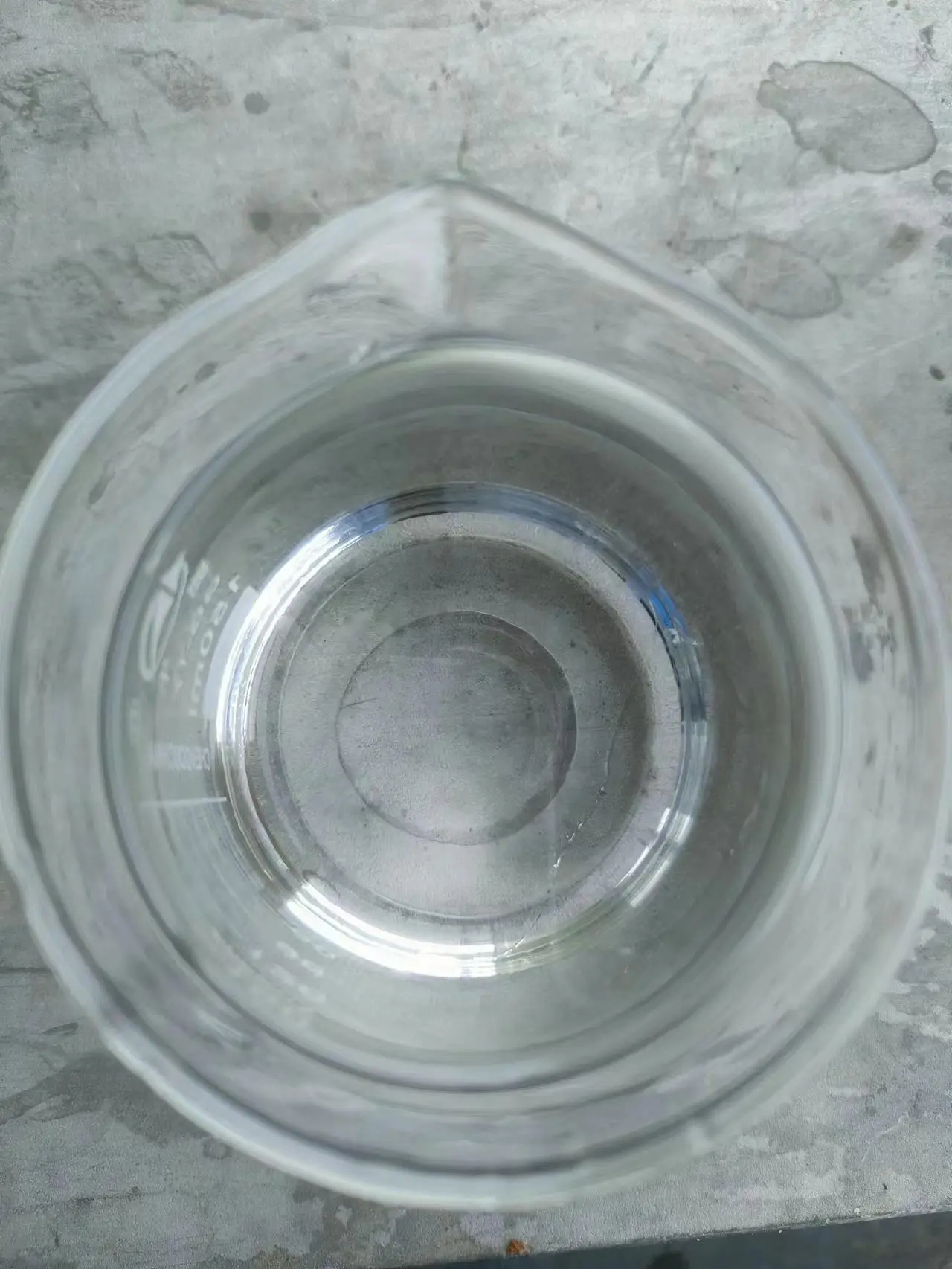
| Physical Appearance | Acceptance based on the actual product specification |
| Relevant Quality Parameters | As per the corresponding product specification |
| Storage Stability | Confirmation based on actual stability data |
| Packaging Compatibility | Verify compatibility between the container and the formulation |
| Batch Consistency | Confirm that different batches comply with the relevant quality standards |
| Batch Traceability | Confirm that batch numbers correspond to the quality documentation |
COA, SDS and TDS
The COA (Certificate of Analysis) records test results for a specific batch and its compliance with relevant quality standards.
The SDS (Safety Data Sheet) provides safety information on hazards, operational precautions, storage, and emergency response.
The TDS (Technical Data Sheet) specifies the product specifications and relevant technical parameters.
Purchasers should verify that these documents match the specifications of the Ethephon actually supplied. Any additional technical documentation required for specific registration applications must be confirmed on a case-by-case basis, in accordance with the target market requirements and what can actually be provided.
Registration, Safety and Storage
The registration status, labelling requirements, and safety classification of Ethephon products may vary by country, product concentration, and specific formulation.
Therefore, you cannot assume this product is authorised for use in the target market based solely on the active ingredient name or information about another Ethephon formulation.
Registration and Market Requirements
Customers intending to import Ethephon should prioritise verifying the following:
- The current approval status of Ethephon in the target country.
- Whether the specific product specifications and formulation have the corresponding registration.
- The crops and applications covered by the approved label.
- Local requirements regarding product labelling, packaging and language.
- Technical documentation and other compliance materials required for import.
The registration status in the country of manufacture does not automatically imply that other countries also permit the import, sale or use of the product.
Safety and Storage
Handling, storage, transport and emergency response procedures must comply with the relevant product label, SDS and applicable regulations.
This page does not specify standard storage temperatures, shelf life, hazard classifications or transport categories. Relevant information must match the product’s safety data sheets and stability data.
For long-term procurement projects, it is recommended to confirm packaging compatibility, storage conditions and batch quality documentation prior to placing an order.
Packaging and Bulk Supply
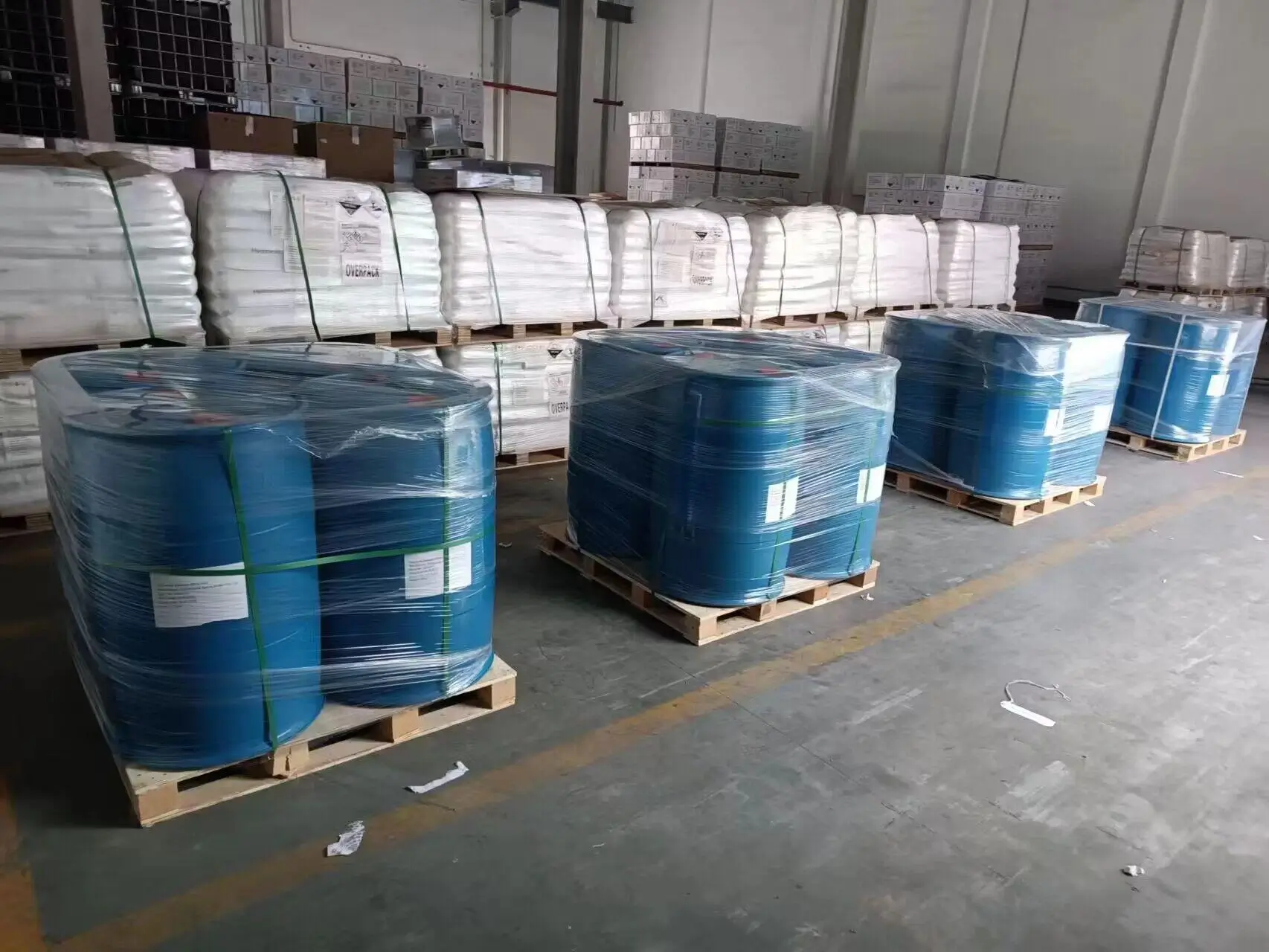
POMAIS offers specialised product supply partnerships to pesticide importers, distributors, brand owners and registration companies.
For Ethephon 2% SL and 480 g/L SL, confirm packaging specifications, labelling arrangements, availability, and delivery terms in line with specific product and order requirements.
Packaging and Procurement Requirements
| Procurement Item | Confirmation Required |
|---|---|
| Product Specification | Ethephon 2% SL or 480 g/L SL |
| Destination Market | Target Import Country |
| Registration Status | Registered, under registration or pending evaluation |
| Packaging | To be confirmed according to actual available specifications |
| Labelling Requirements | To be verified in accordance with target market regulations |
| Quality Documents | COA, SDS, TDS and other required documents |
| Purchase Volume | Estimated purchase quantity |
| Delivery Terms | To be confirmed based on the order and actual supply conditions |
Private Label and Packaging Coordination
If customers require private-label labelling or specific packaging arrangements, they should first confirm the product’s actual specifications, labelling requirements, and target market regulations.
The labelling and packaging content must match the product’s actual content, formulation, registered uses, and safety information. Customised packaging cannot replace product registration, nor may it be used to promote unauthorised uses.
Frequently Asked Questions
What Is Ethephon Used For?
Ethephon is a plant growth regulator that, subject to obtaining the relevant registration, may be used to manage boll opening and fruit ripening in cotton. Actual uses depend on the product’s approved label and target market.
What Is the Difference Between Ethephon 2% SL and 480 g/L SL?
Both contain Ethephon as the active ingredient and are formulated as SL, but their labelled active-ingredient concentrations differ. The dosage, intended use, or quality standards of the two formulations cannot be considered identical based solely on the active ingredient name.
Is Ethephon a Herbicide?
Ethephon is primarily classified as a plant growth regulator, rather than a herbicide in the conventional sense. Its primary function is to release ethylene and regulate plant physiological processes.
Does Ethephon Open Cotton Bolls and Remove Leaves?
In approved cotton applications, Ethephon may promote the opening of mature cotton bolls; however, boll opening and defoliation are distinct agricultural objectives. The boll-opening effect of Ethephon cannot be directly equated with the effect of a standalone defoliant.
Can Ethephon Be Used for All Fruit Crops?
No. Ripening management and registration requirements vary by fruit. Specific crops, treatment periods, and application parameters must be determined according to the approved label for the relevant product.
Can Ethephon Be Mixed with Other Agricultural Products?
Confirm mixing compatibility based on the specific product, label, and technical data. This page does not provide general mixing recommendations applicable to all formulations.
What Documents Should Buyers Request?
Purchasers may request a Certificate of Analysis (COA), Safety Data Sheet (SDS), Technical Data Sheet (TDS) and other required documentation in accordance with project requirements. All documents must correspond to the actual specifications of the Ethephon being supplied.
How Can Importers Request Ethephon Product Specifications?
Importers may provide the target country, required specifications, anticipated purchase volume, packaging requirements, and relevant technical documentation needed to verify actual supply conditions.
Request Ethephon Product Specifications
POMAIS engages in B2B product supply partnerships with pesticide importers, distributors, brand owners and registration companies.
If you are evaluating Ethephon 2% SL or Ethephon 480 g/L SL, please provide the following procurement information:
- Required Product: Ethephon 2% SL or Ethephon 480 g/L SL.
- Destination Country: Target import country.
- Intended Application: Cotton boll opening or authorised fruit ripening management.
- Registration Status: Registered, under registration or pending evaluation.
- Packaging Requirements: Packaging to be confirmed according to actual requirements.
- Expected Purchase Volume: Estimated purchase quantity.
- Technical Documents: Required COA, SDS, TDS and other documentation.
- Delivery Requirements: Estimated purchase and delivery arrangements.
We will further confirm suitable procurement cooperation terms based on actual product specifications, quality documentation, availability, and target market regulations.
Contact us!
We will reply to you within 24 hours on business days!