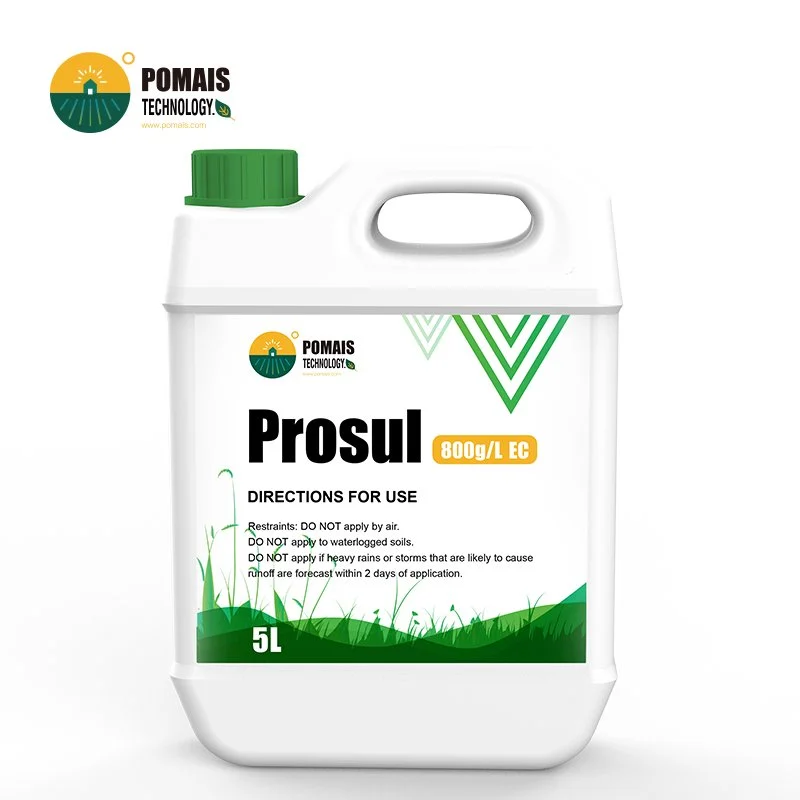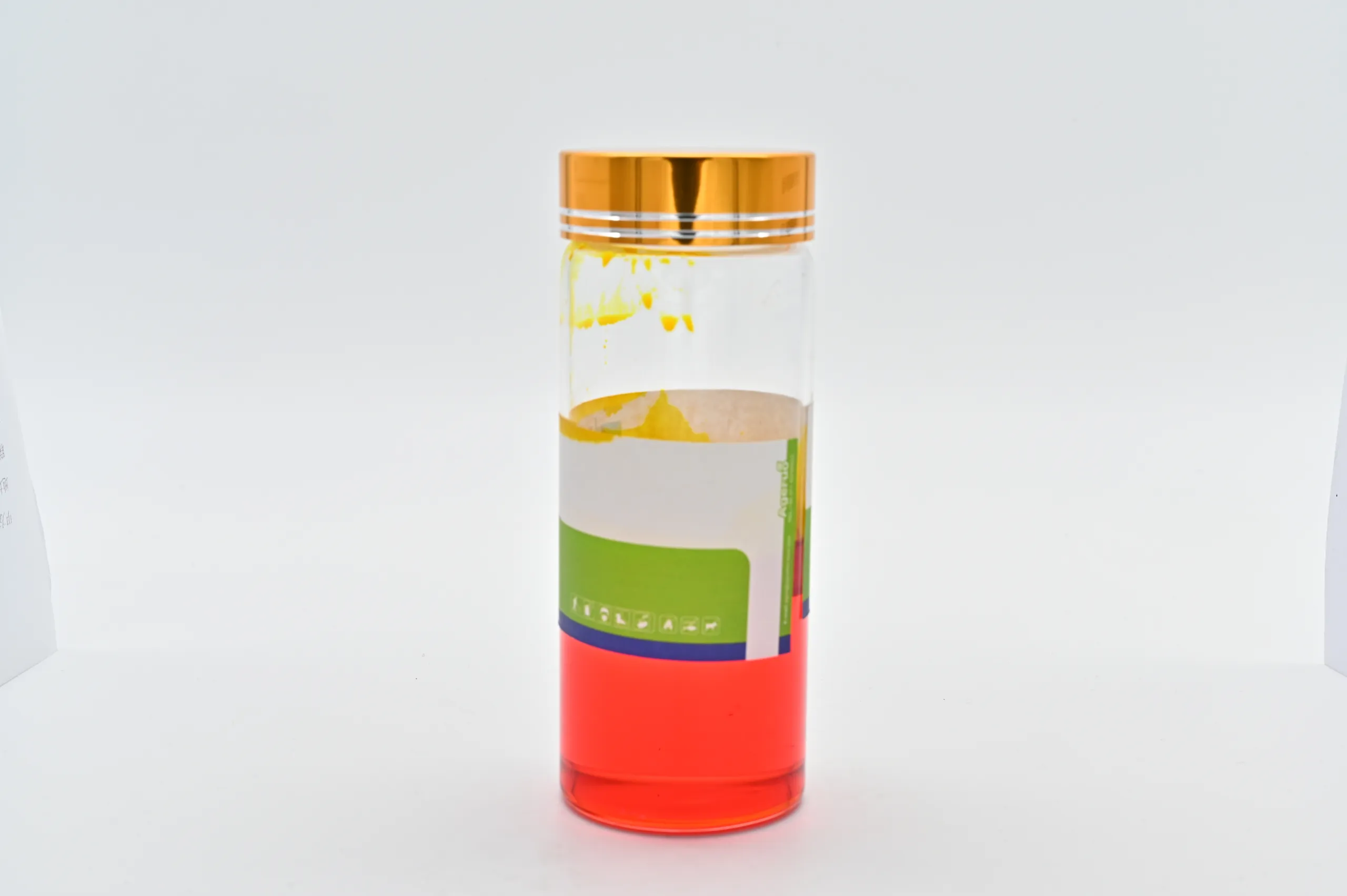
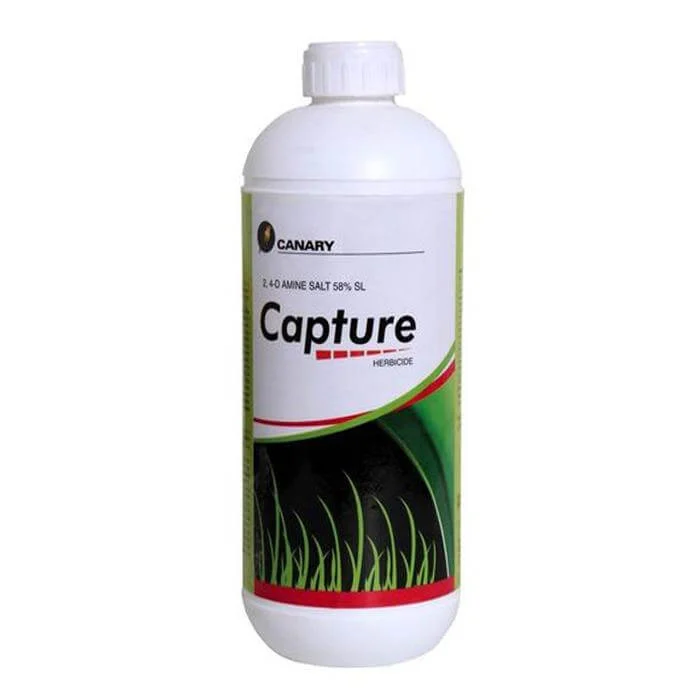
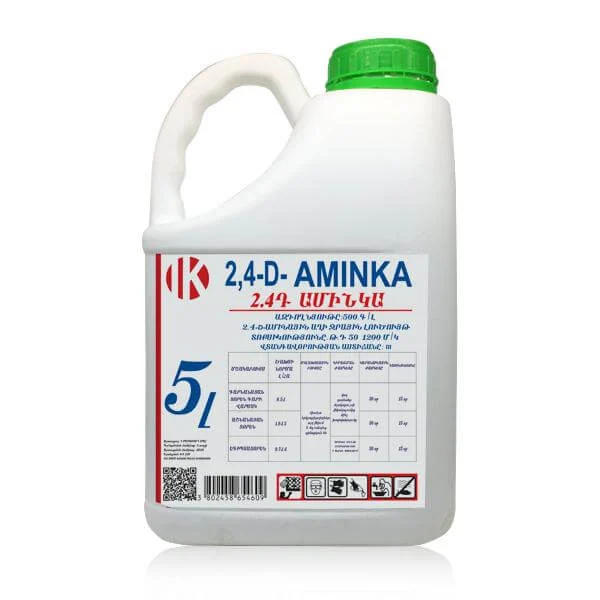

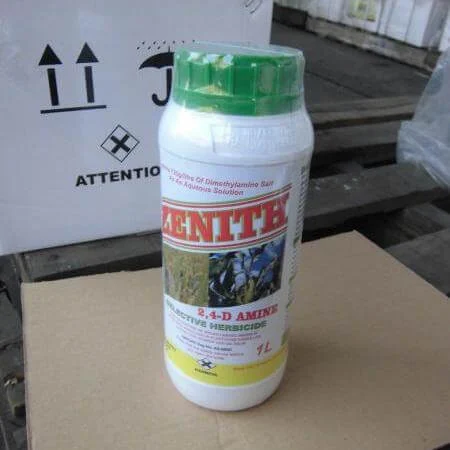
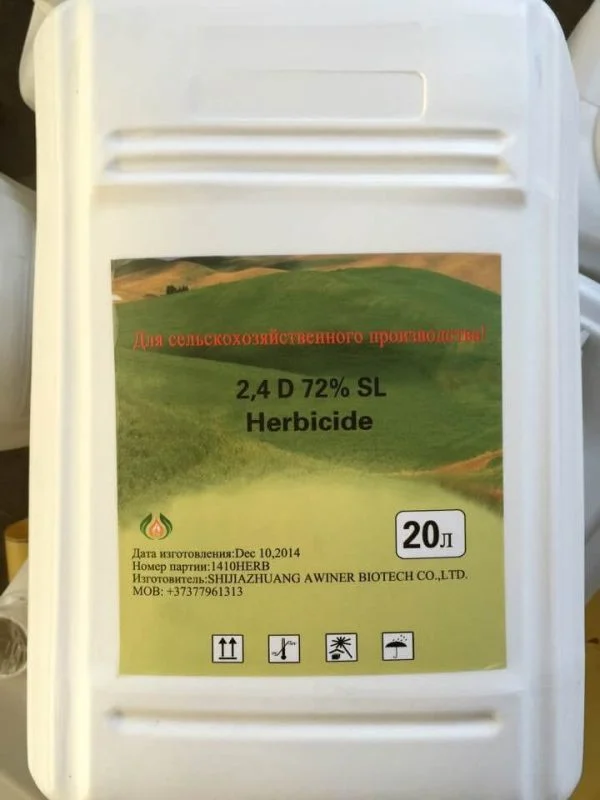


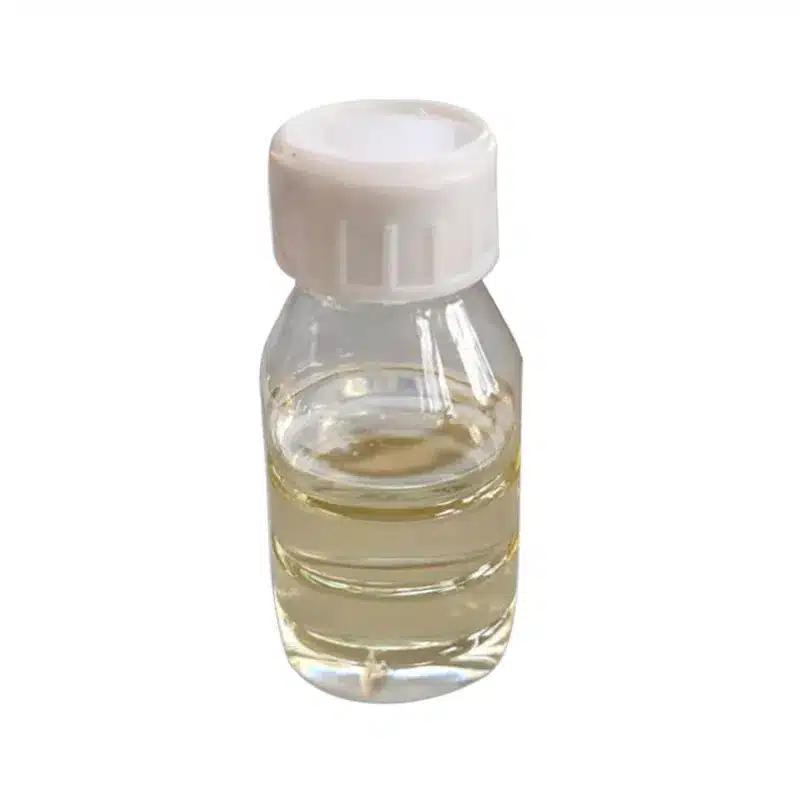
2,4-D 720g/L SL Herbicide | Weed Killer
Engineered for professional agriculture, pasture, and turf programs, 2,4-D (24D) 720 g/L SL is a selective broadleaf weed killer that protects grasses while targeting emerged broadleaf species. Manufactured by POMAIS with OEM/private-label options, it comes with export-ready COA/MSDS/TDS and multi-language labels. Choose amine or ester solutions and flexible HDPE packaging from drums to retail bottles to match your market. Whether you manage cereals, rangeland, or lawn care portfolios, this 24D herbicide delivers consistent field performance and smooth documentation for import and distribution. For 24D for sale and 24D herbicide price, contact us to align formulation, label language, and timelines with local regulations.
- Designed for Professional Buyers & Bulk Orders
- We support custom packaging, labeling, and formulation to meet your market needs.
- Export wholesale inquiries only.
- Please include destination country, business type (importer/distributor/registrant), and expected volume.
- Retail requests will not be processed.

About 2,4-D 720g/L SL Herbicide | Weed Killer
| Product Name | 2,4-D 720g/L SL Herbicide |
| CAS Number | 94-75-7 |
| Chemical Formula | C8H6Cl2O3 |
| Formulations Available | 720g/L SL, 600g/L SL, 500g/L SL, 80% WP, 65% WDG |
| Mode of Action | Selective systemic herbicide, mimics plant auxins, causing uncontrolled growth and weed death |
| Target Weeds | Broadleaf weeds, Wild mustard, Pigweed, Morning glory, Dandelions, Thistles |
| Suitable Crops | Wheat, Barley, Corn, Rice, Pastures, Lawns, Industrial Sites |
| Application Rate | 0.5-5.0 L/ha (varies by crop and target weed) |
| Application Method | Foliar spray, Boom spraying, Spot treatment |
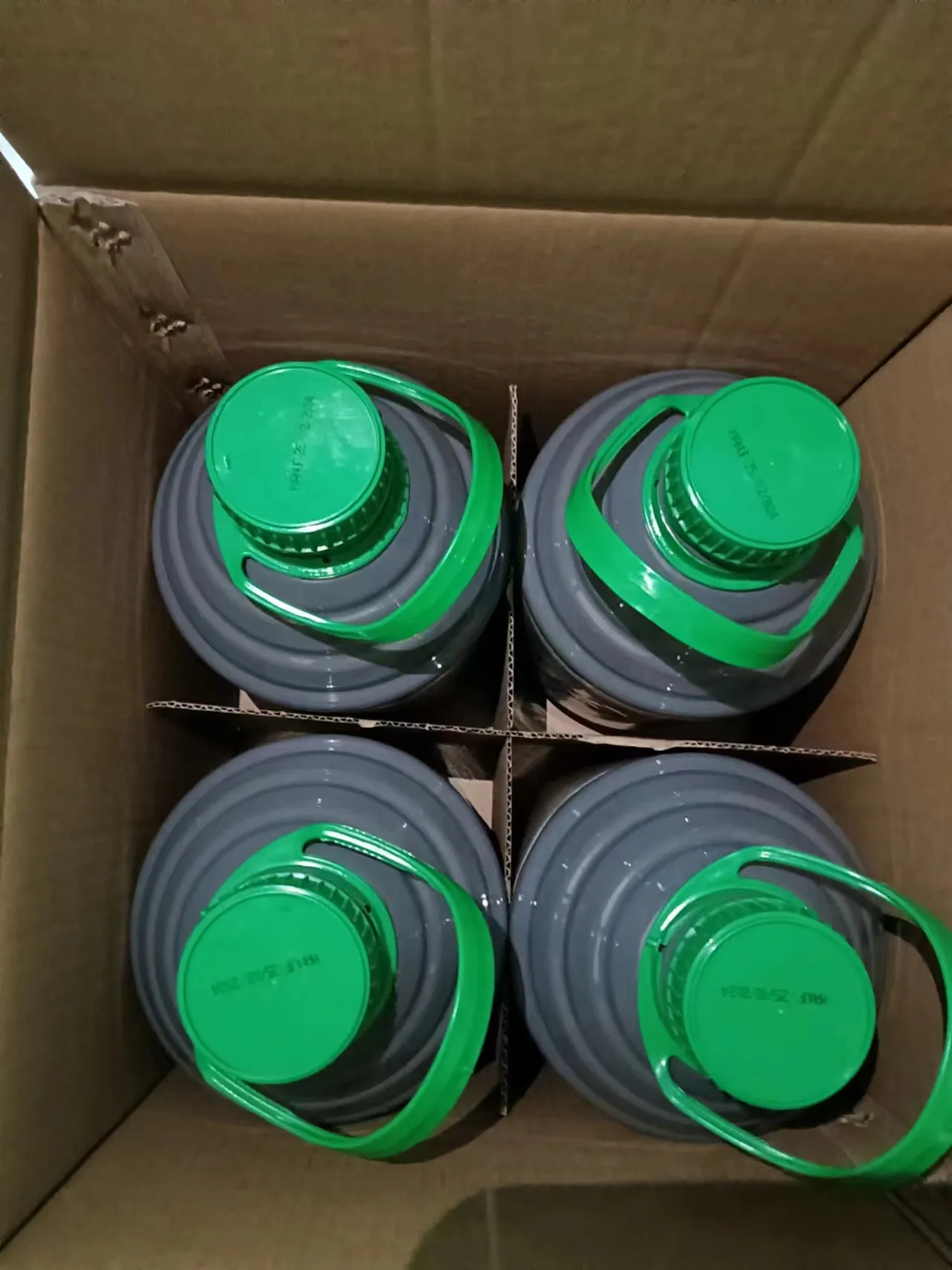
| Packaging Options | Bulk: 200L Drum, 20L Drum Retail: 1L, 500ml, 250ml Bottles |
| Toxicity | Slightly toxic to mammals, highly toxic to aquatic life |
| Safety Precautions | Wear gloves, goggles, and mask during application Avoid drift to sensitive crops Store away from food and water sources |
| Environmental Impact | Biodegrades in soil within 1-2 weeks, avoid spraying near water bodies |
| Regulatory Compliance | EPA, FAO, WHO approved for agricultural use |
| Certifications | ISO 9001, SGS, COA available for international trade |
| Competitive Advantages | High-purity formulation, Global logistics, Custom labeling, Technical support |
What Makes Our 2,4-D 720g/L SL Stand Out?
If you’re looking for a fast-acting, cost-effective, and selective herbicide to control broadleaf weeds without harming your cereal crops or turf, our 2,4-D 720g/L SL is your ideal solution. This high-strength soluble liquid formulation offers outstanding weed control performance with a lower application volume, making it suitable for both large-scale agricultural operations and professional turf management.
- High-Purity Active Ingredient: Formulated with 2,4-D acid in its most efficient form for fast uptake and systemic action.
- Selective Targeting: Kills broadleaf weeds without damaging grasses or cereals like wheat, rice, corn, or barley.
- Multiple Use Scenarios: Suitable for crops, pastures, lawns, and industrial non-crop areas.
- Low Usage Rate, Large Coverage: Efficient for high-acreage applications at low per-hectare doses.
- Custom Packaging + OEM Support: Adaptable labeling, formulation, and packing for distributors and brand owners.
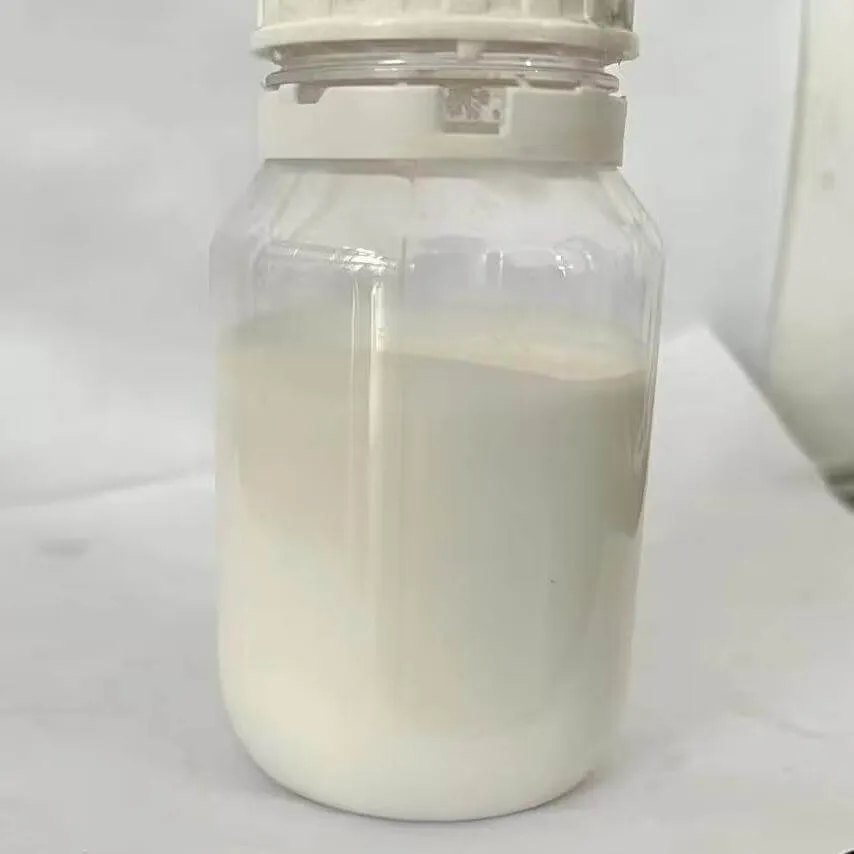
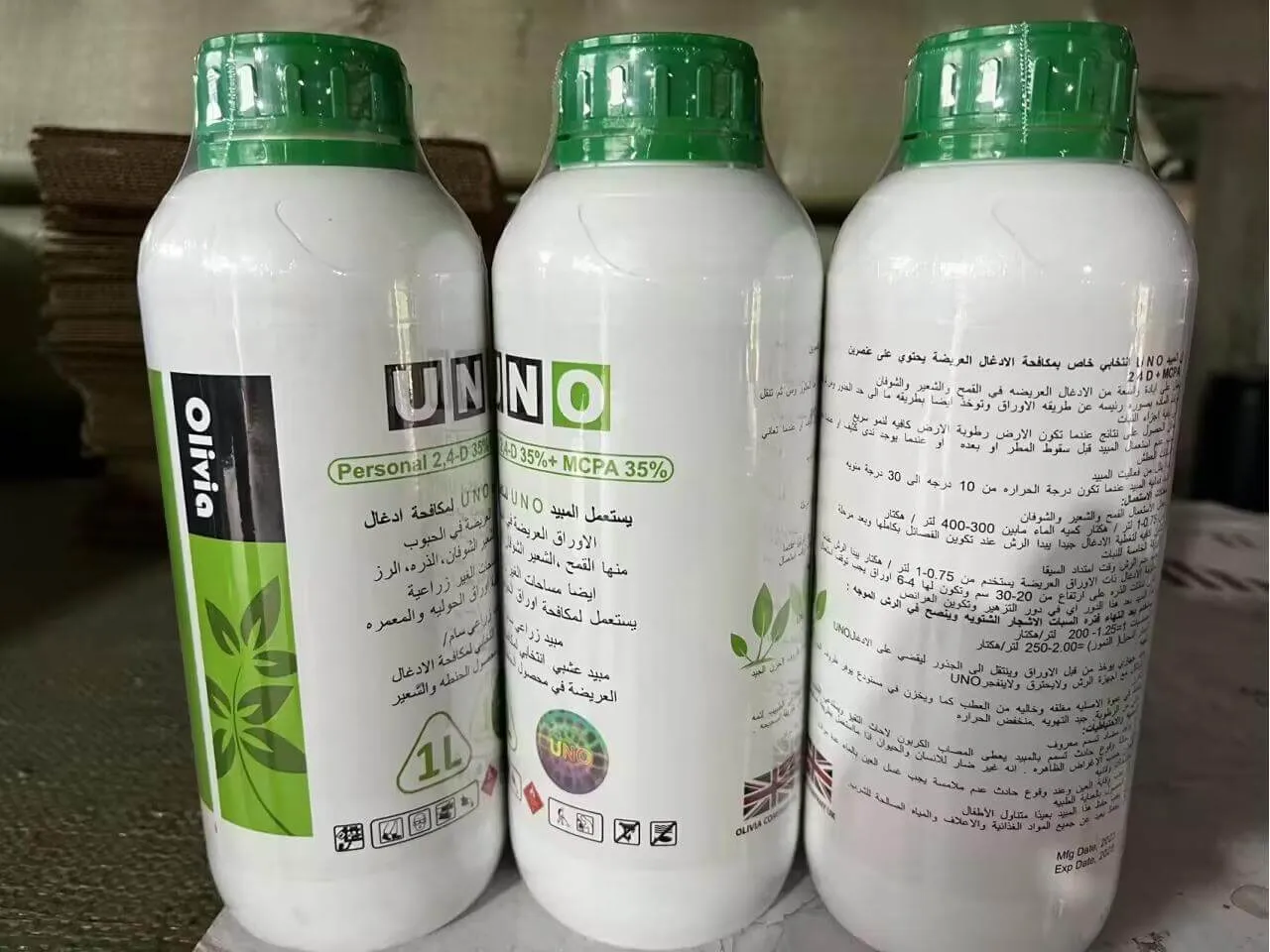
Why It Works — Definition & Mode of Action
What 2,4-D (24D) is.
2,4-D is a phenoxyacetic acid herbicide—often referred to as a 24D chemical—used worldwide as a selective broadleaf weed killer. In our portfolio it is available as 2,4-D (24D) 720 g/L SL, with amine and ester options to match local labels and climates.
How it works (auxin mimic).
2,4-D acts as a synthetic auxin, disrupting normal cell division and elongation in emerged broadleaf weeds. The result is loss of growth regulation and plant death in susceptible species when used as directed on the label.
Systemic movement (translocation).
After foliar uptake or root absorption, 2,4-D translocates through phloem and xylem to meristematic tissues. This systemic movement supports uniform, internal activity, helping programs achieve consistent results across canopies and dense stands.
Why grasses are generally tolerant.
Most grasses metabolize or compartmentalize auxin-type actives more effectively than broadleaf species. This physiological difference underpins 2,4-D’s selectivity in crops, pasture, and turf when timing and rates follow the local label.
Formulation insight: amine vs. ester.
- 2,4-D amine herbicide: valued for lower volatility and fit near sensitive areas under label conditions.
- 2,4-D ester herbicide: favored for faster uptake in cooler weather; manage volatility and drift per stewardship rules.
Choosing between amine or ester depends on site, season, sensitivity nearby, and label permissions.
Customization Options
Formulations You Can Source
Choose the 2,4-D (24D) 720 g/L SL flagship, or request alternatives to fit local labels and climates:
- 2,4-D amine herbicide / 24D amine weed killer — valued for lower volatility near sensitive areas.
- 2,4-D ester herbicide — faster uptake in cool weather; manage drift/volatility per stewardship.
- Solid formats (24D powder: WP/WDG) — convenient shipping and on-site dilution where permitted.
Packaging & Sizes
Supply ranges from bulk drums to retail-ready bottles, all in HDPE with export specs:
- 200 L / 20 L drums for distributors and institutional buyers.
- 5 L / 1 L / 500 mL retail packs for agro-dealers and co-ops.
- Tamper-evident caps, induction seals, and QR trace codes available on request.
Label & Branding (OEM/Private Label)
Create market-fit SKUs with multi-language labels (Arabic, French, Russian, Spanish, etc.), brand palette, and layout aligned to local retail standards. Barcodes, anti-counterfeit marks, hazard icons, and dosage-panel spacing are configured per local registration norms.
Documentation & Registration Support
Every shipment comes with COA, MSDS, TDS, and batch HPLC reports. For importers, we assist with stability data, packaging drop/inversion validations, and dossier mapping to national requirements.
Logistics & Lead Time
Coordinated vertical supply enables predictable lead times and consolidated containers. We align INCOTERMS, palletization, and labeling windows to your route and season.
Key Benefits
Selective Control → Crop/Turf Safety → Fewer Stand Losses
2,4-D (24D) is a selective broadleaf weed killer that targets emerged broadleaf species while grasses are generally tolerant under label use. This preserves row crops, pasture, and turf stands, reducing re-establishment costs and complaints.
Systemic Activity → Uniform Knockdown → Cleaner Fields
As a systemic auxin mimic, 2,4-D moves through phloem and xylem to meristems, supporting even, internal control across dense canopies. Programs see more consistent cleanup compared with contact-only options.
Climate Fit Options → Amine / Ester → Wider Spray Windows
Choose 2,4-D amine herbicide for lower-volatility stewardship near sensitive areas, or 2,4-D ester herbicide for faster uptake in cool conditions—always as permitted by local labels. This flexibility helps keep operations on schedule.
Portfolio Coverage → Broadleaf Spectrum → Fewer SKUs Needed
From clover, dandelions, thistles to mixed broadleaf complexes, 2,4-D supports a wide spectrum under label use. Distributors can rationalize inventory while maintaining performance across agriculture, pasture, and lawn programs.
OEM & Dossier Ready → Faster Market Access → Predictable Sales
POMAIS supplies COA/MSDS/TDS, batch HPLC data, and multi-language labels for 24D herbicide. This reduces regulatory friction, streamlines 24D for sale registration, and shortens time-to-revenue.
Packaging Flexibility → Bulk to Retail → Market-Fit Margins
From 200 L/20 L drums to 1 L/500 mL retail packs in HDPE, you can fit pricing tiers and channels without re-tooling. This supports private label growth with stable supply and branding control.
Weed Spectrum & Selectivity Guide
What 2,4-D Typically Controls (Broadleaf Sensitive)
2,4-D is a selective, systemic herbicide that targets emerged broadleaf weeds while leaving most grasses unharmed when you follow the label. Typical broadleaf targets include clover, dandelions, thistles, plantain, chickweed, henbit, spurge, shepherd’s-purse, field bindweed (suppression), and many pasture or turf broadleaf complexes. Woody or deep-rooted perennials may require program-based control under approved labels and timings.
What 2,4-D Typically Does Not Control (Non-Broadleaf)
Grassy weeds such as crabgrass, foxtails, goosegrass, and johnsongrass, as well as sedges like yellow/purple nutsedge, are generally tolerant to 2,4-D. For these targets, pair 2,4-D with grass- or sedge-focused actives only where your local label permits.
Turf & Forage Selectivity (Grasses Generally Tolerant)
Most turf and forage grasses—including bermudagrass, fescue, ryegrass, centipedegrass, and St. Augustine—are typically tolerant to 2,4-D when used as directed. Transient leaf twist or cosmetic response can occur under heat, drought, or mis-timed applications. Always confirm species-specific directions and avoid spray drift to ornamentals.
Snapshot Table — “Will 2,4-D kill … ?”
| Target | Typical Response | Notes (Label-Directed Use) |
|---|---|---|
| Clover, Dandelions, Thistles | Controlled | Broadleaf sensitivity; earlier growth stages respond best. |
| Plantain, Chickweed, Henbit, Spurge | Controlled | Program approach improves season-long results. |
| Poison Ivy / Woody Vines | Suppression to control | May require programmatic treatments where permitted. |
| Crabgrass & Other Grasses | Not controlled | Use grass-focused partners where allowed. |
| Nutsedge (Yellow/Purple) | Not controlled | Use sedge-focused partners where allowed. |
| Bermudagrass, Fescue, Rye, Centipede, St. Augustine | Generally tolerant | Follow species guidance; avoid stress conditions. |
Industries & Use Cases
Row Crops (Corn, Wheat, Sorghum)
Use 2,4-D (24D) 720 g/L SL as a selective broadleaf weed killer in row-crop programs where grasses are generally tolerant under label-directed timing. In corn and sorghum, align applications with approved growth windows and choose amine or ester per climate and stewardship rules. For mixed infestations (e.g., broadleaf plus grassy weeds), position 2,4-D with grass-focused partners only where the local label permits.
Pasture & Rangeland
For pasture and rangeland, 2,4-D supports program-based broadleaf control while maintaining grass stands when used as directed. Observe grazing/haying intervals and re-entry requirements on your label. Where woody perennials or vines are present, plan sequenced treatments within local registrations.
Turf & Lawn Care
In residential and commercial turf, 2,4-D provides selective cleanup of common broadleaf weeds such as clover and dandelions under label guidance, while turf species like bermudagrass, fescue, ryegrass, centipede, and St. Augustine are generally tolerant. Avoid heat/drought stress periods and prevent off-target movement to ornamentals.
Industrial & Non-Crop Areas
For roadsides, rights-of-way, fence lines, and non-crop industrial sites, 2,4-D offers dependable broadleaf spectrum within label-specified conditions. Respect buffer zones, wind and temperature limits, and avoid applications adjacent to water bodies unless explicitly allowed. Pair with complementary chemistries only as permitted to address crabgrass or nutsedge, which are typically tolerant to 2,4-D alone.
Forestry & Brush/Vine Management
Under specialized labels, 2,4-D can assist with woody/vine suppression in forestry edges and right-of-way maintenance. Expect suppression to control depending on species and timing; plan integrated programs and follow all drift/volatility stewardship practices near sensitive habitats.
Recommended Usage Across Various Crops
| Crops | Target Weeds | Application Rate | Application Method |
|---|---|---|---|
| Wheat, Barley | Broadleaf weeds, Wild mustard, Chickweed | 1.0-2.0 L/ha | Post-emergence spraying |
| Corn (Maize) | Bindweed, Pigweed, Morning glory | 1.5-3.0 L/ha | Post-emergence spraying |
| Rice | Broadleaf weeds, Amaranthus species | 1.0-2.5 L/ha | Spray application |
| Pastures | Dandelion, Thistles, Clover | 2.5-4.0 L/ha | Spot treatment, boom spraying |
| Lawns & Turf | Dandelions, Clover, Plantain weeds | 0.5-1.5 L/ha | Sprayer or backpack sprayer |
| Industrial Sites, Roadsides | Unwanted vegetation, Brush weeds | 3.0-5.0 L/ha | Non-crop area treatment |
Crop Safety & Compatibility
Corn, Sorghum, and Cereals
Grasses generally tolerate 2,4-D when applied within label-specified crop stages and conditions. In corn (including systems tolerant to other herbicide traits), 2,4-D safety depends on the growth window and formulation (amine vs. ester). Sorghum and small grains follow similar principles—use only within labeled timing to minimize cosmetic response.
Soybeans and Sensitive Broadleaf Crops
Conventional soybeans and many broadleaf cash crops are sensitive to 2,4-D. Do not apply to these crops unless your local label explicitly allows it for the specific trait/system in use. Manage drift and volatility carefully near tomatoes, cotton, vineyards, orchards, and ornamentals; respect buffer zones and weather limits.
Turfgrass Species and Forage Grasses
Most turf and forage grasses—including bermudagrass, fescue, ryegrass, centipedegrass, and St. Augustine—are generally tolerant when 2,4-D is used as directed. Temporary leaf twisting or discoloration can occur under heat, drought stress, or mis-timed use. Always consult species-specific label guidance for residential turf, sports fields, rights-of-way, and pasture systems.
Tank-Mix Positioning & Program Fit
2,4-D provides selective broadleaf activity and is often positioned with grass- or sedge-focused partners (where legally permitted) to address crabgrass or nutsedge, which are typically tolerant to 2,4-D alone. Confirm tank-mix compatibility and adjuvant use on the local label and follow stewardship to avoid off-target movement.
Timing, Rain, and Grazing Safety
Best Time to Spray
Apply 2,4-D when broadleaf weeds are actively growing and at early growth stages. Avoid temperature extremes, drought-stressed plants, and conditions that increase drift or volatilization. Always align timing with the crop growth window approved on your local label (pasture, turf, or row crops).
Rainfastness & Weather
Rain or heavy irrigation soon after spraying can reduce performance. Follow the rainfast interval on your local label and avoid spraying immediately before rainfall. If unexpected rain occurs, evaluate fields later to determine whether label-permitted follow-up is needed.
Onset of Action
Under normal conditions, 2,4-D begins physiological disruption soon after uptake; visible effects follow according to species, growth stage, formulation (amine vs ester), and weather. Cooler temperatures and advanced weed growth stages may slow symptom development.
Re-entry, Grazing & Pets
Comply with the re-entry interval (REI) on your label before allowing workers or family back into treated areas. For pasture and rangeland, observe the grazing/haying restrictions stated locally. In residential turf, keep people and pets off treated areas until sprays are dry and label re-entry conditions are satisfied.
Seeding / Plant-Back Guidance
Follow the plant-back or reseeding intervals specified on your local label, especially before establishing sensitive species (e.g., certain forage or turf varieties). Soil, climate, and formulation affect interval recommendations; rely on local registrations.
Always follow the product label and local regulations. Manage drift, heed buffer zones, and choose the correct formulation for your climate and site.
Formulations and Packaging
We offer various formulations and customized packaging to meet global market demands.
Available Formulations
- 2,4-D 720g/L SL (Soluble Liquid)
- 2,4-D 600g/L SL
- 2,4-D 500g/L SL
- 2,4-D 80% WP (Wettable Powder)
- 2,4-D 65% WDG (Water-Dispersible Granules)
Packaging Options
- Bulk Options: 200L drum, 20L drum
- Retail Options: 1L, 500mL, 250mL HDPE bottles
- OEM Services: Available with custom label, QR code, barcode, and tamper-evident caps
Safety and Environmental Considerations
While 2,4-D is a highly effective herbicide, it is essential to follow proper handling and safety measures to ensure environmental and human safety.
Safety Precautions
- Wear protective gear (gloves, goggles, and a mask) during handling and application.
- Avoid drift to sensitive crops such as tomatoes, grapes, and cotton, which may be susceptible to 2,4-D damage.
- Do not spray near water bodies to prevent contamination of aquatic ecosystems.
- Store in a cool, dry place, away from food, feed, and direct sunlight.
Toxicity & Environmental Impact
- Classified as slightly toxic to mammals but highly toxic to aquatic life.
- Biodegrades in soil within 1-2 weeks, minimizing environmental persistence.
- Regulatory compliance: Approved by EPA, FAO, and WHO for agricultural use.
Label & Application Compliance
Use Only as Directed
Apply 2,4-D strictly according to your local registered label. Labels define where, when, and how the product may be used, including site, crop stage, buffer zones, wind/temperature limits, and re-entry intervals. Always align your program with these requirements to ensure performance and legal compliance.
Drift & Volatility Stewardship
Prevent off-target movement by managing wind speed, temperature inversions, boom height, and by selecting the labeled formulation (amine vs. ester) appropriate for your climate and site. Respect downwind buffers near sensitive crops and ornamentals (e.g., tomatoes, grapes, cotton) and avoid application adjacent to water bodies unless the label allows it.
Worker Protection & Re-Entry
Comply with Worker Protection Standard (where applicable) and follow the label’s personal protective equipment (PPE) and re-entry interval (REI). Keep people and pets away from treated areas until sprays have dried and label re-entry conditions are met. Train staff on label comprehension and local regulatory norms.
Record-Keeping & Market Requirements
Maintain application records as required in your market (date, site, conditions, formulation, label reference). Distributors and importers should confirm local registration status, storage and transport rules, and any country-specific residue or documentation requirements before sale.
Registration Dossiers & OEM Support
POMAIS supports distributors and importers with registration dossiers and OEM programs: COA, MSDS, TDS, stability data, batch HPLC reports, packaging drop/inversion validations, and multi-language labels (including Arabic, French, Russian, Spanish). We help align your product presentation with national regulations and retail labeling standards.
Disposal & Environmental Care
Follow the label and local rules for container rinse, storage, and disposal. Prevent spills and protect drains and waterways. Stewardship protects aquatic life and maintains neighbor relations near sensitive crops and landscapes.
Soil Behavior & Environmental Fate
Is 2,4-D a Pre-emergent?
2,4-D is not a pre-emergent herbicide. It controls emerged broadleaf weeds by mimicking natural auxins and disrupting growth in susceptible species. Use 2,4-D within label-approved programs; for pre-emergent protection, select compatible products registered for that purpose.
Persistence and Degradation
Under typical field conditions and label-directed use, 2,4-D shows relatively low persistence and degrades through microbial and environmental pathways. Degradation rates vary with soil type, pH, temperature, and moisture, as well as formulation (amine vs. ester). This variability is why labels specify local intervals for plant-back, grazing, and re-entry.
Plant-Back & Re-seeding Guidance
Before establishing sensitive forage or turf species, follow the plant-back/re-seeding intervals on your local label. Cooler soils or low microbial activity can extend the practical interval; warm, biologically active soils typically shorten it. Always confirm species-specific guidance for rangeland, turf, and row-crop systems.
Off-Target & Environmental Stewardship
Minimize off-target movement by respecting buffer zones, wind and temperature limits, and volatility management on the label. Avoid application near surface waters or drainage inlets unless the label allows it. Stewardship safeguards aquatic life and neighboring sensitive crops (tomatoes, grapes, cotton, ornamentals).
Always follow the product label and local regulations. Risk = Hazard × Exposure.
Why Choose Our 2,4-D 720g/L SL?
Full-Line Herbicide Manufacturer
POMAIS supplies 2,4-D (24D) 720 g/L SL alongside amine/ester options and complementary portfolios (e.g., MCPA, Dicamba, Glyphosate series). This lets distributors build a complete broadleaf program with unified support and stable availability.
Proven Quality & Batch Consistency
Every lot is HPLC-verified, stability-checked (cold/heat), and filled in certified HDPE packaging. We run drop and 24-hour inversion tests to secure leak-proof transport from factory to warehouse—cutting claims and downtime.
OEM Labels & Multi-Language Dossiers
We provide OEM/private-label service with multi-language artwork (Arabic, French, Russian, Spanish). Shipments include COA/MSDS/TDS, and we assist with registration dossiers and label compliance to simplify 24D for sale and accelerate approvals.
Predictable Lead Time & Export Experience
Vertical supply and coordinated logistics deliver reliable timelines. We align INCOTERMS, pallet patterns, and booking windows to your season—supporting consistent 24d herbicide supply and fewer stockouts.
Technical Support & Market Fit
You get guidance on amine vs. ester positioning, site/climate fit, and stewardship practices. This translates to fewer re-sprays, smoother audits, and confident sell-through for dealers and ag retailers.
FAQ
Buy 2,4-D 720g/L SL Today!
Looking for a reliable 2,4-D herbicide supplier? Whether you need bulk orders, custom formulations, or OEM solutions, we provide tailor-made options to fit your business needs.
Ready to source 2,4-D (24D) 720 g/L SL—with amine/ester options, OEM labels, and COA/MSDS/TDS?
Contact us for 24D herbicide price, MOQ, label samples, and lead-time planning. We’ll align formulation, packaging, and documents with your local registration and channel strategy.
Contact us!
We will reply to you within 24 hours on business days!