
Does Spinosad Kill Lice Eggs?
Yes, prescription spinosad 0.9% topical suspension can kill both live lice and many lice eggs (nits), and clinical data show it is pediculicidal and ovicidal. However, no treatment is perfect in real-world use, so you should still check the hair, follow the label exactly, and talk to a healthcare professional if live lice keep appearing.
From a mode-of-action point of view, spinosad for head lice targets the insect nervous system, causing over-excitation then paralysis and death. Some formulations have been shown to kill both lice and lice eggs, which is why many patients become lice-free after one properly performed treatment.
What Is Spinosad and How Does It Work on Lice?
Spinosad is an insecticide derived from soil bacteria (Saccharopolyspora spinosa) and used in several fields: agriculture, veterinary medicine, and human health. In head-lice products, the most common form is spinosad 0.9% topical suspension, a prescription pediculicide designed specifically for head lice treatment in adults and children above a certain age.
At the nervous-system level, spinosad works on lice by activating nicotinic acetylcholine receptors, causing prolonged neuronal excitation, followed by neuromuscular fatigue and death. Because it has a different mode of action from traditional synthetic pyrethroids, spinosad for head lice is often effective against lice that no longer respond well to older over-the-counter products.
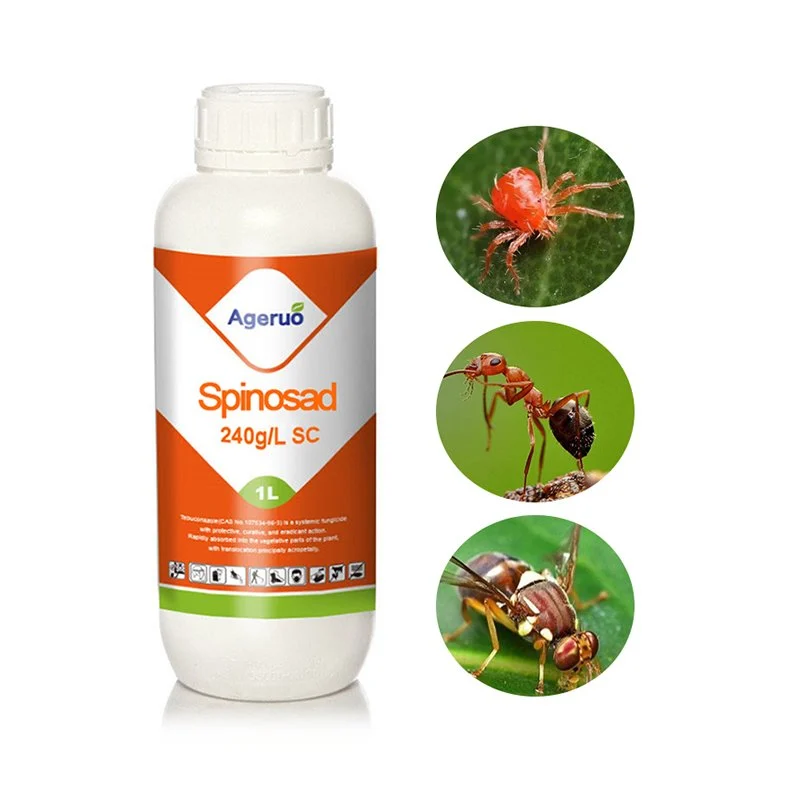
Does Spinosad Kill Lice Eggs (Nits)?
For the specific question “does spinosad kill lice eggs?”, clinical data on spinosad 0.9% topical suspension show that it is both pediculicidal (kills live lice) and ovicidal (kills eggs). That is why many patients in trials became lice-free after one or two treatments without mandatory nit combing, and why guidelines often note that nit removal is optional rather than required with this product.
However, “ovicidal” does not mean 100% of all lice eggs in every real-world situation will die. Hair length, product coverage, contact time, and how carefully the instructions are followed all influence how many nits are actually exposed to an effective dose. So spinosad can kill lice eggs, but you should still monitor for any surviving lice after treatment.
How Well Does Spinosad Work Against Nits?
Published studies on spinosad 0.9% for head lice report high cure rates and describe the product as killing both lice and eggs, with most patients requiring only one application when used correctly. In practical terms, that means many nits are rendered non-viable, so they will not hatch into new lice.
Some earlier or non-standard formulations of spinosad lice products have been described as mainly pediculicidal with uncertain egg-killing activity. The key is that not all spinosad-based formulations are identical. For consumers and clinicians, the focus should be on the specific branded topical suspension and its label, which reflect the data used for regulatory approval.
Why Some Lice Eggs May Survive
Even with an ovicidal head-lice treatment, a few nits may survive due to:
- Egg shell barrier: Some eggs may be shielded inside thicker or more mature egg shells.
- Uneven coverage: If parts of the scalp or hair shafts are not fully coated, certain lice eggs may receive less or no exposure.
- Timing of development: Eggs at different stages of development may respond differently to spinosad nit killing.
This is not unique to spinosad; it is a reality for most topical lice treatments. That is why post-treatment checks are always recommended, even when the product is marketed as effective against nits.
Treatment Expectations and Follow-Up When Using Spinosad
When you use spinosad for head lice as directed, you should expect a major reduction in live lice after the first treatment. Many patients become completely lice-free by day 14 after one or two properly spaced treatments, especially with the prescription 0.9% suspension.
However, even with an ovicidal product, it is possible to see an occasional newly hatched louse if some eggs were not fully exposed. This does not automatically mean the medicine “failed”; it can simply reflect gaps in coverage or reinfestation from the environment.
Do You Still Need to Comb and Re-Check?
One key difference of spinosad 0.9% topical suspension compared with some older products is that nit combing is not required for efficacy in clinical studies. That said, combing can still be useful:
- To remove dead lice and empty egg shells, improving cosmetic appearance.
- To help remove any residual nits, especially if you want visual confirmation that the infestation is resolving.
So, while spinosad can kill lice eggs, many clinicians still recommend checking and combing as part of an overall lice-management routine.
When Is a Repeat Application Considered?
For spinosad head-lice treatment, labels typically allow or recommend a second application about 7 days after the first if live lice are still seen. The exact timing and need for retreatment depend on:
- Whether live lice are visible after the first course
- How closely the first treatment followed the product instructions
- The advice of a doctor or pharmacist
Never increase the dose, shorten the interval, or mix products without professional guidance. All decisions must follow the label and local medical advice.
Safety, Label Directions and Professional Advice
Although spinosad lice treatments are generally considered effective and well-tolerated, they are still prescription medicines in many markets and must be used responsibly.
Always check:
- Approved age ranges for the product (for example, 6 months and older for some spinosad topical suspensions)
- Any restrictions related to pregnancy, breastfeeding, or specific medical conditions
- Directions for application time, rinsing, and retreatment
Follow the Specific Product Label
Different countries and brands may have slightly different instructions for spinosad head-lice suspension. To keep risk low and results high, you must follow:
- Where and how long to apply the product
- How much to use, based on hair length and density
- Whether a second treatment is recommended and when
Even if online sources say “spinosad kills lice eggs”, the product label is the primary reference for real-world use.
When to Seek Medical or Pharmacy Advice
You should seek professional advice before or during spinosad lice treatment if:
- The patient is very young (infant), pregnant, or has serious skin conditions
- Multiple treatments with different products have failed
- You suspect a secondary infection from scratching
- You are unsure whether what you are seeing is lice, empty nits, or something else
Healthcare professionals can help confirm the diagnosis, review treatment history, and, if needed, adjust the approach.
Spinosad vs Other Lice Treatments (Effect on Eggs)
Compared to many over-the-counter products, spinosad 0.9% topical suspension is often described as both pediculicidal and ovicidal, meaning it kills lice and lice eggs when used as directed.
- Traditional pyrethroids (e.g., permethrin): Often less effective in areas with resistant lice and may require strict nit combing and multiple treatments.
- Malathion or other organophosphate-based treatments: Can have ovicidal activity but may carry different safety or odor concerns, depending on the formulation.
- Silicone-based products (dimethicone, etc.): Work by physically coating lice; their impact on eggs varies by product and application quality.
This does not mean spinosad lice products are always the best option for every patient; availability, local guidelines, and individual clinical factors all matter. But from an “eggs vs no eggs” perspective, spinosad stands out because of its documented ovicidal activity in clinical trials of the 0.9% suspension.
FAQ
Q1. Does spinosad kill all lice eggs in one treatment?
Spinosad 0.9% topical suspension is clinically described as both pediculicidal and ovicidal, meaning it kills lice and many nits in a single correctly performed treatment. However, no product guarantees 100% egg kill in every real-world situation, so checking the hair and following the label for possible retreatment is still important.
Q2. Do I still need to comb out nits after using spinosad?
Clinical studies and some guidelines report that nit combing is not required for spinosad 0.9% to be effective, and many patients were cured without it. However, combing can help remove dead lice and shells, improve appearance, and allow you to confirm that the infestation is resolving.
Q3. What should I do if I still see lice after spinosad treatment?
If live lice are still seen about a week after treatment, labels often allow a second application of spinosad head-lice medicine, but you should always follow the instructions and consult a doctor or pharmacist before repeating They can help determine whether this is residual infestation, reinfestation, or a sign that another product might be needed.
Q4. Is spinosad more effective on live lice than on eggs?
In general, spinosad is highly effective against live lice and has demonstrated ovicidal activity in clinical trials. As with most topical treatments, real-world performance on lice eggs depends heavily on coverage quality and correct use, so results can vary from person to person.
Hot Products
Hot news
Recommended news