
When to Apply Atrazine to St. Augustine Grass
This page is for risk awareness and compliance communication only. It is not a use or handling guide and does not provide rates, mixtures, or procedures. For licensed professionals only. Always follow the product label, SDS, and local regulations.
Timing Follows Turf Physiology—Not the Calendar
For St. Augustine Grass turf, atrazine timing should align with the lawn’s stable physiological state and the vulnerability of target weeds, rather than a fixed date. Choose windows when turf is not greening-up, not newly installed, and not heat- or drought-stressed. Pair that with weed-life-cycle awareness to improve selectivity and outcomes—always within the product label.
Timing Principles for St. Augustine Grass
- Turf-first: Apply only when the turf is stable and actively maintaining, not during green-up, renovation, or post-stress recovery.
- Weed-stage awareness: Conceptually align with pre-emergent pressure (before typical germination) and very early post-emergent windows, when labeled, to target small, actively growing weeds.
- Risk controls outrank convenience: If site or weather cues point to elevated turf stress, defer. Label restrictions and local guidance take precedence over scheduling convenience.
- Local calibration: Microclimate, soil type, and regional weed calendars vary—use extension recommendations and label language for your service area.
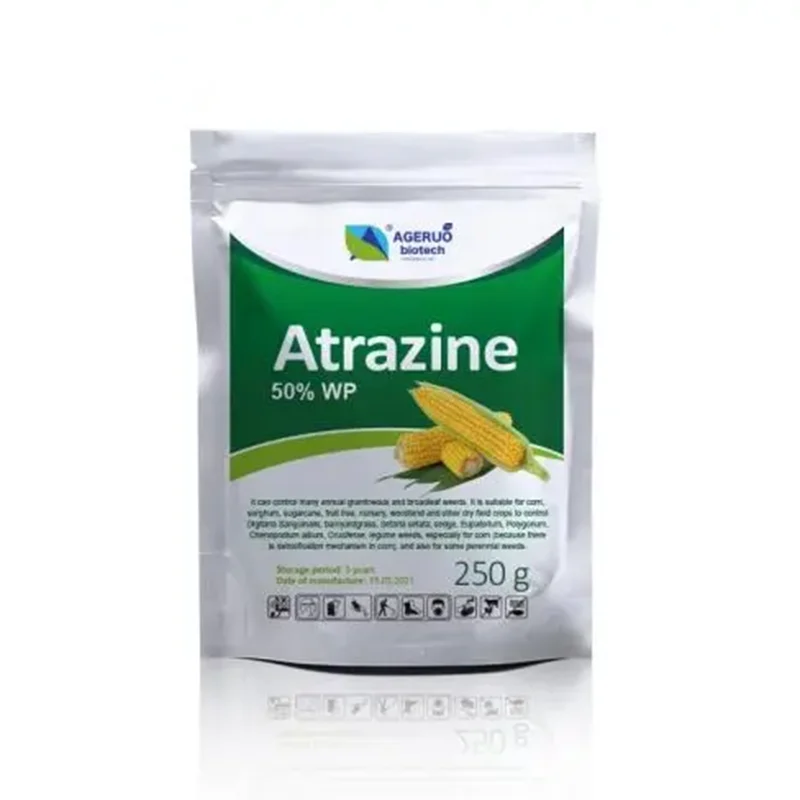
Spurge Killer
Seasonal Cues (Conceptual, Region-Aware)
The warm-season pattern for St. Augustine Grass generally follows four recognizable phases. Use this as concept guidance, not a dated schedule:
- Dormant / Semi-dormant (cool, stable) – Often considered: turf stress is lower; certain winter annuals are susceptible.
- Green-up / Transition – Avoid: physiology is shifting; injury sensitivity increases.
- Peak Growth with Heat Episodes – Use with caution: higher heat and irrigation swings heighten risk; defer if turf shows stress.
- Late-Season Cooling / Return to Stability – Often considered: turf steadies; late cohorts of labeled weeds may be addressed per label.
Note: Specific temperatures, calendars, intervals, and precipitation thresholds are intentionally omitted here. Follow the product label and regional recommendations.
Turf Tolerance & Risk Controls
- Establishment status: Avoid newly sodded/seeded or recently repaired areas until fully established as defined by the label.
- Cultivar considerations: Some named St. Augustine Grass cultivars demonstrate lower tolerance under stress; verify cultivar language on the label and proceed only if permitted.
- Stress signals: Delay if you see signs of heat, drought, disease, or nutrient imbalance; atrazine selectivity narrows as stress rises.
- Landscape interfaces: Exercise additional caution near tree/shrub root zones and mixed-species beds; protect non-target plants per label requirements.
- Re-entry & signage: Access control and re-entry must meet label and local rules.
Weeds Addressed by Timing
Atrazine products labeled for St. Augustine Grass typically address common broadleaf and some annual grassy weeds when timed appropriately. Examples often listed on labels include dollarweed, clover, chickweed, henbit, and spurges, among others. Efficacy is strongly tied to stage and site conditions. Refer to the specific label for the definitive list and use conditions.
St. Augustine Grass Timing Matrix (Indicative—Not a Schedule)
| Turf Phase / Site Context | Position (Concept) | Why It Matters |
|---|---|---|
| Dormant or stable cool period | Often considered | Turf is less physiologically volatile; several seasonal weeds are vulnerable. |
| Green-up / transition | Avoid | Elevated injury risk as turf shifts metabolism and allocates resources to growth. |
| Peak heat / visible stress | Use with caution or defer | Heat and moisture swings narrow selectivity; stress magnifies turf injury risk. |
| Late-season cooling & stability | Often considered | Turf stabilizes; late cohorts of labeled weeds may be targeted within label terms. |
| Newly installed / recently renovated | Avoid | Establishment period is sensitive; follow label restrictions. |
| Adjacent to tree/shrub root zones | Use with caution | Non-target root uptake risk; follow buffer and protection language on the label. |
Alternatives & Integrated Approach (When Ideal Windows Don’t Exist)
- Alternative actives / MOAs: Consider pre-emergent or non-triazinone options that fit the turf condition and labeled weeds when atrazine windows are not appropriate.
- Cultural practices: Maintain mowing height, irrigation discipline, and fertility balance to reduce weed pressure and the need for narrow-tolerance timing.
- Program view: Build a seasonal sequence that does not depend on any single product or tight window; integrate label-permitted spot strategies where appropriate.
FAQs (Misconceptions & Clarifications)
Is “earlier” always better?
No. Turf physiology and label allowances outrank calendar speed. Use a window where turf is stable and target weeds are at a susceptible stage.
Can I treat during high heat because weeds are active?
Not recommended. Heat and stress reduce selectivity and increase injury risk. Defer and consult the label.
What about newly sodded lawns?
Avoid until the turf meets label-defined establishment criteria.
Can I combine atrazine with other products to expand control?
Only if the label explicitly permits. Do not mix or stack without label direction.
Where do I find definitive timing rules for my area?
Your product label, SDS, and local regulations govern; consult regional extension guidance for additional context.
This content is for risk awareness and compliance communication only. It is not a use or handling guide. All activities must be performed by licensed professionals exactly as directed by product labels, SDS, and local regulations.
This page is for risk awareness and compliance communication only. It is not a use or handling guide and does not provide rates, mixtures, or procedures. For licensed professionals only. Always follow the product label, SDS, and local regulations.
Timing Follows Turf Physiology—Not the Calendar
For St. Augustine Grass turf, atrazine timing should align with the lawn’s stable physiological state and the vulnerability of target weeds, rather than a fixed date. Choose windows when turf is not greening-up, not newly installed, and not heat- or drought-stressed. Pair that with weed-life-cycle awareness to improve selectivity and outcomes—always within the product label.
Timing Principles for St. Augustine Grass
- Turf-first: Apply only when the turf is stable and actively maintaining, not during green-up, renovation, or post-stress recovery.
- Weed-stage awareness: Conceptually align with pre-emergent pressure (before typical germination) and very early post-emergent windows, when labeled, to target small, actively growing weeds.
- Risk controls outrank convenience: If site or weather cues point to elevated turf stress, defer. Label restrictions and local guidance take precedence over scheduling convenience.
- Local calibration: Microclimate, soil type, and regional weed calendars vary—use extension recommendations and label language for your service area.
Spurge Killer
Seasonal Cues (Conceptual, Region-Aware)
The warm-season pattern for St. Augustine Grass generally follows four recognizable phases. Use this as concept guidance, not a dated schedule:
- Dormant / Semi-dormant (cool, stable) – Often considered: turf stress is lower; certain winter annuals are susceptible.
- Green-up / Transition – Avoid: physiology is shifting; injury sensitivity increases.
- Peak Growth with Heat Episodes – Use with caution: higher heat and irrigation swings heighten risk; defer if turf shows stress.
- Late-Season Cooling / Return to Stability – Often considered: turf steadies; late cohorts of labeled weeds may be addressed per label.
Note: Specific temperatures, calendars, intervals, and precipitation thresholds are intentionally omitted here. Follow the product label and regional recommendations.
Turf Tolerance & Risk Controls
- Establishment status: Avoid newly sodded/seeded or recently repaired areas until fully established as defined by the label.
- Cultivar considerations: Some named St. Augustine Grass cultivars demonstrate lower tolerance under stress; verify cultivar language on the label and proceed only if permitted.
- Stress signals: Delay if you see signs of heat, drought, disease, or nutrient imbalance; atrazine selectivity narrows as stress rises.
- Landscape interfaces: Exercise additional caution near tree/shrub root zones and mixed-species beds; protect non-target plants per label requirements.
- Re-entry & signage: Access control and re-entry must meet label and local rules.
Weeds Addressed by Timing
Atrazine products labeled for St. Augustine Grass typically address common broadleaf and some annual grassy weeds when timed appropriately. Examples often listed on labels include dollarweed, clover, chickweed, henbit, and spurges, among others. Efficacy is strongly tied to stage and site conditions. Refer to the specific label for the definitive list and use conditions.
St. Augustine Grass Timing Matrix (Indicative—Not a Schedule)
| Turf Phase / Site Context | Position (Concept) | Why It Matters |
|---|---|---|
| Dormant or stable cool period | Often considered | Turf is less physiologically volatile; several seasonal weeds are vulnerable. |
| Green-up / transition | Avoid | Elevated injury risk as turf shifts metabolism and allocates resources to growth. |
| Peak heat / visible stress | Use with caution or defer | Heat and moisture swings narrow selectivity; stress magnifies turf injury risk. |
| Late-season cooling & stability | Often considered | Turf stabilizes; late cohorts of labeled weeds may be targeted within label terms. |
| Newly installed / recently renovated | Avoid | Establishment period is sensitive; follow label restrictions. |
| Adjacent to tree/shrub root zones | Use with caution | Non-target root uptake risk; follow buffer and protection language on the label. |
Alternatives & Integrated Approach (When Ideal Windows Don’t Exist)
- Alternative actives / MOAs: Consider pre-emergent or non-triazinone options that fit the turf condition and labeled weeds when atrazine windows are not appropriate.
- Cultural practices: Maintain mowing height, irrigation discipline, and fertility balance to reduce weed pressure and the need for narrow-tolerance timing.
- Program view: Build a seasonal sequence that does not depend on any single product or tight window; integrate label-permitted spot strategies where appropriate.
FAQs (Misconceptions & Clarifications)
Is “earlier” always better?
No. Turf physiology and label allowances outrank calendar speed. Use a window where turf is stable and target weeds are at a susceptible stage.
Can I treat during high heat because weeds are active?
Not recommended. Heat and stress reduce selectivity and increase injury risk. Defer and consult the label.
What about newly sodded lawns?
Avoid until the turf meets label-defined establishment criteria.
Can I combine atrazine with other products to expand control?
Only if the label explicitly permits. Do not mix or stack without label direction.
Where do I find definitive timing rules for my area?
Your product label, SDS, and local regulations govern; consult regional extension guidance for additional context.