
What is Methomyl? Active Ingredient, Uses & Where to Buy
Methomyl is a fast-acting carbamate insecticide with broad-spectrum pest control and proven effectiveness — when sourced and applied responsibly, it helps growers protect crops, manage resistance, and secure reliable yields season after season.
What is Methomyl?
Methomyl is a highly effective carbamate insecticide known for its rapid knockdown of a wide range of chewing and sucking insect pests.
As an active ingredient, methomyl works primarily by inhibiting cholinesterase enzymes in insects’ nervous systems — cutting off nerve impulses and causing paralysis and death within hours. This fast action makes methomyl especially valuable for crops that face sudden pest outbreaks where immediate control is critical to protect yield and quality.
Farmers worldwide rely on methomyl in vegetables, fruit orchards, tobacco fields, cotton, and ornamental crops to combat pests like caterpillars, flies, beetles, thrips, and leafhoppers. It can be applied as a foliar spray, soil treatment, or even bait formulation, giving growers flexible options depending on pest pressure and crop stage.
Beyond its broad-spectrum activity, methomyl is prized for its compatibility in integrated pest management (IPM) programs. When used correctly and rotated with other insecticide classes, it helps manage pest resistance and maintain the effectiveness of chemical controls season after season.


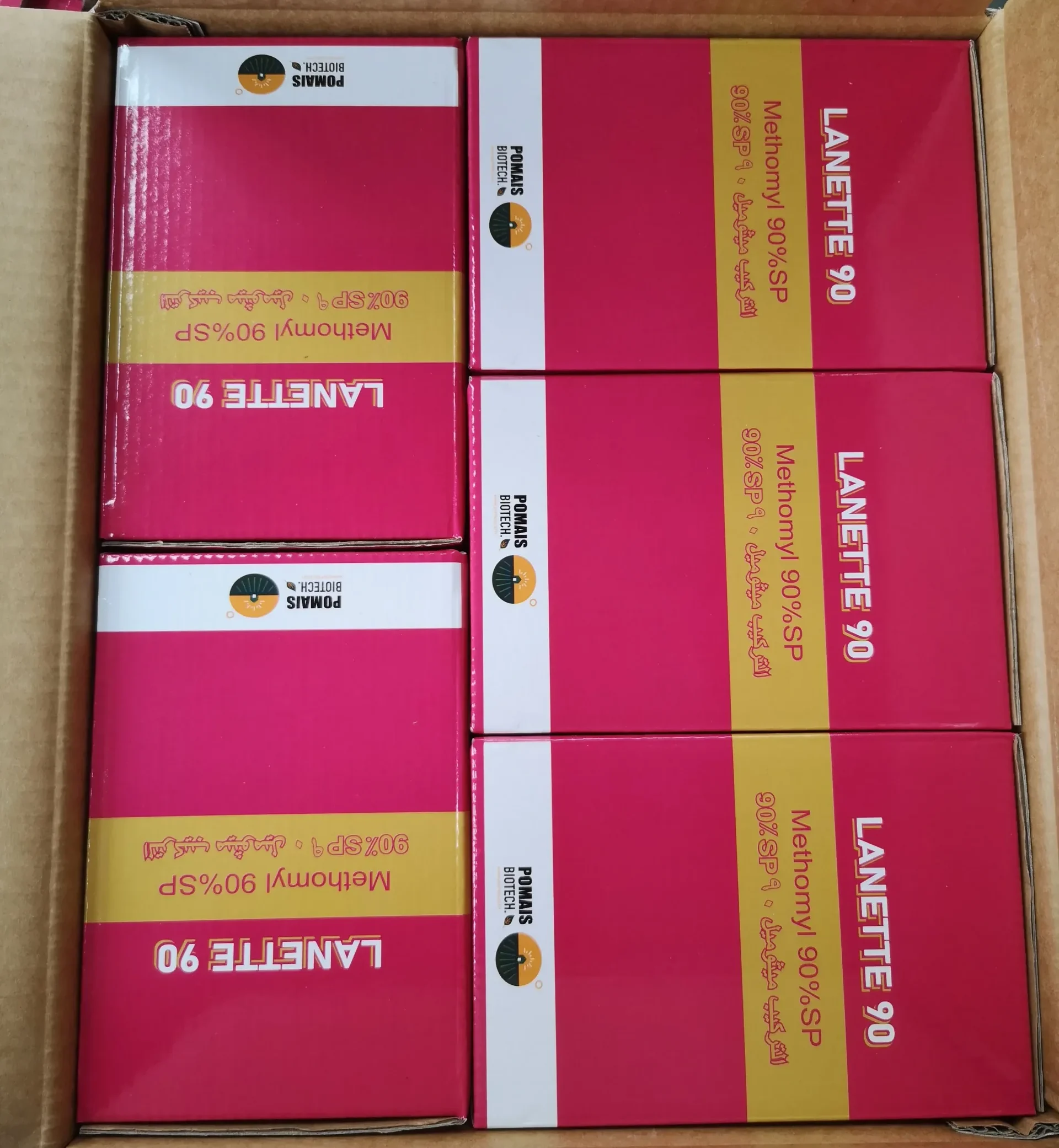
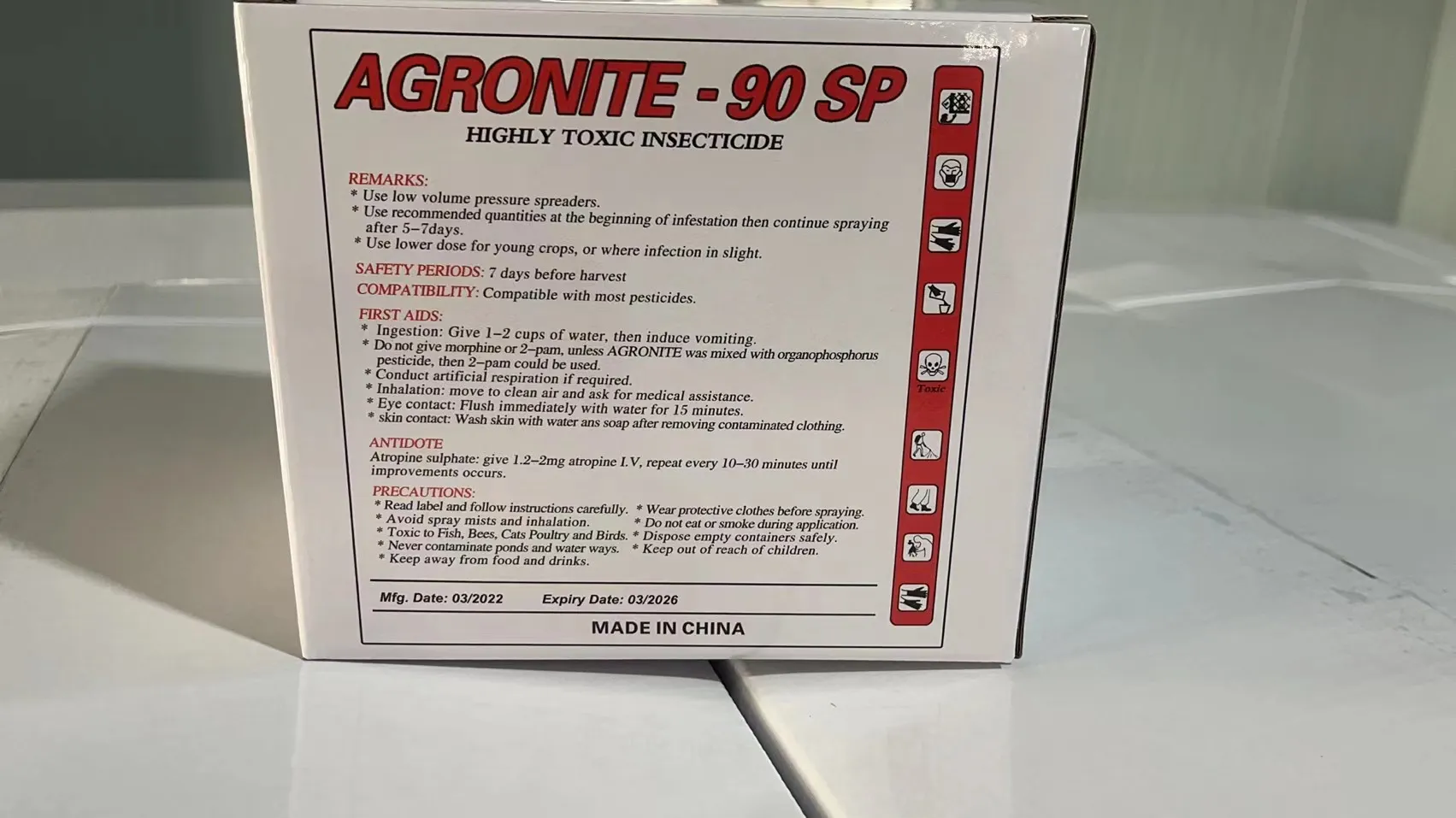
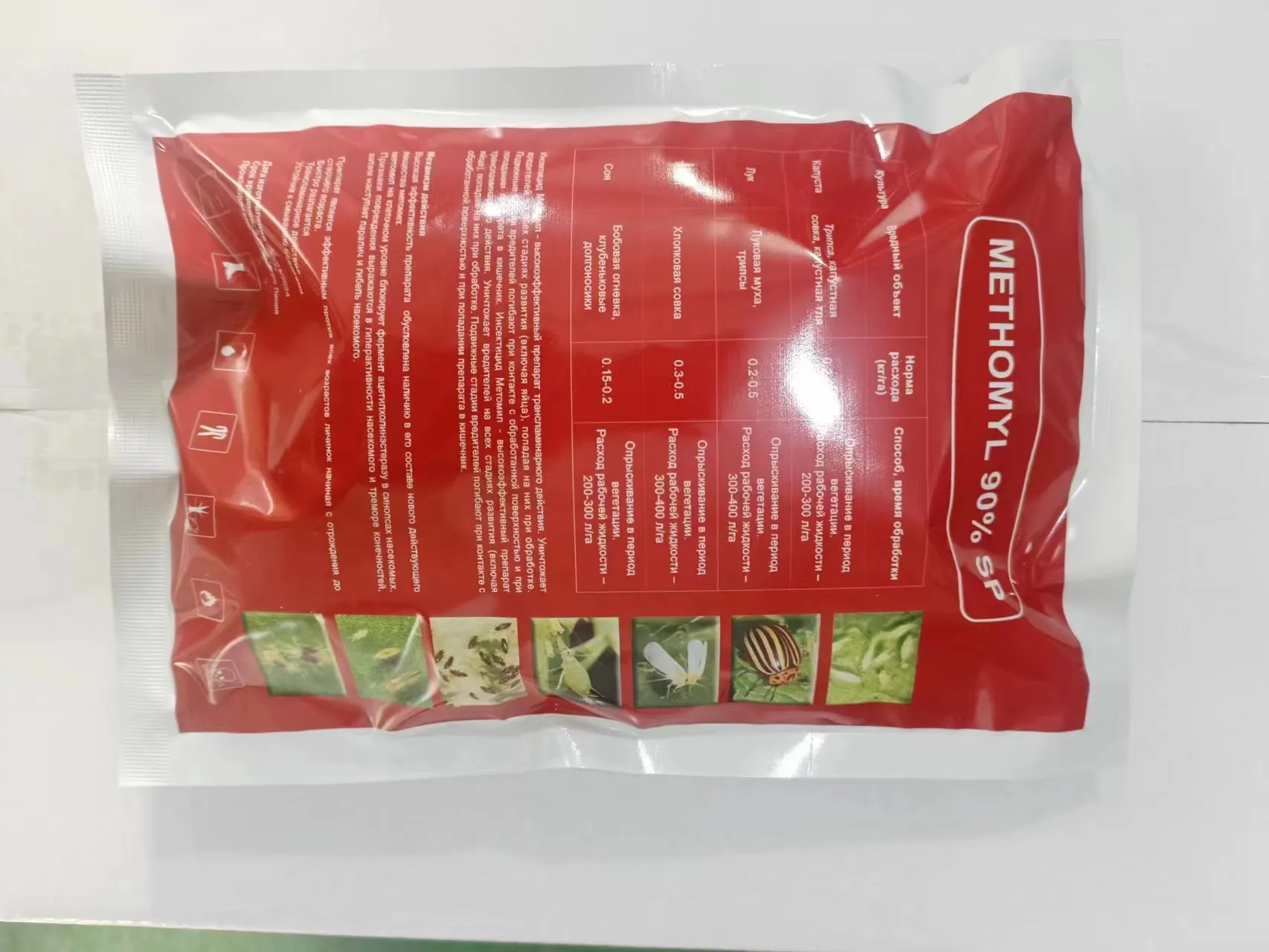
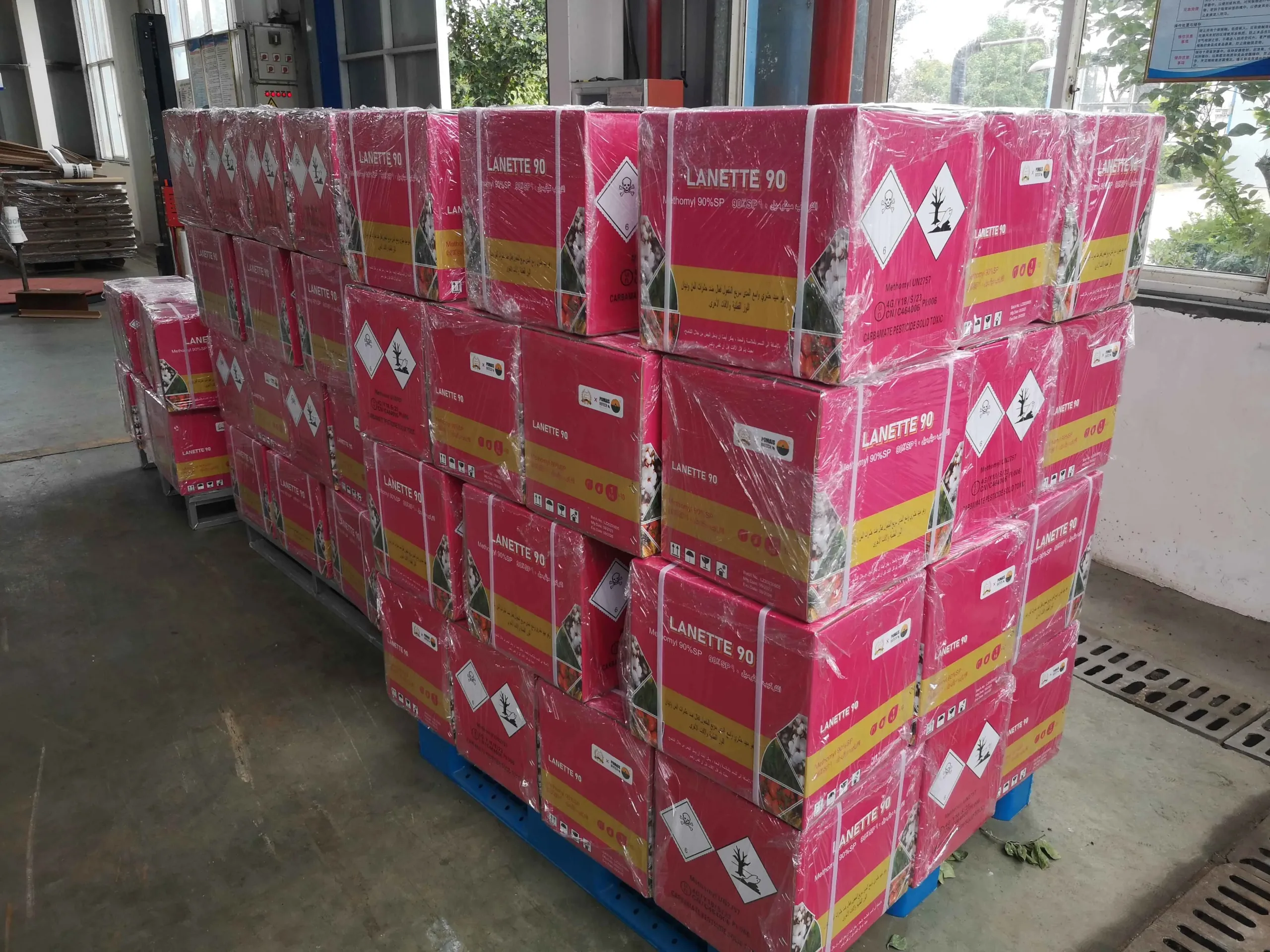

Mode of Action & How Methomyl Works
Methomyl’s effectiveness comes from its clear mode of action: it works as a potent cholinesterase inhibitor, shutting down an insect’s nervous system.
When insects come into contact with methomyl — whether by feeding or direct spray — the active ingredient blocks the enzyme acetylcholinesterase, which normally breaks down acetylcholine in nerve junctions. This leads to a toxic build-up of nerve signals, causing overstimulation, paralysis, and rapid death.
This mode of action makes methomyl ideal for controlling pests that are difficult to reach with contact insecticides alone, such as caterpillars feeding deep in plant canopies or leafhoppers that move quickly between crops.
Because methomyl combines contact and stomach action, it’s highly versatile: pests die whether they directly touch sprayed surfaces or ingest treated plant material.
However, like all carbamate insecticides, methomyl’s quick knockdown comes with a need for smart resistance management. Regularly rotating it with insecticides from other mode-of-action groups — such as pyrethroids, neonicotinoids, or spinosyns — helps prevent pest populations from building up resistance.
Typical Uses & Target Pests
Methomyl is widely used by growers who need fast, reliable control of pests that threaten high-value crops.
Thanks to its broad-spectrum activity, you’ll find methomyl protecting vegetables like lettuce, cabbage, tomatoes, and peppers — where it knocks down caterpillars, leafminers, aphids, and thrips before they reach economic damage levels.
In fruit orchards, methomyl is used to suppress codling moths, fruit flies, and other pests that feed directly on developing fruit. For tobacco growers, it helps keep budworms and hornworms in check — pests notorious for destroying leaves that are the plant’s marketable part. In row crops like cotton, methomyl is a go-to option for bollworm and armyworm outbreaks when pest populations spike suddenly.
In addition to field crops, methomyl is formulated in baits to manage houseflies and certain filth flies in animal operations — a reminder that its versatility goes beyond field edges.
Whether you search for “methomyl uses” or “methomyl para qué sirve”, the answer is clear: it’s an all-rounder that helps reduce crop losses by targeting a wide range of chewing and sucking pests when you need a quick knockdown.
Application Best Practices
Getting the best results from methomyl means paying attention to when, how, and how much you apply.
Because methomyl works on contact and through ingestion, good coverage of foliage is key — especially when targeting pests hidden under leaves or deep in crop canopies.
For vegetables, fruit orchards, or tobacco, it’s best to apply methomyl when pests are at their most vulnerable stages — usually early larval stages for caterpillars or when adult fly populations are building up.
Always follow label rates: under-applying can leave survivors that build resistance, while over-applying can increase residue levels and phytotoxicity risks.
Some growers choose to tank mix methomyl with insecticides from different mode-of-action groups or compatible fungicides to tackle multiple problems at once. If you do, check product labels for compatibility, pH stability, and spray interval guidelines.
Practical tips include:
- Use calibrated sprayers for uniform droplet size and coverage.
- Avoid spraying under strong winds to reduce drift and protect pollinators.
- Observe pre-harvest intervals (PHI) to meet residue limits.
- Rotate methomyl with other classes to maintain its effectiveness long-term.
Correct application not only helps you hit pests fast but also keeps your IPM program strong and sustainable.
Safety & Handling
While methomyl is a powerful tool for pest control, it must be handled with care to protect people, beneficial insects, and the environment.
As a carbamate insecticide, methomyl can pose risks if misused — especially because its mode of action involves cholinesterase inhibition, which affects the nervous system in pests and, at high enough doses, can affect humans or animals too.
Always wear appropriate PPE (personal protective equipment) when mixing and applying methomyl — this includes gloves, long sleeves, chemical-resistant boots, and, when needed, goggles or a respirator.
Store the product in its original labeled container, away from children, pets, and food items.
Be aware of local MRL (Maximum Residue Limit) requirements and always respect the pre-harvest interval (PHI) to ensure residue compliance.
Never exceed the label rate — overdosing doesn’t improve control but does increase residue risks.
When disposing of empty containers or leftover product, follow all local regulations for safe disposal. This protects your farm’s sustainability credentials and your customers’ confidence in your produce.
Where to Buy Methomyl
If you’re looking to source methomyl for your farm, agricultural business, or distribution channel, it’s essential to choose a reputable supplier who can guarantee quality and regulatory compliance.
Because methomyl is a restricted-use pesticide in some regions, always ensure your purchase aligns with local registration and label requirements. Buying from trusted agrochemical manufacturers or licensed distributors means you can access updated safety data sheets (SDS), proper packaging options, and technical guidance for safe handling.
For large-scale operations or private-label brands, many growers and distributors prefer to source methomyl in bulk packaging or request customized OEM formulations with tailored concentrations and branding. This helps you stay flexible in different markets and meet specific pest control needs without compromising on quality.
If you’re planning to expand your product portfolio or need reliable supply for your growing season, connect with experienced partners who can provide full documentation, export support, and after-sales service.
Remember: investing in a compliant, high-quality methomyl supply today means you can protect your crops more effectively tomorrow.
Hot Products
Hot news
Recommended news
FAQ
