Cotton is a major crop that is prone to a wide range of pests, diseases, and weeds. These factors can reduce both the yield and quality of cotton production significantly. At POMAIS Agriculture, we offer comprehensive solutions for managing these threats, including effective pesticide products tailored to cotton farming needs. Additionally, we provide customized pesticide formulations by combining multiple active ingredients to address specific pest and disease pressures, ensuring your cotton crops are well-protected.
Common Cotton Diseases
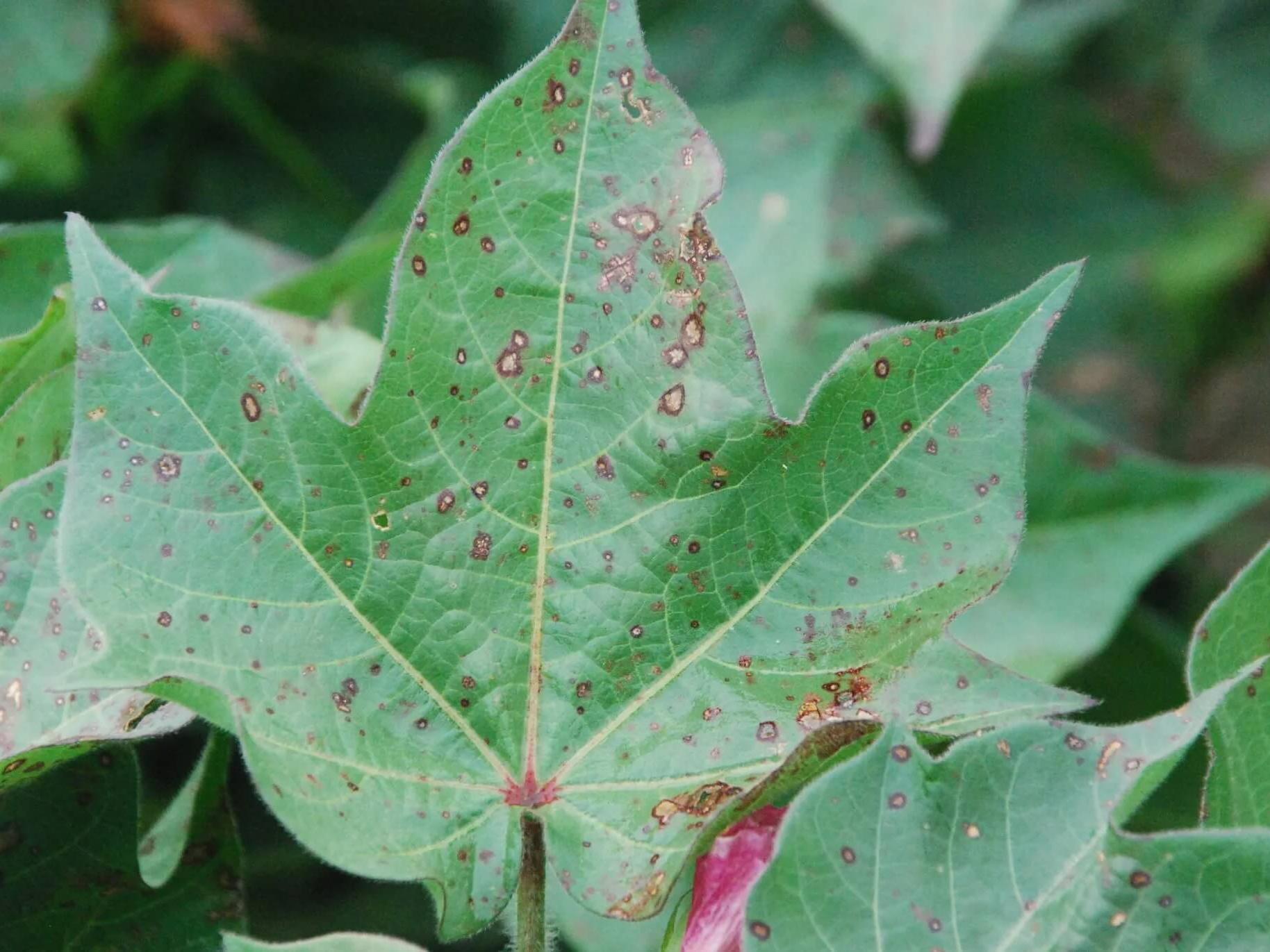
1. Cotton Leaf Spot (Cercospora leaf spot)
Impact:
Cotton leaf spot, caused by Cercospora, results in lesions on cotton leaves, affecting photosynthesis and weakening the plant. This can lead to defoliation and reduced yield potential.
Symptoms:
- Small, circular lesions with a dark brown center and yellow halo on leaves.
- Yellowing around the edges of the spots as the disease progresses.
- Premature leaf drop leading to poor growth and reduced yield.
Control Methods:
- Critical Control Period: From early vegetative stages to flowering.
- Recommended Pesticides: Fungicides like Mancozeb, Copper-based fungicides, and Azoxystrobin are effective against cotton leaf spot.
2. Fusarium Wilt (Fusarium oxysporum f. sp. vasinfectum)
Impact:
Fusarium wilt is a soil-borne fungal disease that affects the vascular system of the cotton plant, leading to wilting, yellowing, and stunted growth. It can significantly reduce cotton plant vigor and yield.
Symptoms:
- Yellowing of lower leaves followed by wilting.
- Vascular tissue in the stems turns brown or dark.
- Premature defoliation and death of plants in severe cases.
Control Methods:
- Critical Control Period: Prevention at planting is key.
- Recommended Pesticides: Fungicides such as Thiram and Prothioconazole can be used for control, although resistance management and crop rotation are also important.

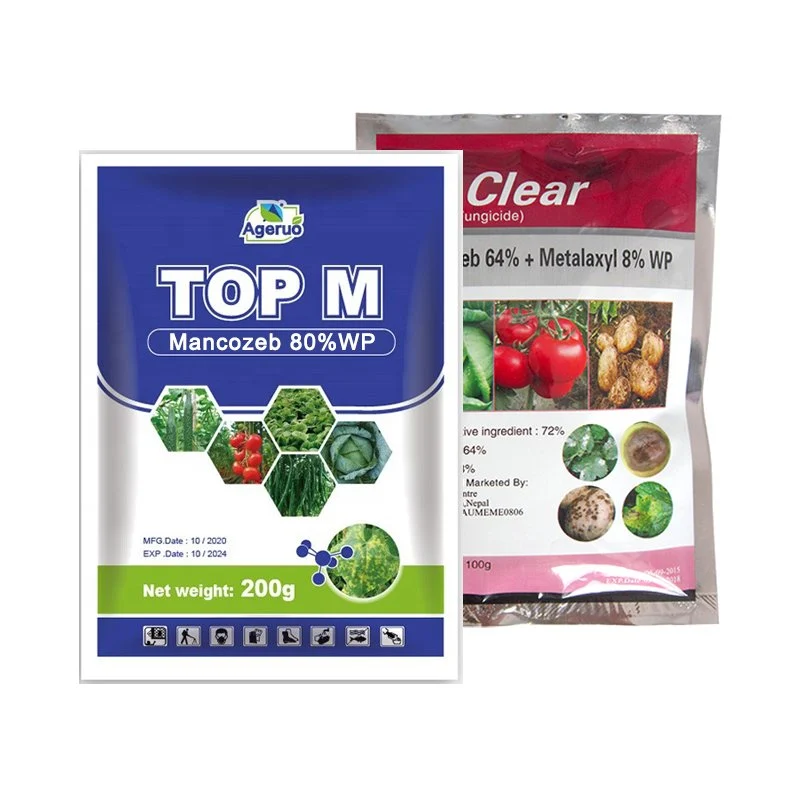
Mancozeb
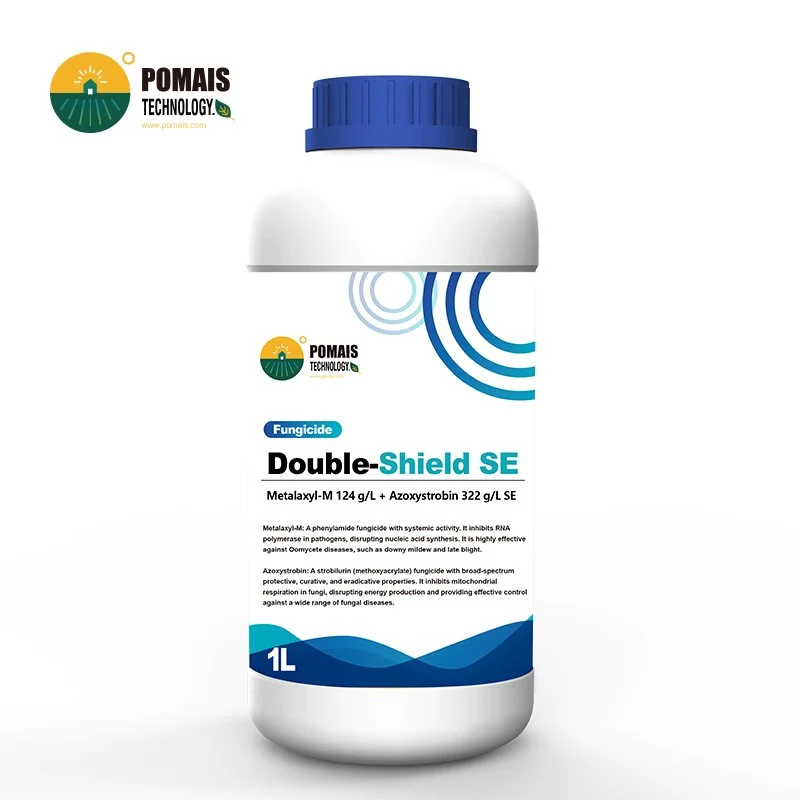
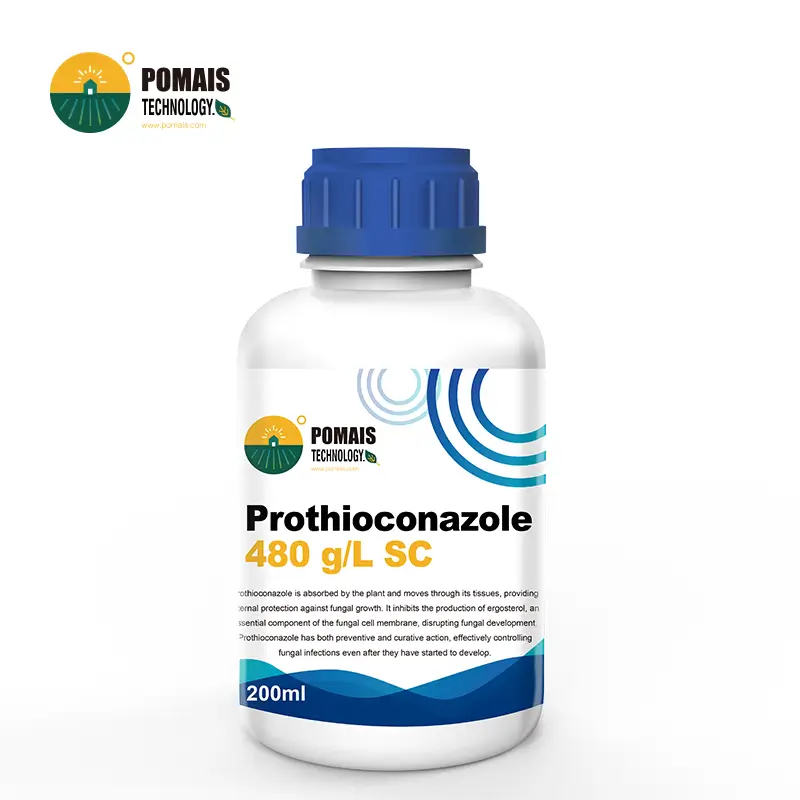
More disease treatments

Common Cotton Pests
1. Cotton Bollworm (Helicoverpa armigera)
Impact:
The cotton bollworm is a major pest that feeds on the flowers, buds, and bolls of the cotton plant. Feeding by larvae damages the cotton fibers, reducing the quality of the harvested cotton and leading to significant yield loss.
Symptoms:
- Holes and damaged areas on cotton bolls.
- Presence of larvae inside the bolls, leading to rotting.
- Decreased fiber quality and premature boll drop.
Control Methods:
- Critical Control Period: During flowering and boll formation.
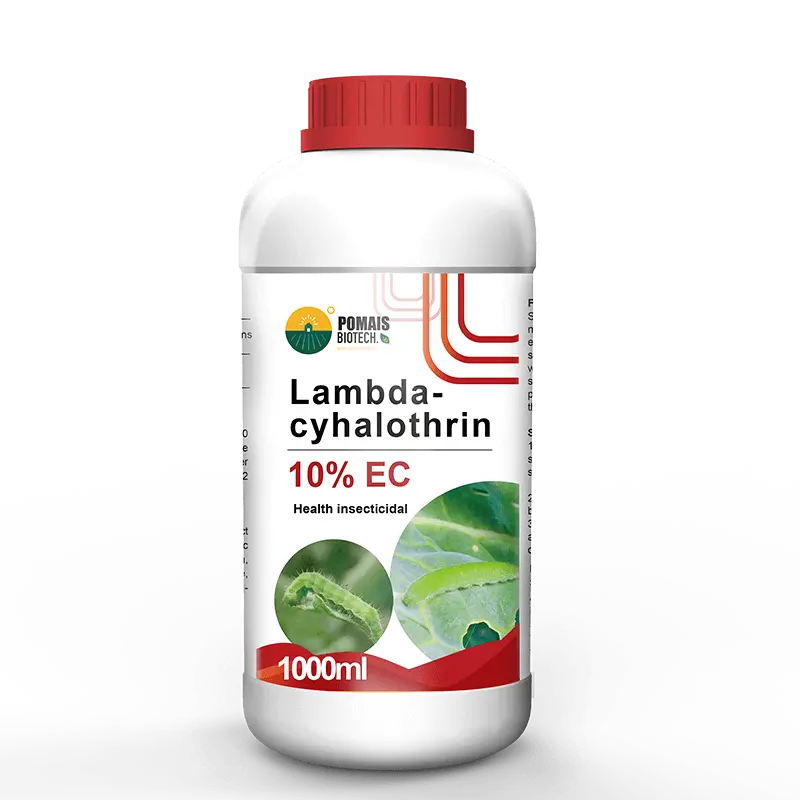
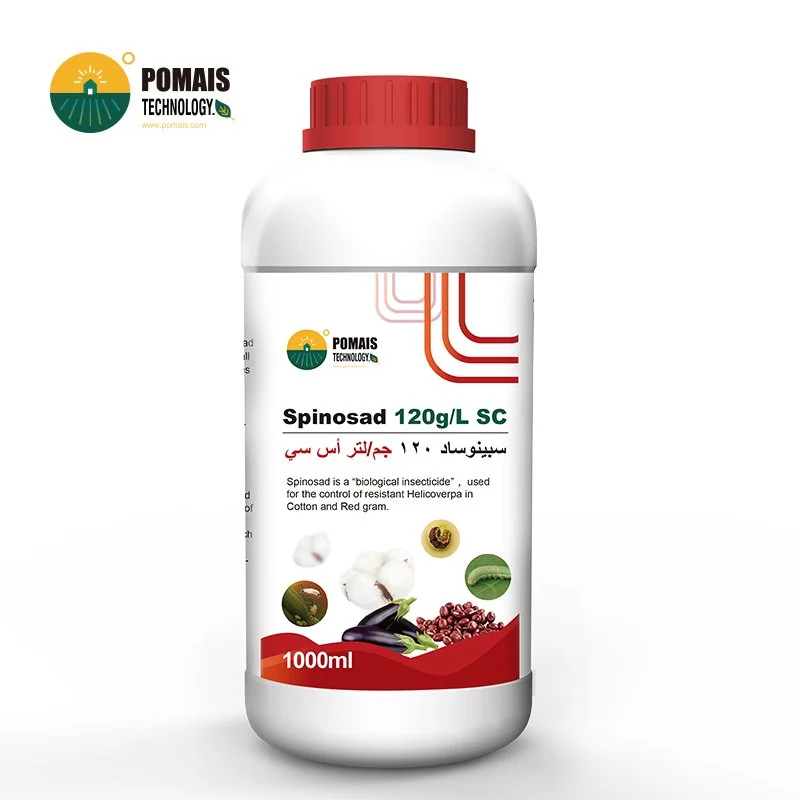
- Recommended Pesticides: Insecticides such as Chlorantraniliprole, Lambda-Cyhalothrin, and Spinosad are effective for controlling bollworm infestations.
2. Cotton Aphid (Aphis gossypii)
Impact:
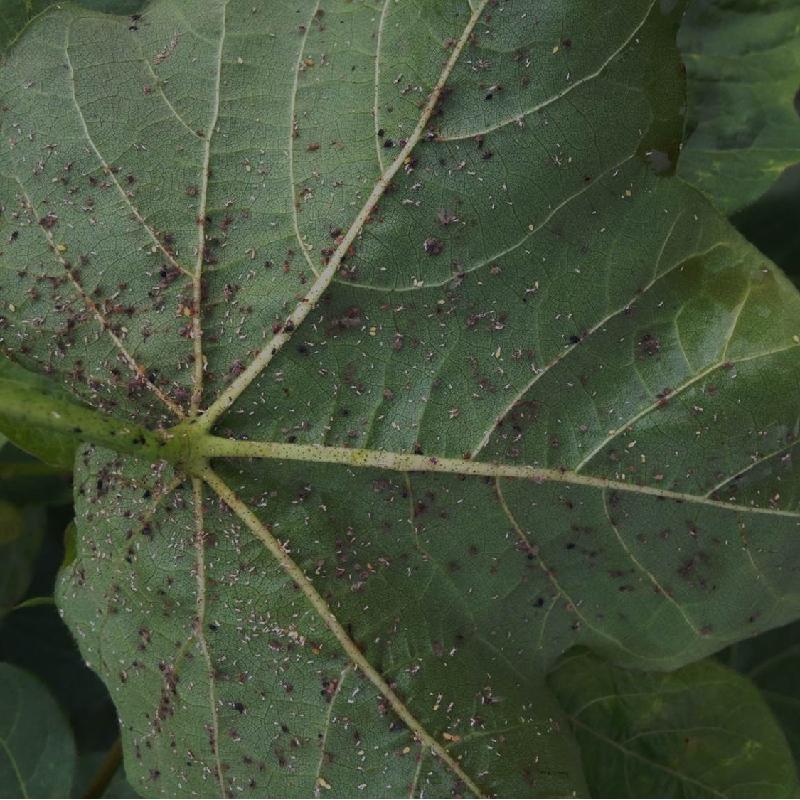
Cotton aphids are sap-feeding insects that weaken the cotton plant by sucking out nutrients. They also excrete honeydew, which can lead to the growth of sooty mold. Aphids are also vectors for several plant viruses.
Symptoms:
- Yellowing of leaves and stunted growth.
- Presence of sticky honeydew on leaves and stems.
- Wilting and leaf distortion due to aphid feeding.
Control Methods:
- Critical Control Period: From seedling to boll development.
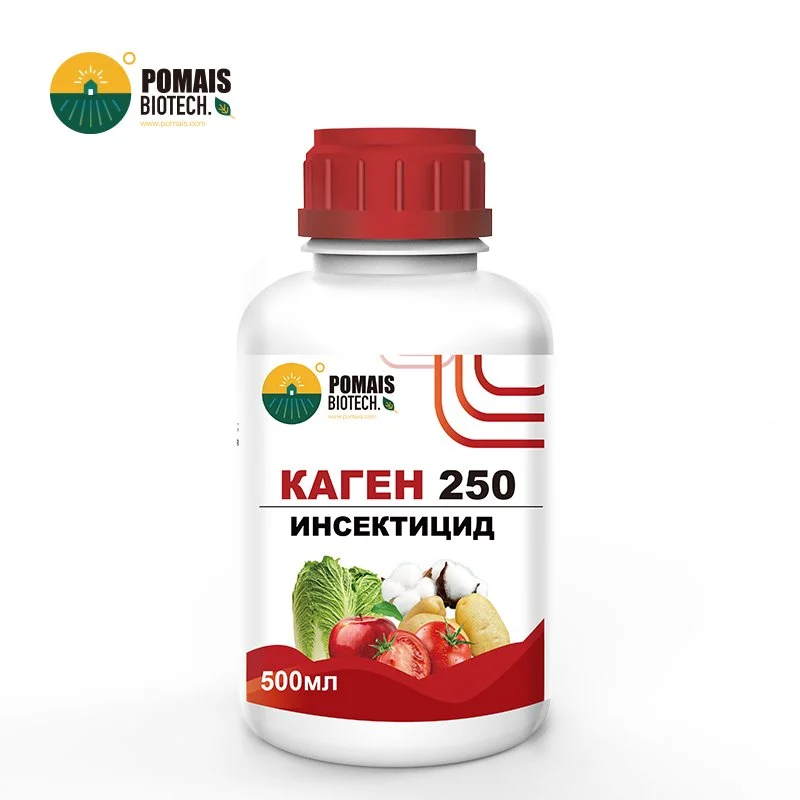
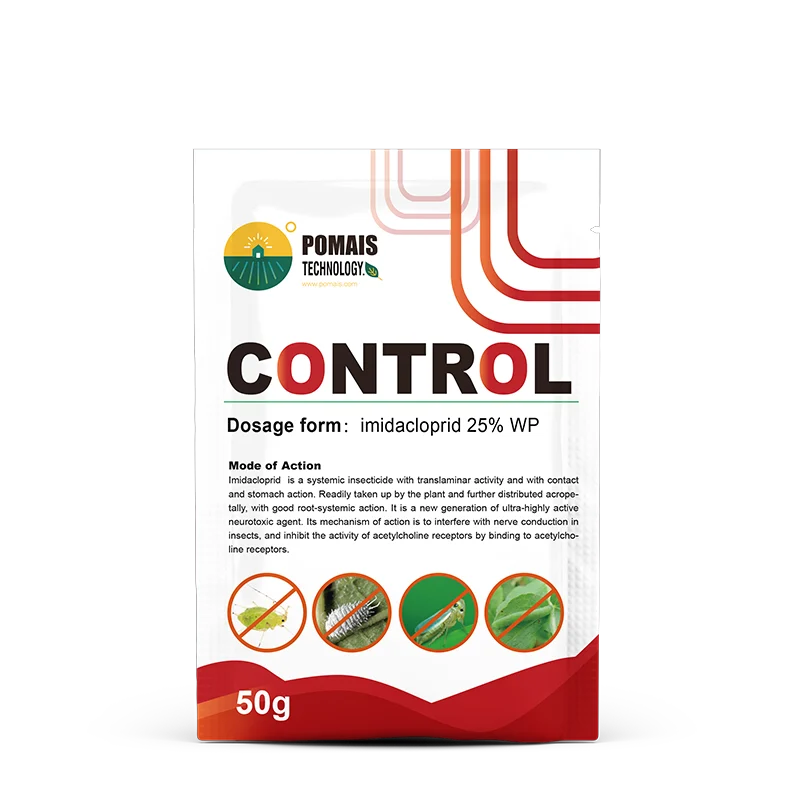
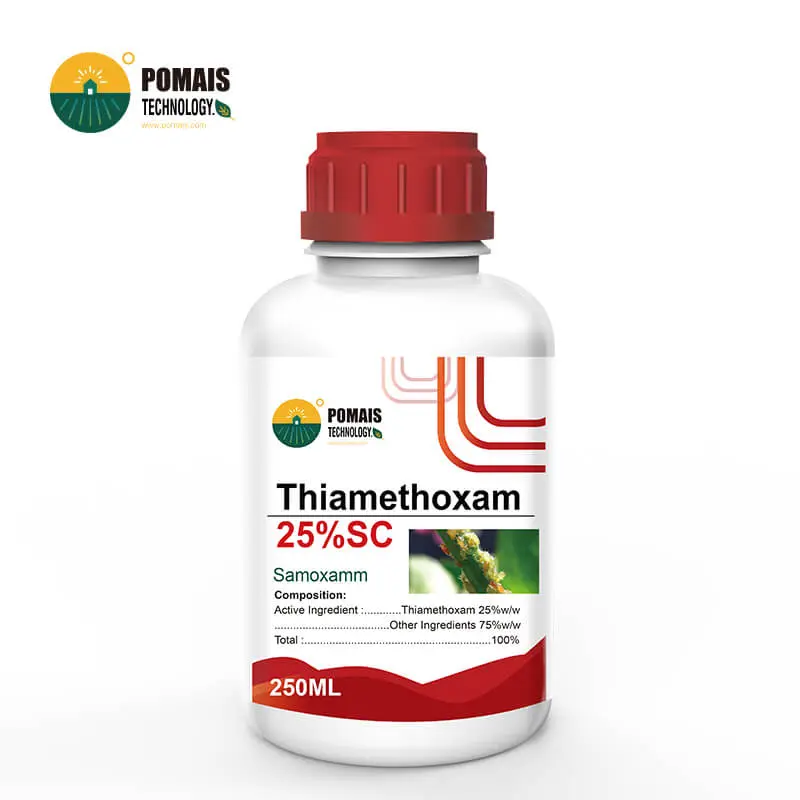
- Recommended Pesticides: Systemic insecticides like Imidacloprid, Thiamethoxam, and Pyrethroids are effective for controlling aphids.
More Pest Control
nematodes
Impact of Cotton Pests and Diseases
The impact of pests and diseases on cotton crops can be devastating, leading to:
- Yield Reduction: Diseases like Fusarium wilt and pests such as the cotton bollworm can drastically lower cotton yields.
- Quality Degradation: Infestations of cotton bollworm and aphids can lower the quality of the cotton fiber, making it unsuitable for premium markets.
- Crop Failure: In extreme cases, unchecked pest and disease problems can result in total crop loss.
- Economic Loss: Significant yield losses and reduced fiber quality can result in considerable economic losses for cotton farmers.
Cotton Pest and Disease Management Solutions
Control Indicators:
- Early Detection: Regular monitoring of cotton plants for early signs of pest and disease presence.
- Preventive Treatments: Timely application of fungicides and insecticides at critical stages of cotton growth can prevent large-scale infestations.
Critical Control Periods:
- Seedling to Early Vegetative Stages: Protect young cotton plants from aphids and other pests.
- Flowering and Boll Formation: Prevent damage from bollworm and diseases like leaf spot and Fusarium wilt.
Recommended Pesticides:
- Fungicides: Mancozeb, Azoxystrobin, Thiram, and Prothioconazole for controlling various fungal diseases.
- Insecticides: Imidacloprid, Thiamethoxam, Pyrethroids, Chlorantraniliprole, and Spinosad for pest control, including aphids and bollworms.
About Us
POMAIS is committed to long-term partnerships with agrochemical importers, distributors, and brand owners.
Whether you’re expanding into new markets or developing your own product line, our team is here to provide flexible, scalable solutions for your business.
We gain a good reputation from clients, who mainly comes from Russia, Middle east, Africa and South America. Young sales team with enthusiastic warmly welcome you and assist you to occupy the market with good service and professional skills.
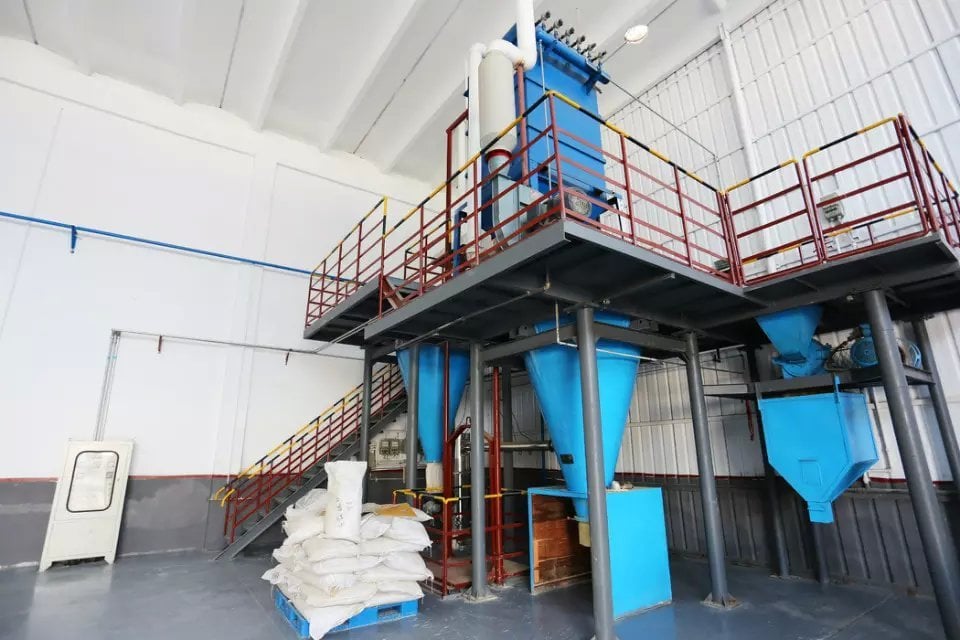
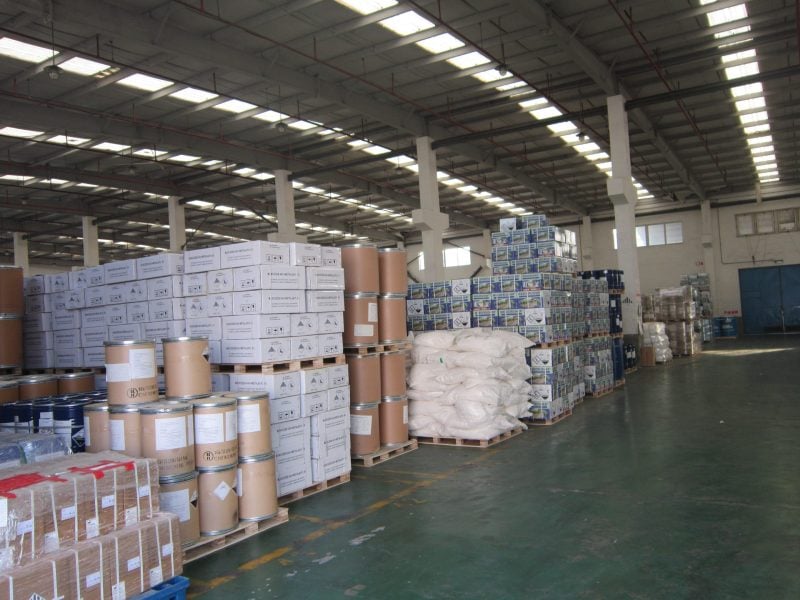
We’ve been connecting with global importers and distributors from all over world. Our cooperated factory has passed authentication of ISO9001:2000 accreditation. Registration documents support and ICAMA Certificate supply. SGS testing for all products.