
Ground Squirrel Control: Methods, Compliance, and Products for Professionals
Ground squirrels demand a program, not a one-off fix. This page gives you a decision path to evaluate pressure, choose compliant ground squirrel control methods (habitat/physical, trapping, gas/fumigant systems, and legal bait categories), and assemble ground squirrel control products for field execution—backed by documentation and risk controls that satisfy regulators, neighbors, and auditors. The operating logic is simple: assess → choose legal methods → document → re-inspect, with safeguards for non-target species and secondary exposure.
Identification & Pressure Scoring (see the right animal, size the problem)
Species & behavior (field cues)
- Ground squirrels (genus Spermophilus/ Otospermophilus) are diurnal (day-active), frequently seen basking or foraging near burrow mouths.
- Burrows: 5–10 cm (2–4 in) entrances; multiple openings per system; fan-shaped soil mounds outside the hole; networks along banks, levees, field margins, equipment pads, and under slabs.
- Sign vs look-alikes: unlike gophers (which push soil plugs, mostly underground), ground squirrels surface forage and leave open holes without fresh soil plugs; unlike moles, no raised surface tunnels.
- Damage signals: clipped seedlings, stripped bark/fruit, undermined embankments/roads, irrigation line chew, and soil collapse near foundations.
- Seasonality: above-ground activity peaks in spring–summer; juveniles emerge late spring; some populations aestivate or reduce activity in hottest/driest months—time your program to visibility and label windows.
Rapid confirmation checklist
- Repeated daytime sightings of squirrel-shaped rodents at hole edges
- Open holes (no plugs), with radiating soil fans
- Freshly excavated soil and new holes after mowing or harvest
- Linear colonies along fencelines, canals, and berms

Pressure scoring (choose method intensity and budget)
Use a simple score to match ground squirrel control tactics to reality. Combine at least two indicators (burrows/acre + visual counts or camera hits).
| Level | Typical indicators (choose ≥2) | Implication |
|---|---|---|
| Light | ≤5 active burrow mouths per acre; ≤3 visual sightings in a 10-minute scan; trail cam ≤5 hits/night | Spot methods, low non-target risk, focus on habitat/physical + trapping; document baseline. |
| Moderate | 6–20 active mouths/acre; 4–10 sightings/10 min; camera 6–20 hits/night; fresh mounds after mowing | Methods mix needed; evaluate gas/fumigant systems where legal; plan staged follow-ups. |
| Heavy | >20 active mouths/acre; >10 sightings/10 min; extensive burrow networks, structural undermining | Programmatic approach: zonal treatment, repeat monitoring, and bait station compliance options (where legal) with strong non-target safeguards. |
Tip: define “active burrow” as one with fresh soil, tracks, droppings, or cleared webs within the last 48 hours. Re-score after each intervention to prove reduction.
Ground Squirrel Control Methods (choose the legal mix, match to pressure)
A resilient program blends habitat/physical, trapping, gas/fumigant systems, and—where lawful and appropriate—bait categories. Select methods by pressure level, site sensitivity, and regulatory constraints; document each step for auditability.
1) Habitat & Physical Measures
- Exclusion & hardening: heavy-gauge mesh on foundations, equipment pads, levees, and under slab edges; proof out cable/pipe entries and vulnerable culverts.
- Fencing & netting (site-specific): buried skirt fences or electrified lines on small, high-value plots; maintenance burden is real—budget for inspections.
- Habitat shifts: reduce attractants (spilled grain, refuse piles, unmanaged windrows); maintain vegetation heights that reduce cover near assets.
Role: Baseline risk reduction and non-target protection; rarely sufficient alone at moderate/heavy pressure, but improves every other method.
2) Trapping (precision, labor-intensive)
- Box/tunnel traps placed at active burrow mouths and travel routes; flagged and geo-logged for daily checks.
- Pros: clear evidence, selective when supervised, useful around sensitive areas (houses, barns, public interfaces).
- Cons: labor/time heavy; requires training for humane dispatch and non-target release protocols.
Best fit: Light pressure zones, perimeters of sensitive sites, and as verification alongside other methods.
3) Gas / Fumigant Systems (structural protection, compliance-heavy)
- Combustion or cylinder-based CO devices (where registered): introduced into active burrow systems; monitor for safety and legal use sites.
- Labelled fumigants for burrows (restricted-use in many regions): e.g., aluminum phosphide products under certified supervision with strict buffer rules and signage.
- Pros: coverage of complex burrow networks, rapid knockdown in situ.
- Cons: stringent label conditions, operator certification, weather/soil limitations, and proximity setbacks around occupied structures.
Best fit: Moderate–heavy pressure, structural undermining, levees/berms—only where labels and training allow.
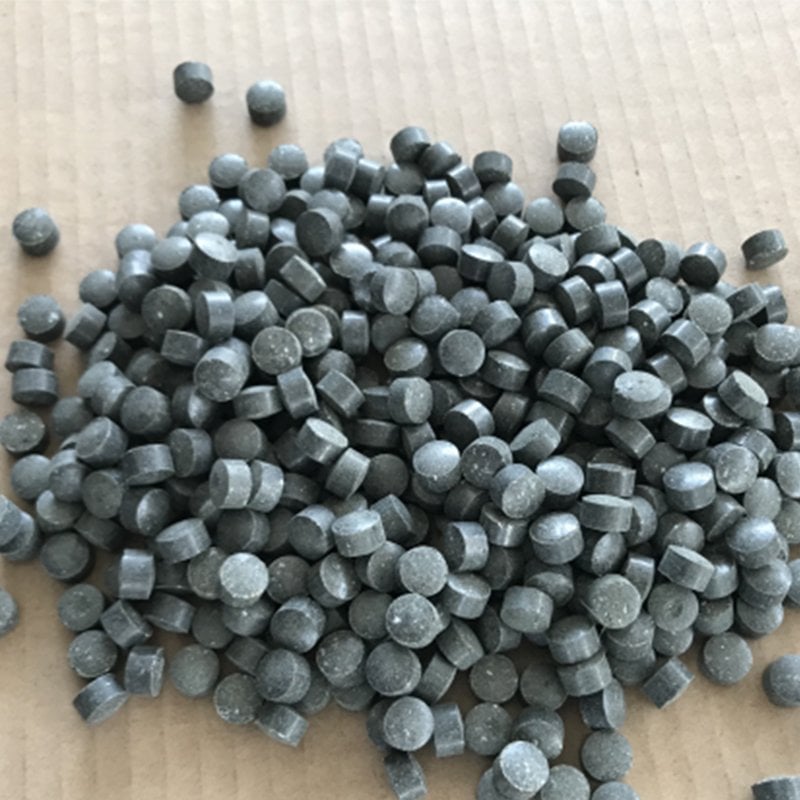
4) Bait Categories (“poison”) — legal overview, not application guidance
Use tamper-resistant bait stations and comply with all label, placement, and carcass-handling rules. Non-target and secondary exposure controls are mandatory.
- Acute toxic bait: zinc phosphide formulations (commonly labelled 0.5–2.0% w/w).
- Pros: fast population impact where acceptance is high.
- Risks/limits: pre-baiting and label prerequisites in many regions; non-target hazards; trained handling and post-treatment sweeps needed.
- First-generation anticoagulants (FGARs): e.g., warfarin, chlorophacinone, diphacinone (labels often around 0.005% w/w actives).
- Pros: generally lower secondary toxicity than SGARs; useful in rotation where legal.
- Risks/limits: slower action; repeated exposure often required; strict bait-station rules.
- Second-generation anticoagulants (SGARs): e.g., brodifacoum, bromadiolone, difethialone, difenacoum (commonly 0.0025–0.005% w/w).
- Pros: high potency where permitted.
- Risks/limits: elevated secondary poisoning risk; heavily restricted in many jurisdictions; stewardship and recordkeeping non-negotiable.
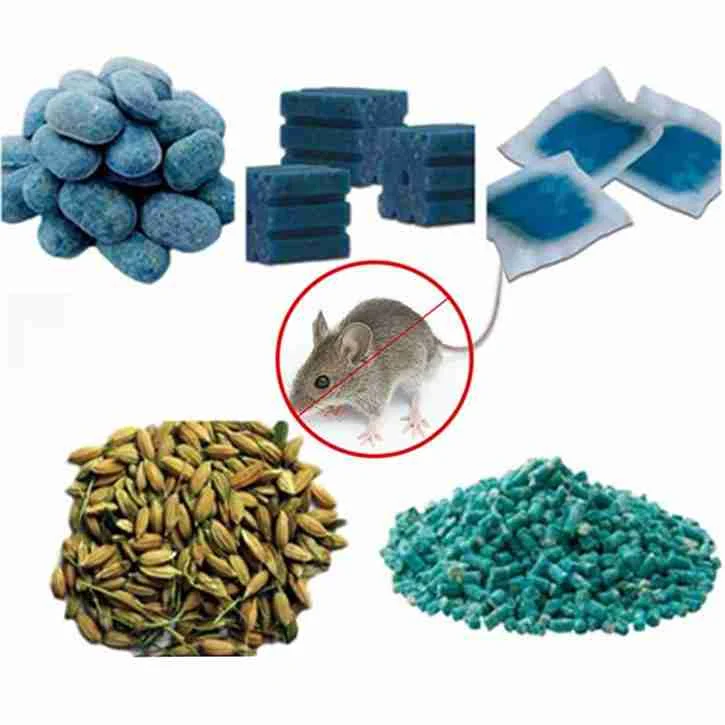
Positioning: Consider baits only within a documented program that already addresses habitat and access, and only per local registration. When in doubt, route to a licensed operator.
Method selection matrix (align effort, risk, and compliance)
| Pressure / Site | Light (≤5 active burrows/acre) | Moderate (6–20) | Heavy (>20 or structural undermining) |
|---|---|---|---|
| Open fields, low sensitivity | Habitat + trapping; document baseline | Add CO system / labelled fumigant (where legal); limited bait station pilots (legal) | Zonal gas/fumigant + compliant bait-station program (legal) + trapping verification |
| Perimeter of sensitive assets (homes, barns, public) | Trapping + exclusion; no open baits | Trapping + targeted gas only if label allows; prefer no-bait or enclosed stations | Structural protection first (exclusion, repairs) + licensed methods; engage professionals |
| Levees/berms/critical infrastructure | Patrol + habitat reduction | Gas/fumigant where legal; tight documentation | Programmatic fumigant + verification traps, stewardship review, scheduled re-inspections |
Operational rule: re-inspect and re-score after each intervention; if indicators don’t drop, escalate method intensity or change the mix—never repeat a weak tactic indefinitely.
Compliance & Risk (law-first, non-target safe, audit-ready)
Effective ground squirrel control must be legal, predictable, and defensible. Regulations vary by country, state, and even county. Treat the label as law, and maintain documentation that proves you managed non-target risk and secondary exposure from day one.
1) Regulatory scope you must confirm (before any action)
- Registration & use-site: method and product are registered for ground squirrels and for the site (agricultural block, rangeland, levee, public interface, structures).
- Operator status: restricted-use tools (e.g., some fumigants, certain bait actives) may require a licensed/certified applicator and supervision rules.
- Local overlays: county/municipal ordinances, wildlife codes, burn bans, buffer rules near occupied dwellings, schools, waterways, and protected habitat.
- Wildlife protections: check endangered species maps and seasonal restrictions; some zones prohibit specific methods or demand additional mitigations.
2) Non-target and secondary exposure management
- Baits (“poison”): use tamper-resistant bait stations; anchor and label them; lock when unattended; record inventory and consumption. Collect and dispose of carcasses per label/local rules to limit scavenger exposure.
- Gas/fumigants: comply with setbacks from occupied structures; seal burrows per label; maintain signage and re-entry time stamps; keep detection/monitoring devices when required.
- Traps: use tunnel/box designs and placement that minimize non-target capture; train staff in humane release protocols where mandated.
- Physical works: exclusion fencing and proofing that also protect pets, livestock, and public users.
3) Environmental controls
- Weather windows: soil moisture, wind, and temperature constraints for gas/fumigants; avoid rainfall events that mobilize residues or collapse burrow seals.
- Water protection: adhere to buffers from canals, streams, and reservoirs; never bait or gas in burrows that may connect to aquatic structures.
- Waste & storage: segregate chemicals, secure cylinders, maintain spill kits, and document waste streams in line with local disposal codes.
4) Documentation (what auditors expect to see)
- Method statement: pressure score, chosen ground squirrel control methods, site map, and rationale.
- Product log: product name, active ingredient and labeled %, lot/batch, label version, storage location, and expiry.
- Application log: dates, personnel and license numbers, target blocks, GPS/burrow lines, station IDs, warning signage times, and re-inspection dates.
- Non-target safeguards: station photos, anchor proofs, carcass sweep logs, trap-check sheets.
- Outcome metrics: pre/post pressure scores, camera counts, active mouth counts; escalation notes if KPIs are missed.
5) Communication & signage
- Neighbor notices where required; share timing, zones, and safety instructions.
- On-site signs: method in use, contact numbers, no-entry and re-entry times, and pictograms for public areas.
- Crew briefings: tailgate talk covering PPE, method boundaries, and emergency steps.
6) Decision gates (when to stop, escalate, or hand off)
- Stop if legal prerequisites (licenses, labels, buffers) are not met.
- Escalate when pressure scores don’t drop after a full cycle; switch method mix (e.g., add compliant gas/fumigant or change bait category where lawful) rather than repeating a weak tactic.
- Hand off to a licensed provider for restricted fumigants, complex public interfaces, or protected habitats.
Compliance is a deliverable, not paperwork. Build it into the plan: you’ll protect wildlife, maintain public trust, and keep your pest control for ground squirrels program open to scrutiny—and funding.
Ground Squirrel Control Products (Monitor → Act → Document)
A durable program uses standardized kits that align with law, site sensitivity, and pressure. Build three bundles—Monitor, Act, Document—so field teams can execute and auditors can verify.
1) Monitor (know where and how bad)
- Survey tools: flagging pins for active burrows, measuring tapes, GPS/phone mapping, trail cameras.
- Evidence kit: data cards, paint/stake markers, biodegradable chalk for burrow status.
- KPI: pre/post active burrow counts and camera hits drive method selection and escalation.
2) Act (method-aligned SKUs; no use instructions here)
A. Habitat & Physical
- Exclusion mesh (heavy-gauge, buried skirts), culvert guards, slab-edge proofing.
- Perimeter fencing (electrified or skirted) for small, high-value plots.
- Vegetation tools: brush cutters for visibility and habitat reduction.
B. Trapping (selective control, proof-friendly)
- Box/tunnel traps with tamper-resistant housings, flags, and lockable transport totes.
- Accessory set: gloves, humane dispatch tools where lawful, non-target release aids, daily log sheets.
C. Gas / Fumigant Systems (restricted/registered where lawful; no concentrations stated)
- CO delivery devices (combustion or cylinder-based) with hoses, wands, and safety monitors.
- Aluminum phosphide burrow fumigants (tablets/pellets) as restricted-use pesticides under certified supervision; include signage sets and seal materials.
- Safety assets: gas detectors, warning placards, time-stamp tags, spill/first-aid cards.
D. Bait Station Programs (“poison”) — legal overview for sourcing
Use tamper-resistant bait stations only, with anchors, warning labels, and keyed locks. Carcass collection tools are part of the kit. Provide label copies for each station set.
| Bait category | Representative actives | Common labeled strengths (for sourcing) | Notes for purchasing & stewardship |
|---|---|---|---|
| Acute toxic bait | Zinc phosphide | 0.5–2.0% w/w | Fast-acting where pre-bait acceptance is good; high non-target stewardship; local preconditions may apply. |
| FGARs (first-generation anticoagulants) | Warfarin, Chlorophacinone, Diphacinone | ~0.005% w/w | Slower action; often lower secondary toxicity risk vs SGARs; station density and documentation are critical. |
| SGARs (second-generation anticoagulants) | Brodifacoum, Bromadiolone, Difethialone, Difenacoum | 0.0025–0.005% w/w | Potent; heavily restricted in many jurisdictions; enhanced recordkeeping and carcass sweeps required. |
Positioning: Baits enter only within a documented program that already addresses habitat, access, and monitoring—and only where locally registered and permitted for ground squirrels and the specific use site.
3) Document (audit-ready from day one)
- Label pack (current versions), SDS, COA, and lot traceability sheets for every chemical SKU.
- Station & trap maps (GPS grid), burrow line drawings, and signage logs.
- Application & inspection logs: dates, personnel, licenses, station IDs, carcass sweeps, and re-inspection results.
- Neighbor/agency notifications templates where required.
4) Ready-to-deploy bundles
- Monitoring Starter: flags, GPS templates, trail cam, burrow cards.
- Selective Control Kit (Trapping): box/tunnel traps + housings, flags, logbooks, humane accessories.
- Gas/Fumigant Kit (Restricted): CO device or aluminum phosphide line (where legal) + detectors + signage + sealants + compliance binder.
- Bait-Station Compliance Kit: lockable stations, anchors, warning labels, gloves, carcass tools, disposal bags, station ID stickers, documentation pack.
- OEM/ODM Options: private-label packaging, multilingual inserts, barcodes/QR manuals, and region-specific compliance matrices.
FAQ
Need a ground squirrel control products blueprint aligned to your jurisdiction? We’ll assemble a Monitor → Act → Document kit mapped to your pressure level, site sensitivity, and local registrations—covering traps and housings, CO/fumigant options (where legal), tamper-resistant bait stations, signage, and a complete compliance binder (labels/SDS/COA, station maps, logs, and notification templates).
Send: country/state, site type (crop/rangeland/levee/public interface), pressure score, and procurement channel (retail/pro). We’ll return a methods × products × compliance matrix you can deploy immediately.
Hot Products
Hot news
Recommended news
FAQ
