
Fluopyram Mode of Action: Nematicide Benefits
Fluopyram’s dual mode of action makes it a game-changing solution for growers — delivering SDHI fungicide protection above ground and effective nematode suppression below ground, so you can safeguard yields, manage resistance, and keep your soil and crops healthy season after season.
Fluopyram: More Than Just Another Fungicide
If you’ve ever wished your fungicide could pull double duty, fluopyram is here to make your day.
Originally developed as a high-performing SDHI fungicide, fluopyram not only stops some of the nastiest fungal diseases in their tracks — it also happens to moonlight as a nematicide, knocking down root-knot nematodes and other soil troublemakers before they ruin your season.
How does one active ingredient manage this multitasking magic?
It all comes down to its dual mode of action: on one side, it blocks the energy supply chain that fungi depend on; on the other, it interferes with the feeding and development of nematodes, leaving your soil cleaner and your crops healthier.
In this article, you’ll get a clear look at how fluopyram works — both as an SDHI fungicide and a soil-applied nematicide — plus practical tips to help you get the most out of this versatile tool without losing sleep over resistance or residue compliance.
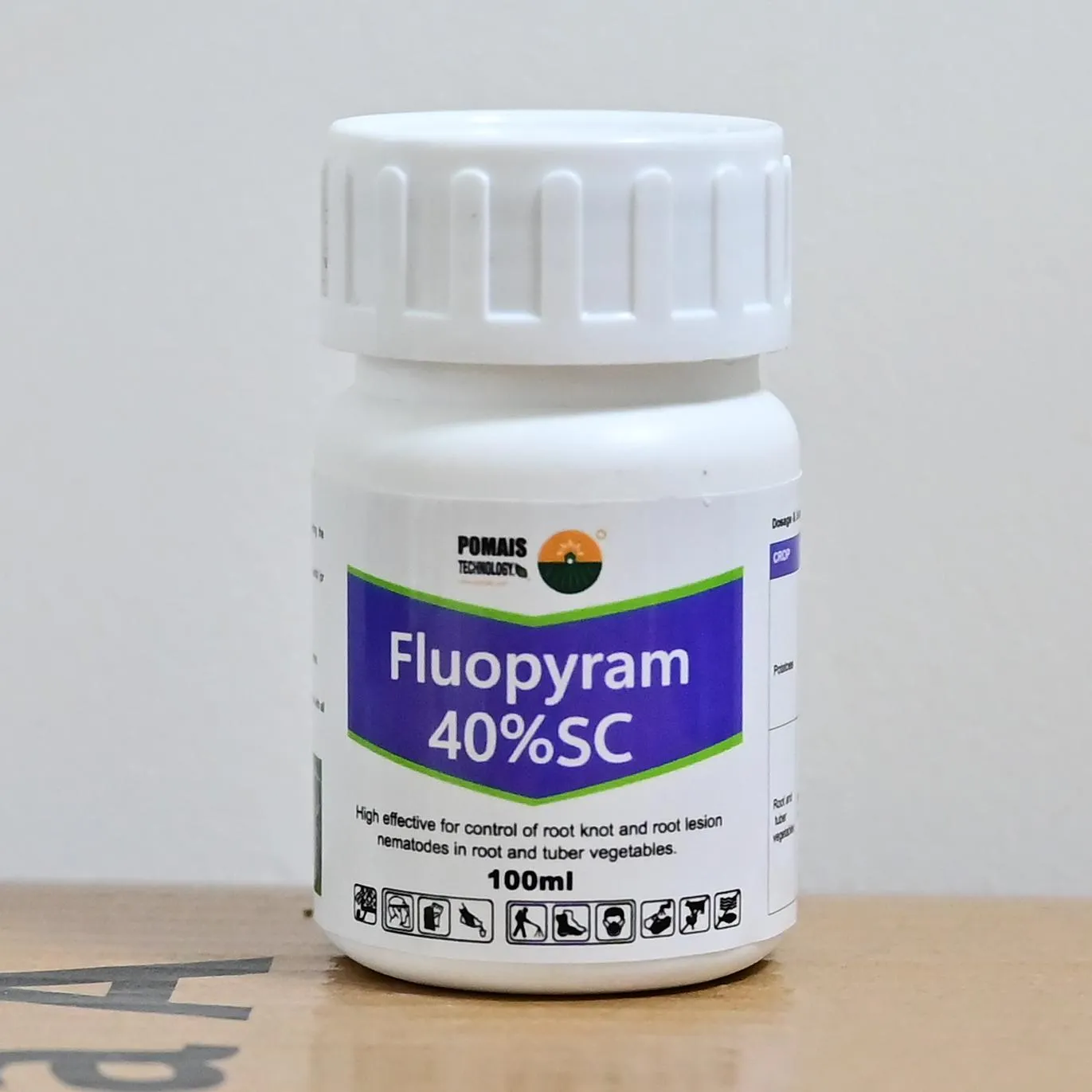
How Fluopyram Works as an SDHI Fungicide
At its core, fluopyram is part of the SDHI (Succinate Dehydrogenase Inhibitor) family — a group of fungicides that shut down a fungus’s ability to breathe, quite literally.
Think of it this way: fungi need a functioning respiratory chain inside their mitochondria to produce the energy that drives spore germination and mycelium growth. Fluopyram slips in and blocks the enzyme called succinate dehydrogenase, which acts like a gatekeeper for the fungus’s energy supply.
No gatekeeper, no energy.
No energy, no growth.
And no growth means no new lesions spreading across your crops when you’re not looking.
This is why fluopyram is widely used to protect high-value crops like grapes, fruit trees, vegetables, and even turf — anywhere you need reliable, systemic protection against troublesome diseases like powdery mildew, botrytis, or leaf spots. Its translaminar movement means it can reach hidden fungal spores on both leaf surfaces, giving your crops a clean slate to thrive.
How Fluopyram Works as a Nematicide
Now here’s where fluopyram really shows off — it’s not just a fungus-fighter, but also a secret weapon against plant-parasitic nematodes.
Unlike older nematicides that rely purely on fumigation or harsh soil drenches, fluopyram works through a more targeted approach. It’s absorbed by roots and stays active in the rhizosphere, where root-knot nematodes and other species like to feed.
Fluopyram disrupts the nematodes’ energy metabolism in much the same way it does for fungi.
By interfering with their ability to generate energy, it reduces their mobility and feeding activity — meaning they can’t pierce plant roots and rob your crops of nutrients. Studies have shown that fluopyram can significantly lower the number of viable nematode juveniles and egg masses in the soil, helping growers prevent galling and secondary diseases.
Whether used as a seed treatment, in-furrow, or soil drench, fluopyram’s nematicidal mode of action gives farmers another valuable tool to protect root health and yield potential — with a residue profile that fits modern MRL standards when used according to label guidelines.
Best Practices for Application & Resistance Management
To make the most of fluopyram’s dual mode of action, smart timing and resistance planning are key.
For disease control, fluopyram works best when applied preventively — before visible symptoms take over. It’s commonly used in rotation or in mixtures with other fungicide groups to help slow down SDHI resistance development, especially in high-value crops like grapes and vegetables where fungal pathogens can adapt quickly.
When targeting nematodes, application timing depends on the crop and nematode species. Seed treatments or in-furrow applications during planting help protect roots right when they’re most vulnerable. In some cases, drip irrigation or soil drench methods can extend control deeper into the root zone, giving you more reliable suppression of root-knot nematodes and cyst nematodes.
Good resistance management also means:
- Avoiding solo applications season after season — rotate or mix with other chemistries.
- Following label rates — underdosing encourages resistance.
- Keeping accurate records of treatments to guide future decisions.
Combining fluopyram with cultural controls like crop rotation, resistant varieties, or bio-nematicides can also keep nematode populations and tough fungi in check for the long haul.
Conclusion: Why Fluopyram’s Dual Mode of Action Matters
Fluopyram’s unique ability to tackle both fungal diseases and nematode pests makes it a standout choice for modern integrated pest management (IPM).
As an SDHI fungicide, it delivers targeted protection against tough pathogens by shutting down their energy supply. As a nematicide, it helps growers reduce root damage and yield loss by suppressing nematode activity right in the soil where they thrive.
The key to maximizing these benefits? Use fluopyram responsibly — plan your spray windows, rotate with other chemistries, and combine with cultural practices that keep resistance at bay. When used wisely, fluopyram can help you protect your crop’s health above and below ground, maintain soil productivity, and meet residue standards for local and export markets.
It’s one molecule that does double duty — so you can stay one step ahead of the pests that never sleep.
Hot Products
Hot news
Recommended news
FAQ