
Will 2,4-D Kill Broom Sage?
In most cases, 2,4-D will not kill broom sage, because “broom sage” usually means broomsedge (also called broom sedge / broomstraw)—and broomsedge is a grass, not a broadleaf weed. 2,4-D is mainly used to control broadleaf weeds, so it often has little or no “kill” effect on a grass-type broom sage.
The most important takeaway is simple: before you judge 2,4-D, confirm what “broom sage” is in your field. The same nickname is used for different plants, and that is why online advice conflicts.
What People Mean by “Broom Sage”
In many regions (especially in pastures and old fields), “broom sage” refers to broomsedge (Andropogon virginicus / Anatherum virginicum). It is a perennial bunch grass in the grass family. The common name is misleading because it is called “sedge,” but it is not a sedge.
Why you see opposite answers on Google
You will find people saying:
- “2,4-D doesn’t touch broom sage.”
- “2,4-D killed my broom sage.”
Both can be “true” depending on what plant they were actually talking about. Some users are dealing with broomsedge (grass), while others may be dealing with a broom-type broadleaf weed they also call “broom.” If you do not separate these, the page will never feel trustworthy.
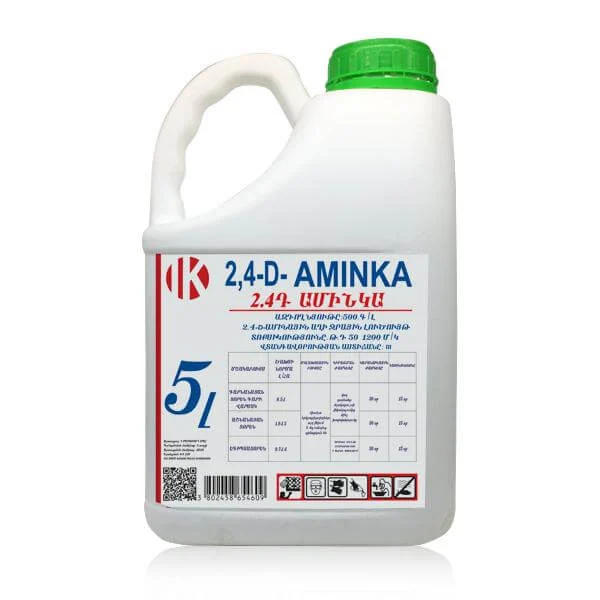
2,4D
What 2,4-D Does Well
Here is the practical, buyer-friendly way to understand it:
- 2,4-D is built for broadleaf weed control.
- Broomsedge (“broom sage”) is usually a grass.
- So the “kill” expectation is mismatched.
That is why many pasture and extension resources treat broom sage/broomsedge as a problem that is not solved by “typical broadleaf-only programs.”
“Injury” is not the same as “kill”
Sometimes people see a color change and assume success. With grasses, you may see:
- temporary stress
- slight yellowing
- slowed growth under harsh conditions
But temporary stress is not a reliable kill outcome—especially with a bunch grass that can persist and re-fill gaps later.
So What’s the Real Answer: Will 2,4-D Kill Broom Sage?
If broom sage = broomsedge (grass)
2,4-D usually will not kill it. Most of the time, the field looks the same after treatment because the plant type does not match what 2,4-D is designed to control.
If broom sage is actually a broom-type broadleaf weed
Results can be different, because broadleaf weeds are closer to 2,4-D’s main target. But you should still treat “kill” as label-dependent. The only safe rule is: follow the product label and local regulations.
Why Broom Sage Spreads: It Often Signals a Weak Stand, Not a “Weed-Only” Issue
This is the section most pages skip—yet it is why readers stay and trust you.
Multiple extension sources describe broomsedge as an opportunistic plant. It often shows up when desirable forage or turf is not competitive. Common conditions linked to broomsedge invasion include:
- poor soil fertility
- thin or weak forage stand
- overgrazing or poor grazing pressure
- low pH / low nutrient availability (site-dependent)
What this means in plain English
If broom sage is taking over, it may be telling you:
- the “good grass” is losing the competition
- the land management system is not building density
- soil constraints may be helping broom sage win
That is why many extension guides focus on improving the stand’s competitiveness as the long-term fix—not chasing broom sage with a single chemistry choice.
What Actually Works Long-Term
If your goal is to reduce broom sage over time, the most reliable framework is:
- Correct identification (grass vs broadleaf “broom”).
- Label-first herbicide decision (only if the product is legal for your use-site and target).
- Stand improvement to prevent reinfestation (fertility, pH, grazing/mowing practices, density).
Many extension notes highlight that quick elimination in one season is often unrealistic, and that improving pH and fertility can shift competition back toward desirable forage.
Also, be aware of an uncomfortable reality: some guidance states there are limited selective herbicide options to remove broomsedge without also harming desirable grasses in the same area. That makes “kill broom sage” a bigger decision than it looks.
Quick Decision Table: Will 2,4-D Kill Broom Sage?
| What you mean by “broom sage” | Plant type | Will 2,4-D “kill” it? | What to verify first |
|---|---|---|---|
| Broomsedge / broom sedge / broomstraw (common “broom sage”) | Grass | Usually no | Confirm it’s broomsedge; then reassess whether a broadleaf herbicide fits |
| Broom-type broadleaf weed (regional nickname) | Broadleaf | Sometimes possible (label-dependent) | Confirm ID + confirm label scope for your site and target |
Failure Audit: Why 2,4-D Didn’t Kill Your Broom Sage
| What you observed | What it often means | Business-grade explanation | What to check next |
|---|---|---|---|
| “No change” after treatment | Wrong target for 2,4-D | You treated a grass (broomsedge) with a broadleaf tool | Confirm plant ID (broomsedge is a grass) |
| “It browned a little, then came back” | Stress, not kill | Temporary injury is not control; the stand re-fills | Check competition: stand density, grazing/mowing stress |
| “It keeps spreading every year” | Underlying site advantage | Broomsedge often expands where fertility/pH/management weakens desirable forage | Review soil fertility and management system |
FAQs: Will 2,4-D Kill Broom Sage?
Is broom sage the same as broomsedge?
In many areas, yes. “Broom sage” commonly refers to broomsedge, which is a grass.
If broom sage is a grass, why do people use the word “sedge”?
It is a common-name problem. Extension sources note the name is misleading—broomsedge is a grass, not a sedge.
Will 2,4-D kill broomsedge (broom sage)?
Most of the time, no. If your “broom sage” is broomsedge, 2,4-D usually does not deliver a reliable kill outcome.
Why didn’t 2,4-D work on my broom sage?
The most common reason is mis-match: 2,4-D is mainly for broadleaf weeds, while broom sage is often a grass.
Why is broom sage a problem in pastures and hay fields?
Many extension sources describe broomsedge as opportunistic, favored by poor fertility and weakened forage competition, including overgrazing or low nutrient status.
Does mowing remove broom sage long-term?
In several extension discussions, mowing alone is described as unreliable for meaningful broomsedge control. Long-term improvement usually focuses on stand competitiveness and site correction.
Is there a “one-shot” way to kill broom sage without affecting other grasses?
Some extension guidance states selective options are limited because broomsedge is itself a grass—meaning grass-killing tools may also harm desirable grasses.
What is the safest rule before choosing any herbicide for broom sage?
Identify the plant, then follow the label and local regulations. Treat any online “recipe” as high risk.
Next Step: Get a Label-Ready 2,4-D
If your customers ask “will 2,4-D kill broom sage”, they are really asking for two things: correct identification and risk-controlled recommendations that reduce wasted applications and complaints.
If you are sourcing 2,4-D products for pasture, right-of-way, or turf channels, share:
- your destination market (country/state)
- the use-site (pasture, hay field, turf, roadside)
- label language and documentation needs
We can support a documentation-ready package (COA, SDS, and label adaptation support) aligned to your market’s compliance expectations.
Hot Products
Hot news
Recommended news
FAQ