
What does glyphosate kill?

Packaging Design

Packaging Design
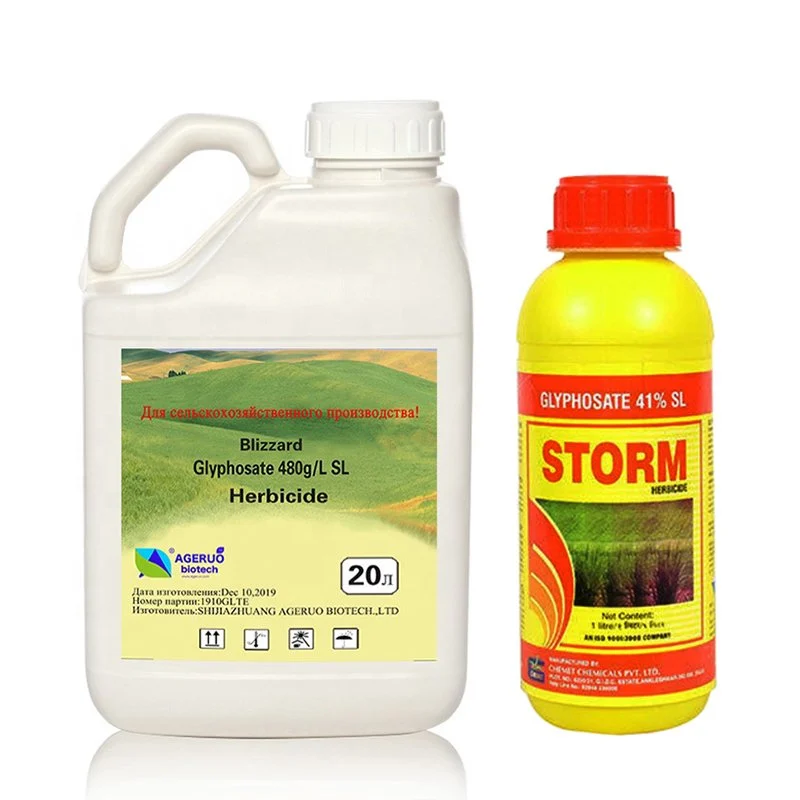
Packaging Design
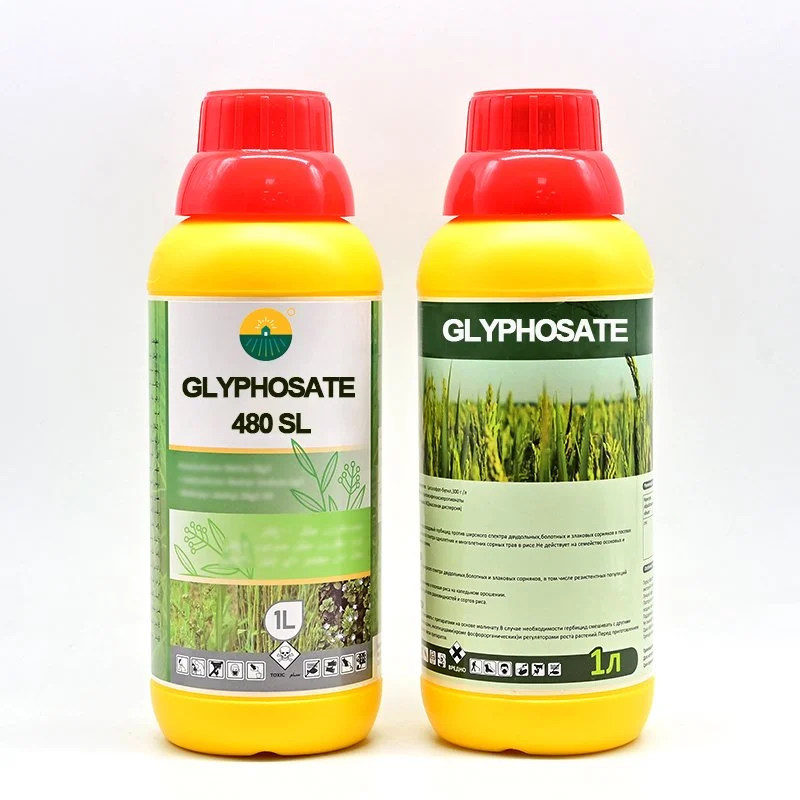
Packaging Design
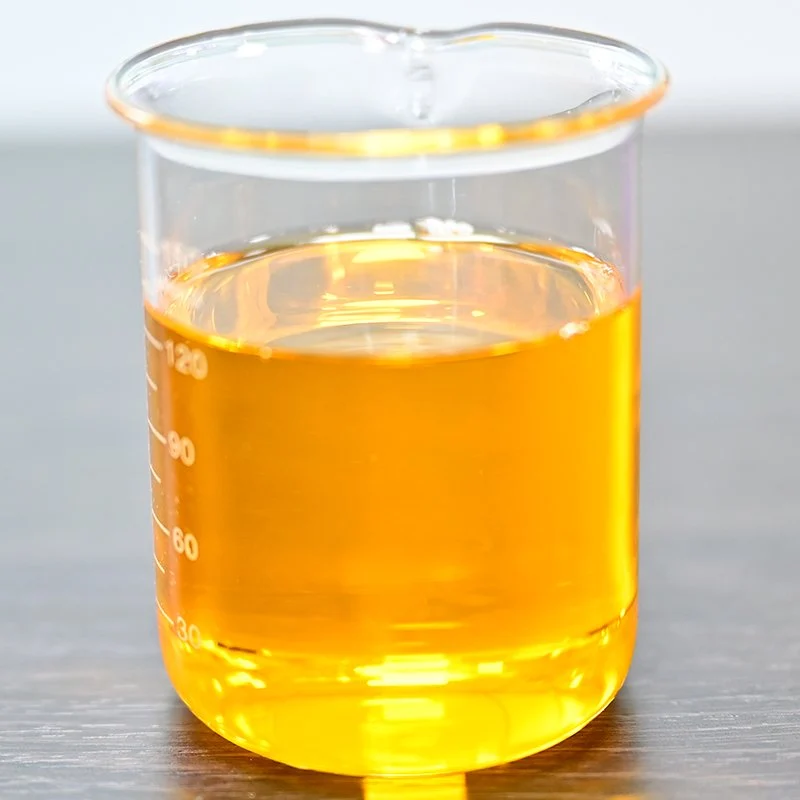
480g/l SL
What Does Glyphosate Kill?
Glyphosate is a broad-spectrum, non-selective herbicide that kills almost all types of green plants by disrupting their ability to produce essential amino acids. It is widely used to control annual and perennial broadleaf weeds, grasses, sedges, and even woody plants across agricultural, industrial, and residential settings. Because glyphosate acts on enzymes found in plants but not in animals or humans, it has become one of the most versatile and extensively applied herbicides in modern weed management.
Types of Weeds Controlled by Glyphosate
Glyphosate is capable of killing a wide range of weed types, including:
- Annual Broadleaf Weeds: These include quick-growing weeds that complete their lifecycle in one season, such as pigweed (Amaranthus spp.), lambsquarters (Chenopodium album), and chickweed (Stellaria media).
- Annual Grasses: Common grassy weeds like crabgrass (Digitaria spp.), foxtail (Setaria spp.), barnyardgrass (Echinochloa crus-galli), and goosegrass (Eleusine indica).
- Perennial Weeds: Tough species that regrow each year from root systems, such as Canada thistle (Cirsium arvense), Johnson grass (Sorghum halepense), quackgrass (Elymus repens), and nutgrass (Cyperus rotundus).
- Sedges: While generally more tolerant, some sedge species, particularly young plants, can be suppressed with high-dose applications.
- Woody Shrubs and Vines: Glyphosate can damage or kill brush species like blackberry (Rubus spp.), poison ivy (Toxicodendron radicans), and wild grape (Vitis spp.) when applied at proper rates.
This broad activity allows glyphosate to be used effectively in cropland, orchards, pastures, forestry, roadsides, and non-crop areas, often replacing mechanical weeding or repeated mowing.
Common Broadleaf Weeds Affected by Glyphosate
Glyphosate is particularly effective against a wide range of broadleaf weeds, which often invade both crop fields and unmanaged areas. These weeds typically compete aggressively with crops for nutrients, water, and sunlight. Common broadleaf species controlled by glyphosate include:
- Pigweed (Amaranthus spp.) – Fast-growing and highly competitive, often resistant to other herbicides.
- Lambsquarters (Chenopodium album) – A prolific seed producer and common nuisance in vegetable and row crops.
- Ragweed (Ambrosia spp.) – Known for causing allergies and growing in disturbed soils.
- Velvetleaf (Abutilon theophrasti) – Tall and broad-leaved, it shades crop plants and reduces yields.
- Morning glory (Ipomoea spp.) – Twining vines that entangle crops and machinery.
- Jimsonweed (Datura stramonium) – A toxic and invasive broadleaf weed found in warm climates.
- Horseweed (Conyza canadensis) – Can grow several feet tall and is often glyphosate-tolerant if not treated early.
These species are especially problematic in soybean, corn, cotton, and vegetable systems, and glyphosate provides a reliable knockdown when applied at the right stage of growth—typically during early vegetative phases.
Grassy Weeds and Sedges Targeted by Glyphosate
While broadleaf weeds often draw the most attention, glyphosate is equally effective against annual and perennial grasses, which are notorious for spreading quickly and forming dense root mats that choke crops. Glyphosate’s ability to kill grasses at both early and mature stages makes it a key herbicide in cereal and row crop systems.
Common Grassy Weeds Controlled:
- Crabgrass (Digitaria spp.) – A fast-germinating summer annual weed that competes aggressively with young crops.
- Goosegrass (Eleusine indica) – Common in compacted soils and difficult to control without pre-emergents.
- Foxtail (Setaria spp.) – Includes giant, green, and yellow species that thrive in corn and soybean fields.
- Barnyardgrass (Echinochloa crus-galli) – A robust, water-loving grass often found in rice and lowland fields.
- Johnsongrass (Sorghum halepense) – A deeply rooted perennial grass that requires repeated applications.
Sedges:
- Yellow nutsedge (Cyperus esculentus) and purple nutsedge (Cyperus rotundus) can be suppressed by glyphosate, though complete control may require repeated treatments or higher concentrations.
Because glyphosate is a non-selective herbicide, it eliminates these grassy weeds without the need for multiple selective products—ideal for burndown operations before planting or in fallow fields.
Perennial and Deep-Rooted Plants Killed by Glyphosate
One of glyphosate’s greatest strengths lies in its ability to control perennial weeds and deep-rooted species, which are typically harder to manage due to their underground regenerative organs such as rhizomes, stolons, or taproots. Unlike contact herbicides that only burn foliage, glyphosate is translocated throughout the entire plant system, reaching roots and underground structures to prevent regrowth.
Notable Perennials Controlled:
- Canada thistle (Cirsium arvense) – Aggressively spreads through root systems; glyphosate is most effective in late bud to bloom stage.
- Quackgrass (Elymus repens) – Rhizome-forming grass common in cereal crops and pastures.
- Johnsongrass (Sorghum halepense) – A prolific seed and rhizome reproducer; requires higher rates or sequential applications.
- Field bindweed (Convolvulus arvensis) – A tenacious vine with deep roots that survive mechanical cultivation.
- Dallisgrass (Paspalum dilatatum) – Common in pastures and turf areas, controlled more effectively when actively growing.
These perennial species often require higher glyphosate concentrations or split applications for complete eradication, particularly when plants are well-established or under stress. Timing is crucial—application during active photosynthesis yields the best results.
Woody Plants and Brush Species Affected by Glyphosate
Glyphosate is not limited to herbaceous weeds—it is also widely used to suppress or eliminate woody plants, vines, and brush species that encroach on croplands, pasture, railways, and utility corridors. These species typically possess thick stems and tough bark, requiring higher glyphosate concentrations and targeted application techniques such as cut-stump or basal bark treatments.
Common Brush Targets Include:
- Poison ivy (Toxicodendron radicans) – A toxic climbing vine often found in fencerows and unmanaged forest edges.
- Blackberry (Rubus spp.) – Thorny brambles that rapidly spread via underground runners and seeds.
- Multiflora rose (Rosa multiflora) – Invasive in pastures and unmanaged land, forming dense thickets.
- Tree of heaven (Ailanthus altissima) – A fast-growing, aggressive tree that invades disturbed areas.
- Wild grapevine (Vitis spp.) – Twines through trees and fences, reducing canopy light and fruit yields.
For these targets, glyphosate is often applied during the late growing season, when translocation into roots is most active. Cut-stump application—where the plant is cut and glyphosate is applied directly to the stump—prevents resprouting and ensures long-term control.
Non-Plant Targets: Algae, Moss, and Other Organisms
Although glyphosate is primarily designed for vascular plants, it has been occasionally used to control mosses, algae, and lichen in hardscape areas such as sidewalks, greenhouse floors, irrigation channels, and building exteriors. These organisms typically grow in damp, shaded environments and can be persistent if left unmanaged.
Glyphosate’s Secondary Control Range Includes:
- Green algae (e.g., Spirogyra spp.) – Sometimes treated in non-crop areas like pavement or drainage zones.
- Moss (Bryophyta) – Non-vascular but susceptible when actively growing on soil, bricks, or roofing surfaces.
- Lichens – Resistant to many conventional herbicides, but some control achieved with repeated glyphosate treatments.
That said, glyphosate’s effect on these organisms is limited and non-labeled in many regions, meaning its use may not be officially approved for such targets. It acts more slowly and less consistently due to the absence of the shikimic acid pathway in many of these life forms.
For such uses, alternative moss and algae-specific treatments may provide better long-term efficacy and legality. However, glyphosate can still play a role in integrated hardscape maintenance where broader vegetation control is needed.
Summary: What Glyphosate Effectively Kills and When to Use It
Glyphosate stands out as one of the most versatile and effective non-selective herbicides due to its ability to control an exceptionally broad spectrum of unwanted vegetation. From fast-germinating annuals to deep-rooted perennials and encroaching woody brush, glyphosate delivers reliable results across varied conditions—whether in agricultural fields, fallow land, industrial zones, or landscaping.
Glyphosate Effectively Kills:
- Broadleaf weeds – including pigweed, mallow, chickweed, and dandelions.
- Grassy weeds – such as crabgrass, foxtail, and barnyardgrass.
- Perennials – like quackgrass, bindweed, and Canada thistle.
- Woody plants & vines – such as poison ivy, wild blackberry, and multiflora rose.
- Occasionally non-vascular targets – like moss and algae, in specific contexts.
When to Use Glyphosate:
- Pre-plant burndown – Before sowing crops to ensure a clean seedbed.
- Spot treatment – Around trees, fences, and buildings.
- Brush and non-crop land management – Including pastures, roadsides, railways, and utility corridors.
- Post-harvest cleanup – To prepare fields for the next cycle or reduce weed seed banks.
Proper timing (during active growth), correct dosage, and consideration of environmental conditions are key to maximizing its effectiveness. While resistance management remains essential, glyphosate continues to play a central role in modern weed control strategies.
Hot Products
Hot news
Recommended news
FAQ
