Last Updated: January 12th, 20262089 words10.4 min read

Diquat for Ponds — What It Does, When It Fits, What to Watch
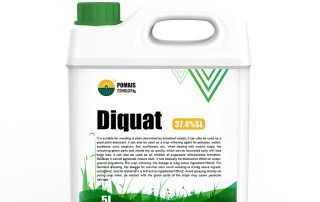
Diquat is a fast-acting contact herbicide used in ponds to suppress certain submersed and floating weeds. Performance depends on water clarity and organic load (suspended clay and detritus can bind and reduce activity). Rapid plant die-off may depress dissolved oxygen, so biomass and timing matter. Water-use restrictions and re-entry rules are label-specific and may require permits. This page frames fit, limits, and safeguards only—always follow the product label and local regulations.

Mode & Spectrum — Contact Herbicide for Aquatic Weeds

Diquat is a non-selective, contact herbicide for ponds that injures plant tissues only where it physically touches, with minimal translocation into roots or unexposed parts. Activity is light-dependent and rapid: treated submersed or floating leaves typically show quick chlorosis and tissue collapse, making it suited to actively growing, thin-cuticle foliage near the water surface or in the photic zone. Performance depends on exposure time and clean water contactturbidity and suspended organic matter can bind the active, reducing availability at the leaf surface. In practice, diquat is used against many submersed macrophytes and some floating weeds; expression on filamentous algae is limited and species-specific. Because it is contact-only, results appear as top-kill of exposed biomass, while unexposed or protected tissues may persist, requiring programmatic follow-up within an integrated pond plan. Always align expectations with pond clarity, target species, and standing biomass to balance efficacy and downstream oxygen demand from decaying plant material.

When Diquat Makes Sense (Pond Conditions Checklist)

  • Water clarity & organic load: Best fit when water is clear to moderately turbid; heavy suspended clay or detritus can bind the active and blunt results.
  • Target vegetation fit: Stronger rationale with submersed macrophytes (e.g., pondweeds, naiads) and some floating weeds with exposed foliage; filamentous algae response is limited and species-specific.
  • Biomass & staging: Favor moderate, actively growing biomass; very dense, whole-pond top-kill can spike oxygen demand as tissues decay.
  • Season & temperature: Outcomes are more visible in active growth windows (adequate light/warmth) when contact injury translates to swift collapse.
  • Depth & photic zone: Most compelling where targets sit in the lighted layer or reach the surface; shaded, deep canopies are harder to impact.
  • Hydrology & water turnover: Low exchange/limited flow aids exposure time; high turnover or inflow/outflow can dilute/flush contact before effect develops.
  • Baseline dissolved oxygen & fish stress: Warmer water, high night-time respiration, or recent algal die-offs increase O₂ risk; align expectations with fish health needs.
  • Water-use commitments: Swimming, irrigation, livestock, or downstream uses may have label-specific restrictions; confirm fit before any treatment planning.
  • Shoreline & non-target plants: Non-selective contact action can injure desirable littoral plants; consider adjacency and habitat goals.
  • Regulatory context: Some jurisdictions require permits, notices, or buffers; confirm that labeled aquatic uses match your water body type.
  • Program integration: Works best as part of integrated pond management (nutrient control, shading, mechanical removal), not as a stand-alone solution in all cases.

Risks & Safeguards — Fish, Oxygen, Water Uses

  • Dissolved oxygen (DO) drawdown: Rapid top-kill of submersed biomass can increase biological oxygen demand as tissues decay, stressing fish—especially in warm water or at night when DO is naturally lowest. Align expectations with baseline DO and recent bloom dynamics.
  • Thermal and seasonal sensitivity: High temperatures and late-summer conditions compress DO safety margins; shallow, weedy coves are most vulnerable to transient oxygen sag after large biomass collapse.
  • Fish and invertebrates: Risk is driven less by direct toxicity than by habitat/oxygen effects; sensitive life stages (fry, mussels) are susceptible to short DO dips and sudden habitat changes.
  • Non-target vegetation & littoral habitat: As a non-selective contact herbicide, diquat can injure desirable shoreline/submersed plants on contact, with knock-on effects for cover and spawning substrate.
  • Water-use restrictions: Swimming, irrigation, livestock watering, and potable uses may be subject to label-specific re-entry or waiting periods; requirements vary by product, water body type, and jurisdiction.
  • Water quality interactions: Turbidity and suspended organics can bind active ingredient, lowering apparent performance yet still yielding partial die-off that consumes oxygen; clarity and loading matter to both efficacy and safety.
  • Hydrology & containment: High inflow/outflow can move treated water beyond the intended area; understand downstream receptors and regulatory buffers to avoid off-target exposure.
  • Program safeguards (conceptual): Favor measured expectations for biomass change, maintain DO awareness during vulnerable windows, protect non-target littoral zones, and verify label and permitting conditions tied to your specific product and pond classification.

Program Fit — Integrating Diquat into Pond Management

Diquat works best as a program component, not a stand-alone cure. In integrated aquatic plant management, its rapid, contact-only knockdown can reset heavy surface or photic-zone growth so that other measures gain traction. Align use with the primary objective—quick aesthetic clearance for access, targeted habitat improvement, or preparation for longer-horizon controls—because contact injury yields top-kill of exposed tissues while protected biomass may persist. Pair diquat’s fast action with nutrient and habitat controls (watershed housekeeping, inflow filters, shore-zone stabilization, shading/coverage strategies) to slow re-growth pressure. Where dense stands or sensitive fisheries raise oxygen concerns, program sequencing (conceptual staggering of treated areas and timing) helps keep dissolved oxygen within safer bounds without prescribing application steps. To avoid over-reliance on a single tool, maintain a diverse toolkit—mechanical removal, habitat/ nutrient interventions, and mode-of-action rotation over seasons—guided by label allowances and local regulations. Treat diquat results as feedback: update weed maps, DO observations, coverage estimates, and non-target notes to refine future decisions, communicate clearly with stakeholders (downstream users, anglers, livestock owners), and ensure any label-defined water-use restrictions are understood in the management calendar.

Monitoring & Verification — Before/After Metrics

  • Baseline map (pre-work): Delineate target coverage and density by zone (littoral bands, coves, access lanes), note species mix, and flag non-target vegetation worth protecting. Record water clarity (e.g., Secchi/transparency cues), turbidity/organic load indications, and simple hydrology context (inflow/outflow, recent storms).
  • Core water-quality watchlist: Track dissolved oxygen (including a pre-dawn or low-light check), temperature, and visible respiration cues (fish behavior in coves). Log odor/foam and floating fragments that signal biomass decay.
  • Photopoints & transects: Establish repeatable photo angles and simple shoreline/boat transects so coverage change and non-target effects are comparable over time.
  • Post-event verification: Revisit zones to confirm exposed-tissue collapse, check for drift mats accumulating in downwind corners, and note re-growth or escapes in shaded/deeper pockets (contact limitations).
  • Oxygen risk awareness: During warm, low-wind spells, watch for transient oxygen sag indicators (surface piping, lethargic fish in quiet coves). Pair observations with your baseline notes rather than relying on appearance alone.
  • Use-case compliance log: Document any label-defined water-use restrictions in effect (swimming, irrigation, livestock, potable pathways) and communicate timing with stakeholders.
  • Non-target review: Inspect shoreline plants and habitat structure for unintended contact injury; note locations to refine future littoral buffers and access corridors.
  • Success framing: Evaluate functional outcomes—maintained access lanes, improved sight lines, preserved non-target cover, stable DO profile—rather than a single “percent control” number.
  • Recordkeeping hygiene: Time/date, weather, hydrology notes, photos, simple clarity cues, species lists, stakeholder notifications, and any follow-up actions queued for the management calendar.

Regulatory & Permitting — Labels, Jurisdictions, Water-Use Rules

  • Label governs everything: Only aquatic-labeled diquat products are eligible for pond use; product labels define legal uses, water-body types, re-entry/water-use restrictions, and any adjuvant limits. Treat the product label as the controlling document.
  • Water-body classification matters: Rules often differ for private ponds, community lakes, canals, or waters with outlets to public systems. Some jurisdictions treat connected ponds as waters of public concern, triggering additional conditions.
  • Permits and notifications: Many regions require prior authorization, posting/notification to riparian owners or facility users, or seasonal windows for aquatic work. Confirm whether your water body and objectives fall under permit or written authorization requirements.
  • Intakes and downstream receptors: Labels and agencies may set setbacks/wait periods for potable intakes, irrigation diversions, livestock draws, or swim areas. Map these receptors before any planning; restrictions are product- and jurisdiction-specific.
  • Sensitive habitats and species: Shoreline wetlands, spawning areas, mussel/clam beds, and protected plants may have buffer zones or exclusions. Non-target littoral vegetation protection is routinely emphasized with contact herbicides.
  • Recordkeeping expectations: Typical compliance hygiene includes date/time, product & lot, water-body/zone map, weather/hydrology notes, stakeholder notices, and water-use restriction intervals—kept for audits or stakeholder communication.
  • Competency requirements: Public or shared waters may require a licensed/credentialed applicator and adherence to agency best-practice conditions.
  • Storage, transport, disposal: Follow label/authority directives for container handling and rinsate disposal; avoid pathways to storm drains or unintended waters.
  • Jurisdictional variability: Even where diquat is broadly registered for aquatic uses, local rules can add constraints. Always reconcile label language with local environmental authority guidance before planning any activity.

Pros & Cons at a Glance

Pros

  • Fast contact action: Visible injury and collapse of exposed foliage occur quickly, helping restore access or sightlines on short horizons.
  • Broad utility on targets: Suited to many submersed macrophytes and some floating weeds in the photic zone.
  • Predictable mode: Contact-only top-kill clarifies expectations—useful as a reset step within an integrated program.
  • Program flexibility: Pairs well with nutrient/habitat controls and mechanical removal to manage regrowth pressure.
  • Label framework: Aquatic-labeled products provide explicit guardrails on water uses, buffers, and postings, aiding stakeholder communication.

Cons

  • Performance sensitivity: Turbidity and suspended organics can bind active ingredient and blunt results; high inflow/outflow shortens exposure.
  • Oxygen risk from decay: Rapid biomass collapse can depress dissolved oxygen, stressing fish—especially in warm, calm conditions.
  • Non-selective contact: Can injure desirable littoral plants on contact; shoreline habitat effects require attention.
  • Limited durability: Minimal translocation means protected tissues may persist, allowing re-growth without complementary measures.
  • Compliance complexity: Label-specific water-use restrictions, receptor setbacks, and possible permits/notifications add planning overhead.

Alternatives & Adjacent Tools — Non-Chemical & Program Options

  • Mechanical removal: Targeted hand-pulling, raking, cutting, or harvesting lowers standing biomass and immediate oxygen demand; useful for access lanes and shoreline aesthetics where feasible.
  • Benthic/physical barriers: Bottom screens or mats in small, fixed areas (docks, swim zones) suppress regrowth by light exclusion and physical separation, with periodic inspection for sediment and gas trapping.
  • Shading & light management: Canopy shading, structural cover, or turbidity-control measures reduce photosynthetic pressure in the photic zone; align with visibility and habitat goals.
  • Aeration & circulation: Diffused or surface aeration stabilizes dissolved oxygen and mitigates short-term sag risks tied to biomass turnover; pair with monitoring rather than treating it as a cure.
  • Nutrient & watershed controls: Address inflows, shoreline runoff, fertilization practices, and internal loading (leaf litter, grass clippings) to dampen re-infestation pressure over seasons.
  • Habitat & shoreline stewardship: Buffer plantings, erosion control, and littoral zoning protect desirable plants while steering nuisance species away from priority use areas.
  • Program design & timing: Zonal planning, seasonal windows, and stakeholder notices improve outcomes regardless of tool choice; maintain a recorded feedback loop to refine the mix year over year.

FAQs — Diquat for Ponds (Compliance-Focused)

  • Does diquat kill algae? It shows limited, species-specific effects on filamentous algae; its core value is contact injury to submersed and some floating plants. Align expectations with your pond’s species mix.
  • Is diquat safe for fish? Primary risk is oxygen depletion from decaying biomass, not direct fish toxicity under labeled use. Outcomes hinge on biomass, temperature, and DO profile; plan within label and regulatory guardrails.
  • How soon can I swim or irrigate? Label-specific and jurisdiction-dependent. Only aquatic-labeled products define legal water uses and any waiting periods for swimming, irrigation, livestock, or potable intakes.
  • Will it harm shoreline plants? Diquat is a non-selective contact herbicide; any contacted littoral vegetation can be injured. Habitat goals and buffer awareness matter.
  • Does turbidity affect performance? Yes. Suspended clay and organic matter can bind the active and blunt results; hydrology that reduces exposure time can do the same.
  • What about muddy or high-flow ponds? Expect reduced apparent performance in muddy water or with high inflow/outflow that cuts contact time; evaluate watershed inputs and turnover when framing expectations.
  • How fast will I see results? Typically rapid on exposed tissues under adequate light and warmth; actual timelines vary with clarity, biomass, species, and temperature.
  • Do I need a permit or notices? Many jurisdictions require permits, postings, or seasonal windows for aquatic work, especially in connected/public waters. Confirm with local authorities before any planning.
  • Can it be combined with other tools? Treat diquat as a program component within integrated pond management; any combinations or adjuvants must conform to the product label and local rules.
  • How do I manage non-target and downstream risks? Map sensitive littoral zones and receptors (swim areas, intakes, livestock draws). Follow label buffers and communicate water-use restrictions to stakeholders.

Diquat is a fast-acting contact herbicide used in ponds to suppress certain submersed and floating weeds. Performance depends on water clarity and organic load (suspended clay and detritus can bind and reduce activity). Rapid plant die-off may depress dissolved oxygen, so biomass and timing matter. Water-use restrictions and re-entry rules are label-specific and may require permits. This page frames fit, limits, and safeguards only—always follow the product label and local regulations.

Mode & Spectrum — Contact Herbicide for Aquatic Weeds

Diquat is a non-selective, contact herbicide for ponds that injures plant tissues only where it physically touches, with minimal translocation into roots or unexposed parts. Activity is light-dependent and rapid: treated submersed or floating leaves typically show quick chlorosis and tissue collapse, making it suited to actively growing, thin-cuticle foliage near the water surface or in the photic zone. Performance depends on exposure time and clean water contactturbidity and suspended organic matter can bind the active, reducing availability at the leaf surface. In practice, diquat is used against many submersed macrophytes and some floating weeds; expression on filamentous algae is limited and species-specific. Because it is contact-only, results appear as top-kill of exposed biomass, while unexposed or protected tissues may persist, requiring programmatic follow-up within an integrated pond plan. Always align expectations with pond clarity, target species, and standing biomass to balance efficacy and downstream oxygen demand from decaying plant material.

When Diquat Makes Sense (Pond Conditions Checklist)

  • Water clarity & organic load: Best fit when water is clear to moderately turbid; heavy suspended clay or detritus can bind the active and blunt results.
  • Target vegetation fit: Stronger rationale with submersed macrophytes (e.g., pondweeds, naiads) and some floating weeds with exposed foliage; filamentous algae response is limited and species-specific.
  • Biomass & staging: Favor moderate, actively growing biomass; very dense, whole-pond top-kill can spike oxygen demand as tissues decay.
  • Season & temperature: Outcomes are more visible in active growth windows (adequate light/warmth) when contact injury translates to swift collapse.
  • Depth & photic zone: Most compelling where targets sit in the lighted layer or reach the surface; shaded, deep canopies are harder to impact.
  • Hydrology & water turnover: Low exchange/limited flow aids exposure time; high turnover or inflow/outflow can dilute/flush contact before effect develops.
  • Baseline dissolved oxygen & fish stress: Warmer water, high night-time respiration, or recent algal die-offs increase O₂ risk; align expectations with fish health needs.
  • Water-use commitments: Swimming, irrigation, livestock, or downstream uses may have label-specific restrictions; confirm fit before any treatment planning.
  • Shoreline & non-target plants: Non-selective contact action can injure desirable littoral plants; consider adjacency and habitat goals.
  • Regulatory context: Some jurisdictions require permits, notices, or buffers; confirm that labeled aquatic uses match your water body type.
  • Program integration: Works best as part of integrated pond management (nutrient control, shading, mechanical removal), not as a stand-alone solution in all cases.

Risks & Safeguards — Fish, Oxygen, Water Uses

  • Dissolved oxygen (DO) drawdown: Rapid top-kill of submersed biomass can increase biological oxygen demand as tissues decay, stressing fish—especially in warm water or at night when DO is naturally lowest. Align expectations with baseline DO and recent bloom dynamics.
  • Thermal and seasonal sensitivity: High temperatures and late-summer conditions compress DO safety margins; shallow, weedy coves are most vulnerable to transient oxygen sag after large biomass collapse.
  • Fish and invertebrates: Risk is driven less by direct toxicity than by habitat/oxygen effects; sensitive life stages (fry, mussels) are susceptible to short DO dips and sudden habitat changes.
  • Non-target vegetation & littoral habitat: As a non-selective contact herbicide, diquat can injure desirable shoreline/submersed plants on contact, with knock-on effects for cover and spawning substrate.
  • Water-use restrictions: Swimming, irrigation, livestock watering, and potable uses may be subject to label-specific re-entry or waiting periods; requirements vary by product, water body type, and jurisdiction.
  • Water quality interactions: Turbidity and suspended organics can bind active ingredient, lowering apparent performance yet still yielding partial die-off that consumes oxygen; clarity and loading matter to both efficacy and safety.
  • Hydrology & containment: High inflow/outflow can move treated water beyond the intended area; understand downstream receptors and regulatory buffers to avoid off-target exposure.
  • Program safeguards (conceptual): Favor measured expectations for biomass change, maintain DO awareness during vulnerable windows, protect non-target littoral zones, and verify label and permitting conditions tied to your specific product and pond classification.

Program Fit — Integrating Diquat into Pond Management

Diquat works best as a program component, not a stand-alone cure. In integrated aquatic plant management, its rapid, contact-only knockdown can reset heavy surface or photic-zone growth so that other measures gain traction. Align use with the primary objective—quick aesthetic clearance for access, targeted habitat improvement, or preparation for longer-horizon controls—because contact injury yields top-kill of exposed tissues while protected biomass may persist. Pair diquat’s fast action with nutrient and habitat controls (watershed housekeeping, inflow filters, shore-zone stabilization, shading/coverage strategies) to slow re-growth pressure. Where dense stands or sensitive fisheries raise oxygen concerns, program sequencing (conceptual staggering of treated areas and timing) helps keep dissolved oxygen within safer bounds without prescribing application steps. To avoid over-reliance on a single tool, maintain a diverse toolkit—mechanical removal, habitat/ nutrient interventions, and mode-of-action rotation over seasons—guided by label allowances and local regulations. Treat diquat results as feedback: update weed maps, DO observations, coverage estimates, and non-target notes to refine future decisions, communicate clearly with stakeholders (downstream users, anglers, livestock owners), and ensure any label-defined water-use restrictions are understood in the management calendar.

Monitoring & Verification — Before/After Metrics

  • Baseline map (pre-work): Delineate target coverage and density by zone (littoral bands, coves, access lanes), note species mix, and flag non-target vegetation worth protecting. Record water clarity (e.g., Secchi/transparency cues), turbidity/organic load indications, and simple hydrology context (inflow/outflow, recent storms).
  • Core water-quality watchlist: Track dissolved oxygen (including a pre-dawn or low-light check), temperature, and visible respiration cues (fish behavior in coves). Log odor/foam and floating fragments that signal biomass decay.
  • Photopoints & transects: Establish repeatable photo angles and simple shoreline/boat transects so coverage change and non-target effects are comparable over time.
  • Post-event verification: Revisit zones to confirm exposed-tissue collapse, check for drift mats accumulating in downwind corners, and note re-growth or escapes in shaded/deeper pockets (contact limitations).
  • Oxygen risk awareness: During warm, low-wind spells, watch for transient oxygen sag indicators (surface piping, lethargic fish in quiet coves). Pair observations with your baseline notes rather than relying on appearance alone.
  • Use-case compliance log: Document any label-defined water-use restrictions in effect (swimming, irrigation, livestock, potable pathways) and communicate timing with stakeholders.
  • Non-target review: Inspect shoreline plants and habitat structure for unintended contact injury; note locations to refine future littoral buffers and access corridors.
  • Success framing: Evaluate functional outcomes—maintained access lanes, improved sight lines, preserved non-target cover, stable DO profile—rather than a single “percent control” number.
  • Recordkeeping hygiene: Time/date, weather, hydrology notes, photos, simple clarity cues, species lists, stakeholder notifications, and any follow-up actions queued for the management calendar.

Regulatory & Permitting — Labels, Jurisdictions, Water-Use Rules

  • Label governs everything: Only aquatic-labeled diquat products are eligible for pond use; product labels define legal uses, water-body types, re-entry/water-use restrictions, and any adjuvant limits. Treat the product label as the controlling document.
  • Water-body classification matters: Rules often differ for private ponds, community lakes, canals, or waters with outlets to public systems. Some jurisdictions treat connected ponds as waters of public concern, triggering additional conditions.
  • Permits and notifications: Many regions require prior authorization, posting/notification to riparian owners or facility users, or seasonal windows for aquatic work. Confirm whether your water body and objectives fall under permit or written authorization requirements.
  • Intakes and downstream receptors: Labels and agencies may set setbacks/wait periods for potable intakes, irrigation diversions, livestock draws, or swim areas. Map these receptors before any planning; restrictions are product- and jurisdiction-specific.
  • Sensitive habitats and species: Shoreline wetlands, spawning areas, mussel/clam beds, and protected plants may have buffer zones or exclusions. Non-target littoral vegetation protection is routinely emphasized with contact herbicides.
  • Recordkeeping expectations: Typical compliance hygiene includes date/time, product & lot, water-body/zone map, weather/hydrology notes, stakeholder notices, and water-use restriction intervals—kept for audits or stakeholder communication.
  • Competency requirements: Public or shared waters may require a licensed/credentialed applicator and adherence to agency best-practice conditions.
  • Storage, transport, disposal: Follow label/authority directives for container handling and rinsate disposal; avoid pathways to storm drains or unintended waters.
  • Jurisdictional variability: Even where diquat is broadly registered for aquatic uses, local rules can add constraints. Always reconcile label language with local environmental authority guidance before planning any activity.

Pros & Cons at a Glance

Pros

  • Fast contact action: Visible injury and collapse of exposed foliage occur quickly, helping restore access or sightlines on short horizons.
  • Broad utility on targets: Suited to many submersed macrophytes and some floating weeds in the photic zone.
  • Predictable mode: Contact-only top-kill clarifies expectations—useful as a reset step within an integrated program.
  • Program flexibility: Pairs well with nutrient/habitat controls and mechanical removal to manage regrowth pressure.
  • Label framework: Aquatic-labeled products provide explicit guardrails on water uses, buffers, and postings, aiding stakeholder communication.

Cons

  • Performance sensitivity: Turbidity and suspended organics can bind active ingredient and blunt results; high inflow/outflow shortens exposure.
  • Oxygen risk from decay: Rapid biomass collapse can depress dissolved oxygen, stressing fish—especially in warm, calm conditions.
  • Non-selective contact: Can injure desirable littoral plants on contact; shoreline habitat effects require attention.
  • Limited durability: Minimal translocation means protected tissues may persist, allowing re-growth without complementary measures.
  • Compliance complexity: Label-specific water-use restrictions, receptor setbacks, and possible permits/notifications add planning overhead.

Alternatives & Adjacent Tools — Non-Chemical & Program Options

  • Mechanical removal: Targeted hand-pulling, raking, cutting, or harvesting lowers standing biomass and immediate oxygen demand; useful for access lanes and shoreline aesthetics where feasible.
  • Benthic/physical barriers: Bottom screens or mats in small, fixed areas (docks, swim zones) suppress regrowth by light exclusion and physical separation, with periodic inspection for sediment and gas trapping.
  • Shading & light management: Canopy shading, structural cover, or turbidity-control measures reduce photosynthetic pressure in the photic zone; align with visibility and habitat goals.
  • Aeration & circulation: Diffused or surface aeration stabilizes dissolved oxygen and mitigates short-term sag risks tied to biomass turnover; pair with monitoring rather than treating it as a cure.
  • Nutrient & watershed controls: Address inflows, shoreline runoff, fertilization practices, and internal loading (leaf litter, grass clippings) to dampen re-infestation pressure over seasons.
  • Habitat & shoreline stewardship: Buffer plantings, erosion control, and littoral zoning protect desirable plants while steering nuisance species away from priority use areas.
  • Program design & timing: Zonal planning, seasonal windows, and stakeholder notices improve outcomes regardless of tool choice; maintain a recorded feedback loop to refine the mix year over year.

FAQs — Diquat for Ponds (Compliance-Focused)

  • Does diquat kill algae? It shows limited, species-specific effects on filamentous algae; its core value is contact injury to submersed and some floating plants. Align expectations with your pond’s species mix.
  • Is diquat safe for fish? Primary risk is oxygen depletion from decaying biomass, not direct fish toxicity under labeled use. Outcomes hinge on biomass, temperature, and DO profile; plan within label and regulatory guardrails.
  • How soon can I swim or irrigate? Label-specific and jurisdiction-dependent. Only aquatic-labeled products define legal water uses and any waiting periods for swimming, irrigation, livestock, or potable intakes.
  • Will it harm shoreline plants? Diquat is a non-selective contact herbicide; any contacted littoral vegetation can be injured. Habitat goals and buffer awareness matter.
  • Does turbidity affect performance? Yes. Suspended clay and organic matter can bind the active and blunt results; hydrology that reduces exposure time can do the same.
  • What about muddy or high-flow ponds? Expect reduced apparent performance in muddy water or with high inflow/outflow that cuts contact time; evaluate watershed inputs and turnover when framing expectations.
  • How fast will I see results? Typically rapid on exposed tissues under adequate light and warmth; actual timelines vary with clarity, biomass, species, and temperature.
  • Do I need a permit or notices? Many jurisdictions require permits, postings, or seasonal windows for aquatic work, especially in connected/public waters. Confirm with local authorities before any planning.
  • Can it be combined with other tools? Treat diquat as a program component within integrated pond management; any combinations or adjuvants must conform to the product label and local rules.
  • How do I manage non-target and downstream risks? Map sensitive littoral zones and receptors (swim areas, intakes, livestock draws). Follow label buffers and communicate water-use restrictions to stakeholders.
Share to:
Share to: