
DDVP for Bed Bugs
What Are Bed Bugs?
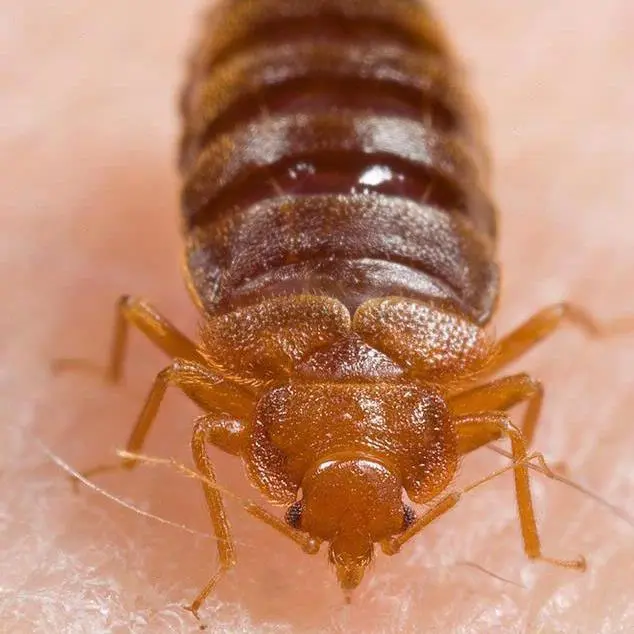
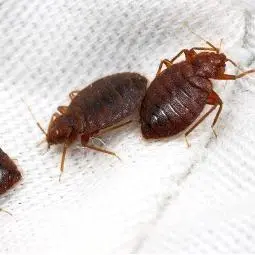
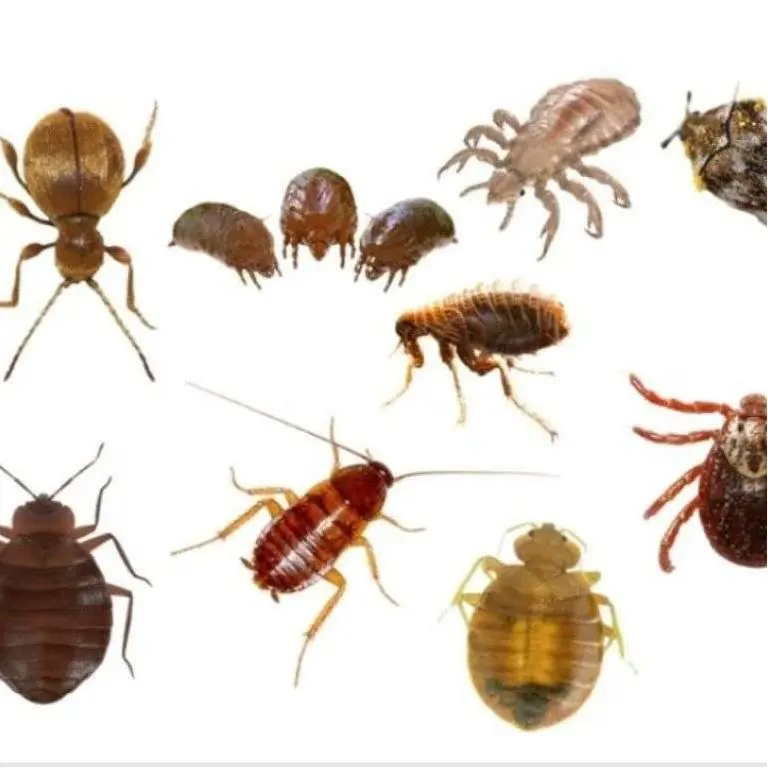
Bed bugs (Cimex lectularius and Cimex hemipterus) are small, flat, parasitic insects that feed on the blood of humans and animals during sleep. Known for their elusive behavior, they hide in mattresses, cracks, crevices, and furniture, making eradication difficult.
- Signs of infestation: Red bite marks, dark fecal spots on sheets, musty odor
- Life cycle: Egg → Nymph (5 stages) → Adult
- Resilience: Can survive months without feeding; often resistant to common insecticides

What Is Dichlorvos (DDVP)?
Dichlorvos, also known as DDVP (2,2-dichlorovinyl dimethyl phosphate), is an organophosphate insecticide used in both structural and agricultural pest control. It is classified as a volatile fumigant, often used in:
- Pest strips (vapors released into enclosed spaces)
- Aerosol sprays and foggers
- Impregnated resins or formulations for slow release

Key Features of DDVP:
- Mode of action: Inhibits acetylcholinesterase, disrupting the nervous system
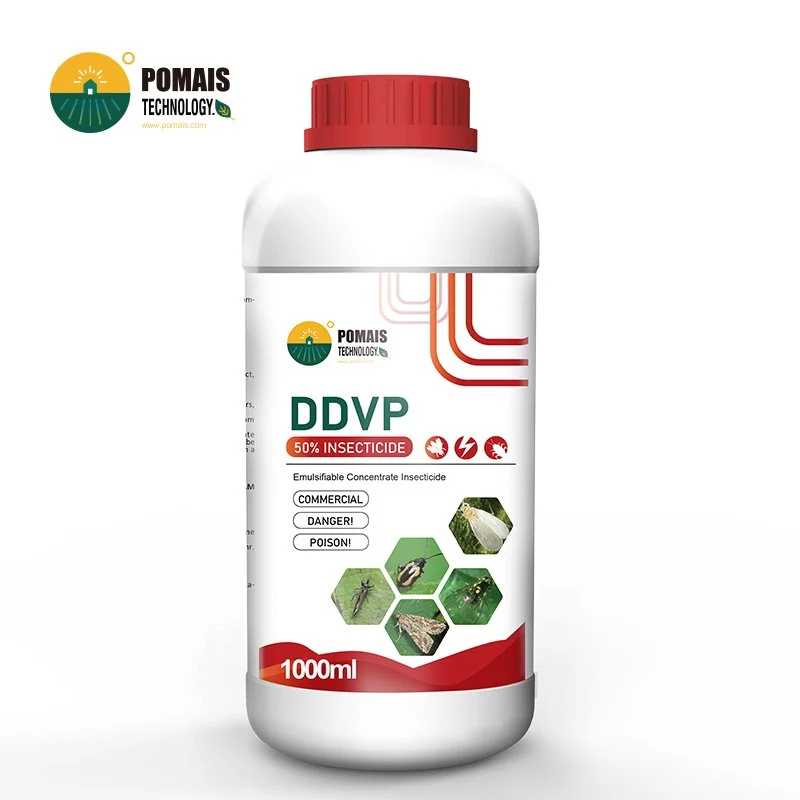
- Formulations: 1000 g/L EC, pest strips, fumigants
- Targets: Bed bugs, cockroaches, flies, moths, ants, and other insects
Is Dichlorvos Effective Against Bed Bugs?
Yes, Dichlorvos is effective against bed bugs, especially when used in fumigant form or in enclosed spaces where bed bugs are active. DDVP acts quickly and delivers high mortality when:
- Applied as a vapor in a sealed room
- Combined with other chemical controls as part of an Integrated Pest Management (IPM) plan
- Used in strips placed in furniture drawers, closets, or infested areas
Advantages:
- Fast knockdown action
- Effective against resistant strains
- Penetrates hidden harborage areas
How to Use DDVP for Bed Bug Control
Common Use Forms:
| Formulation Type | Usage Area | Application Notes |
|---|---|---|
| DDVP Pest Strips | Closets, drawers, storage units | Slow vapor release over 2–4 months |
| DDVP Aerosol Spray | Cracks, mattress seams, baseboards | Spot treatments; ventilate area after use |
| DDVP Fogger/Fumigant | Enclosed rooms | Use only in unoccupied areas, tightly sealed |
Application Guidelines:
- Always read and follow label directions
- Ensure the room is well-sealed if using DDVP foggers
- After application, allow sufficient airing time (usually 4–8 hours)
- Do not apply directly to bedding or human contact surfaces
Safety Guidelines When Using Dichlorvos
Dichlorvos is moderately toxic to humans and pets and should be used with caution:
- Wear PPE: Gloves, mask, and protective clothing
- Vacate treated areas during application and airing period
- Avoid prolonged exposure in treated spaces
- Do not apply near food, children’s toys, or animal bedding
- Use only in non-living areas unless the product is explicitly approved for residential use
Regulatory Note: DDVP is restricted in some countries due to environmental and health concerns. Always check local regulations before use.
DDVP vs Other Insecticides for Bed Bugs
| Insecticide | Mode of Action | Residual Effect | Bed Bug Resistance | Remarks |
|---|---|---|---|---|
| DDVP (Dichlorvos) | Cholinesterase inhibitor | Short to moderate | Low–moderate | Fast-acting vapor; limited in open areas |
| Pyrethroids | Sodium channel modulator | Moderate | High resistance | Often ineffective alone |
| Neonicotinoids | Nicotinic receptor disruptor | Moderate | Low–moderate | Effective when combined with pyrethroids |
| Chlorfenapyr | Cellular energy disruptor | Long-lasting | Low | Slow-acting but effective on resistant strains |
| Insect Growth Regulators (IGRs) | Disrupt development and reproduction | Very long | Not applicable | Prevents egg/nymph maturation; no knockdown |
Application Scenarios and Limitations
Where DDVP Is Suitable:
- Hotel furniture storage rooms
- Shipping containers with furniture or textiles
- Closets, drawers, under-bed compartments
- Apartments or homes when vacated for treatment
Limitations:
- Not ideal for continuous exposure in occupied bedrooms
- Not recommended for mattresses or cushions
- Should be used as part of a broader IPM strategy, not standalone
FAQs: Dichlorvos and Bed Bug Control
Q1: Is DDVP safe for indoor use?
A: Only in unoccupied or ventilated areas, and with labeled formulations such as pest strips or foggers designed for indoor use.
Q2: How long does it take DDVP to kill bed bugs?
A: Bed bugs begin to die within 1–2 hours, with most eliminated in 24–48 hours depending on formulation.
Q3: Can I use DDVP on my mattress or sheets?
A: No. Direct contact with bedding is not advised due to toxicity. Use encasements or apply products designed specifically for mattresses.
Q4: Does DDVP kill bed bug eggs?
A: It may not reliably kill eggs. A follow-up treatment is often required to eliminate hatched nymphs.
Q5: Where can I buy DDVP products?
A: DDVP products are available through licensed agrochemical suppliers, hardware chains, or online pest control distributors. Bulk buyers should contact certified manufacturers.
Conclusion and Professional Recommendations
Dichlorvos (DDVP) remains a powerful tool in professional bed bug management, particularly in non-living spaces and enclosed areas. Its fast-acting, vapor-based mechanism is ideal for penetrating hidden pest zones. However, it must be used with strict adherence to safety guidelines and as part of a multi-method strategy.
For Distributors & Retailers
We offer high-quality DDVP 1000 g/L EC, pest strips, and fogger formulations suitable for professional pest control companies and bulk distributors.
- Custom labels and packaging available
- COA, MSDS, and regulatory documentation provided
- Free samples for business evaluation
- Global logistics support for export markets
Contact us now to learn more about our DDVP product line and how we can support your pest control brand.
Hot Products
Hot news
Recommended news
FAQ
