
Bromadiolone vs Brodifacoum: Rodenticide Selection & Risk Comparison
In my years consulting for pest management and agricultural pest control professionals, the question of Bromadiolone versus Brodifacoum invariably arises when selecting an anticoagulant rodenticide strategy. Both compounds are classified as second‑generation anticoagulant rodenticides (SGARs), highly potent tools for controlling rats, mice, and other rodent pests. However, the similarities end with their classification. Their potency, persistence, risk profile, and appropriate use cases differ significantly. This detailed comparison is designed to help procurement teams, field operations managers, and pest control specialists make informed decisions that align with efficacy goals and regulatory risk management.
What Bromadiolone and Brodifacoum Are
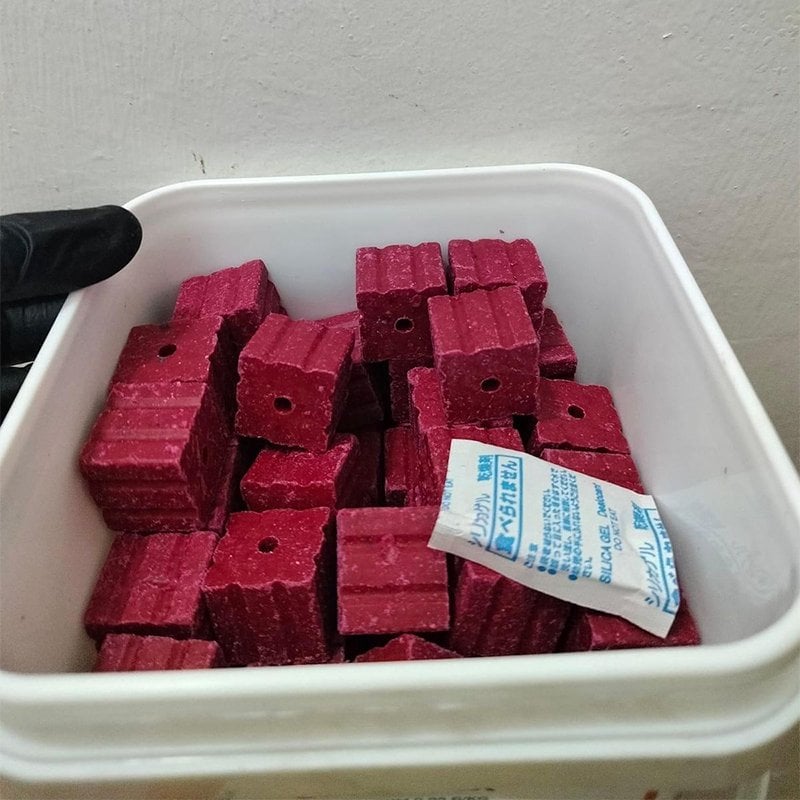
Bromadiolone and Brodifacoum are both vitamin K antagonist anticoagulants used as single‑feed rodenticides in professional rodent control. As SGARs, they were developed to address the limitations of first‑generation anticoagulants, such as warfarin, which require multiple feedings to achieve lethal effect. Bromadiolone is recognised for broad spectrum activity with a balance of efficacy and safety, while Brodifacoum is recognised as one of the most potent anticoagulants available.
Mechanism of Action
Both compounds act by inhibiting vitamin K epoxide reductase, an enzyme essential to the regeneration of vitamin K. This interference leads to a failure in synthesis of clotting factors, resulting in uncontrolled internal bleeding in rodents that ingest a lethal dose. Unlike earlier generation products, a single ingestion event can deliver sufficient active ingredient to achieve mortality in target species.
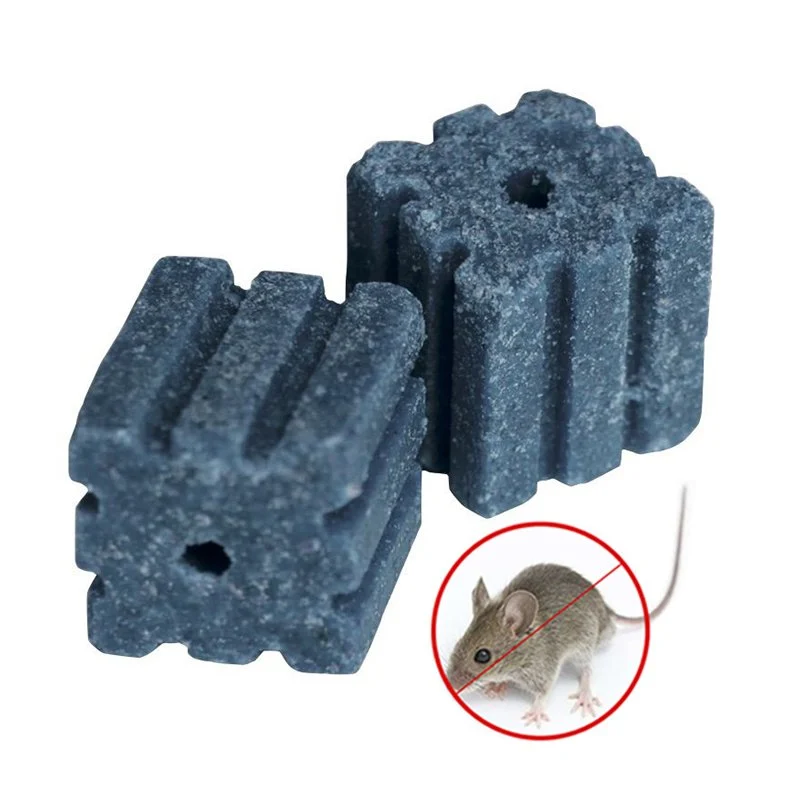
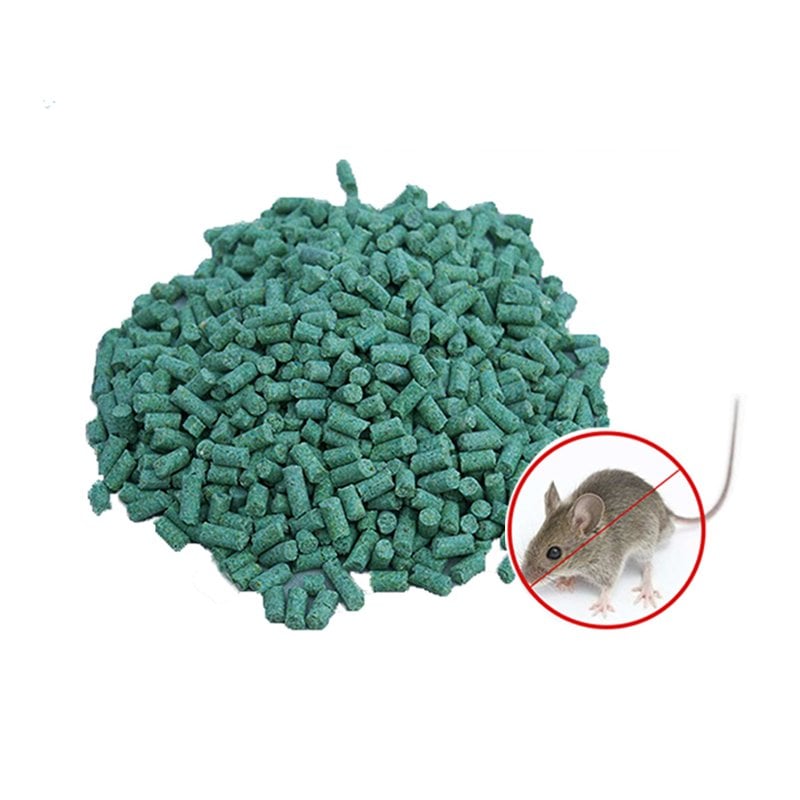
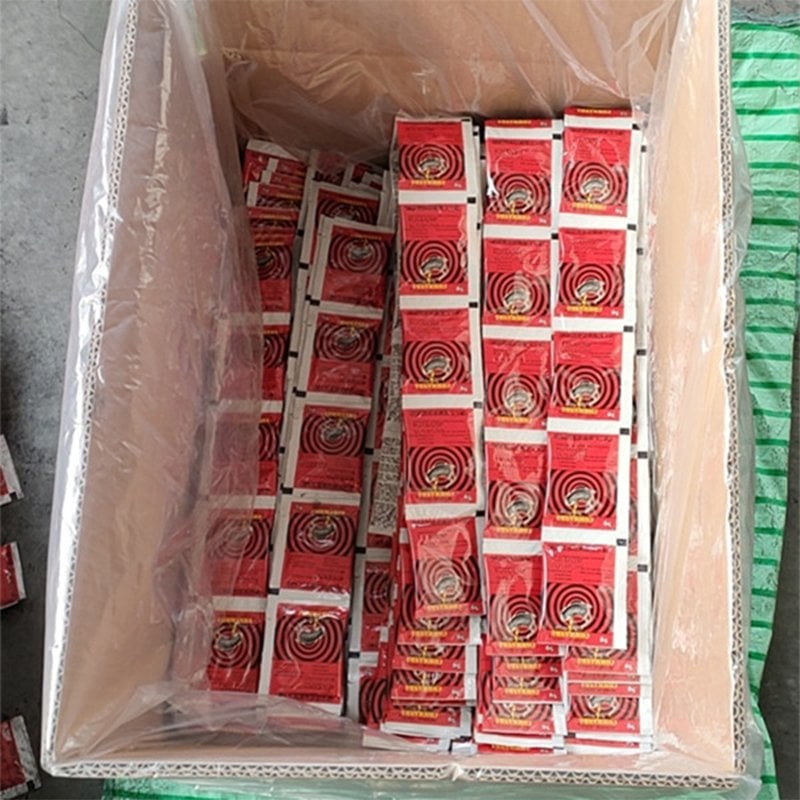
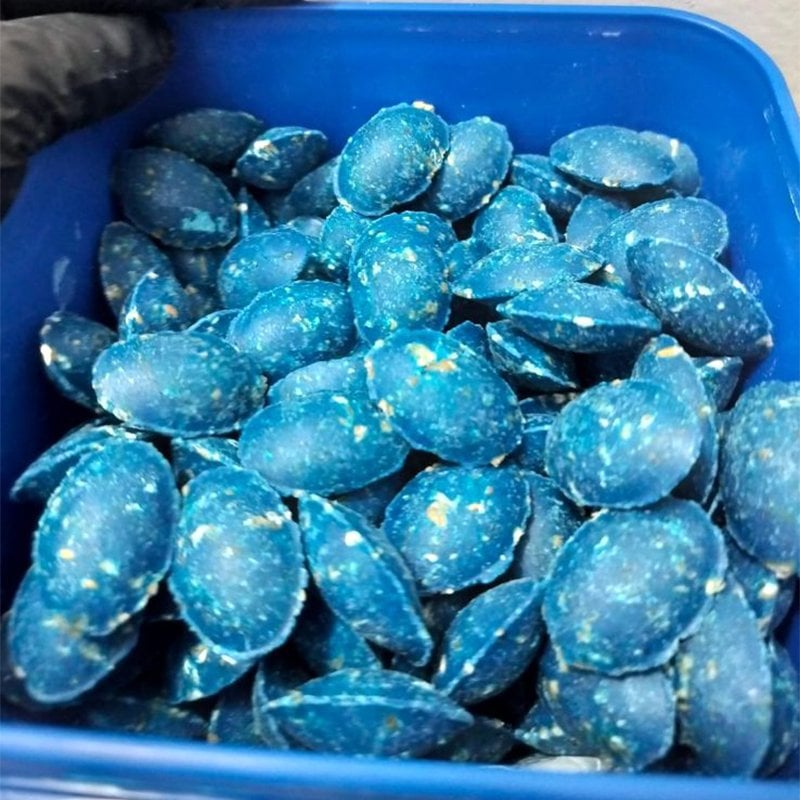
Comparative Potency and Efficacy
Potency and efficacy are primary decision criteria in product selection. The following table summarises the relative performance of Bromadiolone and Brodifacoum across key effectiveness dimensions:
| Evaluation Dimension | Bromadiolone | Brodifacoum |
|---|---|---|
| Anticoagulant Class | SGAR | SGAR |
| Killing Mechanism | Vitamin K antagonist | Vitamin K antagonist |
| Feedings Needed | Single‑feed | Single‑feed |
| Consistency of Mortality | High | Very High |
| Resistance Management | Effective | Effective, stronger against resistant populations |
| Speed to Death | Moderate | Rapid |
| Overall Potency | High | Highest |
| Recommended Field Use | Routine rodent control and rotation | Severe infestations and professional applications |
Brodifacoum exhibits higher potency and faster action in most field scenarios, making it particularly effective against resistant rodent populations or heavy infestations. Bromadiolone is effective and competitive in many control programs but generally requires careful deployment to achieve parity in speed and total mortality.
Tissue Persistence and Environmental Behavior
Persistence in tissue and slow elimination are important risk factors for secondary exposure. Bromadiolone is known to remain in body tissues for an extended period, with elimination occurring slowly after initial metabolic breakdown. Brodifacoum exhibits even slower elimination and longer persistence, with terminal half‑life measured in weeks to months.
This long persistence increases the risk that predators or scavengers consuming affected carcasses may accumulate toxic residues. Any rodenticide strategy must incorporate environmental risk management and carcass recovery protocols to mitigate this hazard.
Species Targeting and Field Performance
Operationally, choice between these products often correlates with target species and infestation severity.
Bromadiolone is widely used against both rats and mice and performs well under many routine pest control scenarios. It is often selected for ongoing maintenance baiting programs where broad activity and moderate persistence are desired.
Brodifacoum, by contrast, is preferred when:
- Target populations include larger rodents or resistant colonies that do not respond reliably to less potent agents.
- Rapid eradication is required in industrial, agricultural, or storage environments.
- A single intervention needs to deliver maximum impact with minimal opportunity for sub‑lethal exposure.
In practice, many pest control protocols use Bromadiolone as part of a bait rotation strategy to reduce selection pressure and mitigate development of resistance, reserving Brodifacoum for situations requiring high‑impact control.
Risk Profile and Secondary Exposure
Both active ingredients present secondary poisoning risks, a defining management concern for professional users. Secondary poisoning occurs when non‑target predators or scavengers ingest tissues from poisoned rodents that still contain residues.
Brodifacoum’s higher potency and longer persistence significantly elevate this risk compared to Bromadiolone, requiring stricter carcass removal procedures, containment strategies, and application in secure bait stations.
Strategically, risk mitigation should include:
- Secure bait placement
- Routine carcass recovery
- Wildlife exposure monitoring
- Adherence to regulatory protocols for anticoagulant rodenticide application
Regulatory Considerations
Because both are SGARs with elevated toxicity profiles, regulatory frameworks in many jurisdictions restrict their use to professional pest control operators and require evidence of compliance with application standards. Selection decisions must consider both efficacy needs and compliance obligations, including reporting, storage, handling, and restricted use conditions.
Field Application Best Practices
In operational settings, the following best practices support both performance and safety:
- Conduct preliminary rodent activity surveys before selecting an active ingredient.
- Use Bromadiolone for baseline control and maintenance where infestation levels are moderate.
- Deploy Brodifacoum in cases demanding rapid eradication or resistant population control.
- Sequence rodenticides in rotation to reduce resistance build‑up.
- Implement robust carcass recovery and non‑target exposure prevention systems.
- Ensure all field teams are trained in safety protocols and compliant handling.
FAQ — Common Practitioner Questions
Is Bromadiolone better than Brodifacoum?
“Better” depends on context. Brodifacoum offers stronger potency and quicker action, especially where resistant rodents are present. Bromadiolone remains effective for many routine control programs with lower risk intensity.
What is the most effective rodenticide?
Effectiveness cannot be judged solely by potency. It must align with site conditions, species susceptibility, resistance status, and risk tolerance. Brodifacoum is often deemed the most potent SGAR, but effective programs balance impact with safety and regulatory compliance.
Is Brodifacoum the same as Bromethalin?
No. Brodifacoum is an anticoagulant; Bromethalin is a neurotoxic rodenticide with a non‑anticoagulant mode of action targeting the nervous system.
Is Bromethalin the same as Bromadiolone?
No. The two are distinct classes of rodenticide with different mechanisms, risk profiles, and regulatory implications.
Conclusion
Selecting between Bromadiolone and Brodifacoum demands a careful assessment of operational objectives, rodent population characteristics, environmental exposure risks, and compliance requirements. Brodifacoum delivers the highest potency and is suitable for severe infestations and resistant populations. Bromadiolone offers robust performance for ongoing control with moderated persistence and risk. The most effective pest management programs integrate both within structured application frameworks that prioritise safety, compliance, and long‑term efficacy.
Hot Products
Hot news
Recommended news
FAQ
