
Brodifacoum vs Bromethalin: Two Leading Rodenticides
brodifacoum vs bromethalin, anticoagulant vs non-anticoagulant rodenticide, mode of action, single-feed kill, secondary poisoning, antidote vitamin K1, no antidote, pet safety, resistance, bait formats.
Which rodenticide is right for you?
Brodifacoum vs bromethalin comes down to potency + single-feed reliability versus faster neurotoxic action. Brodifacoum (anticoagulant, SGAR) delivers single-feed lethality and outstanding control of difficult populations, but carries higher secondary-poisoning risk. Bromethalin (non-anticoagulant neurotoxin) delivers quicker onset and bypasses anticoagulant resistance, yet has no specific antidote and requires strict pet safety controls.
What Each Active Ingredient Is
Brodifacoum is a second-generation anticoagulant rodenticide (SGAR) that disrupts the vitamin K cycle and prevents clotting factor regeneration. It is renowned for extreme potency and single-feed efficacy.
Bromethalin is a non-anticoagulant, neurotoxic rodenticide that uncouples oxidative phosphorylation in mitochondria, dropping ATP and causing cerebral edema and death.
Mode of Action: How They Kill Rodents
Brodifacoum MoA: inhibits vitamin K epoxide reductase (VKORC1) → clotting factors fail → internal hemorrhage over a delayed window.
Bromethalin MoA: mitochondrial uncoupler → energy collapse (low ATP) → central nervous system failure and death.
Speed of Kill & User Perception
Brodifacoum shows a delayed onset (often 24–72+ hours), but the single-feed nature minimizes revisit requirements and boosts ultimate success rates.
Bromethalin typically acts faster (hours to ~1–2 days depending on intake), which can improve customer perception of speed—especially in visible infestations.
Potency, Dose Reality & Practical Reliability
Brodifacoum offers very low LD values and high reliability when bait acceptance is good, making it a top choice for heavy or resistant infestations with minimal feed opportunities.
Bromethalin effectiveness depends more on consumed quantity; performance is strong but may require bait station discipline to ensure adequate intake.
Secondary Poisoning & Non-Target Risk
Brodifacoum has high secondary-poisoning risk due to tissue persistence (notably in liver). Predator and scavenger exposure (raptors, foxes, pets) must be actively mitigated.
Bromethalin has lower documented secondary carryover than SGARs, but primary ingestion risk to pets is serious, and no antidote exists.
Antidote & Emergency Response
Brodifacoum exposure has a specific antidote: vitamin K1, administered under medical/veterinary supervision and often over extended courses.
Bromethalin exposure has no specific antidote; treatment is supportive only (decontamination, symptomatic care under veterinary direction).
Resistance Considerations
Brodifacoum (a “super-warfarin”) is effective on many first-generation anticoagulant-resistant rodents; it remains a go-to where resistance erodes alternatives.
Bromethalin bypasses the anticoagulant pathway entirely, which is useful in anticoagulant-resistant settings or where rotation of different MoA is required.
Persistence & Half-Life
Brodifacoum features a long biological half-life and tissue accumulation, driving long-lasting effects and secondary-risk obligations.
Bromethalin generally has shorter tissue persistence than brodifacoum but still mandates strict controls in mixed-use environments (pets, wildlife).
Bait Formats & Formulation Options
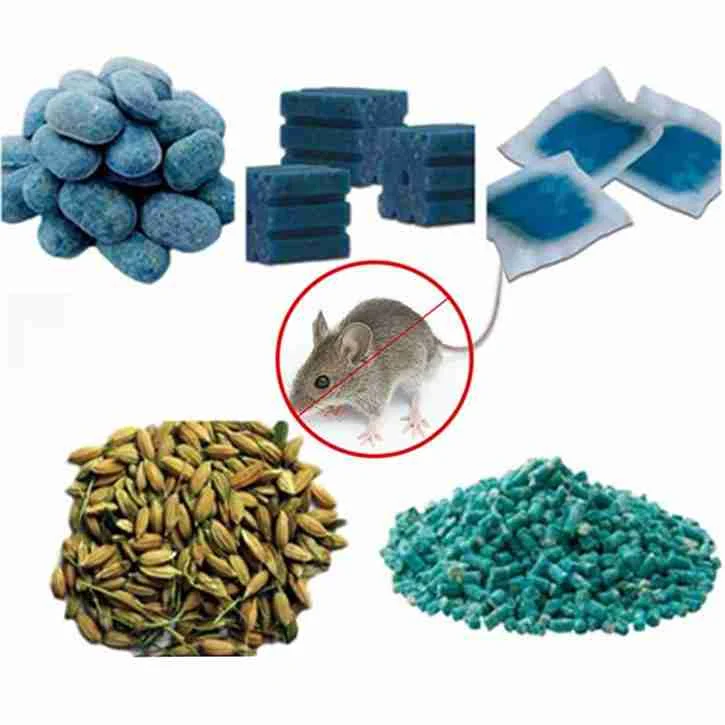
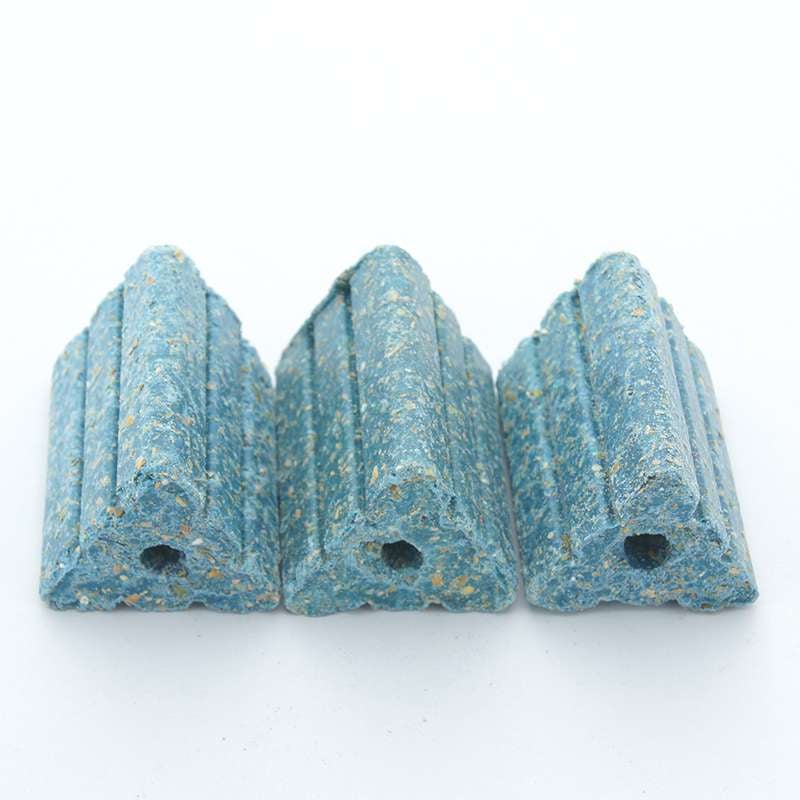
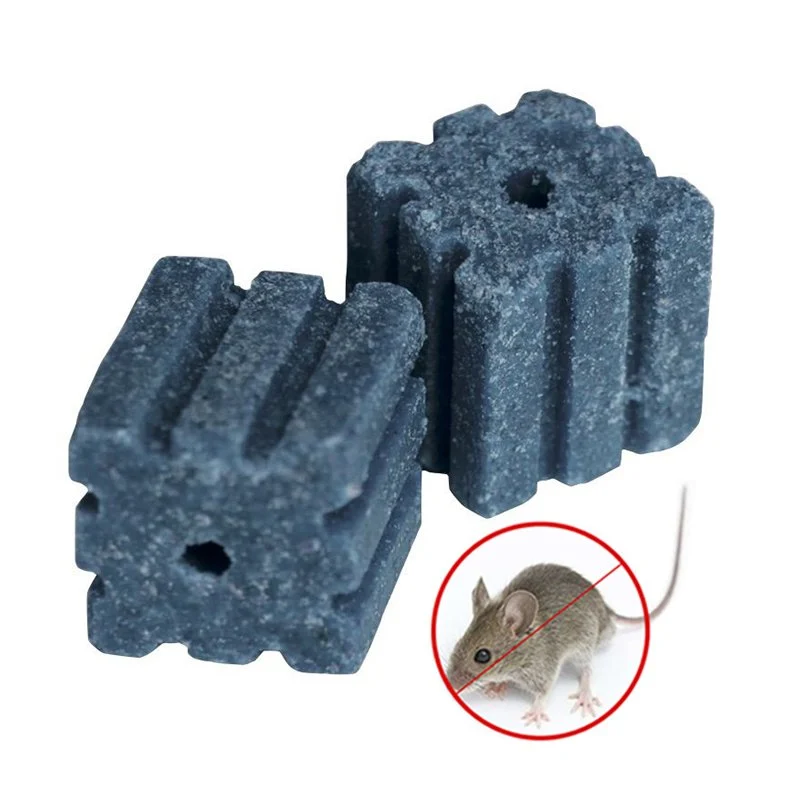
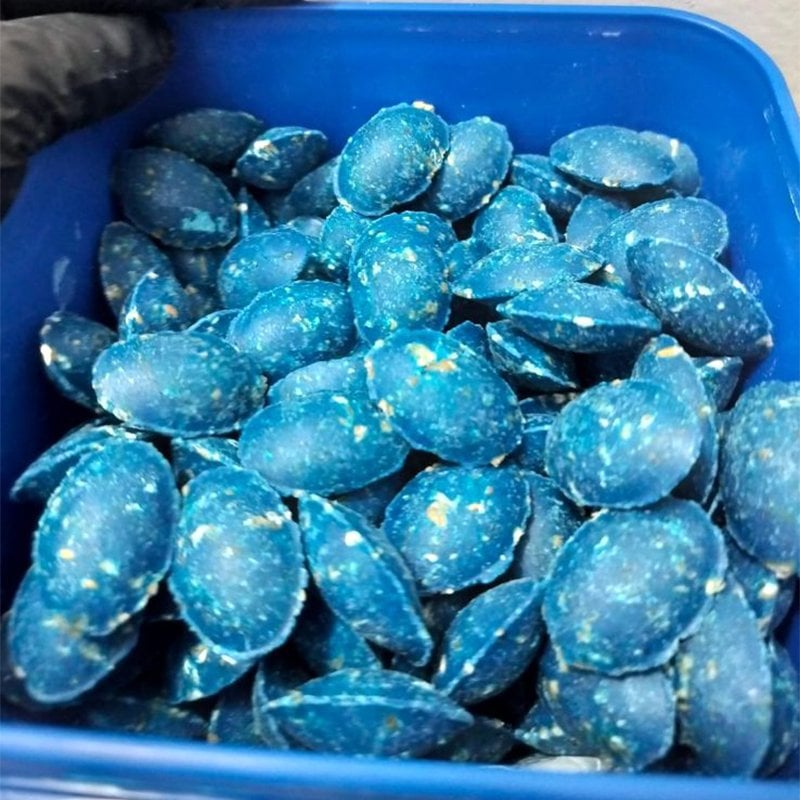
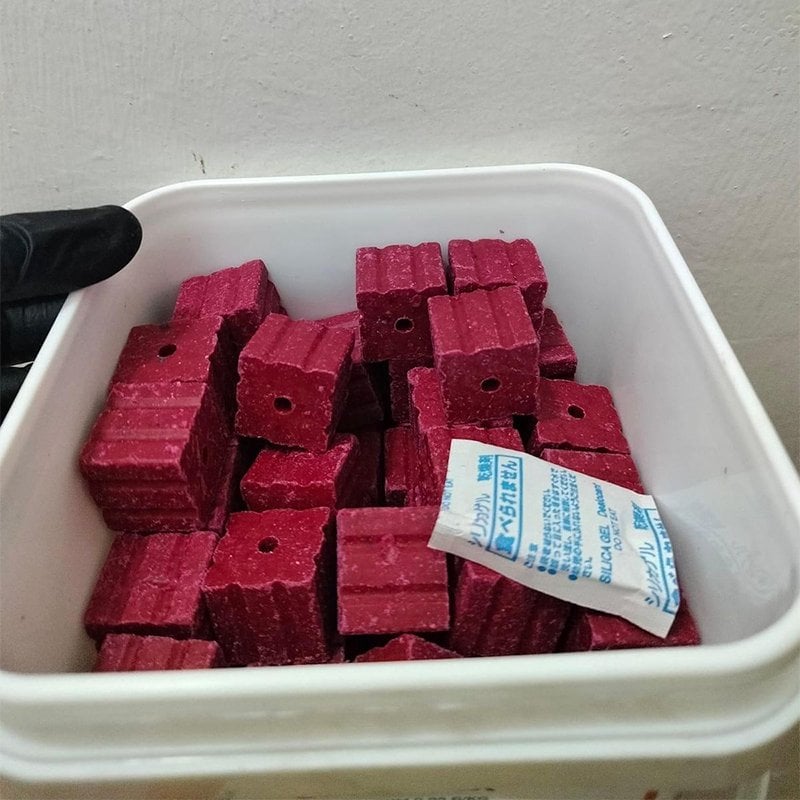
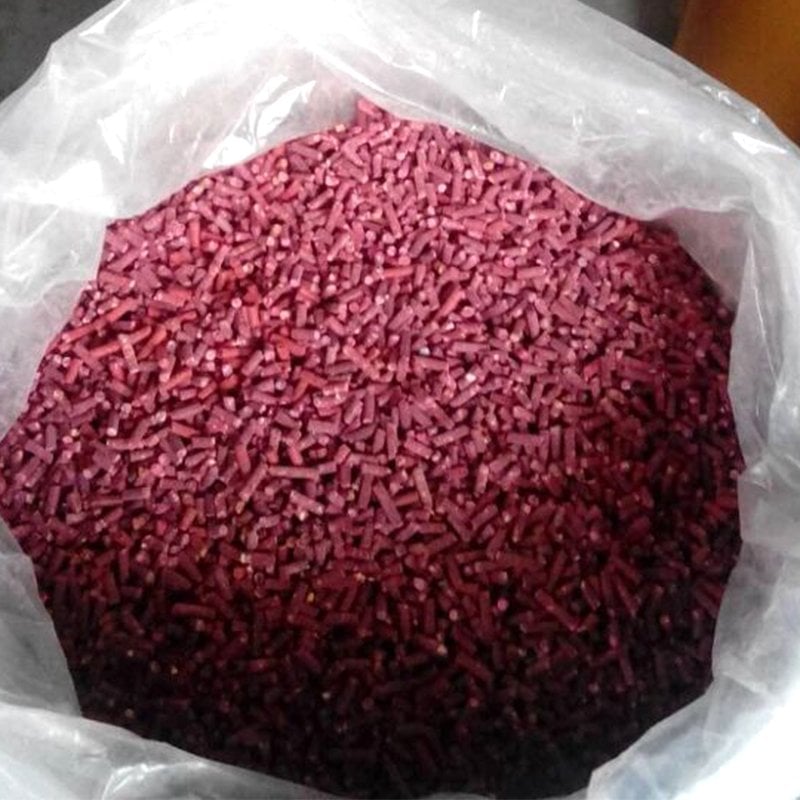
Brodifacoum is widely available as wax blocks, soft pasta, pellets, grain baits, and RTU bait stations, enabling single-feed programs and OEM/private-label solutions.
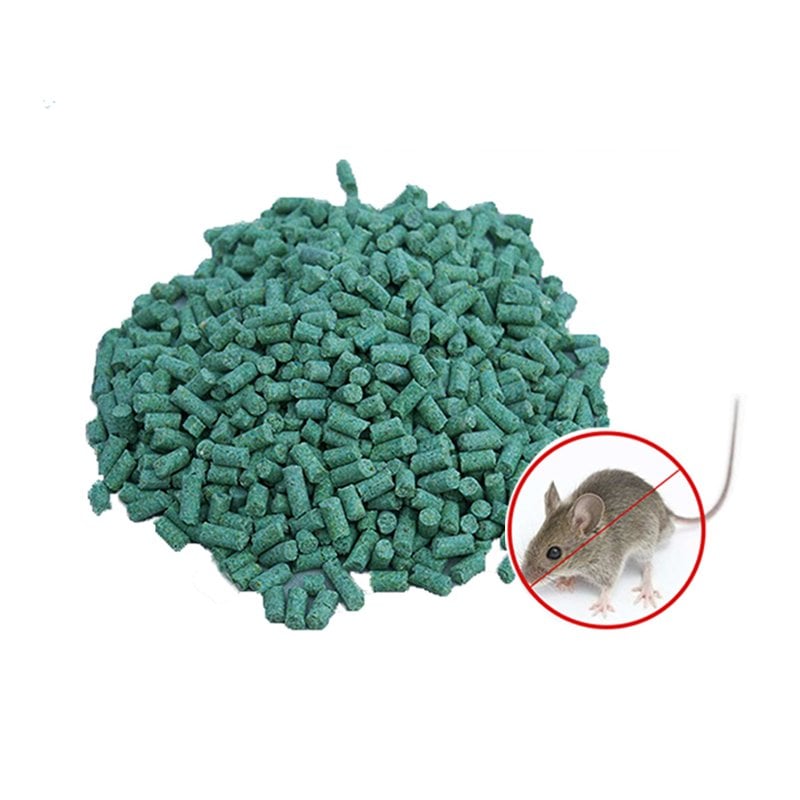
Bromethalin is commonly offered as blocks/pellets and RTU stations, oriented toward rapid action branding.
Handling, Storage & safety Notes (Trust & Compliance)
Store both actives in original closed containers, away from food, feeds, and children; use tamper-resistant bait stations; collect carcasses and residual bait promptly; and follow local labels and regulations. Avoid operational instructions here—always defer to the product label for legal use directions.
Comparison Table
| Attribute | Brodifacoum | Bromethalin |
|---|---|---|
| Chemical class | SGAR anticoagulant | Non-anticoagulant neurotoxin |
| Mode of action | VKORC1 inhibition, no clotting factor regen | Mitochondrial uncoupler, ATP collapse |
| Speed of kill | Slower, delayed onset | Faster onset |
| Single-feed efficacy | Yes (flagship strength) | Intake-dependent |
| Secondary poisoning | Higher risk (tissue persistence) | Lower than SGARs, still serious |
| Antidote availability | Yes—vitamin K1 | No specific antidote |
| Resistance utility | Strong vs FGAR-resistant | Bypasses anticoagulant resistance |
| Bait formats | Blocks, pasta, pellets, grain, RTU | Blocks, pellets, RTU |
| Program positioning | High-certainty, hard infestations | Fast action, non-anticoagulant path |
Selection Guidance: When to Choose Which
- Choose brodifacoum when you need single-feed certainty, are facing heavy or resistant infestations, and can implement robust secondary-risk stewardship (secured stations, carcass/bait retrieval, documentation).
- Choose bromethalin when you need faster visible results, want an alternative MoA to anticoagulants, and can enforce strict pet safety with no-antidote awareness built into site rules.
FAQ
Q1: Which is more reliable for hard-to-control rats?
Brodifacoum—thanks to single-feed potency and performance against FGAR-resistant populations.
Q2: Which is faster?
Bromethalin—it is a neurotoxin with faster onset than anticoagulants.
Q3: Which is safer for pets?
Neither is “safe.” Bromethalin poses severe risk with no antidote; brodifacoum has an antidote (vitamin K1) but higher secondary-poison concern. Always use tamper-resistant stations and follow labels.
Q4: Do I need different actives for resistance management?
Yes. Rotate modes of action. Brodifacoum addresses anticoagulant resistance; bromethalin provides a non-anticoagulant path.
Hot Products
Hot news
Recommended news
FAQ