
Aluminum Phosphide Effects on Humans: Risks, Exposure, and Safety Considerations
Compliance notice: This page is for risk awareness and compliance communication only. It is not medical advice and not a use or handling guide. All fumigation and related activities must be performed by trained and licensed professionals strictly following product labels, Safety Data Sheets (SDS), and local regulations.
What It Is and Why It Matters
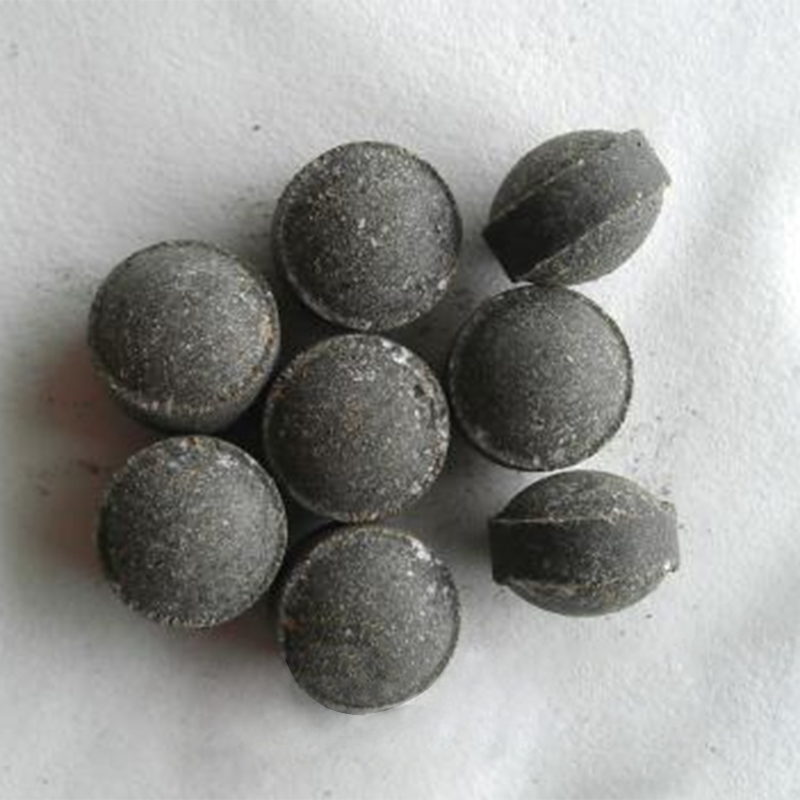
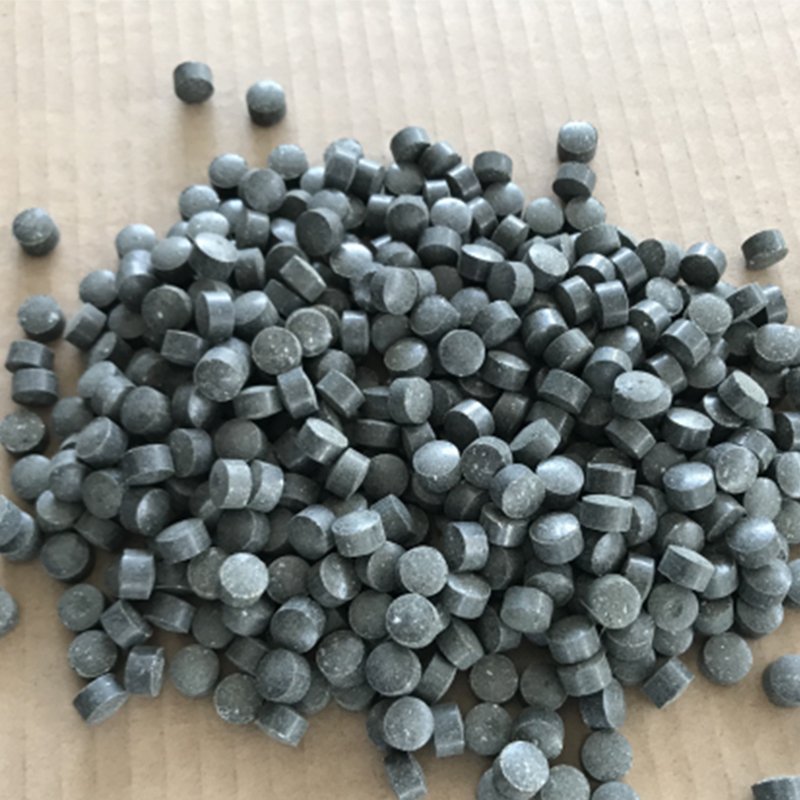
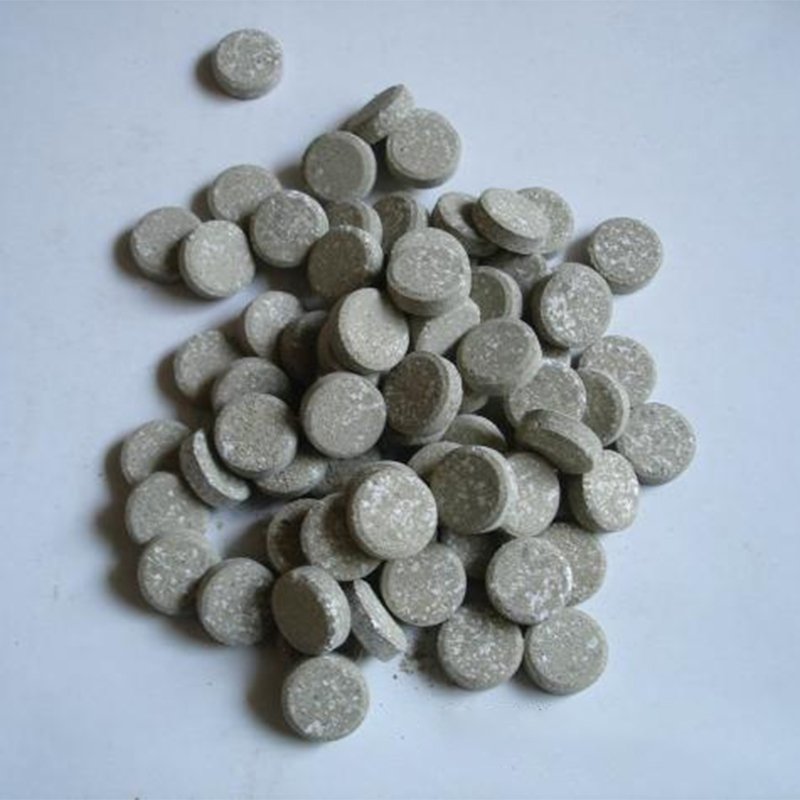
Aluminum phosphide (AlP) is a restricted-use fumigant that releases phosphine (PH₃) gas on contact with moisture. Phosphine is colorless; odor is an unreliable warning and must not be used for safety decisions. Because small volumes of confined or poorly ventilated air can accumulate hazardous levels quickly, exposure prevention and professional oversight are essential.
Risk Framework: Risk = Hazard × Exposure
- Hazard: Intrinsically highly toxic gas (phosphine).
- Exposure drivers: Concentration, duration, and context—especially sealed or low-ventilation spaces, task type, distance to source, and proximity time.
- Implication: High hazard does not equal high risk if exposure is prevented; routine tasks become high-risk in confined spaces.
How Exposure Happens (Typical Scenarios)
- Inhalation (primary): Release during fumigation or when AlP contacts ambient moisture; highest concern in silos, warehouses, shipping containers, greenhouses, tobacco storage, and similar spaces.
- Oral route: Accidental ingestion or hand-to-mouth transfer of residues (uncommon in professional settings but severe when it occurs).
- Skin/eye contact: Local irritation from dust or pellets; systemic toxicity is primarily an inhalation issue.
Acute Health Effects (Recognition, Not Treatment)
Early, non-specific symptoms can include:
- Respiratory: Throat/chest irritation, coughing, shortness of breath; severe exposures can lead to pulmonary edema (medical emergency).
- Cardiovascular: Low blood pressure, arrhythmias, circulatory collapse at high exposures.
- Neurologic: Headache, dizziness, lethargy, impaired concentration.
- Gastrointestinal: Nausea, vomiting, abdominal pain.
Onset may be rapid; some serious effects can worsen or be delayed after exposure. If exposure is suspected, leave the area and contact emergency services/poison control immediately.
Sub-acute and Potential Longer-Term Effects
Following significant acute exposure, reports include persistent cough or reduced exercise tolerance, transient neurologic complaints (e.g., headaches, fatigue), and reversible liver/kidney test abnormalities. Evidence quality varies; conclusions should remain conservative.
Factors That Shape Severity
- Concentration × time of exposure
- Space characteristics (sealed vs. ventilated, volume, airflow)
- Task (application, entry before clearance, waste handling)
- Distance from source and duration nearby
- Individual susceptibility (cardiopulmonary disease, pregnancy, age)
Higher-Risk Populations
Children/adolescents, older adults, people who are pregnant, and individuals with pre-existing heart or lung disease are more susceptible to adverse effects at a given exposure.
Workplaces and Tasks of Concern (Principles Only)
Elevated concern in confined/poorly ventilated operations: grain silos, storage warehouses, shipping containers, greenhouses, tobacco or seed storage. Highest risk periods include fumigation release, entry before professional clearance, and disturbance of treated materials. Controls must be planned, supervised, and documented by qualified personnel.
Environmental and Secondary Exposure
Residual phosphine may persist in confined spaces or materials until professionally ventilated and cleared. Unauthorized re-entry or handling can cause secondary exposure. Only authorized professionals should determine re-entry readiness.
Monitoring and Alarms (Non-Procedural)
Safety decisions rely on professional air monitoring and documented clearance methods. Odor is not a safety criterion. Device selection, calibration, and thresholds are site-specific and governed by employer and regulator requirements; they are not reproduced here.
Regulatory and Label Essentials (Overview)
Aluminum phosphide/phosphine products are heavily regulated. Labels and SDSs define who may apply, where and how work is permitted, record-keeping, signage and access control, and clearance prior to re-entry. Where requirements differ, follow the most protective applicable rule.
Training and Communication
Organizations storing, distributing, or contracting fumigation work should maintain:
- Documented training and licensing for relevant roles;
- Written procedures for planning, access control, and post-fumigation clearance;
- Contractor management (proof of competence, permits, insurance);
- Visible warnings (signage/barricades) and timely communication to all potentially affected staff and contractors.
FAQs
Can smell be used to detect danger?
No. Rely on professional monitoring and clearance, not odor.
Is aluminum phosphide suitable for consumer/home use?
No. It is a restricted-use fumigant for trained, licensed professionals only.
Are symptoms always immediate?
Not always. Severe effects—such as pulmonary edema—can be delayed and require urgent medical evaluation.
Where should professionals look for authoritative instructions?
Follow the product label and SDS, plus employer and regulator-approved procedures.
This content is for risk awareness and compliance communication only. It is not medical advice and not a use or handling guide. All fumigation and related activities must be performed by trained and licensed professionals strictly following product labels, SDS, and local regulations. If exposure is suspected or symptoms occur, leave the area and contact local emergency services or a poison control center immediately.
Hot Products
Hot news
Recommended news
FAQ