
Acephate, Imidacloprid and Dinotefuran: How to Use Three Systemic Insecticides in One Strategy
Acephate, imidacloprid and dinotefuran are three of the most frequently discussed systemic insecticides in many global markets. All three are widely used against key pests in vegetables, cotton, tobacco, fruit crops and ornamentals. All three move within the plant and can reach concealed sap-feeding insects.But for you as a distributor, importer or crop protection brand owner, the real question is not simply:
“Which molecule is better?”
The real question is:
- How do these three actives complement each other?
- How should you position each one in your portfolio by crop, pest and price segment?
- How do you use them in a way that is resistance-aware and regulation-ready, rather than short-sighted?
This article gives you a structured, business-focused view of acephate, imidacloprid and dinotefuran so you can design a more robust systemic insecticide line for your market.
Quick Snapshot: Where Do These Three Actives Fit?
All three actives are used to manage economically important insect pests, especially those that attack foliage, stems and developing plant tissues. But they do not play the same role.
In very simple terms:
- Acephate – Systemic organophosphate, broad-spectrum, fast-acting, cost-effective.
- Imidacloprid – “Workhorse” neonicotinoid, systemic control of sucking pests, widely used in foliar, soil and seed systems (where registered).
- Dinotefuran – Newer neonicotinoid, highly water-soluble, rapidly absorbed, valued in high-value crops and challenging conditions (where registered).
You can think of them as three different tools:
- A broad-spectrum foundation (acephate),
- A core systemic neonic (imidacloprid), and
- A premium systemic option (dinotefuran).
A quick overview is helpful:
| Dimension | Acephate | Imidacloprid | Dinotefuran |
|---|---|---|---|
| Chemical Class | Organophosphate | Neonicotinoid | Neonicotinoid |
| IRAC Group | Group 1B | Group 4A | Group 4A |
| Core Role | Broad-spectrum, cost-effective knockdown | Systemic workhorse for sucking pests | High-solubility, fast-uptake systemic neonic |
| Pest Focus | Chewing + sucking pests (label-dependent) | Mainly sucking pests | Mainly sucking pests, including difficult populations (label-dependent) |
| Typical Positioning | Entry-level / foundation solution | Core systemic solution | Premium systemic solution for high-value or difficult cases |
From here, the key is to understand how their mode of action, pest spectrum, systemic behavior and safety profile shape your strategy.
Mode of Action and IRAC Group: One OP and Two Neonics
Mode of action and IRAC grouping tell you how an insecticide acts in the insect and how it should be used in resistance management.
Acephate – Organophosphate, IRAC Group 1B
- Chemical class: Organophosphate (OP)
- IRAC group: 1B
- Mode of action: Inhibits acetylcholinesterase in the insect nervous system
Acephate interferes with the enzyme that breaks down the neurotransmitter acetylcholine. When this enzyme is inhibited:
- Nerve impulses continue unchecked
- The insect’s nervous system becomes overstimulated
- Paralysis and death follow
This mechanism is broadly toxic to many insects and, at sufficient exposure, can also be hazardous to other animals, including humans. That is why operator protection and exposure control are critical.
Imidacloprid and Dinotefuran – Neonicotinoids, IRAC Group 4A
- Chemical class: Neonicotinoids
- IRAC group: 4A
- Mode of action: Act on insect nicotinic acetylcholine receptors (nAChR) as agonists
Both imidacloprid and dinotefuran:
- Bind to insect nicotinic acetylcholine receptors
- Cause continuous stimulation of the nervous system
- Lead to loss of coordination, paralysis and death
They share the same IRAC group, but differ in properties such as:
- Water solubility
- Distribution within plant tissues
- Formulation options and use patterns
Dinotefuran, for example, is often noted for its high water solubility and rapid plant uptake, which influences how it is used in certain crops and environments, subject to local registration.
Implications for Resistance Management
From a resistance standpoint:
- Acephate (1B) is in a different mode-of-action group than the neonics (4A).
- Imidacloprid and dinotefuran are in the same IRAC group, so they cannot be treated as independent rotation partners for resistance management.
Principles to respect:
- Avoid relying on any single IRAC group as your only solution across multiple pest generations.
- Treat imidacloprid and dinotefuran as variants within the same group, not as distinct groups for rotation purposes.
- Integrate additional insecticide groups and non-chemical measures, following local resistance management guidelines and product labels.
This article does not propose specific sequences or mixtures; it provides principles. Any concrete program must strictly follow product labels and local regulations.
Pest Spectrum and Crop Mapping
In real markets, positioning starts with a simple question: which pests, on which crops?
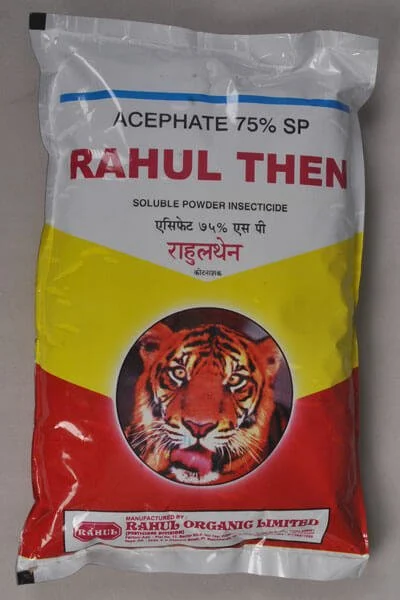
Acephate – Broad-Spectrum Foundation
Acephate has historically been valued for broad-spectrum activity, depending on local registrations. It can provide control against:
- Many chewing insects (for example caterpillars and some beetles)
- Many sucking insects (such as aphids and leafhoppers)
Typical use areas (where registered):
- Cotton, where both chewing and sucking pests may be present
- Vegetables, under mixed pest pressure
- Tobacco and other field crops where broad-spectrum control is required
Positioning:
- A foundation product that can handle mixed pest complexes, particularly in conventional programs and cost-sensitive segments.
Imidacloprid – Systemic Workhorse for Sucking Pests
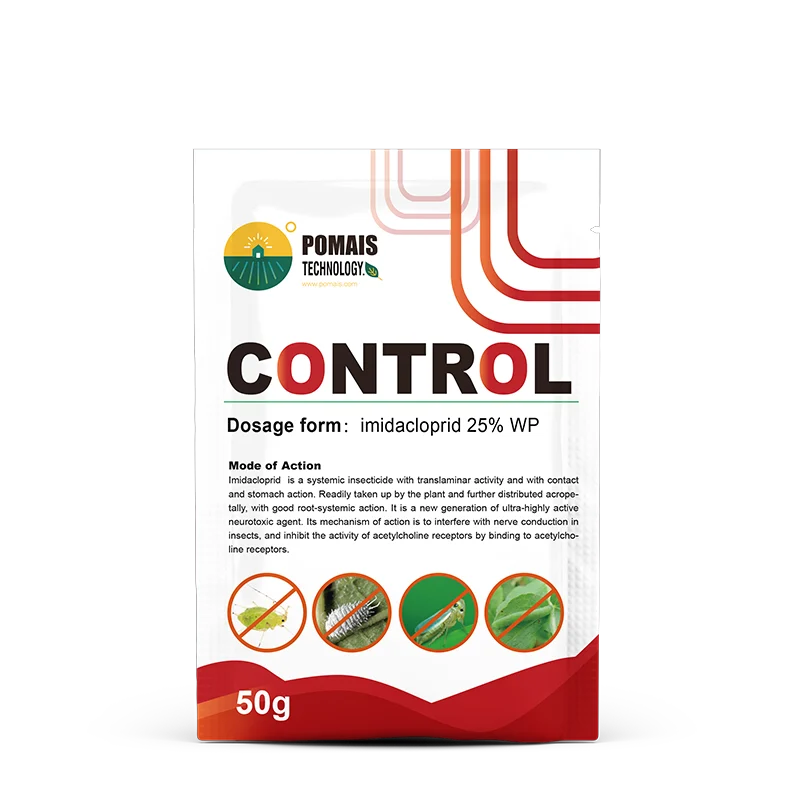
Imidacloprid is especially strong on sucking pests, such as:
- Aphids
- Whiteflies
- Leafhoppers
- Some scale insects and other sap-feeders
Depending on registration, it is used in:
- Vegetables and fruits
- Potatoes and other field crops
- Seed treatments for cereals and other crops
- Ornamentals and nursery stock
Positioning:
- A core systemic solution where sucking pests are key drivers of yield loss and quality problems.
- A multi-purpose active that can be integrated into foliar, soil or seed treatment programs (where allowed by label).
Dinotefuran – High-Solubility Systemic Option
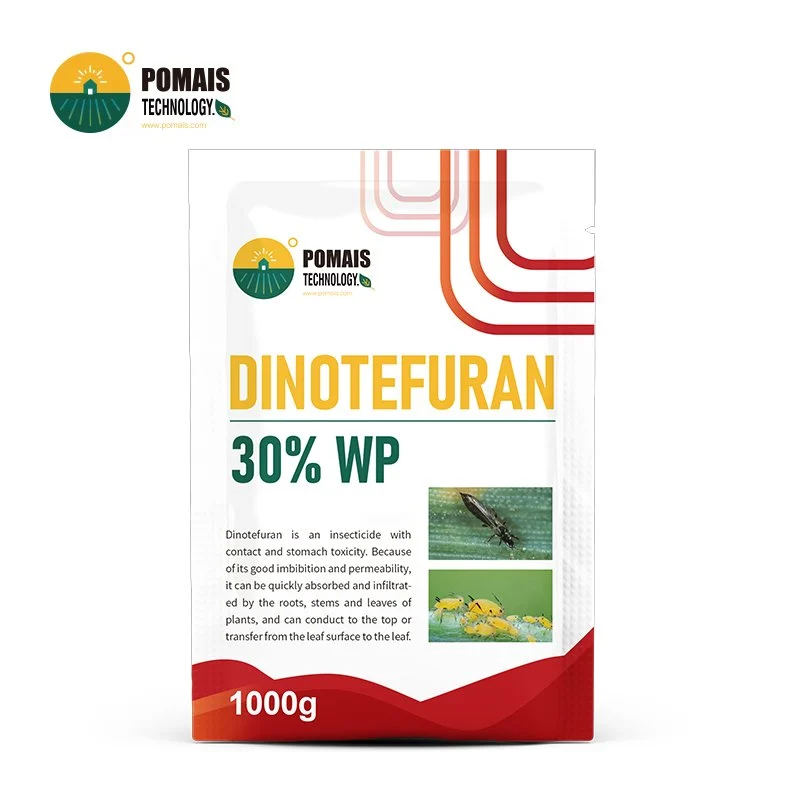
Dinotefuran is also a neonicotinoid targeting mainly sucking pests. It is often recognized for:
- High water solubility and rapid movement in the plant
- Reliable performance under challenging conditions, such as high temperatures or frequent irrigation, subject to local labels
- Use in certain high-value crops where fast uptake and systemic reach are critical (where registered)
Positioning:
- A premium systemic option for situations where:
- Pest pressure is high and difficult to control
- Conditions make rapid uptake and reliable systemic distribution particularly valuable
- High-value crops demand strong, consistent performance with careful stewardship
Systemicity, Speed and Duration: How They Complement Each Other
Although all three actives are systemic, they are not identical in how they move, how fast they act and how long they last.
Systemicity
- Acephate:
- Displays systemic movement within the plant after uptake.
- Also has contact and ingestion activity, making it effective on pests exposed on treated surfaces and plant tissues.
- Imidacloprid:
- Strong systemic properties, particularly in soil or seed uses (where registered).
- Redistributes to protect new growth against sucking pests.
- Dinotefuran:
- Highly water-soluble, with rapid uptake and systemic movement.
- Can fit well in systems where root uptake and fast internal distribution are important (subject to label approvals).
Speed of Action
- Acephate is often perceived in the field as a fast-acting organophosphate, giving visible reduction in pest activity relatively quickly after foliar application.
- Imidacloprid combines relatively fast action with systemic control; it is not just a knockdown insecticide, but a tool for ongoing suppression of pest populations.
- Dinotefuran is frequently positioned as offering rapid uptake and action against difficult sucking pests, especially in high-value or stressful conditions, subject to local data and labels.
Duration of Control
Actual duration always depends on:
- Application method
- Use rate and timing as per label
- Crop type
- Environmental conditions
But in generalized portfolio terms:
- Acephate is often used for shorter-term control and quick knockdown during high-pressure phases.
- Imidacloprid is chosen for longer, steady control, particularly when used in soil or seed treatments where registered.
- Dinotefuran is positioned where both rapid uptake and effective systemic protection are required, often in more demanding scenarios.
The key message:
These three actives should be viewed as complementary rather than competitors in every situation. Each plays a different role on the speed–duration–systemicity triangle.
Safety, Environment and Regulatory Pressure
Any modern insecticide portfolio must be built with safety and regulation in mind. Acephate, imidacloprid and dinotefuran each sit under a different type of scrutiny.
Acephate – Organophosphate Safety Considerations
As an organophosphate:
- Acephate is associated with cholinesterase inhibition risks in humans and other animals at sufficient exposure.
- Many regulatory frameworks focus heavily on:
- Worker and applicator protection
- Re-entry intervals and restricted entry periods
- Proper handling, mixing and spraying practices
In some regions, there is a clear trend toward stricter control of organophosphate use or gradual reduction where alternatives are available.
Professional implications:
- Any acephate-based product requires strong stewardship, with emphasis on personal protective equipment and strict label compliance.
Imidacloprid and Dinotefuran – Neonicotinoid Scrutiny
As neonicotinoids:
- Imidacloprid and dinotefuran are under close attention regarding:
- Potential risk to pollinators, especially bees
- Effects on beneficial insects and non-target arthropods
- Some jurisdictions have introduced:
- Restrictions on certain uses (e.g. some seed treatments or flowering crops)
- Additional risk mitigation measures and conditions
While specific regulations differ country by country, one constant remains:
- The use of neonicotinoids demands strict adherence to current national rules and product labels, particularly for bee-attractive crops and during flowering.
A Common Risk Framework
A balanced way to communicate with your customers is:
All three actives – acephate, imidacloprid and dinotefuran – have real hazard properties.
The risk to operators, consumers and the environment depends on exposure, which must be controlled by following product labels and local regulations.
In other words:
Risk = Hazard × Exposure.
This applies equally to organophosphates and neonicotinoids. None of these actives is “risk-free”; they are tools that must be managed responsibly.
Portfolio Design: Positioning Acephate, Imidacloprid and Dinotefuran
From a portfolio perspective, you are not just comparing three molecules – you are designing a tiered and structured product line.
Tiered Positioning by Cost and Performance
One practical way to structure your offering is to think in tiers:
- Acephate – Foundation / Entry Tier
- Broad-spectrum, cost-effective tool for high-pressure situations and cost-sensitive segments, where organophosphates remain permitted and accepted.
- Often used in large-acre programs in conventional markets.
- Imidacloprid – Core Systemic Tier
- Main systemic neonicotinoid for sucking pests, with flexible application modes (foliar, soil, seed) where registered.
- Acts as a “workhorse” for many mainstream crops.
- Dinotefuran – Premium Systemic Tier
- Positioned for high-value crops and challenging pest situations where fast uptake, high solubility and reliable systemic performance are required (subject to label).
- Often used where growers are willing to pay for added performance and flexibility.
This does not mean one is “good” and another “bad”; it means each is optimized for different segments and expectations.
Application Role Mapping
Without giving any recipes or rates, you can think about how they fit into different roles:
- Early-season protection (seedling & young plant stage):
- Here, systemic neonicotinoids (imidacloprid or dinotefuran) may be positioned through soil or seed uses where allowed by registration.
- Goal: protect young plants from early sucking pest attacks.
- Peak pressure knockdown:
- Acephate can be positioned as a broad-spectrum knockdown option during high-pressure periods, where organophosphates remain registered and suitable.
- The focus is on quick relief from mixed pest complexes.
- High-value late-stage protection:
- Dinotefuran may be positioned for high-value crops and demanding conditions (where registered), particularly where rapid uptake and systemic reach support high-quality harvest.
In reality, your local crop structure, climate, pest complex and regulations will determine the details. The point is to assign each active a clear, differentiated role, rather than letting products compete internally without strategy.
Combination and Rotation Principles (Without Recipes)
Using the Three Actives in One Season – Principles Only
It is entirely possible for a single farm or grower to use acephate, imidacloprid and dinotefuran within the same season – provided all uses are:
- Clearly registered for the crop and pest
- Applied in line with label instructions
- Integrated into a broader IPM and resistance management framework
From a principle point of view:
- Acephate (1B) can serve as a different mode-of-action option alongside 4A neonicotinoids and other classes, as long as regulatory and stewardship conditions are respected.
- Imidacloprid and dinotefuran, being both 4A, should be managed as part of the same MOA group, not as separate rotation pillars.
Role in IPM
None of these actives should be used in isolation as the only answer:
- Combine chemical tools with:
- Pest monitoring
- Threshold-based interventions
- Cultural practices (crop rotation, sanitation, etc.)
- Biological and mechanical solutions where available
Any rotation, alternation or combination must be built within the legal framework, taking into account:
- Local resistance management guidelines
- Label limitations on frequency and timing
- Environmental risk mitigation measures
This article does not recommend any specific tank mixes, rates or schedules. It focuses on higher-level design principles.
Comparison Tables
1 Technical Overview Table
| Dimension | Acephate | Imidacloprid | Dinotefuran |
|---|---|---|---|
| Chemical Class | Organophosphate | Neonicotinoid | Neonicotinoid |
| IRAC Group | 1B (cholinesterase inhibitor) | 4A (nAChR agonist) | 4A (nAChR agonist) |
| Pest Focus | Chewing + sucking pests (label-dependent) | Mainly sucking pests | Mainly sucking pests, including difficult situations (label-dependent) |
| Systemicity | Systemic + contact/ingestion | Strong systemic via foliage/soil/seed (where registered) | Strong systemic with high water solubility and rapid uptake (where registered) |
| Speed vs Duration | Fast knockdown, shorter residual | Balanced speed and residual systemic control | Rapid uptake and systemic control in demanding conditions |
| Safety / Regulatory Focus | Worker and mammalian safety; OP regulations | Pollinators and environment; neonic regulations | Pollinators and environment; neonic regulations |
| Typical Portfolio Role | Foundation, broad-spectrum knockdown | Core systemic workhorse for sucking pests | Premium systemic for high-value or difficult scenarios |
2 Portfolio Role Table
| Dimension | Acephate | Imidacloprid | Dinotefuran |
|---|---|---|---|
| Cost Sensitivity | Strong fit for cost-sensitive programs | Mid to high value depending on use pattern | Positioned as a higher-value option |
| Pest Pressure Level | High-pressure, mixed pest complexes | Moderate to high pressure, mainly sucking pests | High pressure, difficult populations (label-dependent) |
| Crop Value | Broad-acre and conventional crops | Broad-acre + higher value crops | High-value crops and premium segments |
| Program Role (Conceptual) | Foundation knockdown tool | Core systemic protection | Premium systemic refinement and problem-solver |
| Resistance Management Function | Alternative MOA vs 4A (where appropriate) | Part of 4A neonic group | Also part of 4A neonic group |
These tables help you train your sales team and technical staff to explain not just what each active is, but how it should be used within a structured portfolio.
FAQ: Acephate, Imidacloprid and Dinotefuran
1. Can I use acephate, imidacloprid and dinotefuran on the same farm in one season?
Yes, it is possible to use all three actives within one season on the same farm, provided:
- Each use is registered for that crop and pest
- All label instructions and local regulations are followed
- The overall program is structured within a resistance management and IPM framework
Decisions about sequence and timing must be made with local technical advice and in full compliance with the label.
2. Is dinotefuran always a better version of imidacloprid?
No. Dinotefuran is not simply a “better imidacloprid.”
Both are IRAC 4A neonicotinoids, but they have different physical properties and commercial positioning. Dinotefuran is often marketed for high water solubility and rapid uptake in demanding conditions and high-value crops, while imidacloprid is a widely used core systemic in many mainstream crops.
Which is more appropriate depends on:
- Pest complex
- Crop and production system
- Application method and timing
- Local regulations and market expectations
3. Which active should I focus on for aphids and whiteflies in high-value crops?
For aphids and whiteflies, systemic neonicotinoids such as imidacloprid and dinotefuran are often central tools (where registered), because of their strong activity on sucking pests and systemic reach.
However, the right choice depends on:
- The specific crop and production value
- The history of pesticide use and potential resistance issues
- The available formulations and registered uses in your country
Acephate can also be part of programs against these pests, especially in mixed complexes, but should not be seen as a direct one-to-one replacement for systemic neonics.
4. How do I talk about organophosphates vs neonicotinoids with my customers?
A professional way to frame it is:
- Organophosphates (acephate) – Broad-spectrum, fast-acting, long-established chemistry. Focus of discussion: worker safety, protective equipment, and any regulatory trends in your market.
- Neonicotinoids (imidacloprid, dinotefuran) – Modern systemic insecticides for sucking pests and seed/soil uses. Focus of discussion: protection of pollinators and beneficial insects, compliance with specific neonicotinoid regulations.
The key is to present each group as a tool with strengths and responsibilities, not as “good” or “bad” categories.
5. What is the safest way to design a resistance management plan with these three actives?
The safest way is to:
- Treat acephate (1B) as a different MOA from the neonicotinoids (4A).
- Recognize that imidacloprid and dinotefuran belong to the same IRAC group (4A) and must be managed as one group in resistance planning.
- Integrate other MOA groups and non-chemical measures, rather than relying on any single active or group.
- Follow local resistance management guidelines, crop-specific recommendations and product labels.
Any detailed plan must be developed with local agronomic expertise and in line with national regulations.
Designing a Systemic Insecticide Line for Your Market
Acephate, imidacloprid and dinotefuran should not be viewed as three isolated products fighting for shelf space. They should be seen as building blocks in a carefully designed systemic insecticide line.
A strategic approach is to:
- Use acephate as a broad-spectrum foundation in approved crops and segments where cost and mixed pest pressure dominate.
- Build imidacloprid into your portfolio as a core systemic neonic for sucking pests, including seed and soil programs where regulations permit.
- Position dinotefuran as a premium systemic solution for high-value crops, difficult pest situations and demanding conditions, within the same IRAC group and regulatory considerations.
From there, you can:
- Align your product range with local crop structures and pest profiles.
- Integrate your products into resistance-aware IPM programs, not one-dimensional “single-molecule” solutions.
- Offer your customers not only products, but a coherent strategy backed by technical understanding and responsible stewardship.
Handled this way, “acephate, imidacloprid and dinotefuran” becomes less of a list of actives and more of a portfolio architecture that supports long-term business and grower trust.
Hot Products
Hot news
Recommended news
FAQ
