Abamectin Nematode Control: Can It Control Nematodes?
I see three recurring search questions from growers, agronomists, and procurement teams: “abamectin nematode control”, “can abamectin control nematodes?”, and “what is the best insecticide for nematodes?”
My goal in this article is to give you a decision-ready answer—commercially realistic, compliance-aware, and easy to scan—without drifting into dosage, mixing instructions, or field “how-to” steps. As always, follow the product label and local regulations.
Can abamectin control nematodes?
Yes—abamectin can suppress certain plant-parasitic nematodes when the product is labeled and positioned for nematode management and when exposure is aligned with where nematodes attack (most often around early root development). In professional programs, I treat abamectin as a situational nematode tool: high value in the right use pattern, not a universal solution for every species, crop, or pressure level.
One important clarification: nematodes are not insects. When someone asks “the best insecticide for nematodes,” I interpret it as:
What is the best nematode control option for my crop, region, and pressure level—under compliance constraints?
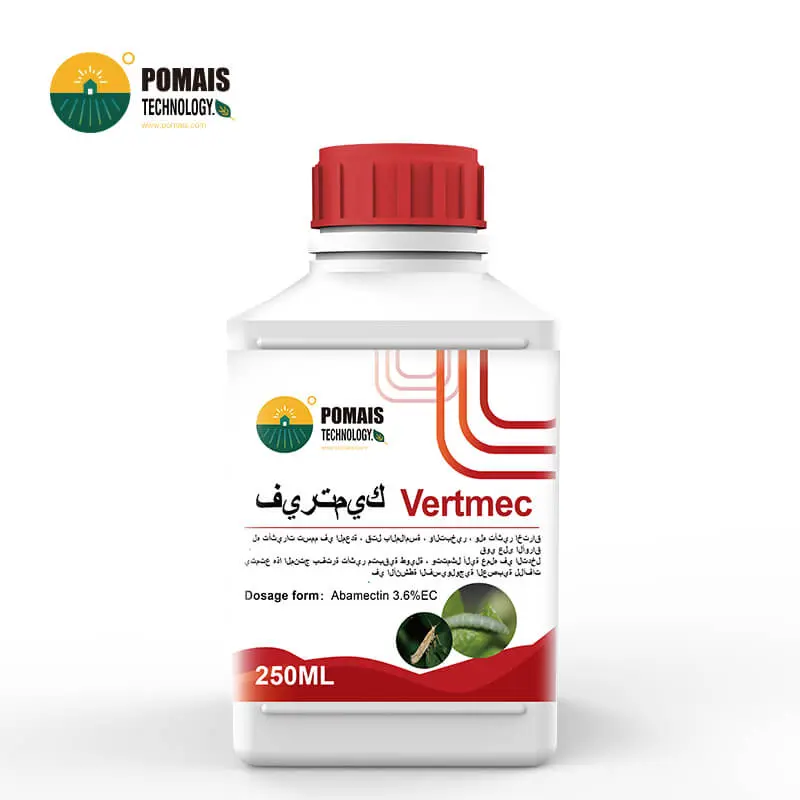
Abametic
What abamectin is (and what it is not) in nematode programs
Where abamectin sits commercially
Abamectin is widely recognized as an insecticide/miticide in many crop protection portfolios. In nematode programs, its most defensible positioning is where you see label-backed nematode claims and formulation intent that supports early-season protection. A common market reality is that abamectin appears as an on-seed nematicide/insecticide concept in certain crops and regions—designed to protect seedlings during the most vulnerable establishment window.
For buyers, this is the commercial line you should not cross:
- Ingredient name alone does not equal nematode performance.
- Label scope + formulation intent + exposure pathway determine whether the program is credible.
High-level mode of action (for stewardship decisions)
From a stewardship perspective, abamectin belongs to the avermectin (macrocyclic lactone) family and is associated with IRAC Group 6 (GluCl activators/modulators). I do not mention this to sound technical—I mention it because it supports rotation planning and helps you avoid over-reliance on a single mode of action.
When abamectin makes sense for nematode control
Best-fit objective: early-season protection and yield stability
Where I see abamectin add the most business value is early-season protection—reducing initial nematode injury so the crop establishes stronger roots and maintains yield potential. In practice, this matters because early setbacks are expensive: replant risk rises, growth uniformity drops, and downstream inputs become less efficient.
Pressure level: set expectations that protect your margins
Abamectin is not a “reset button” for heavy, multi-species nematode pressure. When a field has a long history of nematode-driven yield loss or complex species pressure, outcomes are typically strongest when abamectin is placed inside a stacked strategy (crop rotation decisions, sanitation, resistant varieties where available, monitoring, and carefully selected chemistry). In those scenarios, I position abamectin as a performance stabilizer rather than a stand-alone cure.
Why formulation and exposure pathway matter more than the ingredient name
Nematode control is a classic “right place, right time” problem. Nematodes feed where roots are—especially during early growth. So when I evaluate abamectin for nematodes, I focus on dose–exposure alignment in the root zone, not marketing claims.
Here is how I translate that into procurement language:
- Ask whether the product is engineered and labeled for nematode suppression (not implied).
- Confirm the crop fit and target nematode claim match your real field diagnosis and portfolio needs.
- Require performance evidence that resembles your operating reality (region, soil conditions, cropping system).
- Validate the supplier’s quality and documentation discipline (COA/SDS/TDS, traceability, consistency controls).
This approach reduces the two most common failures I see: buying a strong ingredient in the wrong positioning, and assuming one abamectin format performs like another.
“What is the best insecticide for nematodes?” A buyer-grade selection approach
I do not use “best insecticide for nematodes” in professional decision-making because it mixes categories. The better question is:
What is the best nematode control option for this crop, this region, and this pressure level—under our compliance constraints?
Instead of naming a single winner, I use a decision matrix that prevents expensive mismatches.
Nematode Control Selection Matrix
| Decision factor | Where abamectin-based nematode positioning fits | When you should prioritize alternatives |
|---|---|---|
| Program objective | Early-season protection to reduce initial root injury | Rapid suppression for severe or complex infestations |
| Pressure level | Low–moderate pressure where establishment is the key risk | High pressure, repeated yield loss history, multi-species suspected |
| Operational fit | When you need a solution that integrates into existing workflows | When you can support a broader, multi-tool nematode strategy |
| Compliance & stewardship | When controlled, label-aligned use is feasible and documented | When restrictions, audits, or market approvals narrow applicability |
| Resistance management | As one component in a rotation-aware plan | When performance trends down and program rotation must be rebalanced |
A simple procurement takeaway: “Best” is fit, not force. The strongest chemistry can become the weakest choice if the label scope, exposure pathway, or compliance conditions do not match your deployment reality.
Procurement checklist: what I request before approving an abamectin nematode program
1) Label and market access fit
I verify the product is labeled for nematode management in the target market and that the crop and use pattern match the customer’s commercialization plan. If label scope does not support the claim, the program is high risk.
2) Target species clarity
“Nematodes” is not a single target. I require clarity on which plant-parasitic nematodes the claim covers (for example, root-knot nematodes in many cropping discussions) and how that aligns with the buyer’s diagnosis or historical pressure.
3) Evidence that resembles our reality
I look for performance references that resemble your conditions: region, soil type, climate pressure, and cropping system. If evidence is greenhouse-only or context-mismatched, I treat claims cautiously and adjust expectations.
4) Quality and compliance documentation
For professional procurement, these are non-negotiable: COA, SDS/MSDS, TDS, batch traceability, and quality-control discipline. If a supplier cannot support consistency and documentation, I do not approve the program.
Compliance note: all use must be label-driven and aligned with local regulations.
FAQ
Abamectin nematode control: does it work in real programs?
It can. I see the best results when abamectin is used in label-aligned nematode positioning and integrated into a structured program—most often to protect early root development rather than to solve severe pressure as a stand-alone tool.
Can abamectin control nematodes?
Yes—abamectin has demonstrated activity against certain plant-parasitic nematodes in agriculture. In practical deployments, performance depends on label scope, formulation intent, and exposure pathway alignment around the root zone.
What is the best insecticide for nematodes?
Nematodes are not insects, so “best insecticide” is not the right category. The professional solution is to choose the best nematode control option for your crop and pressure level—often a combination of compatible chemistry, crop rotation, sanitation, resistant varieties where available, and monitoring.
Is abamectin a nematicide or an insecticide?
In many markets, abamectin is widely used as an insecticide/miticide; in some programs it is also positioned as a nematode tool. Commercially, what matters is the product label, claims, and formulation design for the intended target and crop.
What should professional buyers evaluate before selecting an abamectin nematode solution?
I recommend a buyer-grade checklist: label scope in your market, target nematode claims, crop fit, documentation package (COA/SDS/TDS), supplier QC controls, and evidence resembling your production conditions. If any of these are missing, treat the project as high-risk and evaluate alternatives.
Need a market-fit abamectin nematode solution?
If you are building a nematode control portfolio and want to evaluate abamectin-based options responsibly, I can support you with a professional buyer package: specifications, compliance documents (COA/SDS/TDS), label adaptation support, and market-fit formulation/packaging formats.
Share your crop focus, target markets, and dominant nematode pressure, and I will recommend a compliant solution shortlist—starting with abamectin where it fits and alternatives where it does not.
Hot Products
Hot news
Recommended news
FAQ