Tebufenpyrad 20% WP Miticide
METI Acaricide (IRAC 21A) for Persistent Mite Pressure
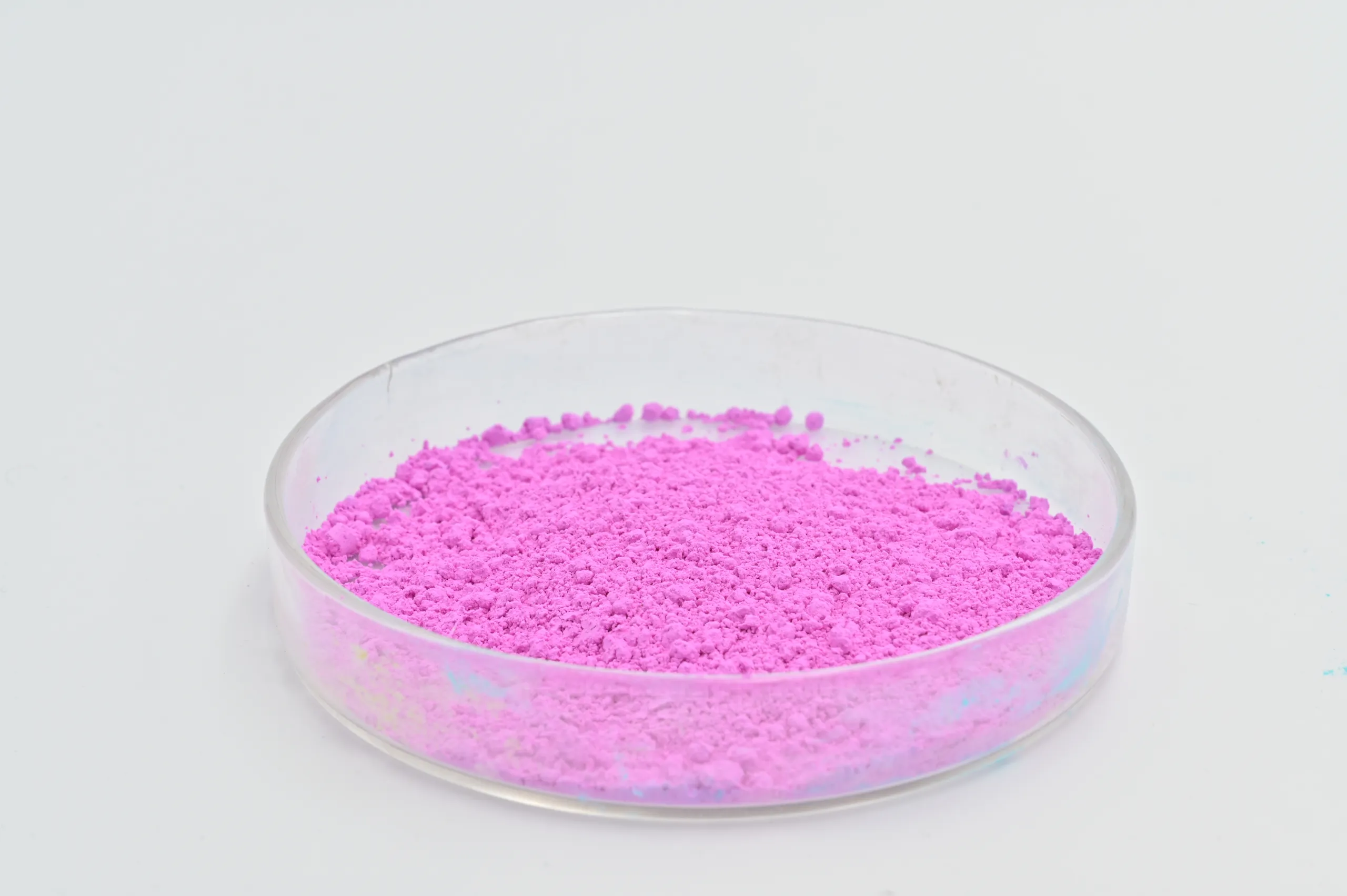
Tebufenpyrad 20% WP is a METI miticide designed for persistent mite pressure on high-value crops. With contact and ingestion activity, translaminar reach, and performance across multiple mite life stages, it is positioned for spider mites, rust mites, and tarsonemid mites in crop programs that require fast suppression and dependable residual control.
For importers, distributors, and brand owners, POMAIS supplies Tebufenpyrad 20% WP with export-ready documentation, OEM/private label support, and flexible pack options. This page is built for professional buyers evaluating a mite-control product for commercial supply, market listing, or channel expansion.
- Designed for Professional Buyers & Bulk Orders
- We support custom packaging, labeling, and formulation to meet your market needs.
- Export wholesale inquiries only.
- Please include destination country, business type (importer/distributor/registrant), and expected volume.
- Retail requests will not be processed.

About Tebufenpyrad 20% WP Miticide
| Product Name | Tebufenpyrad 20% WP |
| Active Ingredient | Tebufenpyrad |
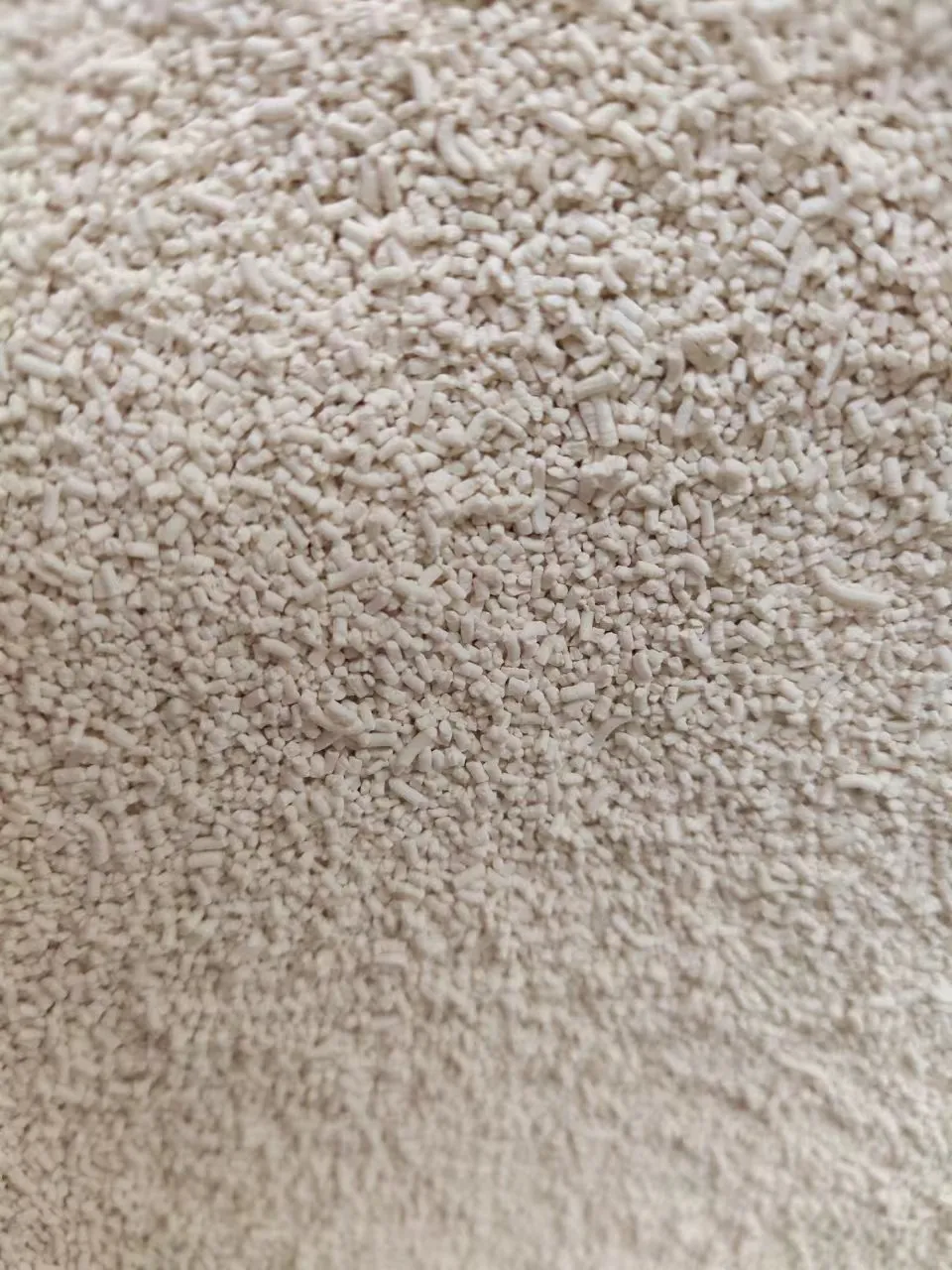
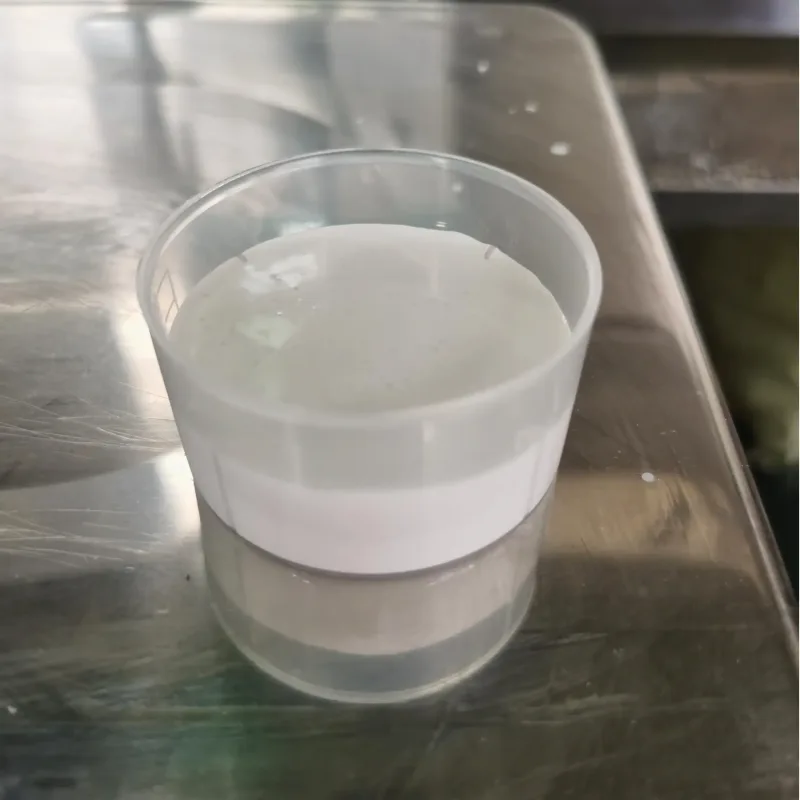
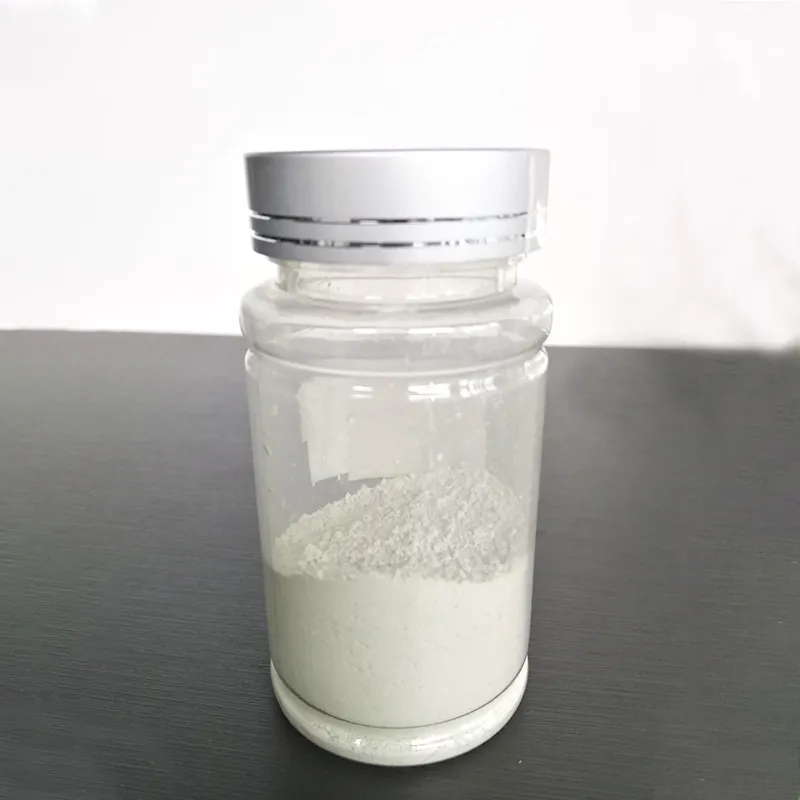
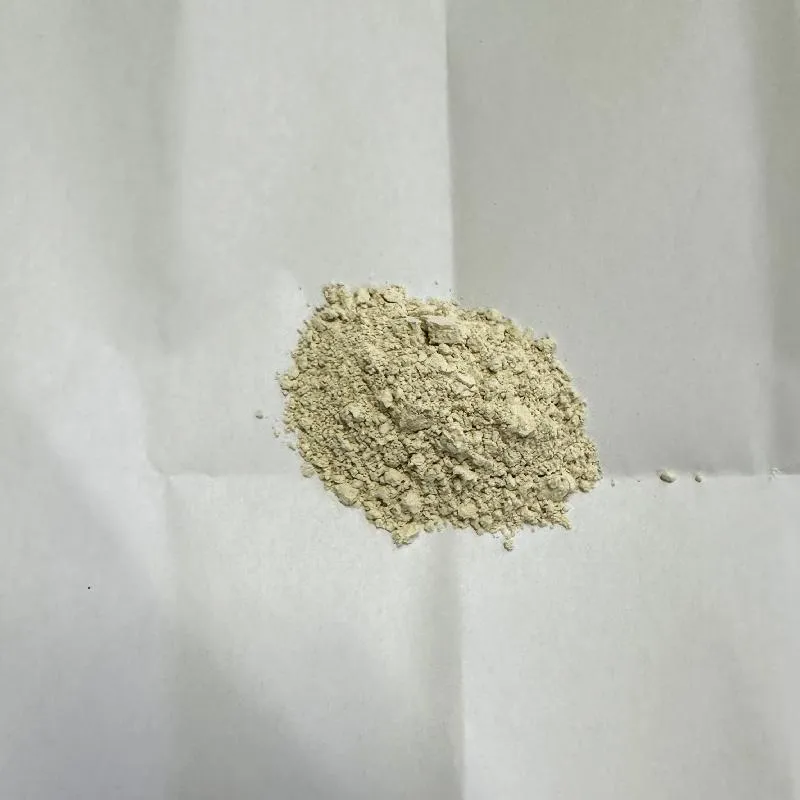
| Formulation | Wettable Powder (WP) |
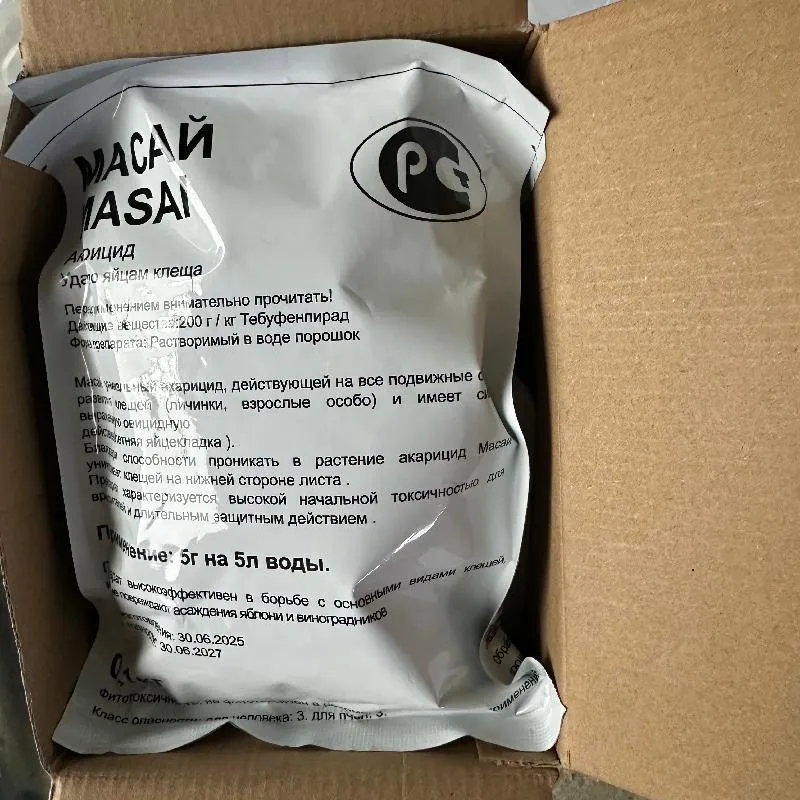
| Assay | 200 g/kg, w/w |
| IRAC Group | 21A |
| Chemical Positioning | METI miticide / acaricide |
| Activity | Contact + ingestion |
| Movement | Translaminar |
| Main Targets | Spider mites, rust mites, tarsonemid mites |
| Crop Scope | Citrus, pome fruit, berries, grapevine, vegetables, soybeans (subject to local label) |
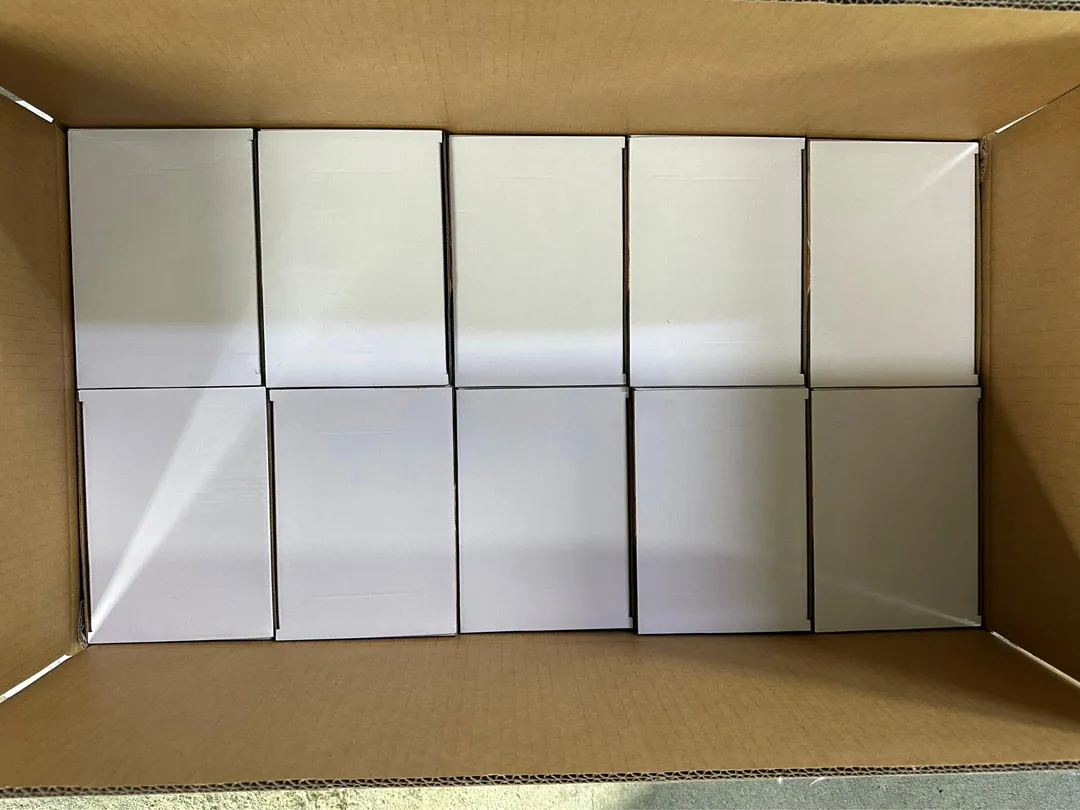
| Pack Sizes | 100 g, 250 g, 500 g, 1 kg |
| Branding | POMAIS or OEM/private label |
| Documents | COA, MSDS, spec sheet, artwork support |
| Shelf Life | 2 years in sealed original packaging |
What Tebufenpyrad 20% WP Is and Why This Formulation Works
Tebufenpyrad 20% WP is a METI miticide positioned for recurring mite pressure in crop systems where fast suppression and reliable residual performance are required. It is not a generic broad insect control product. Its core value lies in mite management, especially where spider mites, rust mites, or tarsonemid mites threaten crop quality, yield stability, and pack-out performance. IRAC classifies tebufenpyrad within Group 21, with tebufenpyrad specifically in chemical class 21A. Nichino Europe and AERU also describe it primarily in acaricide/miticide terms for mite control rather than as a standard insecticide.
The 20% wettable powder format works well when buyers need a balance of formulation practicality, storage stability, and commercial pack flexibility. For supply projects, WP supports retail pouch formats, distributor packs, and private-label programs while keeping product identity, assay expression, and document control more consistent across artwork, specifications, and export paperwork. On the field side, the formulation is positioned for dependable dispersion and even foliar deposition when used strictly according to the approved local label.
Why the Product Fits Commercial Mite-Control Programs
For channel partners, the value of Tebufenpyrad 20% WP is not only technical efficacy. It also gives you a clearly positioned mite-control product that can be explained, listed, and sold more easily than a loosely defined “insecticide” SKU. That sharper positioning improves portfolio clarity and reduces confusion at the distributor and grower level.
Why 20% WP Works for Supply Projects
The 20% WP format supports moisture-barrier packaging, practical retail sizing, and stable document alignment across label, COA, MSDS, and specification sheets. This matters in real export business because consistency across product name, assay, formulation, and paperwork is part of what makes a product easier to register, review, and scale.
Target Mites, Crop Scope, and Market Fit
Tebufenpyrad 20% WP is positioned mainly for mite control on high-value crops where recurring pressure can quickly reduce crop quality and marketable yield. Typical target groups include spider mites, rust mites, and tarsonemid mites, while crop references often include citrus, pome fruit, berries, grapevine, vegetables, and soybeans. Public product references from Nichino Europe and AERU align with this mite-control positioning across multiple crop systems.
For your website, the key message should not be that every crop and every mite claim applies everywhere. The key message should be that Tebufenpyrad 20% WP is a mite-control product whose approved crop scope, target claims, intervals, and use conditions vary by market. This makes the page more credible for importers and distributors evaluating registration fit or market-entry potential.
| Crop Group | Typical Mite Pressure | Positioning Note |
|---|---|---|
| Citrus | Spider mites, rust mites | Suitable where leaf and fruit quality are sensitive to mite injury |
| Pome Fruit | European red mite, spider mites | Useful where repeated pressure affects canopy quality and fruit finish |
| Berries | Spider mites, broad/tarsonemid mites | Fits programs that need quick intervention and clean follow-up |
| Grapevine | Spider mites, rust/eriophyid mites | Relevant where underside coverage and residual support are important |
| Vegetables | Spider mites, broad/russet mites | Often considered in intensive crop systems with frequent scouting |
| Soybeans | Spider mites | Market fit depends on local label scope and agronomic practice |
Mode of Action & Stewardship
Tebufenpyrad belongs to IRAC Group 21 and, more specifically, chemical class 21A within the METI acaricides and insecticides group. Its mode of action is based on inhibition of mitochondrial complex I electron transport, which disrupts cellular energy production in susceptible mites. This technical positioning is one of the strongest reasons to present the product as a miticide/acaricide page rather than as a generic insecticide page.
From a commercial and technical standpoint, this matters because mode of action affects how the product is positioned in mite programs, how it is rotated in resistance-management planning, and how your team explains its value to distributors and growers. IRAC resistance guidance for mites also reinforces the need to avoid repeated same-group use and to integrate 21A products into broader rotation planning rather than rely on continuous consecutive applications.
Why This Matters for Portfolio Planning
A clearly defined MoA helps buyers evaluate where Tebufenpyrad 20% WP fits versus other mite-control options in the same season. That improves internal portfolio structure, channel communication, and long-term product planning.
Field Value and Supply Value
Tebufenpyrad 20% WP creates value in two directions. In the field, it is positioned for persistent mite pressure where quick suppression, translaminar support, and residual performance matter. Public product references also emphasize fast knockdown, long-lasting control, and activity across multiple mite growth stages as key strengths of tebufenpyrad.
In the supply chain, the value comes from clear product positioning, stable wettable powder presentation, and export-ready documentation. For distributors and brand owners, that means a product that is easier to explain, easier to pack under private label, and easier to review for listing or registration planning.
Batch Quality and COA Support
Each batch of Tebufenpyrad 20% WP can be supported with COA, MSDS, and specification information so buyers can review assay identity, key physical-chemical indicators, and document consistency before shipment. The purpose of this section is not to overload the page with laboratory detail, but to show that the product is supplied with auditable batch records and aligned technical paperwork.
For importers, registrants, and private-label buyers, this matters because release documents, artwork data, and product identity need to stay aligned across packaging, specifications, and shipment files. That consistency reduces friction during review, audit, and market-entry preparation.
Use Information and Label Alignment
Rates, intervals, application timing, re-entry interval, pre-harvest interval, and compatibility requirements must follow the approved local label in the destination market. For an export-oriented product page, the goal of this section is not to publish a one-size-fits-all spray guide, but to make clear that Tebufenpyrad 20% WP should be marketed and used only within the crop scope, pest claims, and directions allowed in each target country.
POMAIS can support qualified buyers with label coordination, product documentation, and project-level technical review so the page, the pack, and the market requirements stay aligned before launch.
Compatibility and Tank-Mix Positioning
Tebufenpyrad 20% WP can be positioned within broader crop protection programs where local labels and technical conditions allow. However, compatibility should be confirmed according to approved tank-mix guidance, local water conditions, adjuvant use, and crop sensitivity in the destination market.
For product-page purposes, this section should communicate caution and professionalism rather than act as a field mixing manual. Buyers who need market-specific compatibility review can request project-level support during evaluation.
Safety and Environmental Positioning
Tebufenpyrad 20% WP is intended for professional agricultural use only. Hazard communication, operator protection, environmental precautions, first-aid statements, storage conditions, and re-entry or harvest restrictions must follow the approved label and regulatory framework in the destination market.
For commercial buyers, the key point is that product supply should be matched with correct hazard language, compliant artwork, and destination-specific document support. This improves audit readiness and reduces the risk of mismatch between pack text, technical files, and local compliance expectations.
Documentation, Private Label, and Market-Ready Supply
POMAIS can support Tebufenpyrad 20% WP projects with COA, MSDS, specification sheets, artwork coordination, and private-label packaging options prepared for commercial evaluation. For importers, distributors, and brand owners, this section is where the page shifts from product description to project execution.
We support multilingual labels, retail and wholesale pack planning, traceable lot and expiry control, and document alignment across packaging and shipment files. This helps buyers move faster from product interest to market review, especially when brand presentation, audit readiness, and local compliance all matter at the same time.
Why Choose POMAIS for Tebufenpyrad 20% WP
When you source Tebufenpyrad 20% WP from POMAIS, you are not only buying an active ingredient in a pack. You are working with a supplier that understands how a mite-control product needs to be presented, documented, and adapted for real market use.
We support batch traceability, document coordination, OEM/private label execution, and channel-oriented pack planning so your project can move with fewer communication gaps and better commercial consistency.
FAQs
Can you supply Tebufenpyrad 20% WP under private label?
Yes. POMAIS supports OEM and private-label projects, including multilingual label coordination, pack-size customization, and market-oriented artwork preparation.
What pack sizes are available?
Typical options include 100 g, 250 g, 500 g, and 1 kg. Other sizes can be discussed based on your channel structure and order plan.
Which documents can you provide?
We can provide COA, MSDS, specification sheets, and related product documentation for project evaluation, compliance review, and shipment support.
Is this product suitable for every market?
Not necessarily. Registration scope, approved crop claims, hazard statements, and label directions vary by country. Market fit should always be confirmed before launch.
Can I request a sample before bulk purchase?
Yes. Sample support can be discussed for project evaluation, subject to product status, destination requirements, and internal sample policy.
Discuss Your Tebufenpyrad 20% WP Requirement
If you are evaluating a mite-control product for distribution, branding, or market expansion, POMAIS can support your Tebufenpyrad 20% WP project with documentation, packaging options, and private-label coordination.
Please share your destination market, expected pack sizes, business type, and volume plan. Our team will review your requirement and respond with a market-fit supply proposal.
Contact us!
We will reply to you within 24 hours on business days!