
How long after applying glyphosate can I plant?
If you are using a herbicide that contains only glyphosate, you can usually plant within a few days after application. In many cases, the main reason for the waiting period is not that glyphosate “remains active” in the soil, but rather to allow sufficient time for the herbicide to fully penetrate the treated weeds before you disturb the area or plant again.
The exact answer depends on four practical factors: the product label, the type of plant you intend to grow, the type of weeds treated, and whether the herbicide contains any residual weed-control ingredients. If the product contains more than just glyphosate, the interval before replanting may extend from a few days to several weeks or even months.
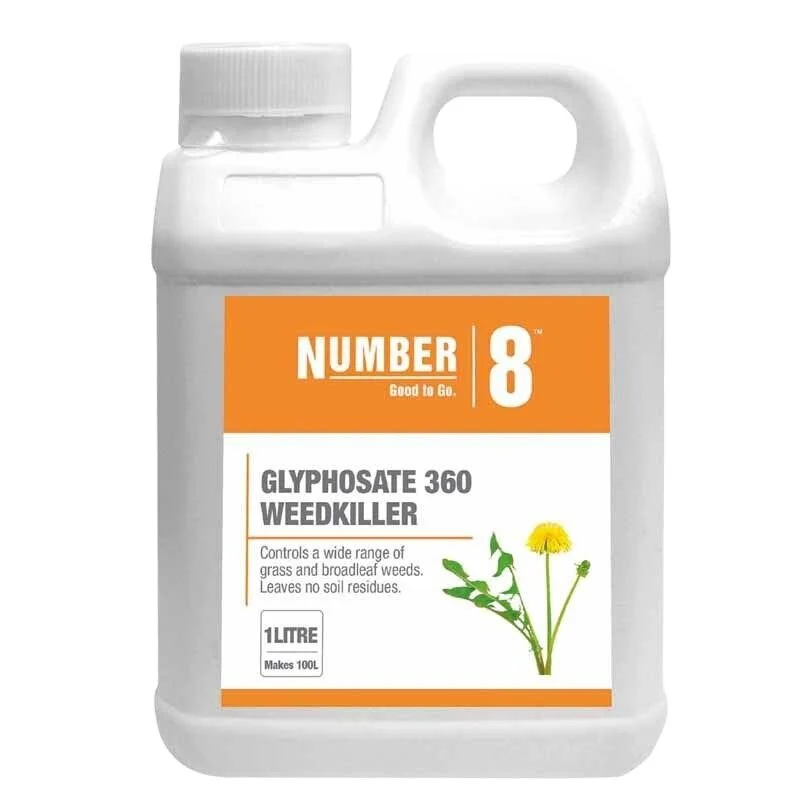
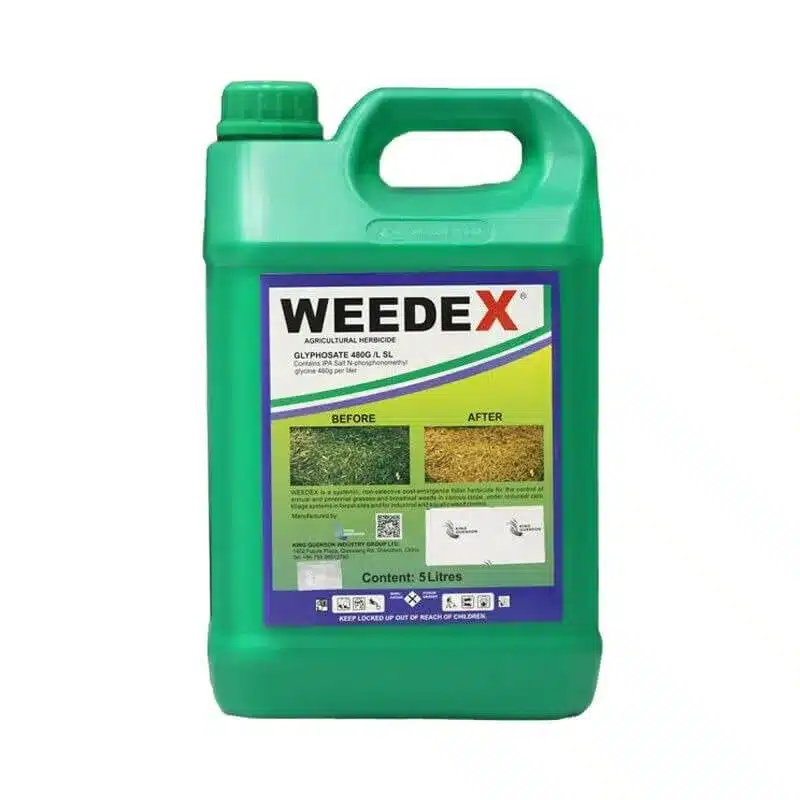
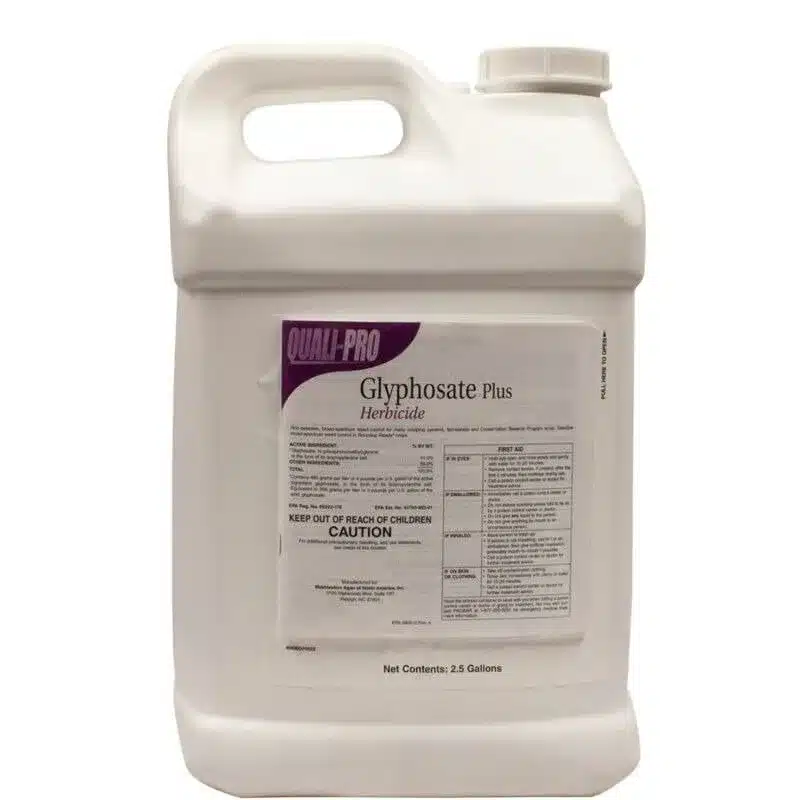
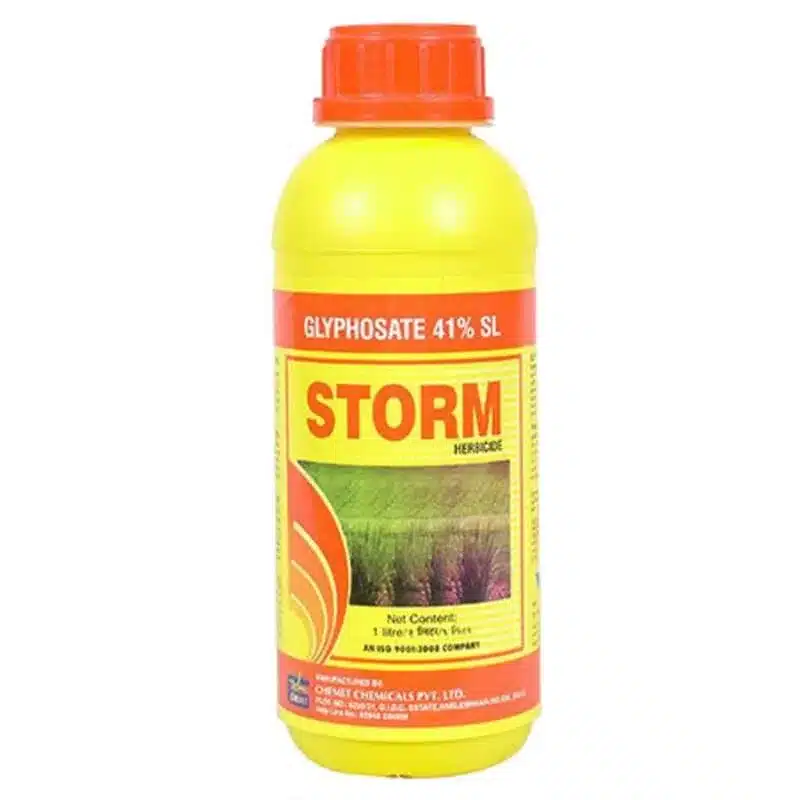
How long should you wait after applying glyphosate?
In most cases where glyphosate is applied alone, you can usually sow seeds or transplant seedlings after a few days, unless the label specifies a longer waiting period. However, for better weed control—especially before tilling, renovating a lawn, or planting in areas with established perennial weeds—waiting 3 to 7 days is a more practical option.
| Planting Situation | Practical Waiting Logic | What It Means in the Field |
|---|---|---|
| Vegetable seeds | Often a few days, if the label allows | Wait until spray has dried and treated weeds have started absorbing the herbicide |
| Flower beds | Often a few days, if using glyphosate-only | Avoid planting into areas with wet spray residue or green treated weeds touching new plants |
| Lawn reseeding | A few days may be enough; 7 days is often safer for weed control | Waiting helps glyphosate move into roots, crowns, rhizomes, or stolons |
| Crop field preparation | Usually label-dependent | Annual weeds may need less waiting time than perennial weeds |
| Transplants | Usually after spray dries and label interval is met | Keep young leaves and roots away from fresh herbicide contact |
| Trees and shrubs | Follow the label carefully | Woody plants may have longer replanting restrictions |
| Residual weed-preventer products | Could require weeks or months | These products should not be treated like glyphosate-only herbicides |
The safest approach is quite simple: First, confirm whether the product contains only glyphosate. If it also contains other active ingredients designed to prevent new weeds from sprouting, do not schedule the application based on the assumption that it contains only glyphosate.
Key Verification Point: Is the product a glyphosate-only formulation or a residual herbicide mixture?
Before deciding when to plant, check the “Active Ingredients” section on the product label.
Herbicides containing only glyphosate act primarily through green plant tissue. Once absorbed by the leaves, it moves throughout the treated weeds. Once glyphosate enters the soil, it tends to bind strongly to soil particles, which significantly reduces its availability to newly planted crops or seedlings. Agricultural extension materials indicate that once glyphosate binds to soil particles, its actual residual activity in the soil is negligible or nonexistent.
This is why many glyphosate-only products allow for relatively short replanting intervals.
However, many herbicide products do not contain glyphosate alone. Some products also contain additional residual herbicides designed to prevent weeds from germinating after treatment. Such products may result in significantly delayed planting times. Some consumer-facing herbicide labels distinguish between the short replanting intervals for specific plants and the longer restrictions set for products claiming “extended weed control.”
Therefore, the primary question is not “How long does glyphosate remain in the soil?” but rather:
What exactly did you spray?
Does glyphosate remain active in the soil after application?
Glyphosate is a non-selective, systemic herbicide. It controls weeds in their active growth stages through foliar absorption, rather than through soil action. After application, glyphosate moves through the weed’s tissues and disrupts the enzymatic metabolic pathways necessary for plant growth. This is why treated weeds gradually turn yellow, wilt, and die, rather than collapsing immediately.
In the soil, glyphosate behaves differently from residual herbicides. It binds tightly to soil particles, making it virtually impossible for the root systems of newly planted plants to absorb it. Literature from universities and agricultural extension agencies typically explains that it is precisely because of this strong binding property that glyphosate exhibits little to no herbicidal activity in the soil.
This does not mean that glyphosate disappears immediately. It may still remain in the soil for some time, with the duration depending on soil type, climate, microbial activity, and moisture levels. The key point is that residual presence does not equate to effective soil-based weed control. Glyphosate is not typically used as a soil-residual herbicide to prevent new weed seeds from germinating.
Therefore, planting decisions should focus on label instructions, spray dryness, weed uptake, crop sensitivity, and whether any residual herbicides are present.
Why It’s Still Important to Wait Before Planting
If glyphosate has very low activity in the soil, why wait at all?
The main reason is weed control effectiveness. Glyphosate needs time to be taken up by the leaves and move throughout the treated weeds. This is especially important when controlling established grass weeds, perennial weeds, rhizomes, stolons, or deep-rooted plants.
If treated weeds are tilled, mowed, pulled, harrowed, or disturbed too soon, the herbicide may not fully penetrate the root system. While the above-ground parts may appear damaged, the underground parts may survive and regrow.
This is particularly important in the following situations:
- Lawn renovation
- No-till or reduced-till field preparation
- Vegetable bed preparation
- Strip weeding in orchards or vineyards
- Control of perennial weeds
- Areas with rhizomes, stolons, root crowns, or deep roots
For annual weeds, the required waiting period may be shorter. For perennial weeds, extending the waiting period typically improves control effectiveness, as the herbicide needs more time to penetrate the underground growth structures.
Can I plant after applying glyphosate?
Yes, as long as the product label permits it and the spray has dried completely, you can usually plant shortly after applying glyphosate alone. The more critical factor is whether the treated weeds have had enough time to absorb and transport the herbicide.
For small annual weeds, seeding can be done after a short interval. For stubborn perennial weeds, dense stands of weeds, or areas that require tillage before seeding, it is generally safer to wait a few days. This increases the likelihood that glyphosate will reach the roots before soil disturbance causes the plants to break apart.
For flower beds, field crops, or overseeding projects, a practical approach is:
| Weed Situation Before Planting | Better Waiting Strategy |
|---|---|
| Small annual weeds | Shorter interval may be enough if the label allows |
| Large annual weeds | Wait until visible stress begins |
| Perennial weeds | Wait longer so glyphosate can move into roots |
| Dense grass cover | Allow enough time for full systemic movement |
| Lawn renovation | Waiting around 7 days is often used to improve weed kill before raking or aeration |
| Unknown product type | Do not plant until the label confirms the replanting interval |
In terms of seed safety, the timing of glyphosate application alone is generally not as concerning as many people imagine. However, the timing of application remains important for weed control effectiveness.
Can seedlings be transplanted after glyphosate application?
After treatment with glyphosate alone, seedlings can generally be transplanted once the spray has completely dried and the waiting period specified on the label has elapsed. However, seedlings are sensitive to direct contact with herbicides, so extra care must be taken during handling.
Never allow the leaves, stems, or exposed roots of the seedlings to come into contact with wet herbicide residue or green weeds that have just been sprayed. Additionally, avoid transplanting seedlings into areas still densely populated with sprayed weeds to prevent physical contact between the newly transplanted plants and these weeds.
A safer transplanting method is as follows:
| Before Transplanting | Why It Matters |
|---|---|
| Confirm the label interval | Product formulations and mixtures can differ |
| Wait until spray deposits are dry | Prevent direct contact injury |
| Allow weeds to show early injury | Confirms herbicide uptake has started |
| Remove or manage dead weeds if needed | Reduces competition and planting difficulty |
| Avoid contact with treated green foliage | Young transplants can be vulnerable to herbicide residue on leaves |
For high-value vegetables, nursery seedlings, ornamental plants, or young trees, a more conservative safety interval should be observed if the product’s ingredients are unknown.
Can I reseed my lawn after using glyphosate?
Lawn reseeding is one of the main reasons people frequently ask, “How long after using glyphosate can I plant?”
For herbicides containing only glyphosate, the soil itself is usually not the primary concern. What matters more is whether the existing grass or weeds have absorbed enough herbicide before you rake, mow, aerate, or sow. Lawn care guides typically emphasize that glyphosate is not active in the soil, but they recommend waiting a period of time before any mechanical disturbance so that the herbicide can be transported into the tissues of stubborn weeds.
For lawn renovation, waiting about 7 days is usually a practical option. This allows more time for glyphosate to penetrate the roots and growth points of existing vegetation. If seeding is done too soon after spraying and the treated weeds are disturbed immediately, some weeds may resume growth.
The actual sequence of operations is as follows:
| Lawn Renovation Step | Practical Reason |
|---|---|
| Spray weeds in active growth | Glyphosate acts through green tissue |
| Wait several days | Allow the herbicide to penetrate the roots and root collars |
| Observe for yellowing or wilting | Confirm that the herbicide is taking effect |
| Rake, mow low, aerate, or prepare the seedbed | Do not disturb the soil until the herbicide has been absorbed |
| Seed according to label guidance | Avoid assuming that all herbicide products have the same waiting period |
If you are using a selective lawn herbicide or a formulated product containing other active ingredients, the waiting period before reseeding may be much longer. Be sure to consult the exact label instructions.
Can crops be planted after glyphosate is applied during field preparation?
Glyphosate is widely used in field preparation as a pre-plant herbicide or a non-selective herbicide. In these application systems, the safety interval depends on the registered label, crop type, weed spectrum, and whether the target weeds are annuals or perennials.
For pre-plant control of annual weeds, the interval may be shorter if permitted by the label. For perennial weeds, field crews typically allow more time before tillage or planting, as rhizomes require more time for the herbicide to penetrate.
In agricultural applications, key planning considerations include:
- Are the targeted weeds annuals or perennials?
- Will the field be tilled after spraying?
- Is the next crop listed on the product label?
- Is the formulation glyphosate-only or a mixture?
- Are there any regional restrictions or crop rotation intervals?
- Have the target weeds already begun to show visible responses to the herbicide?
Never base crop planting decisions solely on general waiting periods found online. Agricultural use should follow approved local labels and your local crop protection program.
What should you do if it rains after spraying glyphosate?
Rain after spraying primarily affects the herbicide’s effectiveness by impairing the weeds’ absorption of glyphosate, rather than by “washing the soil clean” to prepare it for planting.
If it rains shortly after application, before sufficient active ingredient has been taken up by the plants, the herbicide may be washed off the leaf surfaces. This can reduce the effectiveness of weed control. Whether re-treatment is necessary depends on the product’s rainfast period, application conditions, weed response, and label instructions.
If it rains after the herbicide has had sufficient time to dry and be absorbed, the impact is usually minimal. In this case, the planting interval should still be determined based on label instructions, product type, and the target weeds.
A practical approach to assessing the situation:
| Rain Situation | What to Consider |
|---|---|
| Rain shortly after spraying | Weed control effectiveness may be reduced if the product lacks rainfastness |
| Rain after spray has dried | Less likely to reduce effectiveness |
| Heavy rain and runoff | Consult the label to avoid the risk of soil displacement or spray drift |
| No visible weed response after several days | Control may not be complete |
| Product contains residual herbicide | Rain does not exempt you from complying with the replanting interval specified on the label |
Never assume that rain means you can plant earlier. Rain may reduce weed control effectiveness, but it does not supersede the guidelines on the label.
Should you till, mow, pull weeds, or rake the soil before planting?
If your goal is complete weed control, avoid disturbing the treated weeds too soon after applying glyphosate.
Glyphosate requires living plant tissue to be absorbed and transported throughout the plant. If you mow, pull, till, or rake immediately after spraying, the plants may not be able to transport enough glyphosate to their roots or underground parts. This can lead to weed regrowth, especially in perennial grassy weeds and broadleaf weeds.
| Action After Spraying | Recommended Thinking |
|---|---|
| Mowing | Avoid mowing too soon; leaves are necessary for herbicide uptake |
| Tilling | Wait until glyphosate has fully spread throughout the weeds |
| Pulling weeds | For long-term control, wait until visible symptoms of herbicide damage appear |
| Raking dead grass | Wait until plants show clear signs of decline before proceeding |
| Planting immediately into standing weeds | Avoid contact between new plants and treated, damp leaves |
If planting in the area must be done as soon as possible, the label instructions remain the primary basis for decision-making. However, for better weed control, it is generally more effective to wait a few days before disturbing the soil.
What factors affect the safety interval after applying glyphosate?
There is no single safety interval that applies to all situations. The appropriate safety interval varies depending on the product type, crop type, weed species, and field conditions.
| Factor | Why It Changes the Waiting Time |
|---|---|
| Product formulation | Pure glyphosate products differ from formulated products containing residual herbicides |
| Active ingredient list | The addition of other herbicides may extend the replanting interval |
| Target weed type | Perennial weeds require a longer period for the herbicide to be translocated |
| Weed size | Larger weeds typically take longer to show signs of herbicide efficacy |
| Planting Method | Seeding, direct seeding, transplanting, trees, and shrubs may have different label instructions |
| Soil Disturbance | Premature tillage can reduce herbicidal efficacy |
| Weather | Cool or dry conditions may slow weed growth |
| Rain after application | Early rainfall may reduce foliar uptake |
| Crop Sensitivity | High-value or sensitive crops should follow a more conservative application interval |
| Local Regulations | Registered uses and restrictions vary by market |
The best decision is not simply to “wait 7 days.” The best decision is to determine the appropriate interval based on label instructions and growing conditions.
Practical Guidelines for Most Planting Situations
If you are using a glyphosate-only herbicide and the label does not specify a longer waiting period, planting can typically begin within a few days. For many practical field and garden situations, 3–7 days is a practical waiting period, as this allows weeds to better absorb the herbicide and reduces the risk of poor weed control.
Extend the waiting period in the following situations:
- The treated weeds are perennials
- Weed coverage is dense
- You plan to till, rake, or renovate the area
- You intend to plant sensitive ornamental plants or young trees
- You are unsure of the product’s specific formulation
- The label lists a longer waiting period before replanting
- The product contains residual herbicidal ingredients
If the herbicide contains residual herbicidal ingredients, do not apply the “glyphosate-only” rule. Follow the specific label instructions for that product.
Pre-Planting Checklist After Applying Glyphosate
Before planting, please review the following checklist item by item:
| Question | Why It Matters |
|---|---|
| Does this product contain only glyphosate? | Formulations containing other ingredients may require a longer waiting period |
| Has the spray dried completely? | Fresh spray residue may harm new plants |
| Has the label-specified waiting period elapsed? | Label instructions ensure safe and legal use |
| Do the weeds show signs of stress? | This indicates that the herbicide has been absorbed by the weeds |
| Are the weeds annuals or perennials? | Perennial weeds typically require a longer waiting period |
| Will the soil be tilled or disturbed? | Premature soil disturbance can reduce herbicidal efficacy |
| Is this for seeding or transplanting? | Young seedlings must avoid direct contact with the herbicide solution |
| Are there variations in local regulations? | Registration rules vary by country and crop |
This simple checklist helps avoid the most common mistake: assuming that every glyphosate application has the same planting interval.
FAQ: Planting After Using Glyphosate
Can I plant on the same day after applying glyphosate?
Sometimes, but it depends on the product label and specific planting conditions. For products containing only glyphosate, soil activity is typically limited; however, if the treated weeds have not fully absorbed the herbicide, planting on the same day may reduce the weed control effectiveness.
Does glyphosate prevent seeds from germinating?
Glyphosate is not typically used as a soil-residual herbicide. Its mode of action is through green plant tissue. Once bound to soil particles, its actual soil activity is negligible. However, products containing other residual herbicides may affect seed germination.
How long should you wait to sow grass seed after applying glyphosate?
For lawn renovation, waiting a few days is generally acceptable. It is typically recommended to wait about 7 days to allow glyphosate to penetrate the root system and growing points before raking, aerating, or overseeding. Be sure to consult the specific instructions on the product label.
Can I plant vegetables after using glyphosate?
If permitted by the product label, vegetables can usually be planted shortly after treatment with glyphosate alone. Wait until the spray residue is completely dry and avoid contact with treated green weeds. For sensitive crops or products with unclear ingredients, a more conservative waiting period should be observed.
What if my herbicide contains glyphosate and other ingredients?
In that case, the waiting period may be much longer. Check the list of active ingredients and the replanting instructions. Products with residual weed-control activity should not be treated the same way as herbicides containing only glyphosate.
Final Guidance
For herbicides containing only glyphosate, the planting interval is typically shorter than many people expect. The main reason for waiting is usually to allow glyphosate to fully penetrate the treated weeds, rather than because glyphosate continues to act as a potent soil-residual herbicide.
In many planting situations, a few days may be sufficient; however, when better weed control is needed, 3–7 days is a more realistic timeframe. For perennial weeds, lawn renovation, sensitive plants, trees, shrubs, or any product containing residual herbicidal ingredients, follow the label instructions and use a more conservative replanting interval.
The best practice is always to “read the label first”: identify the specific herbicide name, confirm whether it is a pure glyphosate formulation, check the replanting interval listed on the label, and plant only when site conditions meet the label’s guidelines.
Hot Products
Hot news
Recommended news