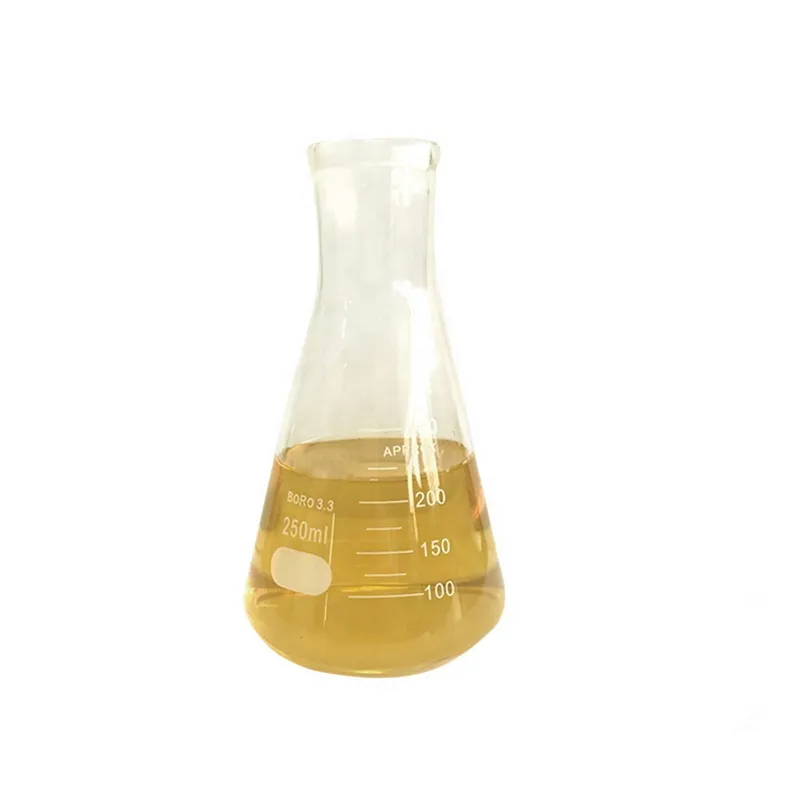
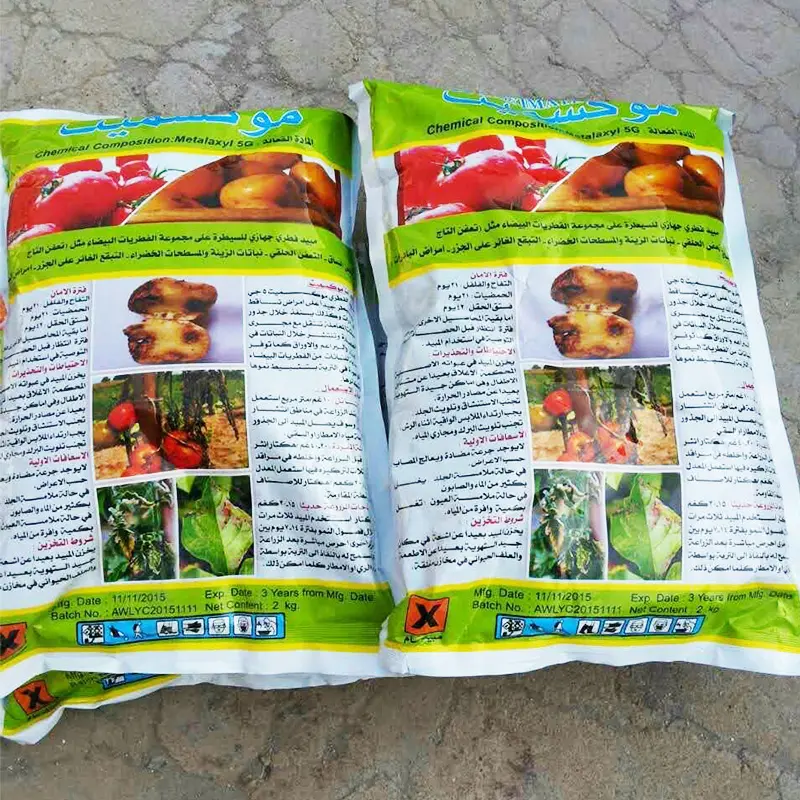
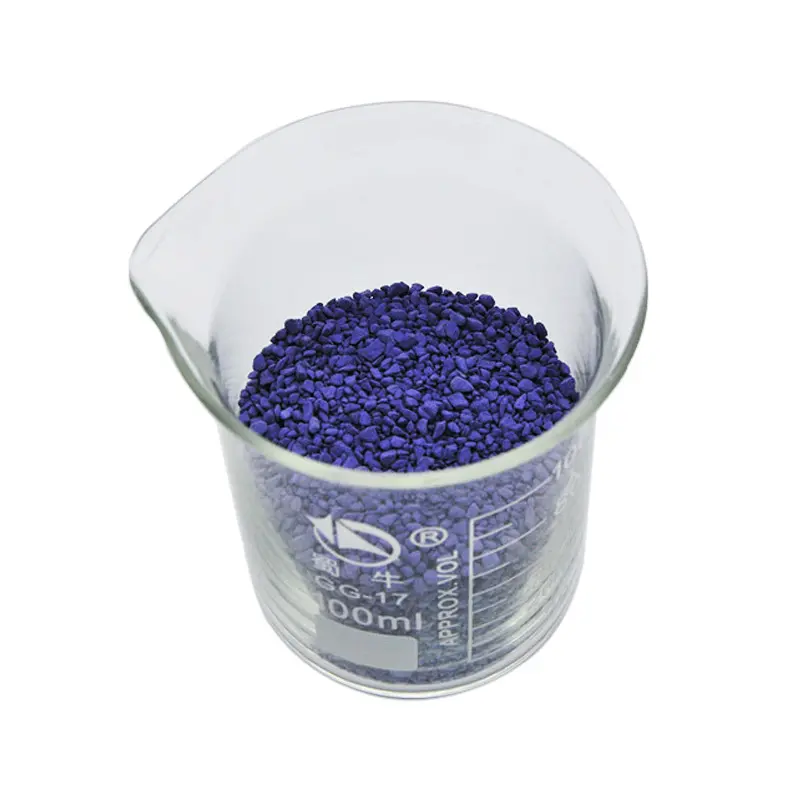
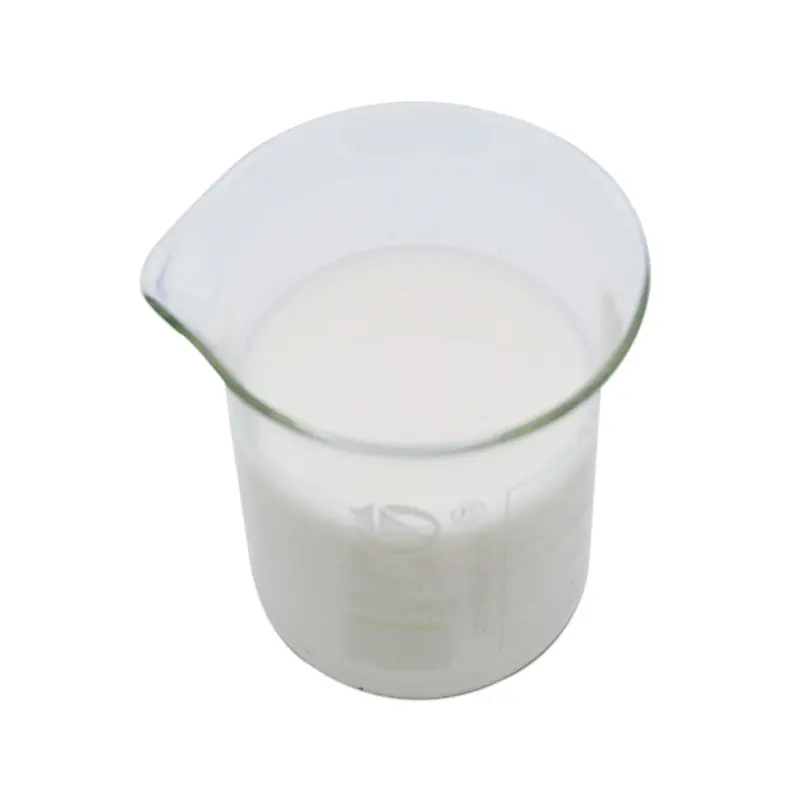
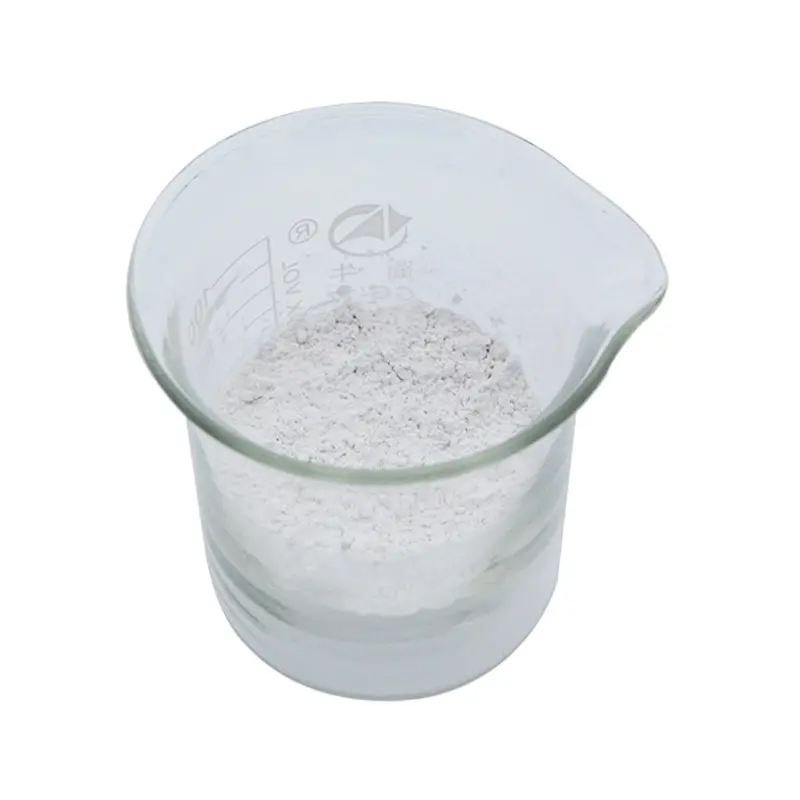
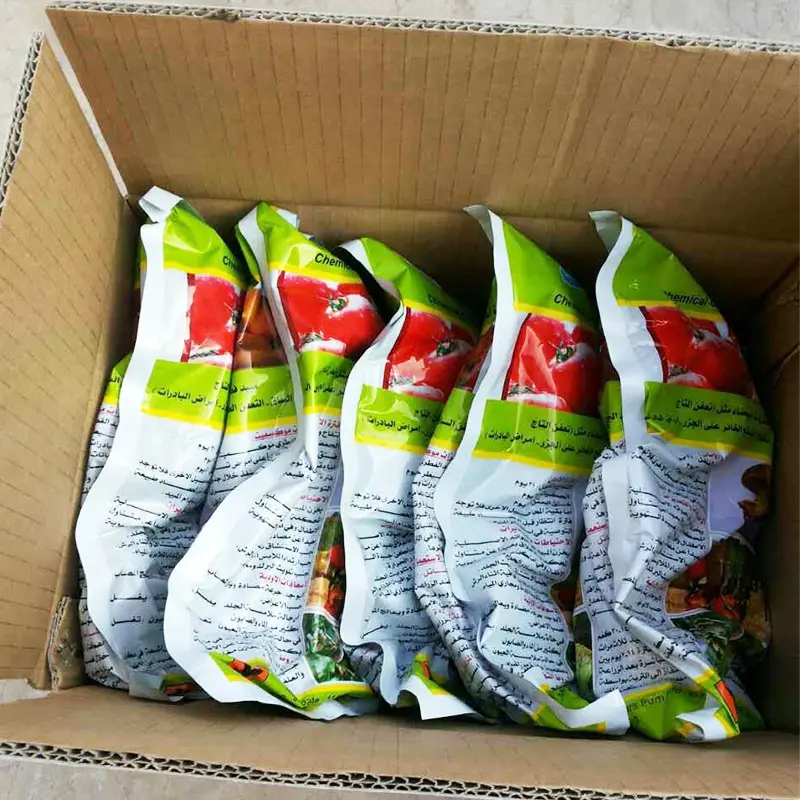

Metalaxyl Fungicide
FRAC Group 4 | Systemic phenylamide fungicide | Oomycete disease management | Available in multiple formulations and as combination products
Metalaxyl is a phenylamide-class systemic fungicide primarily targeting susceptible oomycete pathogens, including certain Phytophthora, Pythium, and pathogens that cause downy mildew.
It penetrates plant tissues and exerts its systemic activity primarily through acropetal translocation. Provided that registration requirements are met and the target pathogens remain susceptible to Metalaxyl, it can be used to manage late blight, downy mildew, Phytophthora blight, and oomycete diseases during the seed and seedling stages in certain crops.
Metalaxyl belongs to FRAC Group 4, a class of fungicides associated with a high risk of resistance development. Therefore, when procuring this product, one should not focus solely on its systemic activity but must also consider the susceptibility of local pathogens, the selection of formulated products, and the actual registered uses.
For pesticide importers and distributors, the value of Metalaxyl lies primarily in its clear application for controlling oomycete diseases, its availability in various formulation types, and the ability to build a rational product portfolio in combination with other effective fungicidal active ingredients.
POMAIS provides pesticide importers, distributors, brand owners, and registration companies with Metalaxyl formulation procurement, formulated product supply, OEM/ODM packaging, and technical documentation support.
- Designed for Professional Buyers & Bulk Orders
- We support custom packaging, labeling, and formulation to meet your market needs.
- Export wholesale inquiries only.
- Please include destination country, business type (importer/distributor/registrant), and expected volume.
- Retail requests will not be processed.

About Metalaxyl Fungicide
Metalaxyl Product Specifications
Metalaxyl is an acylalanine-type phenylamide fungicide that primarily interferes with ribosomal RNA (rRNA) biosynthesis in susceptible oomycete pathogens.
Its mode of action differs from that of common multisite contact fungicides, CAA-type fungicides, and cyanoacetamide-oxime-type fungicides.
The following are the basic technical parameters for the active ingredient Metalaxyl.
| Technical Parameter | Specification |
|---|---|
| Product Name | Metalaxyl Fungicide |
| Chinese Generic Name | Metalaxyl |
| Active Ingredient | Metalaxyl |
| CAS Number | 57837-19-1 |
| Molecular Formula | C15H21NO4 |
| Molecular Weight | 279.33 g/mol |
| Chemical Family | Phenylamide |
| Chemical Subgroup | Acylalanine |
| FRAC Group | 4 |
| FRAC Target Site | RNA Polymerase I |
| Main Biochemical Effect | Inhibits rRNA biosynthesis in susceptible pathogens |
| Fungicide Type | Systemic Fungicide |
| Translocation | Characterized primarily by acropetal translocation |
| Primary Disease Target | Oomycete Diseases |
| Representative Pathogens | Phytophthora spp., certain Pythium spp., and specific downy mildew pathogens |
| Resistance Risk | High |
| Formulation Types | WP, WDG, EC, and approved seed treatment formulations |
| Technical Materials | TC |
| Supply Model | Bulk Supply, OEM/ODM, Private Label |
| Technical Documentation | COA, SDS, TDS, and available registration support materials |
Registered crops, application methods, application rates, PHI, REI, and quality specifications vary by product and should be based on the actual data for the corresponding formulation and the registration label for the target market.
Metalaxyl Formulations and Available Grades
Metalaxyl can be formulated into various commercial products, depending on formulation development and registration requirements.
However, for importers, selecting a formulation involves more than simply deciding between a powder or liquid product.
Different formulations may correspond to different application methods, quality testing requirements, packaging materials, and registered uses.
| Product Specification | Formulation | Product Type | Supply and Procurement Notes |
|---|---|---|---|
| Metalaxyl 50% WDG | Water-Dispersible Granules | Water-dispersible granules | Actual formulation, registered uses, and availability must be confirmed |
| Metalaxyl 35% WP | Wettable Powder | Wettable Powder | Formulation quality, registration, and supply conditions must be confirmed |
| Metalaxyl 240 g/L EC | Emulsifiable Concentrate | Emulsifiable Concentrate | Concentration, emulsion stability, and specific applications to be confirmed |
| Metalaxyl 98% TC | Technical Material | Technical-Grade Material | Procurement and quality assessment of technical-grade active ingredient to be conducted independently |
Metalaxyl WDG – Water-Dispersible Granules
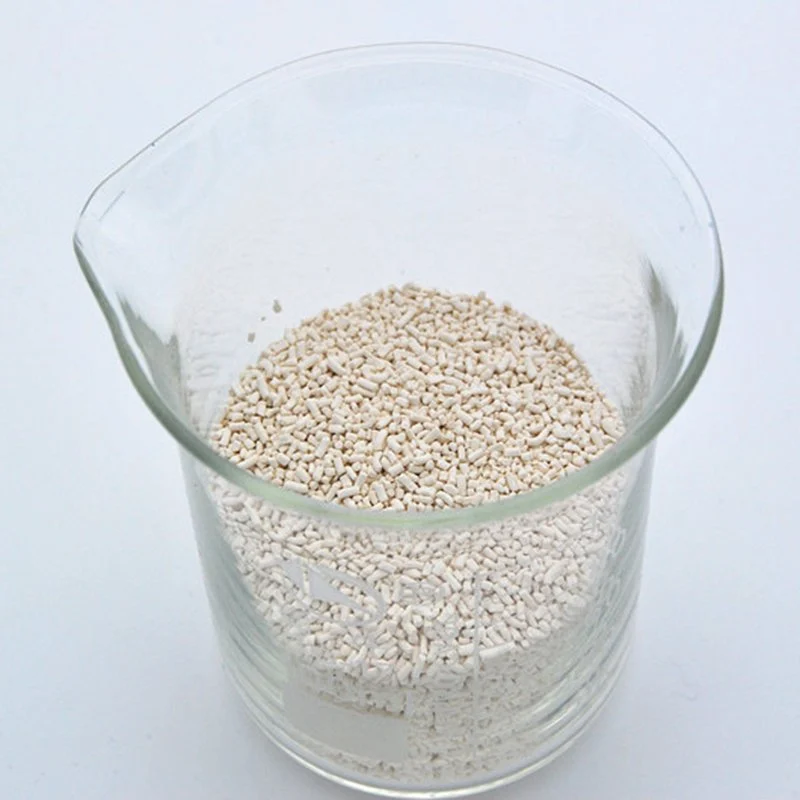
WDG, also commonly written as WG, refers to water-dispersible granules.
When used, the granules must be added to water according to the product label instructions to form a dispersion system that meets specified requirements.
For Metalaxyl 50% WDG, buyers should verify active ingredient content, granule wettability, disintegration and dispersion performance, suspension rate, and storage stability.
WDG is a solid formulation; packaging design typically requires attention to moisture protection, granule integrity, and storage and transportation conditions.
Higher active ingredient content does not automatically mean better field efficacy. Actual performance is also influenced by formulation quality, the susceptibility of the target pathogen, and actual application conditions.
Metalaxyl WP – Wettable Powder
WP stands for Wettable Powder. When used, it is mixed with water in accordance with registration requirements to form an appropriate suspension-dispersion system.
For Metalaxyl 35% WP, in addition to the active ingredient content, importers should also consider wettability, suspension rate, particle fineness, and physical properties after storage.
WP is not a completely water-soluble powder, and a product should not be classified as a formulation exclusively for seed treatment simply because it is in powder form.
For customers planning to sell under their own brand, it is recommended to confirm the powder quality standards and moisture-proof packaging requirements before bulk purchasing.
Metalaxyl EC – Emulsifiable Concentrate
EC refers to an emulsifiable concentrate formulation, typically prepared using appropriate solvents and emulsifying systems.
Metalaxyl 240 g/L EC represents one specification variant in the existing product documentation.
When purchasing such products, verify the active ingredient mass concentration, emulsion stability, low-temperature and heat storage stability, and compatibility between the packaging container and the formulation.
Note that 240 g/L is expressed as a mass concentration and should not be directly converted to a 24% mass fraction without verification.
Different EC products may also have different registered uses. The fact that a particular Metalaxyl EC product is approved for a specific application does not imply that other EC products have the same scope of use.
Metalaxyl TC – Technical Material
Metalaxyl 98% TC falls under technical-grade material procurement.
When procuring technical-grade active ingredients, clearly specify not only the active ingredient content but also the chemical identity, isomeric composition, relevant impurities, and applicable quality standards.
Conventional technical-grade Metalaxyl is a mixture of R and S enantiomers and should not be supplied directly as the technical-grade active ingredient Metalaxyl-M.
TC is intended for specialized formulation processing and other uses; it should not be recommended as a standard, fully registered end-use field formulation.
Metalaxyl Seed Treatment Formulations
Seed treatment is an important application area for Metalaxyl that warrants separate discussion.
In some approved uses, Metalaxyl may serve as the active ingredient in seed treatment products to control seed-borne or soil-borne oomycete diseases that are sensitive to this ingredient.
However, seed treatment formulations and standard foliar spray products are not interchangeable simply by changing the packaging.
What is the difference between Metalaxyl WS and WP?
WP (Wettable Powder) is a wettable powder formulation.
WS (Water-Dispersible Powder for Slurry Seed Treatment) is a water-dispersible powder formulation used for slurry seed treatment.
Although both may be supplied as a powder, their formulation types, intended uses, and quality and technical requirements differ.
| Formulation | Full Name | Primary Application | Key Procurement Considerations |
|---|---|---|---|
| WP | Wettable Powder | Application via spraying or other treatments according to registered uses | Wettability, suspension rate, particle fineness |
| WS | Water-Dispersible Powder for Slurry Seed Treatment | Slurry seed treatment | Dispersibility, seed coverage, and compatibility with treatment processes |
| FS | Flowable Concentrate for Seed Treatment | Liquid suspension seed treatment | Suspension stability, seed coating, and equipment compatibility |
| TC | Technical Material | Specialized Formulation Processing | Active Ingredient Identity, Content, and Impurities |
If you are purchasing a seed coating agent or other seed treatment product, you must clearly specify the specific formulation code, active ingredient concentration, target crop seeds, and local registration information.
Seed treatment and foliar spraying cannot share the same usage recommendations
For seed treatment, the product application rate, application uniformity, and seed safety requirements differ significantly from those for foliar spraying in the field.
Importers should pay attention to the following:
- Corresponding seed types and registered diseases.
- Specific formulation and active ingredient concentration.
- Seed treatment rate per unit.
- Compatibility with seed treatment equipment and processes.
- Treatment uniformity and seed safety.
- Storage and labeling requirements for treated seeds.
- Local regulations on transporting and using treated seeds.
The objective of Metalaxyl seed treatment is to manage the risk of specific oomycete diseases in accordance with approved uses, not to guarantee improved germination rates or yields in all treated seeds.
How Does Metalaxyl Work?
Metalaxyl’s key characteristic is its systemic activity against susceptible oomycete pathogens.
Its mode of action differs from multipoint contact protective fungicides such as Mancozeb and from Cymoxanil, which primarily exhibits local systemic characteristics.
Understanding this distinction helps importers determine which product portfolios Metalaxyl suits.
Mechanism of Action of Metalaxyl
Metalaxyl belongs to FRAC Group 4 and primarily interferes with rRNA biosynthesis associated with RNA polymerase I in susceptible oomycete pathogens.
Ribosomal RNA is a crucial component of ribosomes and supports cellular functions necessary for normal protein synthesis.
When these biosynthetic processes are inhibited, susceptible oomycetes may experience impaired growth and development.
However, this mode of action does not imply that Metalaxyl can control all fungal diseases.
It primarily targets specific oomycetes and does not exhibit the same activity against diseases caused by many true fungi.
Systemic Activity and Acropetal Translocation
Metalaxyl can be absorbed by plants and is characterized by systemic activity and acropetal translocation.
Acropetal translocation typically refers to the movement of the active ingredient primarily along relevant transport pathways within the plant toward upper tissues.
Therefore, compared with protective fungicides that remain only on the plant’s surface, Metalaxyl shows distinct disease-control characteristics under its approved uses.
However, it must be emphasized:
Systemic activity does not equate to unrestricted, uniform, bidirectional translocation throughout the entire plant.
Its distribution is also influenced by the formulation, site of absorption, application method, the plant’s physiological state, and other conditions.
Therefore, it cannot be guaranteed that metalaxyl will provide complete protection for roots, stems, leaves, and all newly formed tissues under all circumstances.
Preventive Activity and Early Infection Activity
If the pathogen remains susceptible, Metalaxyl may act against certain early infection stages.
However, this does not mean Metalaxyl should be relied upon for curative treatment only after the crop becomes severely infected.
The FRAC’s resistance management recommendations for phenylamide fungicides explicitly emphasize preventive use as the guiding principle, rather than relying on curative or eradication applications as the primary strategy.
This is because continuing to rely on FRAC Group 4 when the pathogen has already proliferated extensively or when resistant populations are present in the field may increase selection pressure for resistance and lead to unstable control efficacy.
For professional buyers, correctly understanding this limitation is more important than simply promoting the product’s strong curative effects.
What Diseases Does Metalaxyl Control?
Metalaxyl primarily targets Oomycetes, i.e., oomycete pathogens.
Oomycetes differ significantly from true fungi—which cause rust, powdery mildew, late blight, and gray mold—in terms of biological classification and fungicide susceptibility.
Therefore, Metalaxyl’s spectrum of control must be defined based on specific pathogens rather than generalized by disease name.
| Disease | Representative Pathogen | Crop or Application Direction | Technical Positioning of Metalaxyl |
|---|---|---|---|
| Potato Late Blight | Phytophthora infestans | Potato | Disease management for susceptible pathogens and approved uses |
| Tomato Late Blight | Phytophthora infestans | Tomato | Evaluate based on local registration and resistance status |
| Grape Downy Mildew | Plasmopara viticola | Grapes | Has a history of use, but resistance must be carefully verified |
| Cucurbit Downy Mildew | Pseudoperonospora cubensis | Cucurbits | Determine based on specific registrations and pathogen susceptibility |
| Pythium Damping-off | Certain Pythium spp. | Seed Treatment, Seedlings | Management of Specific Seed and Seedling Diseases |
| Phytophthora Root Rot | Various Phytophthora spp. | Nurseries and certain registered crops | Pathogen identification and approved application methods required |
| Tobacco Black Shank | Phytophthora nicotianae | Tobacco | Evaluated under applicable registration and pathogen susceptibility conditions |
| Tobacco Blue Mold | Peronospora tabacina | Tobacco | Evaluated based on market registration and resistance status |
Potato and Tomato Late Blight
Potato and tomato late blight is primarily caused by Phytophthora infestans.
Under warm, humid conditions, the disease can spread rapidly, threatening leaves, stems, and crop yields.
Metalaxyl has been widely used to manage these diseases, but resistance to phenylamide-class fungicides in Phytophthora infestans has been reported in various regions.
Therefore, in the late blight market, importers cannot rely solely on Metalaxyl’s historical usage to determine whether a product remains suitable for current use.
An assessment should be conducted in conjunction with data on local pathogen susceptibility, existing registrations, and the efficacy of formulated products.
Grape Downy Mildew
Grape downy mildew is primarily caused by Plasmopara viticola.
This disease is distinct from powdery mildew, which is caused by a true fungus.
Metalaxyl has a history of use in controlling grape downy mildew; however, due to resistance issues with phenylamide-class fungicides, it is not a stable, universal solution for all vineyards.
Particular attention must be paid to local pathogen susceptibility data, especially in markets where FRAC Group 4 products have been in use for many years.
Pythium and Phytophthora Seedling Diseases
Certain Pythium and Phytophthora pathogens can affect crop seed germination, seedling establishment, and root health.
Where registration is granted, Metalaxyl can be used for the preventive management of specific diseases through appropriate seed treatments or other approved application methods.
However, not all cases of damping-off and root rot can be directly classified as targets for Metalaxyl control.
For example, seedling or root diseases caused by Rhizoctonia and Fusarium belong to different pathogen groups than those caused by Pythium.
When dealing with mixed pathogen infestations, the specific pathogen types should first be identified before determining whether other active ingredients are needed.
If your business needs to address different crop diseases, refer to POMAIS’s Crop Disease Management Solutions to understand how fungicide selection differs between oomycete and other fungal diseases.
Metalaxyl Crop Applications and Use Considerations
Metalaxyl may serve different application objectives across various crops and production systems.
For example, the potato market may focus more on late blight, while certain vegetable seed treatment markets may focus more on Pythium-related seedling diseases.
However, the historical use of the same active ingredient on different crops does not mean the same formulation can be applied directly to all crops.
| Crop or Application | Main Target Disease | Application Considerations |
|---|---|---|
| Potato | Late Blight | Pathogen susceptibility, registered formulations, foliar application strategies |
| Tomato | Late Blight | Registration status, PHI, resistance management, and disease pressure |
| Grapes | Downy Mildew | Pathogen resistance, application timing, and local usage restrictions |
| Cucurbits | Downy Mildew | Specific crops, registered diseases, and efficacy data |
| Tobacco | Approved uses for Black Shank, Blue Mold, etc. | Pathogen identification, application methods, and resistance status |
| Seed Treatment Crops | Specific seedling-stage oomycete diseases such as Pythium | Seed treatment formulations, treatment quality, and crop safety |
| Nurseries | Specific Phytophthora or Pythium diseases | Registered uses, root-zone treatment conditions, and pathogen identification |
How is Metalaxyl evaluated in the potato market?
For importers of potato plant protection products, whether Metalaxyl is worth purchasing depends primarily on the local late blight pathogen’s sensitivity to phenylamide-class fungicides.
If Metalaxyl and products in the same class have been used for an extended period in a particular region, it is even more important to understand the status of resistance monitoring before making a purchase.
Furthermore, late blight management typically requires establishing a comprehensive management program based on crop growth stages, weather conditions, disease risk, and registered products.
Metalaxyl can be a technical option in certain markets, but it cannot replace an entire late blight management program.
For customers building a potato product portfolio, POMAIS’s Potato Crop Protection Solutions can help assess plant protection needs at different growth stages.
What should be considered in the tomato market?
Tomato late blight and tomato early blight are different diseases.
Late blight is primarily caused by Phytophthora infestans, while early blight is typically associated with true fungi of the genus Alternaria.
Metalaxyl is primarily effective against susceptible oomycete pathogens and cannot be recommended as a dedicated fungicide for general early blight control.
For the fresh or processed tomato markets, attention should also be paid to locally registered pre-harvest intervals, pesticide residue requirements, and application frequency limits.
Tobacco and Seedling Disease Market
Tobacco blackleg, caused by Phytophthora nicotianae, is a potential application area for Metalaxyl.
However, the pathogen’s susceptibility, soil conditions, and local registrations determine the product’s actual suitability.
In the seed and seedling disease market, it is also necessary to distinguish between Pythium-related diseases and root rot and damping-off caused by other true fungi.
Therefore, importers should not select Metalaxyl products based solely on the broad term “seedling diseases.”
Metalaxyl Application Methods and Label Requirements
Metalaxyl application methods depend on the registered formulation.
Different formulations may involve foliar spraying, seed treatment, or other approved applications, but these uses are not directly interchangeable.
Foliar Application
For products with a valid registration for foliar use, Metalaxyl should be applied according to local disease forecasts, crop growth stages, and label instructions.
For foliar applications of phenylamide fungicides, FRAC emphasizes preventive use and recommends combining Metalaxyl with another fungicide effective against the target disease that does not exhibit cross-resistance.
In practice, users must still adhere to locally approved product formulations, application rates, and application requirements.
Metalaxyl’s systemic properties alone do not mean it can be used as a standalone treatment after severe disease onset.
Seed Treatment
For registered seed treatment products, determine application methods based on the target crop seeds and approved diseases.
The key to seed treatment is ensuring that the formulation is uniformly distributed using a validated method, while meeting seed safety and quality requirements.
Do not use general-purpose foliar spray formulations directly as seed treatment agents.
Soil Application
Metalaxyl has specific soil- or root-zone-related uses in certain products.
However, the product’s registered label must guide the target diseases, application methods, and conditions for soil treatment.
It is particularly important to note:
Do not use Metalaxyl soil treatment regimens registered for soil-borne diseases as a general method for controlling late blight or downy mildew on foliage.
How to determine the correct application rate?
| Application Factor | Why is it necessary to verify |
|---|---|
| Formulation | Different formulations have different application requirements |
| Active Ingredient Content | Determines the concentration of the active ingredient in a specific formulation |
| Registered Crop | Determines the range of approved crops |
| Target Pathogen | Affects whether the product has appropriate activity |
| Pathogen Sensitivity | Determines whether FRAC Group 4 still has practical application value |
| Application Method | Requirements differ for foliar, seed, and soil treatments |
| Application Timing | Relates to disease risk and control objectives |
| Maximum Applications | Involves registration and resistance management restrictions |
| PHI / REI | Relates to harvest and worker safety requirements |
| Environmental Restrictions | Relates to transportation, use, and environmental protection conditions |
No single recommended rate for metalaxyl applies to all formulations, crops, and countries.
If specific application parameters are needed for metalaxyl 35% WP, 50% WDG, or 240 g/L EC, the registered label for the corresponding product in the target country should be provided first.
Application rates for one formulation cannot be directly applied to other formulations, nor can application recommendations for historically registered products be treated as universal requirements for all current markets.
Metalaxyl Resistance Management – FRAC Group 4
Resistance management is a critical issue that must be thoroughly addressed on the Metalaxyl product page.
Metalaxyl belongs to FRAC Group 4, which FRAC classifies as high-risk for resistance.
This means that while the product is effective against susceptible oomycete pathogens, varying degrees of resistance have already emerged in certain regions and pathogen populations.
For importers, not understanding local pathogen susceptibility may lead to procuring products that do not meet the target market’s primary control needs.
Why does FRAC Group 4 pose a higher risk of resistance?
Metalaxyl primarily acts on pathogen-specific biochemical processes.
When a pathogen population contains individuals with reduced sensitivity to phenylamide fungicides, continued use of related products may exert selective pressure on these populations.
As the proportion of resistant populations changes, field efficacy may also be affected.
FRAC has documented resistance and cross-resistance to phenylamide fungicides in various oomycete pathogens.
Therefore, metalaxyl should not be promoted as a long-term, continuous, or sole disease-control solution.
Cross-resistance exists between Metalaxyl and Metalaxyl-M
Both Metalaxyl and Metalaxyl-M (Mefenoxam) belong to FRAC Group 4.
Metalaxyl-M is not an alternative with a distinct mode of action that can directly replace Metalaxyl once resistance develops.
In pathogen populations that have already developed resistance to phenylamide fungicides, cross-resistance between the two may exist.
Therefore, switching from Metalaxyl to Metalaxyl-M does not constitute an effective rotation of modes of action.
Why does a mixture require a different mode of action?
Metalaxyl is often formulated in mixtures with other fungicides, and one key reason is to support a sound disease and resistance management strategy.
However, more active ingredients in a mixture do not necessarily equate to better performance.
Purchasers need to confirm whether the other active ingredient:
- belongs to a different FRAC group than Metalaxyl.
- Has effective activity against the actual target diseases.
- Is effective at the registered application rate for the formulated product.
- Meets local registration and resistance management requirements.
- Will not lose its expected technical value due to existing local resistance issues.
Different FRAC groups do not, by themselves, automatically prove that the formulation has synergistic effects.
Resistance management for seed treatments must not be overlooked
Compared to foliar sprays, the risk of resistance selection associated with phenylamide products in seed treatments may differ.
However, this does not mean that resistance management can be completely ignored for seed treatments.
If FRAC Group 4 products are used continuously within a crop rotation system in the same region, the overall selection pressure on the relevant pathogen populations must still be considered.
Therefore, professional distributors should evaluate seed treatments, soil treatments, and foliar sprays within a single crop protection system, rather than selling them separately without considering their interactions.
Metalaxyl vs. Metalaxyl-M: What Is the Difference?
Metalaxyl and Metalaxyl-M are often compared side-by-side by purchasing customers.
Although both have the same molecular formula, they are not identical products.
The main difference is their enantiomeric composition.
| Technical Properties | Metalaxyl | Metalaxyl-M |
|---|---|---|
| Chinese Name | Metalaxyl | Metalaxyl-M |
| CAS Number | 57837-19-1 | 70630-17-0 |
| Molecular Formula | C15H21NO4 | C15H21NO4 |
| Chemical Identity | Mixed racemic mixture of R and S enantiomers | R-enantiomer-enriched product |
| Chemical Family | Phenylamide | Phenylamide |
| FRAC Group | 4 | 4 |
| Primary Disease Target | Susceptible oomycete diseases | Oomycete diseases |
| Cross-Resistance | Cross-resistance exists with phenylamides in the same group | Cross-resistance exists with phenylamides in the same group |
| Procurement Focus | Registration and quality standards for Metalaxyl | Registration and quality standards for Metalaxyl-M |
Is Metalaxyl-M necessarily more effective than Metalaxyl?
Metalaxyl-M is primarily the R-enantiomer, which has higher biological activity.
Therefore, certain products and applications may require different active-ingredient dosages to achieve the desired control objectives.
However, this does not mean Metalaxyl-M provides higher field efficacy against all diseases, in all formulations, and across all markets.
In particular, for pathogen populations that have already developed resistance to phenylamides, Metalaxyl-M cannot resolve cross-resistance based solely on its isomer status.
Differences in Procurement Between the Two Products
Importers who already hold a Metalaxyl registration certificate should ensure their procurement specifies racemic Metalaxyl, rather than substituting it with Metalaxyl-M.
Similarly, Metalaxyl-M products must also comply with the active ingredient identity and quality standards specified in their own registration.POMAIS also maintains a separate Metalaxyl-M fungicide product page to guide procurement options for this active ingredient.
Metalaxyl Combination Fungicides
Metalaxyl is often combined with fungicides with different modes of action.
For distributors, combination products can help build a more comprehensive disease management product line; however, when selecting them, verify the target pathogens, registrations, and local resistance profiles.
Below are several combination options with distinct technical characteristics.
| Combination | FRAC Groups | Key Technical Relationships |
|---|---|---|
| Metalaxyl + Mancozeb | 4 + M03 | Combination of systemic oomycete activity and multipoint contact protection |
| Metalaxyl + Propamocarb | 4 + 28 | Two oomycete-active ingredients with different modes of action |
| Metalaxyl + Dimethomorph | 4 + 40 | Combination of phenylamide and CAA modes of action |
| Metalaxyl + Cymoxanil | 4 + 27 | Combination of systemic activity with local systemic activity and early infection inhibition |
The above represents technical combination directions and does not imply that every specific formulation is currently in stock or has already been registered in the target market.
Metalaxyl + Mancozeb
Mancozeb belongs to FRAC Group M03 and is a multipoint contact fungicide.
Metalaxyl belongs to FRAC Group 4 and acts systemically against susceptible oomycete pathogens.
In registered formulations, the two active ingredients can serve different technical roles.
Metalaxyl primarily controls susceptible oomycete pathogens, while Mancozeb provides contact protection against approved targets.
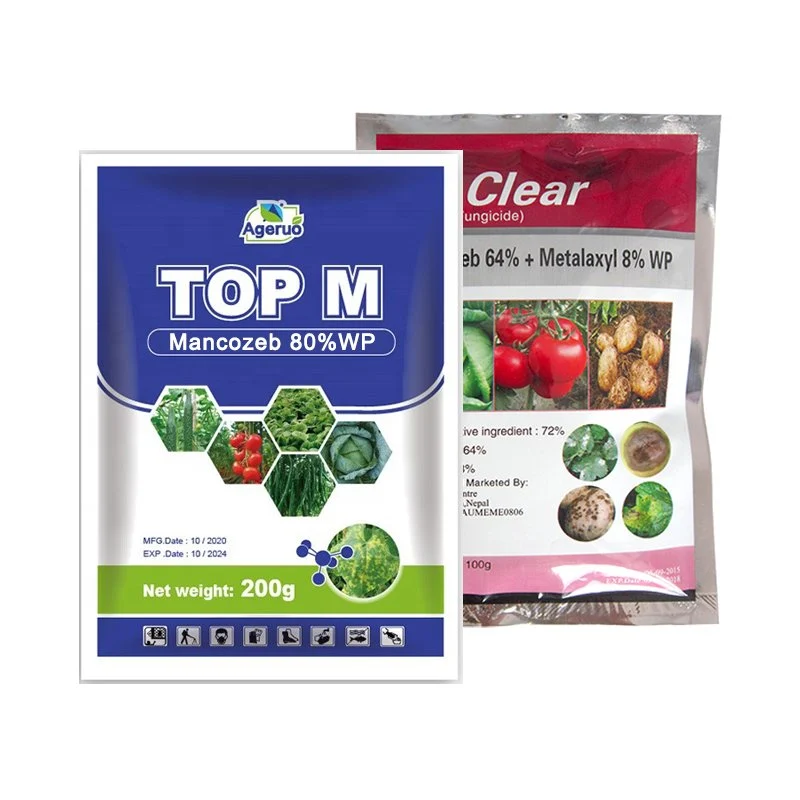
POMAIS currently has product pages for Mancozeb 64% + Metalaxyl 8% WP for professional buyers who require this specific formulation and want to learn more.
This product combines FRAC M03 and Group 4, but these two ingredients alone do not guarantee effective control of Metalaxyl-resistant pathogens in all regions.
This also depends on local resistance patterns, the effective application rates of each component in the formulation, and trial data.
Metalaxyl + Dimethomorph
Dimethomorph is a CAA-class fungicide in FRAC Group 40.
It has a different mode of action than Metalaxyl and may be a useful addition to management strategies for specific oomycete diseases.
However, a different mode of action does not automatically mean longer residual efficacy, nor does it guarantee consistent control across all formulation ratios.
When making purchases, still verify the specific formulation, registered diseases, quality standards, and local pathogen susceptibility.
Metalaxyl + Cymoxanil
Cymoxanil belongs to FRAC Group 27 and is characterized by its local systemic activity and ability to inhibit early infection stages.
Metalaxyl and Cymoxanil belong to different FRAC groups and therefore have distinct roles in resistance management.
However, Cymoxanil’s local systemic activity does not mean it can directly replace protective fungicides, nor should the combination be assumed to treat severe outbreaks of late blight or downy mildew.
For such mixed-formulation products, evaluate their role in control strategies based on specific formulations and registration data.
Metalaxyl + Propamocarb Formulations
Propamocarb belongs to FRAC Group 28 and is a fungicide used to manage certain oomycete diseases.
Compared to Metalaxyl, Propamocarb has a different mode of action and technical characteristics.
The two can provide distinct disease-management benefits in approved combination products; however, their specific efficacy still depends on the target pathogens and product registration.
POMAIS currently has a product page for Metalaxyl 15% + Propamocarb 10% WP.
This formulation contains:
| Product Parameter | Specification |
|---|---|
| Active Ingredient 1 | Metalaxyl 15% |
| Active Ingredient 2 | Propamocarb 10% |
| Total Active Content | 25% |
| Formulation | WP |
| FRAC Combination | Group 4 + Group 28 |
| Target Diseases | Specific oomycete diseases to be evaluated based on local registration requirements |
Treat this formulation separately from other Metalaxyl + Propamocarb formulations.
For example, 15% + 10% WP and 150 g/L + 100 g/L SC differ in both active-ingredient concentration and formulation type and cannot be considered the same product.
For customers preparing for registration or bulk imports, we recommend first confirming the fixed formulation ratio, formulation type, and the technical documentation actually available before discussing commercial packaging and pricing.
Metalaxyl Quality Control and Storage Stability
When sourcing Metalaxyl, one cannot rely solely on comparing active ingredient concentrations.
For importers that have long operated their own pesticide brands, the formulation’s physical properties, batch consistency, impurity control, and storage stability are equally important.
In particular, when products must undergo long-distance ocean transport, port warehousing, and local distribution, it is especially important to verify batch quality control in advance.
What should be checked for different formulations?
| Quality Parameters | WP | WDG | EC | TC |
|---|---|---|---|---|
| Active Ingredient Content | Must be verified | Must be verified | Must be verified | Must be verified |
| Relevant Impurities | As per specification requirements | As per specification requirements | As per specification requirements | Key focus |
| Wettability | Key focus | Key focus | Not applicable | Not applicable |
| Suspensibility | Focus | Focus | Not applicable | Not applicable |
| Dispersibility | Evaluated according to standards | Key Focus | Not Applicable | Not Applicable |
| Emulsion Stability | Not Applicable | Not Applicable | Key Focus | Not Applicable |
| Storage Stability | Required | Required | Required | Required |
| Packaging Compatibility | Required | Required | Required | To be confirmed based on actual packaging |
| Batch COA | As per acceptance requirements | As per acceptance requirements | As per acceptance requirements | As per acceptance requirements |
The actual test items, test methods, and acceptance limits shall be determined based on the corresponding product quality standards, registration documents, and purchase contracts.
Identity and Impurity Management of Technical Materials
Metalaxyl and Metalaxyl-M have different isomeric identities; therefore, when purchasing active ingredients, one cannot rely solely on comparing molecular formulas or total active ingredient content.
If an importer requires standard Metalaxyl, they must confirm that the supplied material matches the corresponding registered identity.
If Metalaxyl-M is required, evaluate it against the technical identity and quality specifications for that ingredient.
In addition, verify relevant impurities in the active ingredient and their limit values in accordance with applicable standards and the destination country’s regulations.
Why Test Storage Stability?
Temperature, humidity, packaging materials, and storage duration can affect the physicochemical stability of different dosage forms.
For WDG and WP formulations, attention must be paid to wetting and dispersibility after storage.
For EC formulations, attention must be paid to emulsification performance, changes in appearance, and packaging compatibility, among other indicators.
If a product’s labeled active ingredient content meets specifications but exhibits significant changes in physical properties after storage, it may still fail to meet actual procurement requirements.
Therefore, a fixed shelf life cannot be uniformly guaranteed for all Metalaxyl formulations, nor can long-term storage stability be determined solely based on the appearance of a sample.
Batch Consistency and Commercial Order Acceptance
For importers engaged in ongoing procurement, it is recommended to clarify the following before placing a formal order:
- Active ingredient and product identity.
- Quality standards for the corresponding formulation.
- Relevant impurity and physical property parameters.
- Acceptable testing methods and limits.
- Packaging materials and sealing requirements.
- Batch COA and sample confirmation procedures.
- Storage and transportation conditions.
POMAIS can discuss sample confirmation, batch quality documentation, and corresponding order acceptance criteria based on the confirmed product and procurement requirements.
Metalaxyl Packaging and OEM/ODM Supply
POMAIS provides bulk formulation procurement, custom packaging, and export partnership services to international pesticide importers, distributors, and brand clients.
For Metalaxyl, packaging solutions should align with its physicochemical properties, transport classification, and target market requirements.
Packaging Options
| Product Type | Packaging Direction | Key Considerations |
|---|---|---|
| WP | Sachets, composite bags, and approved large-format packaging | Moisture protection, sealing, and powder stability |
| WDG | Moisture-proof bags, composite bags, and other suitable packaging | Granule integrity, dispersibility, and sealing |
| EC | Approved small-volume bottles, standard volumetric flasks, and drums | Container compatibility, seal integrity, and shipping requirements |
| Seed Treatment Formulations | Determined based on actual dosage form and registration requirements | Measurement, operational safety, and packaging labeling |
| TC | Packaging of applicable technical materials | Product Quality Protection, Batch Identification, and Transportation Compliance |
The above outlines potential packaging options; specific capacities and materials depend on the formulation, supply capacity, and order requirements.
Private Label and Branded Packaging
If you already operate your own pesticide brand locally, we can discuss custom labeling, packaging design, and multilingual printing services based on your specific product and market requirements.
For products with specific registration requirements in the target market, special attention should be paid to the following:
- The active ingredient identity must match the registration data.
- Do not arbitrarily alter product concentration or formulation.
- Crop and disease uses must comply with the registered label.
- Safety warnings and protective requirements must be provided in accordance with local regulations.
- Batch, production, and traceability information must comply with applicable regulations.
Private-label packaging does not mean Metalaxyl can be arbitrarily renamed Metalaxyl-M, nor does a packaging change allow expansion of the product’s registered uses.
Technical Documentation
Based on actual product specifications and project requirements, POMAIS can provide or coordinate relevant technical and export documentation.
| Document | Main Purpose |
|---|---|
| Certificate of Analysis (COA) | Confirmation of batch quality parameters |
| Safety Data Sheet (SDS) | Safety, hazard classification, and handling/transportation information |
| Technical Data Sheet (TDS) | Product technical information |
| Product Specification | Product Quality Requirements and Acceptance Criteria |
| Packaging Information | Packaging Structure, Capacity, and Transportation Requirements |
| Stability Information | Supports quality and registration assessments to the extent possible |
| Registration Support Documents | To be confirmed based on actual data availability |
| Export Documents | Prepared according to order and destination country requirements |
Customers requiring special registration documents, active ingredient source documentation, or specific impurity data must specify their requirements before project initiation.
The availability of technical documents must be confirmed on a case-by-case basis; standard COAs, SDSs, and TDSs should not be equated with a complete registration dossier.
Metalaxyl Registration and Procurement Considerations
When procuring Metalaxyl, both product specifications and market regulations must be considered.
A country’s prior approval of Metalaxyl for a specific crop does not mean the product still has the same registration status.
Different countries may have different requirements for the active ingredient identity, formulation concentration, crop uses, number of applications, labeling, and import documentation.
Furthermore, although Metalaxyl and Metalaxyl-M belong to the same FRAC group, you must confirm their registration statuses separately.
What must importers provide prior to procurement?
| Buyer Requirements | Recommended Information to Confirm |
|---|---|
| Destination Country | Target Import Country |
| Business Type | Importer, Distributor, Brand Owner, or Registration Company |
| Active Ingredient | Metalaxyl or Metalaxyl-M |
| Formulation | WP, WDG, EC, WS, or other specific formulations |
| Concentration | Specific active ingredient content |
| Target Crop | Target crop market |
| Target Disease | Corresponding oomycete diseases and pathogen groups |
| Resistance Situation | Local data on susceptibility to phenylamide-class products |
| Registration Status | Registered, pending registration, or under evaluation |
| Packaging | Packaging capacity, materials, and label language |
| Purchase Volume | Estimated Purchase Quantity and Annual Demand |
| Documents | COA, SDS, TDS, and Related Registration Documents |
| Delivery Schedule | Estimated Purchase and Delivery Dates |
Customers with Existing Registrations
If you already hold a local registration for a Metalaxyl product, prioritize verifying the active ingredient identity, concentration, formulation, and corresponding registered quality specifications when purchasing.
Similarly, Metalaxyl 240 g/L EC cannot be substituted for other concentrations or formulations without verification.
Customers with New Registration Projects
If you are developing a new Metalaxyl product, we recommend confirming the active ingredient’s local registration status and technical data requirements before finalizing the formulation.
For FRAC Group 4 products, you must also assess the project’s commercial viability in light of pathogen resistance trends in the target market.
If predominant pathogen populations in the region have already shown a significant decline in susceptibility to phenylamide fungicides, adding a new product with similar specifications may not create a valuable market opportunity.
Frequently Asked Questions
What Is Metalaxyl Fungicide Used For?
Metalaxyl is a systemic phenylamide fungicide primarily targeting susceptible oomycete pathogens.
Subject to registration, it can manage certain cases of late blight, downy mildew, Phytophthora blight, and specific Pythium-related seed and seedling diseases.
Its use must also account for the target pathogens’ resistance status.
Is Metalaxyl a Systemic Fungicide?
Yes.
Metalaxyl is systemic and moves primarily translaminarly after the plant absorbs it.
However, this does not mean it can move freely in both directions within the plant or provide uniform protection to all untreated tissues.
What FRAC group does Metalaxyl belong to?
Metalaxyl belongs to FRAC Group 4, the phenylamide class of fungicides.
This class primarily affects rRNA biosynthesis in susceptible oomycete pathogens and FRAC classifies it as a high-risk group for resistance development.
Can Metalaxyl Control Potato Late Blight?
Metalaxyl is active against susceptible Phytophthora infestans and has a history of use in managing potato late blight.
However, pathogen populations resistant to phenylamides already exist in some regions.
Therefore, determine its effective use in a given market based on registration status, local susceptibility, and applicable resistance management strategies.
Is Metalaxyl Effective Against Pythium?
Metalaxyl is effective against some susceptible Pythium pathogens.
Under specific registered uses, it can be used for disease management during the seedling or early growth stages.
However, not all cases of damping-off or root rot should be considered reliable targets for Metalaxyl, as these symptoms may also be caused by other pathogens such as Rhizoctonia or Fusarium.
What Is the Difference Between Metalaxyl and Metalaxyl-M?
Metalaxyl is typically a racemic mixture of the R and S enantiomers, whereas Metalaxyl-M is enriched in the R enantiomer.
Both belong to the same phenylamide mode-of-action group (FRAC Group 4), so cross-resistance is possible.
Therefore, Metalaxyl-M cannot be considered a standalone alternative with a different mode of action to address Metalaxyl resistance.
Can Metalaxyl Be Mixed with Mancozeb?
Commercially formulated products combining Metalaxyl and Mancozeb are available on the market.
They belong to FRAC Group 4 and M03, respectively, and can serve different technical roles in products that meet registration requirements.
However, commercial formulations differ from field-mixed formulations. Any field-mixed formulation requires verification of registration approval, formulation compatibility, and specific application conditions.
Is Metalaxyl a Curative Fungicide?
Metalaxyl may inhibit certain susceptible pathogens early in infection.
However, FRAC’s resistance management recommendations for phenylamide fungicides emphasize preventive use rather than curative or eradication applications.
Metalaxyl should not be promoted as a product that can reliably provide curative treatment after severe disease outbreaks.
What Is Metalaxyl 35 WS Used For?
WS stands for “Water-Dispersible Powder for Slurry Seed Treatment,” which is a water-dispersible powder formulated for slurry seed treatment.
It differs from standard WP (Wettable Powder).
When purchasing Metalaxyl 35 WS, you must independently verify its active ingredient content, intended use for seed treatment, quality standards, and local registration; you cannot simply apply the usage instructions for 35% WP.
Can Metalaxyl Be Used as a Seed Treatment?
If it has the appropriate registration, Metalaxyl can be the active ingredient in a seed treatment product.
However, you must use a specific formulation that has been verified and is suitable for this purpose.
You cannot use standard foliar spray products directly for seed treatment simply because they contain Metalaxyl.
What Is the Recommended Dosage of Metalaxyl 35% WP?
No single recommended application rate for Metalaxyl 35% WP applies to all countries, crops, and diseases.
Confirm this based on the specific registered product, target pathogens, application method, and local label.
Application rates for WDG, EC, or WS formulations cannot be directly applied to the 35% WP formulation.
How Long Does Metalaxyl Remain Effective?
The product formulation, application rate, target pathogen susceptibility, crop growth, and environmental conditions influence Metalaxyl’s actual protective performance.
A uniform protection period of 14 days, 21 days, or any other fixed duration cannot be guaranteed for all products.
Actual application intervals and the number of applications must comply with the registered label and resistance management requirements.
Does POMAIS Supply Metalaxyl-M?
The POMAIS website lists procurement options for both Metalaxyl and Metalaxyl-M.
However, the two have different active ingredient identities; specific available specifications and technical documentation must be confirmed separately.
If you require Metalaxyl-M, please clearly specify the corresponding active ingredient name in your inquiry; do not simply write “Metalaxyl.”
What Documents Can POMAIS Provide?
Depending on product specifications and procurement requirements, POMAIS can provide or coordinate the following documents: COA, SDS, TDS, quality specifications, packaging information, and available registration support documents.
Confirm the specific documentation scope before formally initiating procurement or registration projects.
Does POMAIS Support Private Label Metalaxyl Products?
POMAIS is open to discussing OEM/ODM and private label partnerships with B2B clients.
Depending on our supply capacity, we can confirm details on Metalaxyl single-ingredient formulations, related compound formulations, packaging designs, and bulk export requirements.
Specific MOQs, lead times, and quotations depend on confirmed order requirements.
Request Metalaxyl Fungicide Specifications and Quotation
If you are looking for a Metalaxyl fungicide supplier or planning to source phenylamide-class fungicides and related formulated products for your local market, POMAIS can discuss specific supply solutions based on your procurement objectives.
We primarily serve professional pesticide importers, distributors, wholesalers, brand owners, and registration companies, offering B2B bulk supply, OEM/ODM packaging, and export partnership support.
For Metalaxyl products, we recommend clearly specifying the active ingredient, product formulation, and local registration status when requesting a quote.
This helps avoid confusion between Metalaxyl and Metalaxyl-M and lets us confirm whether the product meets your market requirements.
Please provide the following procurement information:
- Destination Country: Target import country.
- Required Product: Metalaxyl as a single active ingredient or a specific formulated product.
- Formulation: WP, WDG, EC, WS, or other specified formulations.
- Active Ingredient Content: Required active-ingredient concentration.
- Target Crop and Disease: Target crops and diseases.
- Registration Status: Registered, in the process of registration, or preparing for registration.
- Packaging Requirements: Package size, brand labeling, and language requirements.
- Expected Purchase Volume: Estimated purchase volume and annual demand.
- Technical Documents: COA, SDS, TDS, and other registration-specific documents.
- Delivery Requirements: Estimated purchase and delivery dates.
If your market faces issues with Metalaxyl resistance, please also describe the FRAC Group 4 products currently in use locally and their efficacy, so we can further evaluate suitable product options for discussion.
Contact us!
We will reply to you within 24 hours on business days!