


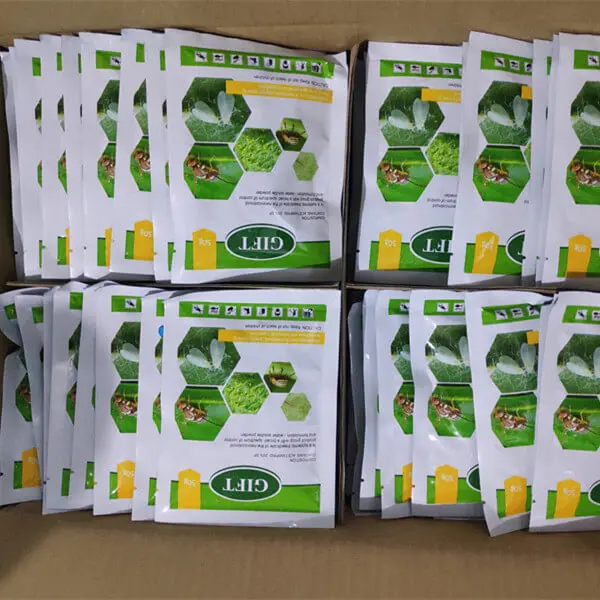

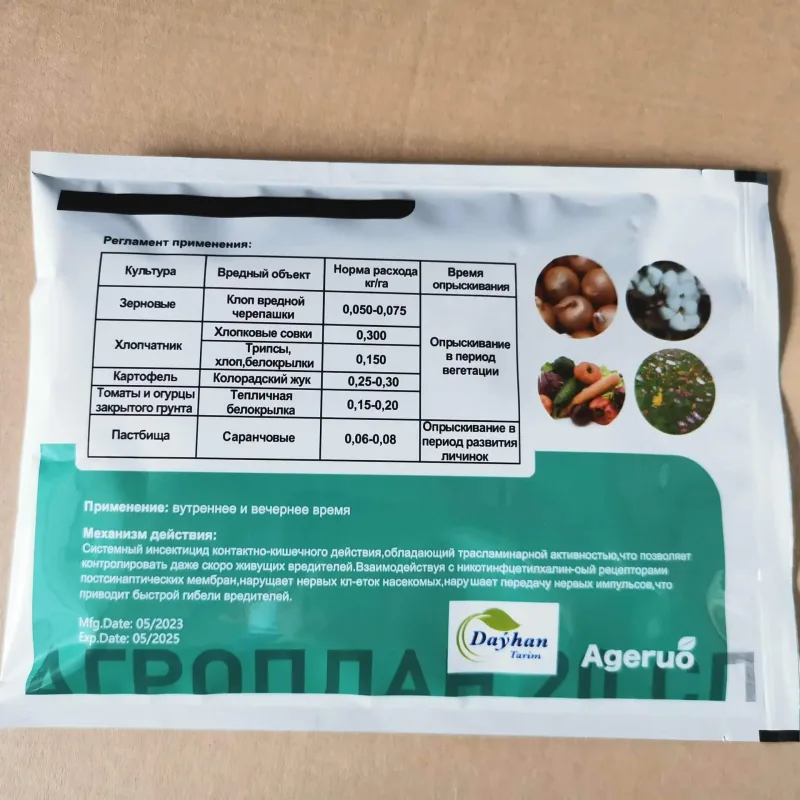
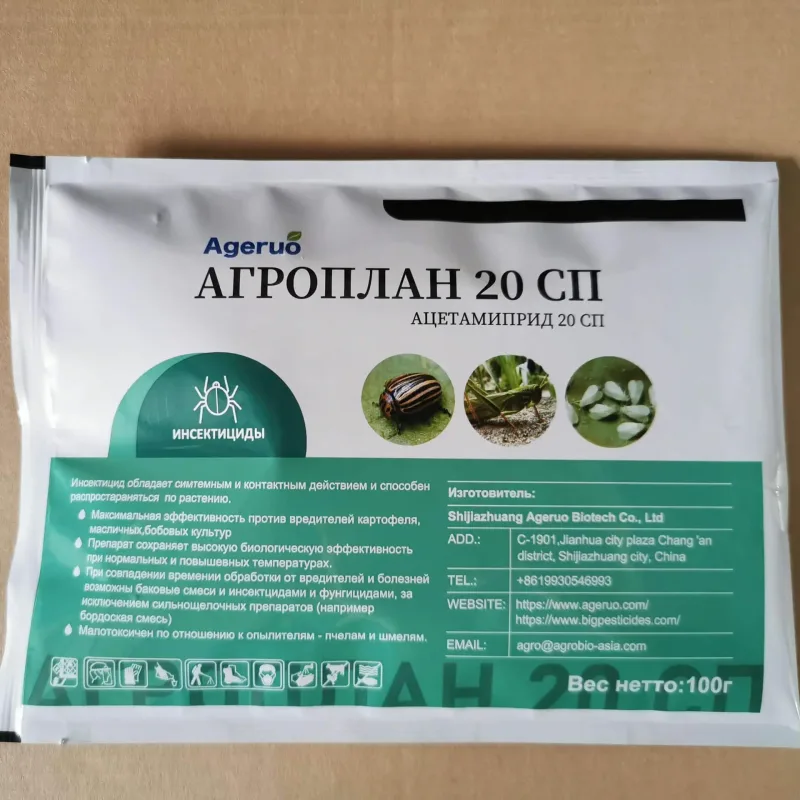
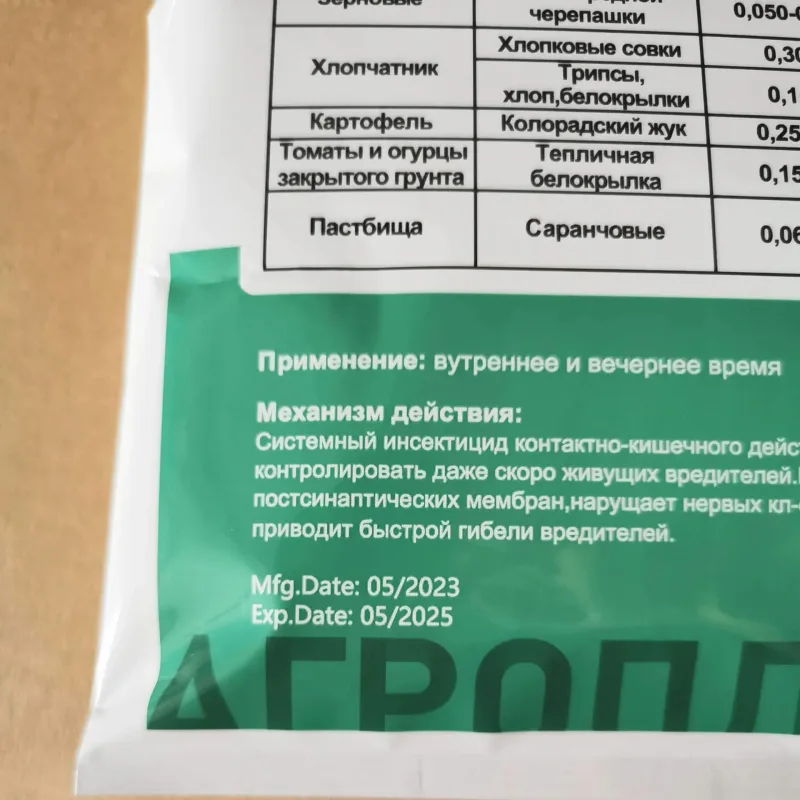
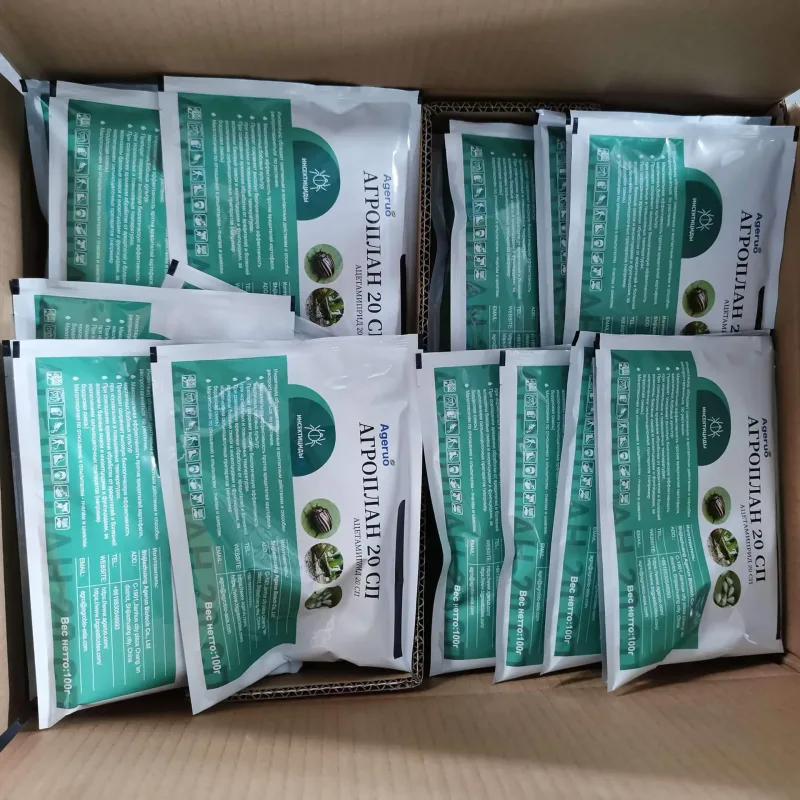
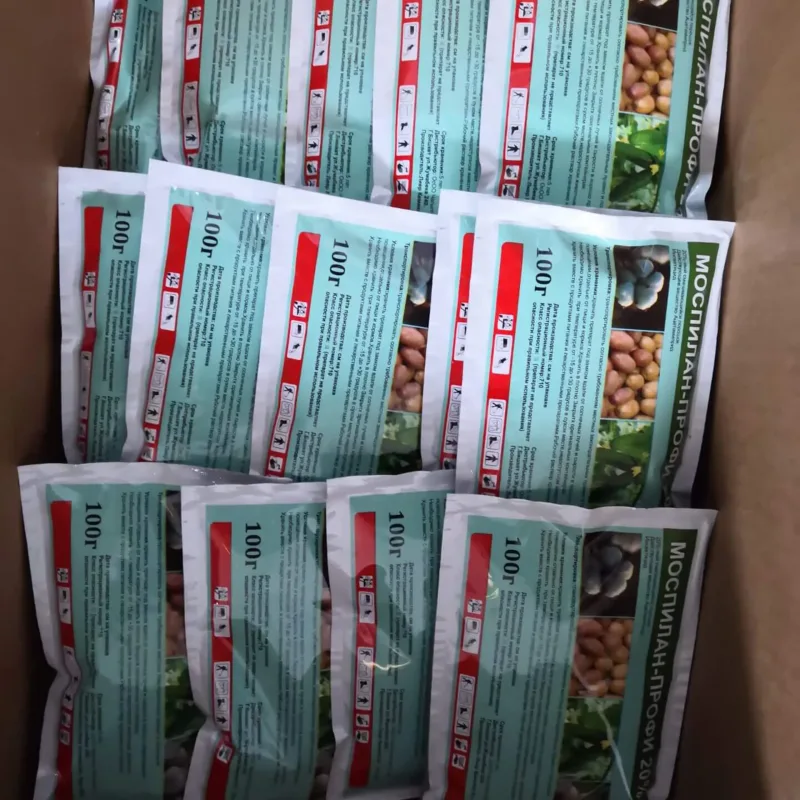
Acetamiprid Insecticide
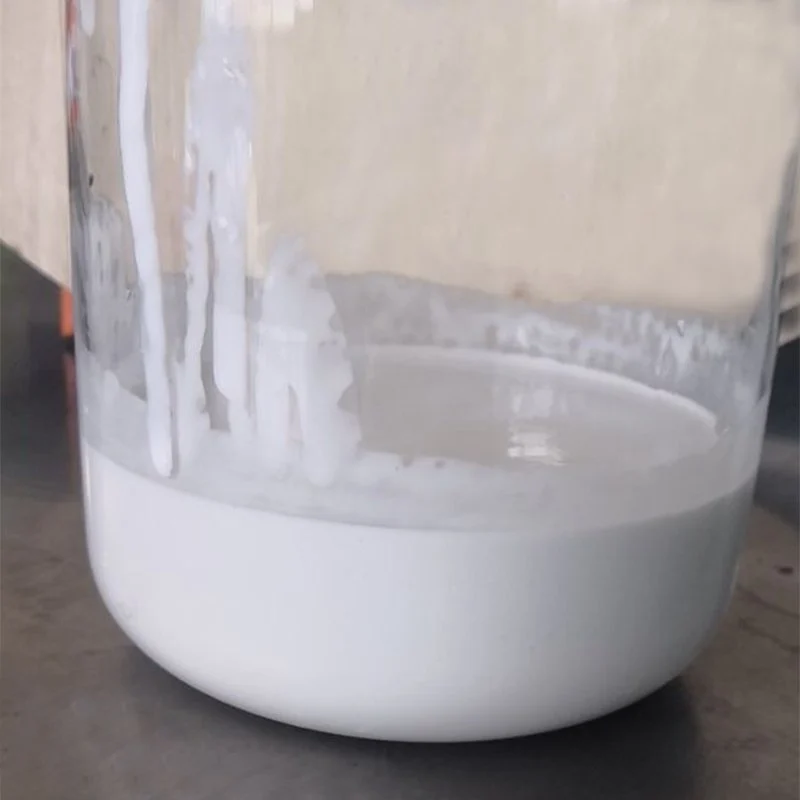
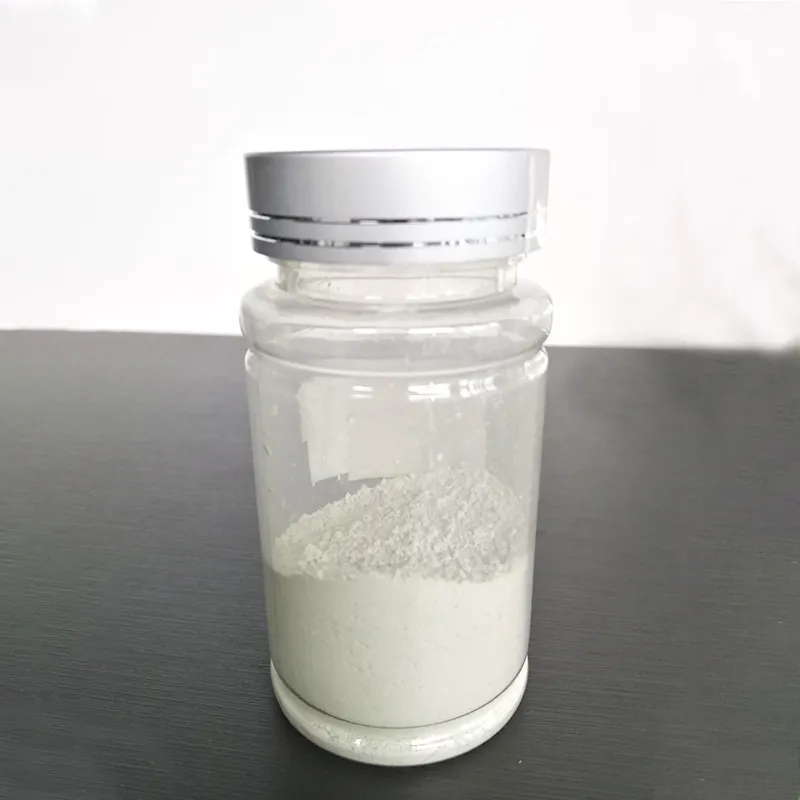
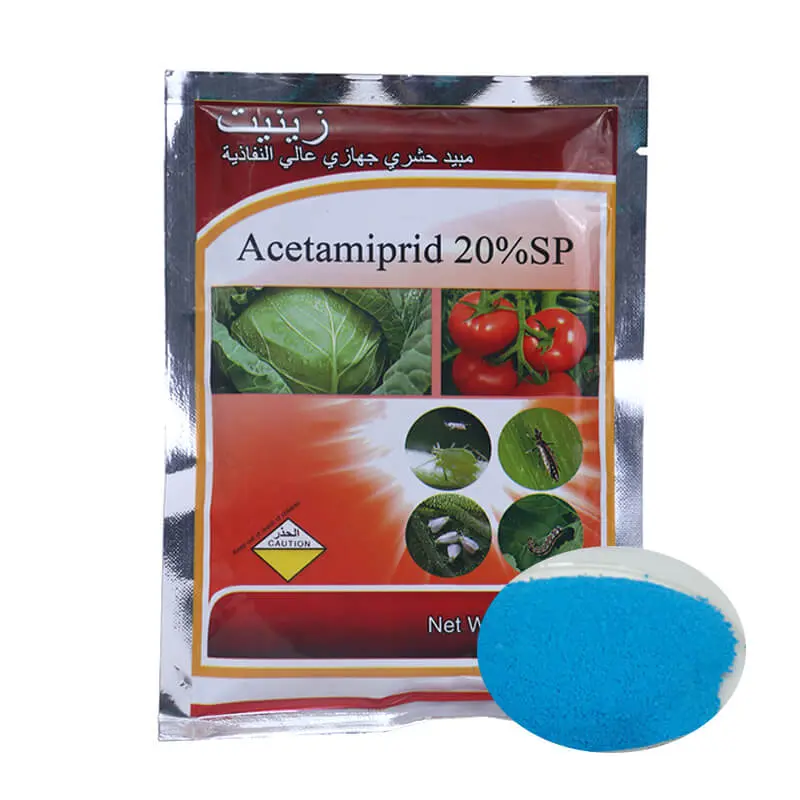
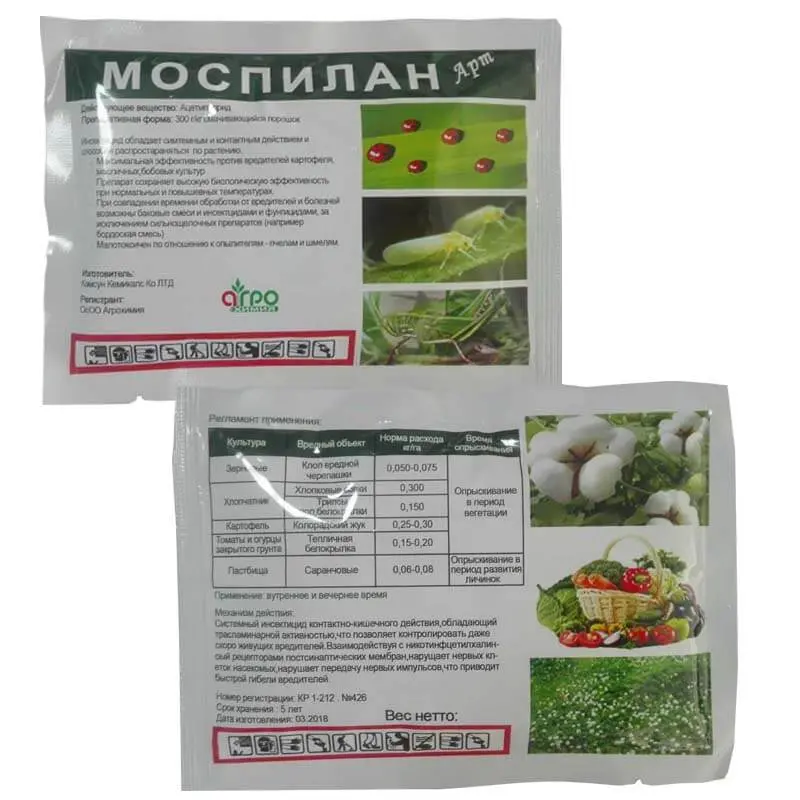
Acetamiprid is a broad-spectrum, systemic neonicotinoid insecticide widely used in agriculture for its effectiveness against a range of pests, including aphids, whiteflies, and thrips. This insecticide acts on nicotinic acetylcholine receptors in the nervous system, causing paralysis and death in target insects. Acetamiprid products are available in formulations like 20% SP, 15% SP, and 20% WP, ensuring versatile usage across various crops and agricultural conditions.
POMAIS supplies acetamiprid as export projects for importers, distributors, brand owners, and registrants who need batch-consistent products, documentation-ready files, and private label execution.
- Designed for Professional Buyers & Bulk Orders
- We support custom packaging, labeling, and formulation to meet your market needs.
- Export wholesale inquiries only.
- Please include destination country, business type (importer/distributor/registrant), and expected volume.
- Retail requests will not be processed.

About Acetamiprid Insecticide
| Item | Specification |
|---|---|
| Product Name | Acetamiprid Insecticide |
| Chemical Name | (E)-N1-[(6-chloro-3-pyridyl)methyl]-N2-cyano-N1-methylacetamidine |
| CAS Number | 135410-20-7 |
| Molecular Formula | C10H11ClN4 |
| IRAC Mode of Action | Group 4A — Neonicotinoids (nAChR competitive modulators) |
| Formulations Available (project-based) | 20% SP • 15% SP • 20% WP / 25% WP • 70% WDG • 3% EC |
| Typical Target Pests (label-dependent) | Aphids • Whiteflies • Leafhoppers • Thrips • Other piercing-sucking pests |
| Suitable Crops (destination-dependent) | Cotton • Vegetables • Fruit trees • Soybeans • Cereals • Other approved crops |
| Shelf Life | 2 years (based on final spec and storage conditions) |
| Documentation Pack | COA • SDS/MSDS • TDS • Batch traceability (shipment-linked) |
| Private Label Support | Multilingual label layout • Compliance blocks • Carton design • Pack configuration |
| Sales Model | Export wholesale only; retail requests will not be processed |
Acetamiprid is a versatile, broad-spectrum insecticide effective against a variety of sucking pests, widely applied in crop protection for both systemic and contact action. Let me know if additional customization is needed!
Characteristics (Why Distributors Choose Acetamiprid)
Acetamiprid is selected when buyers want a systemic Group 4A option that fits high-volume distribution, offers strong performance against sap-feeding pests, and supports rotation planning.
-
Systemic activity for sap-feeders: uptake and translocation can support protection beyond the spray surface under labeled use patterns.
-
Portfolio fit across segments: commonly positioned in vegetables, fruit, cotton, and other approved crops where aphids/whiteflies/thrips are recurring pressure points.
-
Rotation-ready MoA language: IRAC Group 4A classification supports stewardship messaging and distributor training materials.
-
Formulation flexibility: SP/WP/WDG/EC options help you match channel habits, warehouse handling preferences, and destination label scope.
Mode of Action and Advantages (IRAC Group 4A)
Acetamiprid is a Group 4A neonicotinoid acting on insect nicotinic acetylcholine receptors (nAChR), a standard MoA position for managing piercing-sucking pests in commercial crop programs.
By binding to nAChR targets, acetamiprid disrupts normal nerve transmission, leading to paralysis and death in susceptible insects. In resistance stewardship, the key is not “more sprays,” but MoA-aware rotation and label-aligned program design—especially in high-pressure pest systems.
Commercial advantages (buyer-facing):
-
Channel acceptance: widely used in distributor portfolios for sap-feeding pest control (label dependent).
-
Formulation options: SP/WP/WDG/EC routes to fit local handling and market habits.
-
Stewardship-ready messaging: Group 4 IRM principles discourage relying on the same group continuously and advise careful use of mixtures/co-formulations within the same group.
Crop Programs and Pest Scenarios
Acetamiprid is typically positioned where sap-feeding pests drive repeated interventions and where distributors need a systemic Group 4A option with clear training language and predictable supply.
Vegetables and Protected Crops
Often selected for recurring pressure from aphids, whiteflies, thrips, and leafhoppers in intensive production systems, where performance consistency and distributor guidance reduce complaint rates.
Fruit and Orchard Programs
Used in approved fruit systems where sap-feeders and related pests impact quality grades and marketability. Buyers typically prioritize label-fit claims, residue compliance workflows, and stable pack planning.
Cotton and Field Crops
Commonly evaluated in cotton and broad-acre programs where early-season sap-feeders affect plant vigor and yield potential, and rotation planning is required under resistance pressure.
Other Approved Crops
Depending on destination approvals, acetamiprid may be positioned in soybeans, cereals, and other crops when systemic activity and Group 4A messaging support a practical distribution program.
Label-First Use & Compliance
We do not publish fixed application rates on the public web page because approvals, restrictions, and label language vary widely by destination country and crop registration scope.
Share your destination market, target crop segment, and key pests. We will provide a label-ready documentation pack (TDS/SDS/COA) and market-aligned statements for your compliance review and product onboarding.
Premix and Combination Projects (Market-Dependent)
In many markets, acetamiprid is commercialized as part of premix projects to broaden spectrum, support rotation logic, or match local channel habits—always under destination label scope.
If you are building a premix line, share your target pests, crop segment, and registration pathway. We can evaluate feasible directions such as:
-
Acetamiprid + a contact partner for broader spectrum (market-dependent)
-
Acetamiprid + a miticide-oriented partner in programs where mites are also a concern (market-dependent)
-
Acetamiprid in rotation frameworks with other MoA groups to reduce selection pressure (label-first)
For more dosage forms, please see: List of Acetamiprid Mixing Formulations
Stewardship and Handling (Label-First)
Acetamiprid stewardship should be managed through destination labels, exposure controls, and correct hazard communication—especially around pollinators and sensitive non-target exposure pathways.
-
Follow destination label restrictions and national regulations for PPE, drift control, and buffer requirements.
-
Pollinator advisory: regulatory sources describe acetamiprid as moderately toxic to bees, and risk is typically managed via label language and exposure reduction during bloom.
-
Special note for sericulture regions: use caution around mulberry production and silkworm-related areas, consistent with local guidance and distributor stewardship.
Environmental Profile (Compliance-Aligned)
Environmental and non-target risk is managed through destination registration, label restrictions, and stewardship—this page does not make “zero impact” claims.
Regulatory reviews generally describe acetamiprid as having a manageable environmental profile compared with many older insecticides, while also noting potential risks to certain non-target organisms depending on use pattern. Your compliance approach should focus on: label-aligned drift control, protection of aquatic habitats, and pollinator exposure management during bloom.
If your destination market requires specific environmental statements or advisory blocks, send your country and use pattern. We can align documentation and label language accordingly.
Safety for Plants and Animals
Acetamiprid products have excelled in safety tests, ensuring that their use minimizes the impact on ecosystems and non-target organisms.
Safety for Bees and Beneficial Organisms
Acetamiprid‘s low toxicity does not cause significant harm to beneficial insects such as bees. This reduces the impact on key pollinators in the ecosystem, ensuring the stability of the agricultural environment.
Safety for Birds
Studies show that Acetamiprid has very low toxicity to birds, meeting global agricultural environmental protection standards and minimizing the negative impacts of agricultural production on ecosystems.
Impact on Water and Soil
During use, Acetamiprid does not pollute water sources or affect the long-term fertility of the soil. It fully complies with sustainable agricultural standards, guaranteeing the long-term ecological stability of farmland environments.
Quality Assurance and Batch Control
Importers and brand owners evaluate suppliers on batch consistency, documentation completeness, and shipment execution—not on generic claims.
Our quality workflow is built around shipment-linked control:
-
Batch COA with traceability for every shipment
-
SDS/MSDS and TDS prepared for importer onboarding and registration workflows
-
Raw material verification and in-process checks to protect formulation stability
-
Optional third-party testing support when required by destination files (project-based)
Private Label Services and Export Packaging
You are not only buying acetamiprid—you are building a sellable SKU with compliant labeling, export packing, and a documentation-ready supply chain.
Packaging for Distribution
We support export channel packs and bulk formats aligned to your logistics plan, such as 20 L, 10 L, 5 L, 1 L (project-based) and bulk shipment formats where applicable. Carton, palletizing, and leakage-risk controls can be aligned to your destination requirements.
Label Language and Compliance Blocks
We support multilingual label layout, compliance blocks, and carton design so your SKU is shelf-ready for distributor channels and audit-ready for import workflows.
Global Market Coverage and Market Fit
Our Acetamiprid products have been widely exported to a number of markets around the world, including Middle East, Russia, Africa, South America, and other regions. Our products are fully compliant with the agricultural standards of each country.
ICAMA Registration
Our products are ICAMA registered and comply with the agricultural regulations of many countries, including China, Russia, and the United States, ensuring legal sales in the global market.
Global Compliance Certification
We strictly adhere to pesticide management regulations in various countries, ensuring that our products meet market access requirements and are legally used by customers around the world.
Commercial Enablement Support
Our support focuses on helping importers and distributors commercialize the SKU with fewer onboarding delays and fewer field complaints.
-
Documentation coordination for importer onboarding and registration teams
-
Distributor enablement materials: MoA positioning language, label-language alignment, and product onboarding checklists
-
Sample and qualification support (project-based)
-
Export packing and shipment execution coordination to reduce delivery risk
FAQ: All About Acetamiprid
Contact us!
We will reply to you within 24 hours on business days!