Browse Crop Protection Solutions
Crop-protection priorities vary by production system, growth stage, pest pressure, disease environment, weed spectrum, and destination-market registration.

How Crop Protection Programs Are Built
A crop name alone is not enough to select the right pesticide. Commercial crop-protection programs should combine field conditions with product and regulatory requirements.
Major Crop Protection Challenges
Crop-protection programs usually involve several biological and agronomic pressures rather than one isolated problem.
Crop Stage Changes Product Priorities
Protection priorities can change significantly during the crop cycle.
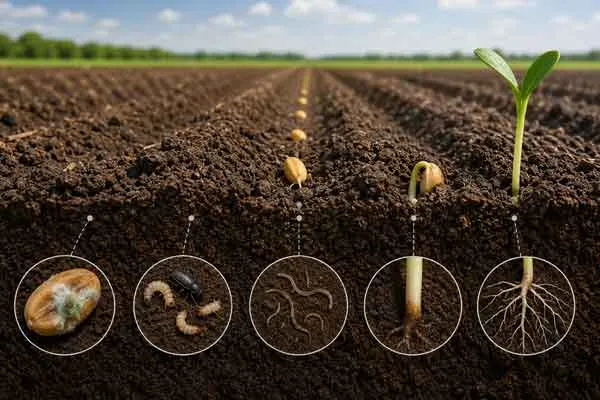
Seed and Planting
Typical priorities include seed-borne disease, soil insects, nematodes, damping-off, and establishment protection.
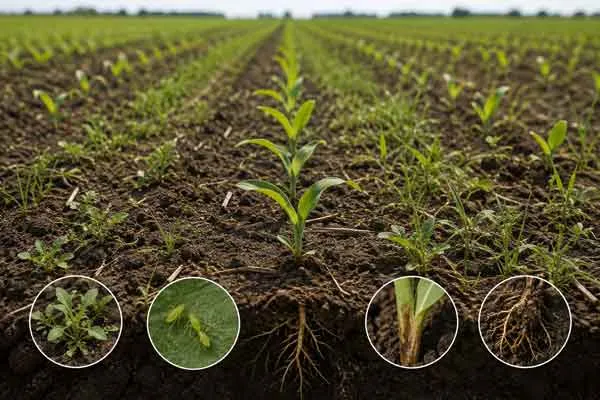
Early Establishment
Early weed competition, sucking pests, seedling disease, and root-zone pressure can influence stand development.
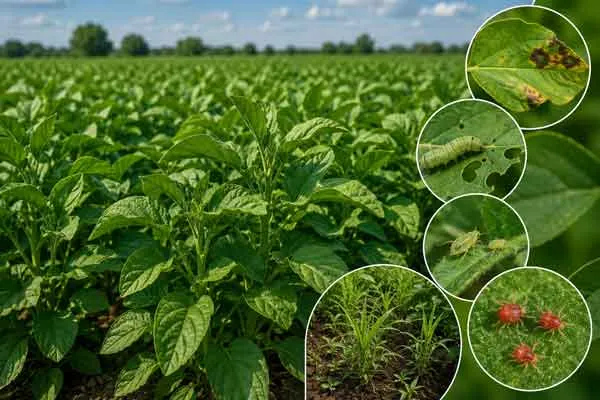
Vegetative Growth
Foliar disease, chewing or sucking pests, mites, and weed competition become important in many crops.
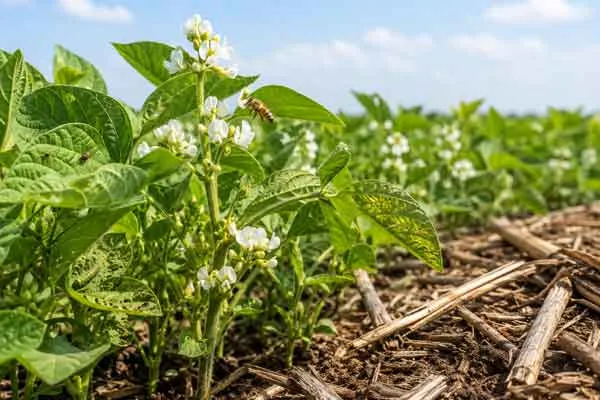
Flowering and Reproductive Stage
Disease timing, insect pressure, crop sensitivity, pollinator considerations where applicable, and residue requirements can become more important.
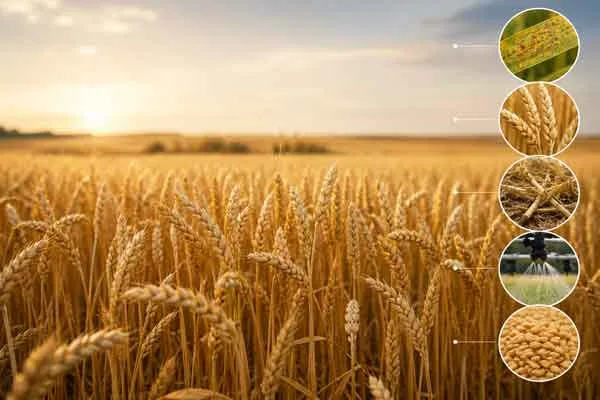
Pre-Harvest
Late disease pressure, product PHI, residue requirements, application limits, and crop-quality objectives should be reviewed before treatment.
Crop Protection Directions by Crop
| Crop | Pest Direction | Disease Direction | Weed Direction | Seed / Soil Direction |
|---|---|---|---|---|
| Wheat | Aphids, armyworms and other cereal pests | Rusts, Fusarium and foliar diseases | Grass and broadleaf weeds | Seed-borne disease and establishment |
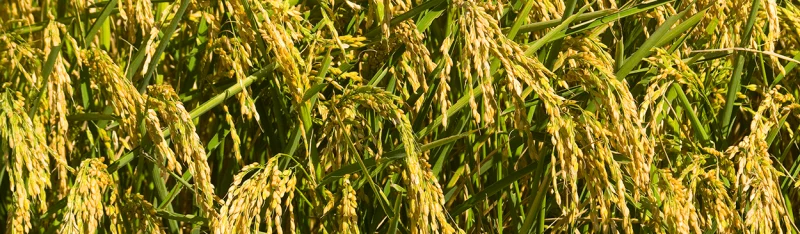
| Rice | Planthoppers, stem borers, leaf folders | Blast, sheath blight and other rice diseases | Barnyardgrass, sedges and mixed weeds | Seed and early-establishment protection |
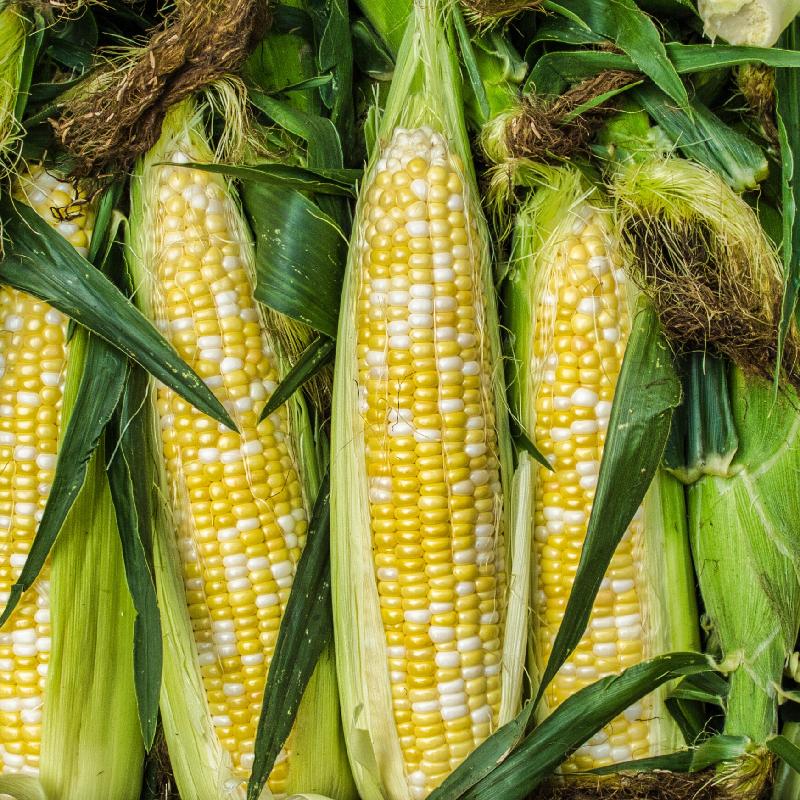
| Corn | Armyworms, borers and root-zone pests | Leaf blights, rusts and seedling disease | Grass, pigweed and mixed weeds | Seed treatment and root-zone protection |
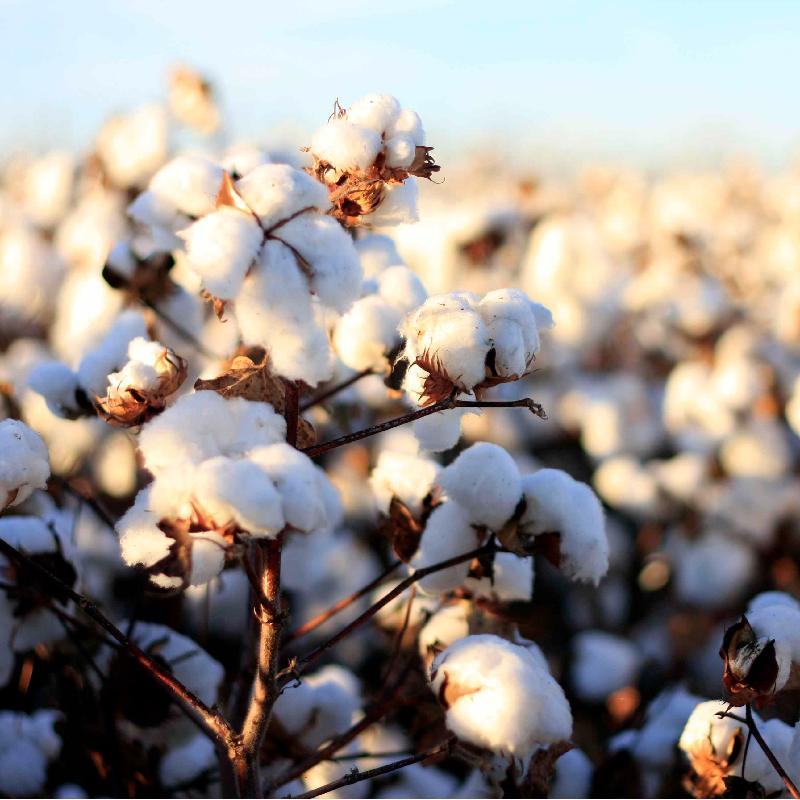
| Cotton | Bollworms, whiteflies, aphids and mites | Wilt, boll and foliar disease directions | Pigweed, sedges and mixed weeds | Seed and early-season protection |
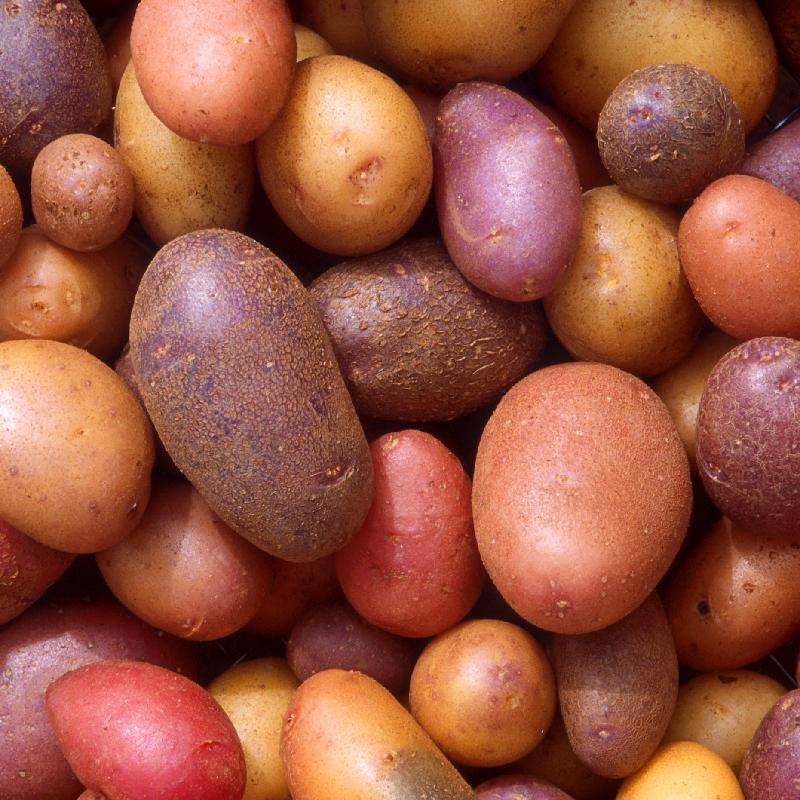
| Potato | Aphids, beetles and selected soil pests | Late blight, early blight and root diseases | Grass, broadleaf and mixed weeds | Tuber, soil and nematode management |
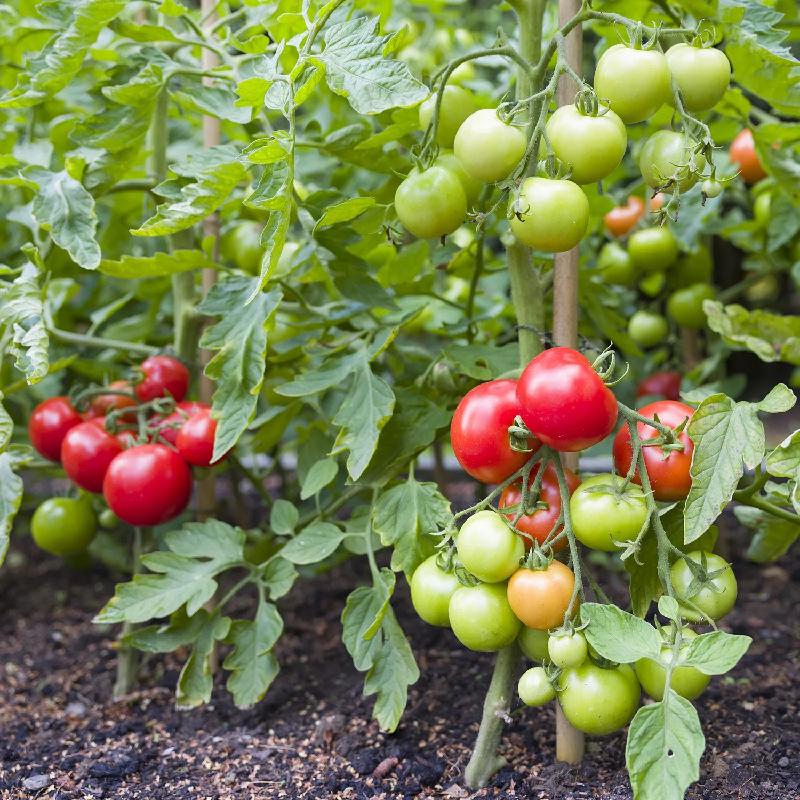
| Tomato | Whiteflies, thrips, caterpillars and mites | Blights, wilts, leaf spots and root diseases | Mixed weed populations | Seedling and root-zone protection |
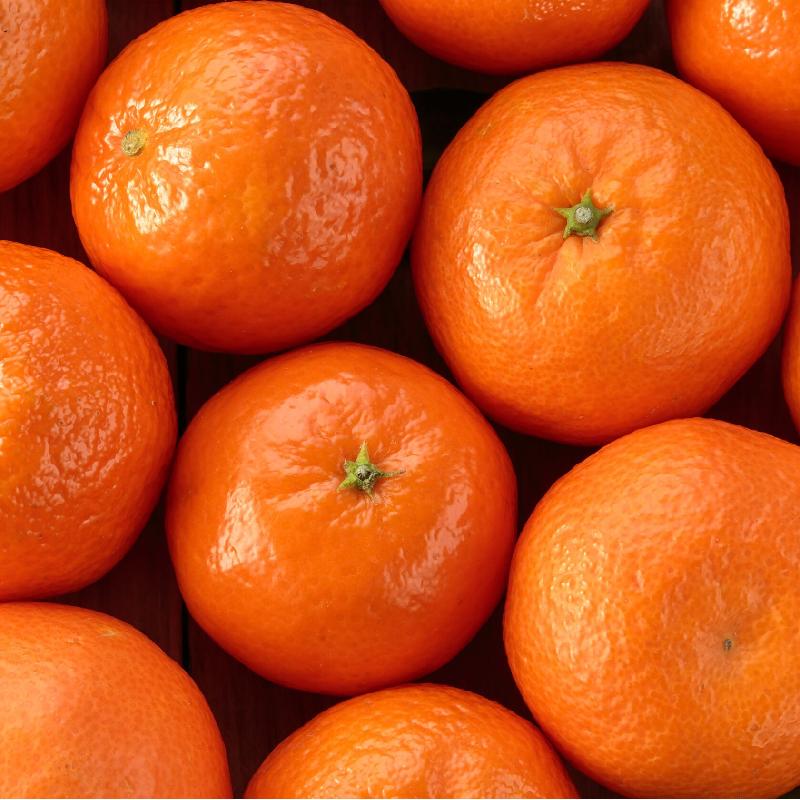
| Citrus | Psyllids, scales and mites | Phytophthora and foliar diseases | Orchard weed complexes | Root-zone and nematode management |
These are management directions rather than universal pesticide recommendations. Final product selection depends on local registration, crop stage, pest pressure, resistance situation, and approved label.
Explore Crop Protection by Problem
The same crop can face different biological problems at different stages. Use the relevant management hub to narrow the product direction.
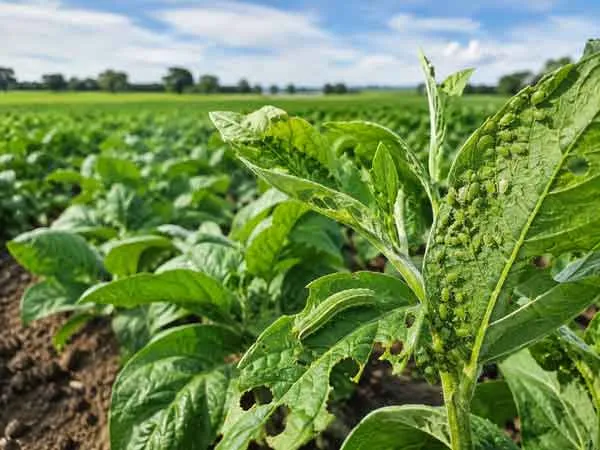
Explore product-selection logic for sap-feeding pests, lepidopteran caterpillars, borers and miners, mites, soil insects, and plant-parasitic nematodes.
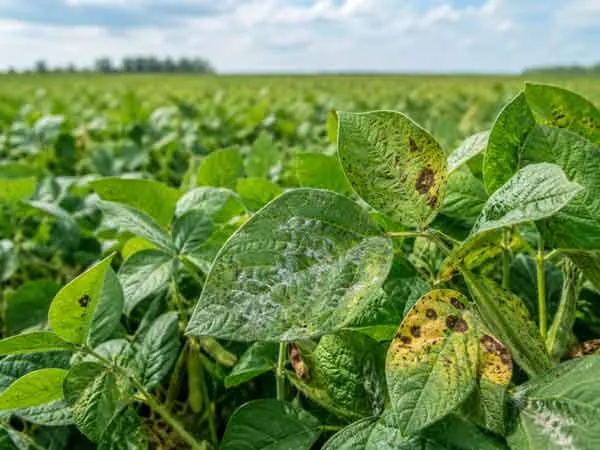
Explore management directions for foliar fungal diseases, oomycetes, seed and seedling diseases, soil and root diseases, and bacterial disease programs.
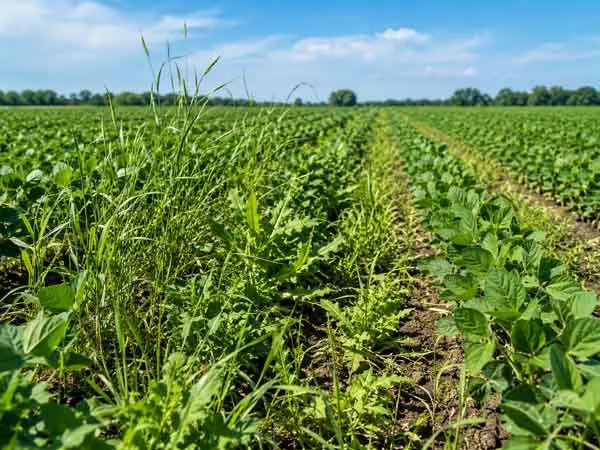
Explore herbicide-selection logic for grass weeds, broadleaf weeds, sedges, mixed weed populations, perennial weeds, and resistant weed situations.
Featured Crop Protection Products
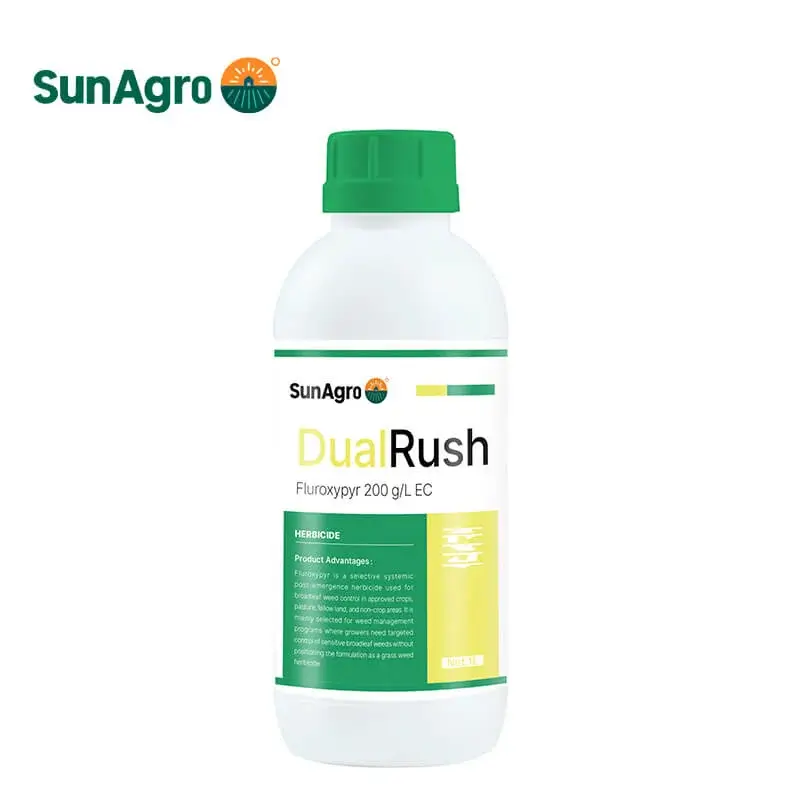
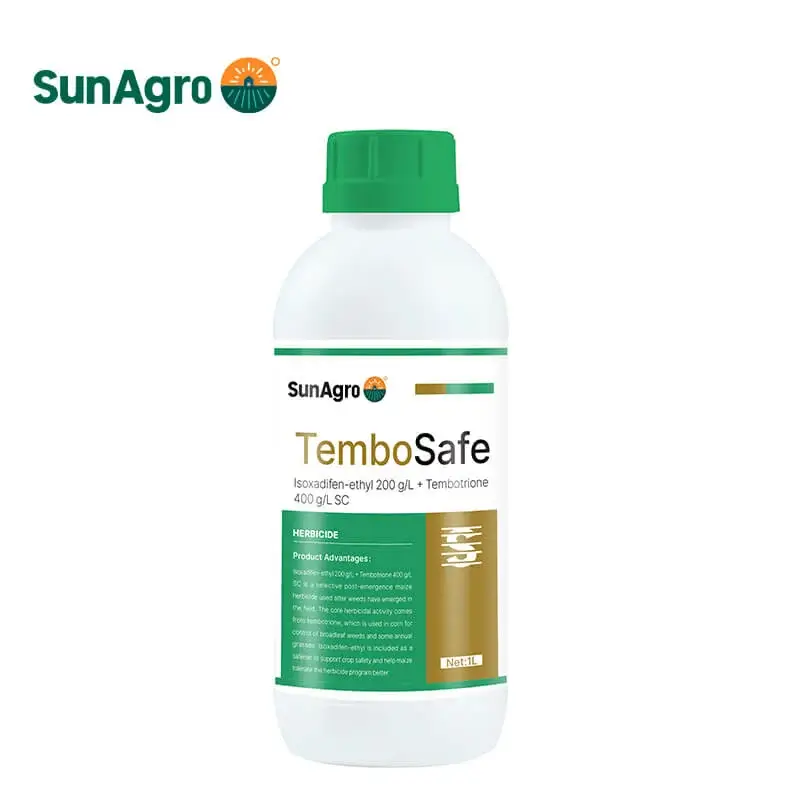
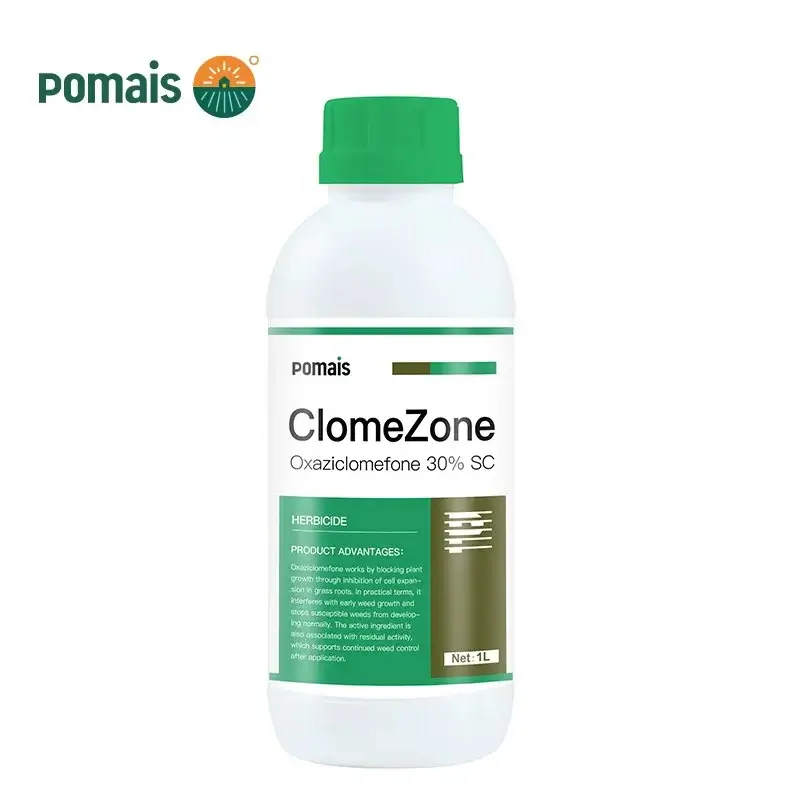
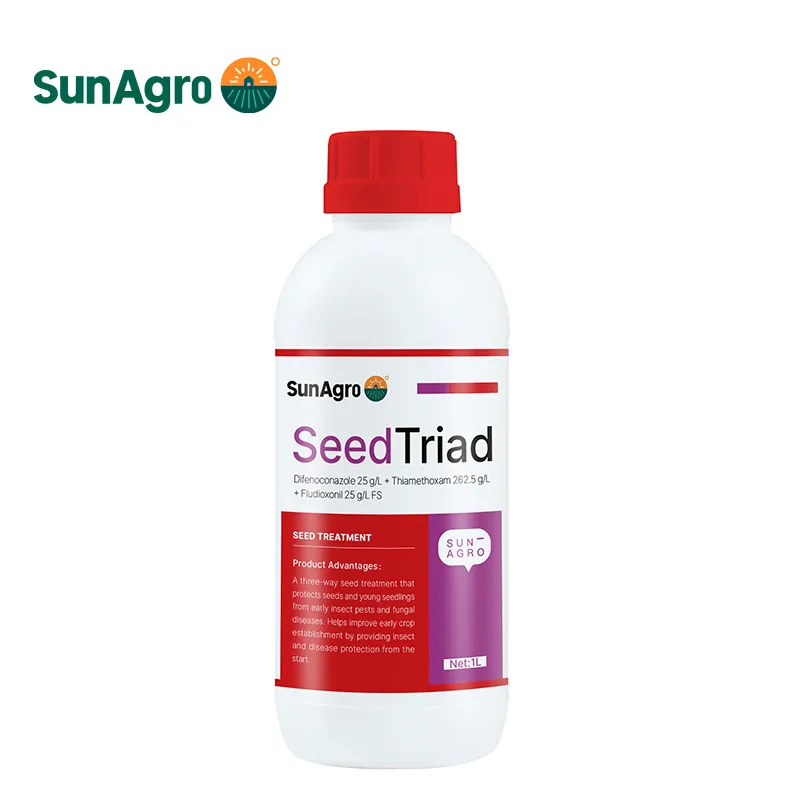
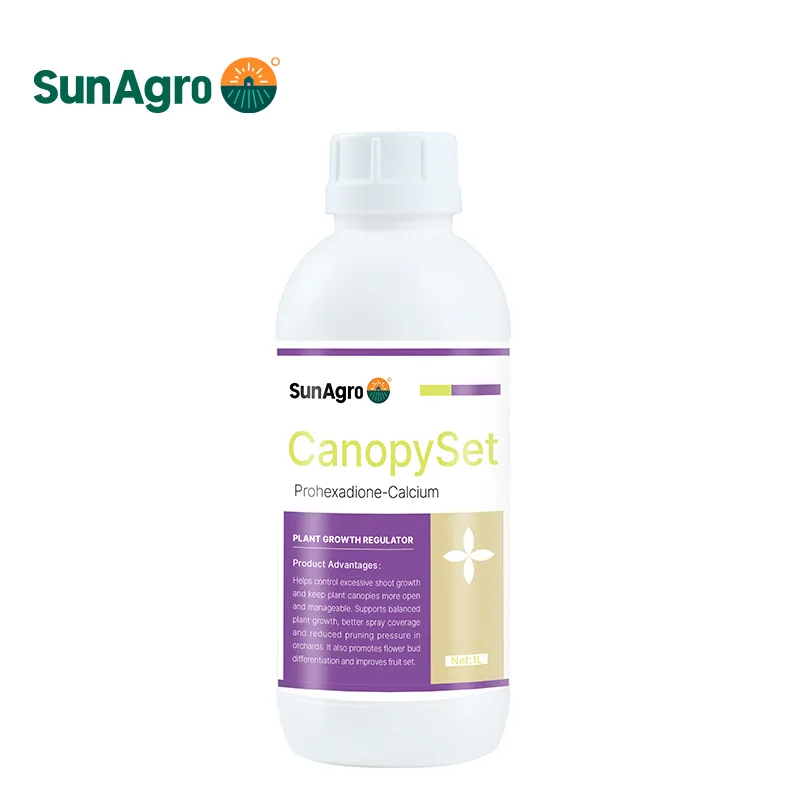
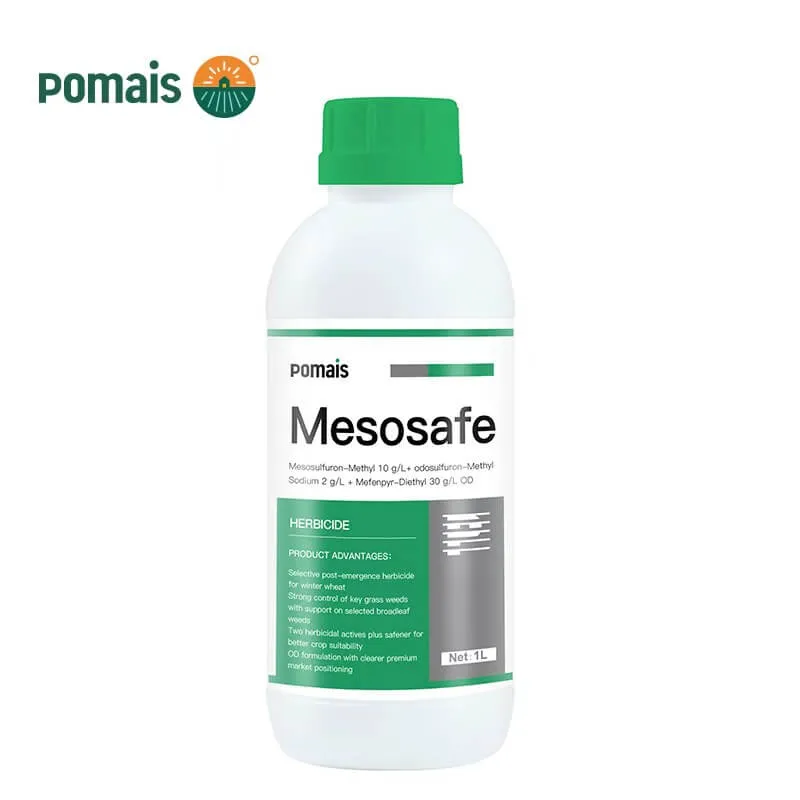
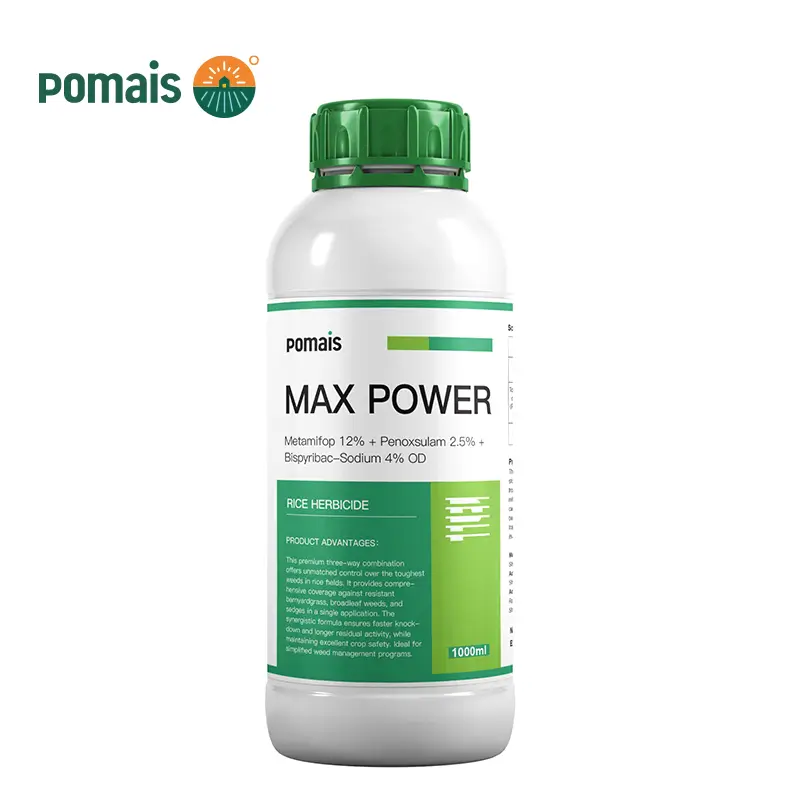
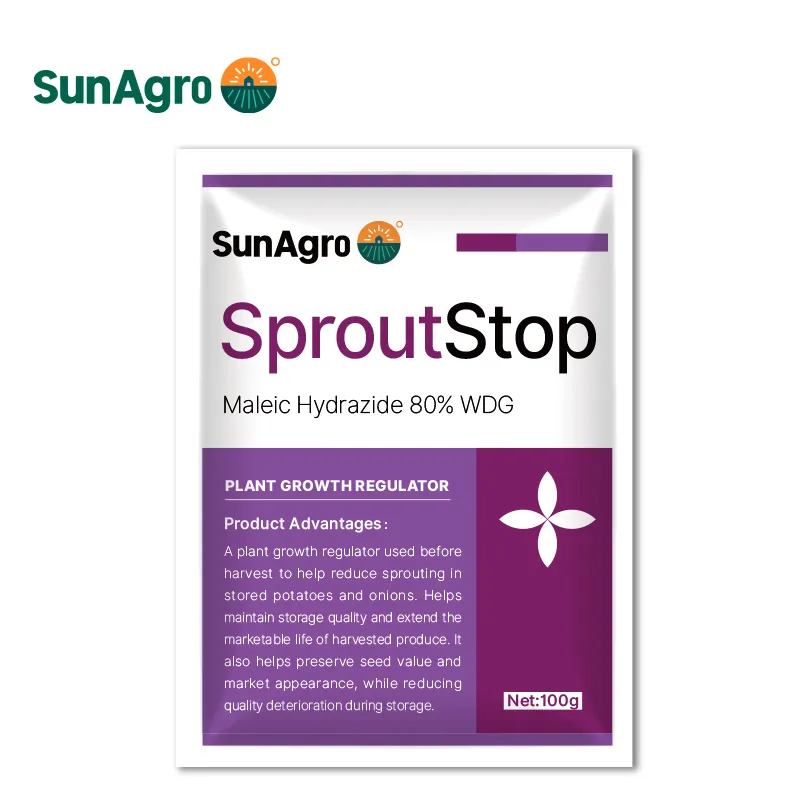
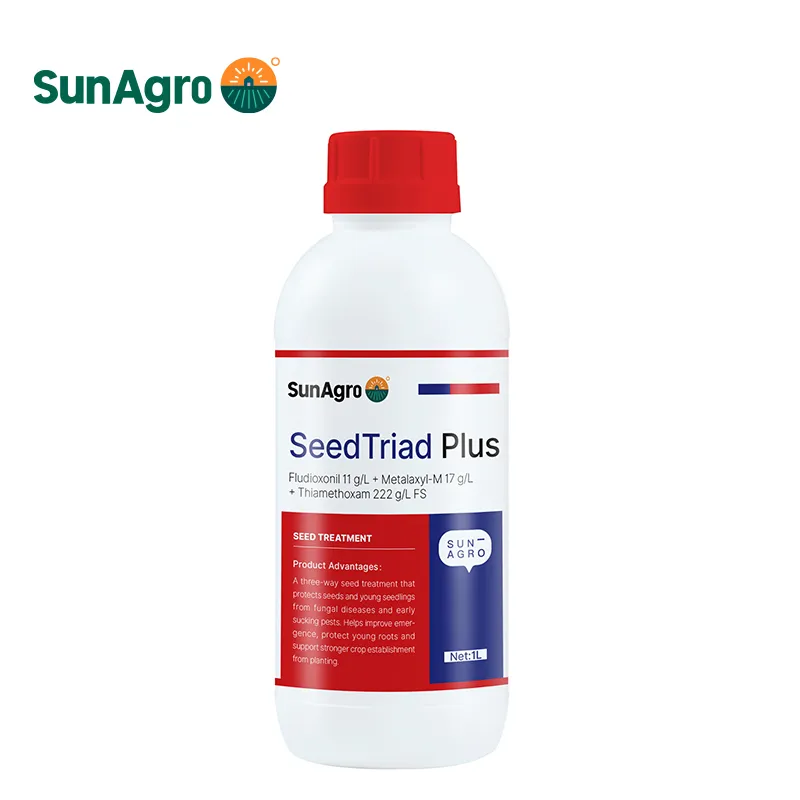
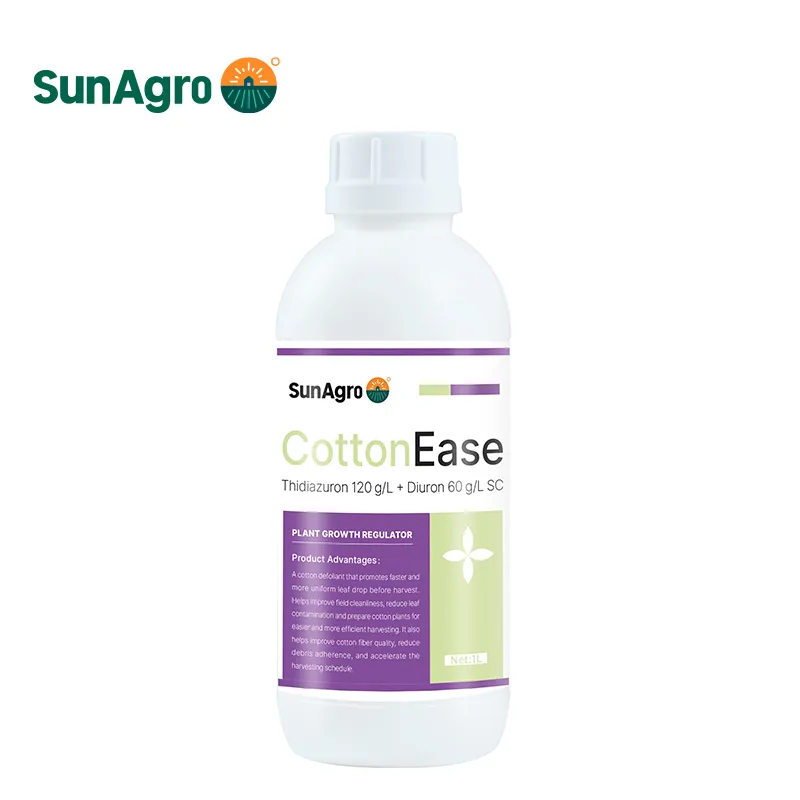
Explore selected crop-protection products representing different application directions across insecticides, fungicides, herbicides, seed treatments, miticides, nematicides, and specialty formulations.
Product selection should be based on the target crop, biological problem, crop stage, mode of action, formulation, resistance-management requirements, and destination-market registration.
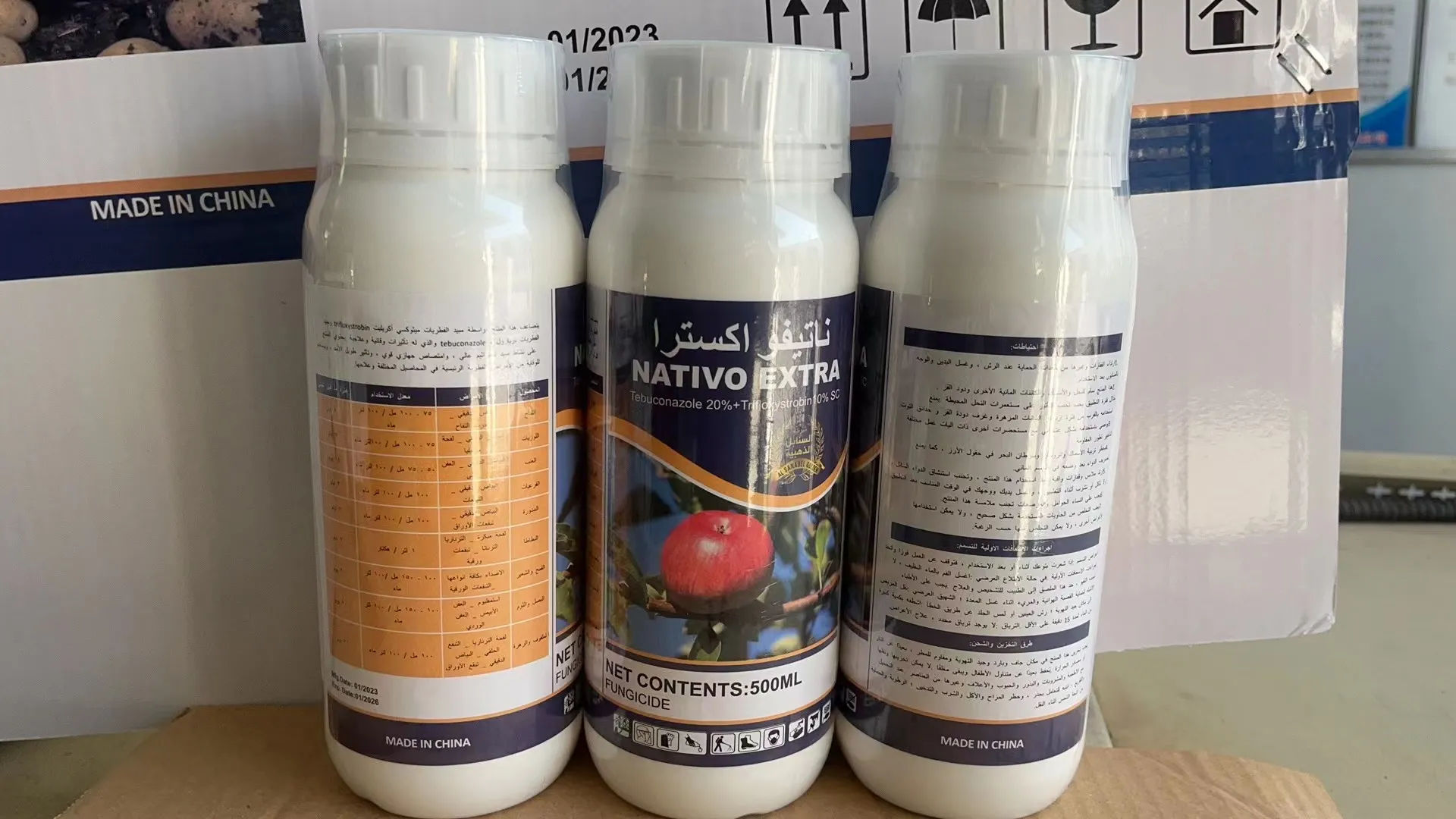

Crop Protection Product Supply
POMAIS supports different sourcing directions for agrochemical importers, distributors, registration companies, wholesalers, and private-label brands.


