Trichoderma harzianum Biofungicide WP & OD (TH7/T-22)
WP & OD Formulations for Root & Soil-Borne Disease Programs
If you sell into markets where growers can’t afford replanting, uneven stands, or chronic root pressure, Trichoderma harzianum is one of the most commercialized “foundation” biologicals you can put into a disease program. You’re not buying a “bio concept” — you’re buying a repeatable root-zone colonization tool that supports disease suppression through multiple biological modes of action, making it a strong fit for rotation-heavy, residue-sensitive, and IPM-oriented portfolios.
From a distributor or brand-owner perspective, this product is best positioned as preventive to early-stage protection: build a stable rhizosphere, reduce pathogen establishment, and stabilize crop performance under recurring soil-borne pressure.
- Designed for Professional Buyers & Bulk Orders
- We support custom packaging, labeling, and formulation to meet your market needs.
- Export wholesale inquiries only.
- Please include destination country, business type (importer/distributor/registrant), and expected volume.
- Retail requests will not be processed.

About Trichoderma harzianum Biofungicide WP & OD (TH7/T-22)
| Product name | Trichoderma harzianum Biofungicide |
| Strain options | TH7 and T-22 (strain-coded supply for different market preferences/registration files) |
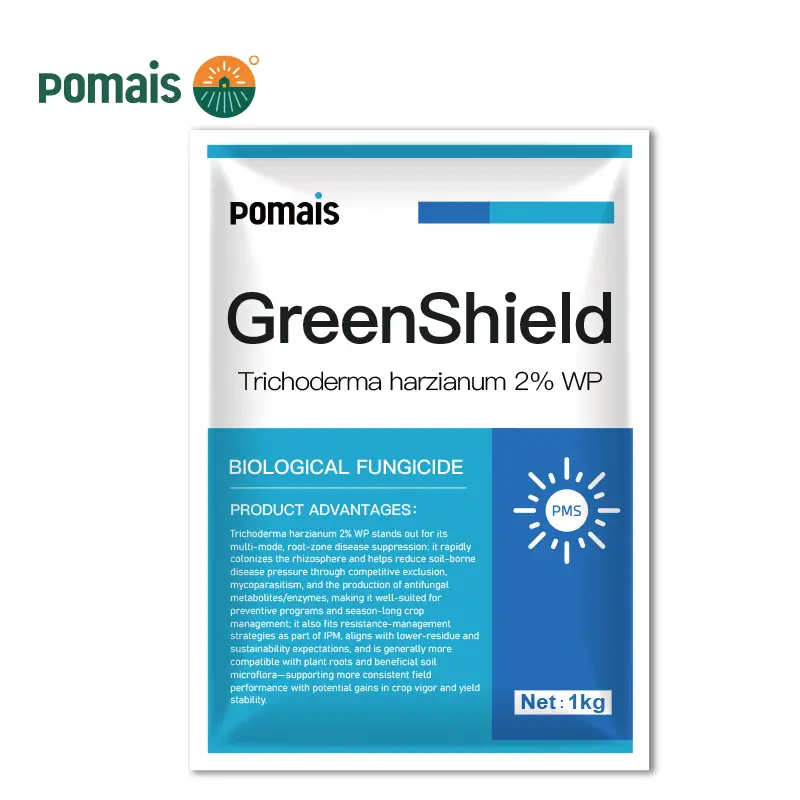
| Formulations | 2% WP; 300 million CFU/g WP; 1 billion CFU/g OD (Oil Dispersion, oil-dispersible suspension) |
| Product type | Microbial fungicide / biofungicide / biocontrol agent |
| Typical positioning | Root & soil-borne disease programs; rotation partner; low residue narrative |
| Supply model | Bulk supply + private label packaging + multi-language label support + documentation pack |
Trichoderma harzianum
Trichoderma harzianum is a beneficial fungus used as a biofungicide. It works primarily by colonizing the root zone ahead of pathogens and suppressing soil-borne disease complexes via competition, direct antagonism (mycoparasitism), enzyme activity, and plant defense priming.
If your search “what is Trichoderma harzianum” or “Trichoderma harzianum fungicide,” they are typically looking for a product that can be integrated into a program where consistency, safety profile, and resistance-management logic matter as much as short-term knockdown.
How It Works: Mode of Action
Fewer losses from root disease pressure, stronger stands, and fewer “surprise” collapses when conditions turn favorable for pathogens.
Root-Zone Colonization and Competitive Exclusion
Trichoderma is widely positioned around the idea of “get there first”: it establishes in the rhizosphere and competes for space and nutrients, limiting pathogen establishment and infection opportunities. This is why timing matters commercially — the product performs best when used preventively or at the first signs of risk, not as a last-minute rescue.
Mycoparasitism (Direct Antagonism)
Trichoderma is also known for direct interaction with pathogenic fungi. It can attack pathogen structures through mycoparasitism and contributes to pathogen suppression via multiple biological processes working together.
Cell-Wall-Degrading Enzymes (Chitinases & Glucanases)
A practical way to communicate this to the market: Trichoderma can produce enzymes associated with breaking down fungal cell wall components. In commercial messaging, this supports the “multi-mechanism” positioning that buyers like because it reduces dependence on single-site chemistry.
Plant Defense Priming and Crop Vigor Support
In many programs, Trichoderma products are positioned not only for disease suppression but also for root system development and resilience under stress conditions. For distributors, this becomes a value message: the product is not only about “less disease,” but also about more stable growth under disease pressure.
Target Crops and Target Diseases
This product is best positioned in portfolios that actively manage soil-borne and root disease complexes, especially where growers have recurring pressure season after season.
Primary Target Disease Positioning (Most Common Market Fit)
- Damping-off complexes (often associated with Pythium-type pressure)
- Rhizoctonia root rot complexes
- Fusarium wilt risk reduction programs
- Sclerotinia-type rot pressure programs
- Similar soil pathogen complexes where “root health insurance” is a commercial driver
High-Value Crop Segments Where This Converts Well
- Vegetables: tomato, brassicas, leafy vegetables
- Berries: strawberry (program positioning where disease pressure and residue sensitivity are high)
- Oilseed rape/canola program narratives (rot pressure, crop stability, rotation logic)
- Tobacco and other value crops where quality and stand stability matter
Final disease/crop claims must match your destination market registration and label. The most effective way to sell this product globally is to position it as a program tool and then deliver a label-ready claim set per country.
Formulation Matters: WP and OD
Buyers don’t only compare “species + CFU.” They compare delivery systems — because formulation is what decides whether a biological stays consistent in real distribution and farm use.
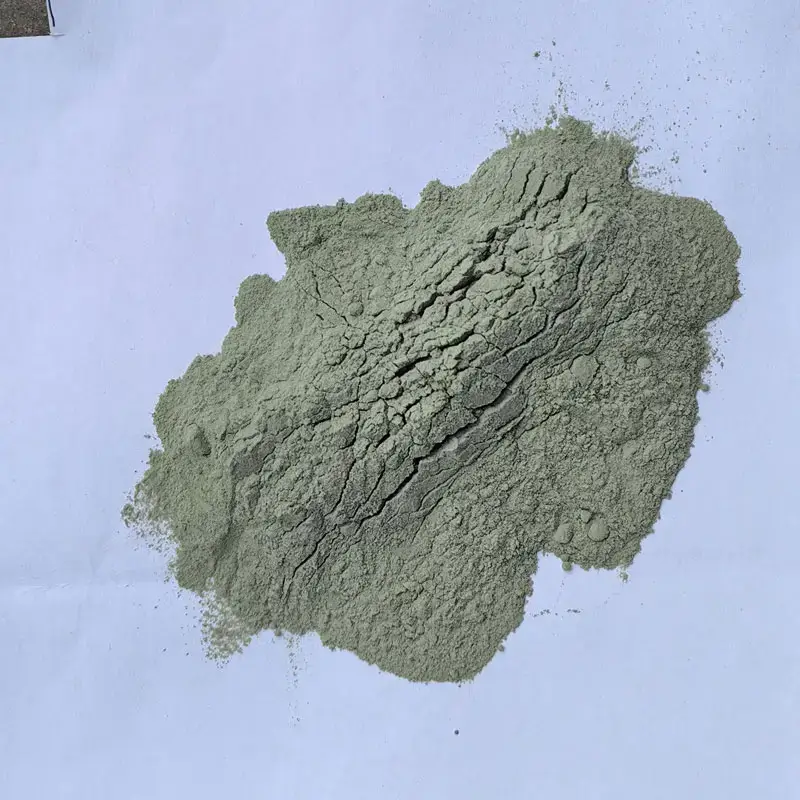
WP (Wettable Powder): The Channel-Friendly Workhorse
Use WP when your customer wants:
- A broadly accepted format for microbial products
- Easy storage/handling in standard distribution
- A clear value SKU for tenders and mainstream retail channels
Your WP options
- Trichoderma harzianum 2% WP
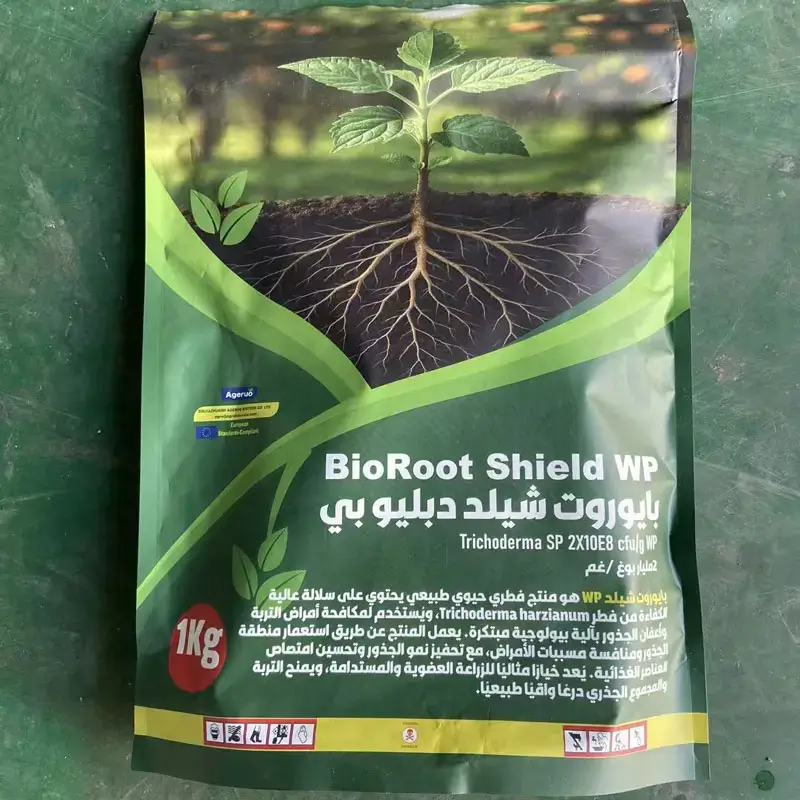
- Trichoderma harzianum 300 million CFU/g WP
OD (Oil Dispersion): Premium Differentiation for Portfolio Builders
An oil dispersion (OD) is an oil-based system designed to disperse into water when diluted. For brand owners, OD creates a “premium formulation story” — especially in markets that value differentiated delivery and portfolio segmentation.
Your OD option
- Trichoderma harzianum 1 billion CFU/g OD (oil-dispersible)
Quality & Viability Assurance
If you sell biologicals long enough, you learn one thing: buyers aren’t afraid of the idea — they’re afraid of inconsistent batches. Your product page should signal that you operate like a professional manufacturer, not a trading label.
What You Can Provide for Procurement and Registration
- Batch COA focused on viability/CFU and release criteria
- Strain-coded supply (TH7 / T-22) for traceability
- Documentation pack: SDS/MSDS, TDS, product spec sheet, shelf-life statement, storage guidance
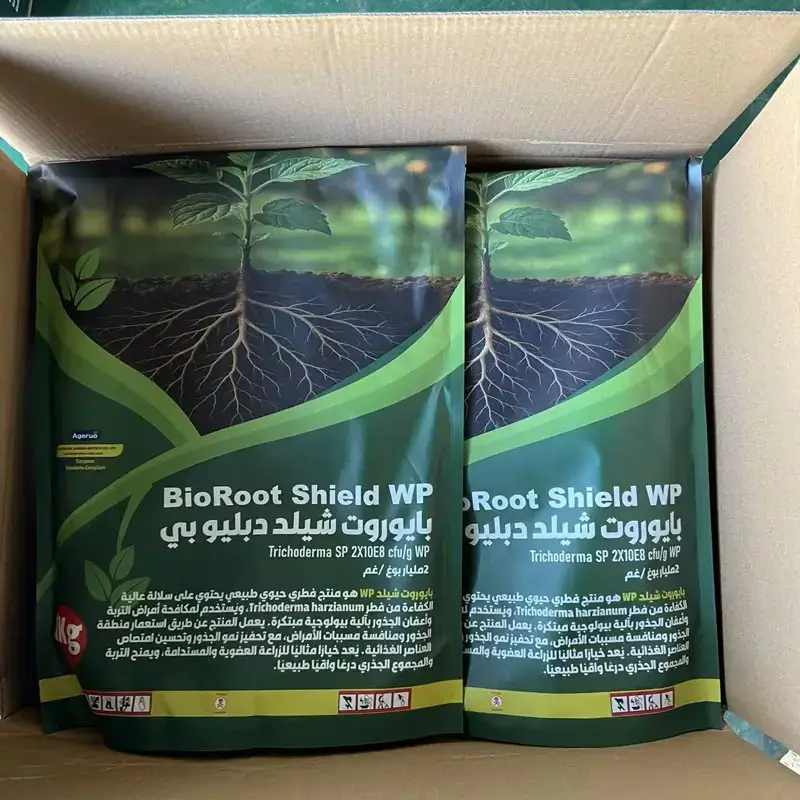
- Private label support: artwork, multi-language labels, packaging specifications aligned to channel needs
Why This Matters to Your Distributor
- Lower reputational risk: fewer complaints from inconsistent field performance
- Easier registration workflow: consistent data pack and strain identity
- Stronger channel confidence: repeatable product experience supports repeat orders
Private Label Supply: Built for Importers, Distributors, and Brand Owners
If you are building a branded biological line, you need more than a drum. You need a market-ready product system.
Private Label Options
- Packaging formats aligned to your market channel (retail packs, professional packs, bulk)
- Multi-language label design aligned to local label norms
- Documentation bundle for importer onboarding and registration preparation
What You Get When You Start a Project
- Product specification confirmation (strain + formulation + CFU)
- Label-ready technical description and positioning language
- COA / SDS / TDS documentation set
- Packaging and lead-time alignment based on your launch plan
Safety & Stewardship
Trichoderma harzianum is widely positioned as a low-residue, IPM-fit solution, but it still requires professional stewardship because it is a live microbial product.
- Always follow the approved label and local regulations for claims, crops, and application directions.
- Use standard PPE practices for agricultural inputs to avoid unnecessary exposure.
- Avoid contaminating water bodies and handle packaging responsibly per local requirements.
- For tank-mix or program compatibility, follow local label allowances and conduct a small compatibility check when required by your market’s agronomic practice.
FAQs
What is Trichoderma harzianum used for?
It is used as a biofungicide in crop disease programs, especially for root and soil-borne disease complexes, where preventive protection and program stability are critical.
How does Trichoderma harzianum work?
It is commonly explained through multiple mechanisms: root colonization and competition, direct antagonism (mycoparasitism), enzyme activity, and plant defense priming. This multi-pathway story is why it’s often positioned as a strong rotation partner.
Is T-22 the same as Trichoderma harzianum?
T-22 is a strain identifier. “Trichoderma harzianum T-22” refers to the Trichoderma harzianum organism with a specific strain code used in many commercial programs.
What is the difference between Trichoderma harzianum and Trichoderma viride?
They are different species within the Trichoderma genus. Many buyers choose between them based on local registration availability, portfolio positioning, and field program fit. If you tell us your market and crops, we can recommend the most label-efficient option.
WP vs OD — which one should I choose?
Choose based on your channel strategy:
- WP for mainstream distribution, familiarity, and broad adoption
- OD when you want a premium formulation line and differentiated portfolio positioning
Can I use it as a standalone “rescue” treatment?
Biologicals like Trichoderma harzianum are most consistently positioned as preventive or early-stage program tools. If your customer needs rescue activity, you typically build a program that integrates biologicals with other registered solutions.
Get a Label-Ready Answer
If you share the three items below, we’ll reply with a label-ready positioning sheet and a distributor-friendly spec pack.
- Destination country (registration target)
- Target crops and target diseases
- Preferred SKU (2% WP / 300M CFU/g WP / 1B CFU/g OD) and strain option (TH7 or T-22)