Powdery Mildew Chemical Control — Chlorothalonil 10% + Hexaconazole 5% + Ethirimol 5% FU

Stop powdery mildew fast — prevent, cure, and protect.

This FU (smoke) fungicide combines Chlorothalonil (multi-site) + Hexaconazole (DMI systemic) + Ethirimol (PM-specific systemic) to deliver full-leaf coverage and triple-action control in greenhouses and tunnels. The smoke spreads through the canopy and settles on both leaf surfaces, reaching spray blind spots.

  • Triple action: preventive + curative + residual
  • Smoke reach: coats leaf undersides and inner canopy
  • No water, low labor: night-time treatment, quick turnarounds
  • Rotation-friendly: multi-site + two systemic FRAC groups
  • Designed for Professional Buyers & Bulk Orders
  • This product is available for business purchase and large-scale distribution.
  • We support custom packaging, labeling, and formulation to meet your market needs.
  • Let’s build your brand together.

About Powdery Mildew Chemical Control — Chlorothalonil 10% + Hexaconazole 5% + Ethirimol 5% FU

About Powdery Mildew Chemical Control — Chlorothalonil 10% + Hexaconazole 5% + Ethirimol 5% FU

Product Name Powdery Mildew Chemical Control — Chlorothalonil 10% + Hexaconazole 5% + Ethirimol 5% FU
Formulation Type FU (Fumigant / Smoke Generator)
Function Preventive, curative, and residual control of powdery mildew in enclosed or semi-enclosed crops
Active Ingredients Chlorothalonil 10% (FRAC M05): Multi-site contact protectant – Hexaconazole 5% (FRAC 3): DMI systemic fungicide (ergosterol inhibitor) – Ethirimol 5% (FRAC 13): Systemic fungicide specific to powdery mildew
CAS Numbers Chlorothalonil: 1897-45-6
Mode of Action (MoA) Multi-site + two systemic mechanisms; surface protection + internal curative + residual defense
Target Pathogens Erysiphe, Leveillula, Oidium, Sphaerotheca species (powdery mildew fungi)
Target Crops Cucurbits, solanaceous crops, beans, leafy greens, herbs, ornamentals
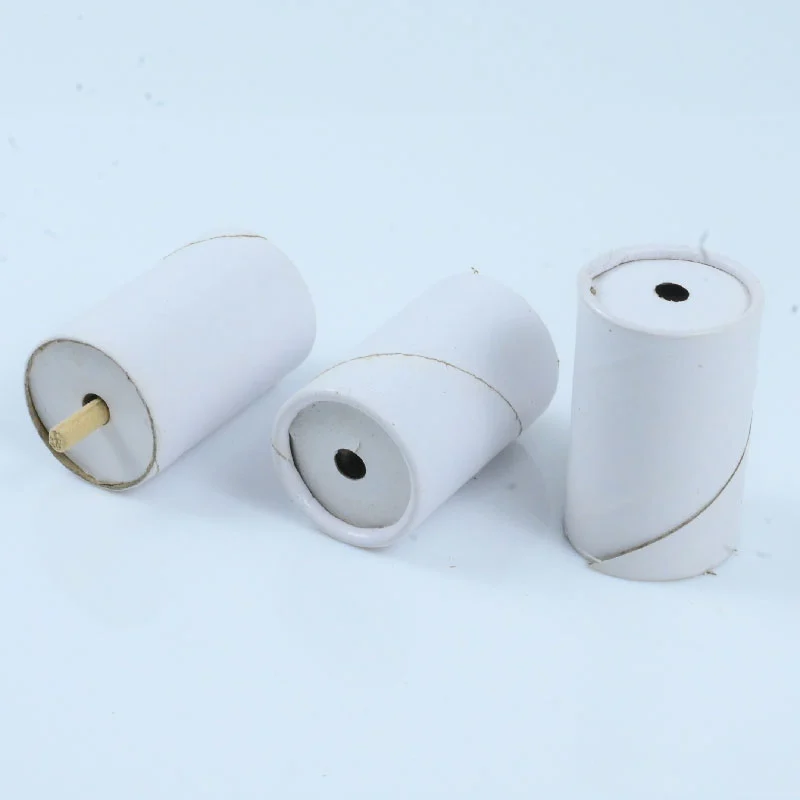
Appearance Smoke-emitting unit; produces fine white smoke for canopy coverage
Solubility Low (chlorothalonil) / moderate (hexaconazole) / high (ethirimol) for balanced persistence
Storage Stability Stable under cool, dry conditions; pass cold/heat stability tests
pH Stability Stable in acidic–neutral range; avoid alkaline conditions
Shelf Life Typically 2 years in sealed original packaging
Storage Conditions Store in a cool, ventilated, and dry area, away from ignition and moisture
Regulatory Note Chlorothalonil restricted/limited in some jurisdictions; use only where registered
Documents Available COA / MSDS / TDS / Stability Report / Multilingual Label Files

Powdery Mildew — What It Is and Why It Hurts

What it is
Powdery mildew is a true fungus disease (e.g., Erysiphe, Leveillula, Oidium). It grows on the leaf surface and sends feeding structures into cells.

How to recognize it

  • White, powdery patches on leaves, stems, sometimes fruit.
  • Leaves yellow, curl, and age early; severe cases cause leaf drop.
  • Spots often start on upper leaves or shaded, crowded areas.

When it thrives

  • Warm days + cool nights, high humidity, and little free water (it doesn’t need leaf wetness like many other fungi).
  • Dense canopies, poor airflow, and late-day irrigation increase risk.

Why growers care

  • Less photosynthesis → less yield and weaker plants.
  • Poor fruit quality (sunburn after defoliation, size and grade loss).
  • Fast spread in greenhouses and tunnels, especially during long production cycles.

What control needs to do

  • Protect clean leaves from new spores.
  • Stop early internal growth inside tissue.
  • Reach leaf undersides and inner canopy where symptoms and spores hide.
  • Combine fungicides with airflow, humidity control, and sanitation.

Mode of Action — How the Triple Formula Works

Three actives, three functions, one complete program.
This formulation merges multi-site protection, systemic curative action, and targeted anti-mildew performance—designed to stop powdery mildew at every stage.

1. Chlorothalonil (10%) — Multi-site protectant (FRAC M05)

  • Forms a durable surface shield on the leaf.
  • Prevents spore germination and infection.
  • Acts on multiple biochemical sites, making resistance rare.
  • Supports the two systemic partners by reducing spore load and protecting new tissue.

2. Hexaconazole (5%) — DMI systemic fungicide (FRAC 3)

  • Moves through the leaf (systemic and translaminar).
  • Inhibits ergosterol synthesis, an essential fungal cell membrane component.
  • Provides curative and residual protection for internal infections.
  • Excellent for halting disease expansion in infected tissue.

3. Ethirimol (5%) — Powdery-mildew-specific systemic (FRAC 13)

  • Penetrates leaf tissues rapidly; active against Erysiphe and Leveillula.
  • Inhibits nucleic acid synthesis, stopping fungal growth inside host cells.
  • Adds strong selectivity for powdery mildew fungi while minimizing off-target stress.

How they complement each other

  • Surface + inside + selectivity: chlorothalonil blocks new infection; hexaconazole clears internal colonies; ethirimol sterilizes surviving mycelium.
  • Broader protection: fits well into FRAC rotation programs—mix of multi-site + two distinct single-site chemistries.
  • Longer protection window: contact + systemic actives ensure both short-term knockdown and lasting control.

FU Formulation Advantages — Why Smoke Beats Spray in Greenhouses

What FU means
FU = smoke generator. It releases fine particles that travel with air currents, then settle on all leaf surfaces—including the undersides and deep inner canopy.

Key advantages

  • Full coverage: Reaches spray blind spots and dense foliage layers.
  • No water needed: Useful in humid periods or when spraying is impractical.
  • Low labor, quick cycles: Night-time activation, minimal equipment and downtime.
  • Uniform deposition: Air dispersion creates even loading across the house.
  • Less drift, better hygiene: Closed space + dry application reduce splash and runoff.
  • Program-friendly: Fits between spray rounds without blocking lines or teams.

Principles of use (label-first)

  • Enclosed/semi-enclosed facilities only.
  • Ventilate after treatment and respect REI before re-entry.
  • Handle ignition and placement exactly as directed on the label; use PPE.

Applications & Target Crops

Where it fits best

  • Greenhouses / plastic tunnels with recurring powdery mildew.
  • Dense canopies where sprays miss leaf undersides and inner layers.
  • Night-time program slots between spray rounds or when spraying is impractical.

Target crops (protected cultivation)

  • Cucurbits: cucumber, melon, zucchini, pumpkin.
  • Solanaceous crops: tomato, pepper, eggplant.
  • Legumes: beans, peas.
  • Leafy greens & herbs: lettuce, spinach, basil, parsley, dill.
  • Ornamentals & nursery stock grown under cover.

Pathogens addressed (examples)

  • Erysiphe spp., Podosphaera spp., Oidium spp., Leveillula spp. (powdery mildew fungi).

When to trigger (principle only)

  • Before forecasted outbreaks (warm days + cool, humid nights).
  • At first visible patches on upper leaves or shaded areas.
  • When spray access is limited; use as a night-time step and maintain FRAC rotation.

Quick guidance matrix (label-first)

Crop group Typical powdery mildew agents FU helpful in greenhouse?
Cucurbits Podosphaera, Erysiphe Yes
Tomato/pepper/eggplant Leveillula, Oidium Yes
Beans/peas Erysiphe, Oidium Yes
Leafy greens & herbs Erysiphe, Oidium Yes
Ornamentals (under cover) Erysiphe, Oidium Yes
Open field No (not intended)

Resistance Management & IPM Integration

Objective: keep powdery mildew pressure low and protect the efficacy of all FRAC groups over time.

Chemistry principles (label-first)

  • Rotate FRAC groups: This product combines M05 + 3 + 13. Alternate with other approved groups in your market (e.g., 7 (SDHI), 11 (QoI – use cautiously due to resistance), 5 (morpholines), U6/U8 where registered).
  • Avoid repeats: Do not run the same single-site FRAC group back-to-back across cycles.
  • Use at the right moment: Preventive at risk forecasts or early-curative at first patches; keep it as part of a programmed sequence, not a one-off fix.

Greenhouse IPM — reduce conditions that favor powdery mildew

  • Humidity & airflow: Ventilate to avoid prolonged humid air around leaves; target dry foliage overnight.
  • Irrigation timing: Water early day; avoid late-day irrigation that keeps foliage humid.
  • Canopy management: Prune, trellis, and space plants to open the canopy; improve air movement to shaded interiors.
  • Nutrition balance: Avoid excessive nitrogen that drives lush, susceptible growth.
  • Sanitation: Remove heavily infected leaves; clean tools, benches, and trays; manage volunteer hosts.
  • Cultivar & transplants: Choose tolerant varieties where available; start with clean, inspected seedlings.
  • Monitoring: Scout upper surfaces and shaded nodes; log pressure, weather, and interventions.

Illustrative program logic (guidance only — follow your label)

Stage Goal Chemistry concept Cultural support
Preventive Keep clean leaves clean Include multi-site shield (M05), rotate with 7/5/11 where approved Ventilation, balanced fertigation
First signs Halt early colonies Deploy systemic curative (3/13) within label Remove first infected leaves, open canopy
High pressure Slow cycles, protect new growth Alternate approved single-site FRACs; avoid repeats Night de-humidification; tighten scouting
Recovery/close-out Reduce inoculum carryover Return to multi-site where allowed Sanitation, crop hygiene, house clean-out

Compliance & Safety (Principles Only)

Intended use

  • For enclosed or semi-enclosed facilities such as greenhouses, tunnels, and propagation rooms.
  • Not registered for open-field use.

Label compliance

  • Always follow the local registration and product label for approved crops, pathogens, and restrictions.
  • Note: Chlorothalonil is restricted or phased-out in some regions—confirm status before import or use.

Worker safety

  • Wear PPE per label (eye, skin, and respiratory protection).
  • During activation, ensure only trained operators remain in the house.
  • After smoke disperses, ventilate fully and observe the re-entry interval (REI) before workers re-enter.
  • Keep people, animals, and beneficial insects outside the treated area until REI ends.

Storage & transport

  • Store sealed units in a cool, dry, ventilated place, away from fire, heat, and moisture.
  • Keep separate from food, feed, and seed; avoid direct sunlight.
  • Handle and dispose of residues and packaging under hazardous-waste regulations.

Environmental protection

  • Prevent smoke or residue from venting outdoors or entering water systems.
  • Dispose of empties responsibly—never burn or bury uncontrolled.

Risk concept

  • Risk = Hazard × Exposure.
    Chlorothalonil, hexaconazole, and ethirimol each act on fungal biology; the user’s job is to minimize exposure through correct site selection, ventilation, and PPE.

Safety first: When local rules differ, always apply the most conservative requirement on your label or national regulation.

OEM & Customization — Labels, Packs, and Documents

What you can customize

  • Labels & artwork: multilingual (English / Arabic / French / Russian / Spanish), brand logo, color, layout, QR/barcode, lot & traceability fields.
  • Packs & sizes: small retail units or pro cartons; moisture-protected inner, export-grade outer; pallet plan per destination.
  • Documents bundle: COA / MSDS / TDS / Stability Report, draft labels by language, outer/inner pack specs, photo set of finished goods.
  • Regulatory phrasing: ingredient declaration, precautionary statements, and storage text tailored to local norms (subject to registration).

Simple service flow

  • Brief → target market, languages, pack sizes, branding.
  • Artwork → label mockups with compliance placeholders.
  • Verification → QC + stability check; print proof sign-off.
  • Production → automated filling, lot coding, palletization.
  • Dispatch → export docs and shipment photos provided.

Commercial basics

  • MOQ: from 1,000 kg equivalent (FU units consolidated).
  • Lead time: typically 20–30 days after artwork & compliance confirmation.
  • Incoterms: EXW / FOB / CIF / DDP (availability by region).
  • Traceability: lot number + mfg date; retain samples kept per SOP.

Why distributors like it

  • Fewer iterations: one complete file set for registration and marketing.
  • Region-ready labeling reduces customs/friction.
  • Consistent batches support stable field performance.

Quality Control & Production Strength

What ensures consistency

  • Certified facility: ISO/SGS audited; SOP-driven manufacturing; full batch records.
  • Automated lines: Closed-loop batching → blending → filling; reduced variability.
  • Assay & identity: HPLC per batch for chlorothalonil, hexaconazole, ethirimol; impurity limits controlled.
  • Stability program: Cold/heat stability (accelerated + real-time); retain samples for each lot.
  • Packaging integrity: Drop test + 24-hour inversion test; moisture barrier verified.
  • Traceability: Lot/DOM coding, barcode/QR options; photographic documentation before dispatch.
  • Change control: Deviation/CAPA workflow and continuous improvement.

Buyer value
Predictable assay, proven stability, and export-safe packaging mean fewer registration issues, smoother customs, and reliable field performance.

Market Adaptation & Regional Fit

Built for protected-crop markets

  • Middle East: Handles humid nights in tunnels; day–night temperature swings.
  • Central Asia: Fits spring–autumn greenhouse cycles for cucurbits and solanaceae.
  • Africa: Coastal and highland houses where warm days meet cool, humid nights.
  • South America: Rainy-season operations with limited spray windows.

Go-to-market enablers

  • Multilingual labels (EN/AR/FR/RU/ES).
  • Document pack aligned to importer needs (COA/MSDS/TDS/Stability).
  • Typical lead time: 20–30 days after artwork & compliance confirmation.
  • Logistics: Pallet plans and export documents prepared for fast clearance.
FAQ

In greenhouses and plastic tunnels (enclosed or semi-enclosed). Not intended for open-field use.
Powdery mildew fungi (Erysiphe, Leveillula, Oidium, Podosphaera, Sphaerotheca) on protected crops.
It creates fine smoke that reaches leaf undersides and inner canopy, covering spray blind spots and saving labor.

FU is a stand-alone space treatment; use within a FRAC rotation program as per your local label.

COA, MSDS, TDS, Stability Report, and multilingual label files.
Chlorothalonil is restricted/limited in some countries. Confirm status and use only where registered.

Typically 24 months in sealed original packaging under proper storage.

Follow the label, use PPE, ventilate post-treatment, and respect the REI before re-entry.

Product Name Powdery Mildew Chemical Control — Chlorothalonil 10% + Hexaconazole 5% + Ethirimol 5% FU
Formulation Type FU (Fumigant / Smoke Generator)
Function Preventive, curative, and residual control of powdery mildew in enclosed or semi-enclosed crops
Active Ingredients Chlorothalonil 10% (FRAC M05): Multi-site contact protectant – Hexaconazole 5% (FRAC 3): DMI systemic fungicide (ergosterol inhibitor) – Ethirimol 5% (FRAC 13): Systemic fungicide specific to powdery mildew
CAS Numbers Chlorothalonil: 1897-45-6
Mode of Action (MoA) Multi-site + two systemic mechanisms; surface protection + internal curative + residual defense
Target Pathogens Erysiphe, Leveillula, Oidium, Sphaerotheca species (powdery mildew fungi)
Target Crops Cucurbits, solanaceous crops, beans, leafy greens, herbs, ornamentals
Appearance Smoke-emitting unit; produces fine white smoke for canopy coverage
Solubility Low (chlorothalonil) / moderate (hexaconazole) / high (ethirimol) for balanced persistence
Storage Stability Stable under cool, dry conditions; pass cold/heat stability tests
pH Stability Stable in acidic–neutral range; avoid alkaline conditions
Shelf Life Typically 2 years in sealed original packaging
Storage Conditions Store in a cool, ventilated, and dry area, away from ignition and moisture
Regulatory Note Chlorothalonil restricted/limited in some jurisdictions; use only where registered
Documents Available COA / MSDS / TDS / Stability Report / Multilingual Label Files

Powdery Mildew — What It Is and Why It Hurts

What it is
Powdery mildew is a true fungus disease (e.g., Erysiphe, Leveillula, Oidium). It grows on the leaf surface and sends feeding structures into cells.

How to recognize it

  • White, powdery patches on leaves, stems, sometimes fruit.
  • Leaves yellow, curl, and age early; severe cases cause leaf drop.
  • Spots often start on upper leaves or shaded, crowded areas.

When it thrives

  • Warm days + cool nights, high humidity, and little free water (it doesn’t need leaf wetness like many other fungi).
  • Dense canopies, poor airflow, and late-day irrigation increase risk.

Why growers care

  • Less photosynthesis → less yield and weaker plants.
  • Poor fruit quality (sunburn after defoliation, size and grade loss).
  • Fast spread in greenhouses and tunnels, especially during long production cycles.

What control needs to do

  • Protect clean leaves from new spores.
  • Stop early internal growth inside tissue.
  • Reach leaf undersides and inner canopy where symptoms and spores hide.
  • Combine fungicides with airflow, humidity control, and sanitation.

Mode of Action — How the Triple Formula Works

Three actives, three functions, one complete program.
This formulation merges multi-site protection, systemic curative action, and targeted anti-mildew performance—designed to stop powdery mildew at every stage.

1. Chlorothalonil (10%) — Multi-site protectant (FRAC M05)

  • Forms a durable surface shield on the leaf.
  • Prevents spore germination and infection.
  • Acts on multiple biochemical sites, making resistance rare.
  • Supports the two systemic partners by reducing spore load and protecting new tissue.

2. Hexaconazole (5%) — DMI systemic fungicide (FRAC 3)

  • Moves through the leaf (systemic and translaminar).
  • Inhibits ergosterol synthesis, an essential fungal cell membrane component.
  • Provides curative and residual protection for internal infections.
  • Excellent for halting disease expansion in infected tissue.

3. Ethirimol (5%) — Powdery-mildew-specific systemic (FRAC 13)

  • Penetrates leaf tissues rapidly; active against Erysiphe and Leveillula.
  • Inhibits nucleic acid synthesis, stopping fungal growth inside host cells.
  • Adds strong selectivity for powdery mildew fungi while minimizing off-target stress.

How they complement each other

  • Surface + inside + selectivity: chlorothalonil blocks new infection; hexaconazole clears internal colonies; ethirimol sterilizes surviving mycelium.
  • Broader protection: fits well into FRAC rotation programs—mix of multi-site + two distinct single-site chemistries.
  • Longer protection window: contact + systemic actives ensure both short-term knockdown and lasting control.

FU Formulation Advantages — Why Smoke Beats Spray in Greenhouses

What FU means
FU = smoke generator. It releases fine particles that travel with air currents, then settle on all leaf surfaces—including the undersides and deep inner canopy.

Key advantages

  • Full coverage: Reaches spray blind spots and dense foliage layers.
  • No water needed: Useful in humid periods or when spraying is impractical.
  • Low labor, quick cycles: Night-time activation, minimal equipment and downtime.
  • Uniform deposition: Air dispersion creates even loading across the house.
  • Less drift, better hygiene: Closed space + dry application reduce splash and runoff.
  • Program-friendly: Fits between spray rounds without blocking lines or teams.

Principles of use (label-first)

  • Enclosed/semi-enclosed facilities only.
  • Ventilate after treatment and respect REI before re-entry.
  • Handle ignition and placement exactly as directed on the label; use PPE.

Applications & Target Crops

Where it fits best

  • Greenhouses / plastic tunnels with recurring powdery mildew.
  • Dense canopies where sprays miss leaf undersides and inner layers.
  • Night-time program slots between spray rounds or when spraying is impractical.

Target crops (protected cultivation)

  • Cucurbits: cucumber, melon, zucchini, pumpkin.
  • Solanaceous crops: tomato, pepper, eggplant.
  • Legumes: beans, peas.
  • Leafy greens & herbs: lettuce, spinach, basil, parsley, dill.
  • Ornamentals & nursery stock grown under cover.

Pathogens addressed (examples)

  • Erysiphe spp., Podosphaera spp., Oidium spp., Leveillula spp. (powdery mildew fungi).

When to trigger (principle only)

  • Before forecasted outbreaks (warm days + cool, humid nights).
  • At first visible patches on upper leaves or shaded areas.
  • When spray access is limited; use as a night-time step and maintain FRAC rotation.

Quick guidance matrix (label-first)

Crop group Typical powdery mildew agents FU helpful in greenhouse?
Cucurbits Podosphaera, Erysiphe Yes
Tomato/pepper/eggplant Leveillula, Oidium Yes
Beans/peas Erysiphe, Oidium Yes
Leafy greens & herbs Erysiphe, Oidium Yes
Ornamentals (under cover) Erysiphe, Oidium Yes
Open field No (not intended)

Resistance Management & IPM Integration

Objective: keep powdery mildew pressure low and protect the efficacy of all FRAC groups over time.

Chemistry principles (label-first)

  • Rotate FRAC groups: This product combines M05 + 3 + 13. Alternate with other approved groups in your market (e.g., 7 (SDHI), 11 (QoI – use cautiously due to resistance), 5 (morpholines), U6/U8 where registered).
  • Avoid repeats: Do not run the same single-site FRAC group back-to-back across cycles.
  • Use at the right moment: Preventive at risk forecasts or early-curative at first patches; keep it as part of a programmed sequence, not a one-off fix.

Greenhouse IPM — reduce conditions that favor powdery mildew

  • Humidity & airflow: Ventilate to avoid prolonged humid air around leaves; target dry foliage overnight.
  • Irrigation timing: Water early day; avoid late-day irrigation that keeps foliage humid.
  • Canopy management: Prune, trellis, and space plants to open the canopy; improve air movement to shaded interiors.
  • Nutrition balance: Avoid excessive nitrogen that drives lush, susceptible growth.
  • Sanitation: Remove heavily infected leaves; clean tools, benches, and trays; manage volunteer hosts.
  • Cultivar & transplants: Choose tolerant varieties where available; start with clean, inspected seedlings.
  • Monitoring: Scout upper surfaces and shaded nodes; log pressure, weather, and interventions.

Illustrative program logic (guidance only — follow your label)

Stage Goal Chemistry concept Cultural support
Preventive Keep clean leaves clean Include multi-site shield (M05), rotate with 7/5/11 where approved Ventilation, balanced fertigation
First signs Halt early colonies Deploy systemic curative (3/13) within label Remove first infected leaves, open canopy
High pressure Slow cycles, protect new growth Alternate approved single-site FRACs; avoid repeats Night de-humidification; tighten scouting
Recovery/close-out Reduce inoculum carryover Return to multi-site where allowed Sanitation, crop hygiene, house clean-out

Compliance & Safety (Principles Only)

Intended use

  • For enclosed or semi-enclosed facilities such as greenhouses, tunnels, and propagation rooms.
  • Not registered for open-field use.

Label compliance

  • Always follow the local registration and product label for approved crops, pathogens, and restrictions.
  • Note: Chlorothalonil is restricted or phased-out in some regions—confirm status before import or use.

Worker safety

  • Wear PPE per label (eye, skin, and respiratory protection).
  • During activation, ensure only trained operators remain in the house.
  • After smoke disperses, ventilate fully and observe the re-entry interval (REI) before workers re-enter.
  • Keep people, animals, and beneficial insects outside the treated area until REI ends.

Storage & transport

  • Store sealed units in a cool, dry, ventilated place, away from fire, heat, and moisture.
  • Keep separate from food, feed, and seed; avoid direct sunlight.
  • Handle and dispose of residues and packaging under hazardous-waste regulations.

Environmental protection

  • Prevent smoke or residue from venting outdoors or entering water systems.
  • Dispose of empties responsibly—never burn or bury uncontrolled.

Risk concept

  • Risk = Hazard × Exposure.
    Chlorothalonil, hexaconazole, and ethirimol each act on fungal biology; the user’s job is to minimize exposure through correct site selection, ventilation, and PPE.

Safety first: When local rules differ, always apply the most conservative requirement on your label or national regulation.

OEM & Customization — Labels, Packs, and Documents

What you can customize

  • Labels & artwork: multilingual (English / Arabic / French / Russian / Spanish), brand logo, color, layout, QR/barcode, lot & traceability fields.
  • Packs & sizes: small retail units or pro cartons; moisture-protected inner, export-grade outer; pallet plan per destination.
  • Documents bundle: COA / MSDS / TDS / Stability Report, draft labels by language, outer/inner pack specs, photo set of finished goods.
  • Regulatory phrasing: ingredient declaration, precautionary statements, and storage text tailored to local norms (subject to registration).

Simple service flow

  • Brief → target market, languages, pack sizes, branding.
  • Artwork → label mockups with compliance placeholders.
  • Verification → QC + stability check; print proof sign-off.
  • Production → automated filling, lot coding, palletization.
  • Dispatch → export docs and shipment photos provided.

Commercial basics

  • MOQ: from 1,000 kg equivalent (FU units consolidated).
  • Lead time: typically 20–30 days after artwork & compliance confirmation.
  • Incoterms: EXW / FOB / CIF / DDP (availability by region).
  • Traceability: lot number + mfg date; retain samples kept per SOP.

Why distributors like it

  • Fewer iterations: one complete file set for registration and marketing.
  • Region-ready labeling reduces customs/friction.
  • Consistent batches support stable field performance.

Quality Control & Production Strength

What ensures consistency

  • Certified facility: ISO/SGS audited; SOP-driven manufacturing; full batch records.
  • Automated lines: Closed-loop batching → blending → filling; reduced variability.
  • Assay & identity: HPLC per batch for chlorothalonil, hexaconazole, ethirimol; impurity limits controlled.
  • Stability program: Cold/heat stability (accelerated + real-time); retain samples for each lot.
  • Packaging integrity: Drop test + 24-hour inversion test; moisture barrier verified.
  • Traceability: Lot/DOM coding, barcode/QR options; photographic documentation before dispatch.
  • Change control: Deviation/CAPA workflow and continuous improvement.

Buyer value
Predictable assay, proven stability, and export-safe packaging mean fewer registration issues, smoother customs, and reliable field performance.

Market Adaptation & Regional Fit

Built for protected-crop markets

  • Middle East: Handles humid nights in tunnels; day–night temperature swings.
  • Central Asia: Fits spring–autumn greenhouse cycles for cucurbits and solanaceae.
  • Africa: Coastal and highland houses where warm days meet cool, humid nights.
  • South America: Rainy-season operations with limited spray windows.

Go-to-market enablers

  • Multilingual labels (EN/AR/FR/RU/ES).
  • Document pack aligned to importer needs (COA/MSDS/TDS/Stability).
  • Typical lead time: 20–30 days after artwork & compliance confirmation.
  • Logistics: Pallet plans and export documents prepared for fast clearance.
FAQ

In greenhouses and plastic tunnels (enclosed or semi-enclosed). Not intended for open-field use.
Powdery mildew fungi (Erysiphe, Leveillula, Oidium, Podosphaera, Sphaerotheca) on protected crops.
It creates fine smoke that reaches leaf undersides and inner canopy, covering spray blind spots and saving labor.

FU is a stand-alone space treatment; use within a FRAC rotation program as per your local label.

COA, MSDS, TDS, Stability Report, and multilingual label files.
Chlorothalonil is restricted/limited in some countries. Confirm status and use only where registered.

Typically 24 months in sealed original packaging under proper storage.

Follow the label, use PPE, ventilate post-treatment, and respect the REI before re-entry.