
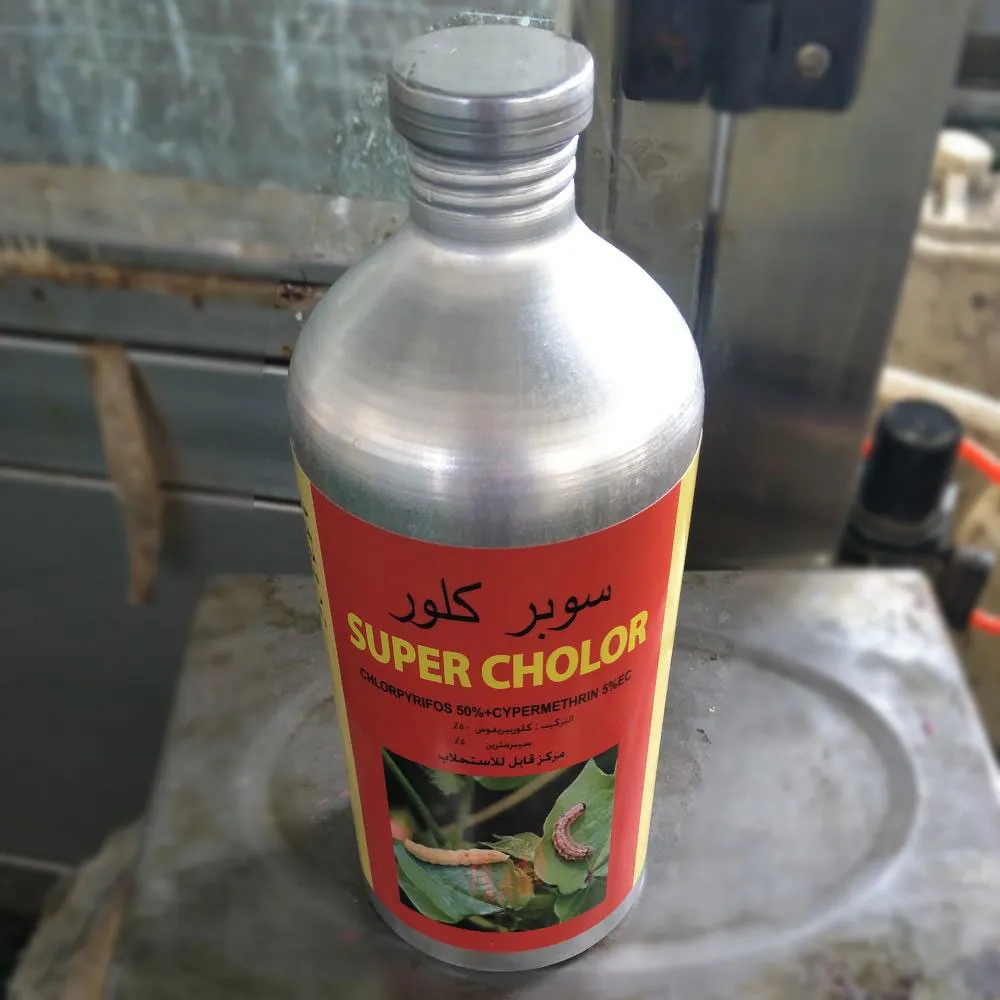
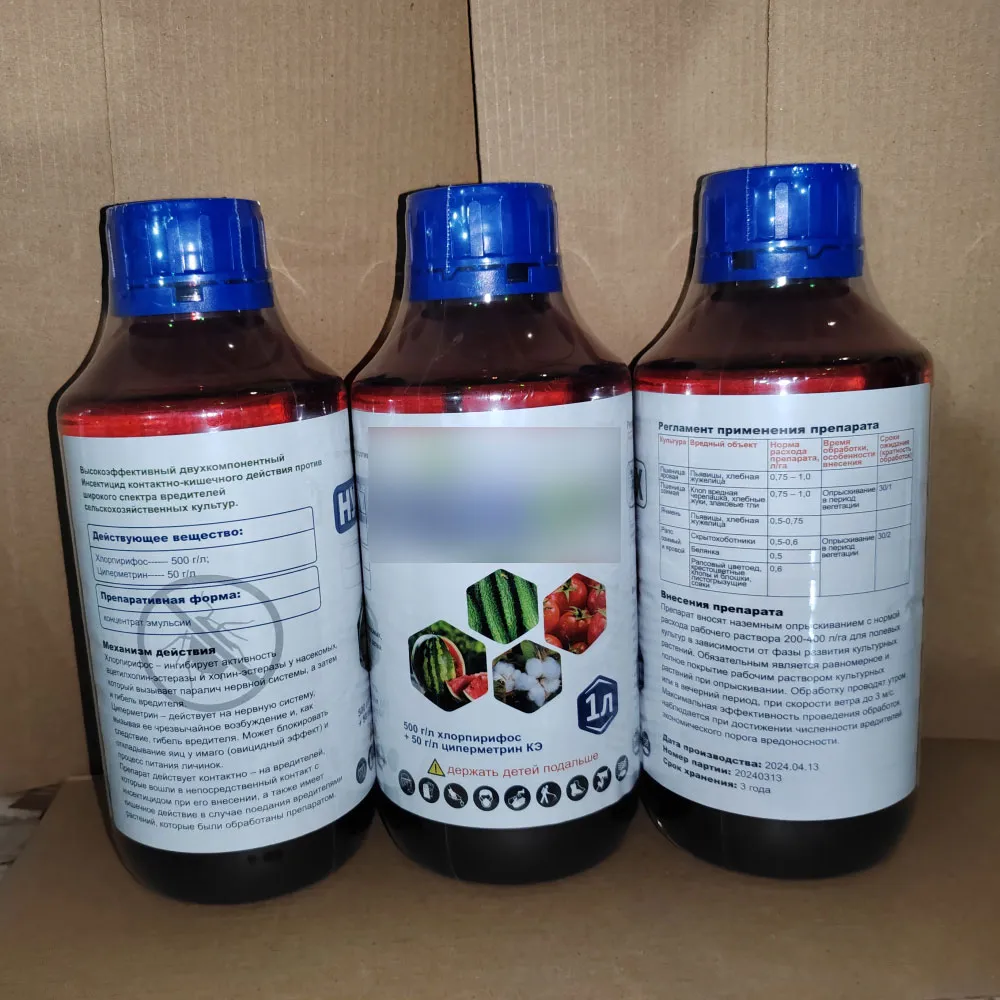
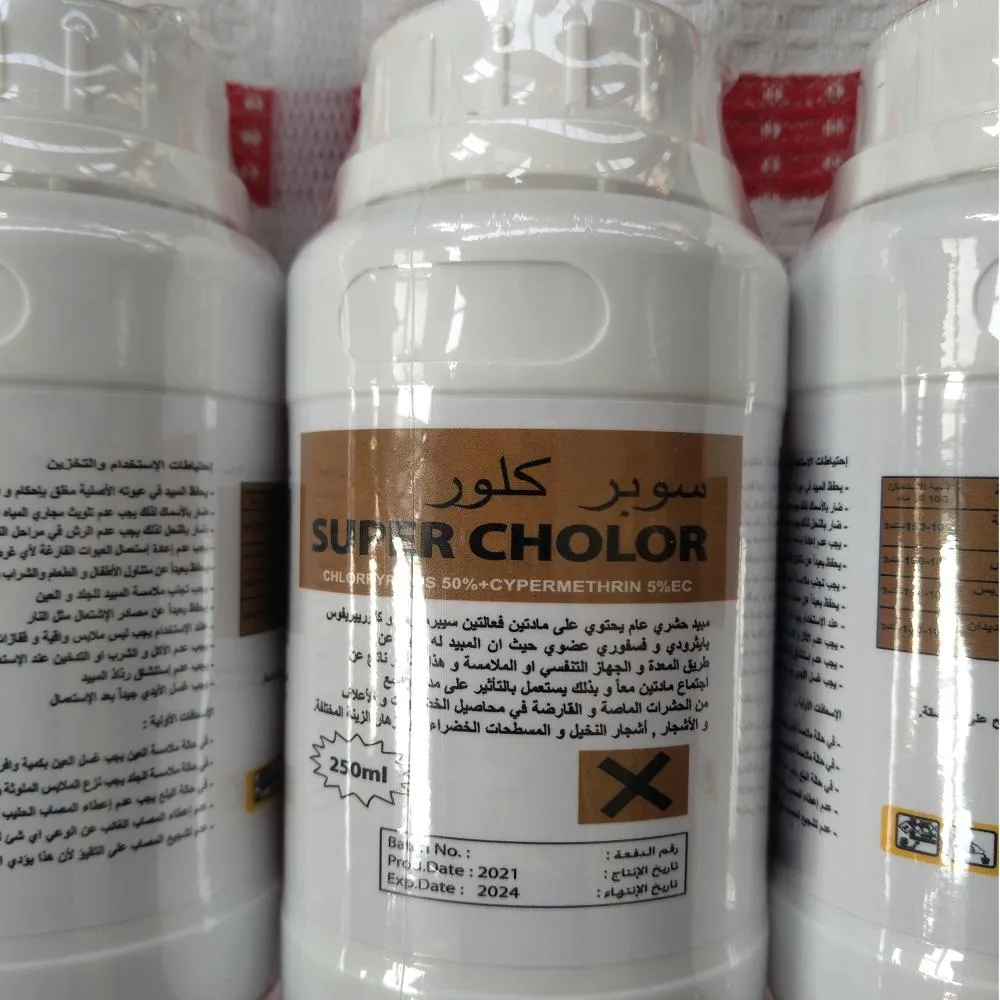
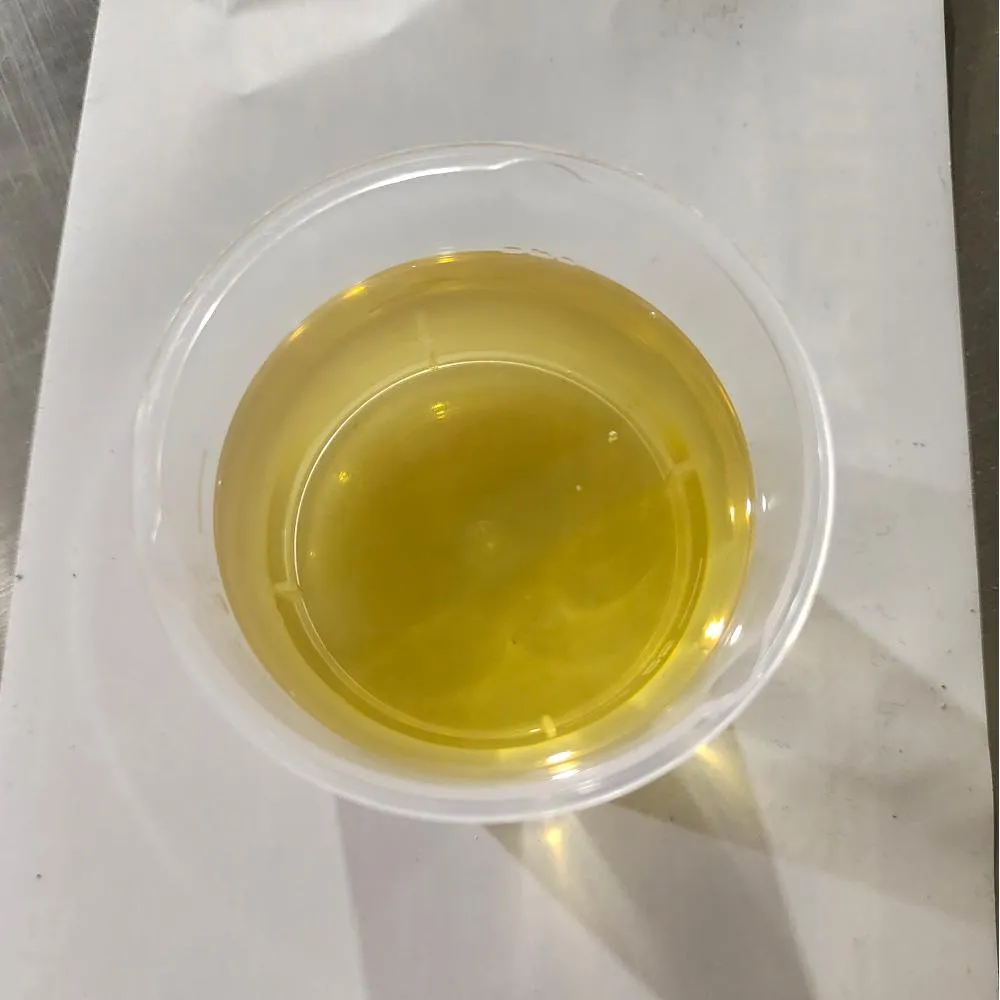
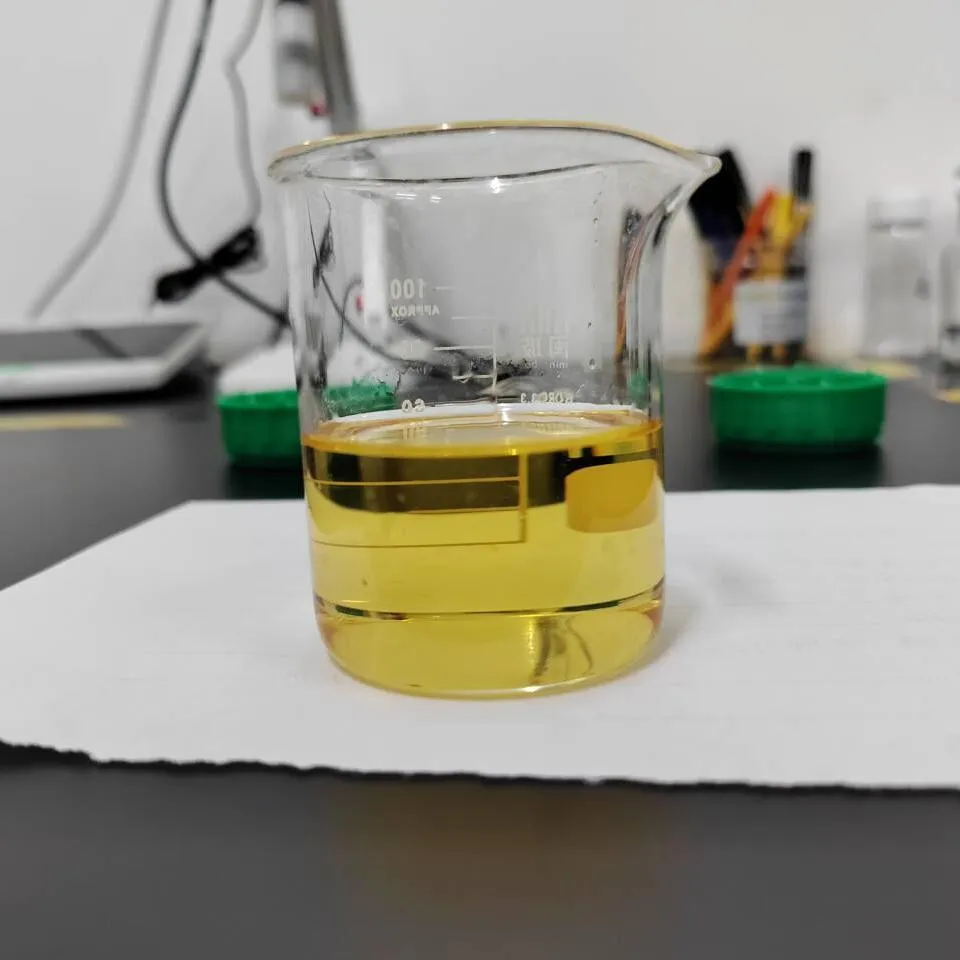
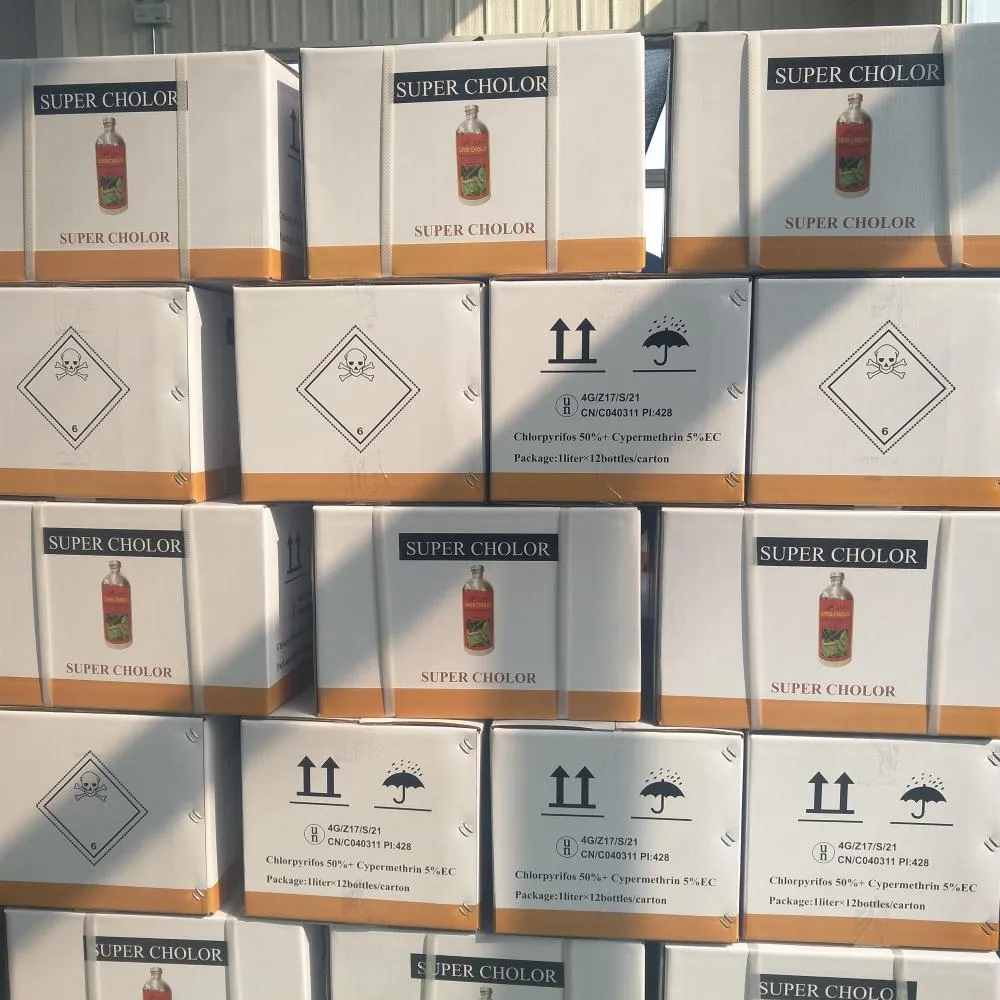
Chlorpyrifos 500g/l + Cypermethrin 50g/l EC
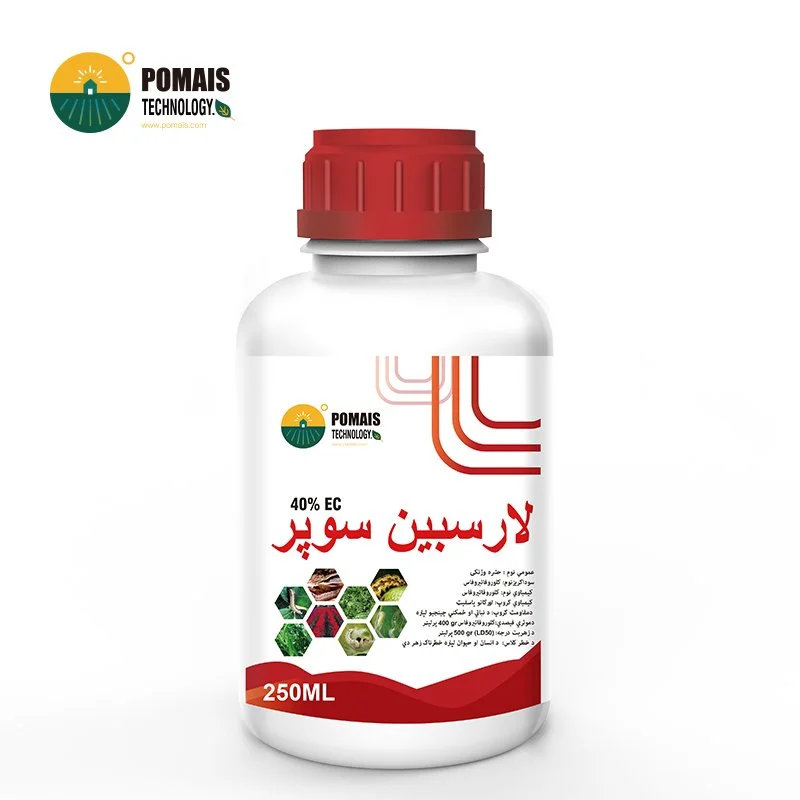
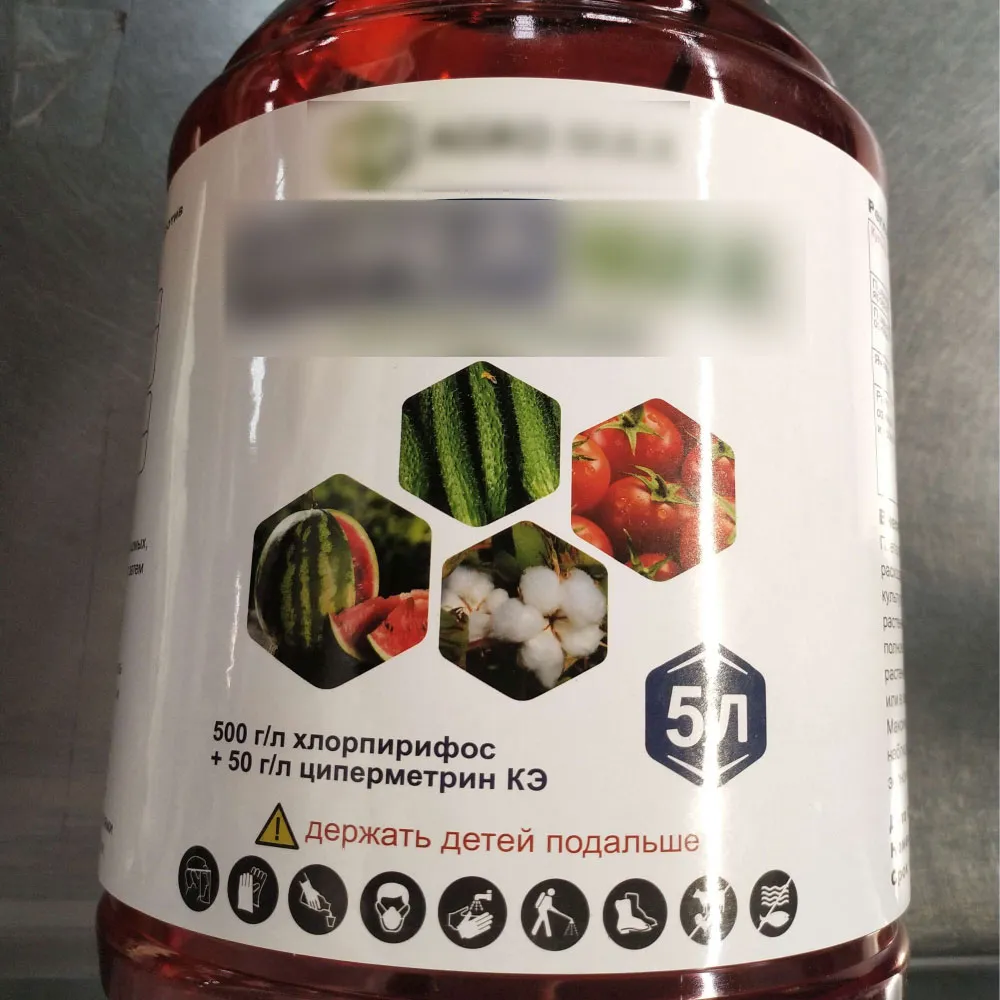
Chlorpyrifos 500 g/L + Cypermethrin 50 g/L EC is a high-concentration, broad-spectrum emulsifiable insecticide designed for professional agricultural use. By combining a classic organophosphate with a powerful pyrethroid, it provides fast knock-down and reliable residual control against key chewing and boring pests, especially cotton bollworm and other lepidopteran larvae. The formulation is suitable for distributors, importers and large growers who need a proven solution with strong field performance and flexible OEM packaging options.
- Designed for Professional Buyers & Bulk Orders
- We support custom packaging, labeling, and formulation to meet your market needs.
- Export wholesale inquiries only.
- Please include destination country, business type (importer/distributor/registrant), and expected volume.
- Retail requests will not be processed.

About Chlorpyrifos 500g/l + Cypermethrin 50g/l EC
| Product name | Chlorpyrifos 500 g/L + Cypermethrin 50 g/L EC |
| Formulation type | Emulsifiable Concentrate (EC) |
| Total active ingredient | 55% w/v (550 g/L) |
| Chlorpyrifos content | 500 g/L |
| Cypermethrin content | 50 g/L |
| Mode of action | AChE inhibitor (Chlorpyrifos) + Sodium channel modulator (Cypermethrin) |
| Main target pest (example) | Cotton bollworm and other lepidopteran larvae |
| Application method | Dilute in water and apply as foliar spray |
| Toxicological classification | Moderately toxic (professional use only) |
| Packaging options | 100 mL–20 L or customised on request |
| Shelf life | Typically 2 years in original sealed container under recommended storage conditions |
Chlorpyrifos 500g/l + Cypermethrin 50g/l EC
This product is a co-formulation of Chlorpyrifos 500 g/L and Cypermethrin 50 g/L in EC (Emulsifiable Concentrate) form. It is intended for dilution with water and application as a foliar spray using conventional or high-volume ground sprayers.
Key features
- Dual-mode action: Organophosphate + pyrethroid combination for improved control of resistant and mixed pest populations.
- Contact and stomach action: Effective through contact and ingestion, offering both knock-down and residual activity.
- Broad-spectrum performance: Targets lepidopteran larvae, cotton bollworm and other chewing pests across cotton and other compatible crops.
- High-strength EC formulation: 550 g/L total active ingredients for efficient transport, storage and application.
- Designed for professional use: Suitable for registered distributors, plantation owners and large-scale growers under local regulations.
Typical use positioning
- Cotton and field crops with high pressure of bollworms and foliage-feeding larvae.
- Situations where rapid knock-down plus persistent control is required.
- Programmes where a mixed active ingredient EC can fit into integrated pest management (IPM) with rotation to other modes of action.
Active Ingredients & Mode of Action
1 Active Ingredients
- Chlorpyrifos – 500 g/L
A broad-spectrum organophosphate insecticide that inhibits acetylcholinesterase (AChE) in the insect nervous system, leading to overstimulation, paralysis and death. It acts mainly by contact, ingestion and inhalation. - Cypermethrin – 50 g/L
A synthetic pyrethroid insecticide that affects sodium channels in the nerve axon membranes of insects. It causes rapid knock-down through contact and ingestion, especially against lepidopteran larvae and other chewing pests.
2 Mode of Action & Synergy
- Chlorpyrifos (IRAC 1B, AChE inhibitor)
Non-systemic activity primarily through contact, ingestion, and vapor exposure in certain use scenarios (label-dependent). Provides residual performance on treated surfaces and supports control in mixed pest populations. - Cypermethrin (IRAC 3A, sodium channel modulator)
Non-systemic, fast knockdown through contact and ingestion. Supports rapid reduction of feeding damage and visible suppression in chewing pest pressure situations.
Combined benefits
- Two different modes of action help improve control where single-ingredient products are under resistance pressure.
- The pyrethroid component offers quick visible results, while the organophosphate supports longer-lasting protection on treated foliage.
- The EC formulation enhances spreading and wetting on plant surfaces, supporting thorough coverage.
Regulatory & Market Fit (Destination Check)
Chlorpyrifos availability varies by country and use pattern—destination feasibility must be confirmed before quotation.
Some jurisdictions have restrictions (for example, EU did not renew approval of chlorpyrifos in 2020). Please share your destination country and registration status first, so we can confirm feasibility and align the documentation pack accordingly.
Target Pests & Application Scenarios
1 Main Target Pest
- Cotton bollworm and other lepidopteran larvae on cotton
The product is particularly suited to control cotton bollworm at early larval stages, before heavy feeding damage occurs on squares, bolls and young tissues.
2 Other Susceptible Pests and Crops
Depending on local registration and label approval, Chlorpyrifos + Cypermethrin EC may also be used on other crops and pests such as:
- Chewing larvae on field crops and industrial crops
- Foliage-feeding caterpillars and some borers on approved crops
- Certain soil-surface pests in crops where such uses are registered
Exact crop lists and target pests must follow local product labels and registrations. Always check the registration scope in your country before recommending or using the product.
3 Stage and Timing
- Best results are typically obtained when:
- Treatments are applied at egg hatching to early larval stages (1st–2nd instar), before larvae penetrate deep into plant tissues.
- Plant canopy can still be properly covered by spray droplets.
- Applications should be integrated into a broader pest monitoring and threshold-based programme, not used as the only tool in the season.
Application Guidelines & Compatibility
This page is designed for procurement and distribution. Use patterns, restrictions, PPE requirements, and emergency procedures must follow the approved label and SDS in the destination market. For compliance, we provide COA, SDS/MSDS, and TDS with shipment-linked batch traceability upon request.
1 Application Method
- Method: Dilute in clean water and apply as a foliar spray using ground equipment capable of delivering uniform coverage.
- Coverage: Aim for even wetting of leaves, stems and target feeding sites without excessive run-off.
- Conditions to avoid:
- Strong winds that can cause spray drift onto sensitive crops, water bodies or neighbouring lands.
- Very high temperatures or low humidity conditions which increase volatilization and operator exposure.
- Application immediately before rainfall, which can wash off the spray deposit.
2 Sensitive Crops and Drift Management
The mixture can cause phytotoxicity or injury to certain crops, particularly at seedling or early growth stages. As indicated by typical label restrictions for similar formulations:
- Do not apply on vegetables, or other crops where the product is not registered.
- Avoid drift onto tobacco, lettuce, cucurbit seedlings and certain cherry varieties or other known sensitive species.
- Maintain appropriate buffer zones from non-target crops and protected areas.
3 Mixing & Tank Compatibility
- Do not mix with alkaline products, as alkaline conditions can accelerate hydrolysis of organophosphates and reduce effectiveness.
- Avoid tank-mixing with herbicides or products known to cause crop stress or phytotoxicity within a short interval.
- Follow local guidance on tank-mix combinations and always conduct a small jar test to check physical compatibility before full-scale mixing.
Safety, Toxicology & Environmental Information
This product is classified as moderately toxic and is intended only for trained professional users.
1 Human Safety and PPE
- Avoid contact with skin, eyes and clothing.
- Do not inhale spray mist or vapours.
- During handling and application, operators should wear:
- Chemical-resistant gloves and shoes
- Long-sleeved protective clothing
- Face mask/respirator and eye protection
- Do not eat, drink or smoke while handling the product or during application. Wash hands, face and exposed skin thoroughly after work and before meals.
If symptoms of organophosphate exposure occur (e.g. headache, nausea, excessive salivation, breathing difficulty), stop work immediately and seek medical attention. Treatment may involve atropine or oximes under medical supervision in accordance with local poisoning management guidelines. Only qualified medical staff should decide the therapy.
2 Environmental Hazards
- Highly toxic to fish, aquatic organisms and honey bees.
- Do not apply directly to water bodies or areas where surface water is present.
- Do not clean application equipment near water. Avoid contamination of ponds, rivers, irrigation channels and aquaculture facilities.
- Avoid application during flowering on bee-attractive crops and near apiaries, silkworm houses or areas with intensive beneficial insect releases.
3 Storage and Disposal
- Store in a cool, dry and well-ventilated warehouse away from direct sunlight, heat sources and open flames.
- Keep in original, tightly closed containers.
- Store away from food, feed, seed and animal drinking water.
- Keep locked and out of reach of children and unauthorised persons.
- Triple-rinse empty containers, then dispose of them according to local regulations. Do not reuse containers for any other purpose.
Documentation Pack & Batch Control
Decision summary: Importers and distribution partners choose suppliers who ship with complete files and predictable batches.
Details: For this formulation, we can provide shipment-linked COA, SDS/MSDS, TDS, and batch traceability. Private label support includes multilingual label layout, compliance blocks, carton design, and export packing configuration to reduce onboarding time and market complaints.
Packaging, OEM & Registration Support
As a professional agrochemical manufacturer and exporter, we can tailor this Chlorpyrifos 500 g/L + Cypermethrin 50 g/L EC product to your market needs:
1 Standard and Custom Packaging
- Bulk packaging for local formulation and repacking
- Commercial pack sizes for distribution channel packs, for example:
- 100 mL, 250 mL, 500 mL, 1 L bottles
- 5 L, 20 L drums or other sizes according to your requirements
- Multiple container options: HDPE bottles, COEX bottles, tinplate cans, drums and export-grade cartons.
- Strong focus on leak-proof, drop-tested packaging suitable for long-distance shipping.
2 Private Label & Branding
We support OEM/ODM service for importers and brand owners:
- Custom label design with your brand, logo and colour scheme
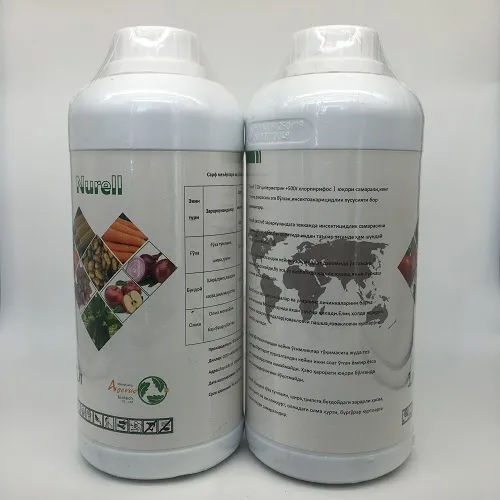
- Multilingual labels (English, Arabic, French, Spanish, Russian and others)
- Market-specific artwork complying with local pesticide regulation requirements
3 Technical & Regulatory Documentation
To help you register and market this product smoothly, we can provide:
- COA, MSDS, TDS, product specification and stability data
- Sample support for local residue or efficacy trials where needed
- Guidance on composition, label content and packaging for registration dossiers
Frequently Asked Questions (FAQ)
Q1. What is the main advantage of a Chlorpyrifos + Cypermethrin EC compared with single-ingredient products?
The combination provides two complementary modes of action. Cypermethrin delivers rapid knock-down of active larvae, while Chlorpyrifos extends the residual effect and improves control of pests under higher pressure. This helps manage resistance and provides more stable field performance when used correctly and rotated with other modes of action.
Q2. On which crops can this product be used?
Cotton is a typical key crop for this formulation, especially for cotton bollworm control. Other crop uses depend on local registration. Always refer to the approved label in your country for the list of registered crops and pests, and do not apply on unregistered crops.
Q3. Can I use this product on vegetables or fruit for fresh markets?
In many markets, Chlorpyrifos-based products are restricted or not registered on vegetables and certain fruit crops due to residue regulations. You must follow local registration status and maximum residue limits (MRLs). If the label does not list a crop, do not use the product on that crop.
Q4. How should I manage operator and environmental safety when using this EC?
Ensure full personal protective equipment is used (gloves, coveralls, mask/respirator, eye protection), avoid spray drift to water bodies and sensitive crops, do not spray during strong wind or very high temperatures, and follow all label precautions. Empty containers and wash water must be handled according to local regulations.
Q5. Can I rotate this product with other insecticides in my pest management programme?
Yes. For better resistance management, this EC should be rotated with insecticides from different mode-of-action groups, following IRAC or local recommendations. Avoid consecutive applications of products with the same mode of action over long periods.
Work With Us as Your Chlorpyrifos + Cypermethrin EC Supplier
If you are an importer, distributor or brand owner looking for a reliable supplier of Chlorpyrifos 500 g/L + Cypermethrin 50 g/L EC, we can support you with:
- Stable quality and batch-to-batch consistency
- Flexible packaging and OEM/private label solutions
- Full documentation for registration and compliance
- Experience in serving markets across the Middle East, Africa, South America, Russia and Central Asia
Share your target market, required specifications and annual volume plan, and our team will propose a tailor-made supply and branding solution for your business.