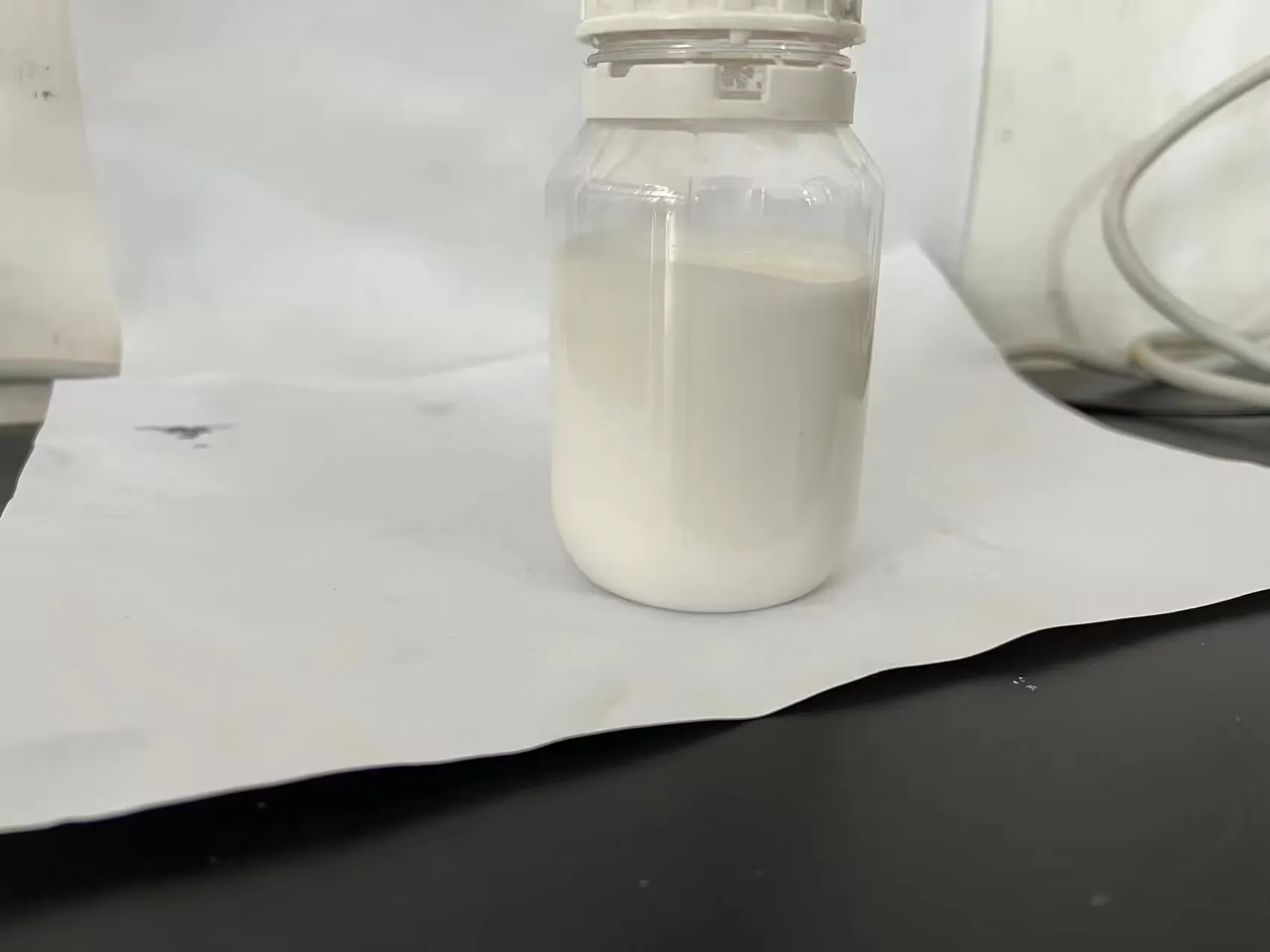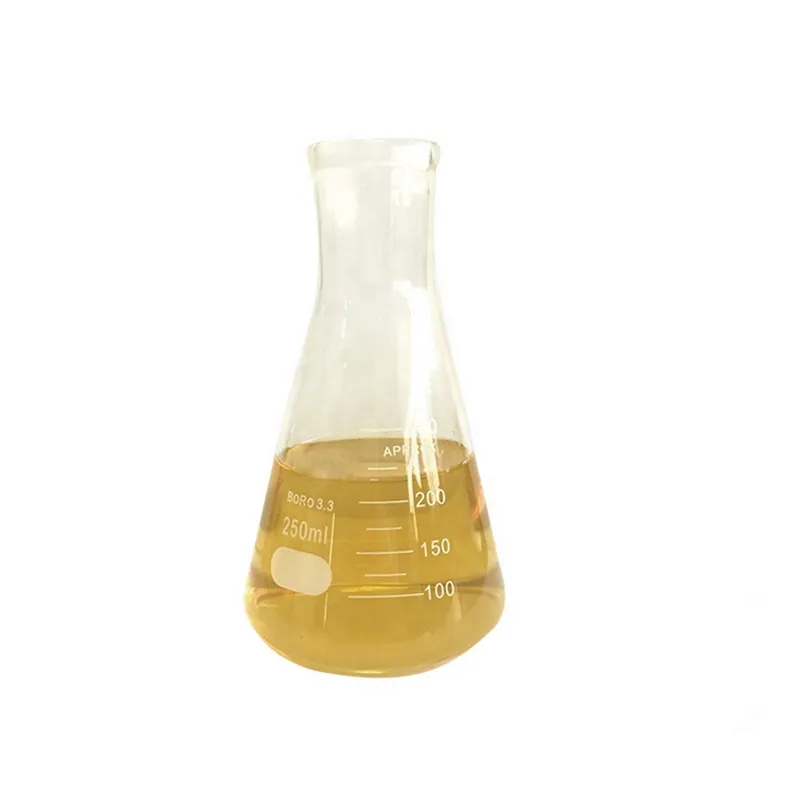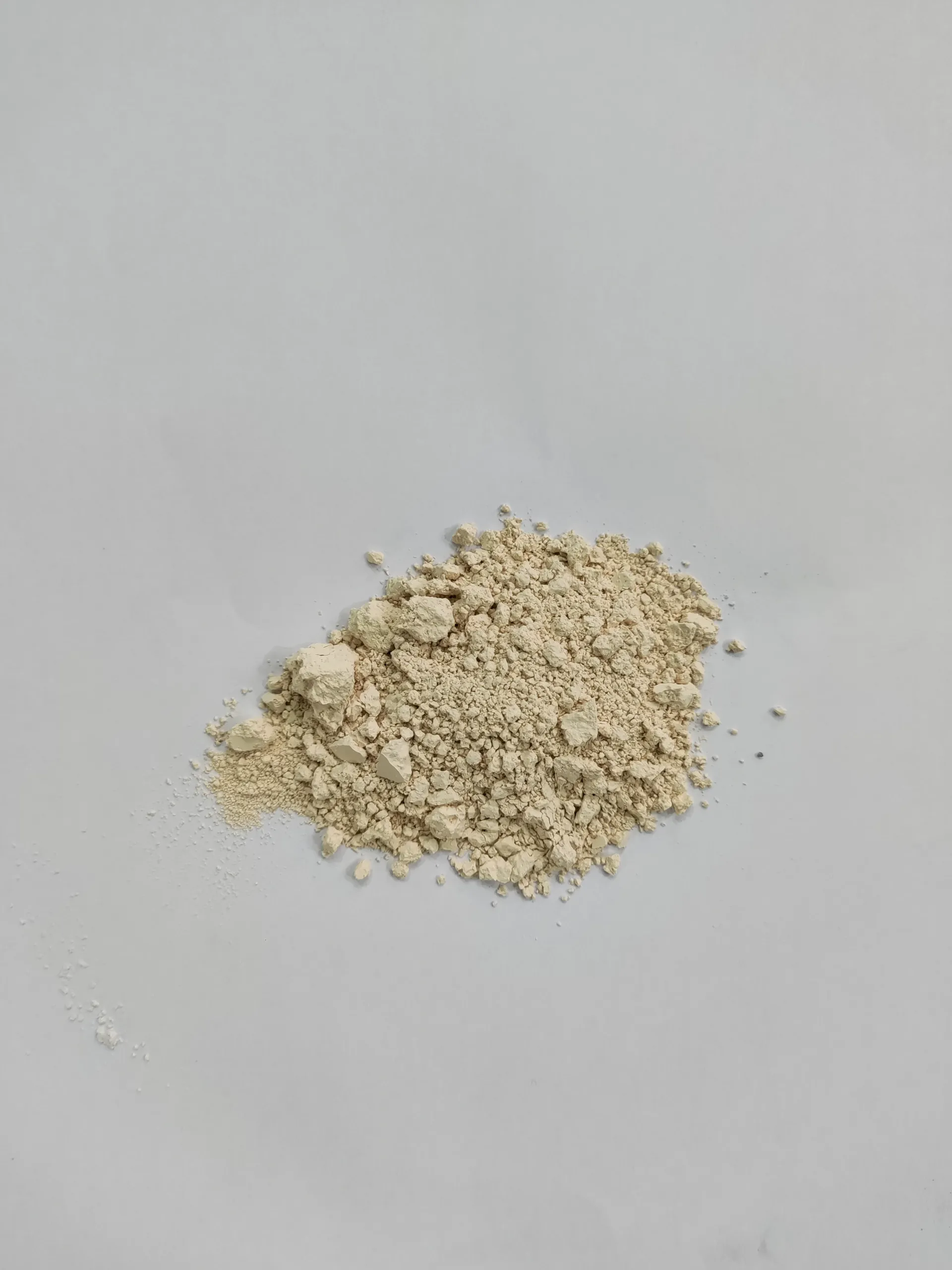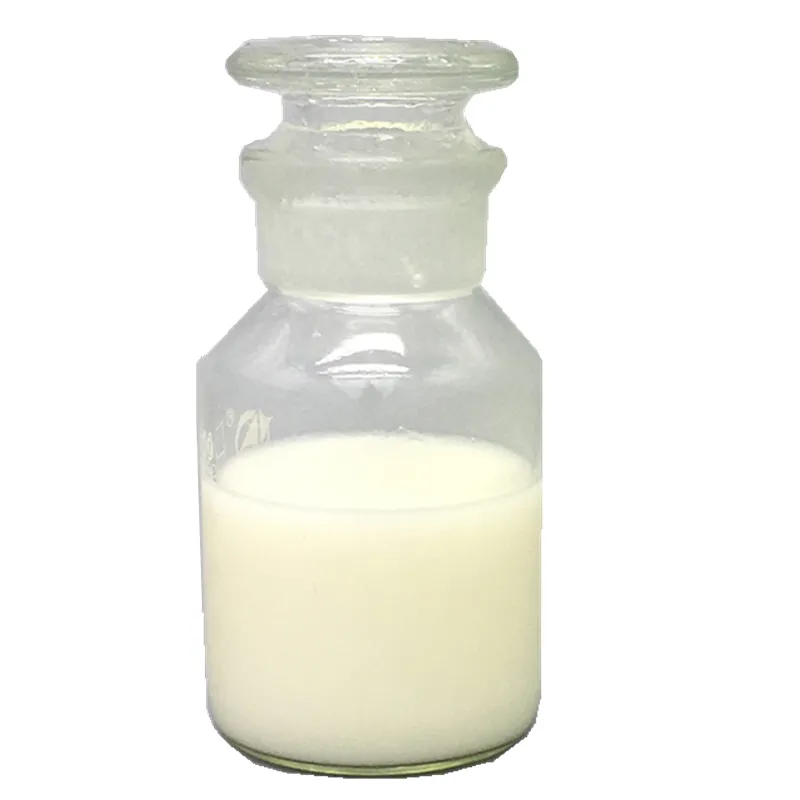


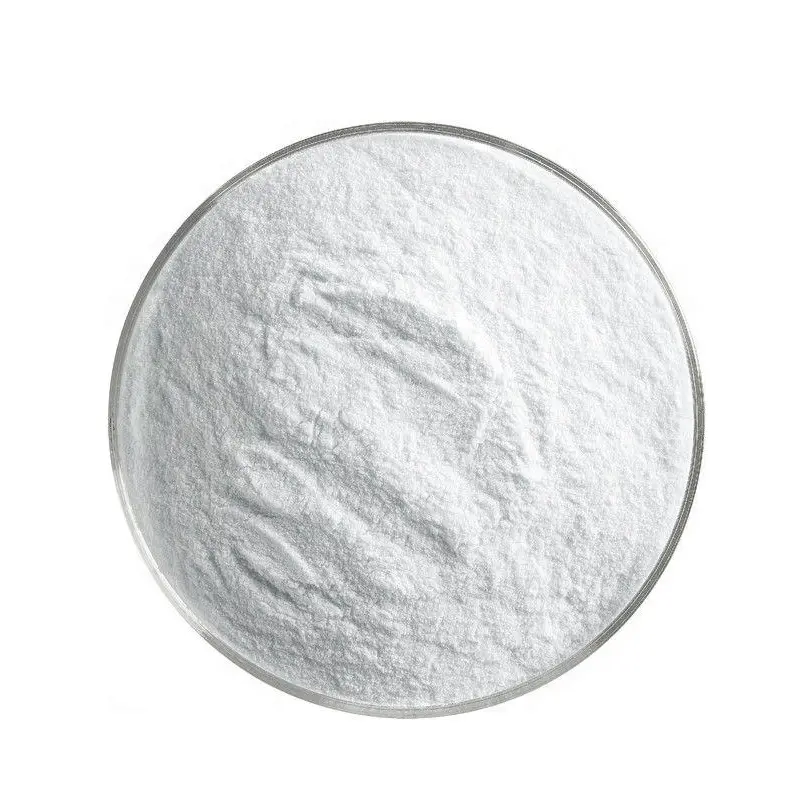
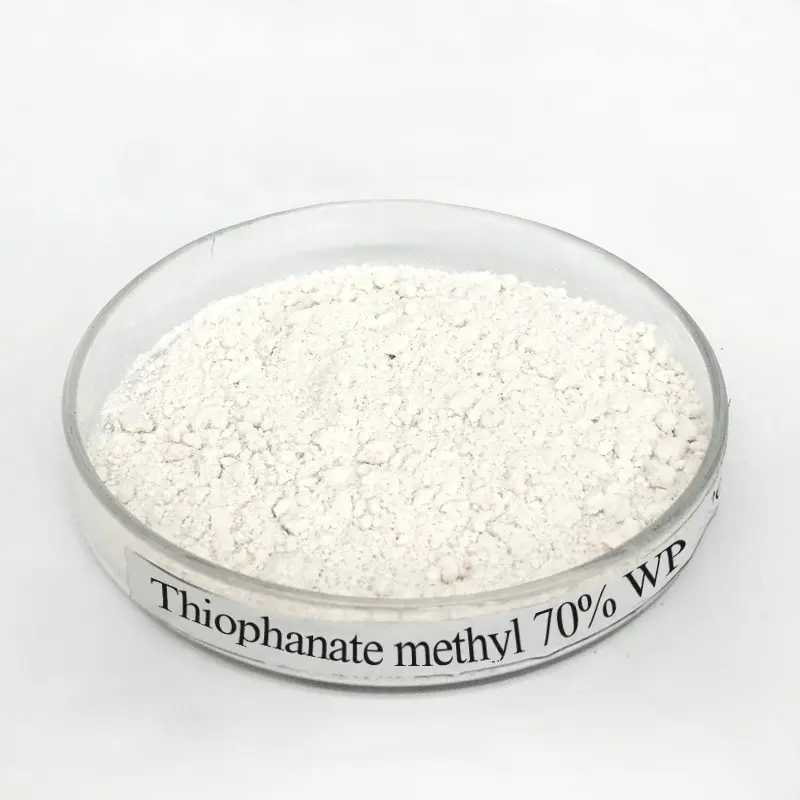
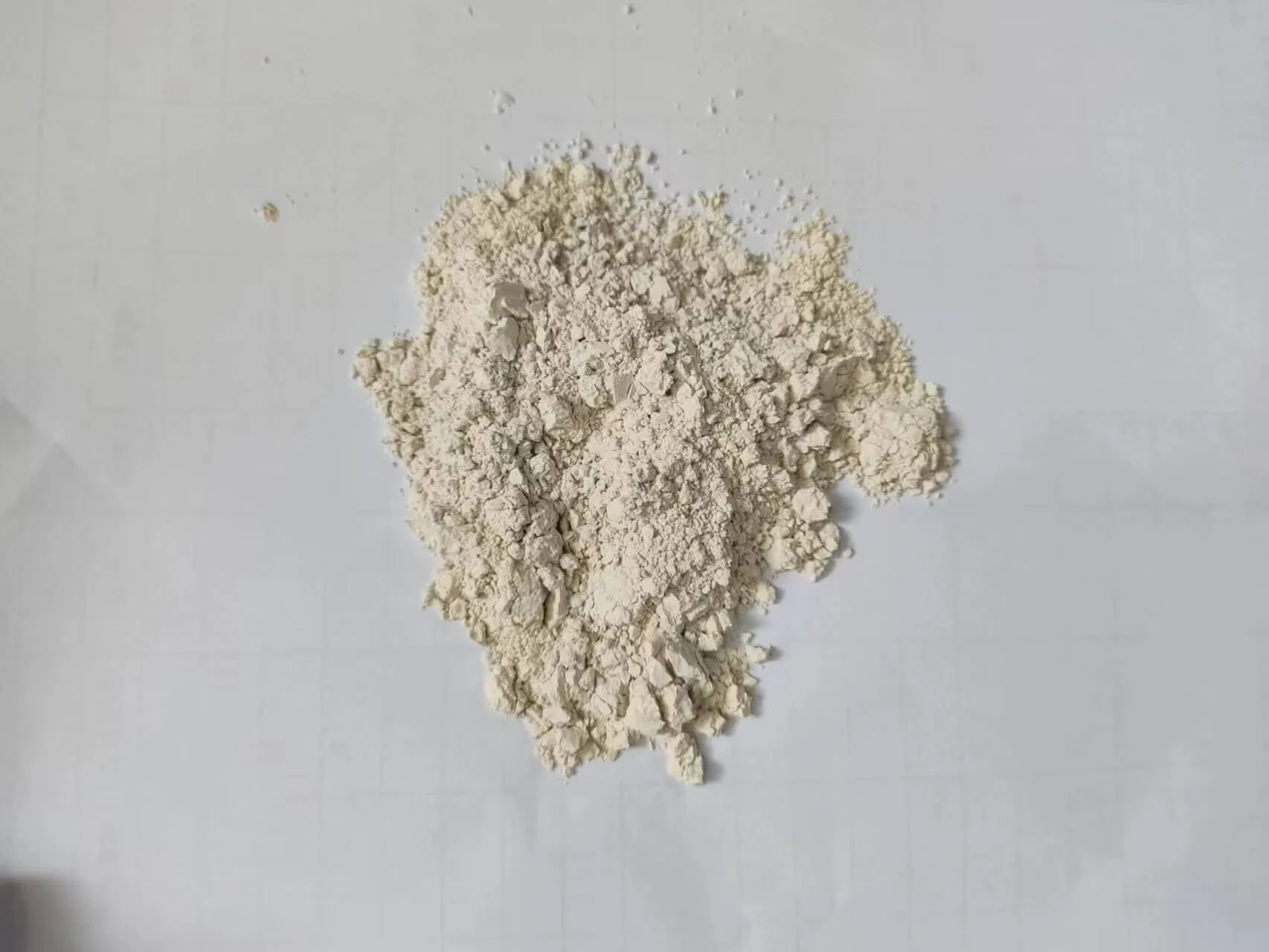
Thiophanate-Methyl Fungicide
POMAIS Thiophanate-Methyl fungicide is a systemic benzimidazole fungicide belonging to the MBC (methyl benzimidazole carbamate) group. It is classified as a FRAC Group 1 fungicide and works by disrupting fungal cell division through β-tubulin assembly inhibition.
Thiophanate-Methyl is used in registered crop disease-management programs against susceptible fungal pathogens, including selected diseases affecting fruits, vegetables and field crops.
POMAIS supplies Thiophanate-Methyl formulations for agricultural distributors, importers and registration partners requiring reliable fungicide products, technical documentation and customized packaging solutions.
- Designed for Professional Buyers & Bulk Orders
- We support custom packaging, labeling, and formulation to meet your market needs.
- Export wholesale inquiries only.
- Please include destination country, business type (importer/distributor/registrant), and expected volume.
- Retail requests will not be processed.

About Thiophanate-Methyl Fungicide
| Product Attribute | Specification |
|---|---|
| Active Ingredient | Thiophanate-Methyl |
| Product Type | Systemic fungicide |
| Chemical Class | Benzimidazole / MBC fungicide |
| FRAC Group | Group 1 |
| Mode of Action | β-tubulin assembly inhibition |
| Target Site | Fungal cell division |
| Main Activity | Preventive and early curative disease management |
| Disease Direction | Registered fungal disease programs |
| Common Formulations | WP, SC and other registered formulations |
| Application Method | Foliar application or other approved methods |
| Supply Support | COA, SDS, TDS and technical documents |
The final crop claims, disease spectrum, application rates and restrictions depend on local registration requirements.
What Is Thiophanate-Methyl Fungicide?
Thiophanate-Methyl is a systemic fungicide from the benzimidazole chemical family.
It belongs to the MBC fungicide group, which includes active ingredients that affect fungal cell division.
Its main characteristics include:
- Systemic fungicide activity
- Benzimidazole chemistry
- FRAC Group 1 classification
- β-tubulin inhibition
- Preventive and early curative positioning
- Crop disease-management applications
Thiophanate-Methyl is not a contact fungicide that simply remains on the plant surface.
After application, the active ingredient can move within plant tissues, allowing it to affect fungal development after infection begins.
However, performance depends strongly on:
- Pathogen sensitivity
- Application timing
- Disease pressure
- Crop growth stage
- Local resistance situation
How Does Thiophanate-Methyl Work?
FRAC Group 1 MBC Fungicide
Thiophanate-Methyl belongs to FRAC Group 1, also known as the MBC fungicide group.
The main target site is fungal β-tubulin.
β-tubulin plays an important role in fungal cell division.
By interfering with β-tubulin assembly, Thiophanate-Methyl disrupts:
- Nuclear division
- Cell development
- Fungal growth
- Pathogen reproduction
As a result, susceptible fungal pathogens are unable to develop normally.
Systemic Fungicide Activity
Thiophanate-Methyl differs from purely protective contact fungicides because it has systemic movement within treated plants.
This provides value in disease programs where timing is important.
However, systemic activity does not mean unlimited disease control.
The best performance usually occurs when:
- Disease is identified early;
- Application timing is appropriate;
- Pathogen sensitivity remains high;
- The product is used as part of an integrated fungicide program.
What Diseases Does Thiophanate-Methyl Control?
Thiophanate-Methyl has activity against multiple susceptible fungal pathogens.
The exact disease spectrum depends on:
- Crop registration
- Pathogen species
- Local resistance conditions
- Approved label claims
Fruit Disease Management
Where registered, Thiophanate-Methyl may be used in fruit disease programs targeting susceptible fungal diseases.
Potential disease categories include:
- Fruit rots
- Scab diseases
- Anthracnose-related diseases
- Other registered fungal infections
Application timing is important because disease development stage strongly affects fungicide performance.
Vegetable Disease Management
In vegetable production, Thiophanate-Methyl may be included in programs targeting susceptible fungal diseases.
Potential applications may include:
- Leaf spot diseases
- Powdery mildew programs
- Botrytis-related disease management
- Other registered fungal pathogens
Crop safety and disease claims must follow local registration.
Field Crop Disease Management
Thiophanate-Methyl may also be used in selected field-crop disease programs.
The appropriate use depends on:
- Crop type
- Disease risk
- Pathogen sensitivity
- Local approval
A fungicide program should always consider disease prevention rather than relying on one active ingredient repeatedly.
Thiophanate-Methyl and Carbendazim Relationship
Thiophanate-Methyl and Carbendazim are closely related fungicides within the MBC group.
Both belong to:
- Benzimidazole chemistry
- FRAC Group 1
- β-tubulin inhibition mode of action
Because of this relationship, resistance to one MBC fungicide may affect sensitivity to other active ingredients within the same group.
This means:
- Thiophanate-Methyl should not automatically be considered a completely different option from Carbendazim.
- Rotation between Thiophanate-Methyl and Carbendazim alone may not provide a true mode-of-action rotation.
For sustainable disease management, growers should combine effective fungicides from different FRAC groups where appropriate.
Thiophanate-Methyl Resistance Management
Resistance management is one of the most important considerations for MBC fungicides.
FRAC Group 1 fungicides are considered a higher-resistance-risk group because resistance can develop when the same mode of action is repeatedly used.
Recommended Resistance Management Practices
Where appropriate:
- Avoid repeated applications of Thiophanate-Methyl alone.
- Do not rotate only between Thiophanate-Methyl and Carbendazim.
- Use effective fungicides from different FRAC groups.
- Apply according to the registered rate.
- Target diseases at appropriate development stages.
- Combine chemical control with crop-management practices.
- Monitor reduced disease-control performance.
Reduced performance may result from:
- Resistant pathogen populations;
- Incorrect application timing;
- High disease pressure;
- Poor coverage;
- Environmental conditions.
Increasing the application rate is not an appropriate resistance-management strategy.
Thiophanate-Methyl Formulation Options
Different formulations provide different handling and application characteristics.
Thiophanate-Methyl WP
WP (Wettable Powder) formulations contain fine active ingredient particles that disperse in water before application.
Important formulation characteristics include:
- Wetting performance
- Suspensibility
- Particle size distribution
- Storage stability
Thiophanate-Methyl SC
SC (Suspension Concentrate) formulations provide liquid handling advantages.
Important quality factors include:
- Suspension stability
- Redispersibility
- Viscosity control
- Particle distribution
- Storage performance
The appropriate formulation depends on:
- Registration requirements
- Application equipment
- Market preference
- Packaging needs
Application Guidance
Thiophanate-Methyl application should follow the approved local label.
A successful fungicide program should consider:
Disease Identification
Correct identification of the pathogen is essential.
Not every fungal disease is sensitive to Thiophanate-Methyl.
Application Timing
Thiophanate-Methyl performs best when applied according to disease development stage.
Important factors include:
- Infection risk
- Weather conditions
- Crop growth stage
- Disease severity
Resistance History
Before application, consider:
- Previous MBC fungicide use
- Local resistance reports
- Disease-control history
Integrated Disease Management
Combine fungicide use with:
- Crop rotation
- Sanitation
- Resistant varieties where available
- Cultural practices
Factors Affecting Thiophanate-Methyl Performance
Pathogen Sensitivity
MBC resistance can significantly influence field performance.
Disease Pressure
High disease pressure may require integrated management rather than relying on one fungicide.
Application Quality
Important factors include:
- Spray coverage
- Equipment calibration
- Water quality
- Application timing
Crop Growth Stage
The effectiveness of disease management depends on matching application timing with crop and pathogen development.
Quality Control for Thiophanate-Methyl Formulations
For commercial fungicide supply, formulation quality is critical.
| Quality Parameter | Importance |
|---|---|
| Active Ingredient Assay | Confirms Thiophanate-Methyl content |
| Particle Size | Influences dispersion and performance |
| Suspensibility | Supports uniform application |
| Wetting Time | Important for WP preparation |
| Moisture Content | Supports storage stability |
| pH Value | Supports formulation stability |
| Redispersibility | Important for SC recovery after storage |
| Viscosity | Supports handling and application |
| Foam Characteristics | Improves tank preparation |
| Packaging Compatibility | Supports transport and storage |
Final quality specifications depend on the actual formulation.
Regulatory and Market Suitability
Thiophanate-Methyl registration status varies between countries.
Before commercialization, customers should confirm:
- Active ingredient approval
- Registered crops
- Approved disease claims
- Maximum residue requirements
- Local fungicide regulations
- Import requirements
- Label requirements
A product registered in one country may not have the same approved uses in another market.
POMAIS supports customers with available technical documents and product information required for market evaluation.
Storage, Packaging and Documentation
POMAIS supplies Thiophanate-Methyl formulations with commercial packaging and technical support.
Available documents may include:
- COA
- SDS
- TDS
- Product specification
- Packaging specification
- Stability information
- Registration-support documents
- Export documents
Packaging options can be customized according to:
- Formulation type
- Destination market
- Order quantity
- Label requirements
- Transport conditions
Frequently Asked Questions
What is Thiophanate-Methyl fungicide?
Thiophanate-Methyl is a systemic benzimidazole fungicide used for registered crop disease-management programs.
What FRAC group is Thiophanate-Methyl?
Thiophanate-Methyl belongs to FRAC Group 1.
How does Thiophanate-Methyl work?
It inhibits β-tubulin assembly in fungi, disrupting cell division and fungal development.
Is Thiophanate-Methyl systemic?
Yes. Thiophanate-Methyl is generally classified as a systemic fungicide.
What diseases does Thiophanate-Methyl control?
It controls susceptible fungal diseases according to crop registration and pathogen sensitivity.
Is Thiophanate-Methyl the same as Carbendazim?
No. They are different active ingredients, but both belong to the MBC FRAC Group 1 fungicide group.
Can Thiophanate-Methyl be rotated with Carbendazim?
Because both belong to FRAC Group 1, rotating between them alone is not considered a complete mode-of-action rotation.
Does Thiophanate-Methyl have resistance issues?
Yes. MBC fungicides have a known resistance risk, so resistance management is important.
What formulations of Thiophanate-Methyl are available?
Common formulations include WP and SC depending on market requirements.
Can Thiophanate-Methyl be mixed with other fungicides?
Only registered and compatible mixtures should be used.
Compatibility, crop safety and resistance-management value should be considered.
Is Thiophanate-Methyl approved worldwide?
No. Registration status differs by country.
What documents can POMAIS provide?
POMAIS can provide available COA, SDS, TDS, product specifications and registration-support documents.
Request Thiophanate-Methyl Fungicide
For a Thiophanate-Methyl fungicide project, please provide:
- Destination country
- Target crop
- Target disease
- Required formulation
- Required quantity
- Packaging requirements
- Registration requirements
- Label language
- Technical document requirements
POMAIS will review formulation requirements, market conditions and documentation needs before confirming supply options.
Thiophanate-Methyl is a FRAC Group 1 benzimidazole fungicide with β-tubulin inhibition activity, supplied for registered crop disease-management programs with formulation and technical support.
Contact us!
We will reply to you within 24 hours on business days!