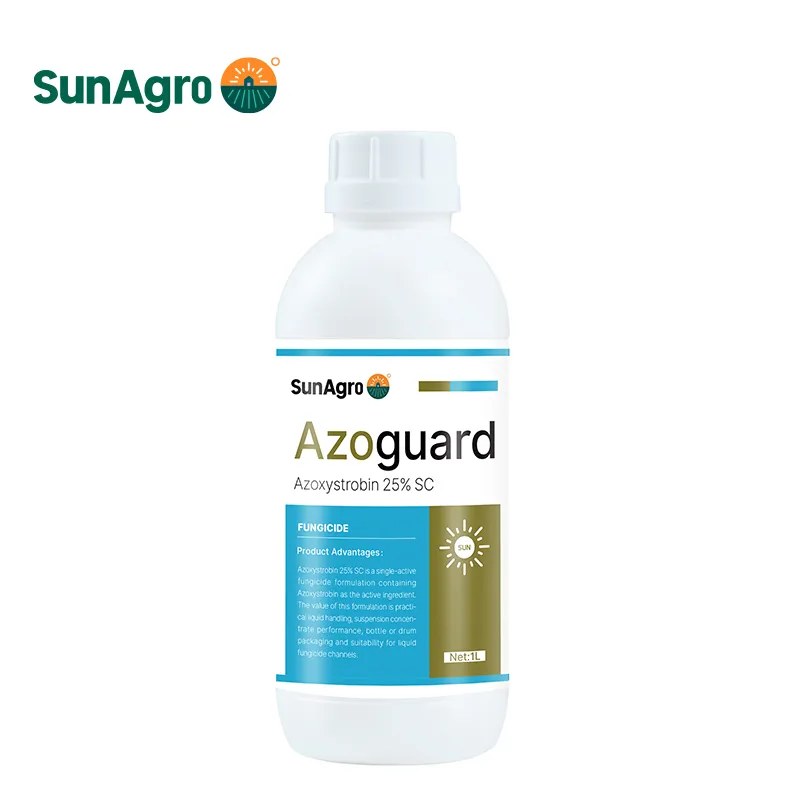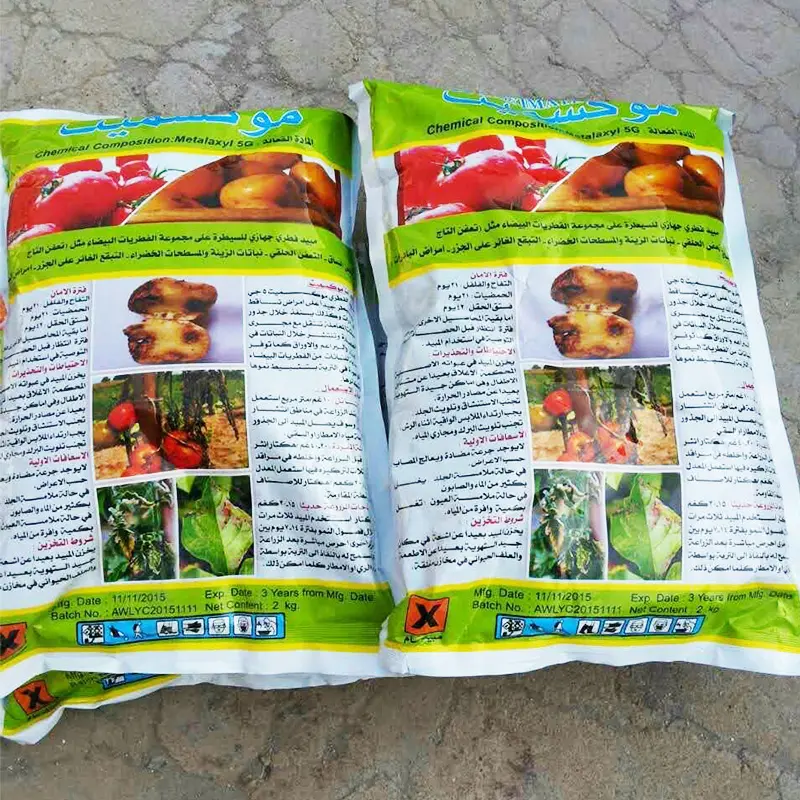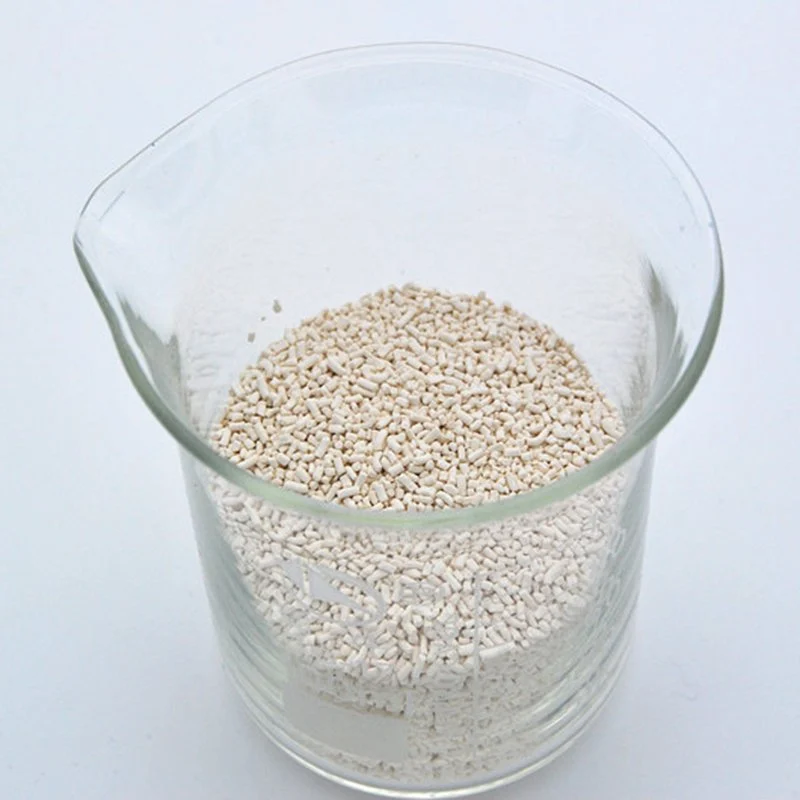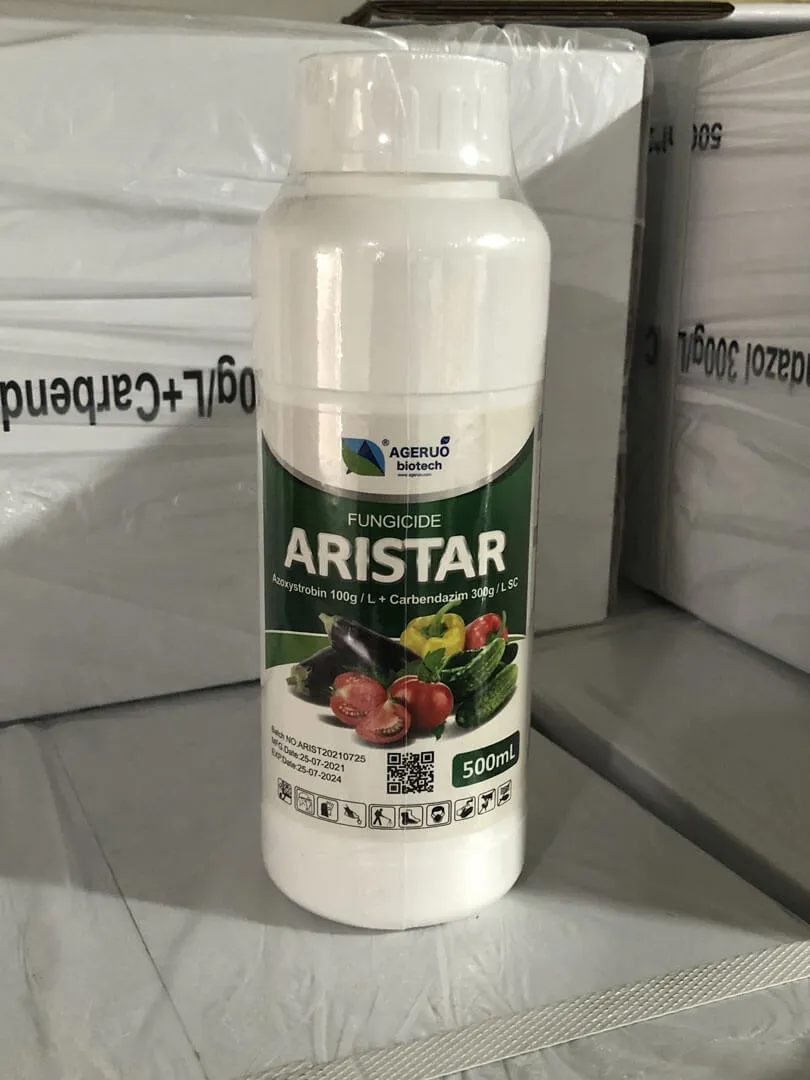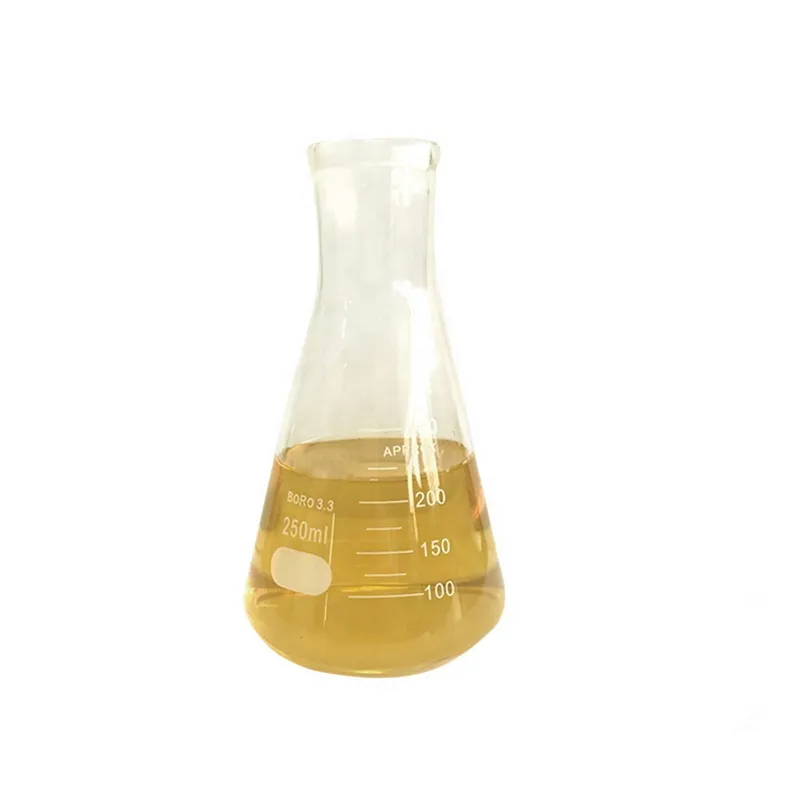
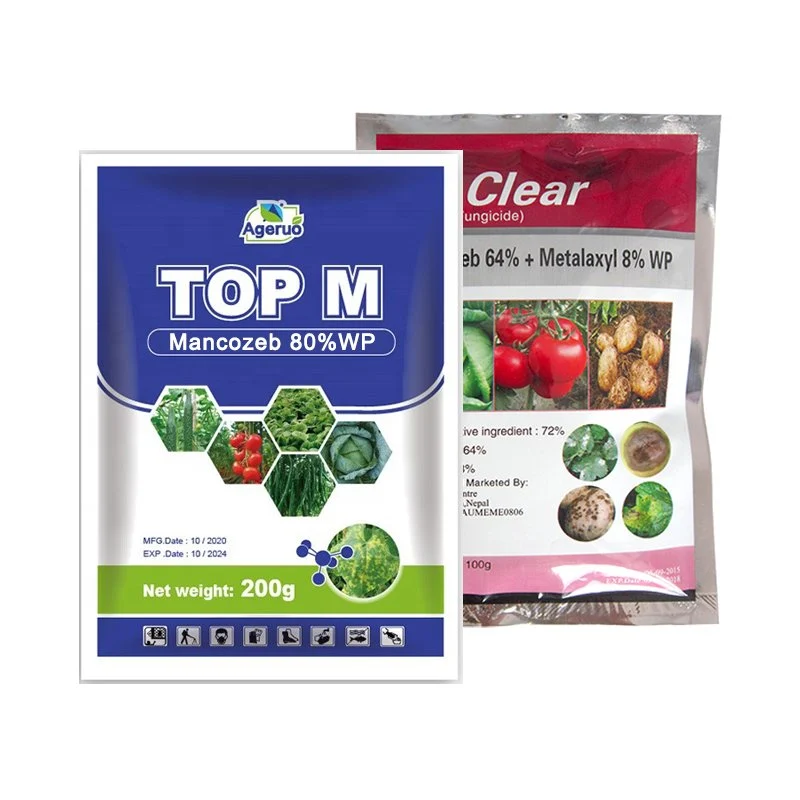


Mancozeb Fungicide
FRAC Group M03 | Multi-site protective fungicide | 80% WP and 75% WG | Import and custom-branded pesticide supply
Mancozeb is a non-systemic, multi-site contact fungicide primarily used for the preventive management of crop diseases. It belongs to the Ethylene Bis-Dithiocarbamate (EBDC) class of fungicides and provides a protective barrier on plant surfaces, inhibiting spore germination and early infection by certain susceptible pathogens.
Subject to appropriate registration, Mancozeb can be used in control programs for early blight and late blight of potatoes and tomatoes, downy mildew of grapes, black spot of apples, and various other foliar diseases. Unlike fungicides that primarily target a single biochemical site, Mancozeb influences multiple metabolic processes of pathogens through its multi-site mode of action, giving it a unique technical role in resistance management.
For pesticide importers and distributors, sourcing Mancozeb requires not only comparing active ingredient concentrations but also paying close attention to formulation quality, storage stability, impurity control, and registration policies in target countries. Product specifications and compliance documentation are equally important, especially given the significant differences in regulatory requirements for Mancozeb across various markets.
POMAIS provides professional pesticide importers, distributors, brand owners, and registration companies with Mancozeb formulation supply, OEM/ODM packaging, bulk procurement, and related technical documentation support.
- Designed for Professional Buyers & Bulk Orders
- We support custom packaging, labeling, and formulation to meet your market needs.
- Export wholesale inquiries only.
- Please include destination country, business type (importer/distributor/registrant), and expected volume.
- Retail requests will not be processed.

About Mancozeb Fungicide
Mancozeb Product Specifications
Mancozeb is a dithiocarbamate fungicide and is classified by FRAC as M03 (multiple-site action group).
Unlike some fungicides that penetrate plant tissues and act through systemic transmission, Mancozeb primarily acts on the surface of treated plants to prevent infection by susceptible pathogens.
| Technical Parameters | Specifications |
|---|---|
| Product Name | Mancozeb Fungicide |
| Chinese Generic Name | Mancozeb |
| Active Ingredient | Mancozeb |
| CAS Number | 8018-01-7 |
| Chemical Family | Dithiocarbamate |
| Chemical Subgroup | Ethylene Bis-Dithiocarbamate (EBDC) |
| FRAC Classification | Group M03 |
| Mode of Action | Multi-Site Contact Activity |
| Systemic Property | Non-Systemic |
| Primary Fungicide Activity | Preventive / Protective |
| Disease Spectrum | Various fungal and oomycete diseases under approved uses |
| Main Formulations | Wettable Powder (WP), Water-Dispersible Granules (WG/WDG) |
| Product Specifications | Mancozeb 80% WP, Mancozeb 75% WG |
| Application Method | Foliar spraying and other treatments as specified on the registered label |
| Supply Model | Bulk Supply, OEM/ODM, Private Label |
| Technical Documents | COA, SDS, TDS, and available registration support documents |
Mancozeb has a complex coordination polymer structure; the chemical composition and quality requirements of related products shall be subject to applicable technical standards and actual batch data.
For customers needing to apply for registration or make bulk purchases, we recommend verifying the technical specifications and quality standards for the target market before confirming product prices.
Mancozeb Formulations: 80% WP and 75% WG
Common commercial Mancozeb formulations include Wettable Powder (WP) and Water-Dispersible Granules (WG/WDG).
Both formulation types must be mixed with water according to the registered label before use, but they differ in production processes, physical properties, packaging requirements, and procurement cost structures.
| Product Specification | Formulation Type | Active Ingredient Content | Key Procurement Considerations |
|---|---|---|---|
| Mancozeb 80% WP | Wettable Powder | 800 g/kg | Wettability, suspension rate, fineness, dust generation, and moisture resistance |
| Mancozeb 75% WG | Water-Dispersible Granules | 750 g/kg | Wettability, disintegration and dispersion, suspension rate, granule quality, and storage stability |
The above lists the main specifications from existing product data. Actual availability, quality specifications, MOQ, and technical documentation are subject to confirmation based on specific orders.
Mancozeb 80% WP – Wettable Powder
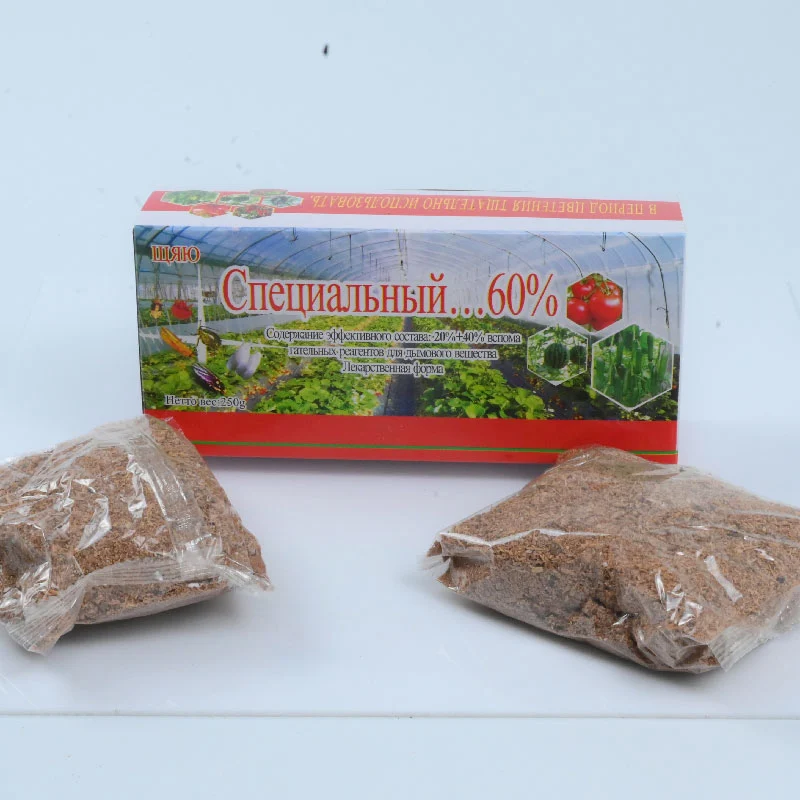
Mancozeb 80% WP is a wettable powder typically composed of the active ingredient, wetting and dispersing agents, and other suitable formulation components.
Before use, the powder must be effectively wetted by water and form a suspension-dispersion system that meets the requirements.
For customers purchasing 80% WP, the focus should not be limited to verifying that the active ingredient content reaches 80%; they should also inspect the powder’s wettability, suspension rate, fineness, and physical properties after storage.
If the product is difficult to wet, disperses poorly, or shows significant quality changes after storage, it may affect formulation and application performance—even if the active ingredient test results meet requirements.
Powder packaging must also address moisture protection, sealing, and the risk of dust exposure.
Mancozeb 75% WG – Water-Dispersible Granules
Mancozeb 75% WG is a water-dispersible granule, commonly abbreviated as WDG.
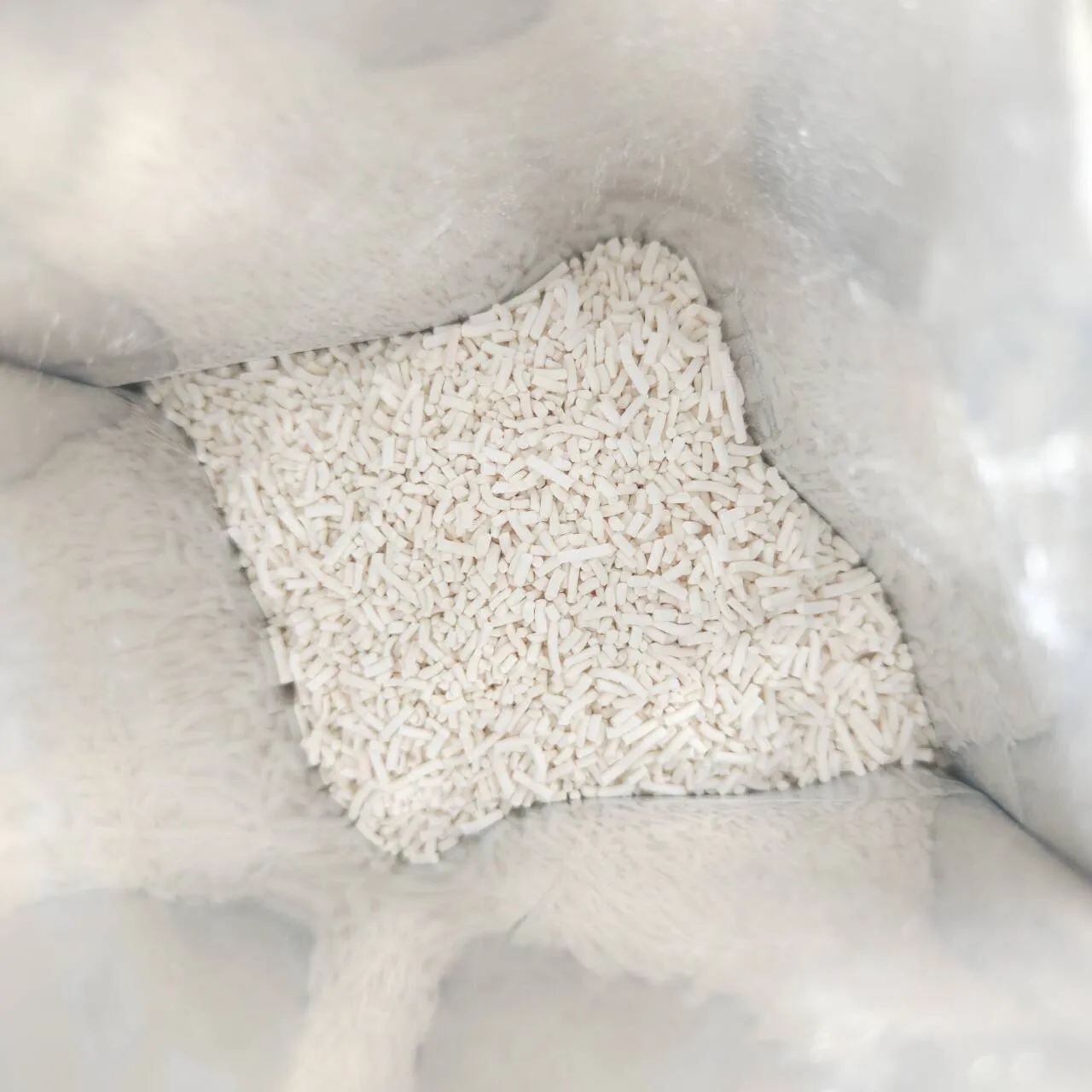
Compared to WP, WG is supplied as granules, which, under appropriate design and production conditions, help reduce dust-related issues during packaging and formulation.
However, WG does not inherently imply better control efficacy. Its actual performance still depends on granule quality, wettability, disintegration and dispersibility, suspension rate, and storage stability.
For importers planning to establish their own brands, procuring and accepting 75% WG typically requires simultaneous verification of both active ingredient content and granule physical properties.
How to Choose Between WP and WG?
| Comparison Criteria | Mancozeb 80% WP | Mancozeb 75% WG |
|---|---|---|
| Product Form | Powder | Granules |
| Active Ingredient Content | 80% | 75% |
| Dust Control | Requires Special Attention | Typically offers a better design margin for low dust generation, depending on the actual product |
| Key Physical Parameters | Wettability, suspension rate, fineness | Wettability, dispersibility, suspension rate, particle performance |
| Packaging Focus | Moisture protection, leak prevention, dust management | Moisture protection, particle integrity, package seal |
| Quality acceptance | Content and physical properties of the powder | Content and particle dispersibility |
| Procurement Selection Criteria | Local registration, actual quality, and procurement cost | Local registration, actual quality, and market demand |
If your market already has established registered products containing Mancozeb 80% WP or 75% WG, you should generally consider specifications consistent with existing registrations first.
If you are developing a new commercial brand, you will need to further compare formulation quality, packaging formats, target customer acceptance, and local regulatory requirements.
How Does Mancozeb Work?
Mancozeb is a typical multi-site contact fungicide.
Its primary mechanism of action is not to penetrate the plant to treat disease internally, but rather to form a fungicidal coating on the plant’s surface that disrupts multiple biochemical processes required for the germination and infection of susceptible pathogens.
Multi-site Mode of Action
According to the FRAC classification, Mancozeb belongs to Group M03.
Fungicides in this class interact with multiple thiol-containing enzyme systems and related metabolic processes in pathogens, disrupting their normal physiological functions.
Because the mode of action involves multiple biochemical sites, pathogens generally find it harder to achieve a stable resistance advantage through changes in a single target.
This is also a key reason why Mancozeb is frequently considered in resistance management.
However, a low risk of resistance does not mean local registration requirements can be ignored, the same product can be used repeatedly over the long term, or that efficacy issues will never arise in any field pathogen population.
Contact and Preventive Protection
Mancozeb primarily remains on the plant surfaces covered by the spray.
When spores from susceptible pathogens contact areas already covered by an effective layer of the product, their germination and early infection may be inhibited.
Therefore, timely application and good coverage are crucial.
Unlike some fungicides with systemic curative activity, Mancozeb cannot rely on translaminar movement to reach large amounts of untreated, newly formed plant tissue, nor should it be promoted as capable of curing severe infections that have already penetrated deep into plant tissues.
Why can’t it be used as a curative fungicide?
If a disease has already fully developed within the leaf tissue—or has even caused visible tissue necrosis—Mancozeb alone cannot restore the damaged tissue to health.
It is better suited for use before disease infection occurs, or during the preventive control window determined by local disease forecasts and field monitoring.
In areas with high disease pressure, Mancozeb may be used with other fungicides with different modes of action and appropriate control efficacy, in accordance with registration requirements.
However, determine specific combinations, application timing, and application rates based on the registered label and disease management recommendations.
What Diseases Does Mancozeb Control?
Mancozeb provides protective activity against a wide range of fungal and oomycete pathogens.
However, “broad-spectrum” does not mean it provides the same level of protection against all fungal diseases, nor does it replace verification of specific registered targets.
| Disease | Representative Pathogens | Common Crops | Mancozeb’s Control Role |
|---|---|---|---|
| Late Blight | Phytophthora infestans | Potato, Tomato | Preventive protection; use according to registration requirements |
| Early Blight | Alternaria spp. | Potato, Tomato | Preventive management of early blight |
| Grape Downy Mildew | Plasmopara viticola | Grapes | Protective control of downy mildew |
| Apple Scab | Venturia inaequalis | Apple | Preventive management of black spot |
| Leaf Spot Diseases | Cercospora, Septoria, etc. | Various field and horticultural crops | Evaluated based on specific pathogens and registered scope |
| Anthracnose | Colletotrichum spp. | Various fruit trees and horticultural crops | Evaluated under approved uses |
| Rust Diseases | Puccinia, etc. | Various crops | Recommended only for specific registered targets |
| Other Downy Mildews | Various oomycete pathogens | Vegetables and other crops | Confirmed based on specific pathogens and registrations |
Late Blight and Early Blight are not the same disease
In the potato and tomato markets, Mancozeb is often mentioned alongside the two disease names, Late Blight and Early Blight.
However, the two have different pathogen categories.
Late Blight is primarily caused by Phytophthora infestans and is classified as an oomycete-related disease.
Early Blight is typically caused by true fungi of the genus Alternaria.
Mancozeb’s broad-spectrum protective action allows it to control both disease types in some approved products; however, this does not mean all fungicides have the same spectrum of control.
Downy Mildew and Powdery Mildew Must Be Distinguished
Downy mildew is typically caused by oomycete pathogens, while powdery mildew is primarily caused by true fungi.
Do not assume mancozeb has the same control efficacy on any crop simply because both terms include “mildew.”
For purchasing clients, correctly identifying the target disease matters more than simply looking for a fungicide labeled “broad-spectrum.”
If your market requires coverage for multiple crop diseases, use our Crop Disease Management Solutions to evaluate fungicide products by pathogen category.
Mancozeb Crop Applications and Use Considerations
Mancozeb has a long history of commercial use and has been applied to a variety of field and horticultural crops in different regions.
However, the fact that an active ingredient has a history of use on a particular crop does not mean that all countries still permit the same use today.
Whether a specific product can be sold and used depends on its current registration status in the target market.
| Crop | Major Disease Targets | Technical Application Focus | Procurement Considerations |
|---|---|---|---|
| Potato | Late Blight, Early Blight | Preventive Control of Foliar Diseases | Registration status, disease pressure, resistance management |
| Tomato | Late Blight, Early Blight | Preventive management of foliar diseases | PHI, MRL, harvest frequency |
| Grapes | Registered diseases such as Downy Mildew | Vineyard disease protection | Registration restrictions, harvest requirements, residue standards |
| Apple | Registered diseases such as Apple Scab | Management of foliar and fruit diseases in fruit trees | Fruit Residues, Application Timing, Market Requirements |
| Other Vegetables | Registered Foliar Diseases | Selection of Protective Fungicides | Crop Types, Pathogens, Registered Uses |
| Other Registered Crops | Corresponding Approved Diseases | Determined According to Label | Local Regulations and Technical Documents |
Potato Disease Management
Potatoes are one of the most representative commercial markets for Mancozeb.
Under suitable weather conditions, late blight can spread rapidly, threatening the quality of stems, leaves, and tubers. Early blight, by contrast, involves different pathogens and has distinct epidemiological characteristics.
Mancozeb primarily contributes to disease management through preventive protection and cannot replace field monitoring, disease forecasting, or a comprehensive resistance management strategy.
For importers dealing in potato crop protection products, we recommend evaluating Mancozeb within the context of potato crop protection solutions to clarify its technical role relative to other registered fungicides.
Tomato Disease Management
Tomato production places high demands on both leaf health and fruit market quality.
In particular, for fresh, processed, and export-grade tomatoes, product selection is often influenced by harvest frequency and destination residue standards.
Mancozeb can serve as a protective component in partial disease management programs in markets where it is registered, but PHI and MRL requirements must not be overlooked.
For tomato production systems with frequent harvesting, it is even more critical to establish clear application and harvesting schedules before the season begins, rather than discussing residue issues only when harvest is imminent.
Grape and Fruit Tree Disease Management
For perennial horticultural crops such as grapes and apples, protective fungicide use must align with disease occurrence patterns and plant growth stages.
Take downy mildew in grapes as an example: high humidity, rainfall, and favorable temperatures may increase the risk of infection.
Mancozeb can serve a protective role within approved application schemes, but it should not be described as providing continuous, maintenance-free protection throughout the entire growing season.
In fruit export markets, customers should also verify the destination country’s pesticide residue regulations.
Mancozeb Application Timing and Label Requirements
Mancozeb is a fungicide primarily characterized by its preventive and protective properties; therefore, correct application timing is crucial.
For the same disease, regional climate, crop growth stages, and field management conditions may also influence control strategies.
Why is application timing important?
Contact fungicides primarily act on areas already covered by an effective layer of the active ingredient.
If many new leaves continue to grow after application, these new tissues should not be considered to have the same level of protection as the originally sprayed areas.
Rainfall, plant growth, and other environmental factors may also affect surface coverage and actual residual efficacy.
Therefore, a fixed number of days of protection or rainfastness should not be uniformly guaranteed for all Mancozeb formulations.
What is the recommended application rate for Mancozeb 80% WP?
No single, universal application rate for Mancozeb 80% WP applies to all countries, crops, and diseases.
Even if the active ingredient concentration is the same, different registered products may have different application guidelines.
Determine the application rate based on the registered crops, disease types, application method, spray volume, and local label instructions.
Similarly, you cannot apply the application rate for Mancozeb 75% WG directly from the 80% WP formulation.
PHI, REI, and Number of Applications
| Application Parameter | Items to Confirm |
|---|---|
| Application Rate | Application rate for the corresponding registered product |
| Target Crop | Approved crop range |
| Target Disease | Registered target pests |
| Application Timing | Approved application periods |
| Spray Interval | Spray intervals permitted by registration |
| Maximum Applications | Maximum number of applications per season or total application limits |
| PHI | Pre-harvest interval |
| REI | Re-entry interval |
| Tank-Mix Conditions | Permitted Tank Mixes and Related Restrictions |
| Environmental Restrictions | Buffer Zones, Drift Control, and Other Environmental Requirements |
For importers, this information shapes technical promotion and directly affects product label design, local registration, and customer service.
If your market primarily deals with tomato crop protection products, refer to our Tomato Crop Protection Program to understand the disease management needs at different growth stages.
Mancozeb in Fungicide Resistance Management
Resistance management is one of Mancozeb’s most notable technical features.
FRAC classifies Mancozeb as an M03 multi-site contact fungicide. This category is generally considered to pose a low risk of resistance development.
The Difference Between Multi-Site and Single-Target Action
Some fungicides primarily act on specific biochemical targets within the pathogen.
When genetic changes occur in pathogen populations that affect sensitivity to that target, resistance problems of varying degrees may arise.
Mancozeb, however, acts on multiple metabolic processes, making it generally harder for pathogens to completely evade its effects with a single target mutation.
This makes it valuable for resistance management in appropriate disease control programs.
However, multi-site action does not guarantee that resistance development can be prevented under all circumstances.
The Role of Mancozeb in Formulations
For certain single-target fungicides with a higher risk of resistance, resistance management strategies can include appropriate multi-site protective ingredients.
There is one important prerequisite:
Each active ingredient in the mixture must be sufficiently active against the target disease at the appropriate application rate.
A product containing two ingredients does not guarantee effective resistance management.
Also consider whether local pathogen populations have already developed resistance to any of the active ingredients.
What is the difference between Mancozeb and Cymoxanil?
Mancozeb and Cymoxanil are often found in similar disease control markets, but they play different technical roles.
| Comparison | Mancozeb | Cymoxanil |
|---|---|---|
| FRAC Group | M03 | 27 |
| Chemical Family | Dithiocarbamate | Cyanoacetamide-oxime |
| Main Activity | Multisite contact protection | Local systemic activity and early infection inhibition |
| Systemic Movement | Non-systemic | Local systemic |
| Disease Spectrum | Various approved fungal and oomycete diseases | Primarily targets specific oomycete diseases |
| Resistance Considerations | Low resistance risk | Requires attention to sensitivity changes and resistance management |
Purchasing clients who need to understand the specific differences between the two can further review our Cymoxanil fungicide products.
The two can play different roles in registered mixtures or control programs, but it cannot be simply assumed that combining them will necessarily result in a synergistic effect.
Mancozeb Combination Fungicides
Mancozeb is available as a single-active-ingredient formulation and is also commonly used to formulate combination products with other fungicides.
Importers dealing in combination fungicides must clearly understand each active ingredient’s mode of action, target pathogens, and current registration status when making selections.
Mancozeb + Metalaxyl
Metalaxyl is a phenylamide fungicide in FRAC Group 4, primarily used to manage certain oomycete diseases.
When combined with Mancozeb, the two active ingredients serve different technical purposes:
Mancozeb provides multi-site contact protection, while Metalaxyl has systemic activity and can control susceptible oomycete pathogens under appropriate application conditions.
POMAIS currently offers product pages for Mancozeb 64% + Metalaxyl 8% WP, which professional buyers can use to learn more about this fixed formulation.
The commercial value of this combination depends on the susceptibility of local target pathogens such as late blight and downy mildew, as well as registered uses and actual control efficacy.
In regions where phenylamide resistance is a concern, including Mancozeb in the formulation does not automatically eliminate the risk of resistance to Metalaxyl.
Mancozeb + Cymoxanil
Mancozeb and Cymoxanil belong to FRAC M03 and Group 27, respectively.
Mancozeb provides multi-site protective activity that acts primarily on the plant surface, while Cymoxanil exhibits localized systemic activity and inhibits infection during its early stages.
In registered combinations, these two active ingredients can provide distinct technical benefits for managing specific oomycete diseases.
However, when purchasing these formulated products, you still need to verify the fixed ratio, formulation stability, actual application rates of each active ingredient, and local registration requirements.
Mancozeb + Dimethomorph Formulations
Dimethomorph belongs to FRAC Group 40 and is a carboxylic acid amide (CAA) fungicide primarily used to control certain oomycete diseases.
Mancozeb and Dimethomorph provide multi-site contact protection and specific oomycete activity mechanisms, respectively, so they can play different roles in disease control within approved formulated mixtures.
POMAIS currently offers product pages for Mancozeb 600 g/kg + Dimethomorph 90 g/kg WDG.
This formulation contains 600 g/kg of Mancozeb and 90 g/kg of Dimethomorph and is classified as a water-dispersible granule (WDG).
For importers, key considerations when sourcing such products include the active-ingredient ratio, the formulation’s dispersibility, locally registered target pests, the status of pathogen resistance, and specific packaging requirements.
As with other formulated products, different modes of action do not automatically guarantee a longer residual effect or higher efficacy. Specific performance must still be confirmed based on registration and trial data.
Mancozeb Quality Control and Storage Stability
One frequently overlooked issue in Mancozeb procurement is that compliant active ingredient content does not necessarily mean all product quality requirements have been met.
For WP and WG formulations, importers should also consider physical properties, storage stability, and relevant impurity specifications.
Stability issues warrant particular advance consideration, especially when products must undergo extended periods of ocean transport, port storage, and warehousing in the destination country.
Key Quality Inspection Items for Mancozeb WP and WG
| Quality Parameter | Mancozeb 80% WP | Mancozeb 75% WG |
|---|---|---|
| Active Ingredient Content | Must be verified | Must be verified |
| Relevant Impurities | Verify according to applicable specifications and regulations | Verify according to applicable specifications and regulations |
| Wettability | Focus on | Focus on |
| Suspensibility | Key Focus | Key Focus |
| Wet Sieve Test | According to applicable standards | According to applicable standards |
| Dispersibility | Evaluated according to product specifications | Key Focus |
| Dustiness | Requires attention | Requires attention |
| Moisture Content | As per specification requirements | As per specification requirements |
| Storage Stability | Must be verified | Must be confirmed |
| Packaging Integrity | Must be confirmed | Must be confirmed |
| Batch COA | Provided according to acceptance requirements | Provided according to acceptance requirements |
Determine specific testing methods, product applicability, and acceptable limits based on product standards, registration documents, and procurement contracts.
What is ETU? Why is it important to pay attention to it when procuring mancozeb?
ETU (ethylene thiourea) is one of the substances that requires attention during the production, storage, degradation, and related environmental processes of EBDC-class fungicides.
In the quality and regulatory assessment of mancozeb, ETU may be reviewed for associated impurities, degradation products, and residue risks.
This does not mean that a single, uniform ETU value can be used to evaluate mancozeb products across all countries.
Different markets may have varying requirements regarding relevant impurities, testing methods, and registration documentation.
For customers planning long-term procurement or preparing to pursue new registrations, we recommend clarifying whether ETU-related data is required and, if so, which standards it must meet when finalizing technical specifications.
Why Is Storage Stability Important?
Humidity, temperature, oxygen exposure, packaging integrity, and storage duration can affect the quality of Mancozeb and its formulations.
Therefore, particular attention must be paid to moisture-proof packaging and proper storage for powders and water-dispersible granules.
For commercial orders, we recommend focusing on the following:
- Whether the product meets the agreed-upon active ingredient content and relevant impurity standards.
- Whether the product has undergone the applicable storage stability evaluation.
- Whether the packaging can meet the anticipated transportation and storage conditions.
- Whether the same quality standards are applied to samples and production orders.
- Whether the batch COA corresponds to the specific product specifications.
Without reliable stability data, you cannot uniformly guarantee that all Mancozeb formulations have the same shelf life.
Why Does Batch Consistency Affect Long-Term Procurement?
If you operate your own pesticide brand, customers are not just buying a single compliant sample, but a product that remains stable over the long term.
Therefore, establishing consistent product acceptance criteria is crucial.
POMAIS can discuss sample confirmation, relevant physicochemical parameters, batch quality documentation, and packaging acceptance plans based on the confirmed product specifications and order requirements.
Mancozeb Registration and Market Restrictions
For customers planning to import Mancozeb, the registration status is one of the first conditions that must be confirmed when making a procurement decision.
Mancozeb’s regulatory status varies by country; you cannot infer that import, sale, or use is still permitted today based solely on its historical use.
EU Mancozeb Registration Restrictions
Under European Commission Implementing Regulation (EU) 2020/2087, the EU decided not to renew approval of the active ingredient Mancozeb.
This regulation requires Member States to revoke authorizations for plant protection products containing Mancozeb by July 4, 2021, and sets the transitional grace period to end by January 4, 2022.
Therefore, Mancozeb is not a fungicide currently authorized for routine legal use in the EU.
This restriction should be distinguished from regulations in non-EU countries and cannot be simply extended to all European countries or other markets.
How to Verify Product Market Access in Non-EU Markets?
In non-EU countries, you must verify the conditions for registering and selling Mancozeb individually, based on each country’s current regulations.
For example, importers should verify:
- Whether the target country still approves Mancozeb as an active ingredient in plant protection products.
- Whether the specific formulation and concentration intended for import are validly registered.
- Whether the registration covers the crops and diseases the product is intended for.
- Whether local restrictions apply to the number of applications, dosage, or specific crops.
- Whether specific sources of technical grade active ingredient, formulation data, or quality certificates are required.
- Whether the import license and label comply with local requirements.
POMAIS can discuss relevant documentation support with clients based on the actual product and the availability of data; however, final registration and import permits must be confirmed by the competent authorities in the target market.
MRL Requirements for Agricultural Export Markets
Another scenario is often overlooked.
A country may allow farmers to use Mancozeb, but products grown by these farmers may be exported to markets with different residue standards.
Therefore, pesticide importers need to consider more than just domestic pesticide registration.
If the crops handled by the client are intended for the international food supply chain, the Maximum Residue Limits (MRLs) of the destination market must also be considered.
Different regulatory systems may define residues differently, use different detection methods, or set different limits for dithiocarbamate pesticides.
For export-oriented agricultural markets, verify the specific crops, target export regions, residue regulations, and relevant usage restrictions before procurement.
Mancozeb Packaging and OEM/ODM Supply
POMAIS provides bulk formulation supply, custom-branded packaging, and export partnership services for professional pesticide procurement clients.
For Mancozeb 80% WP and 75% WG, packaging design must account for product form, moisture protection requirements, shipping conditions, and target-market labeling regulations.
Packaging Options
| Packaging Type | Specifications available upon inquiry | Primary Uses |
|---|---|---|
| Small Sachets | Customized based on actual packaging capacity | Small-pack retail channels and brand projects |
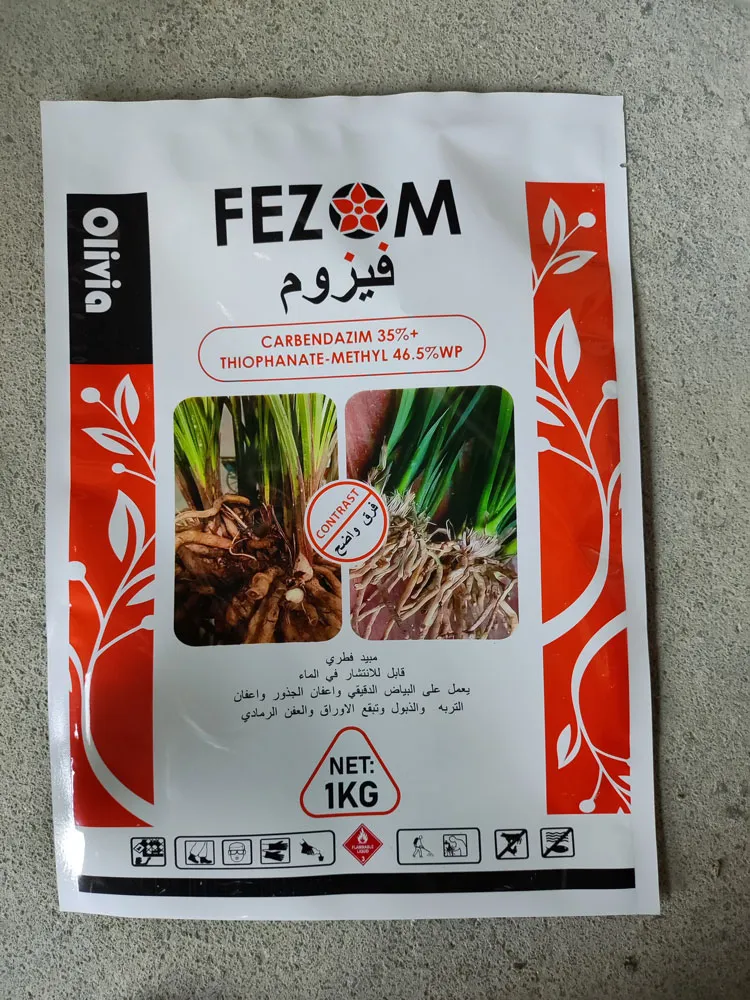
| Foil Bags | 500 g, 1 kg, etc. | WP/WG Product Packaging |
| Larger Bags | 5 kg and other confirmed specifications | Wholesale and Professional Purchasing |
| Bulk Packaging | Confirmed large-size bags or drums | Bulk Import and Distribution |
| Outer Cartons | Designed according to inner packaging and shipping requirements | Export Shipping and Warehousing |
The above represents packaging options open for discussion; it does not imply that every specification is in stock or suitable for all products.
Confirm specific packaging materials based on formulation stability, moisture protection requirements, shipping regulations, and local laws.
Private Label and Packaging Customization
For customers with their own brands, we can discuss custom labels, packaging bag designs, product identification, and multilingual printing.
For example, customers can prepare product labels in English, French, Arabic, Spanish, or other languages according to target market requirements.
However, brand customization must be based on valid product registration and accurate technical information.
The names of active ingredients, their concentrations, registered uses, safety warnings, and instructions for use cannot be arbitrarily modified to accommodate brand design requirements.
Technical Documents for Importers
Depending on the specific product and project requirements, POMAIS can assist in providing or coordinating the following documents:
| Document | Primary Uses |
|---|---|
| COA | Confirmation of Batch Quality Parameters |
| SDS | Safety, Hazard Classification, and Transportation-Related Information |
| TDS | Basic Product Technical Information |
| Product Specification | Product quality standards and acceptance requirements |
| Stability Information | Support for quality or registration evaluation within the scope of available information |
| Packaging Details | Confirmation of packaging structure and export requirements |
| Registration Support Documents | Confirmation based on actual data availability |
Why Importers Choose POMAIS for Mancozeb Supply
When selecting a Mancozeb supplier, importers typically need to consider product price, quality consistency, documentation support, and long-term supply arrangements simultaneously.
In mature markets, a supplier’s ability to consistently provide products that meet existing registration requirements often matters more than adding unnecessary specifications.
For clients planning to develop their own brands, consider packaging design, formulation quality, registration requirements, and the sustainability of future orders well in advance.
POMAIS provides pesticide formulation procurement and export partnership services for B2B clients.
We can discuss the following based on your procurement objectives:
- Procurement of Mancozeb 80% WP and 75% WG formulations.
- Specifications and supply feasibility of existing formulated products.
- Private-label packaging and multilingual labeling.
- Sample confirmation and quality requirements for bulk orders.
- Applicable COAs, SDSs, TDSs, and other technical documentation.
- Availability of registration documentation for target markets.
- Export packaging, logistics, and delivery arrangements.
We prefer to clarify product specifications, quality standards, and target market requirements before confirming an order, rather than discovering after production that technical documentation or packaging contents do not meet the customer’s needs.
Frequently Asked Questions
What Is Mancozeb Fungicide Used For?
Mancozeb is a broad-spectrum contact and protective fungicide.
When properly registered, it can be used to prevent various diseases in crops such as potatoes, tomatoes, grapes, and apples, including certain types of early blight, late blight, downy mildew, black star, and leaf spot diseases.
The specific scope of use is determined by the local registration label.
Is Mancozeb a Systemic or Contact Fungicide?
Mancozeb is a non-systemic contact fungicide.
It primarily protects the plant surface and should not be described as a systemic fungicide that can travel long distances within the plant to treat existing diseases.
What Is the FRAC Group of Mancozeb?
Mancozeb belongs to FRAC Group M03.
This group represents dithiocarbamates and related multiplex contact fungicides.
FRAC generally considers this class of fungicides to pose a lower risk of resistance, but actual use should still comply with local registration and resistance management requirements.
What Is the Difference Between Mancozeb 80% WP and 75% WG?
80% WP is a wettable powder with a nominal active ingredient content of 800 g/kg.
75% WG is a water-dispersible granule with a nominal active ingredient content of 750 g/kg.
The two differ in formulation type, dust characteristics, dispersion requirements, and packaging; however, you cannot deem one formulation more effective than the other based solely on its name.
What Is the Recommended Dosage of Mancozeb 80% WP?
Determine the application rate for Mancozeb 80% WP based on the target country, registered crops, disease types, and the specific product label.
A single application rate (kg/ha) or dilution ratio cannot be applied uniformly across all crops, and the application rate for a 75% WG product cannot be directly applied to an 80% WP product.
Can Mancozeb Control Late Blight and Early Blight?
In products with the appropriate registration, Mancozeb can be used for preventive management of both diseases.
However, late blight is primarily an oomycete disease, while early blight is typically caused by true fungi of the genus Alternaria.
The two diseases differ in their pathogens, conditions for occurrence, and integrated management strategies; they are not the same disease.
Can Mancozeb Cure Existing Fungal Infections?
Mancozeb primarily provides preventive contact protection.
It cannot restore necrotic plant tissue to normal health, nor can it treat severe disease outbreaks.
Use according to local registration labels and disease management recommendations.
Does Mancozeb Provide Zinc and Manganese Nutrition?
Mancozeb’s chemical composition includes manganese and zinc; however, this does not mean that Mancozeb fungicides can replace zinc or manganese fertilizers.
Without corresponding crop nutrition trials and product registration data, it should not be marketed as a fertilizer product that directly promotes chlorophyll formation, increases yields, or improves micronutrient nutrition.
Can Mancozeb Be Mixed with Other Fungicides?
Mancozeb may be present in various commercial formulated products and may also be included in specific field tank-mixing schemes under conditions that comply with registration requirements.
However, commercial formulated products are not the same as ad hoc field tank mixes.
Actual tank mixing requires confirmation of label authorization, physicochemical compatibility, crop safety, and effective application rates; compatibility cannot be determined solely based on different FRAC groups.
What Is ETU in Mancozeb?
ETU stands for Ethylenethiourea, a substance of concern in the quality and regulatory assessment of EBDC-class fungicides.
Different countries may have varying requirements regarding data on its impurities or degradation products.
Importers should verify whether relevant testing is required—and which acceptance criteria apply—under the target market’s regulations, registration technical standards, and procurement contracts.
Is Mancozeb Allowed in the European Union?
Pursuant to Decision (EU) 2020/2087, the European Union has decided not to renew approval of the active ingredient Mancozeb and has required the revocation of authorizations for related plant protection products.
Therefore, Mancozeb cannot be promoted as a plant protection product currently routinely approved for use in the EU.
Registration status in other countries must be verified separately; EU regulations cannot be directly substituted for regulatory assessments in all markets.
What Documents Can POMAIS Provide?
Depending on the product and order requirements, POMAIS can provide COAs, SDSs, TDSs, product specification documents, and applicable packaging documents.
If customers require registration documents, stability data, or specific impurity testing information, they should specify the target market and document requirements in advance so that the scope of what can be provided can be confirmed.
Does POMAIS Support Private Label Mancozeb Products?
POMAIS supports discussions regarding OEM/ODM and private label collaborations for B2B customers.
Based on product availability and your target market requirements, we can confirm the Mancozeb formulation specifications, packaging options, brand labeling, and batch delivery terms.
Specific MOQs, prices, and production lead times depend on the confirmed product and order requirements.
Request Mancozeb Fungicide Specifications and Quotation
If you are looking for a supplier of Mancozeb 80% WP, 75% WG, or related fungicide formulations, POMAIS can discuss product specifications, packaging, and supply solutions based on your target market and procurement plans.
We primarily serve pesticide importers, distributors, wholesalers, brand owners, and registration companies; we do not cater to individual retail purchases.
To more accurately confirm product details and pricing, please provide the following information:
- Destination Country: Target import country.
- Required Formulation: 80% WP, 75% WG, or other specific formulated specifications.
- Registration Status: Registered, pending registration, or under evaluation.
- Packaging Requirements: Packaging weight, brand label, and language requirements.
- Expected Purchase Volume: Estimated purchase quantity and annual demand.
- Technical Documents: Required COA, SDS, TDS, or other registration-related documents.
- Delivery Schedule: Estimated purchase and delivery dates.
If you have not yet determined which formulation best suits the local market, you may also provide specifications for currently registered products and the crop diseases you plan to target.
We will help you identify the most suitable procurement options for further evaluation, taking into account the products actually available, quality standards, and target market requirements.
Contact us!
We will reply to you within 24 hours on business days!