Tomato crops are susceptible to a variety of pests, diseases, and weeds that can significantly reduce yields and crop quality. These issues can occur at any stage of growth and can lead to severe damage if not managed effectively. At POMAIS Agriculture, we provide comprehensive pest and disease control solutions, including customized pesticide formulations to ensure optimal protection for your tomato crops.
Common Tomato Diseases
1. Early Blight (Alternaria solani)
Impact:
Early blight is a fungal disease that affects tomato plants, causing lesions on the leaves and stems, which can lead to significant defoliation and reduced photosynthesis. This weakens the plant and reduces yield potential.
Symptoms:
- Circular, dark spots with concentric rings on the lower leaves.
- Yellowing of leaves, particularly around the edges.
- Lesions that expand, causing leaf dieback and plant weakness.
Control Methods:
- Critical Control Period: From the seedling stage to early fruit development (until the fruit starts ripening).
- Recommended Pesticides: Systemic fungicides like Chlorothalonil or Mancozeb provide effective control for early blight.
2. Late Blight (Phytophthora infestans)
Impact:
Late blight is caused by a water mold and is one of the most devastating diseases for tomato crops. It can rapidly destroy leaves, stems, and fruits, leading to complete crop failure if not controlled in time.
Symptoms:
- Irregular, dark green lesions with a water-soaked appearance, primarily on leaves.
- White fungal growth on the underside of affected leaves, particularly under humid conditions.
- Brown, decayed lesions on fruits, which eventually rot and become inedible.
Control Methods:
- Critical Control Period: From the early to mid-fruit set stage, particularly in humid environments.
- Recommended Pesticides: Fungicides such as Metalaxyl or Mefenoxam that are effective in controlling late blight.


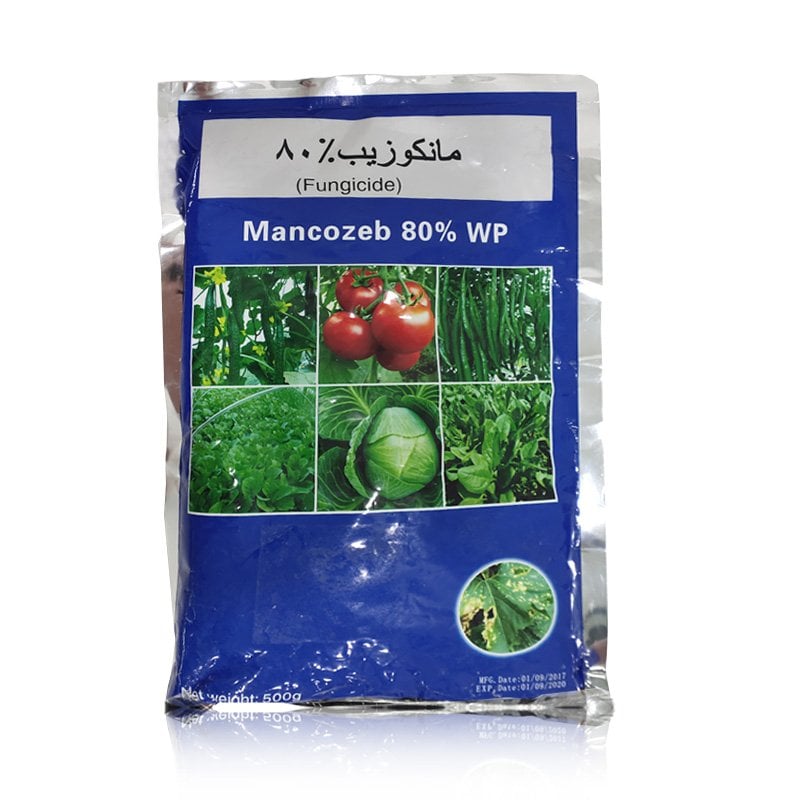
Mancozeb
Common Tomato Pests
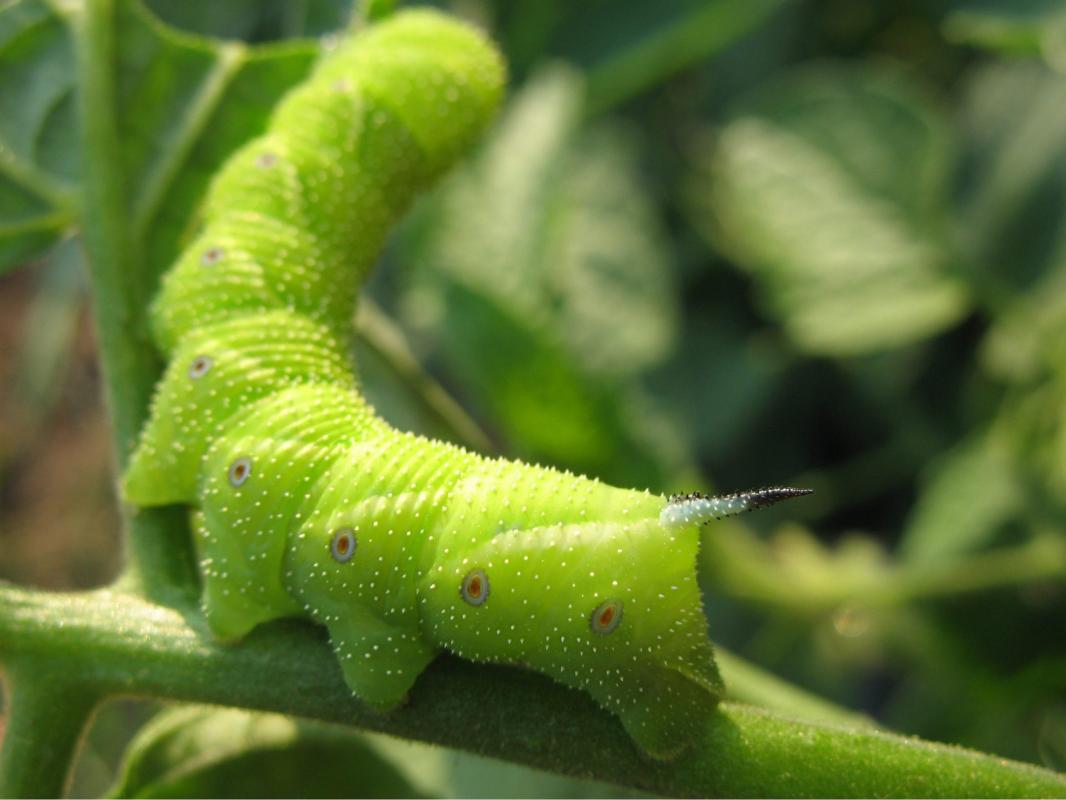
1. Tomato Hornworm (Helicoverpa zea)
Impact:
The tomato hornworm is a destructive pest that feeds on tomato leaves and fruit, causing significant damage. It can defoliate plants rapidly, reducing photosynthesis and leading to reduced yield.
Symptoms:
- Large green caterpillars that feed on leaves and fruit, causing visible holes and scars.
- Loss of leaves leading to stunted growth and fruit damage.
Control Methods:
- Critical Control Period: From the seedling stage to fruit setting.
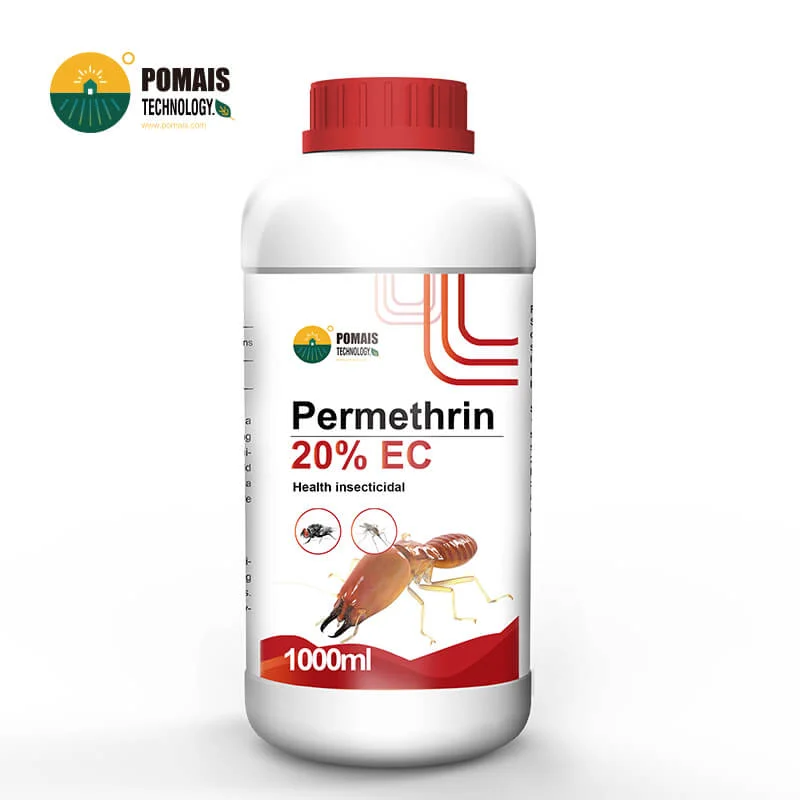
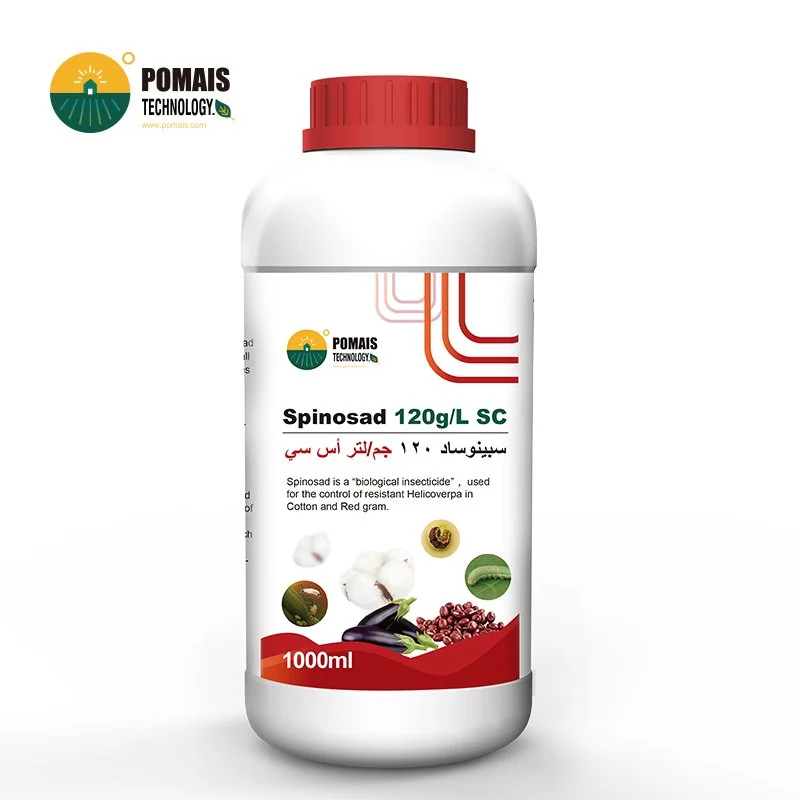
- Recommended Pesticides: Insecticides such as Permethrin or Spinosad are effective in controlling hornworm infestations.
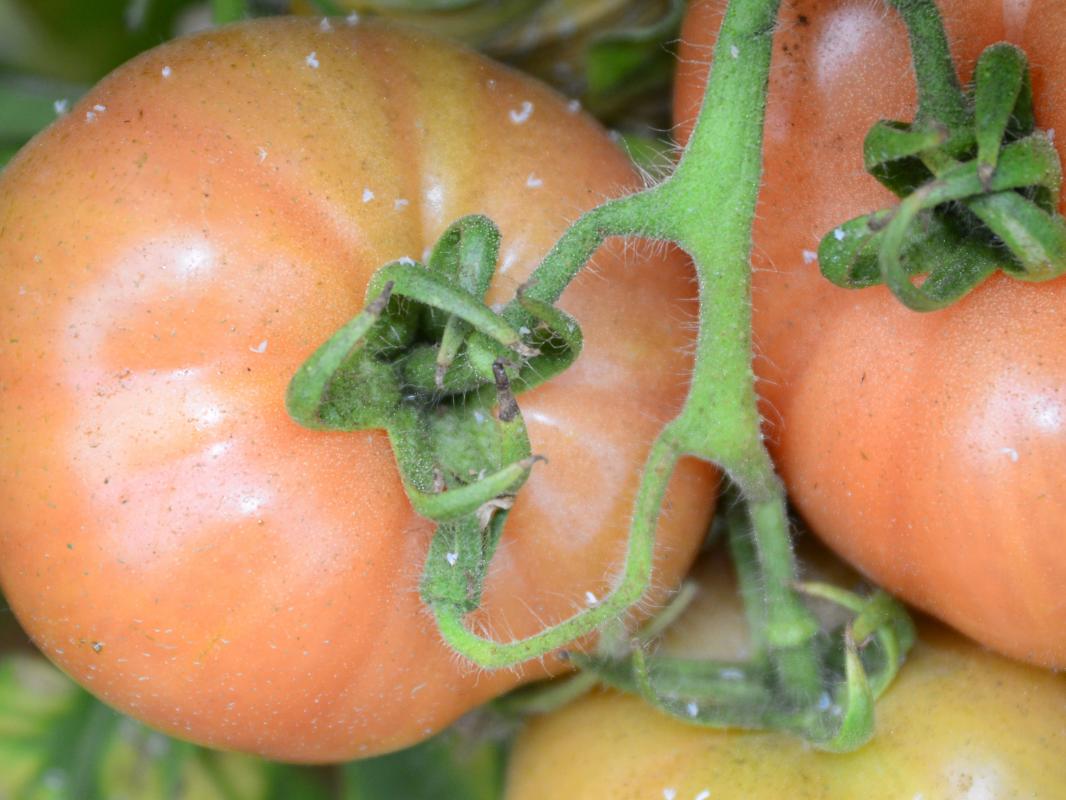
2. Whiteflies (Trialeurodes vaporariorum)
Impact:
Whiteflies are sap-sucking insects that cause wilting, yellowing, and stunting of tomato plants. They also transmit various viruses, such as Tomato Yellow Leaf Curl Virus, which can further damage the crop.
Symptoms:
- Presence of white, flying insects on the underside of leaves.
- Yellowing and curling of leaves, with possible stunted growth.
- Reduced yield and poor fruit quality.
Control Methods:
- Critical Control Period: From the seedling stage to harvest.
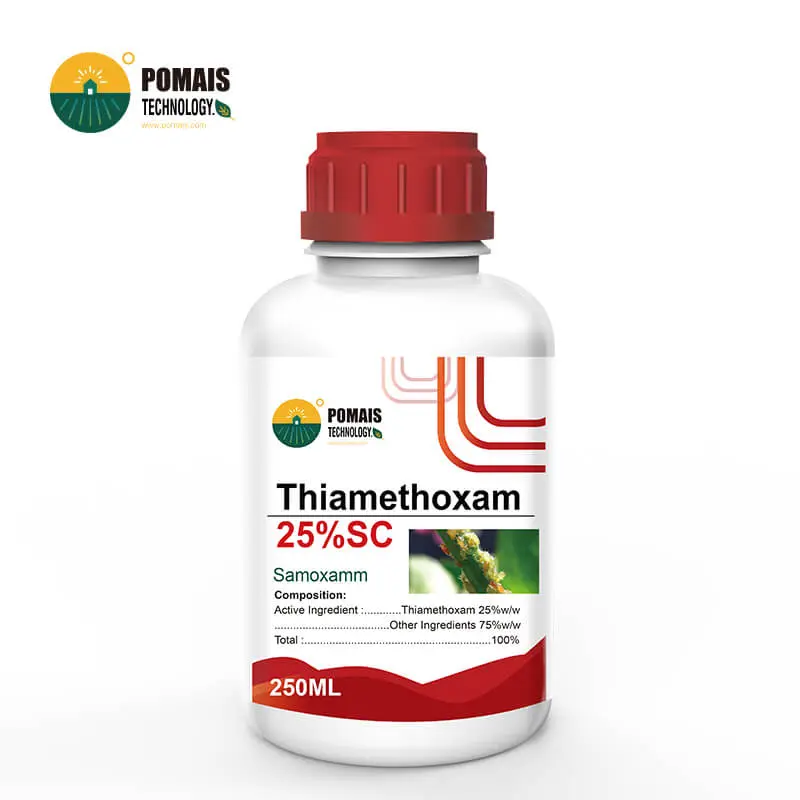
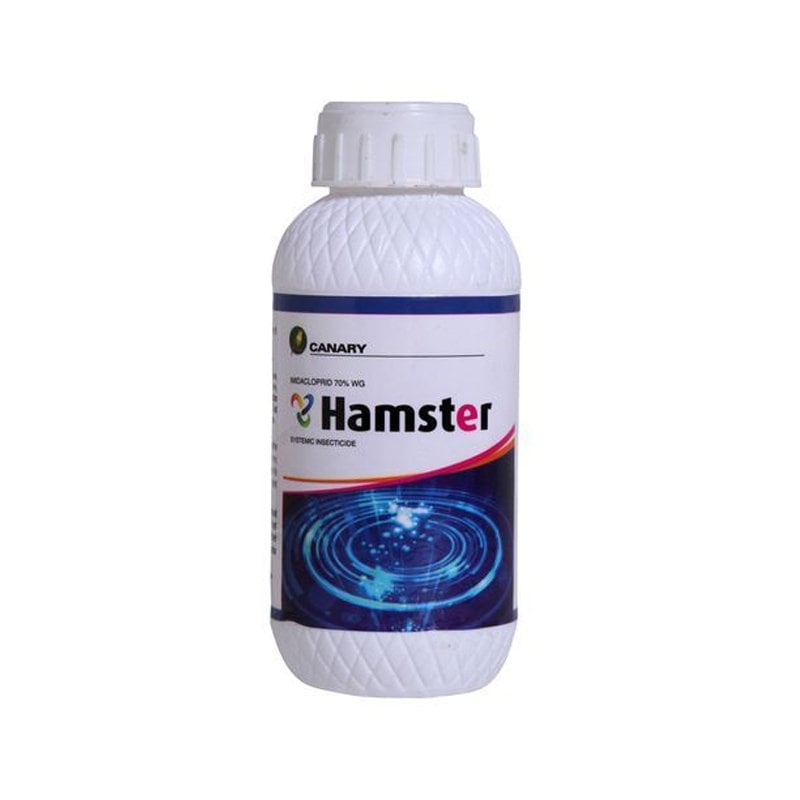
- Recommended Pesticides: Insecticides with Thiamethoxam or Imidacloprid offer excellent control of whitefly populations.
Management of common pests in tomatoes
Impact of Tomato Pests and Diseases
The presence of pests and diseases in tomato crops can have devastating consequences:
- Yield Loss: Significant reduction in yield due to plant damage and reduced photosynthetic capacity.
- Quality Degradation: Diseases like late blight and pests like hornworms can cause cosmetic damage to fruits, affecting their marketability and value.
- Increased Disease Pressure: Pests like whiteflies act as vectors for viral diseases, leading to compounded damage to plants.
- Crop Failure: If not properly managed, pests and diseases can lead to total crop loss, particularly in severe infestations.
Tomato Pest and Disease Management Solutions
Control Indicators:
- Early Detection: Monitoring for signs of pests and diseases during early plant growth stages is critical for effective intervention.
- Effective Treatment: Proper application of fungicides and insecticides at the right time ensures timely control, preventing the spread of disease and pest infestations.
Critical Control Periods:
- Seedling to Early Vegetative Stages: This period requires close monitoring for early blight and hornworm infestations.
- Fruit Set to Maturity: Late blight and whitefly populations peak during this period, requiring continued protection.
Recommended Pesticides:
- Fungicides: Systemic fungicides like Mancozeb and Chlorothalonil for early blight, and Metalaxyl or Mefenoxam for late blight control.
- Insecticides: Insecticides such as Permethrin, Spinosad, Thiamethoxam, and Imidacloprid are effective against hornworms and whiteflies.
About Us
POMAIS is committed to long-term partnerships with agrochemical importers, distributors, and brand owners.
Whether you’re expanding into new markets or developing your own product line, our team is here to provide flexible, scalable solutions for your business.
We gain a good reputation from clients, who mainly comes from Russia, Middle east, Africa and South America. Young sales team with enthusiastic warmly welcome you and assist you to occupy the market with good service and professional skills.
We’ve been connecting with global importers and distributors from all over world. Our cooperated factory has passed authentication of ISO9001:2000 accreditation. Registration documents support and ICAMA Certificate supply. SGS testing for all products.