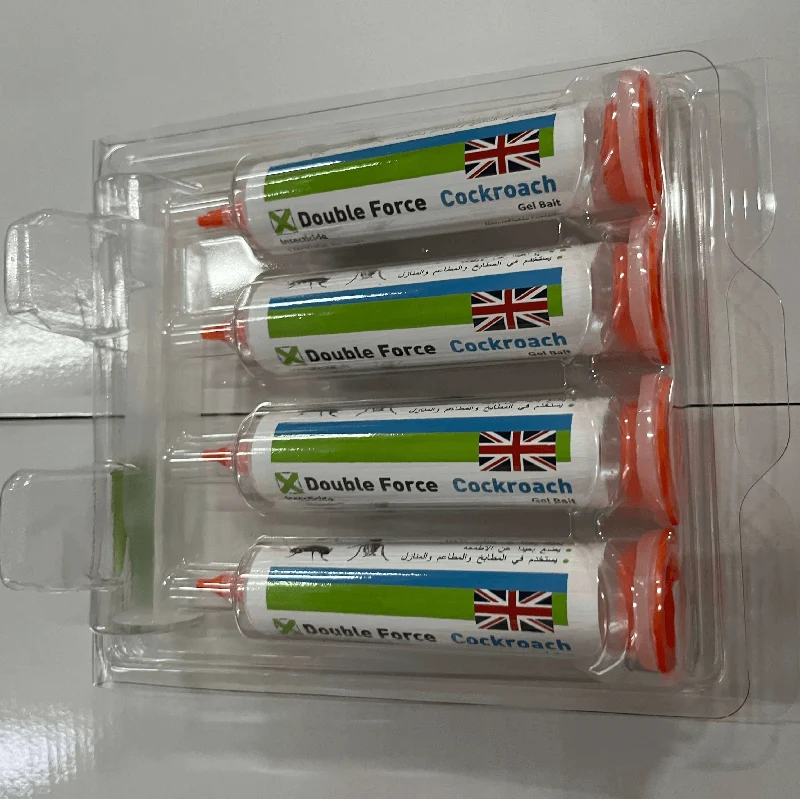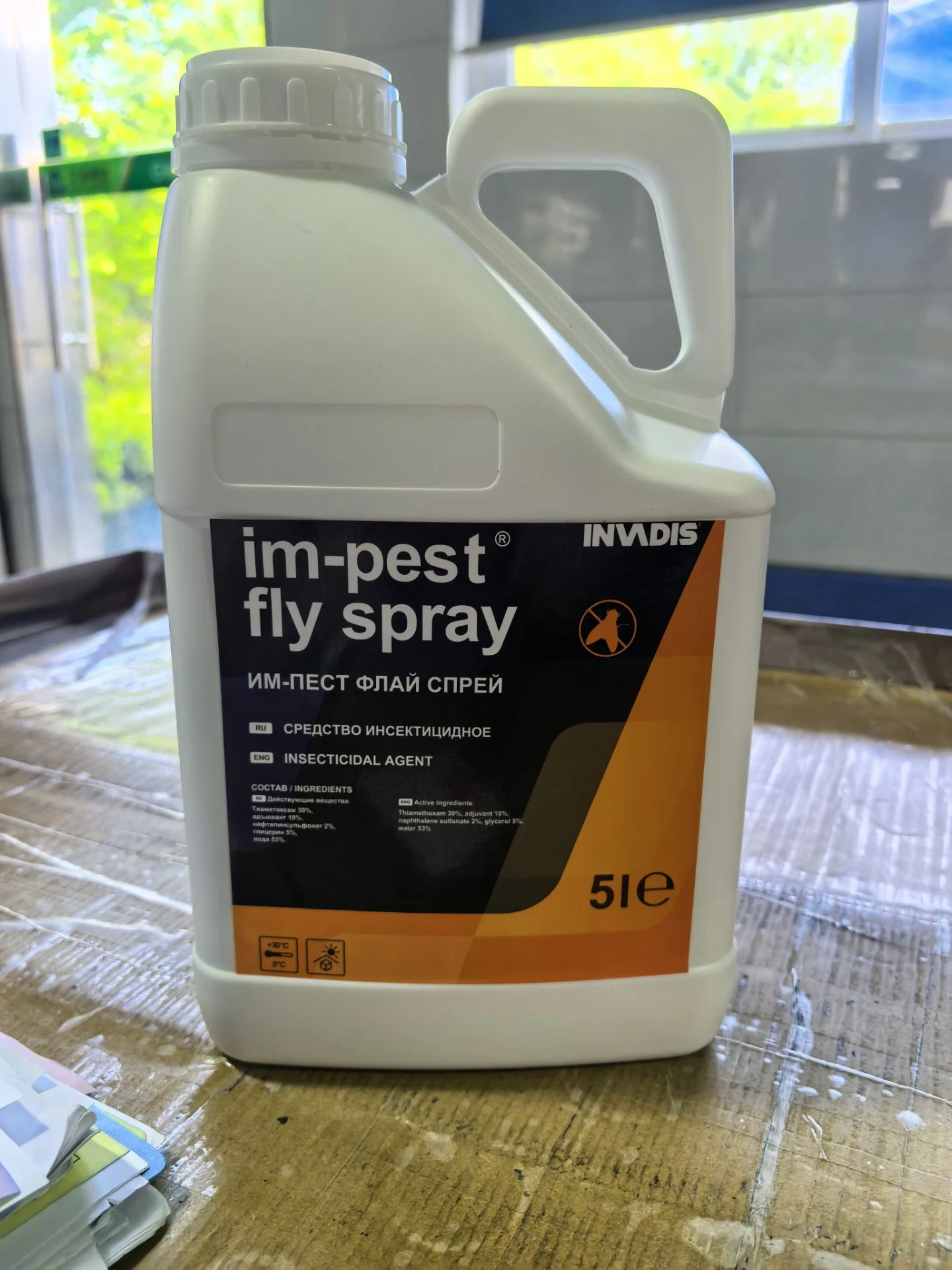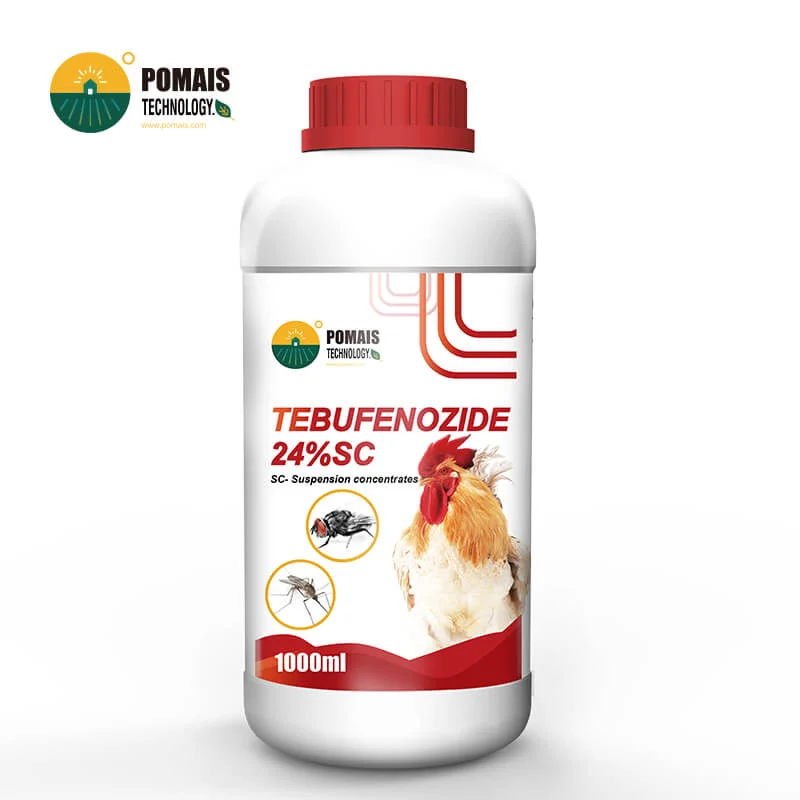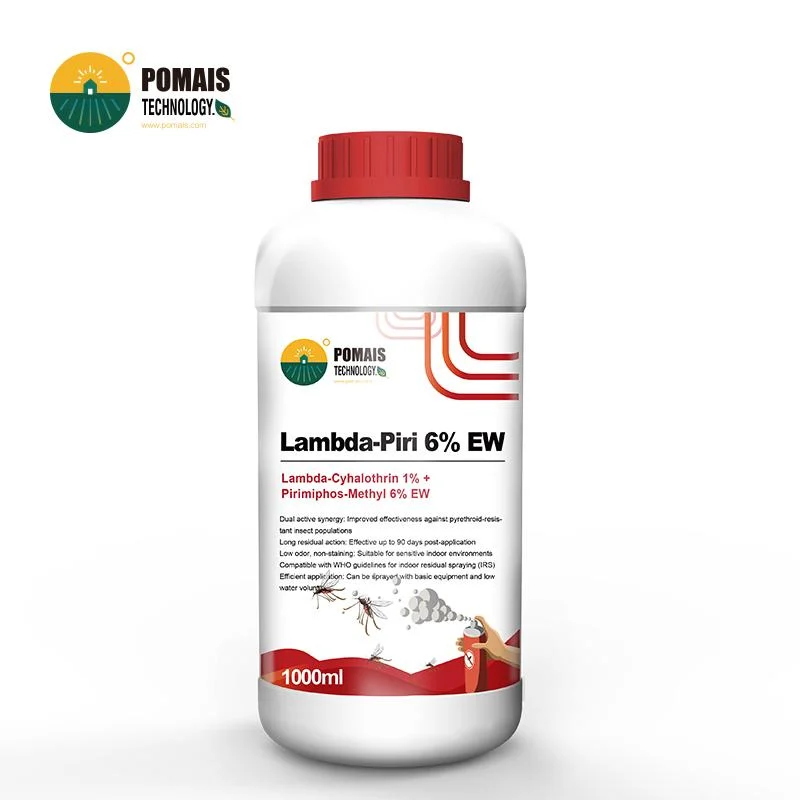


Acephate Insecticide
Reliable Systemic Pest Control with Flexible Formulations
Acephate is a powerful systemic organophosphate insecticide widely used in both agriculture and public health sectors. Known for its broad-spectrum effectiveness, acephate targets key pest threats such as aphids, thrips, fire ants, spider mites, roaches, and bagworms, offering reliable protection for crops, turf, ornamental plants, and urban environments. Thanks to its dual action—contact and systemic—acephate works by disrupting insect nervous systems, leading to rapid knockdown and residual control for extended periods.
-
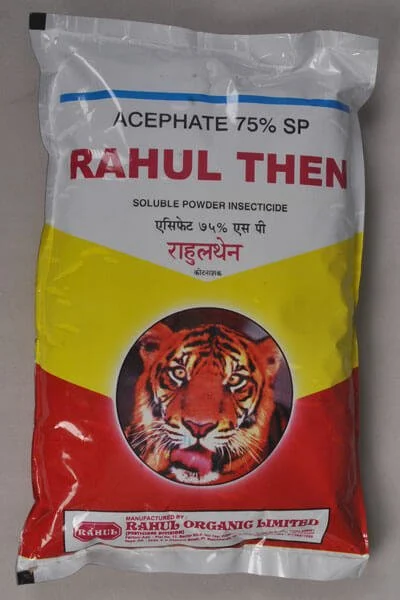
Acephate 75% SP
-
Acephate 97% WDG / 90% WDG
-
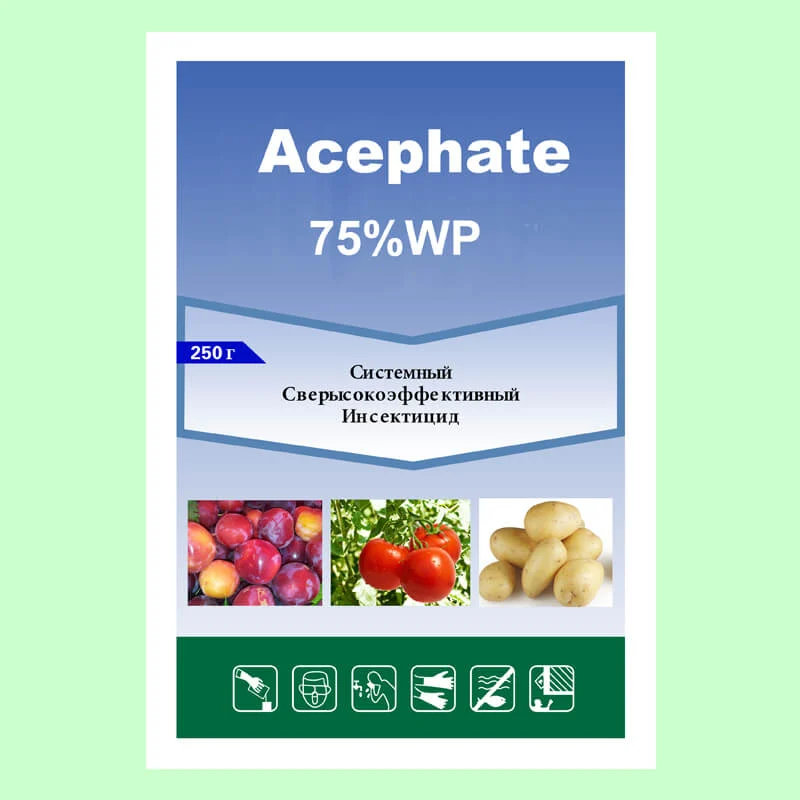
Acephate 50% WP / 95% SG / 97% DF
-
Acephate liquid spray / granules / powder
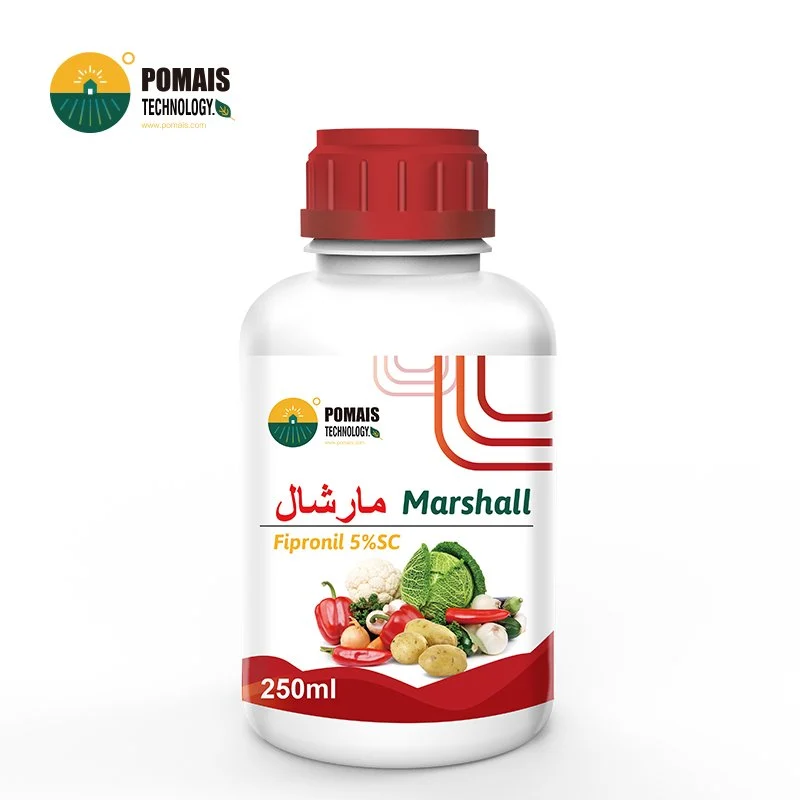
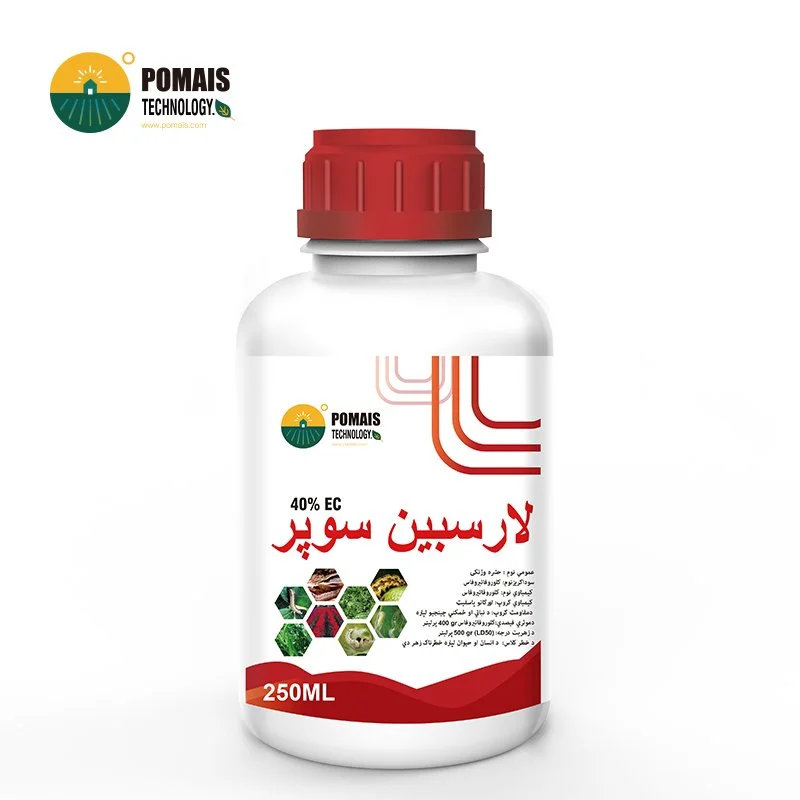
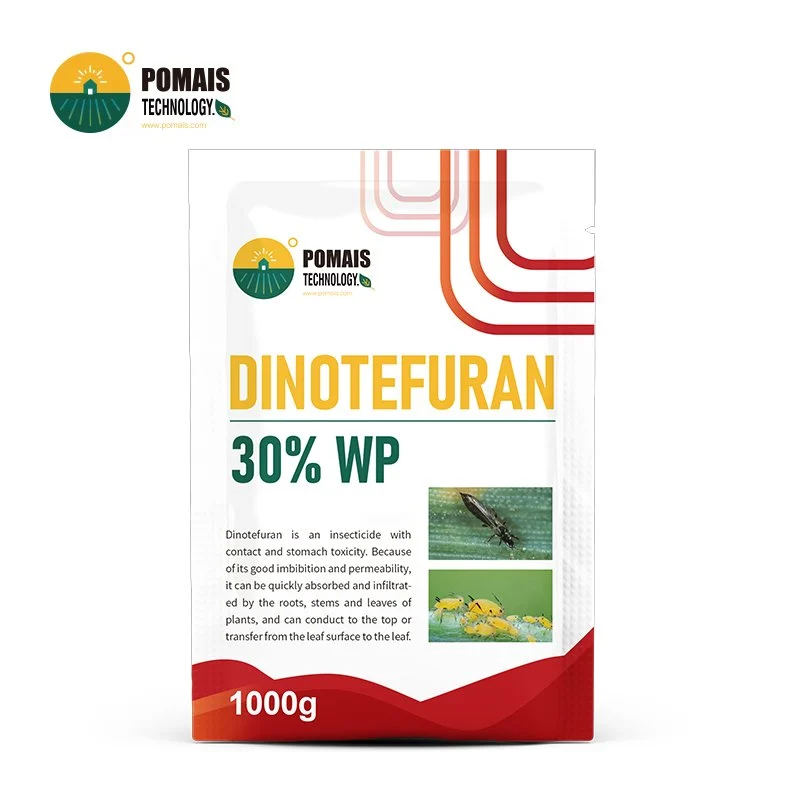
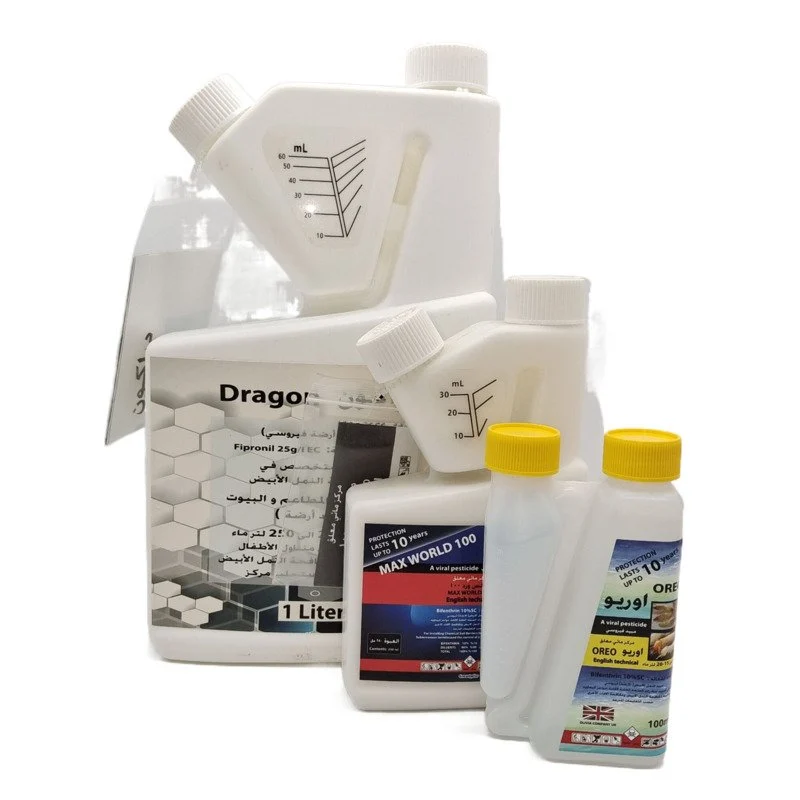
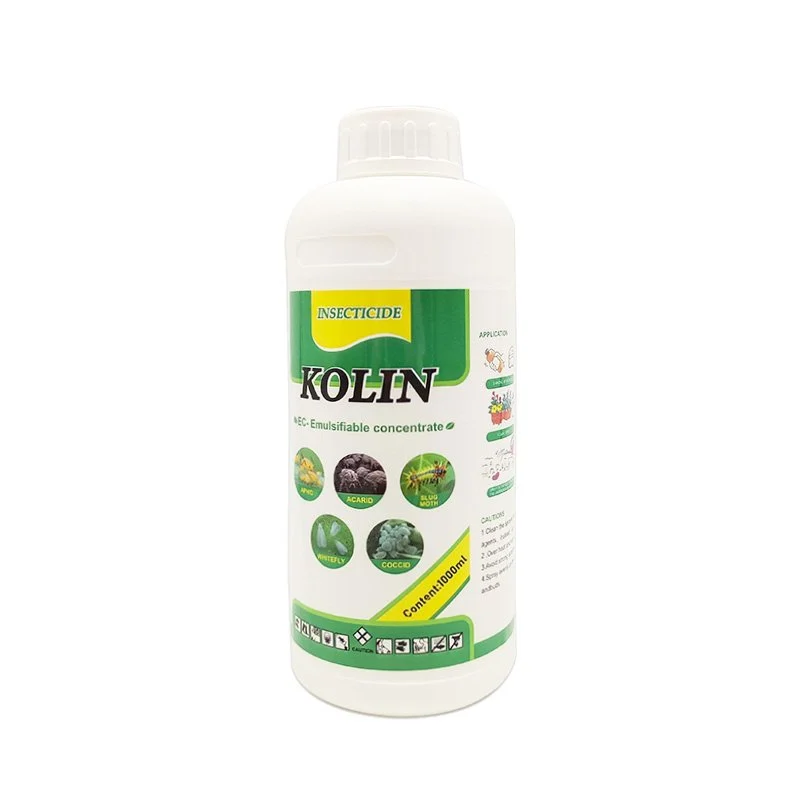
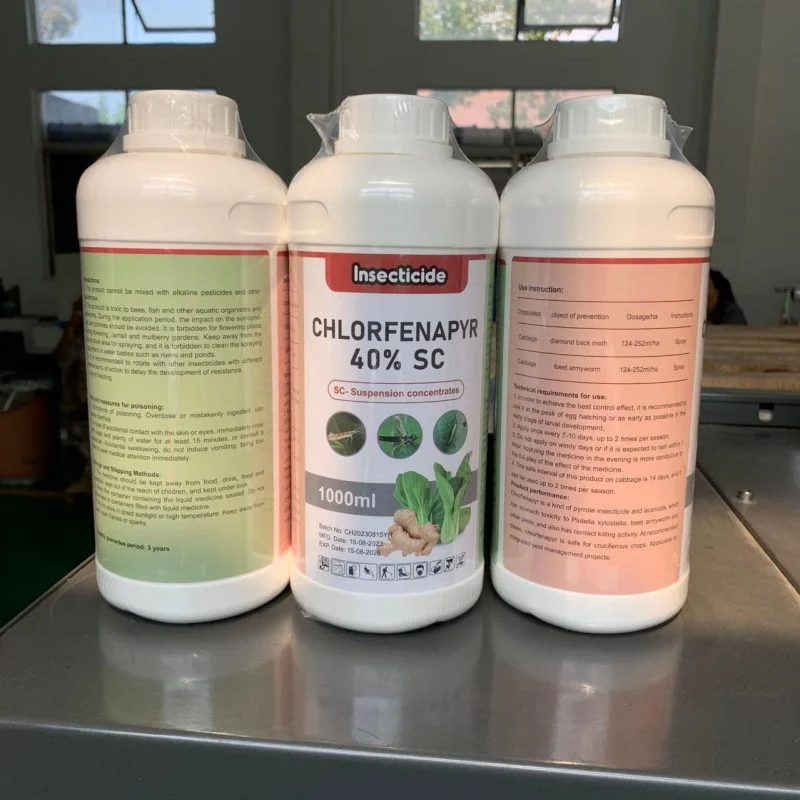
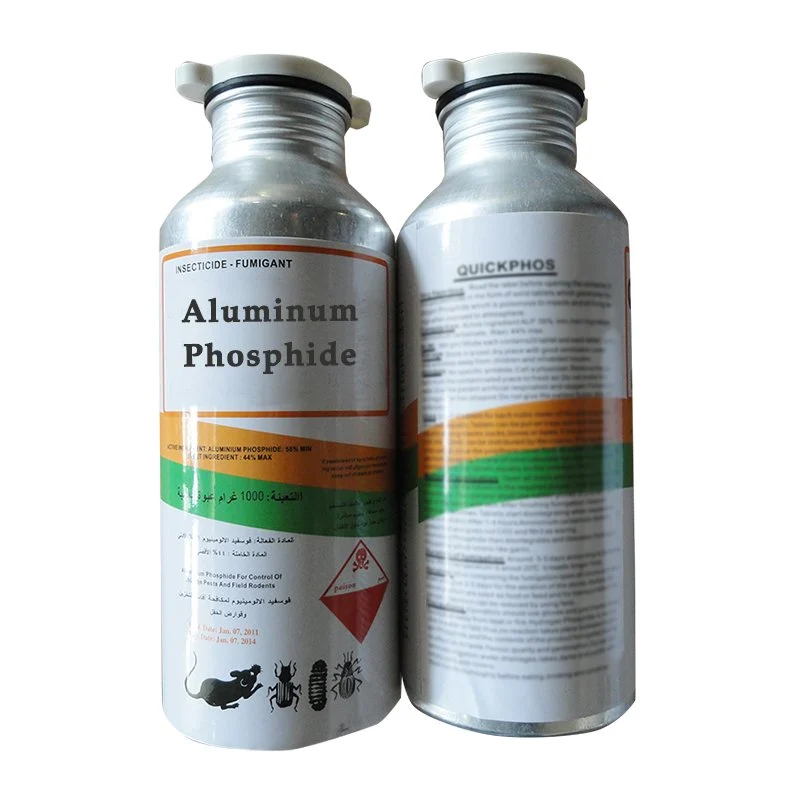
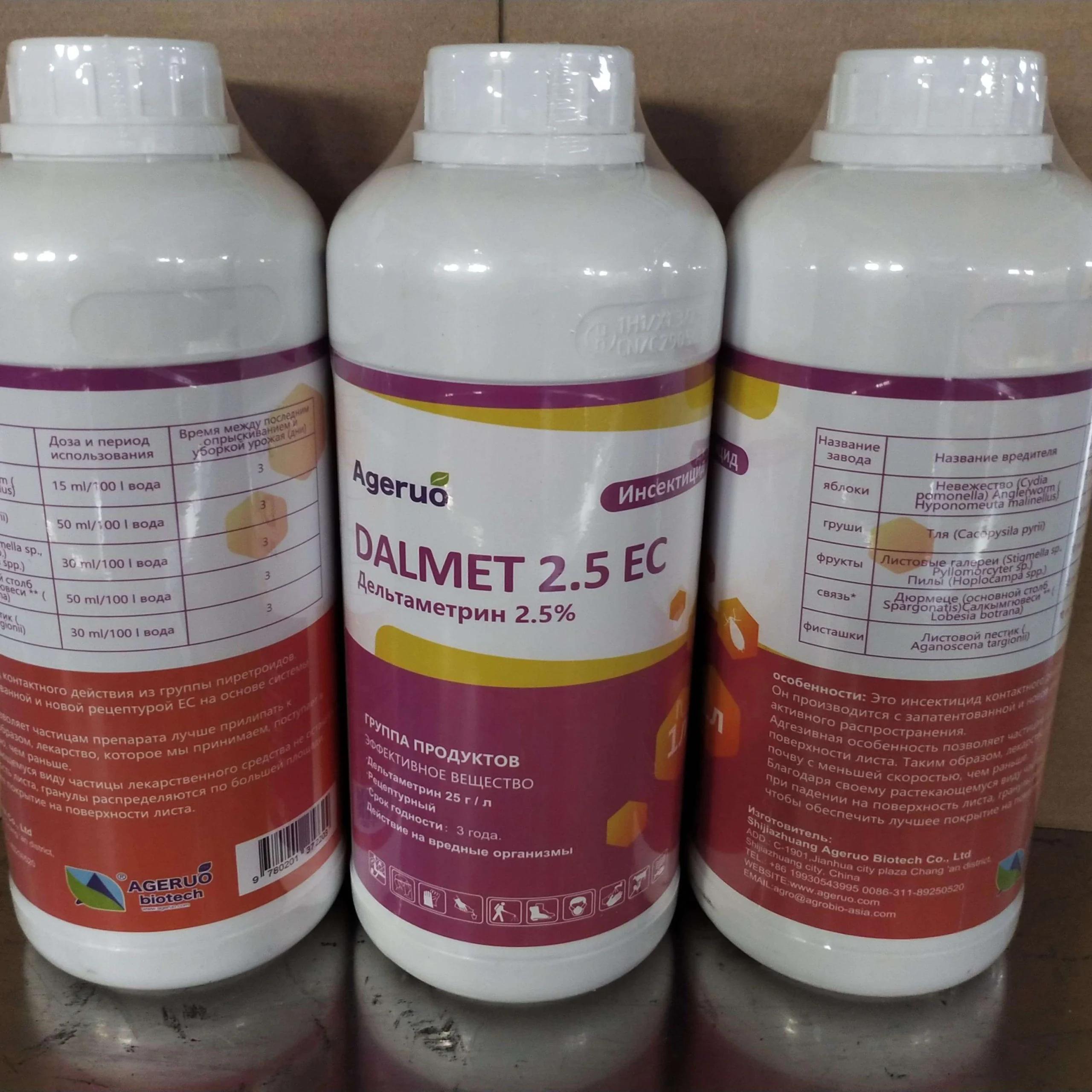
As a professional agrochemical supplier, POMAIS provides customized label and packaging solutions, free samples, low MOQ, and full documentation support for product registration and compliance. Whether you’re looking to buy acephate 75 SP, source acephate insecticide spray for commercial use, or explore acephate granular applications, we help you access stable, high-purity products with fast global delivery.
- Designed for Professional Buyers & Bulk Orders
- We support custom packaging, labeling, and formulation to meet your market needs.
- Export wholesale inquiries only.
- Please include destination country, business type (importer/distributor/registrant), and expected volume.
- Retail requests will not be processed.

About Acephate Insecticide
| Product Name | Acephate Insecticide |
| Chemical Name | O,S-dimethyl acetylphosphoramidothioate |
| Chemical Formula | C₄H₁₀NO₃PS |
| Mode of Action | Acetylcholinesterase (AChE) Inhibitor; systemic and contact action |
| Chemical Class | Organophosphate |
| Formulations Available | 75% SP, 97% WDG, 90% WDG/Prill, 50% WP, Granules, Liquid Spray |
| Application Methods | Foliar spray, soil drench, bait, mound treatment |
| Main Crops | Vegetables, cotton, rice, soybeans, tobacco, turf, ornamentals |
| Target Pests | Aphids, thrips, fire ants, cockroaches, leafminers, caterpillars |
| Packaging Options | 100g – 25kg foil bags / 100ml – 20L bottles (customizable) |
| OEM Support | Multilingual labels, private branding, ICAMA dossier, samples |
| Shelf Life | 2 years in sealed, original packaging |
| Storage Conditions | 5°C – 35°C, dry and ventilated, avoid sunlight |
| Manufacturer | POMAIS (ISO-certified, SGS-inspected) |
Acephate, chemically known as O,S-dimethyl acetylphosphoramidothioate, is a systemic insecticide belonging to the organophosphate class. Its chemical formula is C₄H₁₀NO₃PS, and it is designed to interfere with acetylcholinesterase activity in pests, effectively disrupting nerve signal transmission and leading to paralysis and death. Because of its water solubility and internal mobility in plants, acephate provides deep and lasting control by being absorbed through leaves and translocated throughout plant tissues.
We manufacture and supply a wide range of acephate formulations to meet the needs of diverse application environments:
- Acephate 75% SP (Soluble Powder) – One of the most popular forms, ideal for foliar spraying in field crops such as cotton, vegetables, and fruit trees.
- Acephate 97% WDG / DF (Water Dispersible Granule / Dry Flowable) – High-purity formulation with easy handling and fast dilution, widely used for export to regulated markets.
- Acephate 90% WDG / Prill – Enhanced flow and dispersion in water, suitable for automated or precision spraying systems.
- Acephate 50% WP (Wettable Powder) – A traditional option for markets favoring powder-based mixing.
- Acephate Granules – Suitable for soil drenching or targeted mound treatments, especially for fire ant killer with acephate.
- Acephate Liquid Spray – For fast-action control in professional pest management and public sanitation uses.
Each product variant is available with tailored packaging, ranging from 100g foil bags to 25kg drums, or liquid containers from 100ml to 20L. Labels can be fully customized to meet your local language, branding, and registration needs.
In addition to product supply, POMAIS offers technical dossiers, free sample testing, regulatory document support, and OEM/ODM services to help distributors expand into new markets with confidence. Whether you’re a pesticide distributor, importer, or brand owner, our acephate pesticide solutions provide strong efficacy, low resistance risk, and excellent compatibility with other tank-mix insecticides or fungicides.
Mode of Action – Systemic and Contact Control Through Nerve Disruption
Acephate is a systemic organophosphate insecticide designed to control a wide range of sucking and chewing pests by disrupting their nerve function. It works by inhibiting acetylcholinesterase (AChE), an enzyme essential for transmitting nerve impulses. When targeted insects such as aphids, thrips, fire ants, and cockroaches are exposed to acephate, their nervous systems fail, causing paralysis and death within hours.
As a systemic insecticide, acephate is quickly absorbed by plant roots and foliage, then translocated throughout the plant. This feature allows it to protect even new growth and control hidden pests like leaf miners and scale insects. In field applications, acephate offers both contact and ingestion toxicity, ensuring comprehensive pest knockdown.
Due to its reliable performance and moderate resistance risk, acephate is widely used in vegetable gardens, field crops, ornamental plants, and urban pest control, forming a crucial part of IPM (Integrated Pest Management) strategies.
Crops and Target Pests – Effective Across Agriculture and Public Health
Acephate is used extensively in both agricultural production and urban pest control, making it a versatile solution for farmers and pest control professionals alike. Its systemic properties and broad-spectrum efficacy make it suitable for controlling a wide range of economically damaging insect pests.
Major Crops Protected by Acephate
Acephate is widely registered and used on the following crops:
- Vegetables: cabbage, cauliflower, tomatoes, peppers, potatoes, eggplants, beans
- Field crops: cotton, peanuts, soybeans, rice, wheat, corn
- Ornamentals and turf: roses, chrysanthemums, lawns, golf courses
- Tobacco: for control of aphids and tobacco budworms
- Tree crops: citrus, apples, peaches
Primary Pests Controlled
Acephate is highly effective against:
- Sucking pests: aphids, thrips, leafhoppers, planthoppers, whiteflies
- Chewing pests: caterpillars, armyworms, budworms, cutworms
- Soil pests: rootworms, mole crickets (in turf)
- Public health pests: ants, fire ants, cockroaches (detailed in later sections)
Specialized Weed Control Context
While acephate is not a herbicide, it is often applied in crop systems where herbicide programs like pendimethalin or glyphosate are also used. It integrates well into pre-emergent weed control regimens, offering insect protection while herbicides manage weed pressure.
Acephate’s broad usage across crop types and pest classes makes it a multi-functional tool in both preventive and curative pest management programs, particularly valuable during early pest outbreaks when quick response is critical.
Application Methods and Recommended Rates – Flexible Use Across Crops
Acephate is available in multiple formulations including 75% SP, 97% WDG, and 50% EC, allowing flexibility in application across different crop types and infestation levels. Whether used as a foliar spray, soil drench, or bait formulation, acephate provides fast and reliable knockdown.
General Application Methods
- Foliar Spray: Most common method for controlling sucking and chewing pests. Acephate is diluted with water and applied using a knapsack or boom sprayer, ensuring thorough leaf coverage.
- Soil Drench: Used for root-feeding pests and for systemic uptake in young plants. Especially effective in nursery crops and for aphid control in ornamentals.
- Spot Treatment: For turf, lawns, and urban landscapes where pests are concentrated in specific areas.
Recommended Dosages (By Crop and Pest)
| Crop | Target Pest | Formulation | Rate (per hectare) | Method |
|---|---|---|---|---|
| Cotton | Aphids, bollworms | 75% SP / 97% WDG | 500–750 g | Foliar spray |
| Vegetables | Thrips, caterpillars | 75% SP | 400–600 g | Foliar spray |
| Rice | Brown planthopper | 75% SP / 50% EC | 600–800 g or ml | Foliar spray |
| Tobacco | Aphids, budworms | 75% SP | 600–800 g | Foliar spray |
| Turf / Lawns | Mole crickets, aphids | 97% WDG | 400–600 g | Spot spray |
| Ornamentals | Aphids, leafminers | 75% SP | 1 g per liter water | Foliar spray |
| Citrus & Apples | Leafminers, scales | 75% SP | 750–1000 g | Foliar spray |
Key Application Tips
- Apply during early morning or late afternoon to reduce evaporation and improve absorption.
- Avoid mixing with alkaline substances, as acephate degrades in alkaline pH.
- Ensure even distribution to avoid pest escape or resistance buildup.
Acephate’s high solubility, translocation ability, and multiple modes of application make it a reliable first-choice solution across diverse pest management systems.
Fire Ant and Ant Colony Control Applications
Acephate is widely recognized as one of the most effective active ingredients for fire ant (Solenopsis invicta) and other ant species control, particularly in large outdoor areas and public spaces. Its systemic action and colony-level transfer make it ideal for eliminating entire nests—not just surface workers.
How Acephate Works Against Ants
When applied as a bait, soil drench, or mound treatment, acephate is carried by foraging ants back into the colony. The chemical disrupts acetylcholinesterase function, leading to neuromuscular failure and death. Because it is slow-acting, it allows for maximum colony exposure before symptoms appear—making it especially effective for fire ant eradication.
Recommended Use Scenarios
- Mound Treatments: Use acephate 75 SP at 5–10 g per mound. Apply directly into the mound entrance and surrounding area. Water in lightly for best results.
- Broadcast Treatment: For infested lawns, parks, and golf courses, use 97 WDG or granular formulations at 1.5–2 kg/ha, preferably during early morning or late afternoon.
- Perimeter Barrier Spray: Apply acephate spray around building foundations, entry points, and landscaping beds to prevent colony establishment.
Target Ant Species
- Fire Ants (Solenopsis spp.)
- Carpenter Ants (Camponotus spp.)
- Argentine Ants (Linepithema humile)
- Pavement Ants (Tetramorium spp.)
Key Benefits for Ant Control
- Deep colony ant colony penetration – reaches the queen and brood.
- Low resistance potential – mode of action remains highly effective.
- Low odor, residue-free – ideal for public and residential areas.
- Approved for turf, lawn, and ornamental use – making it versatile for pest management companies.
Acephate continues to be a leading choice in professional-grade ant management solutions, with a strong reputation for long-lasting and colony-wide control.
Cockroach and Public Health Pest Control Applications
Acephate is also a powerful solution for controlling cockroaches and other sanitary pests in both residential and commercial settings. Its combination of residual contact action and systemic toxicity makes it suitable for integrated pest management programs targeting urban pests with increasing resistance to common pyrethroids.
Effective Against a Range of Public Health Pests
Acephate shows proven efficacy against:
- German cockroach (Blattella germanica)
- American cockroach (Periplaneta americana)
- Brown-banded cockroach (Supella longipalpa)
- Sewer cockroach species
- Public health vectors such as flies and mosquitoes (when formulated appropriately)
Application Methods for Urban Pest Control
- Residual Spray: Acephate 75 SP or 97 WDG can be diluted and sprayed onto cracks, wall edges, and surfaces where cockroaches hide. Effective dosages range from 0.75–1.5 g/L, depending on infestation level.
- Bait Station Integration: Acephate powder or granular forms can be included in bait systems for slow-action colony spread.
- Sewer & Utility Treatments: Used as a fog or solution, acephate reaches deep crevices where other sprays fail.
Key Features for Urban Environments
- Odorless and residue-free after drying
- Penetrates hard-to-reach areas like drains and ducts
- Low mammalian toxicity, suitable for food premises when used per label
- Effective even in high-resistance zones where traditional treatments fail
Acephate’s multi-site action and adaptability in various formulations make it an essential part of professional pest control services, particularly in hotels, restaurants, hospitals, warehouses, and public infrastructure.
Tank Mix Compatibility and Role in IPM Programs
Acephate is a versatile systemic insecticide that integrates seamlessly into modern Integrated Pest Management (IPM) strategies. Its broad-spectrum activity and chemical properties allow it to be used either as a standalone product or in tank mixtures with other agrochemicals, offering growers a flexible and cost-effective pest control solution.
Excellent Compatibility with Common Agrochemicals
Acephate demonstrates stable compatibility with various crop protection agents, including:
- Pyrethroids (e.g., lambda-cyhalothrin, cypermethrin) to enhance knockdown effect
- IGRs (Insect Growth Regulators) for long-term pest suppression
- Fungicides and foliar fertilizers, provided the pH is adjusted properly
- Systemic herbicides in weed-crop interfaces (non-tank mixed but rotationally compatible)
Note: Acephate should not be mixed with strong alkaline substances or emulsifiable concentrates that may cause degradation or phytotoxicity. Always conduct a small-scale jar test before full application.
Integration into IPM Programs
Acephate plays a key role in IPM due to its:
- Systemic action: Effective against hidden or plant-internal pests, like aphids and thrips
- Low resistance profile: Especially when alternated with insecticides from different MOA groups
- Flexibility in use: Can be applied via foliar sprays, soil drench, or trunk injections depending on target
It is widely used in rotational insecticide programs to delay resistance development in economically important pests like whiteflies, aphids, mites, and leafminers. Its selective toxicity allows preservation of certain beneficial insects when used responsibly.
Acephate empowers agribusinesses to develop more sustainable and precision-based pest management systems, optimizing both yield and environmental stewardship.
Storage and Safety Guidelines
To ensure both maximum product efficacy and user safety, Acephate insecticide must be handled and stored with care. As a systemic organophosphate compound, its chemical stability and toxicity profile require responsible usage across the entire agricultural value chain—from storage facilities to field application.
Proper Storage Recommendations
- Temperature Range: Store in a dry, well-ventilated place between 5°C and 35°C
- Humidity: Keep container tightly closed to avoid moisture absorption and degradation
- Container Integrity: Use only original, labeled containers made of resistant plastic or aluminum
- Sunlight Protection: Avoid direct sunlight, which may affect product stability
- Storage Area: Keep separate from food, feed, or water sources; secure the area from unauthorized access
Acephate has a shelf life of 2 years when stored under optimal conditions in its sealed packaging.
Safety Measures for Handling and Application
- Personal Protection: Always wear gloves, protective clothing, and a respirator when mixing or applying
- Application Precautions:
- Avoid drift to adjacent non-target crops, water bodies, and beehives
- Do not apply during windy conditions or near blooming crops if bees are active
- Post-Application Hygiene: Wash hands, face, and equipment thoroughly after use
- Toxicity:
- Toxic to birds, fish, and bees—avoid contamination of natural water sources
- Moderate oral and dermal toxicity to humans; follow national pesticide use guidelines strictly
In case of accidental exposure or ingestion, seek immediate medical advice and present the product label or MSDS document to health professionals.
POMAIS Manufacturer Advantages and Service Capabilities
Choosing POMAIS as your acephate supplier means getting more than just a product, it means working with a trusted, experienced and globally networked agrochemical manufacturer that understands your market and business needs. We deliver performance, compliance, customization, and reliability.
1. Decade-Long Manufacturing Expertise
With over 10 years of production and export experience, POMAIS specializes in systemic insecticides like Acephate 75% SP, 97% WDG, 50% EC, and other high-purity formulations. We have a deep understanding of international regulatory environments and customer expectations across regions including South America, Africa, the Middle East, Central Asia, and Russia.
2. Strict Quality Control and Regulatory Support
- ISO-certified production lines and SGS-inspected batches
- Full technical documents: COA, MSDS, TDS, and product registration dossiers
- Assistance in ICAMA registration and other regional compliance processes
- In-house QA/QC lab with HPLC and GC testing for purity and stability verification
3. Flexible Customization and Branding Services
We offer full OEM and ODM support, including:
- Custom label design in multiple languages
- Tailored packaging (from foil pouches to fiber drums or bottles)
- Low MOQ for private label launches
- Anti-counterfeit sticker options and QR traceability
4. Global Logistics and On-Time Delivery
Our logistics network ensures:
- 99% on-time delivery
- Door-to-door shipment by sea, land, or air
- Custom clearance guidance and support for restricted markets
5. Client-Centric Sales & After-Sales Service
Our international sales team is:
- Responsive and trained in crop protection knowledge
- Available for technical consultations and market-entry strategies
- Committed to long-term cooperation with importers, brand owners, and distributors