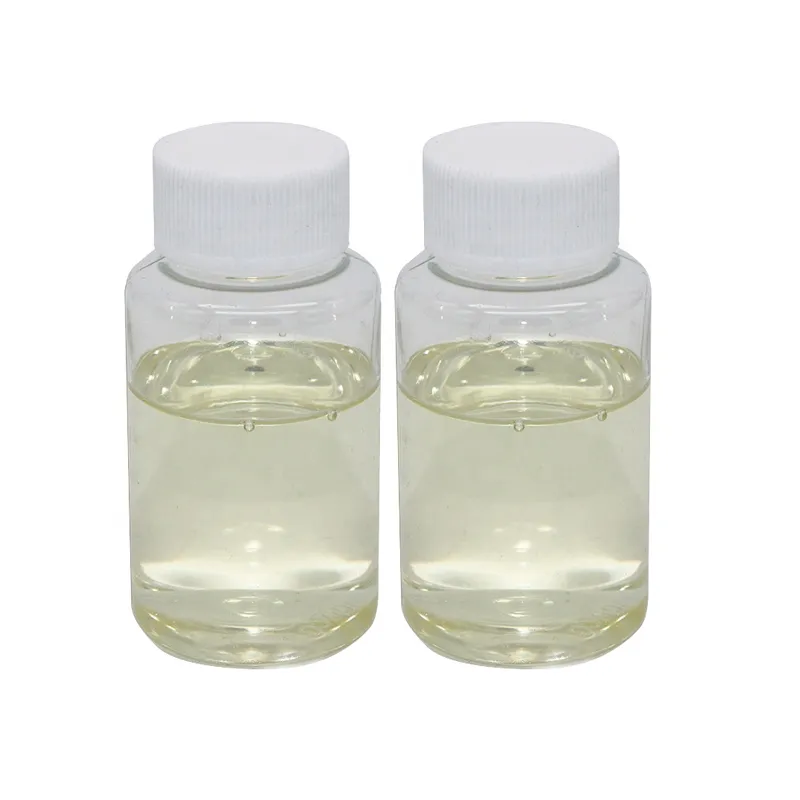
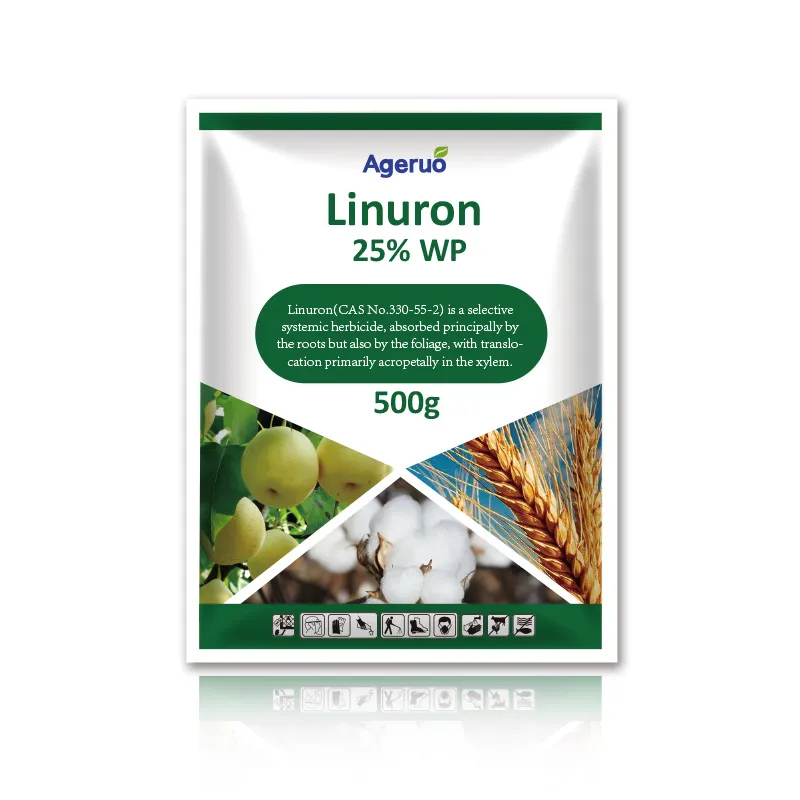
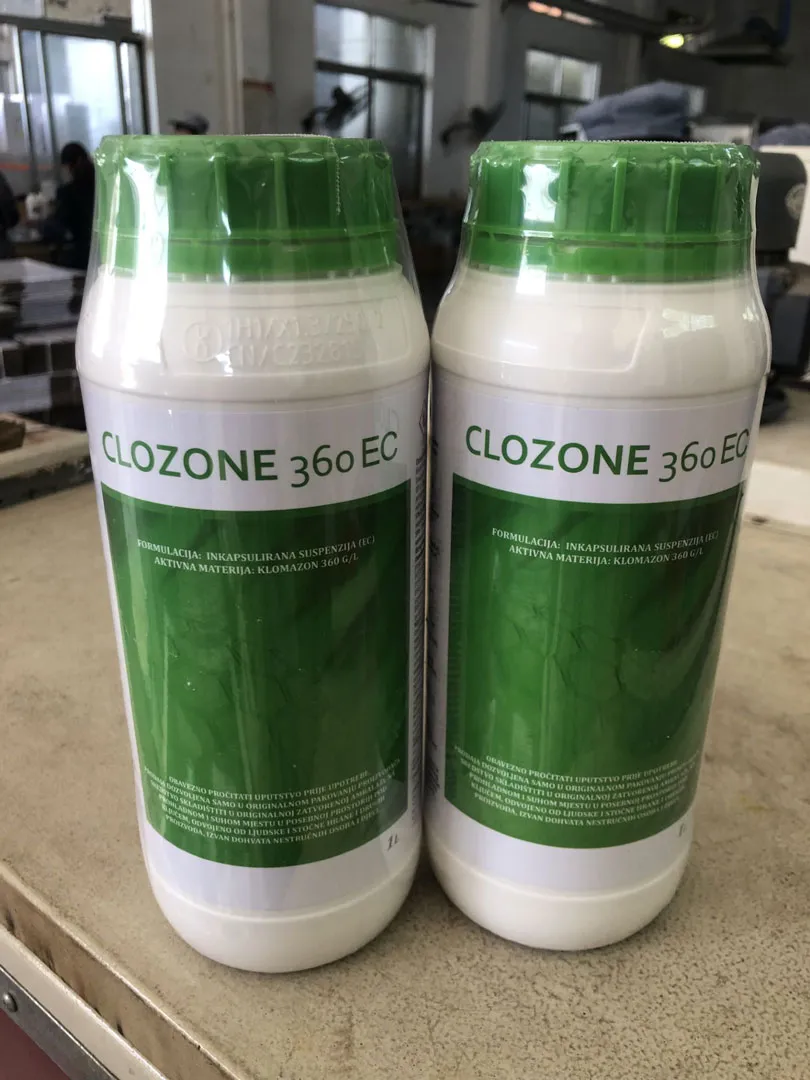
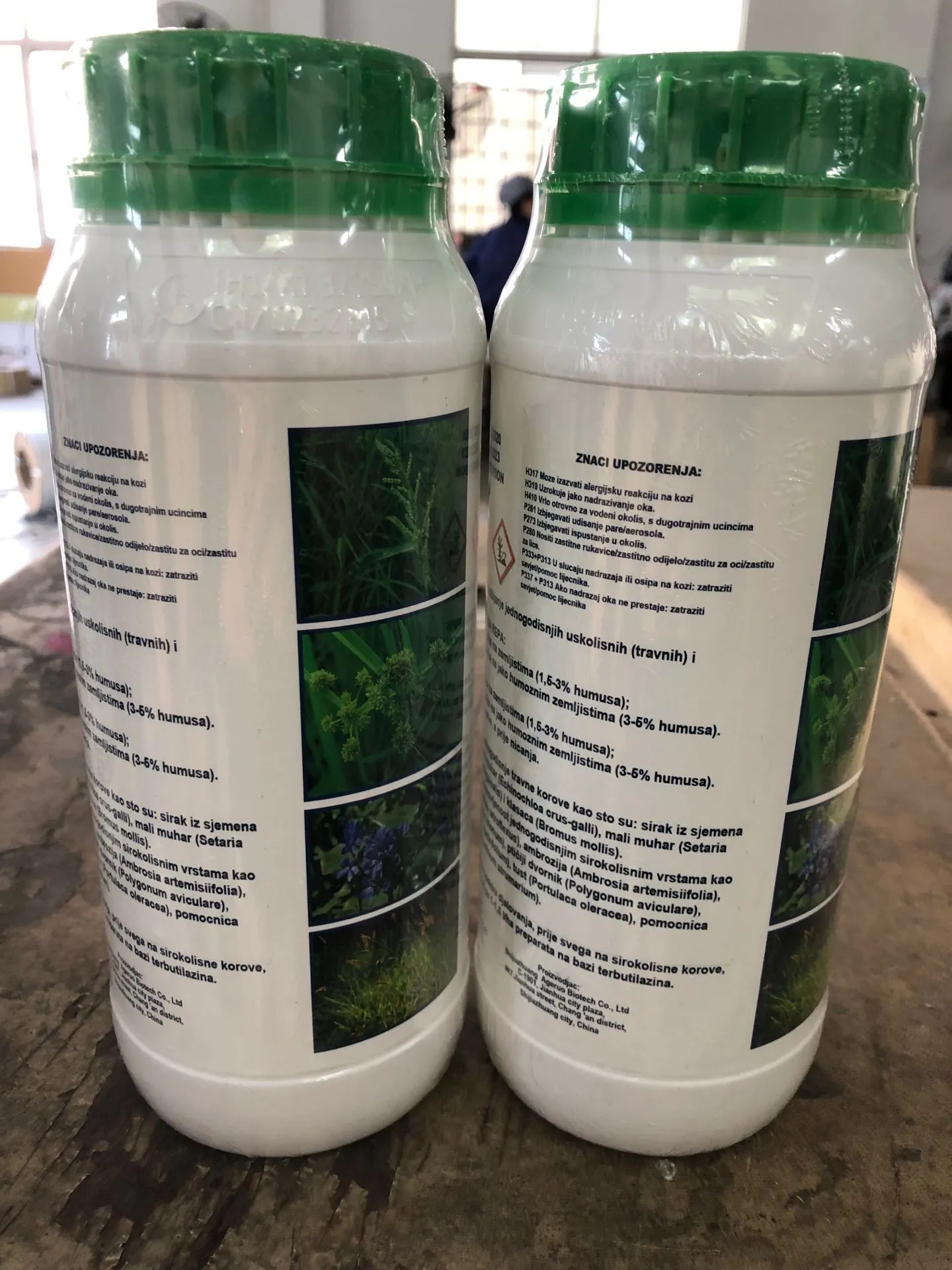
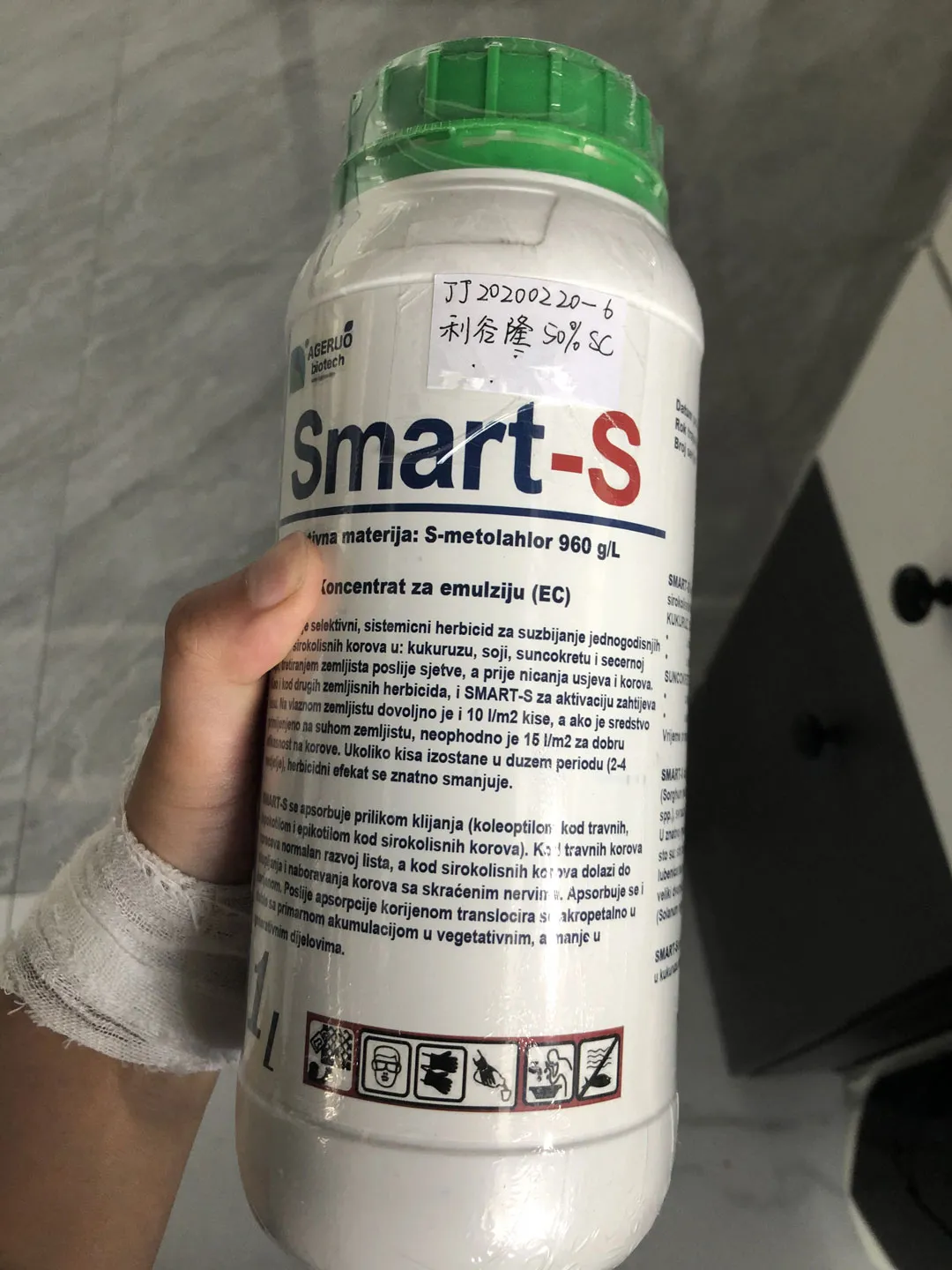
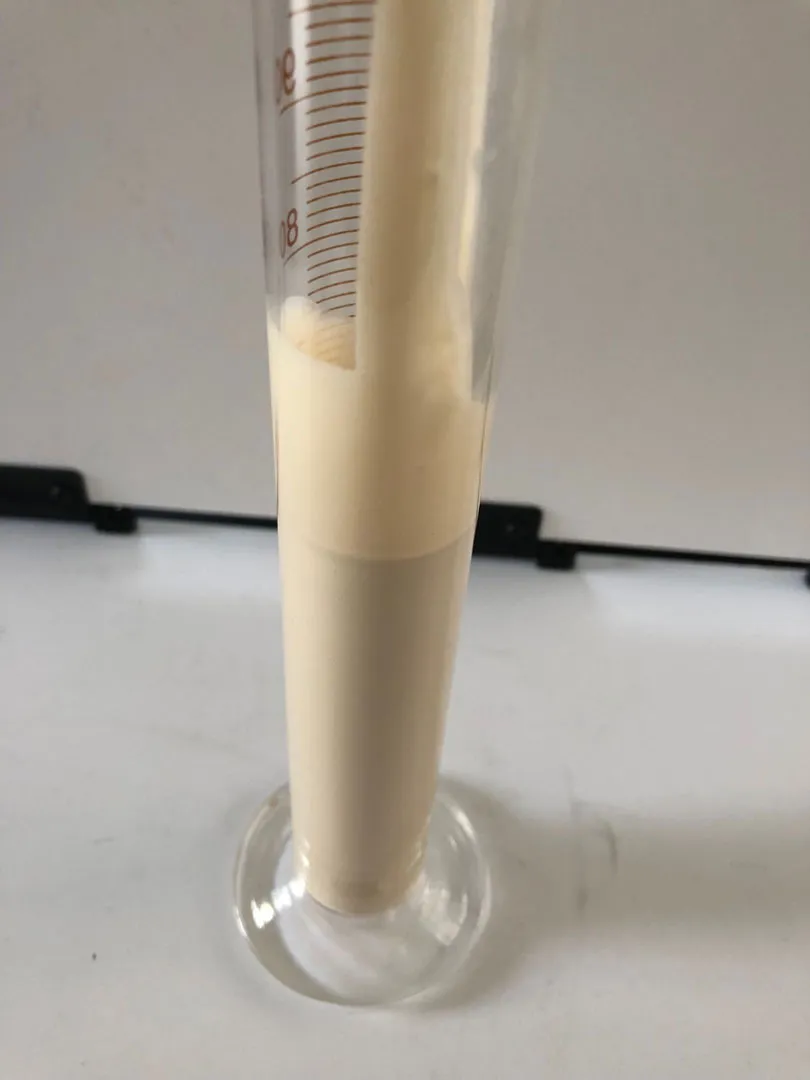
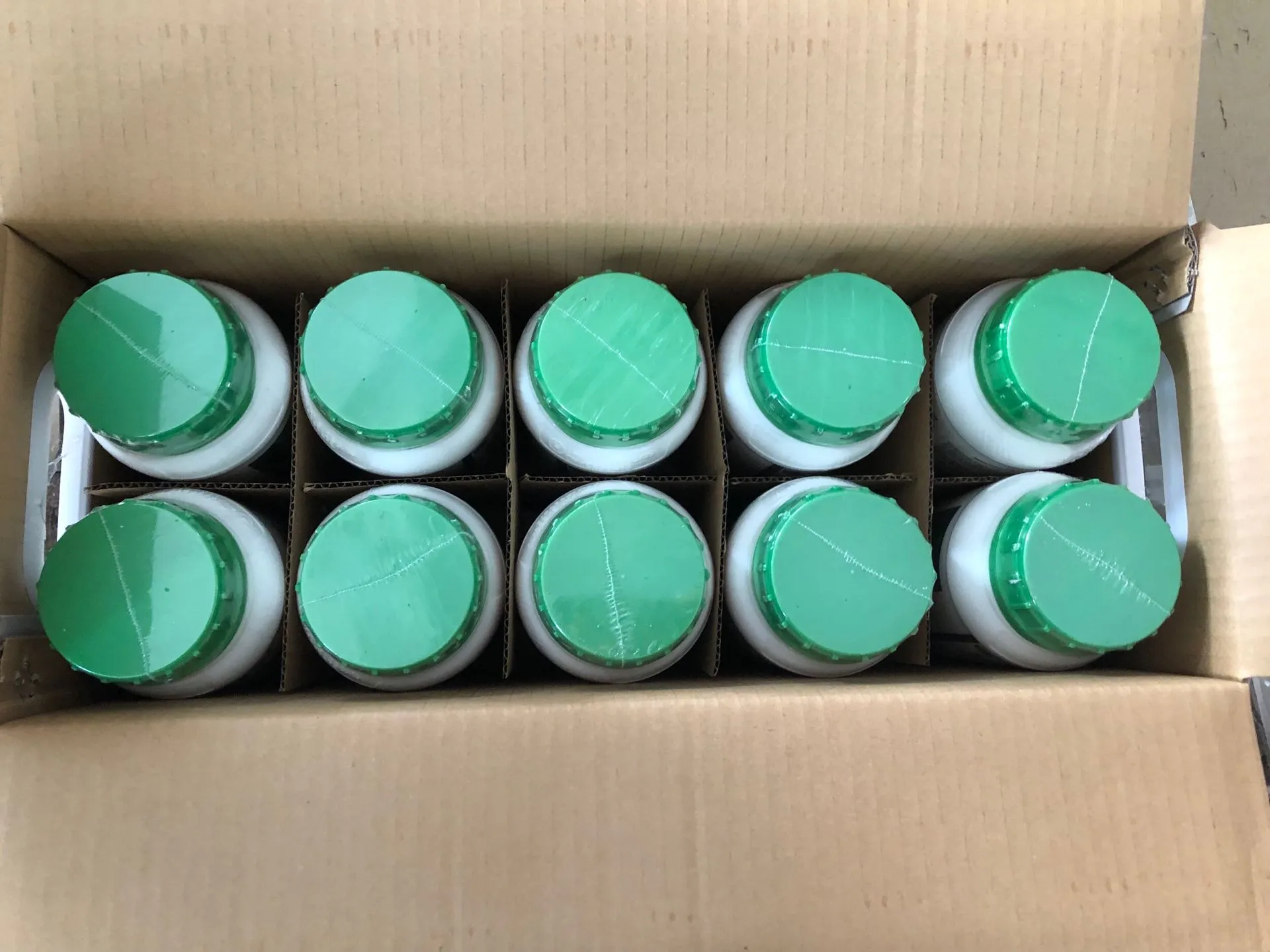
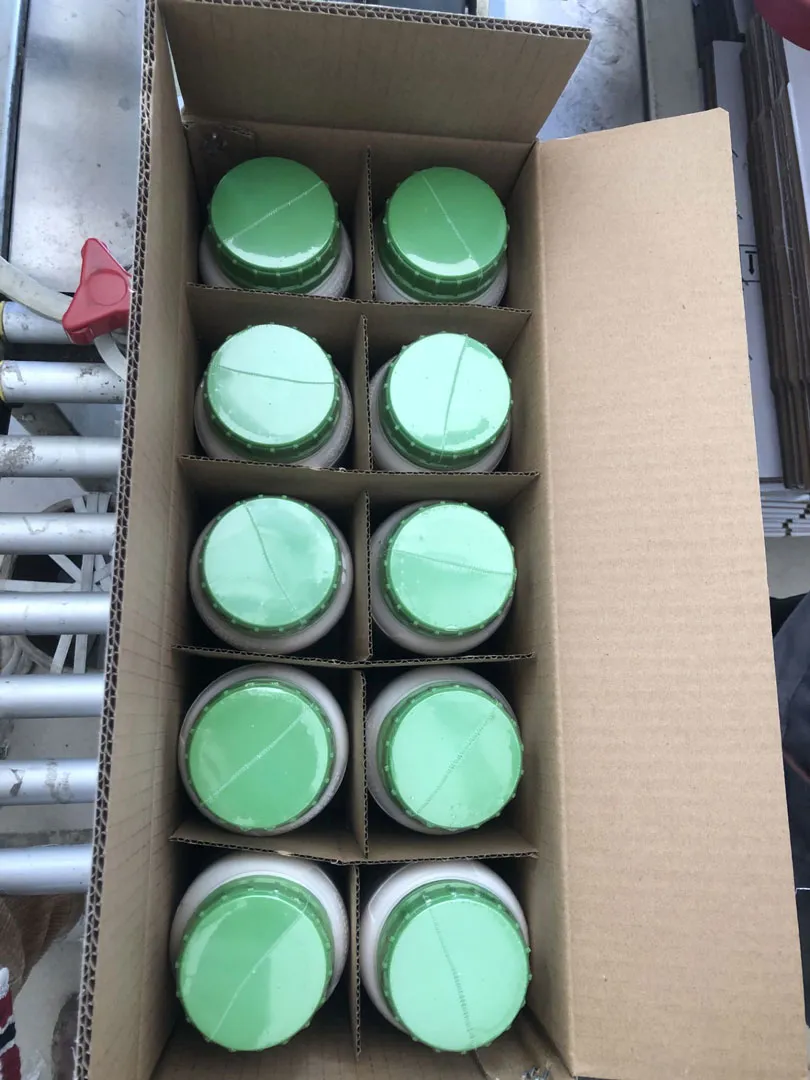
Linuron 450g/L SC & 500g/L SC Herbicide
POMAIS Linuron herbicide is a selective phenylurea herbicide used for registered crop weed-management programs. It belongs to HRAC Group 5 and works by inhibiting photosystem II activity in susceptible weeds.
Linuron provides pre-emergence and early post-emergence weed control against selected annual broadleaf weeds and grasses. Its performance depends on crop tolerance, weed species, soil conditions, application timing and local registration requirements.
POMAIS supplies Linuron formulations for agricultural importers, distributors and registration partners requiring reliable herbicide products, technical documentation and customized packaging support.
- Designed for Professional Buyers & Bulk Orders
- We support custom packaging, labeling, and formulation to meet your market needs.
- Export wholesale inquiries only.
- Please include destination country, business type (importer/distributor/registrant), and expected volume.
- Retail requests will not be processed.

About Linuron 450g/L SC & 500g/L SC Herbicide
| Product Attribute | Specification |
|---|---|
| Active Ingredient | Linuron |
| Product Type | Selective herbicide |
| Chemical Class | Phenylurea |
| Herbicide Group | HRAC Group 5 |
| Mode of Action | Photosystem II inhibition |
| Main Activity | Pre-emergence and early post-emergence weed control |
| Target Plants | Annual broadleaf weeds and selected grasses |
| Crop Use | Registered crop programs only |
| Formulation Options | WP, SC and other registered formulations |
| Application Method | Soil-applied or foliar application depending on label |
| Supply Support | COA, SDS, TDS and technical documents |
The final crop list, application rate, weed spectrum and use restrictions must follow the approved local label.
What Is Linuron Herbicide?
Linuron is a selective herbicide from the substituted urea chemical family.
It is mainly positioned for controlling susceptible annual weeds in agricultural crops where selective weed management is required.
Unlike non-selective herbicides that damage most green plants, Linuron works selectively by exploiting differences between crops and weeds in tolerance, absorption, metabolism and growth response.
Its main characteristics include:
- Selective weed control
- Phenylurea chemistry
- HRAC Group 5 classification
- Photosystem II inhibition
- Pre-emergence activity
- Early post-emergence activity
Linuron should be selected according to:
- Crop tolerance
- Weed species
- Weed growth stage
- Soil characteristics
- Weather conditions
- Local registration requirements
How Does Linuron Work?
HRAC Group 5 Photosystem II Inhibition
Linuron belongs to HRAC Group 5 herbicides.
Its primary mode of action is inhibition of photosystem II.
Photosystem II is a key part of the photosynthesis process, allowing plants to convert light energy into chemical energy.
Linuron interferes with electron transport within photosystem II.
As a result, susceptible weeds cannot maintain normal photosynthetic activity.
This leads to:
- Reduced energy production
- Disruption of plant growth
- Progressive leaf damage
- Weed death
Because Linuron acts on photosynthesis, environmental conditions such as light intensity, soil moisture and weed growth stage can influence field performance.
Selective Herbicide Activity
Linuron is designed for selective weed management.
Its effectiveness depends on the difference between:
- Crop tolerance
- Weed sensitivity
- Application timing
- Soil and climate conditions
Correct crop selection and label compliance are essential for maintaining crop safety.
What Weeds Does Linuron Control?
Linuron is mainly used against susceptible annual broadleaf weeds and selected annual grasses.
The exact weed spectrum depends on:
- Crop
- Formulation
- Application timing
- Weed population
- Local registration
Annual Broadleaf Weeds
Where registered, Linuron may be used against susceptible broadleaf weeds such as:
- Pigweed species
- Lambsquarters
- Chickweed
- Mustard species
- Other annual broadleaf weeds
Performance is influenced by weed size and growth stage.
Small, actively growing weeds are generally easier to control than large established plants.
Selected Annual Grasses
Some annual grasses may also be affected depending on:
- Species sensitivity
- Application timing
- Soil conditions
- Registered use pattern
Linuron should not be positioned as a universal grass herbicide.
For grass-control programs, growers should confirm whether the target species is listed on the approved label.
Linuron Crop Applications
Linuron has historically been used in different crop systems where selective weed control is required.
However, crop registration varies significantly between countries.
Potential crop directions may include:
| Crop Category | Weed Management Role |
|---|---|
| Vegetable Crops | Selective annual weed control where registered |
| Root Crops | Pre-emergence weed suppression where approved |
| Field Crops | Registered crop-specific weed programs |
| Other Specialty Crops | Market-specific applications |
The same Linuron formulation cannot automatically be transferred between different crops.
Before commercialization or use, confirm:
- Registered crops
- Approved weed spectrum
- Maximum application rate
- Application timing
- Residue requirements
Pre-Emergence and Early Post-Emergence Use
Linuron is commonly positioned around two application timings.
Pre-Emergence Weed Control
Applied before weed emergence, Linuron can provide residual activity against susceptible weeds during early crop establishment.
Performance depends on:
- Soil moisture
- Soil type
- Weed seed distribution
- Rainfall after application
- Crop planting conditions
Early Post-Emergence Weed Control
When applied after weed emergence, Linuron performance depends on:
- Weed size
- Weed growth stage
- Environmental conditions
- Crop tolerance
Early treatment is generally preferred because mature weeds are more difficult to control.
Linuron Formulation Options
Different formulations provide different handling characteristics.
Linuron WP
WP (Wettable Powder) formulations contain fine active ingredient particles that disperse in water before application.
Important quality factors include:
- Wetting ability
- Suspensibility
- Particle size
- Storage stability
Linuron SC
SC (Suspension Concentrate) formulations provide liquid handling convenience with suspended active ingredient particles.
Important quality factors include:
- Suspension stability
- Redispersibility
- Viscosity
- Particle distribution
- Storage performance
The final formulation selection depends on:
- Market preference
- Application equipment
- Registration requirements
- Packaging requirements
Application Guidance
Linuron application should always follow the registered local label.
A successful weed-management program should consider:
1. Identify Target Weeds
Correct weed identification is the first step.
Different weeds have different sensitivity to Linuron.
2. Select the Correct Crop
Only use Linuron on crops with confirmed tolerance and registration.
3. Choose Appropriate Timing
Application timing affects:
- Weed control level
- Crop safety
- Residual performance
4. Consider Soil Conditions
Soil characteristics can influence herbicide availability.
Important factors include:
- Soil texture
- Organic matter
- Moisture
- Rainfall
5. Follow Registered Rates
Do not transfer one application rate between different countries or crops.
6. Monitor Field Performance
Evaluate:
- Weed control level
- Crop response
- Weather influence
- Possible resistance issues
Resistance Management
Linuron belongs to HRAC Group 5 herbicides.
Repeated use of the same herbicide mode of action may increase selection pressure and contribute to resistant weed populations.
Resistance management should include:
- Rotating herbicides with different modes of action
- Using integrated weed management practices
- Combining chemical and cultural control methods
- Preventing weed seed production
- Monitoring reduced herbicide performance
Do not increase application rates to overcome suspected resistance.
Reduced control may result from:
- Resistant weed populations
- Incorrect timing
- Poor coverage
- Environmental conditions
- Incorrect weed identification
Factors Affecting Linuron Performance
Linuron effectiveness is influenced by several field conditions.
Soil Conditions
Important factors include:
- Soil texture
- Organic matter
- Moisture availability
- Rainfall after application
Weed Growth Stage
Young weeds are generally more susceptible than mature plants.
Weather Conditions
Temperature, rainfall and sunlight can influence herbicide activity.
Application Quality
Uniform application improves consistency.
Important factors include:
- Correct calibration
- Spray coverage
- Water quality
- Equipment condition
Regulatory and Market Suitability
Linuron registration status varies between countries.
Some markets have restricted or discontinued certain Linuron uses, while other markets may maintain approved crop applications.
Before importing or commercializing Linuron products, customers should confirm:
- Active ingredient approval status
- Registered crops
- Approved weed claims
- Maximum residue requirements
- Import regulations
- Label requirements
- Environmental restrictions
POMAIS supports product documentation and market evaluation according to customer requirements and destination regulations.
Quality Control for Linuron Formulations
For professional herbicide supply, active ingredient content alone is not enough.
Important formulation-quality parameters include:
| Quality Parameter | Importance |
|---|---|
| Active Ingredient Assay | Confirms Linuron content |
| Particle Size | Influences dispersion and performance |
| Suspensibility | Maintains uniform spray concentration |
| Wetting Time | Important for WP preparation |
| Viscosity | Important for SC handling |
| pH | Supports formulation stability |
| Moisture Content | Important for WP storage |
| Redispersibility | Supports SC storage recovery |
| Foam Characteristics | Improves spray preparation |
| Packaging Compatibility | Supports transport stability |
Final product specifications should follow the actual formulation data.
Storage, Packaging and Documentation
POMAIS supplies Linuron formulations with commercial packaging and technical-document support.
Available project support may include:
- COA
- SDS
- TDS
- Product specification
- Packaging specification
- Stability information
- Registration-support documents
- Export documents
Packaging options may include:
- Small retail packs
- Medium agricultural containers
- Large commercial packaging
Final packaging depends on:
- Formulation type
- Market requirements
- Order quantity
- Registration needs
Frequently Asked Questions
What is Linuron herbicide?
Linuron is a selective phenylurea herbicide used for registered crop weed-control programs.
What is Linuron mode of action?
Linuron inhibits photosystem II activity in susceptible weeds and belongs to HRAC Group 5.
Is Linuron a selective herbicide?
Yes. Linuron is positioned as a selective herbicide when used on registered crops.
Is Linuron pre-emergence or post-emergence?
Linuron can be used for pre-emergence and early post-emergence weed control depending on the crop and label.
What weeds does Linuron control?
Linuron controls susceptible annual broadleaf weeds and selected grasses where registered.
What HRAC group is Linuron?
Linuron belongs to HRAC Group 5.
Is Linuron a phenylurea herbicide?
Yes. Linuron is a substituted urea herbicide.
Does Linuron control all grasses?
No. Grass control depends on species sensitivity, formulation, timing and registration.
What crops use Linuron?
Crop uses vary by country and registration. Always confirm approved crop labels before application.
What formulations of Linuron are available?
Common formulations include WP and SC, depending on market requirements.
Does Linuron require resistance management?
Yes. Repeated use of HRAC Group 5 herbicides can increase resistance pressure, so rotation and integrated weed management are recommended.
Is Linuron approved worldwide?
No. Linuron regulatory status differs between countries.
What documents can POMAIS provide?
POMAIS can provide available COA, SDS, TDS, product specifications and registration-support documents according to project requirements.
Request Linuron Herbicide
For a Linuron herbicide project, please provide:
- Destination country
- Target crop
- Target weeds
- Required formulation
- Required quantity
- Preferred packaging
- Registration requirements
- Label language
- Technical document requirements
POMAIS will review the formulation requirements, market conditions and documentation needs before confirming supply options.
Linuron herbicide provides selective weed management through HRAC Group 5 photosystem II inhibition, with formulation quality and market-specific support for agricultural weed-control programs.
Contact us!
We will reply to you within 24 hours on business days!