Propiconazole 250 g/L + Cyproconazole 80 g/L EC Fungicide
Propiconazole 250 g/L + Cyproconazole 80 g/ L EC is a mixed formulation composed of two triazole fungicidal active ingredients, primarily designed to address disease management needs in cereal crops and other crops with corresponding registered uses. Both active ingredients belong to FRAC Group 3 and interfere with the normal formation of fungal cell membranes by inhibiting C14-demethylase (CYP51) during fungal sterol biosynthesis.
For pesticide importers, distributors, brand owners, and registration companies, key evaluation criteria for this product include active ingredient concentration, EC formulation quality, target crops, disease control scope, and local registration requirements. Since both active ingredients belong to the same mode-of-action group, the value of this product combination should be assessed in light of actual control performance and resistance management requirements; it should not be evaluated solely based on the resistance advantages claimed by a dual-active-ingredient formulation due to its independent modes of action.
POMAIS offers pesticide product supply partnerships to professional buyers. Buyers can further confirm the product’s scope of application, technical documentation, and supply terms based on their target market, crop profile, major diseases, and procurement specifications.
- Designed for Professional Buyers & Bulk Orders
- We support custom packaging, labeling, and formulation to meet your market needs.
- Export wholesale inquiries only.
- Please include destination country, business type (importer/distributor/registrant), and expected volume.
- Retail requests will not be processed.

About Propiconazole 250 g/L + Cyproconazole 80 g/L EC Fungicide
| Parameters | Product Information |
|---|---|
| Product Name | Propiconazole 250 g/L + Cyproconazole 80 g/L EC |
| Active Ingredient 1 | Propiconazole |
| Content 1 | 250 g/L |
| Active Ingredient 2 | Cyproconazole |
| Content 2 | 80 g/L |
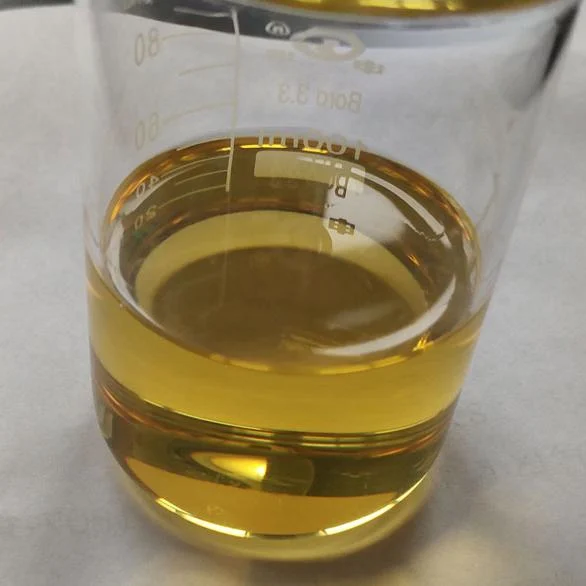
| Formulation | EC (Emulsifiable Concentrate) |
| Product Category | Systemic Fungicide |
| Chemical Class | Triazole Fungicides |
| FRAC Group | 3 |
| Mode of Action | DMI (Demethylation Inhibitor) |
| Target Organisms | Fungal pathogens supported by relevant product data |
| Main Crop Directions | Candidate crops include wheat, barley, rye, oats, sugar beets, etc. |
| Application Method | To be confirmed based on the approved label for the specific product |
| Application Rate | Subject to the approved label for the target market |
| Packaging | To be confirmed based on actual available specifications and order requirements |
| Shelf Life | Subject to the actual product label and stability data |
| Technical Documents | Confirm documents such as COA, SDS, and TDS based on actual supply conditions |
Product specifications are subject to the technical data of the actual product supplied. Crops, diseases, application rates, pre-harvest intervals, and maximum number of applications should all be determined based on the approved label of the corresponding formulation.
What Is Propiconazole + Cyproconazole? What Is the Propiconazole and Cyproconazole Fungicide Formulation
Propiconazole and Cyproconazole are both triazole-class DMI fungicides, primarily used for the management of fungal diseases with corresponding susceptibility.
Formulating these two active ingredients as a 250 g/L + 80 g/L EC creates a fixed-ratio combination product. For commercial procurement, the evaluation focuses not only on the content of the active ingredients but also on control performance against specific diseases, crop suitability, formulation stability, and registration status in target markets.
Technical Profile of Propiconazole
Propiconazole is a triazole fungicide active ingredient that interferes with the formation of the pathogen’s cell membrane by inhibiting C14-demethylase during fungal sterol biosynthesis.
On crops with the appropriate registrations, its applications may include certain rusts, powdery mildews, and foliar diseases. Specific targets depend on the pathogen, crop, product formulation, and locally approved uses.
Technical Positioning of Cyproconazole
Cyproconazole also belongs to the triazole class of DMI fungicides and acts on the same key target in the fungal sterol biosynthesis pathway.
It shares the same FRAC Group 3 classification as propiconazole. When evaluating the practical value of combining the two, attention should be focused on the efficacy data, target diseases, and formulation performance of specific products, rather than simply viewing the two active ingredients as having two independent modes of action.
Mode of Action
Both Propiconazole and Cyproconazole belong to FRAC Group 3, i.e., DMI (Demethylation Inhibitors).
DMI fungicides interfere with C14-demethylase (CYP51) during fungal sterol biosynthesis, disrupting the normal formation of the fungal cell membrane and thereby inhibiting the growth and development of susceptible pathogens.
FRAC Group 3 — DMI Fungicides
FRAC Group 3 is a category of fungicides associated with a single site of action. This group includes various triazole active ingredients, but the activity spectra of different ingredients against different pathogens are not entirely identical.
Since propiconazole and cyproconazole both belong to Group 3, this formulated mixture cannot be described as a resistance management strategy comprising two independent modes of action.
Preventive and Early Post-Infection Applications
DMI fungicides may exhibit protective or early post-infection curative activity against applicable diseases; however, actual efficacy depends on pathogen susceptibility, the stage of disease development, the timing of application, and the specific product label.
Curative activity should not be interpreted as the ability to eradicate all established lesions, nor should it be implied that the product provides the same level of control against all fungal diseases in the absence of supporting data.
Recommended Crops and Target Diseases
Market evaluation of Propiconazole 250 g/L + Cyproconazole 80 g/L EC should prioritize crops such as cereals and sugar beets. The table below lists crops and disease targets associated with this active ingredient combination that warrant verification for product selection and procurement evaluation.
These crops and diseases do not imply that the corresponding uses have been approved in all countries. Formal recommendations should be based on the labels of the actual formulations supplied and registrations in target markets.
| Candidate Crops | Candidate Target Diseases | Technical Evaluation Focus |
|---|---|---|
| Wheat | Leaf Rust, Yellow Rust, Stem Rust, Septoria Leaf Blotch, Powdery Mildew | Verify specific rust species, foliar diseases, and scope of registration |
| Barley | Net Blotch, Rhynchosporium Leaf Blotch, Powdery Mildew, Leaf Rust | Verify disease types, applicable growth stages, and product labels |
| Rye | Leaf Rust and other leaf diseases supported by data | Verify local registration and specific disease coverage |
| Oats | Crown Rust, Red-Brown Leaf Spot, and other leaf diseases supported by data | Verify target pathogens and locally approved uses |
| Sugar Beet | Cercospora Leaf Spot, Powdery Mildew | Verify specific disease registrations and application requirements |
Crop-Specific Disease Assessment
The types of diseases, their occurrence periods, and control targets vary across different crops; therefore, product recommendations should be based on specific pathogens rather than simply using the term “broad-spectrum fungicide” to cover all uses.
For grains, the assessment should focus on rust, powdery mildew, and applicable foliar diseases; for sugar beets, attention should be given to locally economically significant foliar diseases, and the corresponding product labels should be verified.
For other crops, such as soybeans, bananas, grapes, and other fruit trees, a decision on whether to include them in the official recommendations should be made only after obtaining reliable technical data and registration documentation for the specific formulation.
When further evaluation of disease management needs for different crops is required, refer to POMAIS Crop Disease Management Solutions.
EC Formulation Characteristics
EC (Emulsifiable Concentrate) is a liquid pesticide formulation that typically forms an emulsified dispersion system when mixed with water. Its performance depends on the formulation composition, the properties of the active ingredient, dilution conditions, and the quality of the formulation.
For Propiconazole 250 g/L + Cyproconazole 80 g/L EC, purchasers should focus their review on the following quality parameters.
| Quality Parameters | Key Procurement Review Points |
|---|---|
| Active Ingredient Content | Whether the content of the two active ingredients meets product specifications |
| Emulsifiability | Ability to form an emulsion after dilution |
| Emulsion Stability | Stability of the emulsion after dilution |
| Persistent Foaming | Persistent foaming performance |
| Low-Temperature Stability | Stability under low-temperature conditions |
| Storage Stability | Changes in quality during storage |
| Batch Consistency | Consistency across different production batches |
| Packaging Integrity | Packaging seal integrity and material suitability |
The above items serve as reference criteria for procurement quality audits and do not imply that a specific product has passed all relevant tests. Acceptance limits shall be determined based on the actual product technical specifications and applicable quality standards.
Formulation Performance
The emulsification performance, storage stability, and application performance of EC formulations must be confirmed through appropriate quality testing.
A fixed rainfast time, rapid absorption time, absolute absence of separation, or stability at all temperatures cannot be guaranteed based solely on the EC formulation.
For export orders, the actual product’s quality specifications, storage requirements, and packaging conditions should be included in the procurement review to ensure that the supplied products meet the technical requirements of the target market.
Application Guidelines
The application rate, timing, frequency, and safety interval for Propiconazole 250 g/L + Cyproconazole 80 g/L EC should be determined based on the approved label for the specific product.
Since registered uses may vary by country and region, product procurement and usage plans must be confirmed in accordance with the label requirements of the target market.
Application Parameters to Confirm
| Application Parameters | Confirmation Requirements |
|---|---|
| Target Crop | As specified on the approved label for the specific product |
| Target Disease | As specified in the registered control targets |
| Application Rate | To be confirmed according to the corresponding product label |
| Application Timing | Determined based on disease occurrence and label requirements |
| Application Interval | As specified on the approved label |
| Maximum Applications | Follow label instructions |
| Pre-Harvest Interval (PHI) | Refer to the approved label for the target market |
| Re-Entry Interval (REI) | Refer to the approved label for the target market |
| Tank Mix Compatibility | Verify label restrictions, compatibility, and crop safety |
Application Timing and Disease Monitoring
Effective disease management requires consideration of field monitoring, weather conditions, crop growth stages, and local disease patterns.
Application timing should be aligned with the specific characteristics of the disease and the product label. For crops that have already developed visible lesions, it cannot be assumed that the use of DMI fungicides will necessarily restore damaged tissue or completely eliminate the disease.
When applying the product, adhere to the dosage, application intervals, maximum number of applications, and pre-harvest interval specified on the product label.
Resistance Management
Propiconazole and Cyproconazole both belong to FRAC Group 3. Although they are different active ingredients, they share the same mode of action; therefore, the mere combination of these two ingredients does not constitute two independent resistance management mechanisms.
Key Resistance Management Principles
- Develop a control plan based on the target pathogens, local resistance status, and approved label instructions.
- Avoid continuous, repeated reliance on the same FRAC Group throughout the growing season.
- Where appropriate, rotate with or otherwise manage the use of effective fungicides with different modes of action in accordance with label requirements.
- The value of a product for resistance management should not be judged solely based on its trade name or the number of active ingredients.
- Combine field monitoring, cultural practices, and other applicable disease control measures to reduce reliance on a single mode of action.
Evaluating the Combination
The actual commercial value of this formulated mixture should be evaluated based on data regarding the control of specific diseases, crop suitability, and formulation quality.
If pathogens with reduced susceptibility to Group 3 fungicides are present in the target market, local monitoring results and recommended management strategies should be further verified; this formulated mixture should not be directly promoted as capable of overcoming or resolving resistance issues.
Safety and Environmental Considerations
The safe management of pesticide products should be based on the Safety Data Sheet (SDS) for the actual formulation, the approved label, and the regulations of the target market.
Worker Safety
When using Propiconazole + Cyproconazole EC, appropriate personal protective measures should be taken in accordance with the product’s hazard classification and label requirements.
Purchasers should confirm that the safety documentation for the actual product supplied matches the active ingredients, concentrations, and formulation, and should verify the requirements for storage, transportation, spill response, and waste disposal.
Environmental Protection
Environmental risks must be assessed in conjunction with the specific formulation, application method, environmental conditions, and applicable regulations.
During operations, adhere to the drift control and water protection measures specified on the label to prevent spray solution, washwater, or contaminated materials from entering rivers, ponds, drainage ditches, or other bodies of water.
Products must not be directly marketed as having low leaching, being safe for all non-target organisms, or having no environmental impact without reliable supporting data.
Regulatory Compliance
Technical data on active ingredients cannot replace the registration and approved label of a specific product. Purchasers should verify whether the target country permits the market entry of this active ingredient combination and the corresponding formulation, and confirm the applicable crops, diseases, application requirements, and maximum residue limits.
For the EU market, there are explicit restrictions on the approval status of the active ingredients propiconazole and cyproconazole for plant protection. This formulated product must not be promoted as already eligible for marketing as a conventional plant protection product in the EU. The actual registration status in other countries and regions should also be verified on a case-by-case basis.
Quality Documents and Procurement Review
For pesticide importers, distributors, and registration companies, procurement evaluations must not only confirm the active ingredient content but also review product specifications, batch quality, technical documentation, and market suitability.
Technical Documents
| Documents | Primary Uses |
|---|---|
| COA (Certificate of Analysis) | Verify test results for the corresponding batch |
| SDS (Safety Data Sheet) | Understand hazard classification, safe handling, and emergency response requirements |
| TDS (Technical Data Sheet) | Verify product technical parameters and quality specifications |
| Product Specification | Confirm active ingredient content, formulation, and quality requirements |
| Registration Support Documents | Confirm based on the target market and actual availability |
The actual availability of documents should be confirmed prior to placing an order. Technical documents do not substitute for local registration and do not certify that the product has been approved for use on all candidate crops.
Product Supply Requirements
It is recommended to clarify the following matters prior to procurement:
| Procurement Items | Items to Be Confirmed |
|---|---|
| Required Product | Propiconazole 250 g/L + Cyproconazole 80 g/L EC |
| Destination Country | Target Import Country |
| Target Crops and Diseases | Planned Target Crops and Diseases |
| Registration Status | Current Registration Status or Plans |
| Packaging Requirements | Available packaging specifications and labeling requirements |
| Technical Documents | Requirements for COA, SDS, TDS, and other documents |
| Expected Purchase Volume | Estimated purchase quantity |
| Delivery Requirements | Delivery Arrangements and Terms of Trade |
Packaging, MOQ, delivery times, and technical documents should be confirmed based on actual supply specifications, order quantities, and target market requirements. If the procurement project involves multilingual labeling or registration documentation, specific requirements and the scope of implementation should be clarified in advance.
Frequently Asked Questions
What Are the Active Ingredients?
The active ingredients in this product are Propiconazole 250 g/L and Cyproconazole 80 g/L; the formulation is EC (Emulsifiable Concentrate).
What Is the FRAC Group?
Both Propiconazole and Cyproconazole belong to FRAC Group 3, i.e., DMI fungicides. The two ingredients share the same mode-of-action classification and cannot be considered as two separate resistance management mechanisms.
Which Crops Can Be Considered?
Candidate crops such as wheat, barley, rye, oats, and sugar beets may be prioritized for evaluation. Specific crops and disease applications must be confirmed based on the approved labels of the actual formulations supplied and registrations in the target markets.
Which Diseases Should Be Evaluated?
Priority should be given to evaluating rusts, powdery mildew, Septoria-related foliar diseases, and diseases such as Cercospora leaf spot on sugar beets, provided there is supporting product data. The specific scope of control should be determined by the product label.
Does the Combination Provide Two Different Modes of Action?
No. Both propiconazole and cyproconazole belong to FRAC Group 3; the mere combination of these two active ingredients does not constitute two distinct modes of action.
What Is the Recommended Application Rate?
The application rate depends on the specific formulation, target crop, disease, and local approved label. General dosage recommendations should not be used in place of product label requirements without verification.
Can the Product Be Mixed with Other Pesticides?
Before mixing, verify the product label, compatibility, crop safety, and usage restrictions. Physical compatibility testing does not replace efficacy validation and does not automatically prove that the mixture offers advantages for resistance management.
What Documents Can Buyers Request?
Buyers may request a Certificate of Analysis (COA), Safety Data Sheet (SDS), Technical Data Sheet (TDS), and other relevant technical documents based on the specific product and target market requirements. The exact scope of documents to be provided should be verified prior to placing an order.
How Can Importers Request a Quotation?
Importers, distributors, brand owners, and registration companies may provide the target country, required specifications, candidate crops and diseases, registration status, estimated purchase volume, and document requirements to confirm product supply terms.
Request Product Specifications and Quotation—Inquiries and Procurement Consultations
If you are evaluating Propiconazole 250 g/L + Cyproconazole 80 g/L EC, we recommend providing the following information:
- Destination Country: Target import country.
- Required Specifications: Required active ingredient concentration and formulation.
- Target Crops and Diseases: Crops to be treated and target diseases.
- Registration Status: Current registration status or plans.
- Packaging Requirements: Packaging specifications and labeling requirements.
- Expected Purchase Volume: Estimated purchase quantity.
- Technical Documents: Required COA, SDS, TDS, and other documentation.
- Delivery Requirements: Expected procurement and delivery arrangements.
POMAIS will further confirm the procurement cooperation plan based on actual product specifications, technical documentation, supply conditions, and target market requirements.
Contact us!
We will reply to you within 24 hours on business days!