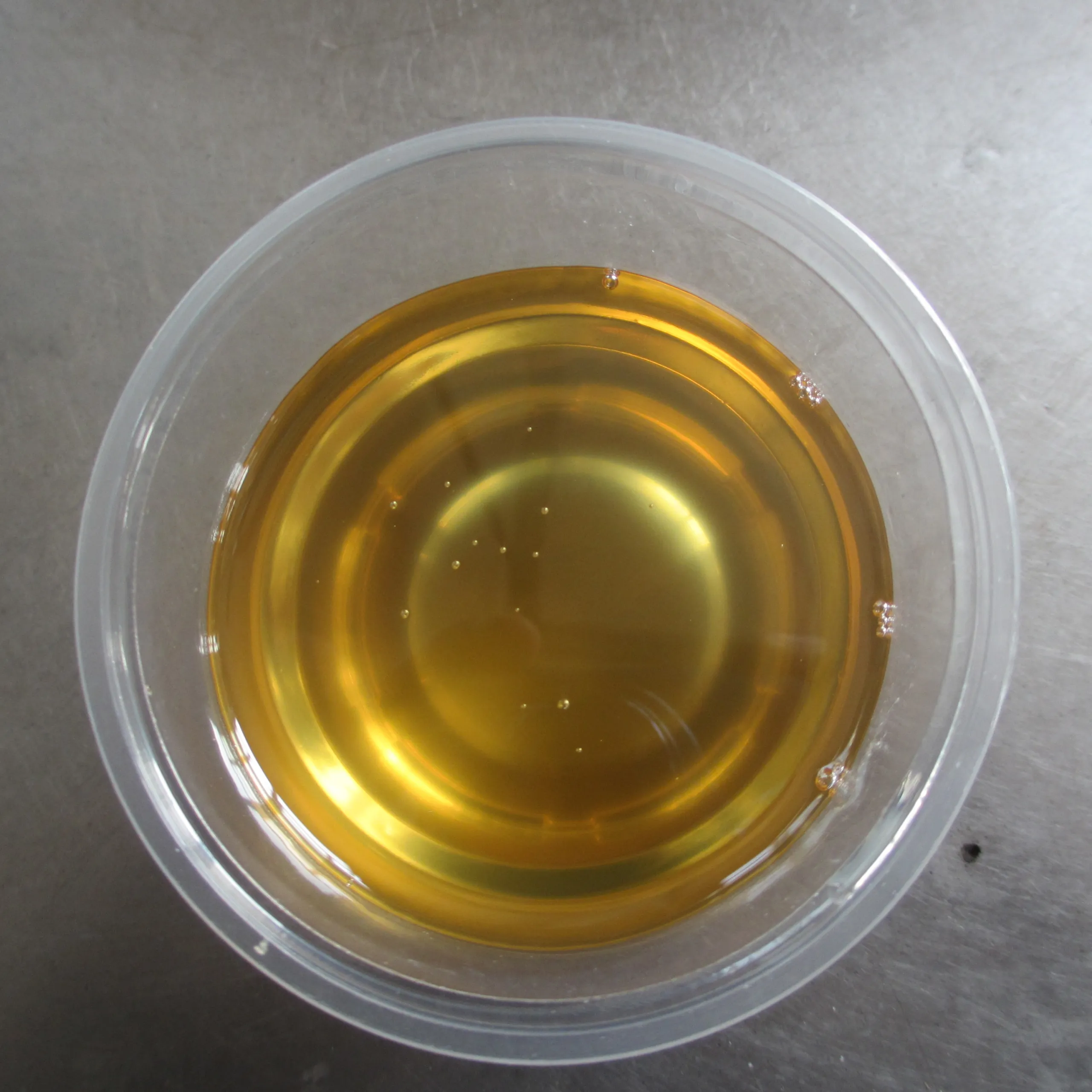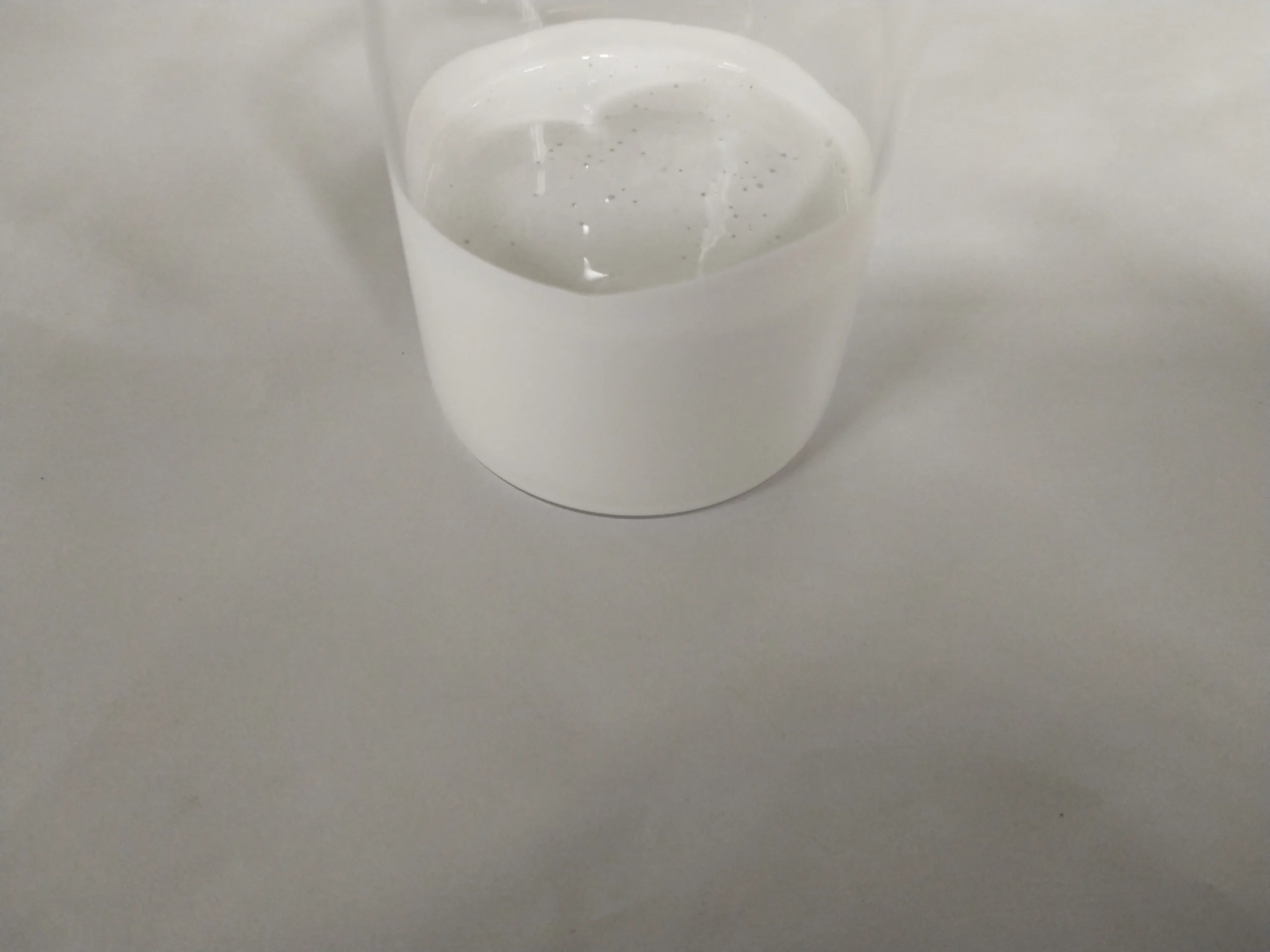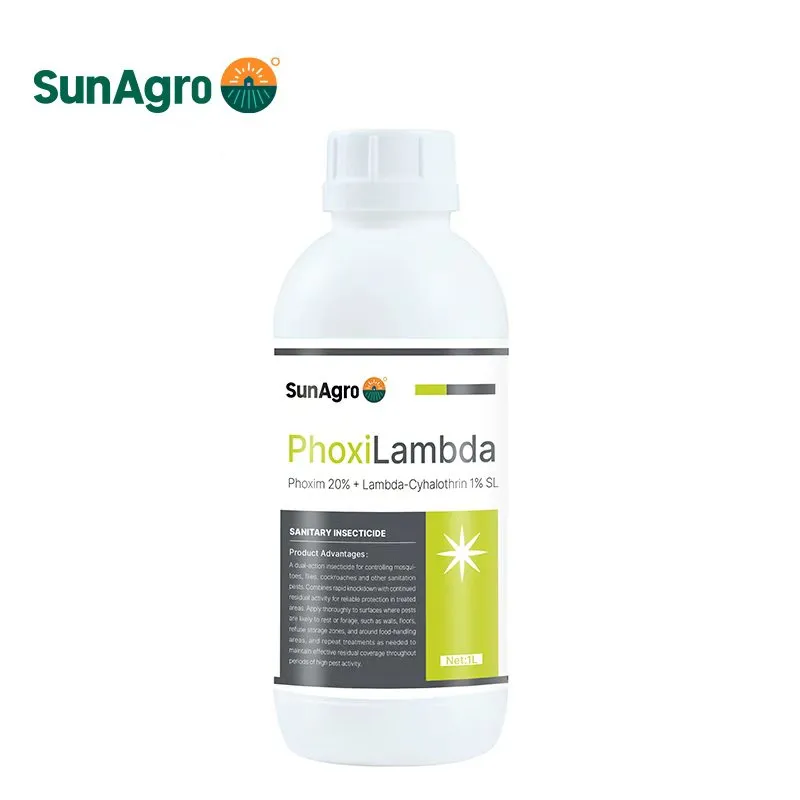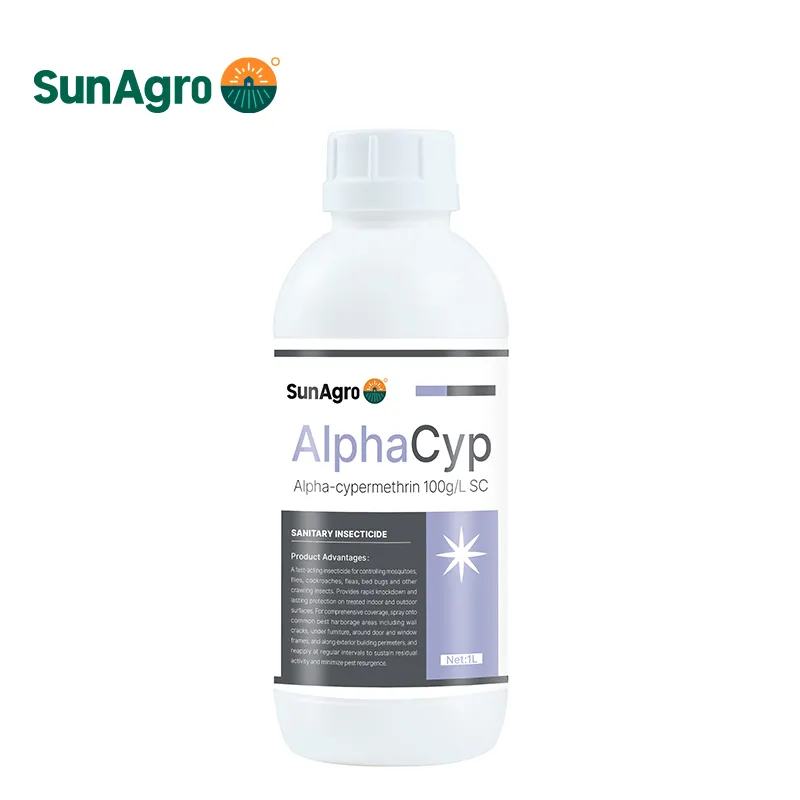
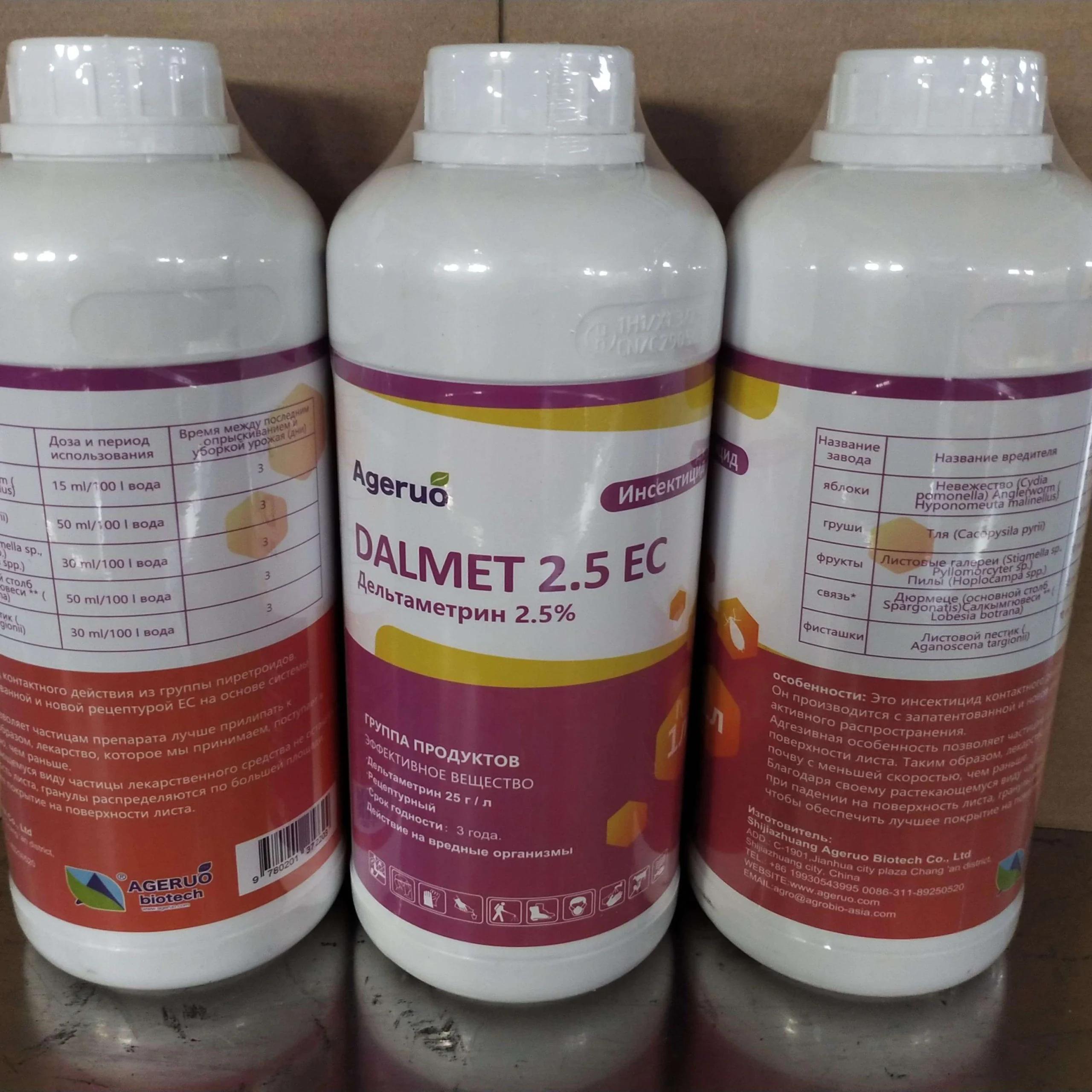


Deltamethrin Insecticide 25g/l EC,50g/l EC,25g/l SC
As a trusted manufacturer and supplier of deltamethrin products, we specialize in providing high-quality, effective pest control solutions for agricultural, commercial, and industrial clients. Deltamethrin, a powerful pyrethroid insecticide, is a key product in our portfolio, renowned for its fast-acting, broad-spectrum effectiveness against a wide variety of pests. Whether you’re in need of bulk supplies for agricultural pest control or specialized formulations for commercial use, we offer customizable solutions tailored to meet your specific requirements.
- Designed for Professional Buyers & Bulk Orders
- We support custom packaging, labeling, and formulation to meet your market needs.
- Export wholesale inquiries only.
- Please include destination country, business type (importer/distributor/registrant), and expected volume.
- Retail requests will not be processed.

About Deltamethrin Insecticide 25g/l EC,50g/l EC,25g/l SC
| Name | Deltamethrin Insecticide |
| CAS Number | 52918-63-5 |
| Chemical Formula | C22H19Br2NO3 |
| Formulations Available | 2.5% EC, 10% EC, 25% SC, 40% EC, 50% WP, 75% SC |
| Target Pests | Aphids, ants, cockroaches, mosquitoes, termites |
| Mode of Action | Disrupts insect nervous system, causing paralysis |
| Toxicity | Low to moderate toxicity to mammals, toxic to bees |
| Environmental Impact | Toxic to aquatic organisms, especially fish |
| Recommended Dosage | 100-150 mL/ha (for 2.5% EC formulation) |
| Application Method | Foliar spray, seed treatment |
| Storage | Cool, dry, well-ventilated area |
| Shelf Life | 2-3 years |
| Pre-Harvest Interval | 7-14 days (depending on crop) |
| Safety Precautions | Wear protective gear (gloves, mask, goggles) |
| Packaging | Available in various sizes (100g, 1kg, 5kg, etc.) |
Deltamethrin Insecticide 25g/l EC,50g/l EC,25g/l SC
Deltamethrin is a Type II synthetic pyrethroid built for fast knockdown and dependable residual on treated surfaces. It acts primarily by modulating voltage-gated sodium channels in insect nerve membranes, causing hyperexcitation, paralysis, and death. As a non-systemic active with strong contact and stomach action, it fits high-turnover programs in agriculture and public-health vector control where quick results and predictable persistence are required.
What this means for your programs
- Consistent field performance: rapid knockdown reduces visible pressure quickly; residual film on leaves, walls, and equipment extends intervals between re-applications when used per label.
- Broad fit across sites: from row crops and orchards to warehouses, hotels, food handling areas, and livestock facilities under labeled uses.
- Formulation flexibility: EC versions prioritize penetration and spread on hard-to-wet surfaces; SC versions minimize solvent levels while delivering stable, fine-particle deposits for clean indoor residual work.
- Cost-in-use advantage: reliable efficacy helps cut truck rolls and labor hours across distributor fleets and service teams.
- Resistance stewardship: integrates well in rotations with different IRAC groups to help protect performance over time.
Where it excels
- Crop protection: lepidopteran larvae, sap-feeding pests, and other key field pressures.
- Public health & facilities: mosquitoes, flies, cockroaches, bed bugs, and nuisance pests in labeled environments.
- Perimeter & structural: residual barrier treatments on non-porous surfaces where clean deposits matter.
Formulation Line-up
Choose from three core SKUs engineered for different deployment contexts. Each option supports OEM labels, multi-language packaging, and export-ready documentation.
Overview
- 25 g/L EC (Emulsifiable Concentrate) — field versatility for broad acreage programs and perimeter work where fast wetting and spreading are essential.
- 50 g/L EC — higher actives per liter for compact logistics and fewer drums on site; suited to distributors standardizing on EC inventories.
- 25 g/L SC (Suspension Concentrate) — low-solvent profile and clean deposits for indoor residual and sensitive environments under labeled uses.
Comparison snapshot
- Active content
25 g/L EC | 50 g/L EC | 25 g/L SC - Primary use profile
Broadacre, perimeter | Logistics-efficient EC programs | Indoor residual, sensitive sites - Key formulation traits
Rapid spread, good cuticle penetration | Concentrated EC, inventory efficiency | Fine particles, low odor, stable film - Typical pack sizes
100 ml, 250 ml, 500 ml, 1 L, 5 L; bulk on request - Label & packaging
OEM/private label; Arabic / French / Russian / Spanish / English; carton & pallet plans provided - Documents
COA, MSDS, TDS, batch traceability; stability data available
Selection guidance
- Prioritize EC when fast wetting and broad field coverage matter.
- Choose 50 g/L EC to reduce shipping volume and warehouse space.
- Use SC where low odor and clean residual layers are preferred for labeled indoor/structural programs.
Benefits of Deltamethrin Insecticide
1. Fast and Effective Pest Control
Deltamethrin provides quick knockdown and extended control, making it an ideal solution for clients needing immediate results in agriculture, warehouses, and food processing facilities.
2. Broad-Spectrum Activity
Our deltamethrin products effectively target a wide range of pests, including mosquitoes, ants, cockroaches, termites, and agricultural pests. This broad-spectrum efficacy reduces the need for multiple pest control solutions, streamlining your operations.
3. Long-Lasting Residual Effects
The deltamethrin pesticide formulations offer long-lasting protection, ensuring that pests are controlled over extended periods. This reduces the frequency of applications and lowers overall pest management costs for your business.
4. Versatility for Multiple Industries
Whether you are in agriculture, commercial pest control, or urban pest management, deltamethrin offers flexible applications. Our products are suitable for large-scale agricultural operations, as well as indoor pest control in commercial buildings and residential properties.
5. Environmental Responsibility
As a responsible manufacturer, we ensure that all our deltamethrin products are designed with safety in mind. We offer formulations that comply with environmental regulations and are safe when used according to label instructions.
Deltamethrin Applications Across Industries
1. Agricultural Applications
Target Crops:
-
Cereals (Rice, Wheat, Maize):
Controls aphids, caterpillars, stem borers, armyworms, and leafhoppers, reducing crop damage and increasing yield. -
Cotton:
Effectively manages bollworms, leafhoppers, aphids, and thrips, enhancing fiber quality and overall productivity. -
Fruits and Vegetables (Tomatoes, Potatoes, Cucumbers, Apples):
Controls fruit flies, aphids, leaf miners, caterpillars, and various mites, significantly improving marketable yield and crop quality. -
Tea and Coffee Plantations:
Suppresses leaf-feeding pests such as tea mosquito bugs and coffee berry borers, thereby maintaining product quality and reducing economic losses.
Application Methods:
-
Dilute the appropriate Deltamethrin EC or SC formulation in water according to the recommended dosage provided on the label.
-
Apply as foliar spray ensuring thorough and uniform coverage, focusing particularly on areas where pests are prevalent or typically reside.
-
Optimal spraying time is early morning or late afternoon when pest activity is highest and environmental conditions (low wind, moderate temperature) are favorable for spraying.
2. Public Health and Vector Control Applications
Target Pests:
-
Mosquitoes, flies, cockroaches, fleas, and bed bugs.
Typical Usage Scenarios:
-
Residential and Commercial Areas:
Employed as indoor residual spraying (IRS) treatments to reduce and prevent vector-borne diseases such as malaria, dengue fever, and Zika virus. -
Livestock and Poultry Facilities:
Applied as surface treatments to control flies and other nuisance insects, reducing disease transmission and enhancing overall animal welfare. -
Urban Pest Management:
Widely used in public areas including hospitals, hotels, schools, warehouses, and food processing plants for effective management of common urban pests.
Application Methods:
-
For indoor residual spraying, dilute EC or SC formulations as directed and apply evenly onto walls, ceilings, and potential pest resting sites.
-
Regular application intervals should be maintained as per recommendations to ensure consistent and prolonged protection.
3. Animal Husbandry and Livestock Applications
Target Pests:
-
Ticks, mites, lice, flies, and other ectoparasites.
Typical Usage Scenarios:
-
Cattle, Sheep, Poultry Farms:
Effective in controlling external parasites that impair animal health and productivity, ensuring higher production quality of meat, milk, wool, and eggs. -
Pet Care:
Used in controlled dosages for the management of fleas, ticks, and mites in veterinary-approved scenarios, safeguarding pet health and household hygiene.
Application Methods:
-
Prepare diluted solutions according to veterinary guidelines or product labeling instructions.
-
Spray or dip animals ensuring comprehensive coverage, taking care to avoid sensitive areas such as eyes, mouth, and mucous membranes.
-
Apply treatments regularly as recommended to maintain parasite control and ensure animal comfort and productivity.
Application Guidance
Apply only where the product is registered and strictly follow the approved label. The points below align programs for crops, facilities, and structural sites while avoiding over-specification.
Program design
- Site match: choose EC for broadacre/perimeter bands and SC for clean indoor residual on non-porous surfaces.
- Timing: treat early at first signs of activity or per local thresholds. Schedule in calm conditions and avoid heat extremes.
- Coverage: aim for uniform films on target surfaces; ensure leaf undersides and ingress routes are reached.
- Intervals: plan re-entry and re-treatment windows according to the registered label and local rules.
Mixing & handling
- Order of addition (principle): water → agitation on → adjuvants (if labeled) → product → top up water, maintaining agitation.
- Compatibility: jar-test before mixing with other products; avoid alkaline hydrolysis risk and incompatible emulsions/suspensions.
- Water quality: use clean water within recommended pH ranges for the formulation; filter to prevent nozzle blockage.
- PPE: wear chemical-resistant gloves, protective clothing, eye/face protection, and a respirator if required by the label.
Application surfaces
- Vegetation: ensure full canopy coverage without runoff; respect buffer zones near water bodies.
- Non-porous indoor surfaces: for residual performance, apply thin, even layers to walls, cracks/crevices, and fixed equipment where permitted.
- Perimeter bands: treat base of walls, thresholds, and utility conduits to disrupt pest ingress.
Rotation & stewardship
- IRAC rotation: rotate deltamethrin (pyrethroids) with different IRAC groups to protect long-term performance.
- Resistance hygiene: avoid repeated applications to the same site pressure; integrate with non-chemical controls and sanitation.
Tank hygiene & disposal
- Triple-rinse containers; collect and dispose of rinsate according to local regulations. Clean tanks, lines, and nozzles after use.
Safety & Environmental Profile
- Human & operator safety: Use PPE (chemical-resistant gloves, protective clothing, eye/face protection; respirator if the label requires). Observe REI/PHI where applicable.
- Ecological care: Toxic to aquatic organisms and pollinators—avoid drift/runoff, respect buffer zones, and do not apply during peak pollinator activity.
- Indoor stewardship: Apply thin, even films to listed surfaces only; prevent contamination of food, feed, or food-contact materials.
- Storage & transport: Keep in original, tightly closed containers; store cool, dry, ventilated; segregate from oxidants/ignition sources.
- Spill & disposal: Contain, absorb, and dispose per local regulations; triple-rinse containers where allowed.
Always follow the registered product label and local regulations. Labels supersede general guidance.
Packaging & OEM / Private Label
- Pack sizes (typical liquids): 100 ml, 250 ml, 500 ml, 1 L, 5 L; bulk 20 L / 200 L drums; IBC on request.
- Closures & seals: induction/foil seals, tamper-evident caps, child-resistant options where required.
- Labeling: Arabic / French / Russian / Spanish / English; GS1 barcodes, QR batch trace, serialization options.
- Artwork workflow: dielines → artwork submission → pre-print proof → production; color-matching available.
- Outer packaging: export cartons, shrink-wrap, pallet plans by destination; drop-test validated.
- Lead time & MOQ: typical 20–30 days after artworks and deposit; MOQ aligned to pack size and destination rules.
Quality Control & Certificates
- Raw-material gatekeeping: assay and identity checks on technical deltamethrin before batching.
- In-process controls: automated dosing/mixing with minute-level monitoring; alarms for out-of-spec events.
- Finished goods testing: HPLC assay, appearance, SG (EC/SC), pH (SC), stability checks, fill volume accuracy.
- Packaging validation: drop tests and 24-hour inversion leak tests for liquid SKUs.
- Traceability & archives: batch numbers linked to COA; retain samples per policy.
- Certificates & dossiers: ISO/SGS support; COA/MSDS/TDS; stability summaries; registration assistance where applicable.
Market Fit by Region
- Middle East & North Africa: heat-resilient logistics, Arabic/French labels, facility residual programs with SC for interiors and EC for perimeter bands (per label).
- Sub-Saharan Africa: agriculture + public-health dual channels; ruggedized packaging; distributor training materials.
- Central Asia: bilingual packs (Russian/English), cold/heat storage planning, customs-fit documentation.
- South America: agriculture-led demand (cotton, cereals, horticulture); Spanish/Portuguese labels; import-compliant carton and pallet specs.
- Logistics: door-to-door options and double-clearance experience where available; shipment windows aligned to seasonality.
Registration landscapes differ by country. Confirm local approvals before selection and import.
FAQ
Why Choose Us as Your Deltamethrin Supplier?
As a leading manufacturer and supplier of deltamethrin pesticide products, we pride ourselves on providing high-quality, cost-effective pest control solutions. Our products are rigorously tested for efficacy and safety, ensuring that they meet the highest standards of performance and compliance.
Expertise and Experience
With years of experience in the agrochemical industry, we are committed to delivering innovative solutions that help businesses effectively manage pests while maximizing productivity.
Customization and Bulk Orders
We offer customization options for our deltamethrin insecticide products, including private labeling, packaging, and formulation adjustments. Whether you need small quantities or bulk orders for large-scale operations, we are equipped to meet your needs.
Excellent Customer Service
Our dedicated sales and support teams work closely with clients to ensure they receive the best products and advice for their specific pest control needs. We are committed to providing personalized service and technical support, ensuring seamless transactions and long-term customer satisfaction.
Contact Us Today
For more information on our deltamethrin products or to place an order, contact us today. As your trusted deltamethrin insecticide supplier, we are here to help you achieve effective, long-lasting pest control for your business.
Contact us!
We will reply to you within 24 hours on business days!