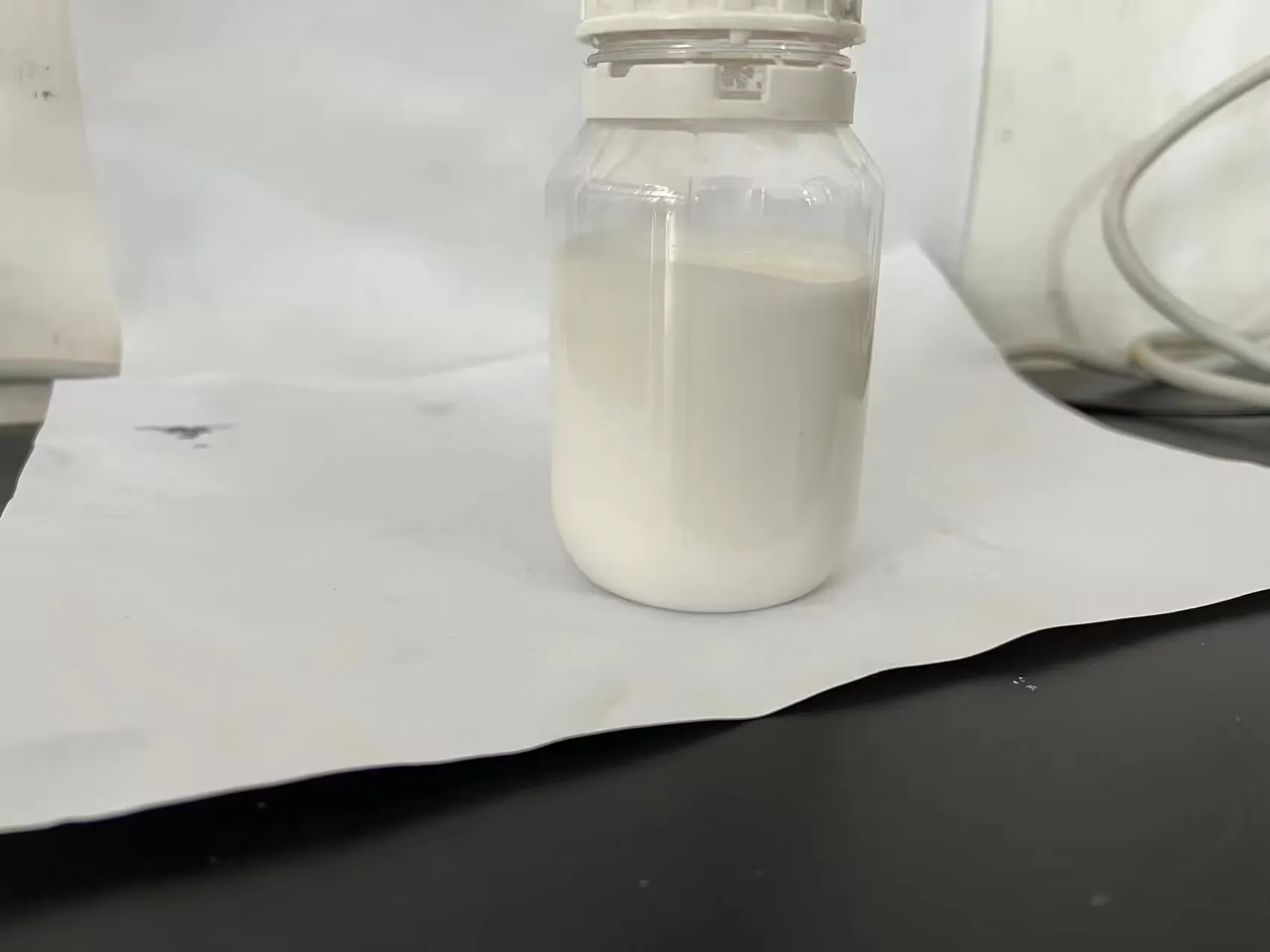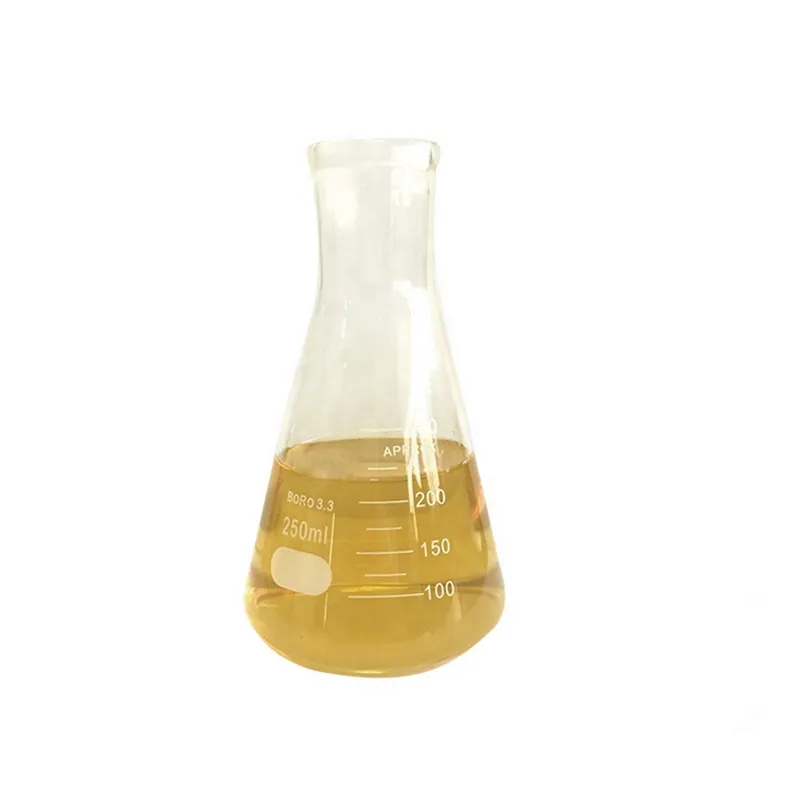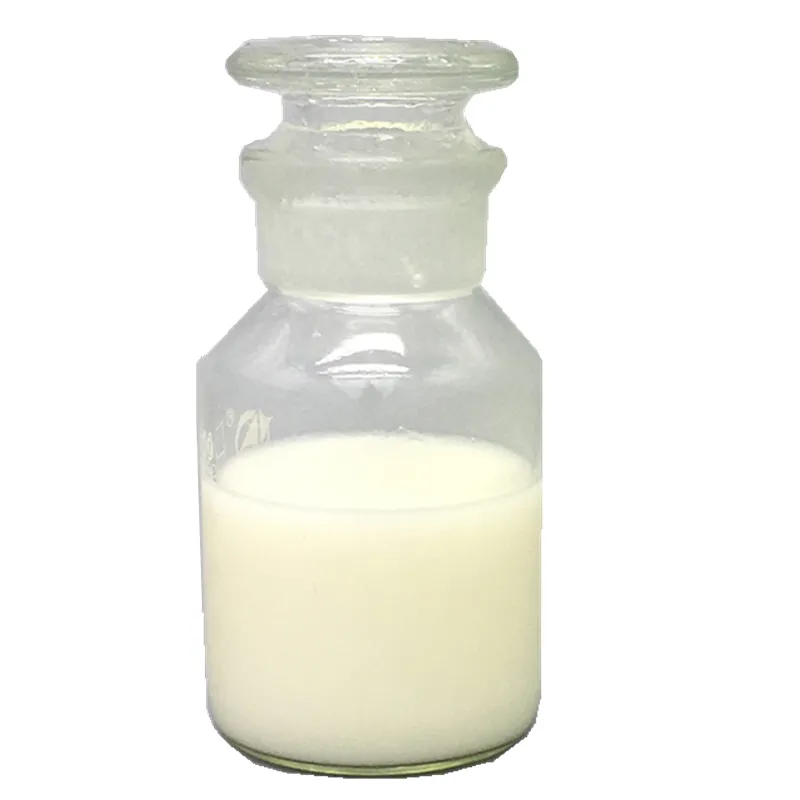


Penconazole 10% EC Fungicide
POMAIS Penconazole 10% EC is a systemic triazole fungicide positioned primarily for preventive and early-stage management of powdery mildew in approved grape, fruit and horticultural crop programs.
Penconazole belongs to FRAC Group 3, the DMI fungicide group. After foliar uptake, it interferes with fungal sterol biosynthesis and helps stop disease development before infection becomes severe.
POMAIS supplies Penconazole 10% EC for qualified importers, distributors and registration companies requiring a single-active systemic fungicide with EC formulation, commercial packaging and technical document support.
- Designed for Professional Buyers & Bulk Orders
- We support custom packaging, labeling, and formulation to meet your market needs.
- Export wholesale inquiries only.
- Please include destination country, business type (importer/distributor/registrant), and expected volume.
- Retail requests will not be processed.

About Penconazole 10% EC Fungicide
| Product Attribute | Specification |
|---|---|
| Product Name | Penconazole 10% EC |
| Active Ingredient | Penconazole |
| Content | 10% |
| Formulation | EC — Emulsifiable Concentrate |
| Product Type | Systemic fungicide |
| Chemical Class | Triazole |
| Fungicide Group | DMI — Demethylation Inhibitor |
| FRAC Code | Group 3 |
| Target Site | Sterol 14α-demethylase / CYP51 |
| Primary Disease Direction | Powdery mildew |
| Secondary Disease Direction | Scab and other approved fungal diseases |
| Main Crop Direction | Grapes, pome fruits and approved horticultural crops |
| Activity Positioning | Preventive and early curative |
| Application Type | Foliar |
| Standard MOQ | Normally 1,000 L |
| Supply Direction | B2B import, distribution and registration cooperation |
| Document Support | COA, SDS, TDS, product specification and available registration information |
Final crops, diseases, application rates, spray intervals, maximum number of treatments and pre-harvest intervals must follow the approved destination-market label.
What Is Penconazole 10% EC Fungicide?
Penconazole is a single-active systemic fungicide from the triazole family.
Its strongest commercial positioning is the management of powdery mildew in crops where Penconazole is locally registered.
Unlike a contact fungicide that remains mainly on the treated leaf surface, Penconazole is absorbed into plant tissue after foliar application.
This makes it useful in disease programs that require:
- Systemic foliar activity
- Preventive protection
- Early curative activity
- Powdery mildew management
- Integration with fungicides from other FRAC groups
- Flexible disease-program planning
Penconazole should not be positioned as a universal fungicide for every fungal disease.
For importers building a broader crop-protection portfolio, POMAIS also supplies a wide range of fungicide and pesticide products for different crops, pathogens and resistance-management programs.
How Does Penconazole Work?
FRAC Group 3 DMI Activity
Penconazole belongs to FRAC Group 3.
FRAC Group 3 fungicides are known as:
DMI — Demethylation Inhibitors.
Penconazole interferes with sterol biosynthesis in susceptible fungi by inhibiting sterol 14α-demethylase, commonly associated with CYP51.
Sterols are important components of normal fungal cell membranes.
When this process is disrupted, susceptible fungi cannot develop normally.
The result may include:
- Inhibited fungal growth
- Reduced hyphal development
- Disruption of normal membrane formation
- Reduced disease development
- Suppression of further infection progress
Penconazole should therefore be understood as a single-site DMI fungicide, which is also why resistance management is important.
Systemic Foliar Uptake and Movement
Penconazole is absorbed through treated foliage.
After uptake, it moves within plant tissue and provides systemic activity rather than remaining only on the spray deposit.
This supports disease management where infection may already be beginning inside susceptible tissue.
However, systemic activity does not eliminate the need for good spray coverage.
Uniform application remains important, particularly in:
- Dense grape canopies
- Fruit trees
- Vegetable crops
- Protected cultivation
- Rapidly expanding foliage
The product should not be described as automatically protecting all future plant growth after one application.
Penconazole for Powdery Mildew Control
Penconazole is particularly relevant to crop programs where powdery mildew develops repeatedly during periods of susceptible crop growth.
Why Powdery Mildew Matters
Powdery mildew fungi colonize susceptible plant tissues and can affect:
- Leaves
- Young shoots
- Flowers
- Developing fruit
- Crop quality
- Marketable yield
Early disease management is important because established infections become more difficult to manage as inoculum increases.
Penconazole should therefore be positioned primarily for:
preventive and early curative powdery mildew programs.
Preventive Positioning
Preventive use is intended to reduce successful disease establishment before heavy symptoms develop.
Application decisions may consider:
- Crop susceptibility
- Previous disease history
- Weather
- Canopy development
- Disease forecasting
- Nearby infection pressure
Early Curative Positioning
Penconazole may also provide early curative activity when treatment is made within the approved infection window.
This should not be interpreted as a guarantee that heavily established powdery mildew can be completely reversed.
Once disease pressure is severe, a broader management program may be required.
Penconazole for Grape Powdery Mildew
Grapes are one of the strongest commercial crop directions for Penconazole.
Powdery mildew can affect:
- Leaves
- Shoots
- Inflorescences
- Developing berries
- Cluster quality
A Penconazole program should consider both disease pressure and canopy coverage.
Application Strategy
Where registered, treatment may be positioned:
- Preventively during susceptible growth periods
- During early disease development
- Within a planned fungicide rotation
- Before powdery mildew becomes widespread across the canopy
Dense vine canopies require careful spray penetration.
The correct application rate, interval, maximum number of treatments and pre-harvest interval must follow the local grape label.
Penconazole for Apples and Other Pome Fruits
Penconazole may also be used in approved pome-fruit disease programs.
Powdery Mildew
Apple powdery mildew is an important direction in markets where Penconazole is registered.
Treatment should be integrated with:
- Orchard disease monitoring
- Early-season protection
- Canopy coverage
- FRAC rotation
- Local residue requirements
Scab Where Registered
Selected Penconazole registrations also include apple or pear scab.
Scab should remain a secondary disease direction on this product page rather than competing with powdery mildew for the main theme.
Exact crop and pathogen claims must follow destination-market registration.
Cucurbits and Other Approved Horticultural Crops
Depending on local registration, Penconazole may also be relevant to powdery mildew programs in horticultural crops such as:
- Cucumber
- Melon
- Squash
- Other approved cucurbits
- Selected fruit crops
- Selected vegetable crops
- Protected horticultural crops
These should be treated as market-specific application directions.
Do not assume that a Penconazole registration in one country automatically supports the same crop list elsewhere.
When Should Penconazole Be Applied?
Timing is important for DMI fungicide performance.
Preventive Application
Where disease risk is predictable, Penconazole can be positioned before significant symptoms develop.
This is particularly useful in crops with:
- Repeated powdery mildew history
- Dense canopies
- Extended susceptible growth periods
- High-value fruit
- Protected production
Early Disease Development
Where the approved label supports early curative activity, application may also be made during the early infection period.
Do not delay treatment until:
- Powdery mildew covers large areas of the canopy
- Heavy sporulation is present
- Severe fruit infection has developed
- Repeated fungicide failures have already occurred
Follow the Crop-Specific Label
There is no single global Penconazole application schedule.
The following vary between registrations:
- Dose
- Spray volume
- Treatment interval
- Maximum number of applications
- Crop growth stage
- PHI
- MRL requirements
These should not be replaced by one universal dilution ratio.
Application Guidance
1. Confirm Crop and Disease Registration
Before application, verify:
- Crop
- Target disease
- Crop growth stage
- Local rate
- PHI
- Maximum application number
2. Assess Disease Pressure
Determine whether the treatment is:
- Preventive
- Early curative
- Part of a resistance-management rotation
3. Prepare the Spray Correctly
Where permitted:
- Fill the tank partly with clean water.
- Start agitation.
- Measure the required Penconazole 10% EC.
- Add the product according to the approved mixing procedure.
- Add only registered and compatible partners.
- Complete filling with water.
4. Achieve Uniform Coverage
Pay attention to:
- Canopy density
- Spray penetration
- Nozzle condition
- Boom or sprayer calibration
- Underside and inner-canopy coverage where relevant
5. Follow the Registered Rate
Do not use one dilution ratio across grapes, apples, cucurbits and other crops.
6. Observe PHI and Residue Requirements
Export-oriented fruit and vegetable programs should consider destination-market MRL requirements as part of fungicide planning.
Penconazole 10% EC Formulation
EC means Emulsifiable Concentrate.
Penconazole is formulated in a concentrated liquid system that forms an emulsion after dilution with water.
Main EC Characteristics
A properly developed Penconazole EC formulation may offer:
- Convenient liquid measurement
- Rapid spray-tank preparation
- Consistent emulsification
- Suitable foliar application
- Flexible commercial packaging
- Stable handling under approved storage conditions
EC should not be described as simply dissolving completely in water.
The important formulation property is the ability to form a stable spray emulsion after dilution.
Quality Control for Penconazole 10% EC
For professional buyers, product evaluation should extend beyond the active ingredient percentage.
| Quality Parameter | Buyer Relevance |
|---|---|
| Penconazole Assay | Confirms the declared 10% specification |
| Physical Appearance | Identifies abnormal precipitation or separation |
| Density | Supports dosing and filling consistency |
| Emulsion Stability | Supports uniform spray preparation |
| Re-Emulsification | Confirms recovery after standing |
| Acidity / pH | Supports formulation-quality assessment |
| Water Content | Important for EC storage stability |
| Persistent Foam | Influences tank preparation |
| Low-Temperature Stability | Supports cold-region transport |
| Heat Stability | Supports warm-market storage |
| Packaging Compatibility | Confirms compatibility with bottles, caps and seals |
| Fill-Volume Accuracy | Supports commercial batch consistency |
For Penconazole 10% EC, assay, emulsion stability and packaging compatibility are important supplier-evaluation parameters.
Resistance Management
Penconazole is a FRAC Group 3 DMI fungicide.
Repeated use of the same fungicide group can select less-sensitive pathogen populations.
Other Triazoles Are Often Also FRAC 3
Products based on active ingredients such as:
- Tebuconazole
- Difenoconazole
- Propiconazole
- Myclobutanil
- Triadimefon
- Other DMI fungicides
may also belong to FRAC Group 3.
Changing from Penconazole to another triazole should therefore not automatically be treated as a complete mode-of-action rotation.
Resistance-Management Principles
Where locally registered and agronomically suitable:
- Use Penconazole preventively or during early disease development.
- Avoid repeated FRAC 3-only programs.
- Rotate with effective fungicides from different FRAC groups.
- Use approved mixtures containing effective non-cross-resistant partners.
- Follow local limits on DMI applications.
- Maintain complete spray coverage.
- Monitor declining field performance.
- Integrate cultural disease-management practices.
The product should not be promoted as resistance-proof.
Crop Safety and Tank-Mix Considerations
Use Penconazole 10% EC according to the approved local label.
Crop response may be influenced by:
- Crop species
- Variety
- Growth stage
- Temperature
- Tank-mix partners
- Water quality
- Application rate
Tank Mixing
Do not assume compatibility with every fungicide, insecticide, fertilizer or foliar input.
Before mixing:
- Check local registration.
- Review formulation compatibility.
- Confirm crop safety.
- Follow the correct mixing order.
- Conduct a physical compatibility test where appropriate.
Physical compatibility alone does not prove biological compatibility or crop safety.
Packaging, Documents and B2B Supply
POMAIS supplies Penconazole 10% EC for qualified importers, distributors, registration companies and agricultural brands.
Packaging Options
Potential commercial packaging may include:
- 100 mL
- 250 mL
- 500 mL
- 1 L
- 5 L
- 10 L
- 20 L
- Other commercial sizes where suitable
Project options may include:
- Multilingual labels
- Retail cartons
- Export cartons
- Tamper-evident closures
- Batch coding
- Shipping marks
- Market-specific packaging configurations
Final packaging depends on local registration, order quantity and EC packaging compatibility.
Available Documents
Project support may include:
- COA — Certificate of Analysis
- SDS — Safety Data Sheet
- TDS — Technical Data Sheet
- Product Specification
- Packaging Specification
- Available Stability Information
- Available Efficacy Information
- Available Crop-Safety Information
- Available Registration-Supporting Information
- Batch-Related Quality Documents
- Commercial and Export Documents
POMAIS can also support buyers evaluating complete crop disease management solutions rather than sourcing one fungicide in isolation.
Frequently Asked Questions
What is Penconazole fungicide used for?
Penconazole is mainly used as a systemic triazole fungicide for powdery mildew and other specifically registered fungal diseases.
What is Penconazole 10% EC?
Penconazole 10% EC is an emulsifiable-concentrate formulation containing 10% Penconazole.
Is Penconazole a systemic fungicide?
Yes.
Penconazole is absorbed through treated foliage and provides systemic activity within plant tissue.
What FRAC group is Penconazole?
Penconazole belongs to FRAC Group 3, the DMI fungicide group.
How does Penconazole control powdery mildew?
Penconazole inhibits fungal sterol biosynthesis through the DMI target site, interfering with normal fungal growth and membrane development.
Is Penconazole good for powdery mildew?
Powdery mildew is one of the main commercial disease directions for Penconazole where the crop and use pattern are locally registered.
Can Penconazole control grape powdery mildew?
Yes, grape powdery mildew is an important Penconazole application direction in registered markets.
Can Penconazole be used on apples?
It may be used in approved apple programs for powdery mildew and other registered diseases such as scab.
Does Penconazole control apple or pear scab?
Selected Penconazole registrations include scab control.
The exact crop, disease and application pattern must follow the local label.
Is Penconazole preventive or curative?
Penconazole is best positioned as a preventive and early curative fungicide.
It should not be expected to reverse severe established disease.
When should Penconazole be applied for powdery mildew?
Apply according to the registered crop program, preferably before severe disease develops or during the approved early infection window.
Is Penconazole 10 EC the same as Penconazole 10% EC?
“Penconazole 10 EC” is commonly used as a shortened commercial or search expression for Penconazole 10% EC.
The official product declaration should follow the registered specification.
What does EC mean?
EC means Emulsifiable Concentrate.
The concentrated liquid forms an emulsion when mixed with water.
Is Penconazole 10% EC the same as Penconazole 100 g/L EC?
Not necessarily.
The relationship between a percentage declaration and g/L depends on how the product specification expresses concentration and on formulation density.
Use the exact registered product specification rather than assuming the two declarations are interchangeable.
Can Penconazole be mixed with other fungicides?
Only approved and compatible mixtures should be used.
Review the local label, formulation compatibility and crop safety before tank mixing.
Can Penconazole be rotated with other triazole fungicides?
Other triazoles may also belong to FRAC Group 3.
They should not automatically be considered a different mode of action for resistance management.
What packaging can POMAIS provide?
Potential options include small retail bottles and larger commercial containers, depending on local registration, order quantity and packaging compatibility.
What is the minimum order quantity?
The standard MOQ is normally 1,000 L.
Request Penconazole 10% EC Specifications
For a Penconazole 10% EC purchasing, import or registration project, please provide:
- Destination country
- Company type
- Required quantity
- Preferred package size
- Target crops
- Target diseases
- Powdery mildew pressure
- Current registration status
- Required label language
- Required technical documents
- Expected purchasing schedule
POMAIS will review the Penconazole specification, EC formulation quality, target disease positioning, packaging feasibility and destination-market requirements before confirming the commercial supply program.
Penconazole 10% EC is supplied for professional powdery mildew management, B2B procurement, registration and wholesale distribution.
Contact us!
We will reply to you within 24 hours on business days!