Potatoes are susceptible to a variety of pests and diseases that can severely impact yield and quality. At POMAIS Agriculture, we offer effective solutions for managing these challenges with a wide range of pesticide products. Additionally, we provide customized pesticide formulations by combining multiple active ingredients to address specific potato crop needs, ensuring optimal protection and a healthy harvest.
Common Potato Diseases
1. Late Blight (Phytophthora infestans)
Impact:
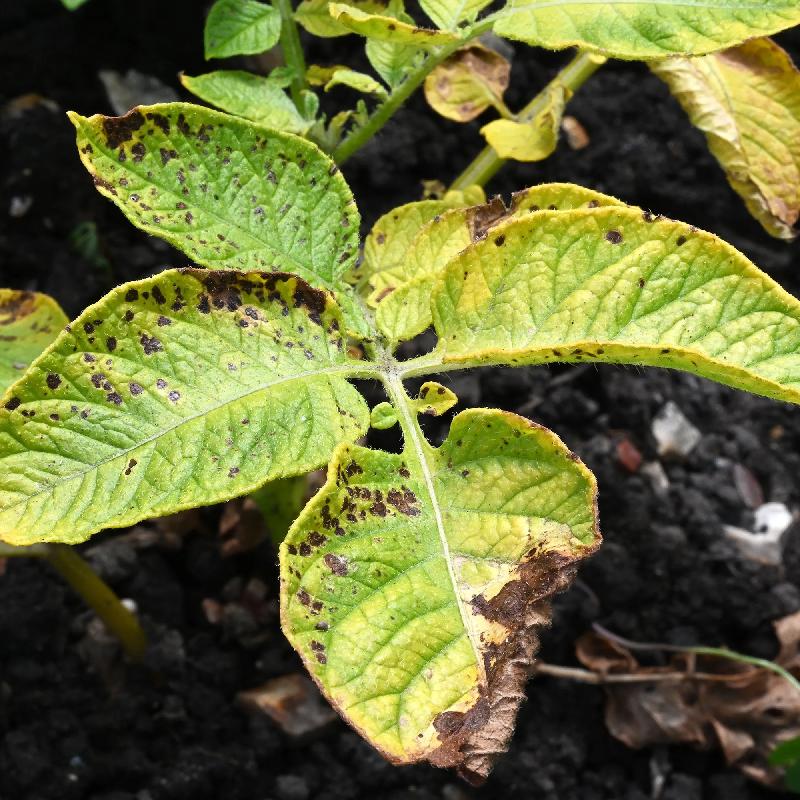
Late blight is one of the most devastating diseases for potato crops, causing rapid decay of the leaves, stems, and tubers. It can spread quickly, especially under cool, wet conditions, and lead to substantial crop loss.
Symptoms:
- Dark, water-soaked lesions on leaves and stems, often surrounded by a yellow halo.
- White, cotton-like growth under wet conditions, particularly on the undersides of leaves.
- Tuber rot, which leads to the production of dark, sunken lesions on the tubers.
Control Methods:
- Critical Control Period: From the early vegetative stage to the tuber formation period.
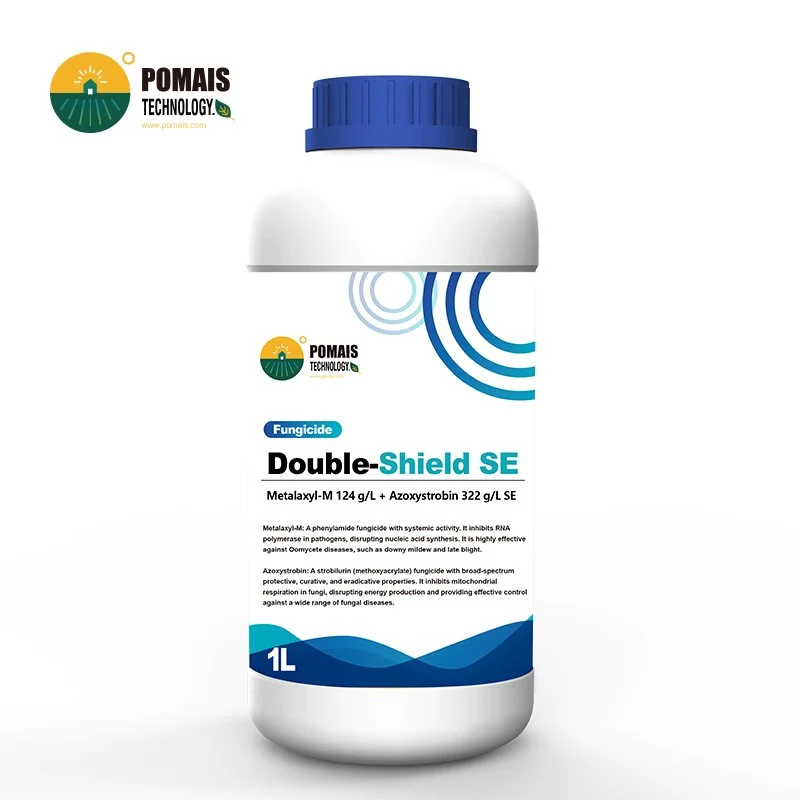
- Recommended Pesticides: Fungicides like Mancozeb, Copper-based fungicides, and Metalaxyl are effective in controlling late blight.
2. Early Blight (Alternaria solani)
Impact:
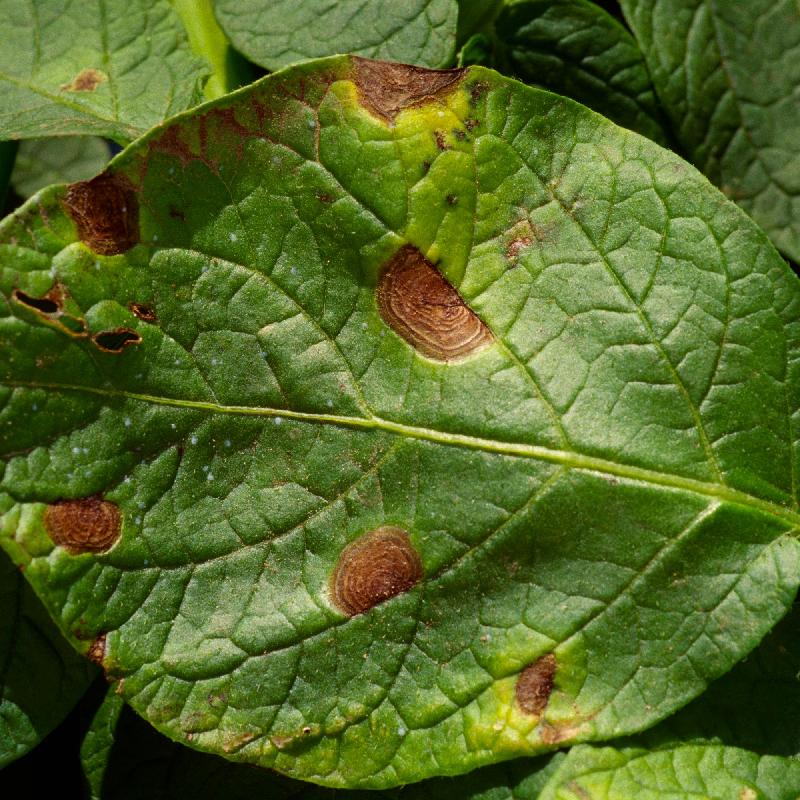
Early blight is a fungal disease that affects both leaves and stems, leading to reduced photosynthesis and poor tuber development. In severe cases, early blight can cause premature defoliation and yield loss.
Symptoms:
- Concentric, dark brown or black spots with yellow halos on older leaves.
- Lesions that enlarge, causing tissue necrosis.
- Defoliation leading to poor growth and decreased yield.
Control Methods:
- Critical Control Period: During early to mid-growing season.
- Recommended Pesticides: Fungicides such as Azoxystrobin or Chlorothalonil are effective in controlling early blight.
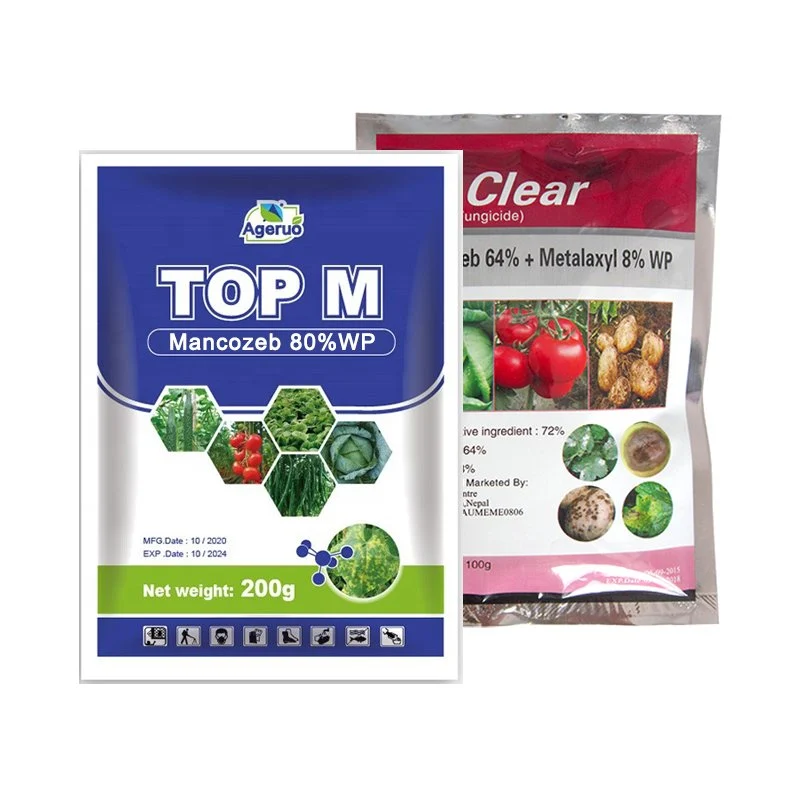
Mancozeb
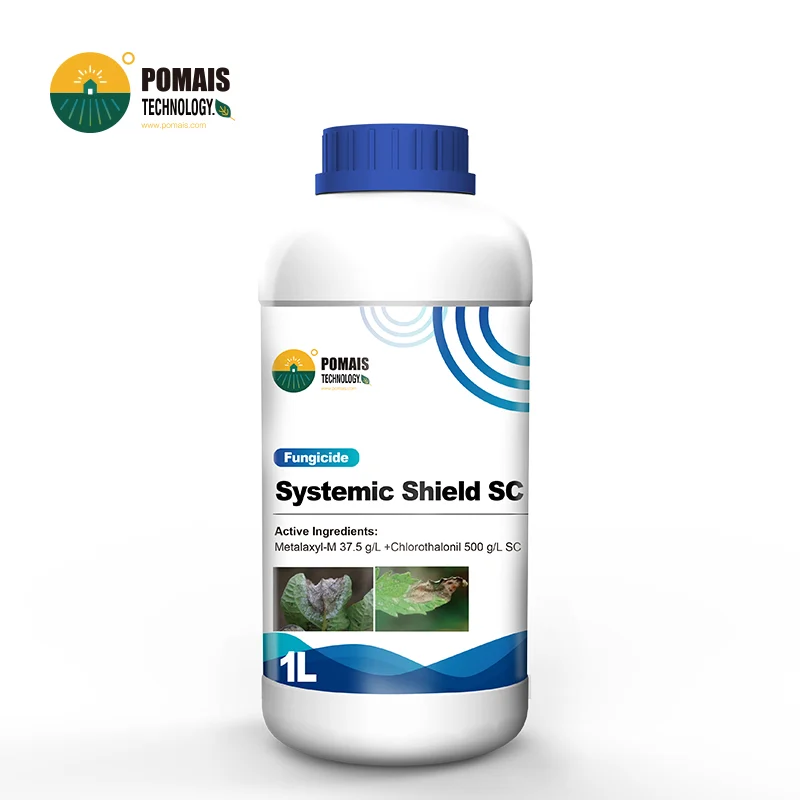
Main Potato Diseases and Management Recommendations
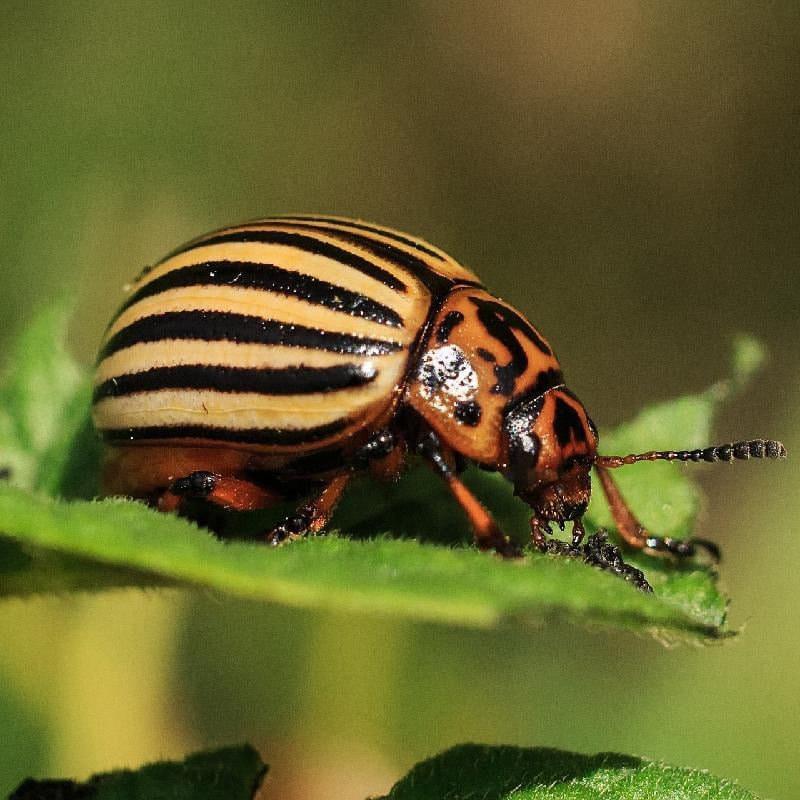
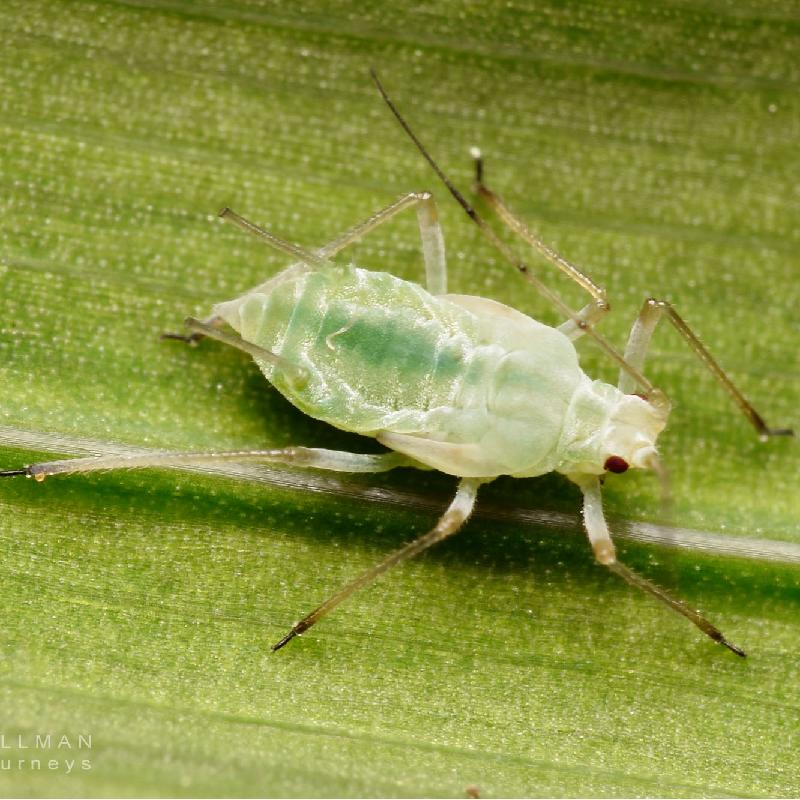
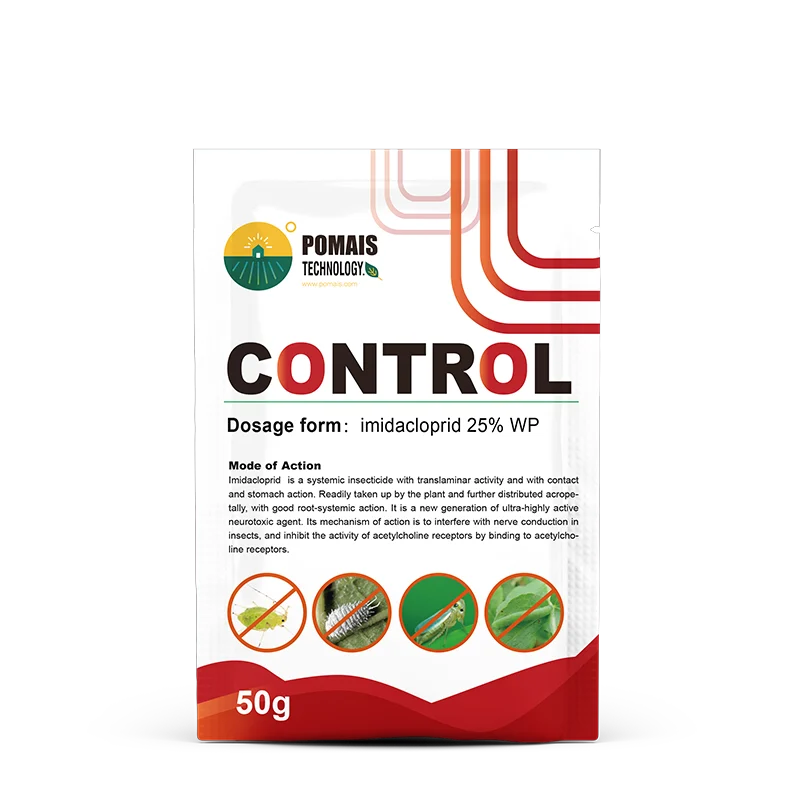
Common Potato Pests
1. Colorado Potato Beetle (Leptinotarsa decemlineata)
Impact:
The Colorado potato beetle is a major pest that attacks both the foliage and stems of potato plants. Its feeding results in defoliation and can significantly reduce crop yield. The beetles also carry viruses that can further affect plant health.
Symptoms:
- Defoliation of leaves, resulting in reduced photosynthesis.
- Presence of yellowish larvae and adult beetles on the undersides of leaves.
- Stunted growth and poor tuber development due to the loss of foliage.
Control Methods:
- Critical Control Period: From the early vegetative stage through to tuber maturity.
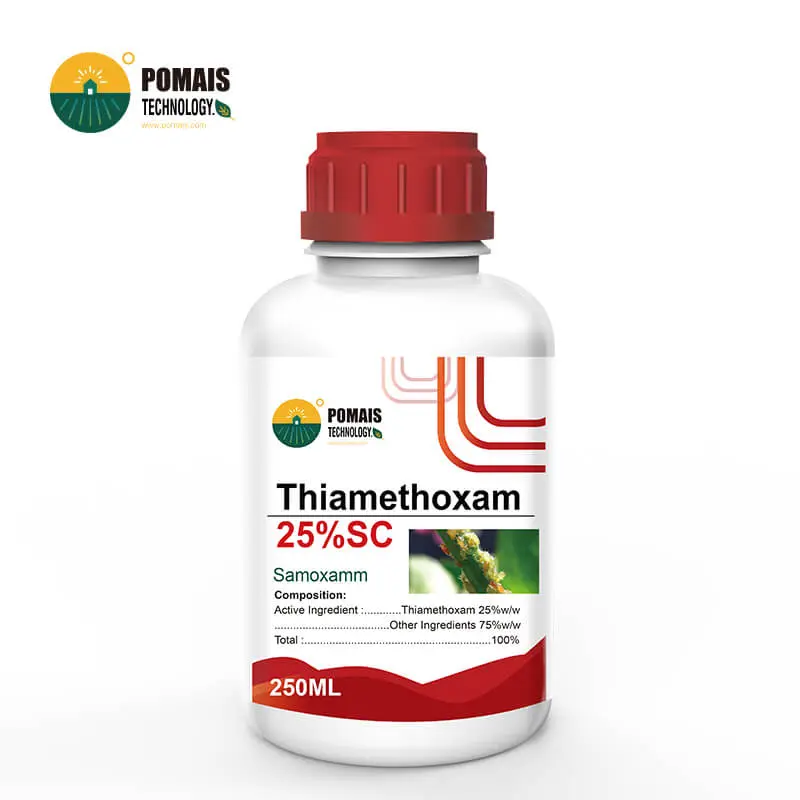
- Recommended Pesticides: Insecticides such as Imidacloprid, Thiamethoxam, and Pyrethroids are effective in controlling the Colorado potato beetle.
2. Aphids (Macrosiphum euphorbiae)
Impact:
Aphids are sap-feeding insects that cause direct damage by sucking nutrients from the plants, which weakens the plants and results in yellowing and stunted growth. They are also vectors for several viral diseases.
Symptoms:
- Yellowing and wilting of leaves.
- The presence of aphids on the undersides of leaves.
- The secretion of honeydew, which attracts sooty mold.
Control Methods:
- Critical Control Period: From seedling stage to tuber maturity.
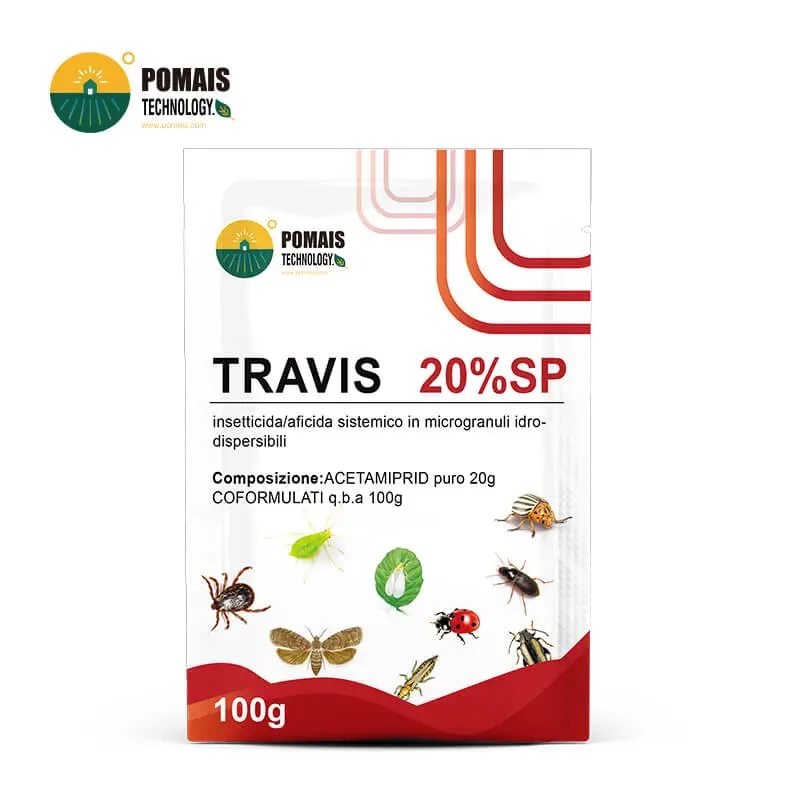
- Recommended Pesticides: Systemic insecticides like Imidacloprid and Acetamiprid can control aphid populations effectively.
Key Insect Pests of Potato and Recommended Control
Impact of Potato Pests and Diseases
The presence of pests and diseases in potato crops can lead to severe consequences:
- Yield Loss: Diseases like late blight and pests like the Colorado potato beetle can result in a significant reduction in yield.
- Quality Degradation: Fungal diseases like early blight can damage the appearance and quality of the potatoes, leading to a decrease in marketability.
- Disease Transmission: Pests like aphids can spread viral diseases, which can cause widespread crop damage.
- Crop Failure: In severe cases, unchecked pest and disease infestations can result in total crop loss.
Potato Pest and Disease Management Solutions
Control Indicators:
- Early Detection: Monitoring for signs of pests and diseases at every growth stage is critical to prevent widespread damage.
- Preventive Treatments: Applying fungicides and insecticides before the onset of severe infestations can help maintain crop health.
Critical Control Periods:
- Seedling to Early Vegetative Stages: Control of pests such as aphids and the prevention of early blight is crucial during this stage.
- Tuber Formation to Maturation: Protecting plants from late blight and the Colorado potato beetle is essential during the later stages of growth.
Recommended Pesticides:
- Fungicides: Mancozeb, Metalaxyl, Azoxystrobin, and Chlorothalonil are effective in controlling late and early blight.
- Insecticides: Imidacloprid, Thiamethoxam, Acetamiprid, and Pyrethroids are recommended for controlling potato pests such as the Colorado potato beetle and aphids.
About Us
POMAIS is committed to long-term partnerships with agrochemical importers, distributors, and brand owners.
Whether you’re expanding into new markets or developing your own product line, our team is here to provide flexible, scalable solutions for your business.
We gain a good reputation from clients, who mainly comes from Russia, Middle east, Africa and South America. Young sales team with enthusiastic warmly welcome you and assist you to occupy the market with good service and professional skills.
We’ve been connecting with global importers and distributors from all over world. Our cooperated factory has passed authentication of ISO9001:2000 accreditation. Registration documents support and ICAMA Certificate supply. SGS testing for all products.