Key Tomato Production Challenges

Tomato is exposed to different biological pressures above and below the soil, while fruit appearance and residue compliance become increasingly important as harvest approaches.

Tuta and Caterpillar Pressure

Important lepidopteran directions can include:

  • Tuta absoluta
  • Tomato fruitworm
  • Beet armyworm
  • Other armyworms
  • Hornworms
  • Locally important fruit-feeding caterpillars

These pests differ in feeding location and larval behavior.

Once larvae enter leaves, stems, or fruit, product placement and timing become more difficult.

Whitefly, Thrips and Virus-Vector Pressure

Important vector-related pest directions include:

  • Bemisia tabaci
  • Greenhouse whitefly
  • Thrips
  • Aphids
  • Leafhoppers

These insects can cause direct feeding damage, but some species are also important because they transmit plant viruses.

Vector management should therefore be separated from claims of virus treatment.

Disease Pressure

Major tomato disease directions can include:

  • Late blight
  • Early blight
  • Botrytis gray mold
  • Bacterial spot
  • Bacterial canker
  • Powdery mildew
  • Other locally important foliar and fruit diseases

Correct pathogen identification is essential because bacterial diseases, true fungal diseases, and oomycete diseases require different product strategies.

Root-Zone and Nematode Pressure

Tomato root systems can be affected by:

  • Root-knot nematodes
  • Fusarium wilt
  • Verticillium wilt
  • Fusarium crown and root rot
  • Phytophthora root or crown disease
  • Damping-off
  • Other soil-borne pathogens

A foliar fungicide should not automatically be positioned as a solution for a vascular or root-zone problem.

Weed and Fruit-Quality Pressure

Weeds compete for water, nutrients, light, and growing space.

At the same time, caterpillar feeding, thrips scarring, whitefly honeydew, fungal lesions, bacterial spots, fruit rots, and pesticide residues can all affect the marketability of harvested tomatoes.

Tomato Production System Changes Product Priorities

Tomato programs should be matched to the production system rather than transferred unchanged between markets.

Open-Field Tomato

Open-field crops can experience stronger exposure to:

  • Rain-driven disease
  • Late blight
  • Early blight
  • Weeds
  • Soil insects
  • Tuta absoluta
  • Fruitworms
  • Windborne vectors

Weather and crop rotation play important roles in field programs.

Protected and Greenhouse Tomato

Protected crops create a different pest and disease environment.

Important directions can include:

  • Whiteflies
  • Thrips
  • Tuta absoluta
  • Leafminers
  • Spider mites
  • Russet mites
  • Botrytis
  • Powdery mildew
  • Root-knot nematodes

Dense canopies, repeated crop cycles, stable temperatures, and reduced natural dispersal can increase resistance-selection pressure.

Fresh-Market Tomato

Fresh-market programs place greater emphasis on:

  • Fruit appearance
  • Scarring
  • Surface lesions
  • Fruit rot
  • Short PHI requirements
  • Frequent harvest
  • MRL compliance
  • Shelf quality

Processing Tomato

Processing programs may place more emphasis on:

  • Marketable yield
  • Uniform maturity
  • Mechanical harvesting
  • Fruit integrity
  • Weed management
  • Residue requirements
  • Processing specifications

A strong supplier portfolio should recognize these commercial differences.

Tomato crops are susceptible to a variety of pests, diseases, and weeds that can significantly reduce yields and crop quality. These issues can occur at any stage of growth and can lead to severe damage if not managed effectively. At POMAIS Agriculture, we provide comprehensive pest and disease control solutions, including customized pesticide formulations to ensure optimal protection for your tomato crops.

Common Tomato Diseases

1. Early Blight (Alternaria solani)

Impact:
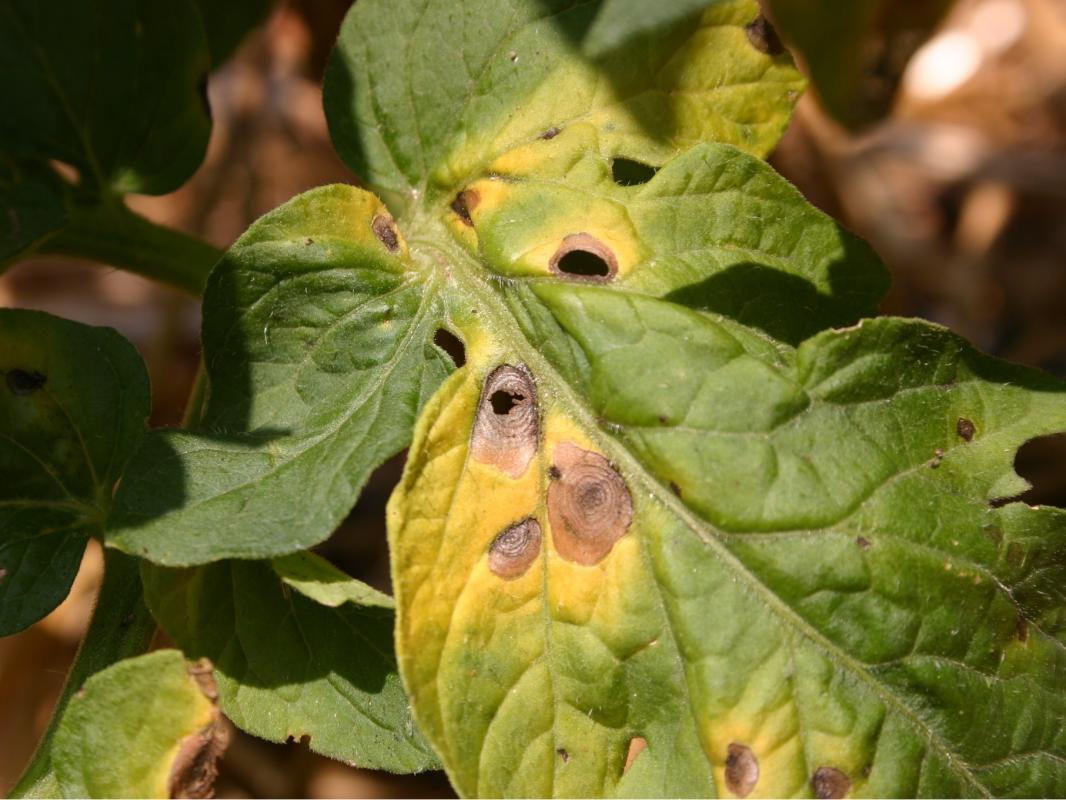
Early blight is a fungal disease that affects tomato plants, causing lesions on the leaves and stems, which can lead to significant defoliation and reduced photosynthesis. This weakens the plant and reduces yield potential.

Symptoms:

  • Circular, dark spots with concentric rings on the lower leaves.
  • Yellowing of leaves, particularly around the edges.
  • Lesions that expand, causing leaf dieback and plant weakness.

Control Methods:

  • Critical Control Period: From the seedling stage to early fruit development (until the fruit starts ripening).
  • Recommended Pesticides: Systemic fungicides like Chlorothalonil or Mancozeb provide effective control for early blight.

2. Late Blight (Phytophthora infestans)

Impact:
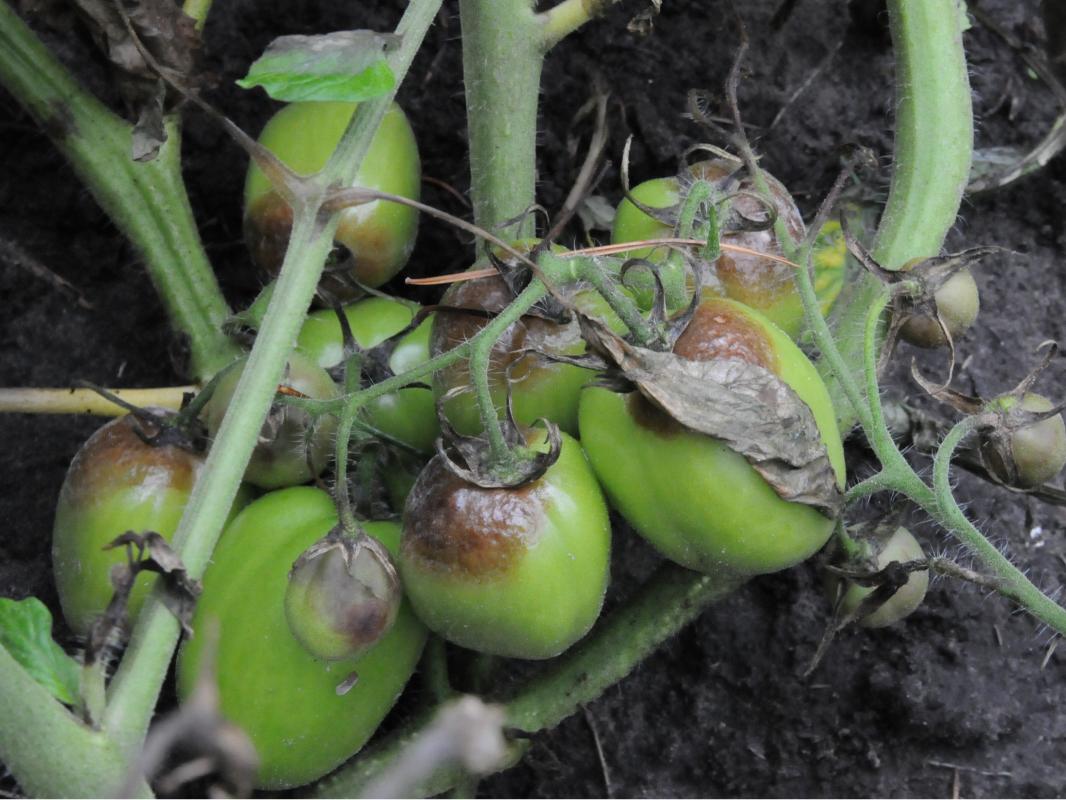
Late blight is caused by a water mold and is one of the most devastating diseases for tomato crops. It can rapidly destroy leaves, stems, and fruits, leading to complete crop failure if not controlled in time.

Symptoms:

  • Irregular, dark green lesions with a water-soaked appearance, primarily on leaves.
  • White fungal growth on the underside of affected leaves, particularly under humid conditions.
  • Brown, decayed lesions on fruits, which eventually rot and become inedible.

Control Methods:

  • Critical Control Period: From the early to mid-fruit set stage, particularly in humid environments.
  • Recommended Pesticides: Fungicides such as Metalaxyl or Mefenoxam that are effective in controlling late blight.
Common Tomato Pests

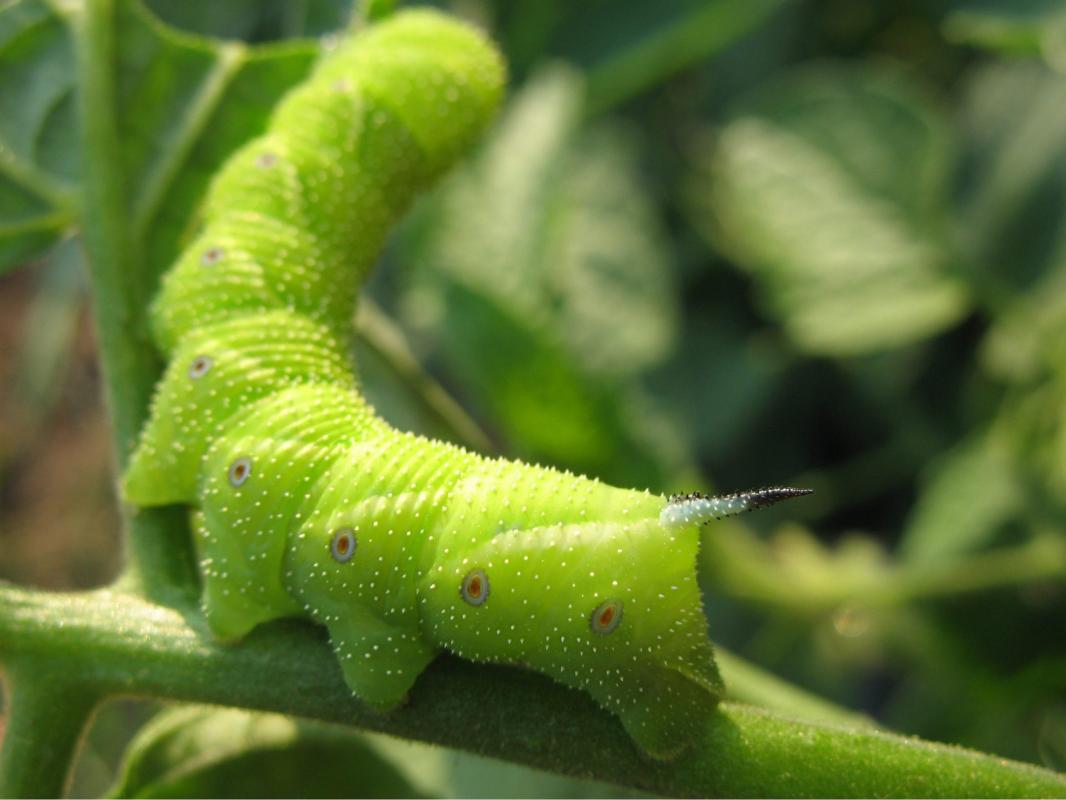
1. Tomato Hornworm (Helicoverpa zea)

Impact:
The tomato hornworm is a destructive pest that feeds on tomato leaves and fruit, causing significant damage. It can defoliate plants rapidly, reducing photosynthesis and leading to reduced yield.

Symptoms:

  • Large green caterpillars that feed on leaves and fruit, causing visible holes and scars.
  • Loss of leaves leading to stunted growth and fruit damage.

Control Methods:

  • Critical Control Period: From the seedling stage to fruit setting.
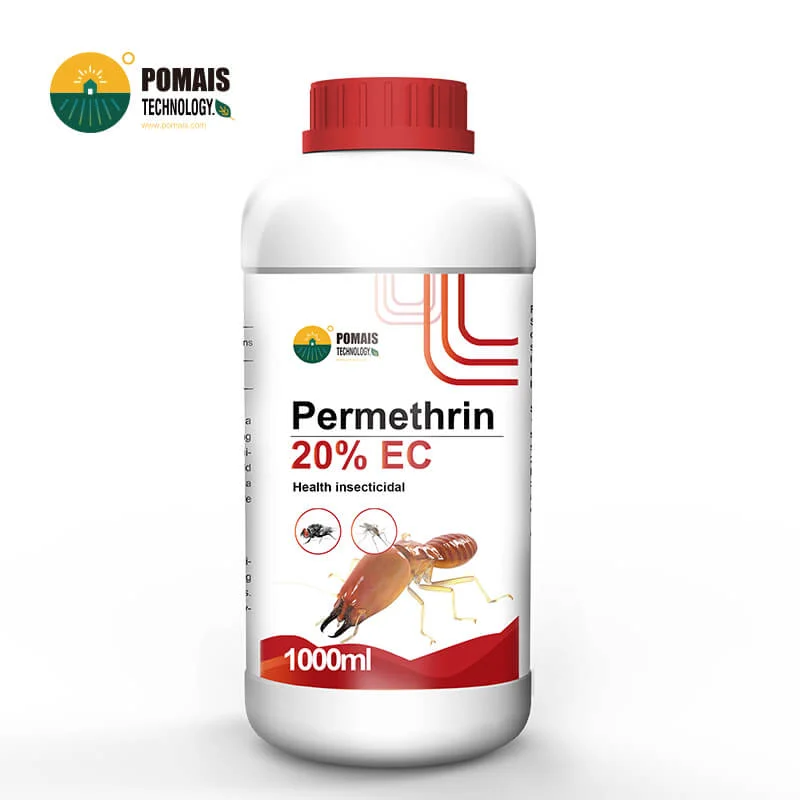
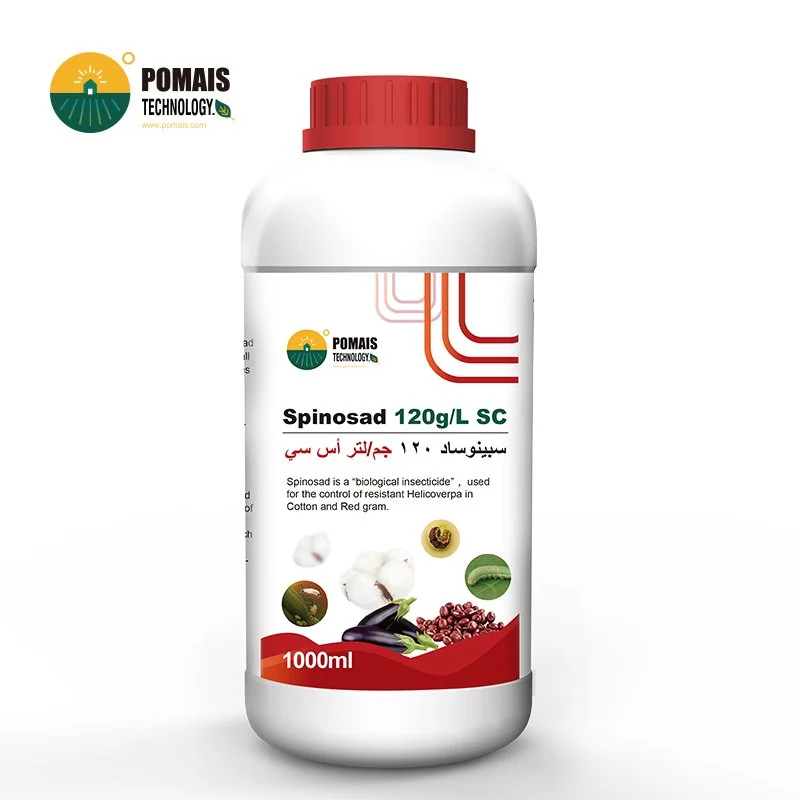
  • Recommended Pesticides: Insecticides such as Permethrin or Spinosad are effective in controlling hornworm infestations.

2. Whiteflies (Trialeurodes vaporariorum)

Impact:
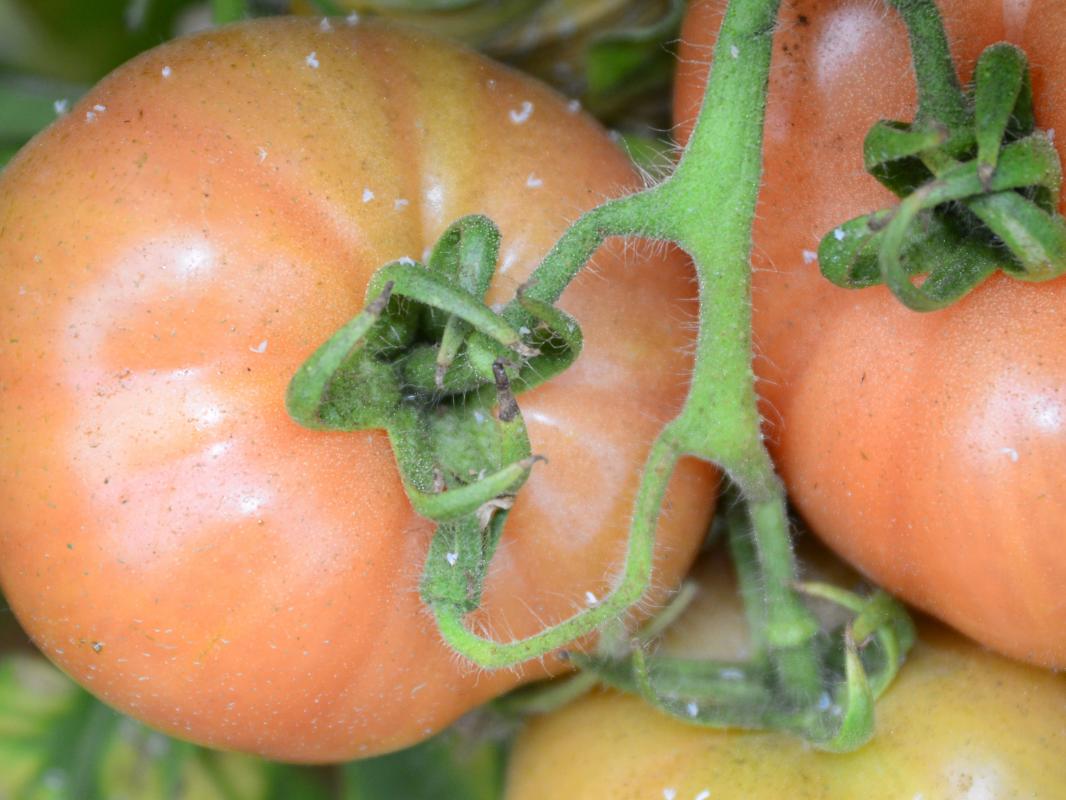
Whiteflies are sap-sucking insects that cause wilting, yellowing, and stunting of tomato plants. They also transmit various viruses, such as Tomato Yellow Leaf Curl Virus, which can further damage the crop.

Symptoms:

  • Presence of white, flying insects on the underside of leaves.
  • Yellowing and curling of leaves, with possible stunted growth.
  • Reduced yield and poor fruit quality.

Control Methods:

  • Critical Control Period: From the seedling stage to harvest.
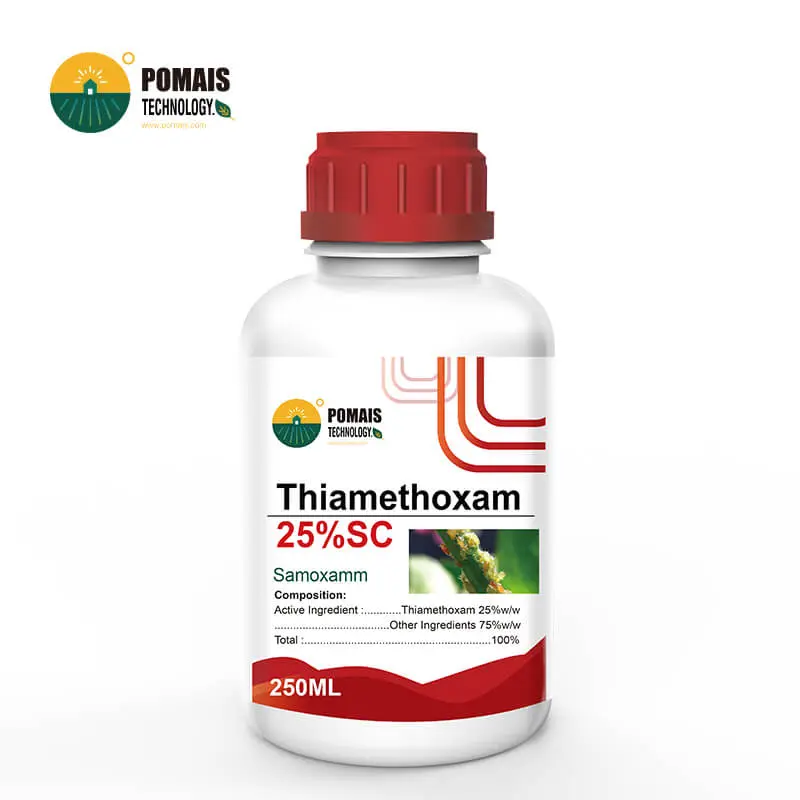
  • Recommended Pesticides: Insecticides with Thiamethoxam or Imidacloprid offer excellent control of whitefly populations.

Management of common pests in tomatoes

Description: Defoliating caterpillar; window-feeding on leaves, skeletonization, fruit scarring.
Timing/Conditions: Warm weather; outbreaks in mid–late season, especially under heavy weed pressure.
Control (rotate MoA): Chlorantraniliprole or cyantraniliprole; Emamectin benzoate; Indoxacarb; Spinetoram/Spinosad; Methoxyfenozide. Add a pyrethroid only for mixed pests/adult suppression.

Description: Sap feeder; key vector of curly top virus (stunting, purple leaves).
Timing/Conditions: Migrations from weedy hosts in warm, dry periods.
Control: Early border/field sprays with Lambda-cyhalothrin or Deltamethrin; systemic base with Imidacloprid or Flupyradifurone; weed host removal.

Description: Nocturnal larvae cut seedlings at the base; stand loss.
Timing/Conditions: Early season, after transplant or emergence, in cool/moist soils.
Control: Pre-plant/at-plant soil protection (Tefluthrin, Fipronil where allowed); rescue sprays Lambda-cyhalothrin, Cypermethrin; Indoxacarb for larger larvae. Night applications improve contact.

Description: Sap feeder causing wilting/collapse on young plants; swarms migrate from mustards.
Timing/Conditions: Dry springs; after weed desiccation.
Control: Field edges first; Bifenthrin or Lambda-cyhalothrin for knockdown; maintain moisture; manage weeds to prevent mass movement.

Description: Small jumping beetles; “shot-hole” leaf damage on seedlings; stand stress.
Timing/Conditions: Soon after transplant/emergence.
Control: At-plant Imidacloprid/Clothianidin; foliar Deltamethrin; Spinosad for rotation/softer profile; row covers on small blocks.

Description: Soil arthropods feeding on roots; stunting, poor stands despite adequate water/fertility.
Timing/Conditions: Persistent in organic, moist soils; damage peaks early season.
Control: Pre-plant soil sampling; cultural (deep tillage, fallow with dry periods); at-plant Bifenthrin bands or Tefluthrin where permitted. Drip irrigation management reduces hotspots.

Description: Colonies on young leaves; curling, honeydew; vector of CMV, PVY, others.
Timing/Conditions: Early–mid season in mild weather.
Control: Imidacloprid, Thiamethoxam, or Flupyradifurone (systemic); Pymetrozine or Afidopyropen (anti-feeding); conserve natural enemies; reflective mulches and mineral oils where labeled.

Description: Large caterpillars; rapid defoliation, fruit feeding; large frass.
Timing/Conditions: Mid–late season, warmer areas.
Control: Spinosad/Spinetoram, Emamectin, Chlorantraniliprole; hand removal on small acreage; encourage Cotesia-parasitized larvae (white cocoons—leave them).

Description: Serpentine mines in leaves; reduced photosynthesis & transplant shock.
Timing/Conditions: Warm conditions; after broad-spectrum sprays that remove parasitoids.
Control: Abamectin, Cyromazine, Spinosad/Spinetoram; avoid unnecessary pyrethroids; keep parasitoids.

Description: Arching green caterpillars; windowing to holes; contaminant risk at harvest.
Timing/Conditions: Mid–late season, warm and humid.
Control: Chlorantraniliprole, Emamectin, Spinetoram, Methoxyfenozide; tighten intervals during flushes.

Description: Flower/fruit feeder; cat-facing, aborted flowers, misshapen fruit.
Timing/Conditions: Post-bloom through fruit set, near weedy/alfalfa borders.
Control: Flonicamid (excellent on Lygus), Acetamiprid, Sulfoxaflor; border sprays; mow/harvest adjacent hosts thoughtfully.

Description: Large aphid species on tomatoes; leaf curl, honeydew, virus transmission, fruit sizing issues.
Timing/Conditions: Mid–late season buildups.
Control: Flupyradifurone, Acetamiprid/Imidacloprid, Pymetrozine; keep predators; avoid flare-ups from repeated pyrethroids.

Description: Larvae mine leaves/stems and bore fruit; galleries + contamination.
Timing/Conditions: Warm, dry climates; late season and cull piles.
Control: Chlorantraniliprole, Emamectin, Lufenuron; Bt for soft programs; strict sanitation, remove culls, tight pack-outs.

Description: Piercing-sucking feeders; cloudy spots, yellow shoulders, internal white tissue.
Timing/Conditions: Hot, mid–late season; edge-driven.
Control: Bifenthrin, Lambda-cyhalothrin; vegetation management on borders; harvest timing to avoid peak pressure.

Description: Scarring on leaves/fruit, bronzing; vector Tomato spotted wilt virus (TSWV).
Timing/Conditions: Hot, dry periods; greenhouse and field.
Control: Spinetoram/Spinosad, Abamectin, Cyantraniliprole, Emamectin; reflective mulch; weed control for virus hosts.

Description: Piercing-sucking; fruit punctures → yellow halos, internal damage; noisy fliers.
Timing/Conditions: Late season, moving from weedy or tree hosts.
Control: Bifenthrin, Lambda-cyhalothrin, Acetamiprid; remove weedy hosts; perimeter focus.

Description: Direct fruit borer; deep entry holes and frass; high cull rates.
Timing/Conditions: Egg-lay on fresh fruiting clusters in warm spells.
Control: Chlorantraniliprole/Cyantraniliprole, Emamectin, Indoxacarb, Spinetoram; tight pre-harvest intervals; pheromone traps to time sprays.

Description: Leaf blotch mines, rolled leaves, fruit pinholes with galleries.
Timing/Conditions: Warm, arid regions; greenhouses; persists in culls & volunteers.
Control: Spinosad/Spinetoram, Emamectin, Indoxacarb, Chlorantraniliprole; mating disruption pheromones; sanitation and foliage removal of hot spots.

Description: Psyllid yellows and zebra chip risk; curling, yellow tips, small leaves.
Timing/Conditions: Mid–late season in warm, dry climates.
Control: Abamectin, Spirotetramat, Flupyradifurone or Imidacloprid; early suppression + border monitoring; remove nightshade hosts.

Description: Microscopic mite; bronzing, leaf curl, defoliation from bottom up; smooth fruit russeting.
Timing/Conditions: Hot, dry, dusty conditions; greenhouse and open field.
Control: Sulfur (where safe for cultivar/temp), Abamectin, Etoxazole, Spiromesifen; start early at first bronzing; avoid broad pyrethroid flare-ups.

Description: Defoliator and fruit feeder; similar to beet armyworm but larger stripes.
Timing/Conditions: Warm months; mid–late season.
Control: Chlorantraniliprole/Cyantraniliprole, Emamectin, Spinetoram, Indoxacarb; scout egg masses; tighten intervals during hatch.

Description: Underside colonies; chlorosis, honeydew/sooty mold; vectors TYLCV and other viruses.
Timing/Conditions: Hot weather, dense canopies, greenhouses.
Control: Pyriproxyfen or Buprofezin (IGRs on immatures), Flupyradifurone or Imidacloprid/Thiamethoxam (systemic on adults), Spiromesifen for resistance rotation; manage weeds and reflective mulches.

Description: Soil borers causing transplant loss and fruit/root feeding on young plants.
Timing/Conditions: Fields after sod/cereals; cool soils; damage at planting–early set.
Control: At-plant Tefluthrin or Fipronil (where legal); Imidacloprid for light pressure; rotation and bait trapping to map hotspots.

Impact of Tomato Pests and Diseases

The presence of pests and diseases in tomato crops can have devastating consequences:

  • Yield Loss: Significant reduction in yield due to plant damage and reduced photosynthetic capacity.
  • Quality Degradation: Diseases like late blight and pests like hornworms can cause cosmetic damage to fruits, affecting their marketability and value.
  • Increased Disease Pressure: Pests like whiteflies act as vectors for viral diseases, leading to compounded damage to plants.
  • Crop Failure: If not properly managed, pests and diseases can lead to total crop loss, particularly in severe infestations.

Tomato Pest and Disease Management Solutions

Control Indicators:

  • Early Detection: Monitoring for signs of pests and diseases during early plant growth stages is critical for effective intervention.
  • Effective Treatment: Proper application of fungicides and insecticides at the right time ensures timely control, preventing the spread of disease and pest infestations.

Critical Control Periods:

  • Seedling to Early Vegetative Stages: This period requires close monitoring for early blight and hornworm infestations.
  • Fruit Set to Maturity: Late blight and whitefly populations peak during this period, requiring continued protection.

Recommended Pesticides:

  • Fungicides: Systemic fungicides like Mancozeb and Chlorothalonil for early blight, and Metalaxyl or Mefenoxam for late blight control.
  • Insecticides: Insecticides such as Permethrin, Spinosad, Thiamethoxam, and Imidacloprid are effective against hornworms and whiteflies.

Product Use and Regulatory Requirements

Tomato pesticide registrations can differ between production systems and destination markets.

The following should be confirmed before commercial positioning:

  • Open-field or protected cultivation
  • Tomato type
  • Fresh or processing use
  • Target insect, mite, disease, weed, or nematode
  • Crop stage
  • Flowering status
  • Beneficial-insect program
  • Application method
  • Maximum applications
  • PHI
  • REI
  • MRL
  • Export destination
  • Resistance-management restrictions
  • Environmental precautions

A product registered for open-field tomato should not automatically be positioned for greenhouse tomato.

Likewise, an MRL program suitable for processing tomatoes may not meet fresh-market export requirements.

The approved local label remains the final reference for commercial use.

Frequently Asked Questions

POMAIS supplies tomato insecticides, miticides, fungicides, bactericide directions, herbicides, nematicides, root-zone products, and selected specialty formulations.

Tuta absoluta, also known as tomato leafminer, is a major lepidopteran tomato pest. Current taxonomic sources may also refer to it as Phthorimaea absoluta. Larvae can mine leaves and damage stems and fruit.

Tuta populations have developed resistance to multiple insecticide groups in different regions. Commercial programs should therefore use monitoring, appropriate larval timing, effective IRAC rotation, biological control, and sanitation rather than repeated use of one insecticide.

No. Insecticides can reduce susceptible whitefly vector populations where registered, but they cannot cure a tomato plant already infected with Tomato Yellow Leaf Curl Virus.

Late blight is caused by the oomycete Phytophthora infestans. Early blight is mainly associated with Alternaria solani, a true fungal pathogen. Their biology and fungicide requirements are different.

Oomycetes differ biologically from true fungi. Fungicides effective against Alternaria or Botrytis should not automatically be assumed effective against Phytophthora infestans.

Important directions can include whiteflies, thrips, Tuta absoluta, leafminers, spider mites, russet mites, aphids, and other locally important protected-crop pests.

Programs can include resistant rootstocks, grafting, rotation, sanitation, soil management, and registered nematicides according to the production system.

Consider the weed species, tomato variety, open-field or processing system, application timing, crop stage, herbicide mode of action, soil conditions, crop selectivity, and local label.

Yes. POMAIS can support tomato portfolio planning, formulations, private-label packaging, multilingual labels, technical documents, available registration-support materials, quality control, and export preparation.