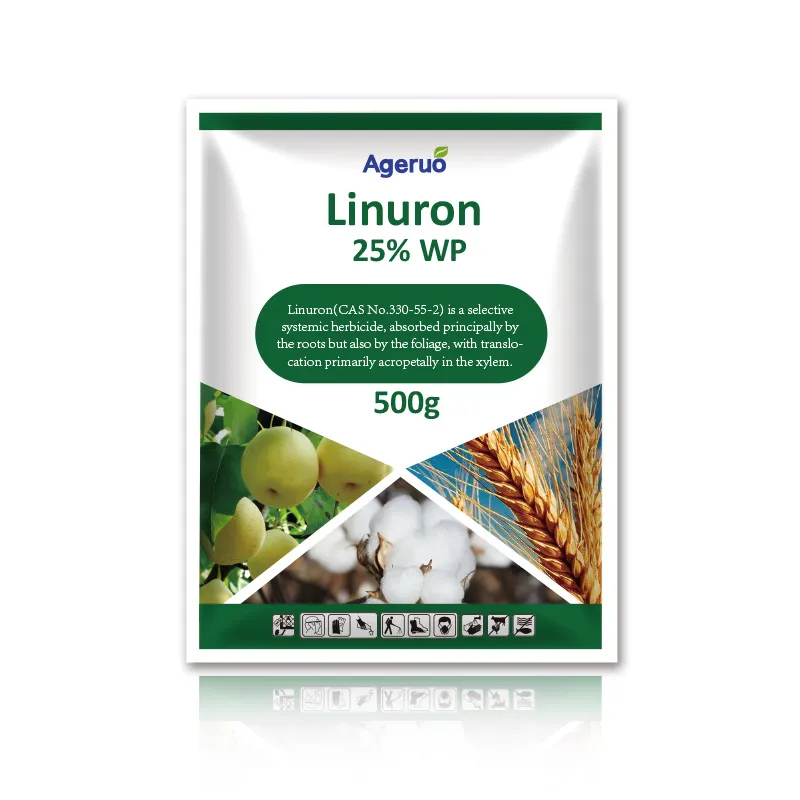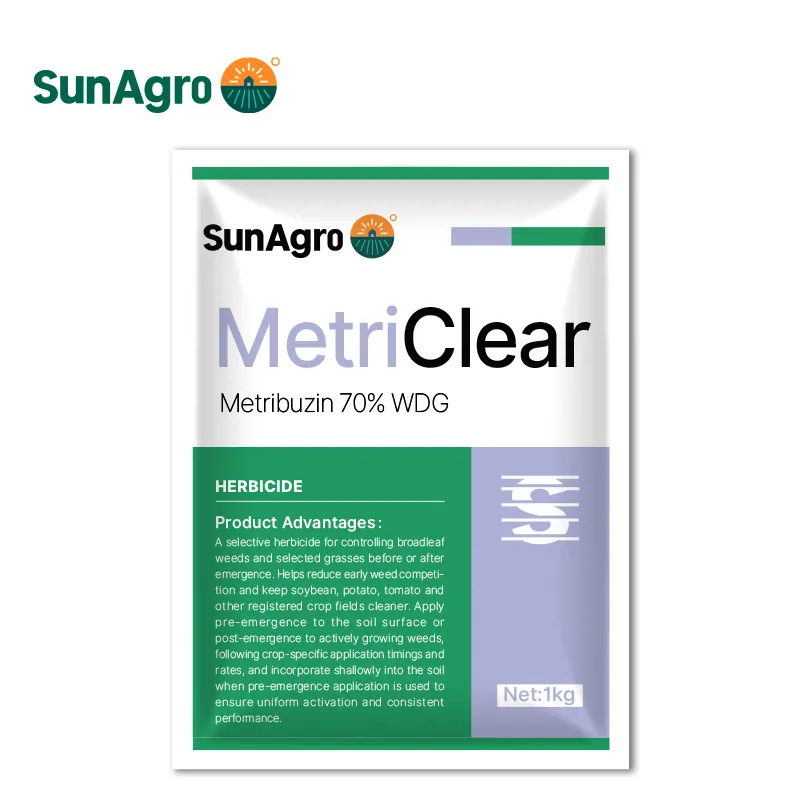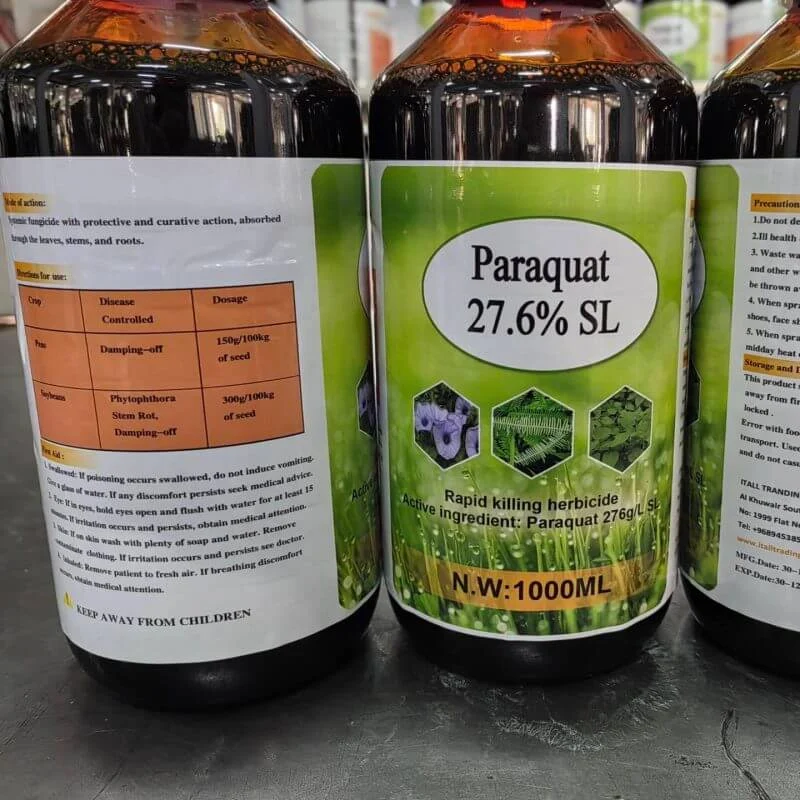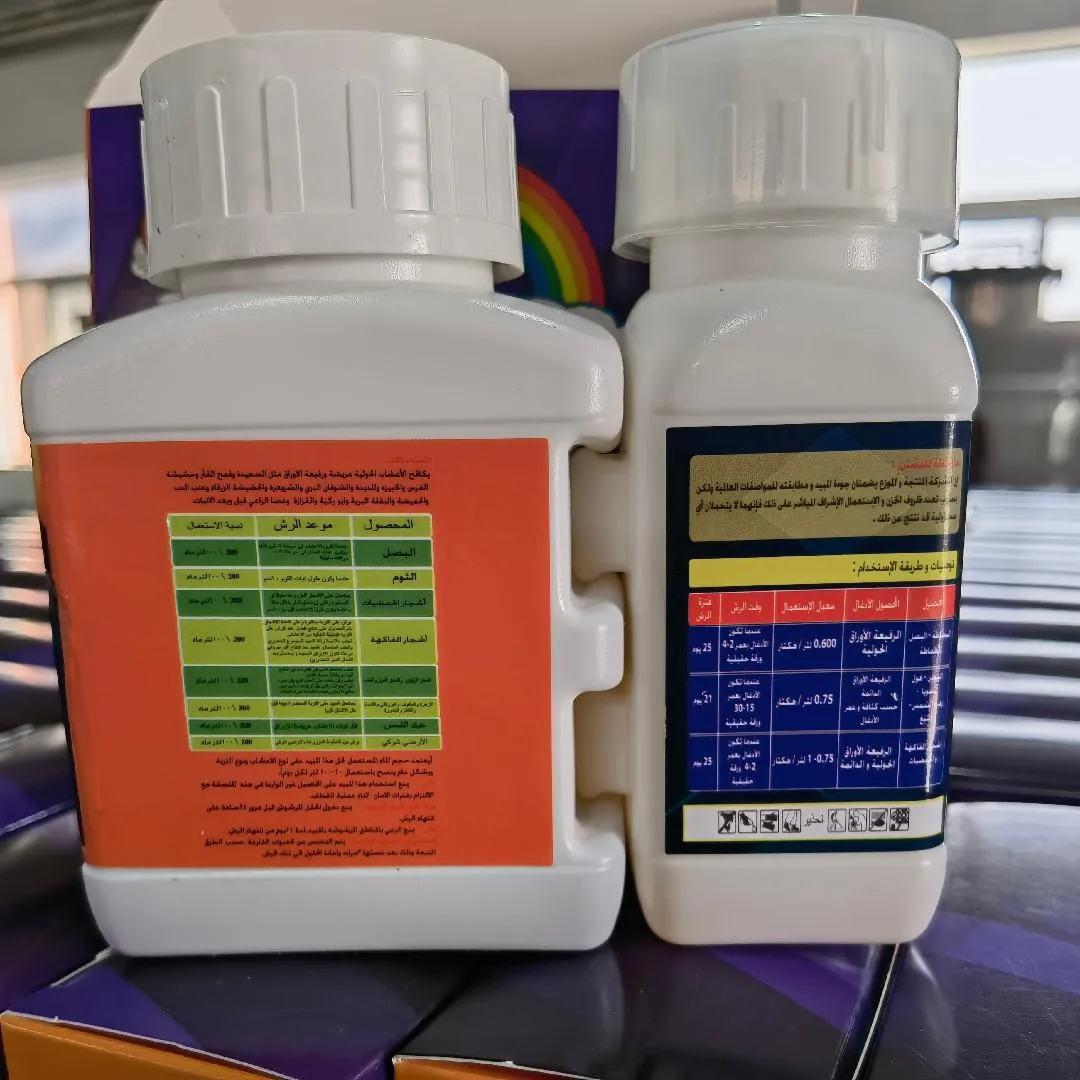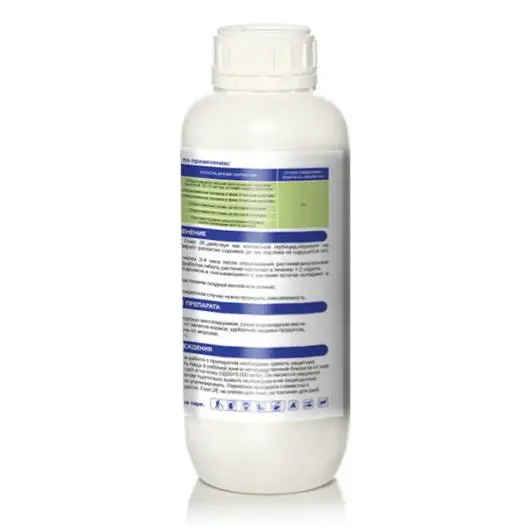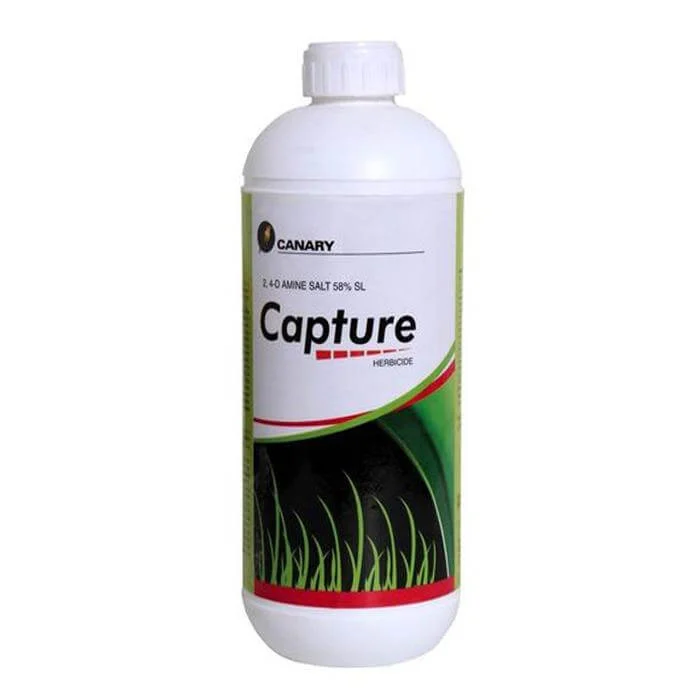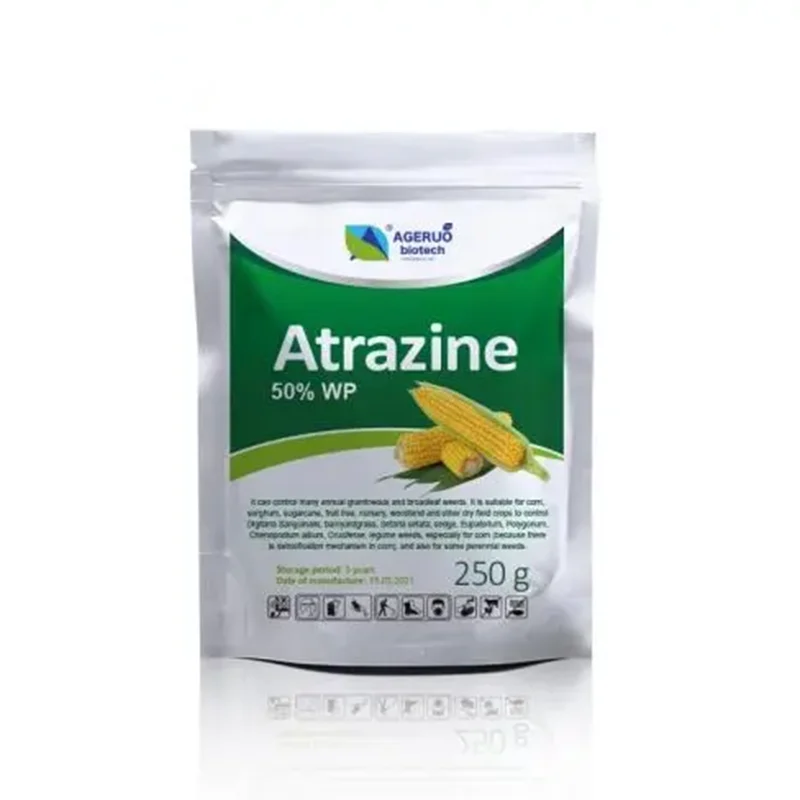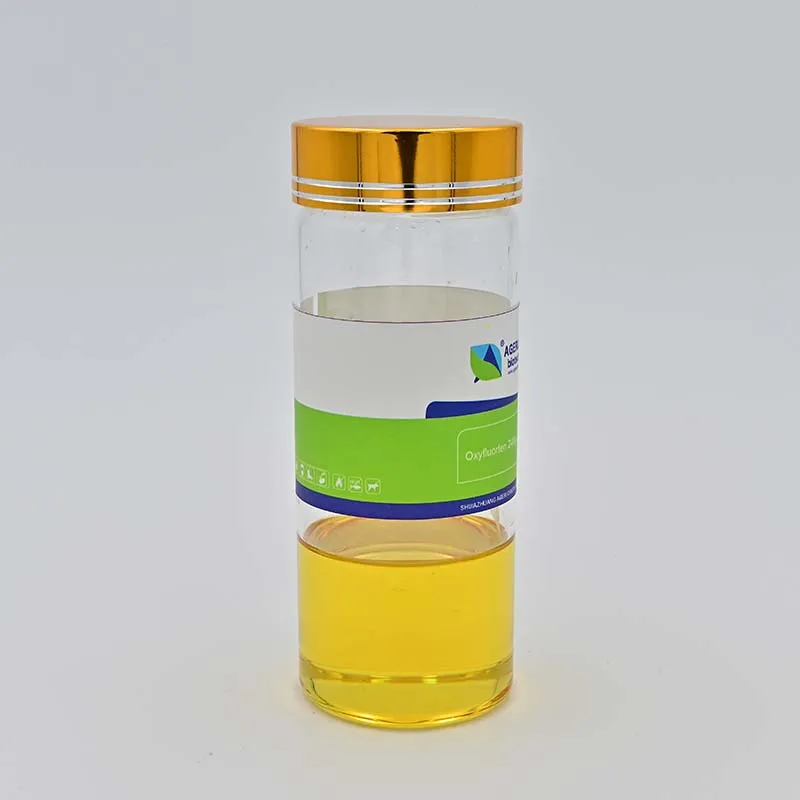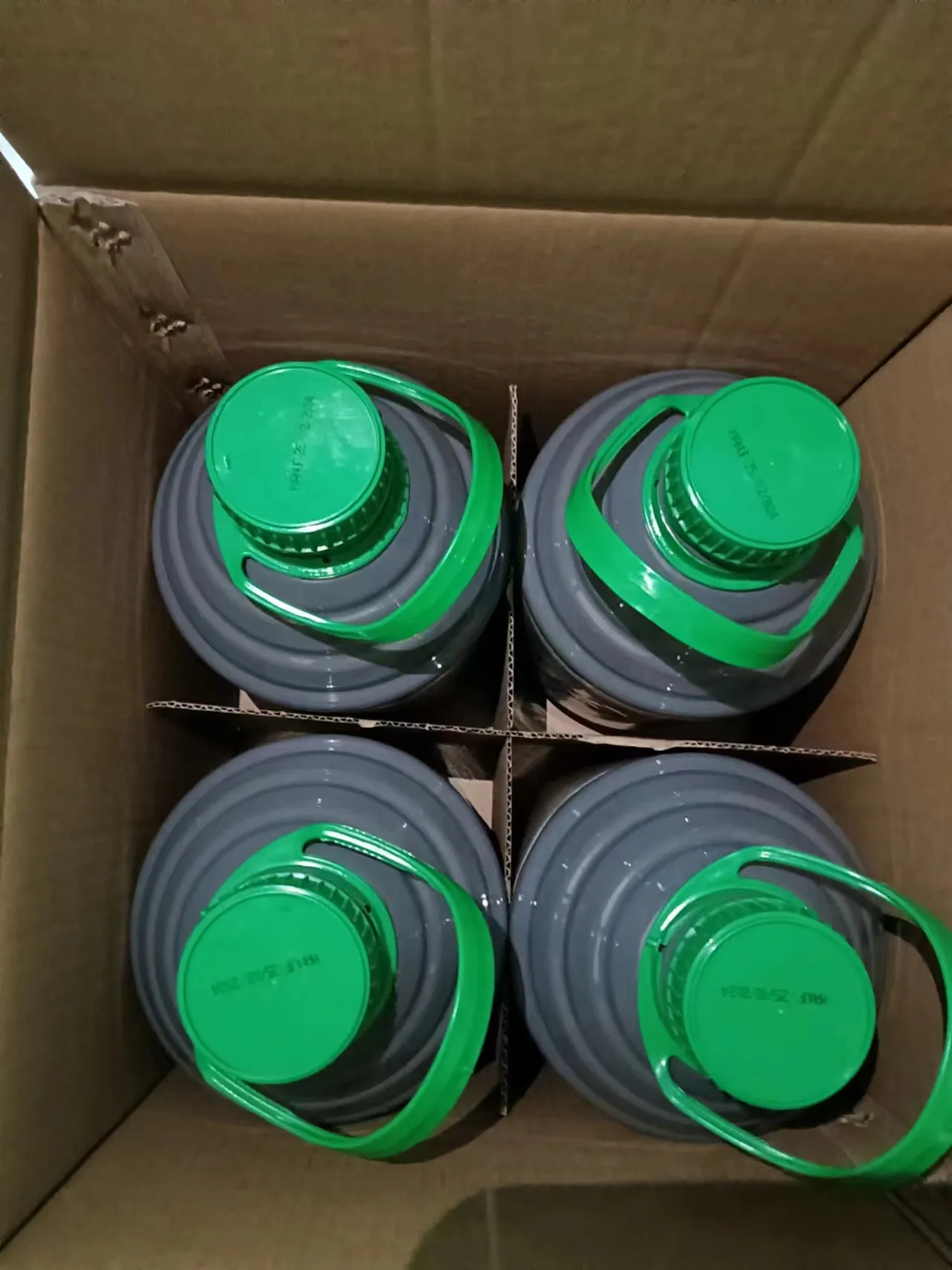
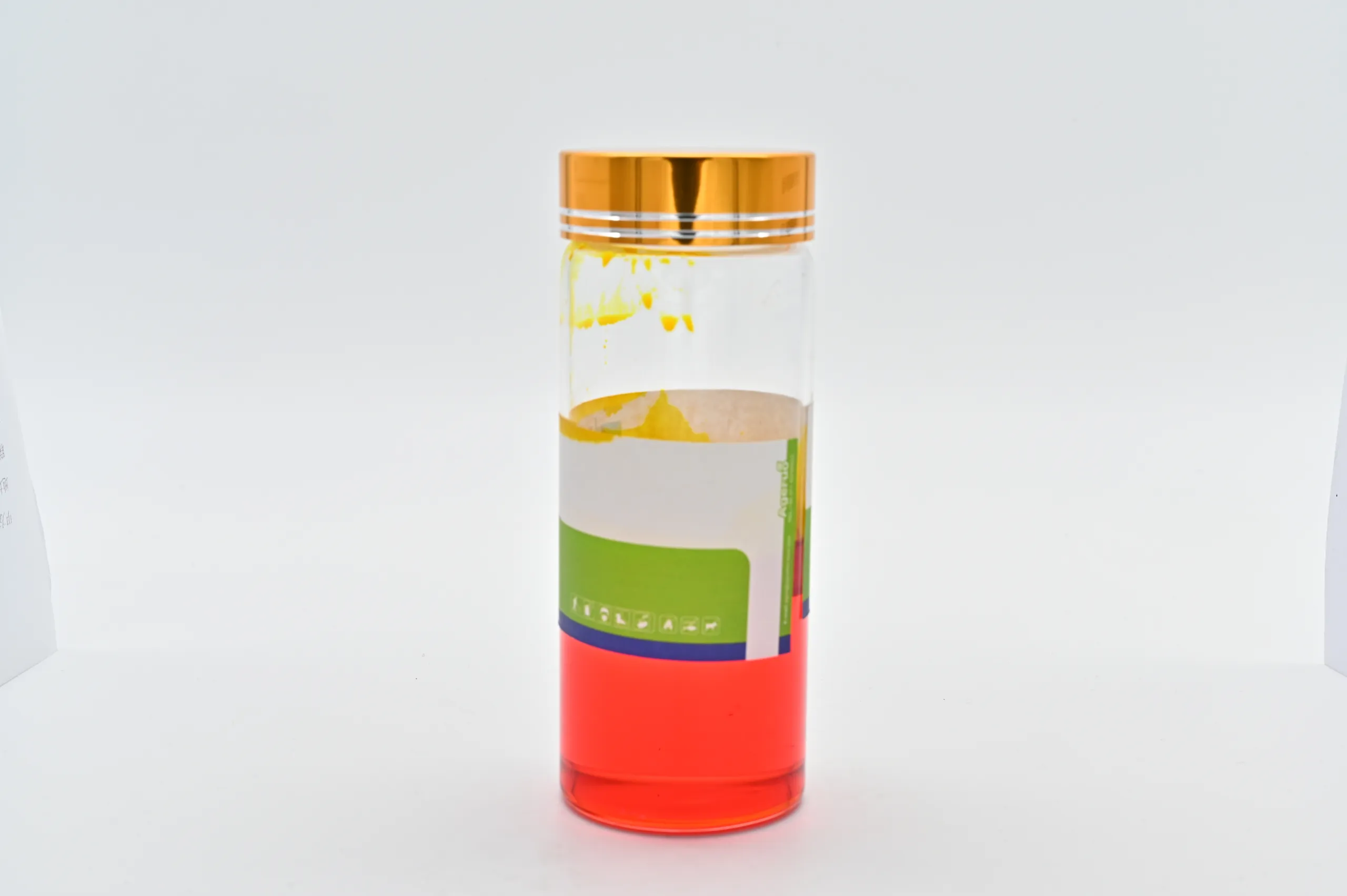
Trifluralin Pre-emergent Herbicide
Trifluralin is a pre-emergent, selective herbicide used to control a wide variety of annual grasses and broadleaf weeds in agricultural and non-agricultural areas. It is commonly applied before weeds germinate, making it ideal for weed control in row crops, vegetables, fruit orchards, and ornamentals. Trifluralin works by inhibiting root development, preventing seedling establishment and reducing competition for nutrients, water, and light.
- Designed for Professional Buyers & Bulk Orders
- We support custom packaging, labeling, and formulation to meet your market needs.
- Export wholesale inquiries only.
- Please include destination country, business type (importer/distributor/registrant), and expected volume.
- Retail requests will not be processed.

About Trifluralin Pre-emergent Herbicide
| Product Name | Trifluralin Herbicide |
| Active Ingredient | Trifluralin |
| CAS Number | 1582-09-8 |
| Molecular Formula | C13H16F3N3O4 |
| Target Pests/Weeds | Annual grasses and broadleaf weeds such as barnyardgrass, foxtail, and pigweed |
| Applicable Crops | Soybean, cotton, vegetables, ornamental plants |
| Dosage | 1-2 liters per hectare |
| Mode of Action | Pre-emergent, soil-applied herbicide; inhibits root development in germinating weed seeds |
| Tank Mix Compatibility | Can be mixed with other herbicides for enhanced pre-emergent weed control |
| Common Formulations | Emulsifiable Concentrate (EC) |
| Common Concentrations | 4%EC, 480g/L EC |
| Packaging Types | 1L/bottle, 5L/bottle, 20L/container |
| Pre-Harvest Interval | 60 days (depending on crop) |
As a leading provider of herbicide products, we offer customized packaging and label design services for Trifluralin. Our herbicide formulations are developed under ISO 9001 standards, ensuring consistent quality and performance.
Trifluralin herbicide
POMAIS Trifluralin herbicide is a highly effective pre-emergent solution for weed control. Ideal for use in agricultural fields, it inhibits weed growth by preventing seedling development. Applied to soil and thoroughly incorporated, Trifluralin ensures long-lasting protection against broadleaf and grassy weeds. Available for sale with competitive pricing, this herbicide is trusted for effective weed management. Follow safety precautions for optimal results.
Mode of Action
Trifluralin belongs to the dinitroaniline class of herbicides and works by inhibiting cell division in germinating weed seeds. It is absorbed through the roots and affects the meristematic tissues, which are responsible for root and shoot growth. This results in stunted growth or prevents seedlings from emerging entirely. Trifluralin must be incorporated into the soil, either through tillage or irrigation, to be effective.
Applications
| Crops | Target Weeds | Application Method |
|---|---|---|
| Soybeans | Annual grasses, pigweed, lambsquarters | Pre-emergence soil incorporation |
| Cotton | Goosegrass, crabgrass, broadleaf weeds | Pre-emergence soil incorporation |
| Vegetables | Weeds such as chickweed, foxtail, barnyardgrass | Pre-emergence application |
| Ornamentals | Broadleaf weeds, grasses | Soil incorporation |
| Fruit Orchards | Annual grasses, pigweed, lambsquarters | Directed spray, soil incorporation |
Key Features & Benefits
- Mode of Action: Trifluralin is a dinitroaniline herbicide that disrupts cell division in the root tips of germinating weeds.
- Pre-Emergence Control: Applied to soil before weed seeds germinate.
- Broad-Spectrum Activity: Controls barnyardgrass, foxtail, pigweed, chickweed, crabgrass, and lambsquarters.
- Flexible Use: Applicable in soybeans, cotton, vegetables, fruit orchards, and ornamental crops.
- Extended Residual Control: Active for 4–6 months under ideal conditions.
- Low Solubility: Reduces leaching and improves soil stability.
Combination Products
- Trifluralin + Glyphosate: Combines pre-emergent and post-emergent activity to target a broader spectrum of weeds.
- Trifluralin + Metolachlor: Effective combination for controlling annual grasses and broadleaf weeds in row crops like soybeans and cotton.
Weed Spectrum and Program Scenarios
Trifluralin is typically selected when a buyer needs consistent early-season suppression of annual grasses and supplemental control of certain broadleaf weeds—especially in systems where weed emergence is predictable and residual foundations are standard practice.
Practical program scenarios where buyers commonly position trifluralin (market and label dependent):
- Row-crop rotations where annual grass pressure drives yield loss and harvest efficiency.
- Crops where early-season weed competition must be minimized to protect stand establishment.
- Programs that rely on a “residual base + follow-up tools” structure for season-long management.
Soil Placement and Field Fit
Trifluralin is placement-sensitive: performance is strongly influenced by how the product is positioned in the soil profile under local label directions. Buyers should treat it as a soil residual tool—not a foliar rescue product.
Key variability drivers you should consider when planning market claims and distributor guidance: soil organic matter, soil texture, moisture, temperature, and operational consistency. These factors affect exposure of germinating weeds to the active ingredient and therefore influence commercial results.
Resistance Stewardship
As a Group 3 (Legacy K1) herbicide, trifluralin should be positioned within a mode-of-action rotation strategy to reduce selection pressure and protect long-term field performance. Resistance cases to Group 3 herbicides (including trifluralin) have been documented in several weed species and regions.
Your distributor-facing stewardship message should be simple: rotate mechanisms across seasons and integrate local best practices—always aligned with label language and agronomic advisory guidance.
Regulatory and Market Fit
Trifluralin is not universally available. Market feasibility depends on destination-country approvals, residue frameworks, and local registration status.
For example, the European Commission adopted decisions on the non-inclusion of trifluralin and the withdrawal of authorizations under the EU plant-protection framework, and later decisions reiterated non-inclusion.
Before we quote, share your destination country and registration status. This avoids wasted cycles and lets us prepare a market-fit documentation pack.
Product Portfolio and Commercial Options
Your purchasing route depends on how you commercialize:
- 480 g/L EC: a ready-to-distribute formulation for brand owners and channel partners who want speed-to-market.
- Also available (project-based): other concentrations or forms can be evaluated based on your destination compliance, stability requirements, and packaging plan.
If your market compares dinitroaniline options, we can also support positioning conversations (for example, trifluralin vs pendimethalin) based on your destination label scope.
Pendimethalin vs trifluralin herbicides
Packaging, Private Label, and Documentation Pack
If you are launching or scaling a trifluralin SKU, your success depends on more than the active ingredient—it depends on execution.
We support export projects with:
- Documentation-ready workflow: COA, SDS/MSDS, TDS, batch traceability per shipment.
- Private label execution: multi-language label layout, compliance blocks, carton design, and pack configuration aligned to channel needs.
- Export packing: bulk and channel packs planned for logistics efficiency and market presentation (project-based).
FAQs
Do you sell trifluralin to retail buyers or end users?
No. We supply export wholesale projects for importers, distributors, brand owners, and registrants only.
What is the HRAC/WSSA group for trifluralin?
Trifluralin is a Group 3 (Legacy K1) microtubule assembly inhibitor (α-tubulin).
Is trifluralin systemic?
Trifluralin is primarily a soil-applied, pre-emergent herbicide acting on emerging seedlings. It is not positioned as a systemic foliar product; performance is driven by soil placement and exposure of germinating weeds.
Do you publish application rates on the web?
No. Rates and restrictions vary by country and label. Share destination country and crop segment, and we will provide a label-aligned documentation pack for your compliance review.
What documents can you provide for import and registration workflows?
COA, SDS/MSDS, TDS, and batch traceability for each shipment; additional formats can be aligned to destination requirements.
Can you support private label packaging and multilingual labels?
Yes. We support label language versions, carton design, and channel pack planning for distribution.
Request a Spec Pack and Export Quotation
To receive a spec-matched offer, send: destination country • crop segment • soil type (high OM/low OM) • target weed categories • annual volume range • pack sizes • label language(s).
We will respond with a documentation-ready specification pack and a commercial quotation aligned with your distribution workflow.
Contact us!
We will reply to you within 24 hours on business days!