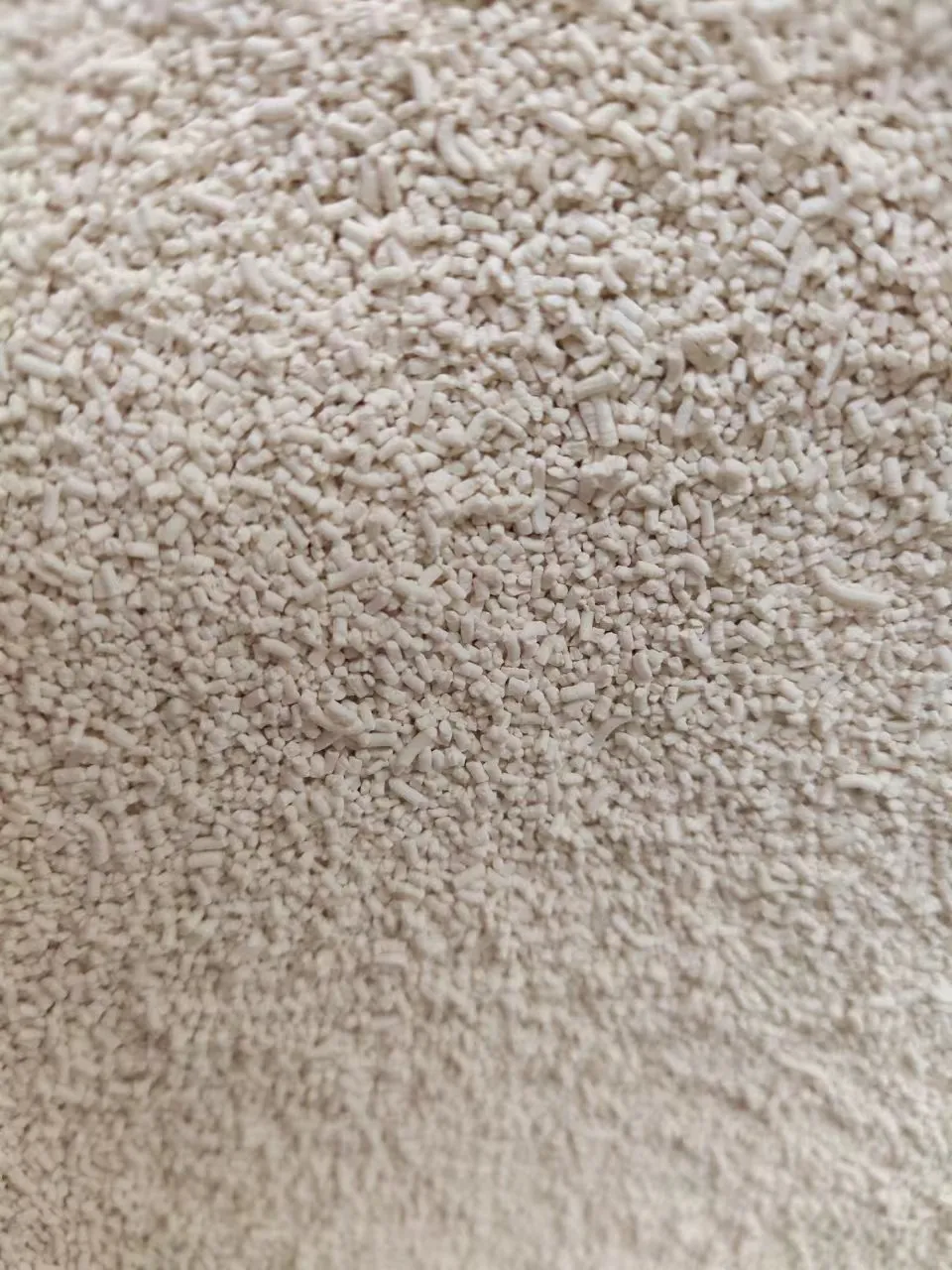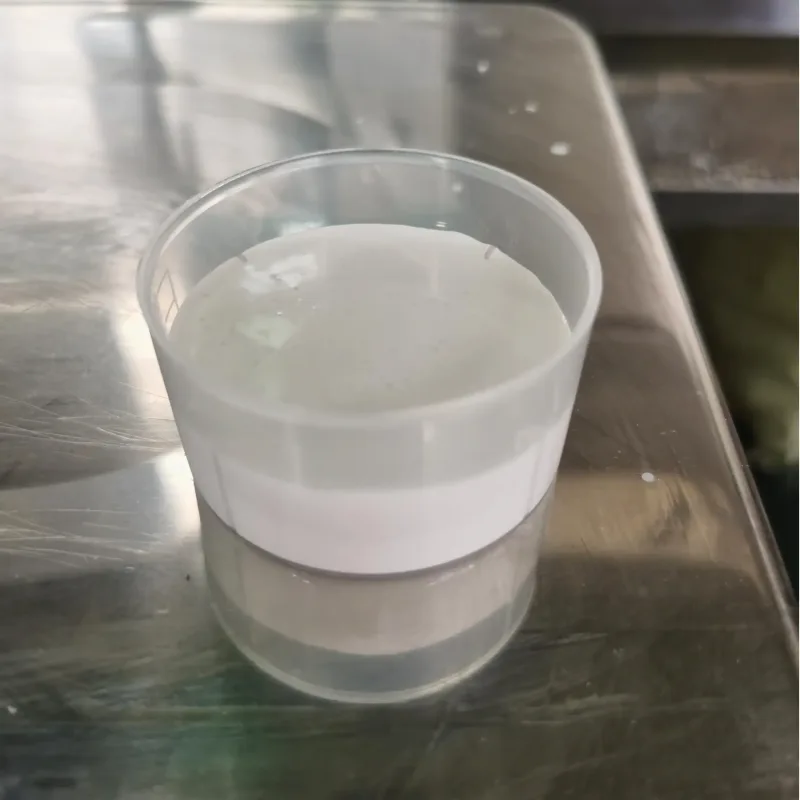
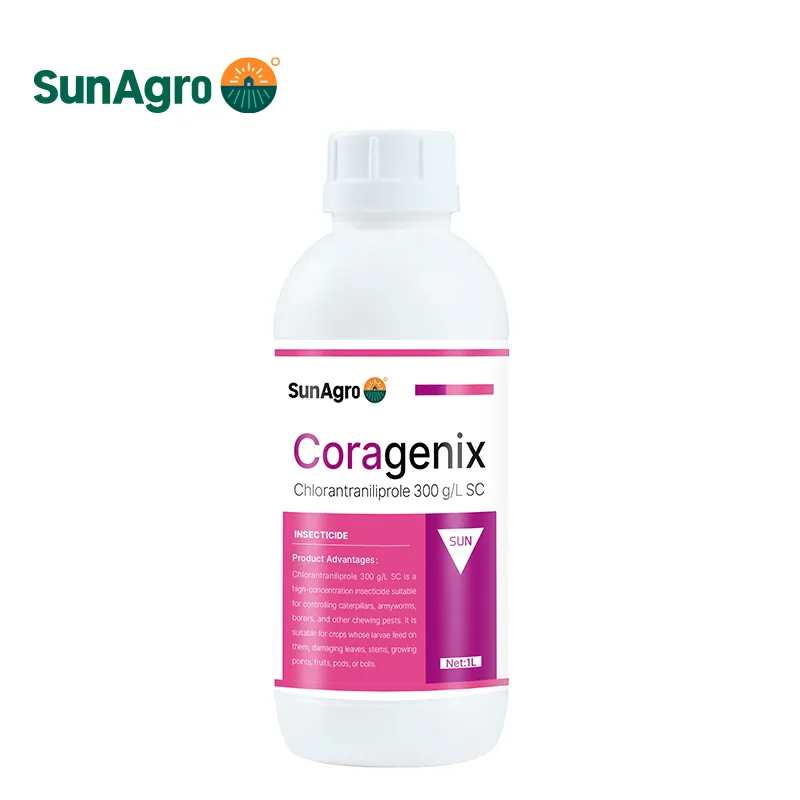
---
description: Active Ingredient
Chlorantraniliprole


Classification
Insecticide


Formulation Type
18.5% SC,200g/l SC, 250g/l SC


Target Crops
Rice, Vegetables, Fruits, Maize, Corn, Cotton, Sugarcane


Target Pests
Lepidoptera (Caterpillars), Beetles, Thrips, Borer, Armyworm, Bean pod borer, Cotton bollworm, Rice leaf roller


Mode of Action
Disrupts muscle contraction in pests by activating ryanodine receptors, leading to paralysis and death


Dosage
Rice: 150-200 ml/Ha
Vegetables: 100-150 ml/Ha
Maize: 200-300 ml/Ha
Fruits: 150-200 ml/Ha


Application Method
Foliar spray,
title: Chlorantraniliprole 18.5%SC, 200 g/l SC Insecticide Products - POMAIS Agriculture
image: https://www.pomais.com/wp-content/uploads/2024/10/Chlorantraniliprole-5.jpg
---

[Skip to content](#content) 

16+ years professional one-stop agricultural plant protection solution provider

[![POMAIS](//www.pomais.com/wp-content/uploads/2026/01/pomais-logo-1-600x281.png "pomais logo 1")](https://www.pomais.com/)

[Inquiry](#awb-oc%5F%5F10593)

Chlorantraniliprole 18.5%SC, 200 g/l SC Insecticide Products

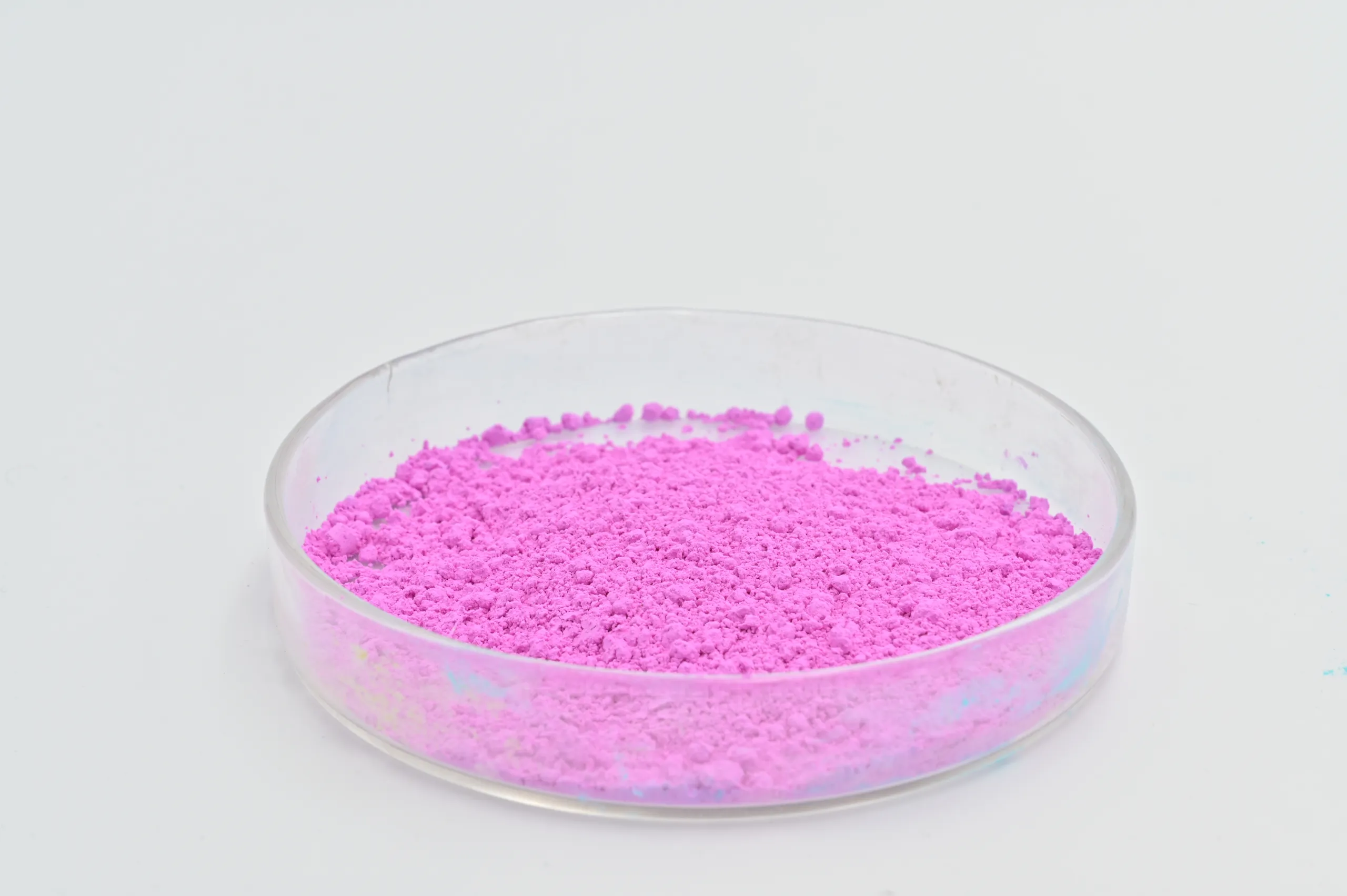
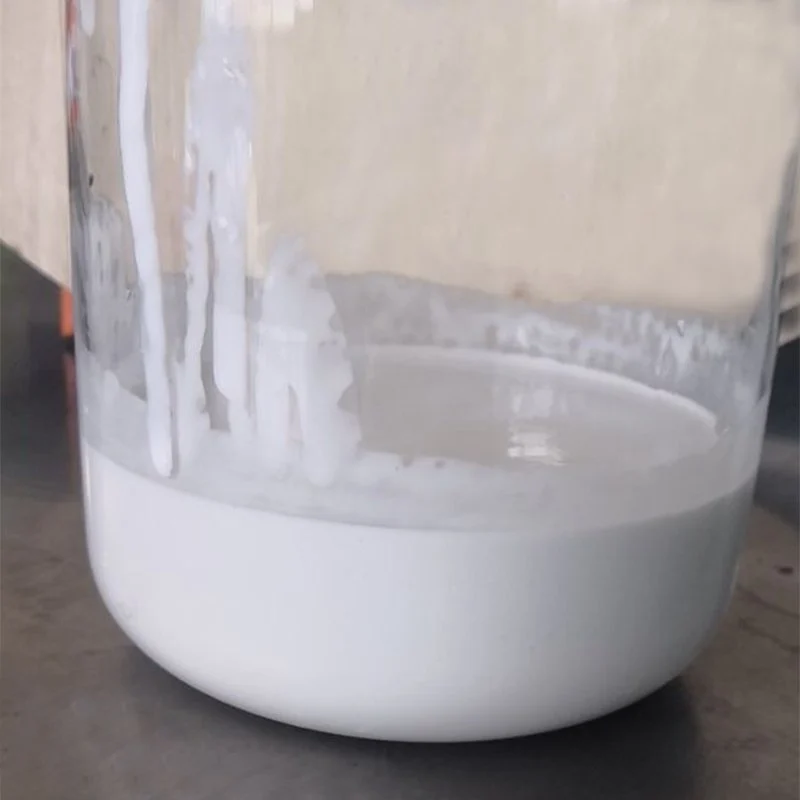
[![Chlorantraniliprole](https://www.pomais.com/wp-content/uploads/2024/10/Chlorantraniliprole-5-700x700.jpg "Chlorantraniliprole 5")](https://www.pomais.com/wp-content/uploads/2024/10/Chlorantraniliprole-5.jpg)[](https://www.pomais.com/wp-content/uploads/2024/10/Chlorantraniliprole-5.jpg "Chlorantraniliprole (5)")

[![Chlorantraniliprole](https://www.pomais.com/wp-content/uploads/2024/10/Chlorantraniliprole-6-700x700.jpg "Chlorantraniliprole 6")](https://www.pomais.com/wp-content/uploads/2024/10/Chlorantraniliprole-6.jpg)[](https://www.pomais.com/wp-content/uploads/2024/10/Chlorantraniliprole-6.jpg "Chlorantraniliprole (6)")

[![Chlorantraniliprole](https://www.pomais.com/wp-content/uploads/2024/10/Chlorantraniliprole-9-700x700.jpg "Chlorantraniliprole 9")](https://www.pomais.com/wp-content/uploads/2024/10/Chlorantraniliprole-9.jpg)[](https://www.pomais.com/wp-content/uploads/2024/10/Chlorantraniliprole-9.jpg "Chlorantraniliprole (9)")

[![Chlorantraniliprole](https://www.pomais.com/wp-content/uploads/2024/10/Chlorantraniliprole-10-700x700.jpg "Chlorantraniliprole 10")](https://www.pomais.com/wp-content/uploads/2024/10/Chlorantraniliprole-10.jpg)[](https://www.pomais.com/wp-content/uploads/2024/10/Chlorantraniliprole-10.jpg "Chlorantraniliprole (10)")

[![Chlorantraniliprole](https://www.pomais.com/wp-content/uploads/2024/10/Chlorantraniliprole-12-e1742437032442-700x700.jpg "Chlorantraniliprole 12 e1742437032442")](https://www.pomais.com/wp-content/uploads/2024/10/Chlorantraniliprole-12-e1742437032442.jpg)[](https://www.pomais.com/wp-content/uploads/2024/10/Chlorantraniliprole-12-e1742437032442.jpg "Chlorantraniliprole (12)")

[![Chlorantraniliprole](https://www.pomais.com/wp-content/uploads/2024/10/Chlorantraniliprole-2-700x700.jpg "Chlorantraniliprole 2")](https://www.pomais.com/wp-content/uploads/2024/10/Chlorantraniliprole-2.jpg)[](https://www.pomais.com/wp-content/uploads/2024/10/Chlorantraniliprole-2.jpg "Chlorantraniliprole (2)")

[![Chlorantraniliprole](https://www.pomais.com/wp-content/uploads/2024/10/Chlorantraniliprole-3-700x700.jpg "Chlorantraniliprole 3")](https://www.pomais.com/wp-content/uploads/2024/10/Chlorantraniliprole-3.jpg)[](https://www.pomais.com/wp-content/uploads/2024/10/Chlorantraniliprole-3.jpg "Chlorantraniliprole (3)")

[Insecticide](https://www.pomais.com/products/insecticide/)

# Chlorantraniliprole 18.5%SC, 200 g/l SC Insecticide Products

Chlorantraniliprole is a modern anthranilic diamide insecticide designed for **powerful control of Lepidopteran larvae, armyworms, and soil grubs** across crops and turf. With its selective activity on insect ryanodine receptors, it delivers long residual protection while remaining safe for humans, bees, and beneficial organisms.  
POMAIS supplies **Chlorantraniliprole 18.5% SC, 0.4% GR, and mixed formulations** with Thiamethoxam or Emamectin Benzoate, meeting global market needs for efficient and sustainable pest management. Each batch is manufactured under ISO and SGS standards, supported by full documentation (COA, MSDS, TDS) and customizable packaging options for distributors and importers worldwide.

* Designed for Professional Buyers & Bulk Orders
* We support custom packaging, labeling, and formulation to meet your market needs.
* Export wholesale inquiries only.
* Please include destination country, business type (importer/distributor/registrant), and expected volume.
* Retail requests will not be processed.

![pomais1]()

[Get a Quote](#awb-oc%5F%5F10593 "Get a Quote")

## About Chlorantraniliprole 18.5%SC, 200 g/l SC Insecticide Products

| **Active Ingredient**  | Chlorantraniliprole                                                                                                |
| ---------------------- | ------------------------------------------------------------------------------------------------------------------ |
| **Classification**     | Insecticide                                                                                                        |
| **Formulation Type**   | 18.5% SC,200g/l SC, 250g/l SC                                                                                      |
| **Target Crops**       | Rice, Vegetables, Fruits, Maize, Corn, Cotton, Sugarcane                                                           |
| **Target Pests**       | Lepidoptera (Caterpillars), Beetles, Thrips, Borer, Armyworm, Bean pod borer, Cotton bollworm, Rice leaf roller    |
| **Mode of Action**     | Disrupts muscle contraction in pests by activating ryanodine receptors, leading to paralysis and death             |
| **Dosage**             | Rice: 150-200 ml/HaVegetables: 100-150 ml/HaMaize: 200-300 ml/HaFruits: 150-200 ml/Ha                              |
| **Application Method** | Foliar spray, Soil treatment                                                                                       |
| **Advantages**         | Highly selective, long-lasting protection, low toxicity, excellent control of Lepidoptera pests                    |
| **Packaging Options**  | Customizable to meet specific client requirements                                                                  |
| **Safety Notes**       | Environmentally friendly with low toxicity to mammals and aquatic organisms. Follow label instructions for safety. |

## Chlorantraniliprole 18.5%SC, 200 g/l SC Insecticide

**Chlorantraniliprole is an anthranilic diamide insecticide (IRAC Group 28) used to control Lepidopteran larvae and turf grubs with long residual efficacy and a favorable safety profile for beneficial insects.** It acts primarily through ingestion and contact on key pests such as armyworms, corn borers, rice stem borers, leafrollers and lawn grubs, making it a consistent choice for row crops, horticulture and professional turf.

For procurement planning, the active is available in multiple commercial forms to fit different programs and regulations: 18.5% SC and 20% SC for foliar programs; 0.4% GR for soil/turf targeting grubs; and WG mixtures (e.g., Chlorantraniliprole + Thiamethoxam; Chlorantraniliprole + Emamectin Benzoate) where faster knockdown or broader spectrum is desired. Buyers can unify labels and documentation across markets while aligning with IPM principles—reducing spray frequency and preserving pollinators. In short, you get broad-spectrum performance, predictable residues and dossier-friendly support for importers, distributors and brand owners.

## Mode of Action (IRAC Group 28)

**Chlorantraniliprole** is an _anthranilic diamide insecticide_ that targets the **ryanodine receptors (RyR)** in insect muscle cells. Once activated, these receptors trigger uncontrolled calcium ion release, leading to energy loss, muscle paralysis, and eventual death. Feeding stops within a few hours, and most larvae die within 2–3 days after exposure. This specific mode of action offers **powerful larval control** with minimal impact on mammals, birds, and beneficial insects, making it an excellent fit for **Integrated Pest Management (IPM)** programs.

### How Chlorantraniliprole Works

* **Primary Action – Ingestion:** The insect must consume treated foliage or soil particles for the active to take effect. It is particularly effective on **chewing pests** such as armyworms, borers, cutworms, and leafrollers.
* **Secondary Action – Contact:** Also acts through contact, especially on small or newly hatched larvae.
* **Translaminar Movement:** The formulation penetrates leaf tissue, providing **two-sided protection** and residual control even on the underside of leaves.
* **Soil and Turf Activity:** In **granule form (0.4% GR)**, it remains concentrated around the root zone, effectively controlling **white grubs** and other soil-dwelling larvae without leaving residues on the canopy.

**Field Recommendation:** Treat it as an **ingestion-first insecticide** supported by contact activity. Apply early in the larval stage for best performance and long residual protection.

### Field Performance and Residual Control

* **Feeding cessation:** Visible reduction within 2–6 hours.
* **Residual activity:** Effective for **2–3 weeks**, depending on pest pressure and climatic conditions.
* **Crop suitability:** Works consistently on **rice, corn, vegetables, cotton, fruit trees, and turf**.
* **Reduced spraying frequency:** Long residual effect reduces operational cost and labor demand.

### Resistance Management

* **IRAC Group:** 28 – Anthranilic diamides.
* **Rotation guideline:** Alternate with non-Group 28 modes of action such as pyrethroids (3A), carbamates (1A), or spinosyns (5).
* **Mixture strategy:** When permitted, rotate or mix with fast-knockdown partners for immediate visible control while minimizing resistance risk.
* **Program tip:** Limit Group 28 applications per season and separate by at least one pest generation.

### Selectivity and Environmental Compatibility

* **High target specificity:** Acts on insect muscle receptors distinct from those in mammals and other vertebrates.
* **Beneficial insect safety:** When used according to the label, it poses **low risk to pollinators and natural predators**, supporting sustainable IPM.
* **Low residue and odor:** Leaves no phytotoxic symptoms or unpleasant smell on treated crops.
* **Compliance reminder:** Follow **product labels and local regulations** regarding dosage, re-entry intervals (REI), and bee-safety instructions.

## Formulations & Product Types

Chlorantraniliprole is available in multiple commercial forms to fit different crops, pests, and regulatory programs. Below is a procurement-oriented overview that helps distributors and brand owners choose the right product line and plan labels, packs, and dossiers.

### Single-Active Suspension Concentrates (SC)

* **18.5% SC**  
   * **Positioning:** Core foliar option for chewing larvae in rice, corn, vegetables, orchards, and cotton.  
   * **Strengths:** Fast feeding stop, strong translaminar protection, clean residue profile that supports wider spray intervals.  
   * **When to pick:** Standardize on this grade where registrations favor anthranilic diamides and a balanced efficacy–cost profile.
* **20% SC**  
   * **Positioning:** Higher-load SC for programs seeking fewer drums per hectare and leaner logistics.  
   * **Strengths:** Lower volume per treatment at equivalent a.i. dose; useful in high-throughput operations.  
   * **When to pick:** Large acreage or export routes where freight efficiency matters.

### Granules for Soil & Turf (0.4% GR)

* **Positioning:** Soil and turf management targeting **white grubs** and other root-zone larvae in lawns, sports turf, golf courses, landscape beds, and nursery stock.
* **Strengths:** Localized availability in the root zone, minimal foliar residues, user-friendly spreading programs.
* **When to pick:** Professional turf and ornamentals, municipal greens, and grower programs focused on grub prevention.

### Water-Dispersible Granule Mixtures (WG)

* **Chlorantraniliprole 20% + Thiamethoxam 20% WG**  
   * **Positioning:** Broader spectrum with **faster knockdown plus long residual**; fit for vegetables, orchards, and row crops where both chewing and certain sucking pests pressure programs.  
   * **Note:** Dual-MoA programs must follow label and IRAC rotation guidance.
* **Chlorantraniliprole + Emamectin Benzoate (custom ratios)**  
   * **Positioning:** Rapid larval suppression and leafminer/fruit-worm complexes.  
   * **Note:** Ratios, labels, and markets are customized per registration requirements.

### Formulation Comparison (at a glance)

| Formulation                  | Primary Use Site                        | Target Pests (examples)                   | Key Strengths                                    | Residual Window                            | Typical Packaging                  |
| ---------------------------- | --------------------------------------- | ----------------------------------------- | ------------------------------------------------ | ------------------------------------------ | ---------------------------------- |
| 18.5% SC                     | Foliar on field and horticultural crops | Armyworms, borers, cutworms, leafrollers  | Translaminar coverage, consistent larval control | Long residual; supports extended intervals | 100 ml–5 L bottles; 20–200 L drums |
| 20% SC                       | Foliar, high-throughput programs        | Same as 18.5% SC                          | Higher load for freight and warehouse efficiency | Long residual; program-friendly            | 1 L–5 L bottles; 20–200 L drums    |
| 0.4% GR                      | Soil/turf, ornamentals, nurseries       | White grubs and root-zone larvae          | Root-zone localization, minimal foliar residue   | Long soil persistence at label rates       | 1 kg–25 kg bags                    |
| 20/20 WG (with Thiamethoxam) | Foliar on mixed-pressure crops          | Chewing larvae plus selected sap-feeders  | Knockdown + residual, wider spectrum             | Long residual; check label for intervals   | 100 g–5 kg pouches                 |
| WG with Emamectin Benzoate   | Foliar on high-value crops              | Larval complexes, leafminers, fruit worms | Rapid suppression with durable follow-through    | Long residual; rotate by IRAC              | 100 g–5 kg pouches                 |

**Selection guide:**

* Need cost-efficient foliar standardization → **18.5% SC**.
* Need fewer drums and better freight ratios → **20% SC**.
* Need grub control without foliar residues → **0.4% GR**.
* Need faster knockdown and broader spectrum → **20/20 WG** or **Chlorantraniliprole + Emamectin Benzoate WG**.
* All programs → follow **label** and **IRAC rotation** to manage resistance and protect beneficials.

### OEM & Compliance Options

* **Documents:** COA, MSDS, TDS, label drafts, stability data (cold/heat), batch QC with HPLC.
* **Label & language:** English, Arabic, French, Russian, Spanish, and others on request.
* **Packs & closures:** 100 ml–5 L bottles, drums for SC; 1–25 kg bags/pouches for GR/WG; CRC caps, dosing cups, induction-seal liners.
* **Branding:** Custom colorways, artwork adaptation, barcode and regulatory panels aligned to local rules.
* **Supply planning:** Forecast-based batching for consistent dossiers and repeatable field performance.

## Uses & Application Guide

Chlorantraniliprole fits row crops, horticulture, and professional turf where chewing larvae and root-zone pests drive losses. Position programs by pest biology and crop stage, and align intervals with the product label and local regulations.

### Pest-to-Program Mapping

| Scenario                                                           | Primary Pests                                                             | Best-Fit Formulation                                                            | Program Window                                                 | Positioning Notes                                                                                                       |
| ------------------------------------------------------------------ | ------------------------------------------------------------------------- | ------------------------------------------------------------------------------- | -------------------------------------------------------------- | ----------------------------------------------------------------------------------------------------------------------- |
| **Armyworm pressure in the U.S. Southeast (e.g., South Carolina)** | Fall armyworm and related **armyworms** in bermudagrass, corn, vegetables | **18.5% SC / 20% SC**; **20/20 WG** where a faster knockdown partner is desired | **Early larval** stage, before canopy damage escalates         | Treat as **ingestion-first**; translaminar activity protects hidden feeders; rotate out of IRAC 28 in subsequent sprays |
| **Rice – stem borers and leaf folders**                            | Lepidopteran larvae (stem borers, leaf folders)                           | **18.5% SC / 20% SC**                                                           | **Egg hatch to early instars**; align with scouting thresholds | Reduces frass and leaf injury quickly; extends intervals versus broad-spectrum options                                  |
| **Corn – borers and armyworms**                                    | European/corn borers, **armyworms**                                       | **18.5% SC / 20% SC**; **WG mixtures** for broader spectrum                     | **Early larval** window on fresh feeding                       | Pair with rotation partners for season-long programs; maintain non-28 alternation                                       |
| **Vegetables & orchards – leafrollers and fruit worms**            | Leafrollers, fruit worms, leafminers complexes                            | **18.5% SC / 20% SC**; **Chlorantraniliprole + Emamectin Benzoate WG**          | **Pre-bunching/early fruit set** to protect quality            | WG mixtures add faster visible suppression; confirm label crops and PHI                                                 |
| **Turf, landscape, nurseries – grub complexes**                    | **White grubs** and soil-dwelling larvae                                  | **0.4% GR**                                                                     | **Preventive window** prior to peak grub activity              | Localized root-zone availability, minimal foliar residues; ideal for professional turf contracts                        |
| **Cotton – bollworm/larval complexes**                             | Bollworms and related larvae                                              | **18.5% SC / 20% SC**                                                           | **Early larval** stage in boll and square protection           | Supports longer intervals with clean residue profile; rotate per IRAC guidance                                          |

**Field takeaway:** Maximize performance by targeting **early larval stages** and integrating with IRAC rotation. For **armyworms in South Carolina**, prioritize rapid scouting and early-window applications to stay ahead of explosive outbreaks typical of warm, humid conditions.

### Program Integration and Rotation

* **IRAC alignment:** Chlorantraniliprole is **Group 28**; alternate with non-28 groups to manage resistance across generations.
* **Mixtures:** Where regulations permit, WG mixtures with **thiamethoxam** or **emamectin benzoate** deliver faster knockdown while maintaining long residual control.
* **Translaminar advantage:** Foliar SC grades provide **double-sided protection**, improving outcomes when larvae feed within curled leaves or tight canopies.
* **Turf specificity:** The **0.4% GR** route targets **grub** populations preventively with minimal impact on foliage aesthetics.

> Compliance reminder: follow the product label and local regulations for intervals, re-entry restrictions, bee-safety language, and crop-specific directions.

### Application Readiness Checklist for Buyers

* **Define target scenario:** crop, pest complex, climate region, and expected pressure.
* **Select formulation:** **18.5% SC / 20% SC** for foliar larvae; **0.4% GR** for turf and soil pests; **WG mixtures** for broader spectrum or faster knockdown needs.
* **Confirm documentation:** COA, MSDS, TDS, draft labels, stability data, language sets.
* **Plan rotation:** Identify non-28 partners across the season; set generation-based separation.

## Safety & Environmental

Chlorantraniliprole is designed for effective larval control with a favorable safety profile when used according to the label.

**Beneficials and pollinators**

* Low impact on most **beneficial arthropods** and **pollinators** when applied as directed.
* Ingestion-first activity means predators and parasitoids that do not feed on treated tissue are typically less exposed.
* Follow bee-safety statements on the product label; avoid treatment during peak foraging and blooming where required.

**Soil organisms and water**

* Turf and soil programs using **0.4% GR** maintain localized activity in the root zone, reducing foliar residues.
* Observe buffer zones and water-protection requirements stated on the local label.

**Operator and bystander safety**

* Non-fumigant, non-corrosive handling profile in commercial formulations; always wear PPE specified by the label.
* Respect **REI/PHI** intervals and storage/transport rules for each market.

> Compliance reminder: Safety outcomes depend on correct use. Always follow the product label and local regulations.

## Quality, Manufacturing & Compliance

POMAIS supports importers, distributors, and brand owners with consistent batches and complete documentation.

**Process & QC**

* Pre-production checks on technical material; cold/heat **stability studies** on final formulations.
* In-process controls with automated equipment for **dose, homogeneity, and fill accuracy**.
* Batch release via **HPLC** assay and physical property checks; retains and traceability maintained.

**Documents & registration support**

* Standard pack: **COA, MSDS, TDS**, label drafts, and stability summaries.
* Registration support upon request: data mapping to local formats, multi-language labels (EN/AR/FR/RU/ES and others).
* Packaging validation: drop tests and **24-hour inversion** for leak resistance.

**OEM & branding**

* Artwork adaptation, barcode and regulatory panels, **CRC caps**, induction-seal liners, dosing cups.
* Colorways and material options aligned to brand guidelines and local compliance.

## Pricing & Supply

Prices vary by formulation, actives load, packaging, documents, and route. Use the matrix below to plan a precise RFQ.

**Price drivers (overview)**

| Driver                  | Examples of Impact                                                  |
| ----------------------- | ------------------------------------------------------------------- |
| Formulation & load      | 18.5% SC vs 20% SC; 0.4% GR; WG mixtures                            |
| Packaging & components  | Bottle size (100 ml–5 L), drums, bags/pouches, specialty closures   |
| Documentation set       | COA/MSDS/TDS only vs full registration dossier alignment            |
| Order size & batching   | MOQ, palletization, shipment frequency, forecast-based production   |
| Destination & logistics | Route, hazardous class handling (if any), customs and local testing |

**RFQ checklist**

* Target **formulation** and packs (e.g., 18.5% SC in 1 L; 0.4% GR in 25 kg).
* **Crops/pests** and intended markets (e.g., armyworms in the U.S. Southeast, turf grubs for landscaping).
* **Documents** required (COA/MSDS/TDS; language sets; label templates).
* **Volumes** by SKU and desired shipment schedule.
* Any **registration** or local compliance constraints.

Lead times are typically aligned to batching windows and export routes. Final quotes follow confirmation of specifications and documents.

## FAQ

#### [1\. What is Chlorantraniliprole?](#1517418020a323261)

Chlorantraniliprole is a **broad-spectrum insecticide** belonging to the anthranilic diamide class. It is highly effective against various lepidopteran pests and certain other chewing insects, offering protection to a wide range of crops and turf.

#### [2\. What is Chlorantraniliprole Insecticide?](#404c68ca1b53d89e9)

Chlorantraniliprole insecticide is a specialized pest control product used in agriculture and turf management to combat destructive pests like armyworms, grubs, and caterpillars. It has a long residual activity and low toxicity to beneficial insects.

#### [3\. What is Chlorantraniliprole Pesticide?](#a78d7f41558ca1dc1)

Chlorantraniliprole pesticide works as a larvicide and adulticide, controlling pests at different life stages. It’s widely used to protect crops, lawns, and gardens from pest infestations.

#### [4\. What is the Chlorantraniliprole CAS Number?](#14e96a4f8c2ac8fa3)

The CAS number for chlorantraniliprole is **500008-45-7**.

#### [5\. What is the Manufacturing Process of Chlorantraniliprole?](#0699f7b45b45a16b0)

Chlorantraniliprole is synthesized through a multi-step chemical process involving the creation of **anthranilic diamides**. It requires advanced manufacturing technology to ensure stability and efficacy.

#### [6\. What is the Mode of Action of Chlorantraniliprole?](#ced4002d3b5aa10e9)

Chlorantraniliprole targets the **ryanodine receptors (RyRs)** in insect muscle cells, disrupting calcium ion release. This causes muscle paralysis and eventual death of the pest.

#### [7\. What is the Mode of Action of Chlorantraniliprole 18.5 SC?](#063eeb1cdf02a9d7b)

Chlorantraniliprole 18.5 SC has the same mode of action as the base compound. It disrupts calcium regulation in pest muscles, leading to rapid paralysis and long-lasting control.

#### [8\. Is Chlorantraniliprole Systemic or Contact?](#3f45225f5cfea56d4)

Chlorantraniliprole has **systemic and translaminar properties**, allowing it to be absorbed into plant tissues. This ensures protection against pests that feed on both treated and untreated parts of the plant.

#### [9\. What Are Chlorantraniliprole’s General Uses?](#6d6808d2de4a5f05b)

* **Agriculture**: Controls lepidopteran pests like armyworms, borers, and caterpillars on crops such as corn, rice, and vegetables.
* **Turf and Lawns**: Provides effective grub control and prevents pest infestations in turfgrass.
* **Horticulture**: Protects ornamental plants and flowers.

#### [10\. What Are the Uses of Chlorantraniliprole 0.4 GR?](#794e3c41286788394)

Chlorantraniliprole 0.4 GR is used as a granular soil treatment for:

* **Grub control** in lawns and turf.
* Protecting crops like rice, corn, and sugarcane from soil-dwelling pests.

#### [11\. What Are the Uses of Chlorantraniliprole 18.5 SC?](#e87f40c6fbb2a8e86)

Chlorantraniliprole 18.5 SC is used as a foliar spray for:

* **Armyworms**, **borers**, and **caterpillars** in field crops and vegetables.
* **Turf management** to control grubs and other pests.

#### [12\. Does Chlorantraniliprole Work for Armyworms in South Carolina?](#b7512d338c8ab3feb)

Yes, chlorantraniliprole is highly effective against **armyworms**, including infestations in turfgrass and crops in regions like South Carolina.

#### [13\. Is Chlorantraniliprole Effective Against Grubs?](#e15252ce0f473cc83)

Yes, chlorantraniliprole provides excellent control of grubs, preventing root damage and turf degradation.

#### [14\. What is Chlorantraniliprole Grub Control?](#e394297258587c6b2)

Chlorantraniliprole targets grub larvae in the soil, stopping them from feeding on roots and disrupting their lifecycle.

#### [15\. Does Chlorantraniliprole Harm Earthworms?](#8827605489d62887b)

Chlorantraniliprole has minimal impact on **earthworms** when used at recommended rates, making it environmentally friendly.

#### [16\. Is Chlorantraniliprole Safe for Bees?](#bd4dcf8fa9e381e74)

Chlorantraniliprole is **safe for bees** when applied correctly and during non-flowering stages of crops. It has minimal direct toxicity to pollinators.

#### [17\. Chlorantraniliprole vs. Bifenthrin](#fa08fdc3ba221ac6f)

* **Mode of Action**:  
   * Chlorantraniliprole: Targets calcium ion release in muscles.  
   * Bifenthrin: Disrupts sodium channels in the nervous system.
* **Target Pests**:  
   * Chlorantraniliprole: Lepidopteran larvae and grubs.  
   * Bifenthrin: Broad-spectrum, including ants and spiders.
* **Residual Effect**:  
   * Chlorantraniliprole lasts longer in soil and plants.  
   * Bifenthrin acts faster but may require more frequent applications.

#### [18\. Chlorantraniliprole vs. Imidacloprid](#6a3d4394ad80b2841)

* Chlorantraniliprole: Effective against caterpillars and soil pests like grubs.
* Imidacloprid: Primarily used for sucking pests like aphids and whiteflies.

#### [19\. Cyantraniliprole vs. Chlorantraniliprole](#3b7402cd3575af104)

* Both are diamides, but cyantraniliprole targets a broader spectrum, including sucking pests.
* Chlorantraniliprole is more specific to lepidopteran pests.

#### [20\. Tetraniliprole vs. Chlorantraniliprole](#9bb8170d7b25e3e36)

* Tetraniliprole is newer and offers enhanced control against coleopteran pests.
* Chlorantraniliprole is established and widely used for lepidopteran pest control.

#### [21\. Chlorantraniliprole + Lambda-Cyhalothrin](#1ee150313f18ea2b9)

This combination enhances pest control by:

* Adding lambda-cyhalothrin’s fast knockdown effect.
* Targeting both chewing and sucking pests.

#### [22\. Chlorantraniliprole + Thiamethoxam](#19135587ea064bf01)

Combines systemic (thiamethoxam) and translaminar (chlorantraniliprole) actions, providing comprehensive pest control in crops.

#### [23\. Chlorantraniliprole + Bifenthrin](#be91eacf00a920f96)

* Chlorantraniliprole offers long-lasting control of larvae and grubs.
* Bifenthrin provides immediate knockdown of adult pests, making this combination highly effective.

[Miticide (16)](https://www.pomais.com/tag/miticide/) [Mosquito Fly Flea Control insecticide (9)](https://www.pomais.com/tag/mosquito-fly-flea-control-insecticide/) [Nematicide (6)](https://www.pomais.com/tag/nematicide/) [Ant insecticide (4)](https://www.pomais.com/tag/ant-insecticide/) [Cockroach Control insecticide (4)](https://www.pomais.com/tag/cockroach-control-insecticide/) [Compound pesticides (4)](https://www.pomais.com/tag/compound-pesticides/) [Warehouse Pest Control insecticide (2)](https://www.pomais.com/tag/warehouse-pest-control-insecticide/) [Full-Spectrum insecticide (2)](https://www.pomais.com/tag/full-spectrum-insecticide/) [Rodent Control (1)](https://www.pomais.com/tag/rodent-control/)

### Contact us!

We will reply to you within 24 hours on business days!

Business TypeAgrochemical Brand OwnersImporters & Master DistributorsRegional WholesalersAgro-dealers & Retail ChainsCommercial Farms & AgribusinessGovernment & TendersTrading Companies

Message successful! Please check your WhatsApp as a priority and I will contact you within 24 hours!

×

Message failed! Contact me via WhatsApp or email!

×

Send Message

[More Insecticides](https://www.pomais.com/insecticide/)

[](https://www.pomais.com/product/oligosaccharins-5-fosthiazate-19-5-ew-nematicide/)

[Oligosaccharins 0.5% + Fosthiazate 19.5% EW Nematicide](https://www.pomais.com/product/oligosaccharins-5-fosthiazate-19-5-ew-nematicide/)

[Oligosaccharins 0.5% + Fosthiazate 19.5% EW Nematicide](https://www.pomais.com/product/oligosaccharins-5-fosthiazate-19-5-ew-nematicide/)

[](https://www.pomais.com/product/paecilomyces-lilacinus-purpureocillium-lilacinum-bio-nematicide/)

[Paecilomyces lilacinus (Purpureocillium lilacinum) Bio-Nematicide WP | 200 Million Spores/g](https://www.pomais.com/product/paecilomyces-lilacinus-purpureocillium-lilacinum-bio-nematicide/)

[Paecilomyces lilacinus (Purpureocillium lilacinum) Bio-Nematicide WP | 200 Million Spores/g](https://www.pomais.com/product/paecilomyces-lilacinus-purpureocillium-lilacinum-bio-nematicide/)

[](https://www.pomais.com/product/beta-cyfluthrin-insecticide/)

[Beta Cyfluthrin Insecticide](https://www.pomais.com/product/beta-cyfluthrin-insecticide/)

[Beta Cyfluthrin Insecticide](https://www.pomais.com/product/beta-cyfluthrin-insecticide/)

[](https://www.pomais.com/product/abamectin-insecticide/)

[Abamectin 18g/l EC Insecticide | Ant Bait | Acaricides](https://www.pomais.com/product/abamectin-insecticide/)

[Abamectin 18g/l EC Insecticide | Ant Bait | Acaricides](https://www.pomais.com/product/abamectin-insecticide/)

[](https://www.pomais.com/product/fosthiazate-30-cs-insecticide/)

[Fosthiazate 30% CS Insecticide](https://www.pomais.com/product/fosthiazate-30-cs-insecticide/)

[Fosthiazate 30% CS Insecticide](https://www.pomais.com/product/fosthiazate-30-cs-insecticide/)

[](https://www.pomais.com/product/fluopyram-40-sc/)

[Fluopyram 40% SC Insecticide](https://www.pomais.com/product/fluopyram-40-sc/)

[Fluopyram 40% SC Insecticide](https://www.pomais.com/product/fluopyram-40-sc/)

[](https://www.pomais.com/product/metam-sodium-510g-l-sl-42-sl/)

[Metam Sodium 510g/L SL / 42% SL](https://www.pomais.com/product/metam-sodium-510g-l-sl-42-sl/)

[Metam Sodium 510g/L SL / 42% SL](https://www.pomais.com/product/metam-sodium-510g-l-sl-42-sl/)

[](https://www.pomais.com/product/profenofos/)

[Profenofos Insecticide](https://www.pomais.com/product/profenofos/)

[Profenofos Insecticide](https://www.pomais.com/product/profenofos/)

[](https://www.pomais.com/product/pyridaben-insecticide/)

[Pyridaben 20% WP Insecticide](https://www.pomais.com/product/pyridaben-insecticide/)

[Pyridaben 20% WP Insecticide](https://www.pomais.com/product/pyridaben-insecticide/)

[](https://www.pomais.com/product/amitraz-12-5-20-ec-trusted-insecticide-acaricide-for-agriculture-and-animal-health/)

[Amitraz 12.5% 20% EC | Trusted Insecticide & Acaricide for Agriculture and Animal Health](https://www.pomais.com/product/amitraz-12-5-20-ec-trusted-insecticide-acaricide-for-agriculture-and-animal-health/)

[Amitraz 12.5% 20% EC | Trusted Insecticide & Acaricide for Agriculture and Animal Health](https://www.pomais.com/product/amitraz-12-5-20-ec-trusted-insecticide-acaricide-for-agriculture-and-animal-health/)

[](https://www.pomais.com/product/bifenazate/)

[Bifenazate Insecticide & Acaricide](https://www.pomais.com/product/bifenazate/)

[Bifenazate Insecticide & Acaricide](https://www.pomais.com/product/bifenazate/)

[](https://www.pomais.com/product/azocyclotin-25-wp/)

[Azocyclotin 25% WP Insecticide](https://www.pomais.com/product/azocyclotin-25-wp/)

[Azocyclotin 25% WP Insecticide](https://www.pomais.com/product/azocyclotin-25-wp/)

[Latest News](https://www.pomais.com/news/)

* [How Long Does Mesotrione Take to Work?](https://www.pomais.com/how-long-does-mesotrione-take-to-work/)  
June 10th, 2026
* [Trichoderma harzianum vs Trichoderma viride](https://www.pomais.com/trichoderma-harzianum-vs-trichoderma-viride/)  
June 4th, 2026
* [Bacillus cereus vs Bacillus subtilis: Plant Use, Safety and Biocontrol Differences](https://www.pomais.com/bacillus-cereus-vs-bacillus-subtilis/)  
June 1st, 2026
* [Bacillus Thuringiensis for Japanese Beetles: Strain Choice, Adult Control and Grub Control](https://www.pomais.com/bacillus-thuringiensis-for-japanese-beetles-strain-choice-adult-control-and-grub-control/)  
May 29th, 2026
* [Brassinolide Effect on Plants: Growth, Stress Tolerance and Physiological Function](https://www.pomais.com/brassinolide-effect-on-plants-growth-stress-tolerance-and-physiological-function/)  
May 26th, 2026
* [Chinch Bugs in Bermudagrass: Identification, Damage and Treatment Logic](https://www.pomais.com/chinch-bugs-in-bermudagrass-identification-damage-and-treatment-logic/)  
May 21st, 2026
* [Pomais Is Now SunAgro: Official Company Name Change Announcement](https://www.pomais.com/pomais-is-now-sunagro-official-company-name-change-announcement/)  
May 21st, 2026
* [Penoxsulam Mode of Action: ALS Inhibition and Weed Growth Control](https://www.pomais.com/penoxsulam-mode-of-action-als-inhibition-and-weed-growth-control/)  
May 18th, 2026
* [Azadirachtin Uses in Agriculture: Pest Targets, Crop Applications and Practical Value](https://www.pomais.com/azadirachtin-uses-in-agriculture-pest-targets-crop-applications-and-practical-value/)  
May 10th, 2026
* [Bacillus Thuringiensis for Bagworms: Timing, Effectiveness and Practical Limits](https://www.pomais.com/bacillus-thuringiensis-for-bagworms-timing-effectiveness-and-practical-limits/)  
May 8th, 2026

[FAQ](https://www.pomais.com/faq-items/)

* [Does Spinosad Kill Ants?](https://www.pomais.com/faq-items/does-spinosad-kill-ants/)  
February 24th, 2026
* [Does Spinosad Kill Fungus Gnats?](https://www.pomais.com/faq-items/does-spinosad-kill-fungus-gnats/)  
February 24th, 2026
* [Does Spinosad Kill Spider Mites?](https://www.pomais.com/faq-items/does-spinosad-kill-spider-mites/)  
February 24th, 2026
* [Will 2,4-D Kill Broom Sage?](https://www.pomais.com/faq-items/will-24-d-kill-broom-sage/)  
January 30th, 2026
* [Will 2,4-D Kill Cattails?](https://www.pomais.com/faq-items/will-24-d-kill-cattails/)  
January 28th, 2026
* [Will 2,4-D Kill Centipede Grass?](https://www.pomais.com/faq-items/will-24-d-kill-centipede-grass/)  
January 26th, 2026
* [Will 2,4-D Kill Johnsongrass?](https://www.pomais.com/faq-items/will-24-d-kill-johnsongrass/)  
January 22nd, 2026
* [Fipronil Rapidly Eliminates Fleas, Providing Swift Relief for Your Pet](https://www.pomais.com/faq-items/fipronil-rapidly-eliminates-fleas-providing-swift-relief-for-your-pet/)  
December 23rd, 2025
* [Does Spinosad Kill Lice Eggs?](https://www.pomais.com/faq-items/does-spinosad-kill-lice-eggs/)  
November 18th, 2025
* [Does Spinosad Kill Aphids?](https://www.pomais.com/faq-items/does-spinosad-kill-aphids/)  
November 10th, 2025
* [Thiabendazole Mechanism of Action](https://www.pomais.com/faq-items/thiabendazole-mechanism-of-action/)  
November 10th, 2025
* [Is Azoxystrobin Systemic or Contact?](https://www.pomais.com/faq-items/is-azoxystrobin-systemic-or-contact/)  
November 10th, 2025

## Tell Us About Your Business Needs

We look forward to working with global partners in agrochemical distribution and private labeling.

Please include your company name, business type, and estimated volume so we can provide tailored support for your project.

[Pomais product list.pdf](https://www.pomais.com/wp-content/uploads/2026/03/Pomais-product-list.pdf)

[ICAMA LIST.pdf](https://www.pomais.com/wp-content/uploads/2026/03/ICAMA-LIST.pdf)

Business TypeAgrochemical Brand OwnersImporters & Master DistributorsRegional WholesalersAgro-dealers & Retail ChainsCommercial Farms & AgribusinessGovernment & TendersTrading Companies

Message successful! Please check your WhatsApp as a priority and I will contact you within 24 hours!

×

Message failed! Contact me via WhatsApp or email!

×

Send Message

[](https://www.pomais.com/)

16+ years professional one-stop agricultural plant protection solution provider

[](https://www.facebook.com/Pesticide2/ "Facebook")[](https://x.com/Karen13468809 "X")[](https://www.instagram.com/pomais%5Fagrochemicals/ "Instagram")[](https://www.linkedin.com/company/pomais-agrochemicals/?viewAsMember=true "LinkedIn")[](https://www.youtube.com/@Pomais-Agrochemicals "YouTube")

Product

Services

Contact Us

[info@sunagros.com](mailto:info@sunagros.com)

[WhatsApp](https://wa.me/8619930546995)

**ADDRESS**  
Room 1907, Baichuan Building-West, Chang’an District, Shijiazhuang City, Hebei Province, China

CopyRight © 2024 – 2026 Shijiazhuang Pomais Technology Co.,Ltd. All Rights Reserved.

[Toggle Sliding Bar Area](#) 

[Page load link](#) 

[](#awb-oc%5F%5F10593)[](mailto:info@sunagros.com)

Chat with market experts!

Business TypeAgrochemical Brand OwnersImporters & Master DistributorsRegional WholesalersAgro-dealers & Retail ChainsCommercial Farms & AgribusinessGovernment & TendersTrading Companies

Message successful! Please check your WhatsApp as a priority and I will contact you within 24 hours!

×

Message failed! Contact me via WhatsApp or email!

×

Send Message

[ Go to Top ](#) 

```json
{"@context":"https://schema.org","@graph":[{"@type":"BreadcrumbList","@id":"https://www.pomais.com/product/chlorantraniliprole-insecticide/#breadcrumb","itemListElement":[{"@type":"ListItem","position":"1","item":{"@id":"https://www.pomais.com","name":"POMAIS"}},{"@type":"ListItem","position":"2","item":{"@id":"https://www.pomais.com/product/","name":"Product"}},{"@type":"ListItem","position":"3","item":{"@id":"https://www.pomais.com/products/insecticide/","name":"Insecticide"}},{"@type":"ListItem","position":"4","item":{"@id":"https://www.pomais.com/product/chlorantraniliprole-insecticide/","name":"Chlorantraniliprole 18.5%SC, 200 g/l SC Insecticide Products"}}]}]}
{"@context":"https:\/\/schema.org","@type":"NewsArticle","headline":"Bacillus Thuringiensis for Bagworms: Timing, Effectiveness and Practical Limits","datePublished":"2026-05-08T06:45:50+00:00"}
```