
Spinosad, thrips böceklerini öldürür mü?
Evet. Spinosad, ruhsatlı bir tarım ilacı formülasyonunda kullanıldığında, hassas trips böceklerini öldürebilir.
Spinosad, spinosin sınıfı insektisitlere aittir ve IRAC Grup 5 olarak sınıflandırılır . Spinosad, nikotinik asetilkolin reseptörlerini allosterik olarak modüle ederek böcek sinir sinyallemesini bozar. Bu durum sinir sisteminde aşırı uyarılmaya, normal hareket kaybına, felce ve ölüme neden olur.
Beslenen larvalar ve açıkta kalan yetişkinler en önemli doğrudan hedeflerdir. Bununla birlikte, thripsler genellikle çiçeklerin, tomurcukların, büyüme noktalarının, kıvrılmış yaprakların ve diğer korunaklı bitki dokularının içinde saklandıkları için kontrol altına alınmaları zordur.
Yumurtaları bitki dokusuna bırakılabilirken, pupa öncesi evre ve pupalar toprakta, yetiştirme ortamında, yaprak döküntülerinde veya bitki çatlaklarında kalabilir.
Pratik cevap şudur:
Spinosad, hassas trips türlerini kontrol edebilir, ancak saha performansı, maruz kalınan yaşam evresine, püskürtme kapsamına, uygulama zamanlamasına, türün hassasiyetine, direnç durumuna ve usulüne uygun olarak tescil edilmiş bir ürünün kullanımına bağlıdır.
Kısa Cevap: Spinosad, Thrips böceklerini öldürebilir mi?
Ruhsatlı spinosad böcek ilaçları, onaylanmış ürünlerde hassas trips böceklerini kontrol edebilir veya baskılayabilir.
Spinosad, temas ve yutma yoluyla etki gösterir. Thrips böcekleri, işlem görmüş yüzeylerle temas ettiklerinde veya işlem görmüş bitki dokusuyla beslendiklerinde aktif maddeye maruz kalırlar. Aktif madde daha sonra sinir sistemlerini etkiler.
Genç beslenen larvalar, aktif olarak beslendikleri ve yumurtalara veya korunaklı pupa evrelerine göre daha fazla risk altında olabilecekleri için önemli tedavi hedefleridir. Risk altındaki yetişkinler de etkilenebilir, ancak yetişkinlerin hareketliliği ve yeniden istilası saha değerlendirmesini zorlaştırabilir.
| Soru | Pratik Cevap |
|---|---|
| Spinosad, thrips böceklerini öldürür mü? | Evet, hassas trips böcekleri kontrol altına alınabilir. |
| Ürün Kategorisi | Tarımsal yaprak böcek ilacı |
| Kimyasal sınıf | Spinosin |
| IRAC grubu | Grup 5 |
| Aksiyon modu | nAChR allosterik modülasyonu |
| Ana açıkta kalan aşamalar | Larvaların beslenmesi ve yetişkinlerin maruz kalması |
| Daha az doğrudan maruz kalınan aşamalar | Yumurtalar ve korunan pupa öncesi evre veya pupalar |
| Ana faaliyet güzergahı | Temas ve yutma |
| Geleneksel sistemik ürün | Yok hayır |
| Ana alan sınırlamaları | Gizli beslenme alanları, örtü, yeniden istila ve direnç |
Spinosad, tripslerle mücadelede kullanılan meşru bir aktif bileşendir, ancak her tarla koşulunda her trips evresini otomatik olarak öldüren bir ürün olarak sunulmamalıdır.
Spinosad Nedir?
Spinosad, biyolojik kaynaklı bir böcek öldürücü aktif maddedir.
Esas olarak iki ilişkili bileşikten oluşur:
- Spinosin A
- Spinosin D
Bu bileşikler, toprak mikroorganizması Saccharopolyspora spinosa ile ilişkili fermantasyondan kaynaklanmaktadır.
Spinosad, çeşitli tarımsal ve halk sağlığı zararlılarına karşı kullanılır. Tripsler, kayıtlı spinosad ürünleri için listelenen zararlılar arasındadır, ancak tam ürün, tür, iddia, doz ve uygulama yöntemi, ilgili ürün etiketine bağlıdır.
Doğal kökenli olması, kısıtlama olmaksızın kullanılabileceği anlamına gelmez. Spinosad, düzenlemeye tabi bir böcek ilacı olmaya devam etmektedir ve performansı ve güvenliği, formülasyonuna, onaylanmış kullanımına, uygulama kalitesine ve direnç yönetimi programına bağlıdır.
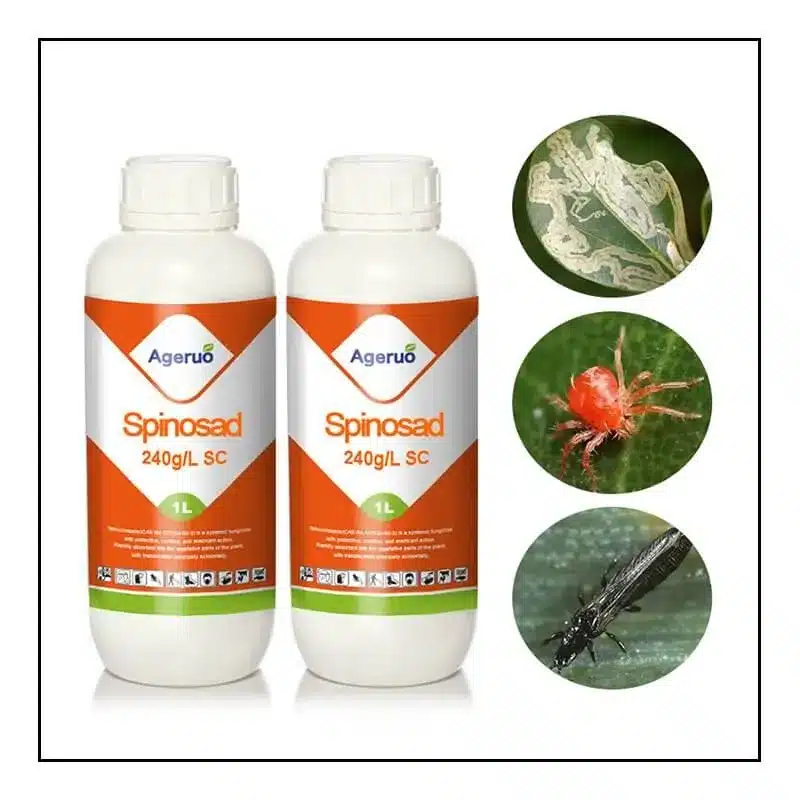
Spinosad, thrips böceklerini nasıl öldürür?
Spinosad, duyarlı trips böceklerinin sinir sistemini bozarak onları öldürür.
IRAC, spinosad'ı şu şekilde sınıflandırır:
Grup 5 — Nikotinik asetilkolin reseptörü allosterik modülatörleri, Bölge 1
Bu etki mekanizması, piretroidlerden, organofosfatlardan, karbamatlardan, neonikotinoidlerden, avermektinlerden ve böcek büyüme düzenleyicilerinden farklıdır.
Nikotinik Asetilkolin Reseptör Modülasyonu
Nikotinik asetilkolin reseptörleri, böcek sinir sisteminde sinyallerin iletilmesine yardımcı olur.
Spinosad, bu reseptörlerle ilişkili bir allosterik bölgeyle etkileşime girer. Bu, normal reseptör aktivitesini değiştirir ve sinir sinyallemesini aşırı uyarır.
Mekanizma şu şekilde özetlenebilir:
Spinosad maruziyeti → Grup 5 reseptör modülasyonu → sinir sistemi aşırı uyarılması → felç → thrips ölümü
Temas ve Yutma Aktivitesi
Thrips böcekleri, ilaçlanmış bitki yüzeyleriyle temas ederek veya beslenirken kalıntıları yutarak maruz kalabilirler.
Bu, spinosad'ın yalnızca doğrudan püskürtme yoluyla etki etmesine gerek olmadığı anlamına gelir. Bununla birlikte, hedef böceğin yine de biyolojik olarak aktif kalıntılarla karşılaşması gerekir.
İlaçlama yapılan yerin belirlenmesi önemlidir çünkü birçok thrips türü korunaklı bitki yapılarında beslenir.
Beslenme Bozukluğu
Maruz kalma sonrasında normal hareket ve beslenme bozulur.
Bir trips popülasyonu görsel incelemeyle hemen ortadan kaybolmayabilir, ancak etkilenen böcekler ölüm tamamlanmadan önce beslenmeyi bırakabilir.
Bu nedenle, saha değerlendirmesi hem canlı böcek sayımlarını hem de yeni ürün hasarının gelişimini dikkate almalıdır.
Spinosad, thrips'in hangi yaşam evrelerini etkiler?
Thrips böcekleri birkaç farklı evreden geçerek gelişir:
- Yumurta
- Birinci evre larva
- İkinci evre larva
- Pupa öncesi
- Pupa
- Yetişkin
İlk iki larva evresi ve yetişkinler beslenir. Prepupa ve pupa evreleri beslenmez. Birçok zararlı thrips türü yumurtalarını bitki dokusunun içine bırakırken, pupa evresi toprakta, yetiştirme ortamında, yaprak döküntülerinde veya korunaklı bitki yapılarında gerçekleşebilir.
Larvaları Beslemek
Beslenen larvalar, yapraktan uygulanan spinosad tedavilerinin önemli doğrudan hedefleridir.
Bitki dokusunu aktif olarak tüketirler ve beslenme alanlarına ulaşan bitki örtüsü kalıntıları da yutma olasılıkları yüksektir.
Larvaların erken evreleri, popülasyon çiçeklerde, tomurcuklarda, meyve yapılarında veya yoğun bir bitki örtüsünde yoğunlaşmadan önce yönetilmesi daha kolay olabilir.
Doğru konumlandırma şöyledir:
Spinosad, thrips larvalarının beslenmesine karşı oldukça etkili olabilir, ancak sonuç yine de maruz kalma ve duyarlılığa bağlıdır.
Yetişkin Thrips
Açıkta kalan yetişkin thripsler de kontrol altına alınabilir.
Ancak yetişkinler hareketlidir ve bitkiler arasında hareket edebilir veya çevredeki bitki örtüsünden ekinlere girebilirler. Genellikle çiçeklerin içinde, büyüme noktalarında veya bitki çatlaklarında saklanırlar.
Bu durum iki pratik zorluğa yol açmaktadır:
- Bazı yetişkinler doğrudan maruz kalmaktan kaçınabilirler.
- Tedaviden sonra yeni yetişkinler ekinlere göç edebilir.
Uygulama sonrasında yetişkinlerin bulunması, maruz kalan popülasyonun hayatta kaldığını otomatik olarak kanıtlamaz.
Thrips Yumurtaları
Tüm thrips yumurtalarının doğrudan kontrol altına alınabileceği varsayılmamalıdır.
Ekonomik açıdan önemli birçok thrips türü, yumurtalarını yapraklara, çiçeklere, tomurcuklara veya diğer bitki dokularına bırakır. Bitki dokusu, yumurta ile yaprak spreyi arasındaki doğrudan teması sınırlayabilir.
Başvuru sırasında halihazırda mevcut olan yumurtalar çatlamaya devam edebilir.
Bu, tedavi sonrasında yeni larvaların ortaya çıkmasının nedenlerinden biridir.
Ön pupalar ve pupalar
Pupa öncesi evre ve pupa evresi beslenmeyen evrelerdir.
Türüne bağlı olarak, toprakta, yetiştirme ortamında, yaprak döküntülerinde, bitki çatlaklarında veya diğer korunaklı yerlerde kalabilirler. Standart bir yaprak uygulaması, bu aşamalara sınırlı doğrudan maruz kalma sağlayabilir.
Daha sonra yetişkin hale gelebilirler ve popülasyonun geri döndüğü izlenimini yaratabilirler.
Sprey Kaplamasının Önemi
Thrips böceklerini kontrol etmek zordur çünkü nadiren açıkta kalan, kolayca ulaşılabilen yaprak yüzeylerinde kalırlar.
Genellikle şu yerlerde beslenirler veya barınırlar:
- Çiçekler
- Çiçek tomurcukları
- Büyüme noktaları
- Yaprak kıvrımları
- Yaprak alt yüzeyleri
- Bitki çatlakları
- Meyve gelişimi
- Yoğun iç gölgelikler
Birçok zararlı thrips türü, tomurcuklarda, sürgün uçlarında, çiçeklerde veya bitki yapılarının altında gizlenerek beslenir. Bazı durumlarda, böcekler bulunmadan önce ürün hasarı görünür hale gelir.
Gizli Beslenme Alanları
Sadece dış yaprakları kaplayan bir ilaçlama, çiçeklerin, tomurcukların veya katlanmış dokuların içindeki thripsleri gözden kaçırabilir.
Uygulama, kalıntıları beslenen larvaların ve yetişkinlerin aktif olduğu yerlere bırakmalıdır.
Bitki Örtüsü Yoğunluğu
Yoğun bitki örtüsü, püskürtme damlacıklarının iç yapraklara, çiçeklere ve büyüme noktalarına ulaşmasını engelleyebilir.
Uygulama ekipmanı, su hacmi, akış hızı, nozul seçimi ve bitki örtüsüne nüfuz etme özelliği, ürün ve etiketteki ürünle uyumlu olmalıdır.
Damla Yerleşimi
Daha fazla sprey, otomatik olarak daha iyi sonuç vermez.
Amaç, kayıtlı oranı aşmadan veya gereksiz yüzey akışı oluşturmadan hedef bitki yapılarının uygun şekilde su altında kalmasını sağlamaktır.
Yardımcı Kararlar
Bazı ürün etiketlerinde, yayılmayı veya kaplamayı iyileştirmek için uygun bir yardımcı maddeye izin verilebilir veya tavsiye edilebilir.
Bu durum her spinosad ürünü veya mahsul için genelleştirilmemelidir. Yardımcı madde seçimi, etiket ve mahsul güvenliği gerekliliklerine uygun olmalıdır.
Başvuru Zamanlamasının Önemi
Spinosad, genellikle tedavi kararları ciddi ve gözle görülür hasar oluşmasını beklemek yerine, izlemeye dayalı olarak verildiğinde en iyi sonucu verir.
Nüfus artışı yaşanmadan önce önlem alın.
Thrips böcekleri uygun koşullar altında hızla çoğalabilirler.
Çiçeklerin, tomurcukların veya yoğun bir ağaç örtüsünün içinde büyük popülasyonlar yerleştikten sonra, homojen maruz kalma zorlaşır.
Erken müdahale, geniş çaplı ürün hasarı oluşmadan önce beslenen larvalara ulaşma fırsatını artırabilir.
Hedef Aktif Beslenme Aşamaları
Bitki dokusunun içinde saklı olan yumurtalara ve beslenmeyen pupa evrelerine yaprak ilaçlamasıyla ulaşmak daha zordur.
Beslenme evrelerine yönelik uygulamaların biyolojik temeli daha güçlüdür.
Yeni Göçü İzle
Yetişkin thripsler, yabani otlardan, komşu tarlalardan, atılan ürün atıklarından veya çevredeki bitki örtüsünden ilaçlanmış bir ürüne geçebilirler.
Tedavi sonrası gözlem, hayatta kalan böcekler ile yeni göç edenler arasında ayrım yapmayı sağlamalıdır.
Spinosad'ın Thrips'i Kontrol Etmede Neden Etkili Olmayabileceği
Saha performansını düşürebilecek çeşitli faktörler vardır.
Trips böcekleri doğru şekilde tanımlanamadı.
Farklı trips türleri ve popülasyonları, farklı hassasiyetlere, davranışlara, beslenme yerlerine ve direnç geçmişlerine sahip olabilir.
Ürün seçimi öncesinde doğru tanımlama önemlidir.
Püskürtme Kapsamı Eksikti
Çiçeklerin, tomurcukların, büyüme noktalarının veya iç yaprakların içinde saklanan thripsler yeterli güneş ışığına maruz kalmayabilir.
Yumurtalar çatlamaya devam etti.
Bitki dokusu içinde korunan yumurtalar, ilk uygulamadan sonra yeni larvalar üretebilir.
Pupa evresinden yetişkinler çıkmaya devam etti.
Koruma altına alınan pupa öncesi evreler ve pupalar, yaprak tedavisi sonrasında gelişimlerini tamamlayabilirler.
Yetişkinler mahsulü yeniden istila etti.
Yeni yetişkinler, çevredeki konukçu bitkilerden ekin alanına geçebilirler.
Ürün etiketle uyuşmuyordu.
Bir ürün veya zararlı için tescil edilmiş bir spinosad ürünü, otomatik olarak başka bir ürün veya zararlı için kullanılamaz.
Etikette ürün, hedef zararlı, uygulama yöntemi, uygulama aralığı ve yerel kullanım koşulları hakkında bilgi yer almalıdır.
Direnç Azalmış Duyarlılık
Spinosadların thripslere karşı performansındaki düşüşün en önemli açıklamalarından biri dirençtir.
Thripslerde Spinosad Direnci
Spinosad, batı çiçek thrips'ine ( Frankliniella occidentalis) karşı yaygın olarak kullanılmaktadır.
Saha ve laboratuvar araştırmaları, spinosad'a karşı duyarlılığı azalmış veya yüksek direnç gösteren popülasyonları belgeledi. Bir saha popülasyonu çalışmasında, direnç oranları önemli ölçüde farklılık gösterdi ve bazı popülasyonlar orta veya yüksek direnç sergiledi.
Direnç, spinosad'ın hiçbir değerinin olmadığı anlamına gelmez. Bu, aktif bileşenin disiplinli bir direnç yönetimi programının parçası olarak kullanılması gerektiği anlamına gelir.
5. Grubu Sürekli Kullanmayın
Aynı etki mekanizmasına tekrar tekrar maruz kalmak, seçilim baskısını artırır.
Zararlının ardışık nesillerine aynı IRAC grubu ile sürekli olarak müdahale edilmemelidir.
Spinosad ve Spinetoram, 5. Grubu paylaşıyor.
Spinosad ve spinetoram, her ikisi de Grup 5 spinosin insektisitleridir.
Dolayısıyla spinosad'dan spinetoram'a geçiş, gerçek bir etki mekanizması rotasyonu değildir.
Ürün adı değişiyor, ancak IRAC grubu aynı kalıyor.
Hareket Şekline Göre Döndür
Bir direniş programı, gerçekten farklı IRAC gruplarından yerel olarak kayıtlı alternatifleri kullanmalıdır.
Rotasyon, yalnızca marka değiştirmeye değil, zararlı nesline, ürün aşamasına, yerel tescile ve direnç geçmişine dayanmalıdır.
Beklenmeyen Arızayı Araştırın
Kötü sonuçlar otomatik olarak direncin kanıtı değildir.
Bu sonuca varmadan önce şunları kontrol edin:
- Thrips türünün tanımlanması
- Uygulama zamanlaması
- Sprey kapsamı
- Su kalitesi
- Ürün depolama
- Karıştırma doğruluğu
- Yeniden istila
- Uygulamadan sonraki hava durumu
- Etiket uyumluluğu
- Yerel direnç verileri
Spinosad, tüm thrips türlerine karşı etkili midir?
Spinosad, ekonomik açıdan önemli birçok trips türüne karşı etkili olabilir, ancak tek bir sonuç her tür ve popülasyon için geçerli olmamalıdır.
İlgili zararlı türler şunları içerebilir:
- Batı çiçek tripleri
- soğan tripleri
- Tütün thripsleri
- Biber thripsleri
- Diğer çiçek veya mahsul yiyen thrips türleri
Duyarlılık şu faktörlere bağlı olarak değişebilir:
- Türler
- üretim bölgesi
- ekin
- Önceki böcek ilacı maruziyeti
- Direnç durumu
- Sera veya açık alan ortamı
Ticari ürün iddiası, onaylanmış etiketle tutarlı olmalıdır.
Bir dağıtıcı, tescil belgesi olmadan genel bir "thrips" iddiasını her tür, ürün veya ülkeye genişletmemelidir.
Spinosad sistemik midir?
Spinosad, geleneksel bir sistemik insektisit olarak konumlandırılmamalıdır.
Bu maddenin trips kontrolündeki değeri esas olarak yaprak temasına, yutulmasına ve uygun kalıntı yerleştirme yöntemine bağlıdır. Bitkinin damar sisteminde yaygın olarak hareket ederek her gizli böceğe otomatik olarak ulaştığı şeklinde tanımlanmamalıdır.
Pratik anlamda bunun sonucu şudur:
Spreyin yayılma alanı hala önemlidir.
Bu ayrım, alıcıların ve kullanıcıların ürünün çiçeklerin, tomurcukların veya işlenmemiş bitki dokusunun içinde gizlenmiş her türlü thrips böceğini kontrol edeceğini beklemesini engeller.
Spinosad, Thrips'i tamamen kontrol altına almak için yeterli mi?
Spinosad, thrips kontrol programının etkili bir parçası olabilir, ancak tek başına eksiksiz bir çözüm olarak sunulmamalıdır.
Daha güçlü bir program şunları bir araya getirir:
- Doğru thrips teşhisi
- Düzenli ürün gözlemi
- Çiçek, tomurcuk veya yaprak incelemesi
- Gerektiğinde yapışkan kartla izleme
- Erken popülasyon tespiti
- Yabancı ot ve alternatif konakçı yönetimi
- Mümkün olan yerlerde yoğun şekilde istila edilmiş bitki materyalinin uzaklaştırılması.
- Uygun biyolojik mücadele önlemleri
- Doğru püskürtme kapsamı
- Farklı IRAC grupları arasında rotasyon
- Tedavi sonrası değerlendirme
Amaç daha fazla böcek ilacı kullanmak değil. Amaç, direnç baskısını azaltırken doğru aracı kullanarak doğru zararlı evresini hedeflemektir.
Alıcılar Spinosad Ürünlerinde Thrips Böceklerine Karşı Nelere Dikkat Etmelidir?
İthalatçılar, dağıtıcılar, kayıt şirketleri ve tarım perakendecileri için aktif bileşen adı sadece başlangıç noktasıdır.
Aktif Bileşen Kimliği
Ürünün spinosad içerdiğinden, spinetoram veya başka bir böcek ilacı içermediğinden emin olun.
Spinosad ve spinetoram birbiriyle ilişkili ancak ayrı aktif bileşenlerdir ve doğru şekilde belgelendirilmeleri gerekir.
Formülasyon Türü
Formülasyon, hedef pazara, ürün yetiştirme sistemine, tescile, püskürtme ekipmanına ve depolama koşullarına uygun olmalıdır.
Potansiyel tarımsal formülasyonlar, ancak mevcut ürün portföyü ve tescil süreciyle desteklendiğinde tartışılmalıdır.
Thrips ve Mahsul Hasarları
Etikette, hedeflenen üründe trips kontrolü veya baskılanmasına ilişkin açık bir destek bulunmalıdır.
Bir üründe görülen trips zararlısının etkisi, otomatik olarak sebzelere, meyvelere, çiçeklere, süs bitkilerine veya genel olarak sera bitkilerine aktarılamaz.
IRAC Grup Tanımlaması
Teknik literatür ve etiketlerde spinosad'ın Grup 5 olarak açıkça belirtilmesi gerekmektedir.
Bu, direnç yönetimi iletişimini destekler ve yanlış rotasyon iddialarının önüne geçer.
Kapsam Gereksinimleri
Ürün bilgilerinde, gizli beslenme noktalarının maruz kalmayı sınırlayabileceği açıklanmalıdır.
Dağıtımcılar, her şeyi kapsayan bir iddiadan ziyade, gerçekçi performans rehberliğine ihtiyaç duyuyorlar.
Direnç Pozisyonlandırması
Profesyonel bir pazar planı şunları açıklamalıdır:
- Grup 5 dönüş sınırları
- Spinosad ve spinetoram'ın ortak grubu
- Yerel olarak kayıtlı alternatiflere duyulan ihtiyaç
- Tedavi sonrası izlemenin değeri
Tozlayıcılar ve Çevresel Önlemler
Kayıtlı spinosad etiketlerinde arılar ve sucul omurgasızlarla ilgili kısıtlamalar veya uyarılar yer alabilir.
Çiçeklenme dönemindeki uygulamalar, tozlayıcı böceklerin maruz kalması, su kirliliği, rüzgarla taşınma ve ürün imhası yerel etiket kurallarına uygun olmalıdır.
Biyolojik köken, bu çevresel sorumlulukları ortadan kaldırmaz.
Teknik döküman
Profesyonel alıcılar şunları doğrulamalıdır:
- Kayıt belgesi
- Onaylı etiket
- COA
- MSDS
- TDS
- Aktif bileşen özellikleri
- Formülasyon spesifikasyonu
- Stabilite verileri
- etkinlik verileri
- Ambalaj özellikleri
- Depolama koşulları
Yaygın Yanlış Anlamalar
Spinosad, thrips'in her evresini eşit derecede öldürür.
Hayır.
Beslenen larvalar ve açıkta kalan yetişkinler, dokuya gömülü yumurtalara veya korunaklı pupa evrelerine göre yaprak uygulamasına daha fazla maruz kalma olasılığına sahiptir.
Tek bir uygulama tüm nüfusu ortadan kaldırıyor.
Şart değil.
Yumurtaların çatlaması, pupa evresinin başlaması ve yetişkinlerin göç etmesi, thripslerin yeniden ortaya çıkmasına neden olabilir.
Spinosad Tamamen Sistemiktir
Bu, genel geçer bir iddia olarak uygun değildir.
Kaplama ve kalıntı yerleştirme önemli olmaya devam ediyor.
Spinosad ve Spinetoram Farklı Rotasyon Gruplarıdır
Hayır.
İkisi de IRAC Grup 5'e aittir.
Doğal Kaynak Direnci Önler
Hayır.
Batı çiçek thripslerinde spinosad direncine dair kanıtlar mevcuttur.
Her Spinosad Ürünü Her Bitkide Kullanılabilir
Hayır.
Ürün etiketinde, yetiştirilen ürün, trips zararlısı riski, uygulama yöntemi, dozu, uygulama aralığı ve kısıtlamalar yer almalıdır.
SSS
Spinosad, thrips böceklerini öldürür mü?
Evet. Ruhsatlı tarımsal spinosad ürünleri, onaylanmış ürünlerde hassas thrips böceklerini kontrol edebilir veya baskılayabilir.
Spinosad, thrips böceklerini nasıl öldürür?
Spinosad, böceklerdeki nikotinik asetilkolin reseptörlerini allosterik olarak modüle eder. Bu durum sinir sisteminde aşırı uyarılmaya, felce ve ölüme yol açar.
Spinosad hangi IRAC grubuna aittir?
Spinosad, IRAC Grup 5'e aittir.
Spinosad yetişkin thrips böceklerini öldürür mü?
Açıkta kalan yetişkin thripsler kontrol altına alınabilir, ancak başarı kapsama alanına, türün duyarlılığına, direncine ve yeniden istilaya bağlıdır.
Spinosad, thrips larvalarını öldürür mü?
Evet. Beslenen larvalar, işlenmiş bitki dokusundaki kalıntılarla temas edebilecekleri veya bunları yutabilecekleri için önemli doğrudan hedeflerdir.
Spinosad, thrips yumurtalarını öldürür mü?
Yumurtaların tamamının doğrudan kontrol altına alınabileceği varsayılmamalıdır. Birçok thrips türü yumurtalarını bitki dokusuna bırakır, bu da doğrudan yaprak temasını sınırlar.
Spinosad, thrips larvalarını öldürür mü?
Korunmuş, beslenmeyen pupa öncesi ve pupa evreleri, standart yaprak uygulamasıyla sınırlı düzeyde maruz kalabilir.
Spinosad ilaçlaması yapıldıktan sonra tripsler neden hala mevcut?
Olası nedenler arasında gizlenmiş yumurtalar, korunan pupalar, eksik örtülme, yetişkinlerin göçü, yanlış tanımlama veya direnç yer almaktadır.
Spinosad sistemik bir ilaç mıdır?
Geleneksel sistemik bir böcek ilacı olarak konumlandırılmamalıdır. Yaprak teması, yutma ve etkili kaplama önemli olmaya devam etmektedir.
Spinosad ve spinetoram döndürülebilir mi?
Bunlar farklı etki mekanizması rotasyonları olarak değerlendirilmemelidir çünkü her ikisi de IRAC Grup 5'e aittir.
Pratik Özet
Spinosad, ruhsatlı bir tarım ilacı formülasyonu ile birlikte kullanıldığında, hassas trips böceklerini öldürebilir.
IRAC Grup 5'e aittir ve nikotinik asetilkolin reseptörünün allosterik modülasyonu yoluyla böcek sinir sinyallemesini bozar. Beslenen larvalar ve maruz kalan yetişkinler en önemli doğrudan hedeflerdir.
Ancak, başarılı thrips kontrolü sadece aktif bileşen seçimine bağlı değildir.
Yumurtalar bitki dokusunun içinde korunabilir. Pupa öncesi evre ve pupalar toprakta veya gizli yerlerde bulunabilir. Yetişkinler çiçeklerin ve büyüme noktalarının içinde barınabilir veya çevredeki bitki örtüsünden ürüne yeniden bulaşabilir.
Nihai kararda şunlar dikkate alınmalıdır:
- Thrips türleri
- Yaşam evresi
- Sprey kapsamı
- Uygulama zamanlaması
- Bitki örtüsü
- Direnç durumu
- Yerel kayıt
- Formülasyon kalitesi
- IRAC rotasyonu
- Tedavi sonrası izleme
Özetle, şu sonuca varabiliriz:
Spinosad, hassas trips türlerini kontrol altına alabilir, ancak güvenilir saha performansı için beslenme evrelerinin erken aşamada hedeflenmesi, kapsamlı uygulama, doğru kayıt ve disiplinli direnç yönetimi gereklidir.
sıcak Ürünler
sıcak haber
Önerilen haberler
SSS