
Glufosinat Amonyum ve Glifosat
In agricultural weed management, two commonly used herbisitler vardır Glufosinat Amonyum hem de glifosat. Ikisi de sistemik herbisitler etkili bir şekilde kontrol etmek a wide range of weeds, but they differ significantly in their aksiyon modu, uygulama yöntemleri, çevresel Etkive güvenlik hususları.
Bu yazıda karşılaştıracağız Glufosinat Amonyum hem de glifosat, onlara odaklanarak kimyasal özellikler, etki, avantajları, ve potansiyel endişelerBu karşılaştırma, her bir herbisitin belirli ihtiyaçlarınız için ne zaman ve neden en iyi seçenek olabileceğini anlamanıza yardımcı olacaktır.
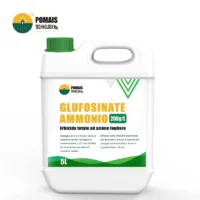
Glufosinat Amonyum nedir?
Glufosinat Amonyum bir seçici olmayan sistemik herbisit used to control weeds and grasses. It is best known for its use in Genetiği değiştirilmiş bitkiler tolerant to glufosinat, örneğin bazı çeşitleri mısır hem de soya fasulyesiGlufosinat Amonyum, glufosinat adı verilen bir enzimi inhibe ederek etki gösterir. glutamin sentetaz, which is essential for plants to detoxify ammonia. Without this enzyme, toxic levels of ammonia build up in the plant, killing it.
- Kimyasal sınıfı: Fosfinotrisin
- Aksiyon modu: Glufosinat Amonyum inhibe eder glutamin sentetazBu durum, birikime yol açmaktadır. zehirli amonyak bitkilerde.
- Hedef OtlarŞuna karşı etkilidir: geniş yapraklı yabani otlar, şişman, ve bazı çok yıllık yabani otlar.
Glifosat nedir?
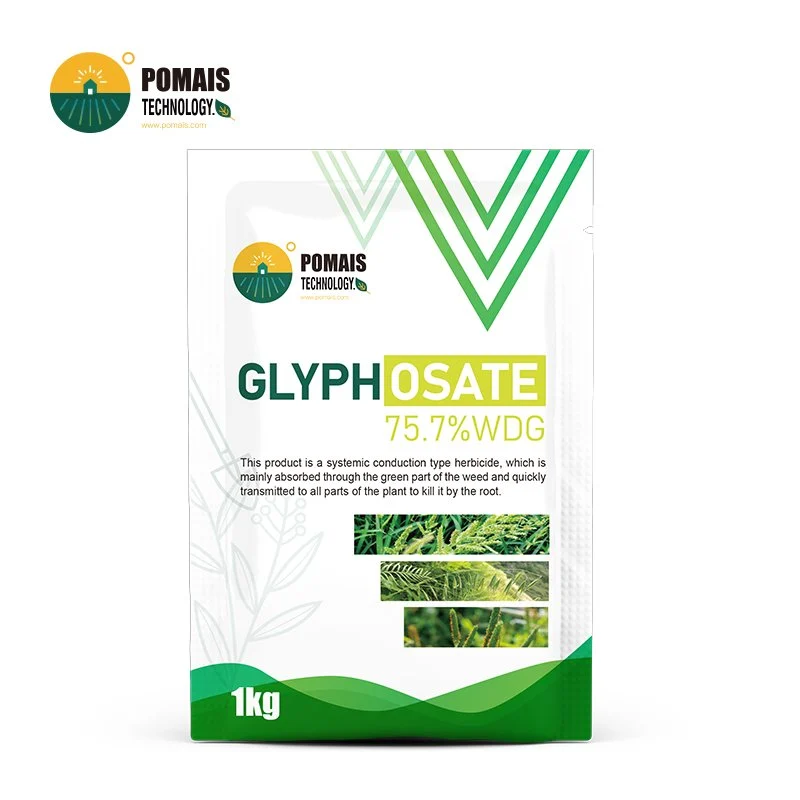
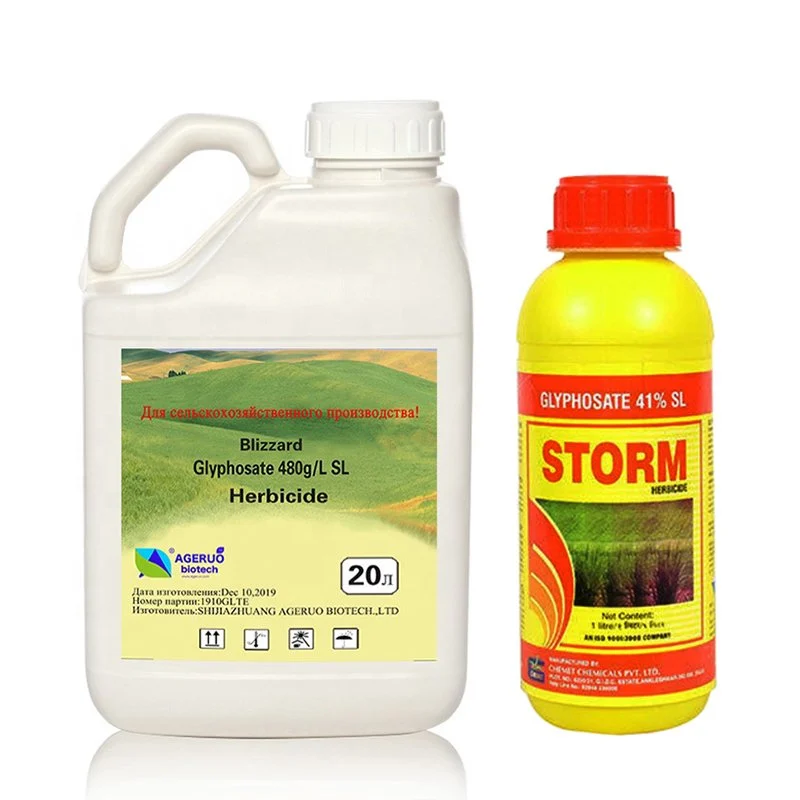
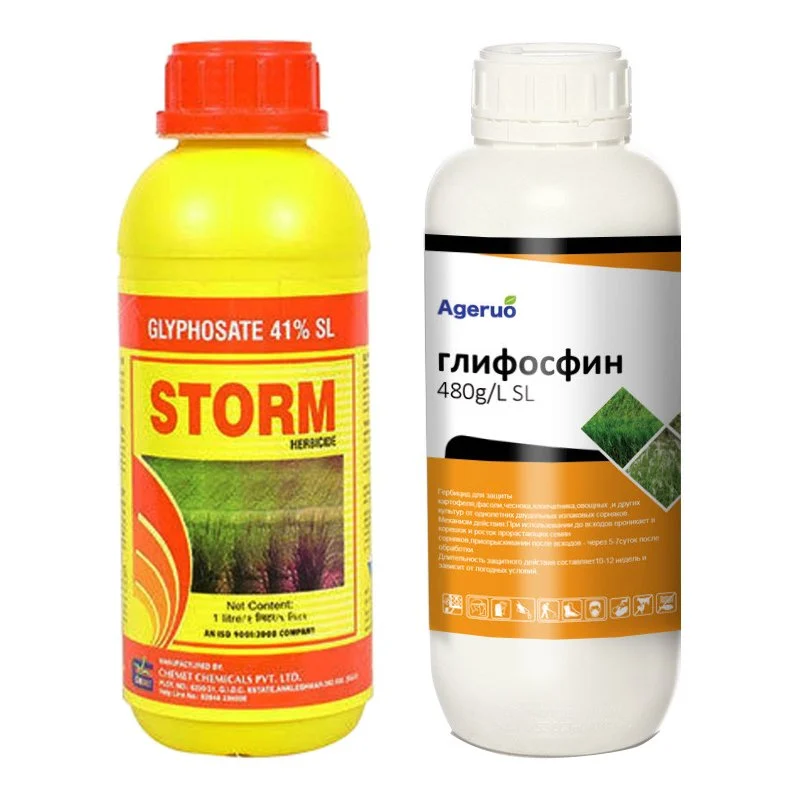
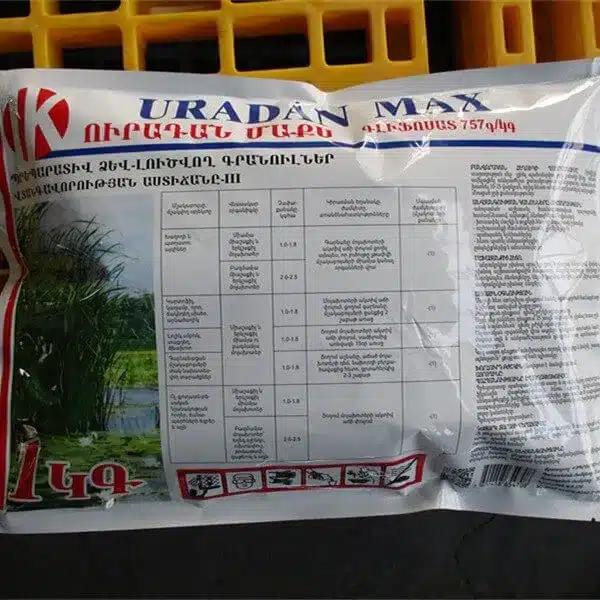
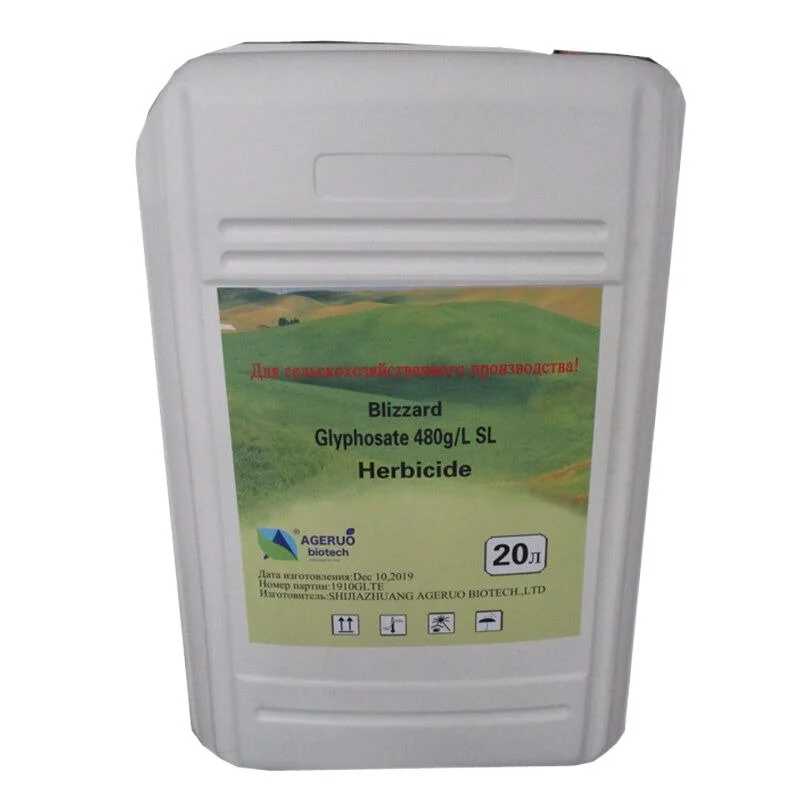
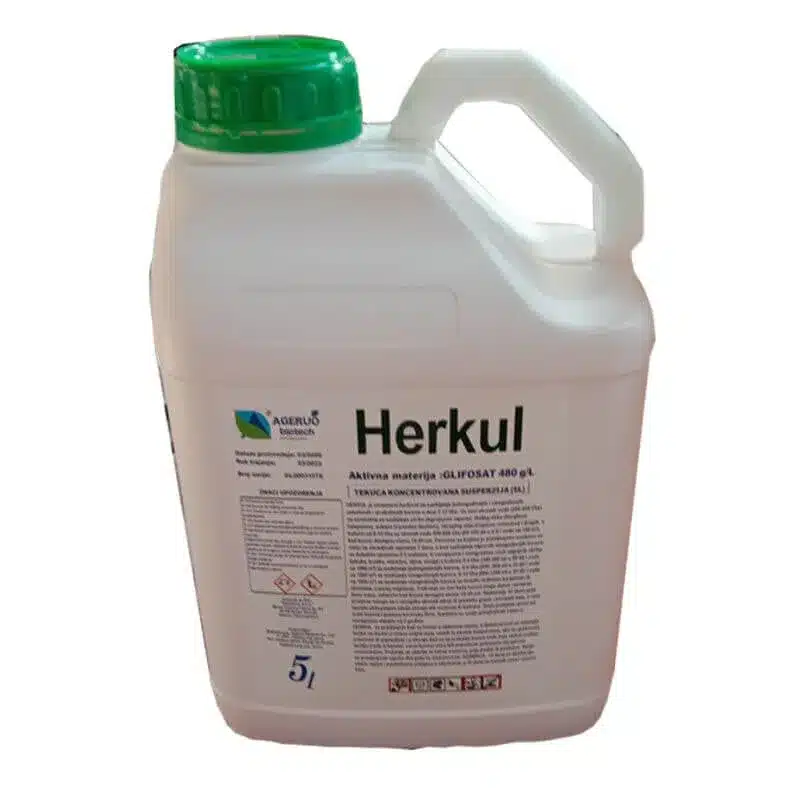
glifosat Belki de dünya çapında en yaygın olarak tanınan ve kullanılan herbisittir. Aynı zamanda bir seçici olmayan, systemic herbicide engelleyerek çalışan EPSP sentaz enzyme in plants, which is crucial for producing essential amino acids. By blocking the production of these amino acids, glifosat Esasen bitki büyümesini durdurarak bitkinin ölmesine neden olur.
- Kimyasal sınıfı: Glisin
- Aksiyon moduGlifosat inhibe eder EPSP sentazBitki büyümesi için gerekli olan amino asitlerin üretimini engeller.
- Hedef OtlarÇeşitli yabani otlara karşı etkilidir, bunlar arasında şunlar yer alır: yıllıkları, uzun ömürlü, ve odunsu bitkiler.

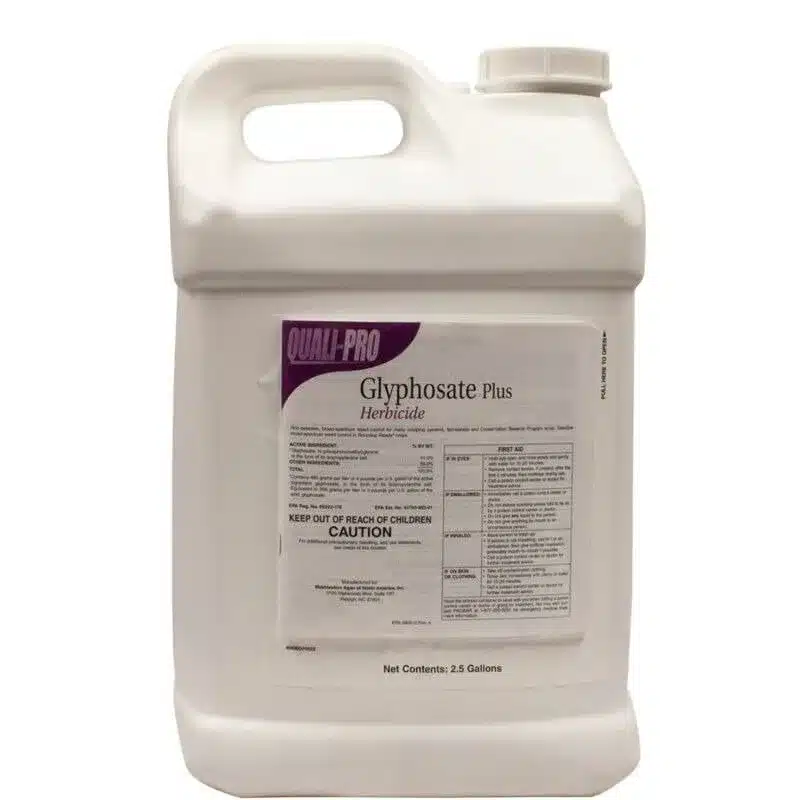
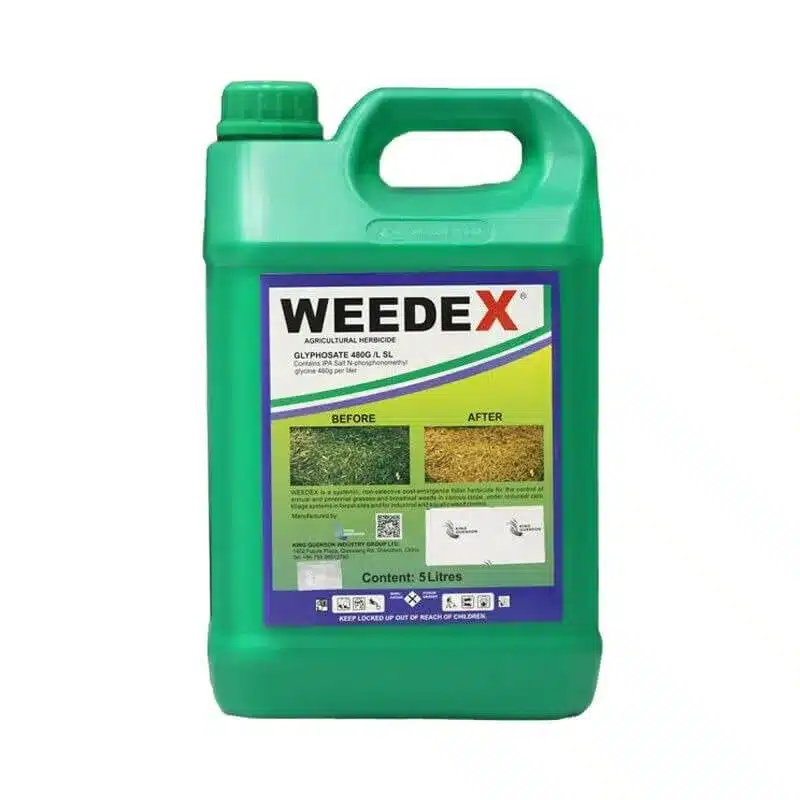
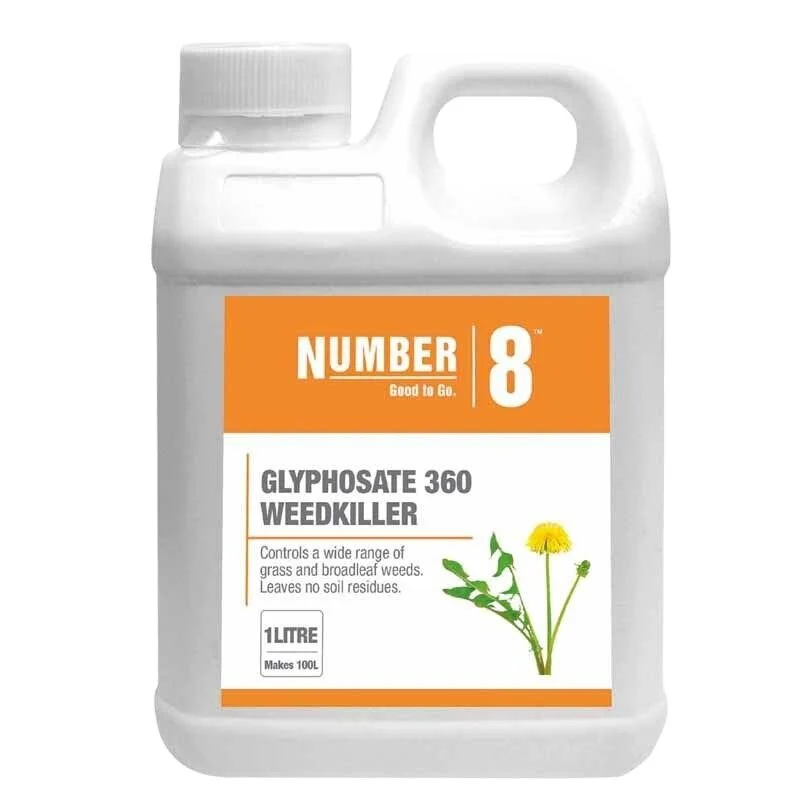
Glufosinat Amonyum ve Glifosat Arasındaki Temel Farklar
| Özellik | Glufosinat Amonyum | glifosat |
|---|---|---|
| Kimyasal sınıfı | Fosfinotrisin | Glisin |
| Aksiyon modu | Engellemek glutamin sentetazBu durum amonyak birikimine yol açar. | Engellemek EPSP sentazamino asit üretimini engellemek |
| Seçicilik | Seçici olmayan (çoğu bitkiyi etkiler) | Seçici olmayan (çoğu bitkiyi etkiler) |
| Eylem Hızı | Hızlı etkili, saatler içinde görülebilen belirtiler | Slower-acting, often takes several days to see visible effects |
| etki | Geniş yapraklı yabancı otlara, çimenlere ve bazı çok yıllık bitkilere karşı etkilidir. | Geniş spektrumlu etkililik, çok çeşitli yabani otlara karşı |
| Tarımda Kullanım | Genetiği değiştirilmiş ürünlerde kullanılır (örneğin, glufosinat toleranslı mısır) | Geleneksel ve genetiği değiştirilmiş ürünlerde kullanılır (örneğin, glifosata dayanıklı soya fasulyesi) |
| Çevresel Etki | Su yaşamı için potansiyel olarak zehirli, toprakta daha az kalıntı bırakıyor. | Toprakta ve suda kalıcılık, çevresel kirlenme endişeleri |
| Güvenlik | Genellikle insanlar ve hayvanlar için daha az toksiktir, ancak uygulama sırasında dikkatli olunmalıdır. | İnsanlar ve hayvanlar için düşük toksisiteye sahip, ancak uzun vadeli çevresel etkileri konusunda endişeler mevcut. |
| Ortak uygulamalar | Ortaya çıkma öncesi hem de ortaya çıkış sonrası özellikle yabancı ot kontrolü Genetiği değiştirilmiş bitkiler | Geniş spektrum özellikle yabancı ot kontrolü tarım hem de peyzaj |
Ayrıntılı Karşılaştırma: Amonyum Glufosinat ve Glifosat
Aksiyon modu
- Glufosinat Amonyum hedefler glutamin sentetaz, bir enzimle ilgili bir amonyak detoksifikasyonu in plants. By inhibiting this enzyme, toxic levels of ammonia accumulate inside the plant, disrupting cellular processes and leading to plant death. Glufosinate is particularly effective in tolerant crops, where it can selectively control weeds without harming the crop.
- glifosatÖte yandan, bu durum şunu engeller: EPSP sentaz enzimi, which is involved in producing amino acids needed for plant growth. This disrupts the plant’s metabolic pathways, halting growth and eventually causing death. Because glifosat is seçici olmayan, it can kill almost any plant it contacts, making it suitable for geniş spektrumlu yabancı ot kontrolü.
Etkililik ve Eylem Hızı
- Glufosinat Amonyum onun için bilinir Hızlı etkili Doğa. Bitki hasarının belirtileri, örneğin: sararma hem de solma, typically appear within hours of application. This makes it ideal for situations requiring hızlı yabancı ot kontrolü.
- glifosat is slower to show visible results. It may take several days for the plant to show signs of damage, and full plant death can take a week or more. However, glifosat için oldukça etkilidir büyük ve yerleşmiş yabancı otların kontrolü, özellikle çok yıllık yabani otlar hem de odunsu bitkiler.
Çevresel Etki
- Glufosinat Amonyum vardır daha az kalıntı aktivite in soil than glifosatBu da daha hızlı parçalandığı ve uzun vadeli kirlenme potansiyelinin daha düşük olduğu anlamına gelir. Bununla birlikte, yine de zehirli olmaya devam eder. suda Yaşam, so take precautions to avoid water contamination.
- glifosatEtkili olmasına rağmen, önemli çevresel endişeleri de beraberinde getirmiştir. toprakta kalıcı ve tespit edildi yeraltı hem de yüzey suları, potansiyel olarak etkileyen ekosistemler hem de suda Yaşam. Ayrıca glifosat ile ilişkilidir herbisite dayanıklı yabani otlarÖzellikle tek tip ürün yetiştirilen tarlalarda kullanıldığında.
Güvenlik Hususları
- Glufosinat Amonyum genellikle dikkate alınır daha az toksik to humans and animals than glifosat. However, exposure can cause cilt tahrişi, göz hasarıya da solunum sorunlarıBu yüzden giyin koruyucu giysi, eldivenler ve maskeler Herbisit uygularken.
- glifosat is considered low-toxicity to humans and animals. Yine de, uzun süreli maruz kalma endişeleri özellikle potansiyeliyle ilgili olarak bazı endişeler dile getirildi. kanserojen Bazı araştırmalar kanserle ilişkilendirdiği için etkileri de bulunmaktadır. Düzenleyici kurumlar, örneğin... EPA hem de DSÖ Güvenliği incelendi ancak çevreciler ve sağlık uzmanları arasında endişeler devam ediyor.
Glufosinat Amonyum mu, Glifosat mı Ne Zaman Seçilmeli?
Glufosinat Amonyum
- En iyi kullanım alanları: Genetiği değiştirilmiş bitkiler Herbisite karşı dayanıklı olan bitkiler, örneğin: glufosinat toleranslı mısır hem de soya fasulyesi.
- İçin ideal hızlı weed knockdown, özellikle çıkış öncesi hem de ortaya çıkış sonrası kontrol.
- Uygun tarım dışı alanlar hem de yabani ot yönetimi when quick results are needed.
glifosat
- En çok tercih edilen herbisit geniş spektrumlu yabancı ot kontrolü, özellikle çok yıllık yabani otlar or odunsu bitkiler.
- İçin ideal büyük ölçekli yabancı ot yönetimi in tarım, ormancılık, ve peyzaj.
- En uygun kullanım alanları: tarımsız tarım veya alanlar glifosata dirençli bitkiler.
Sonuç
Her ikisi de Glufosinat Amonyum hem de glifosat son derece etkilidir sistemik herbisitler dünyada farklı amaçlara hizmet eden yabancı ot kontrolü. Glufosinat Amonyum Daha hızlı çalışır ve kullanım için idealdir. Genetiği değiştirilmiş bitkiler, buna karşılık glifosat Geniş spektrumlu kontrol sağlar ve yönetimde daha etkilidir. çok yıllık yabani otlar hem de odunsu bitkiler.
Ne zaman choosing between the two, consider the belirli yabancı ot sorunu Karşı karşıya olduğunuz şey, bitkiler involved, and each herbicide’s çevresel Etki. Always follow product labels and application guidelines to ensure güvenli ve etkili kullanım.
Sıkça Sorulan Sorular (SSS)
- Glufosinat amonyum ile glifosat arasındaki temel fark nedir?
- Glufosinat Amonyum inhibe glutamin sentetaz, süre glifosat inhibe EPSP sentaz, so their modes of action differ. Additionally, Glufosinat daha hızlı etki gösterir glifosat.
- Glufosinat amonyum ve glifosat birlikte kullanılabilir mi?
- In some cases, you can use both herbicides together in tank karışımları for broader-spectrum weed control, but follow specific product recommendations.
- Glufosinat amonyum, glifosattan daha mı güvenlidir?
- Glufosinat Amonyum genellikle dikkate alınır daha güvenli göre glifosatAncak her iki herbisitin de kendine özgü avantajları var. güvenlik concerns. Always use proper protective equipment when applying them.
- Çok yıllık yabancı otlarla mücadelede hangi herbisit daha iyidir?
- glifosat genellikle daha etkilidir çok yıllık yabani otlar hem de odunsu bitkiler nazaran Glufosinat AmonyumBu da daha etkili olan bir durumdur. yıllık yabani otlar.
- Hangi herbisit daha uzun süreli kalıcı etkiye sahiptir?
- glifosat Toprakta daha uzun süreli kalıcı etkiye sahip olma eğilimindeyken Glufosinat Amonyum breaks down more quickly and is less persistent.
sıcak Ürünler
sıcak haber
Önerilen haberler
SSS