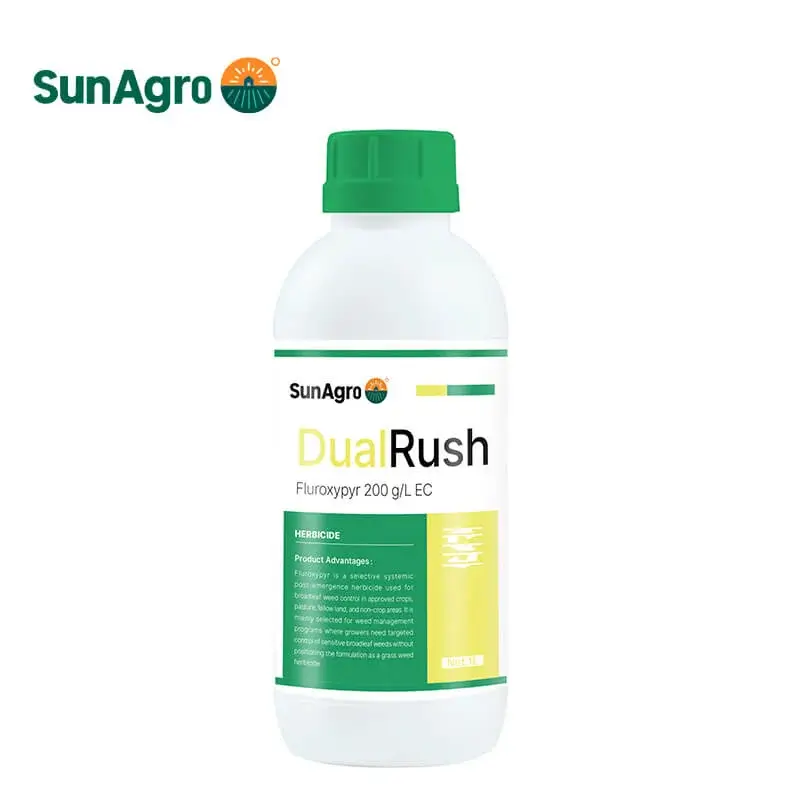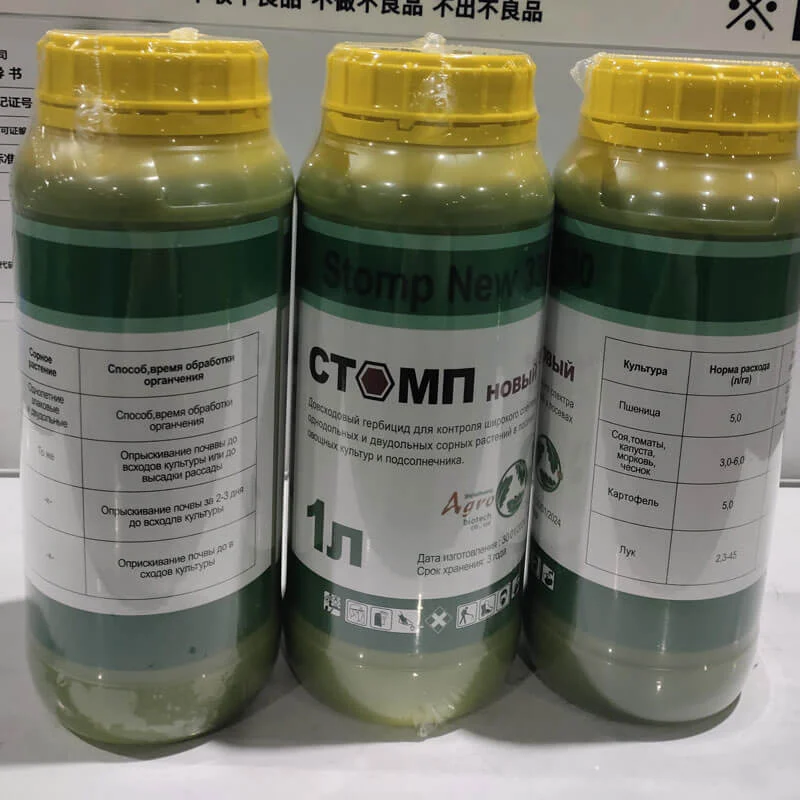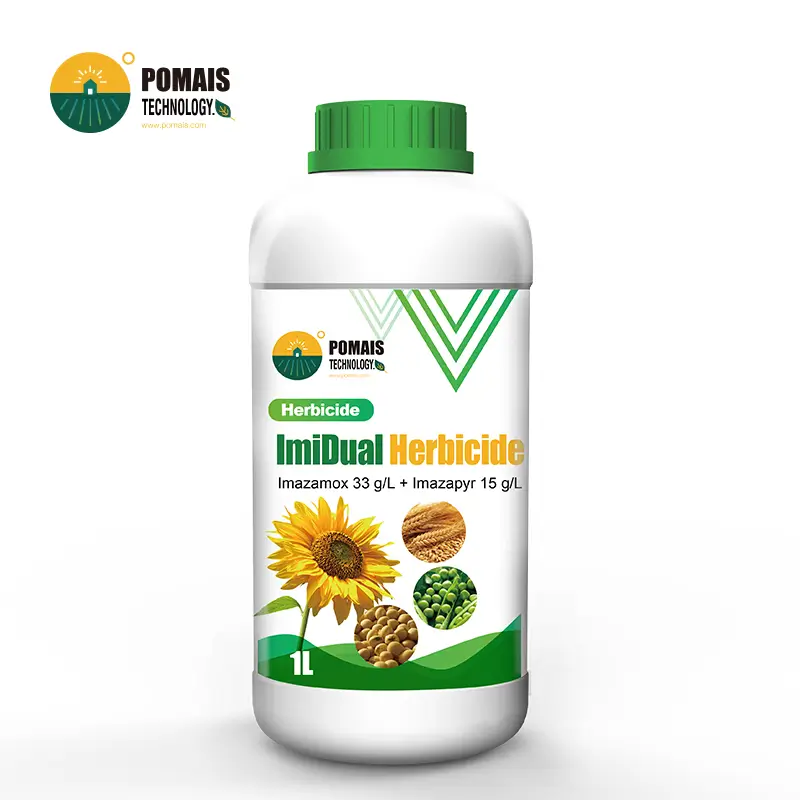
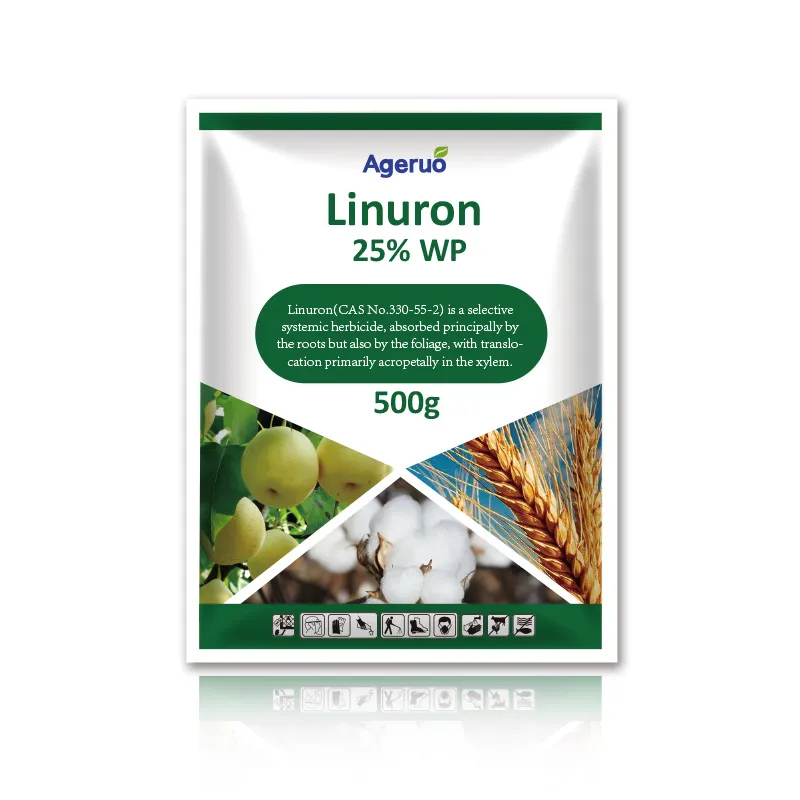
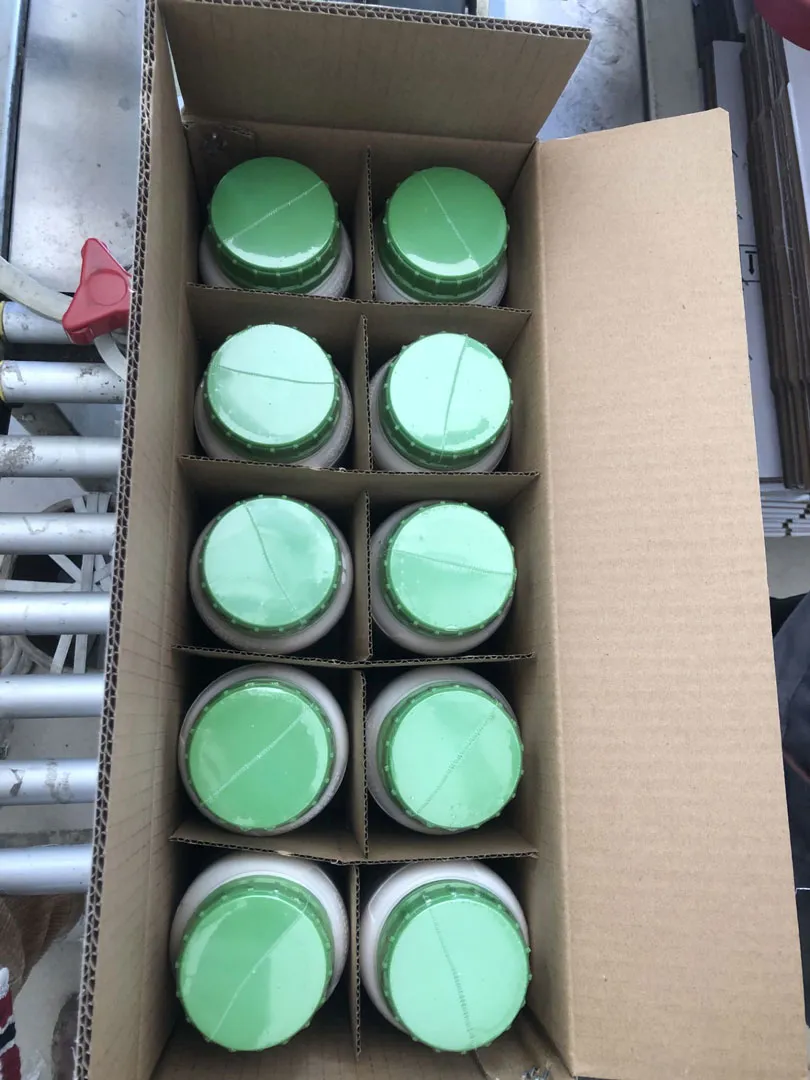
Linuron 450 g/l SC und 500 g/l SC Herbizid
Schnell wirkende, selektive Bekämpfung von breitblättrigem Unkraut und Gräsern
Auf der Suche nach einem Mächtigen Linuron-Herbizid beides zu bewältigen einjährige breitblättrige Unkräuter und Grasarten über Karotten, Kartoffeln, Sojabohnen und Nicht-Ackerflächen? Unsere Linuron 450 g/l SC und Linuron 500 g/l SC Formulierungen bieten selektive Bekämpfung vor und nach dem Auflaufen, bietet lang anhaltende Wirksamkeit in verschiedenen Feldumgebungen. Hergestellt mit hochreinem Linuron-WirkstoffUnsere SC-Suspensionen gewährleisten eine stabile Dispersion, schnelle Wirkung und hervorragende Tank-Mix-Kompatibilität. Geeignet für Großbestellungen, OEM-Etikettierung und regionale regulatorische Unterstützung.
Vorteile :
- Selektive Wirkung auf breitblättrige und grasartige Unkräuter
- Anwendbar vor und früh nach dem Auflaufen
- Erhältlich in 450 g/l und 500 g/l SC-Formulierungen
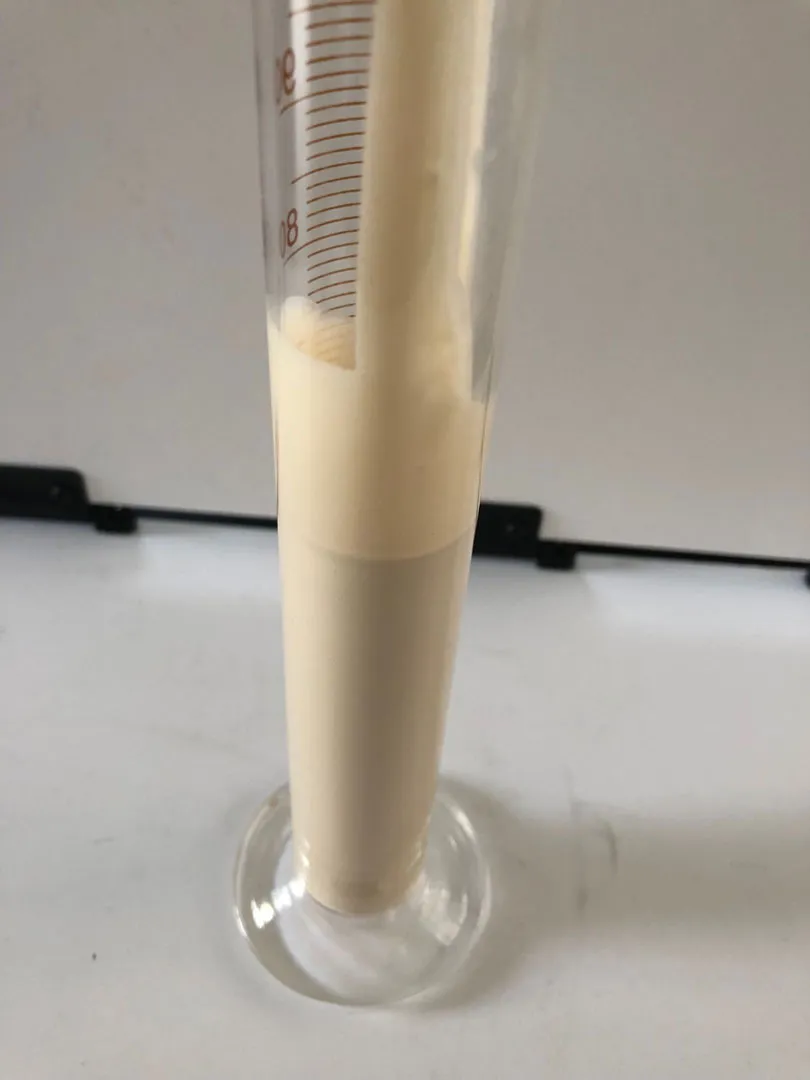
- Stabile SC-Aufhängung sorgt für gleichmäßiges Sprühen und längere Haltbarkeit
- Großverpackungen und OEM-Branding-Dienste verfügbar
- Entwickelt für professionelle Käufer und Großbestellungen
- Wir unterstützen kundenspezifische Verpackungen, Etikettierungen und Formulierungen, um Ihren Marktanforderungen gerecht zu werden.
- Anfragen nur für den Exportgroßhandel.
- Bitte geben Sie das Zielland, die Art des Unternehmens (Importeur/Distributor/Registrant) und das erwartete Volumen an.
- Anfragen von Einzelhändlern werden nicht bearbeitet.

Über Linuron 450 g/l SC & 500 g/l SC Herbizid
| Produktname | Linuron 450 g/l SC und Linuron 500 g/l SC |
| Wirkstoff | Linuron |
| CAS-Nummer | 330-55-2 |
| Chemische Formel | C9H10Cl2N2O2 |
| Formulierungstyp | Suspensionskonzentrat (SC) |
| Konzentration | 450 g/l oder 500 g/l Linuron |
| Wirkungsweise | Photosystem-II-Inhibitor (HRAC-Gruppe C2), systemisches Herbizid, das über die Absorption durch Wurzeln und Blätter wirkt |
| Unkraut bekämpfen | Einjährige breitblättrige Unkräuter (Amaranthus, Chenopodium, Brassica) und ausgewählte Gräser (Setaria, Echinochloa) |
| Geeignete Pflanzen | Karotten, Sellerie, Kartoffeln, Sojabohnen, Spargel, Petersilie, Koriander |
| Empfohlene Anwendung | 0.9–2.5 L/ha je nach Kultur und Unkrautdruck; Vorauflauf oder frühes Nachauflaufverfahren |
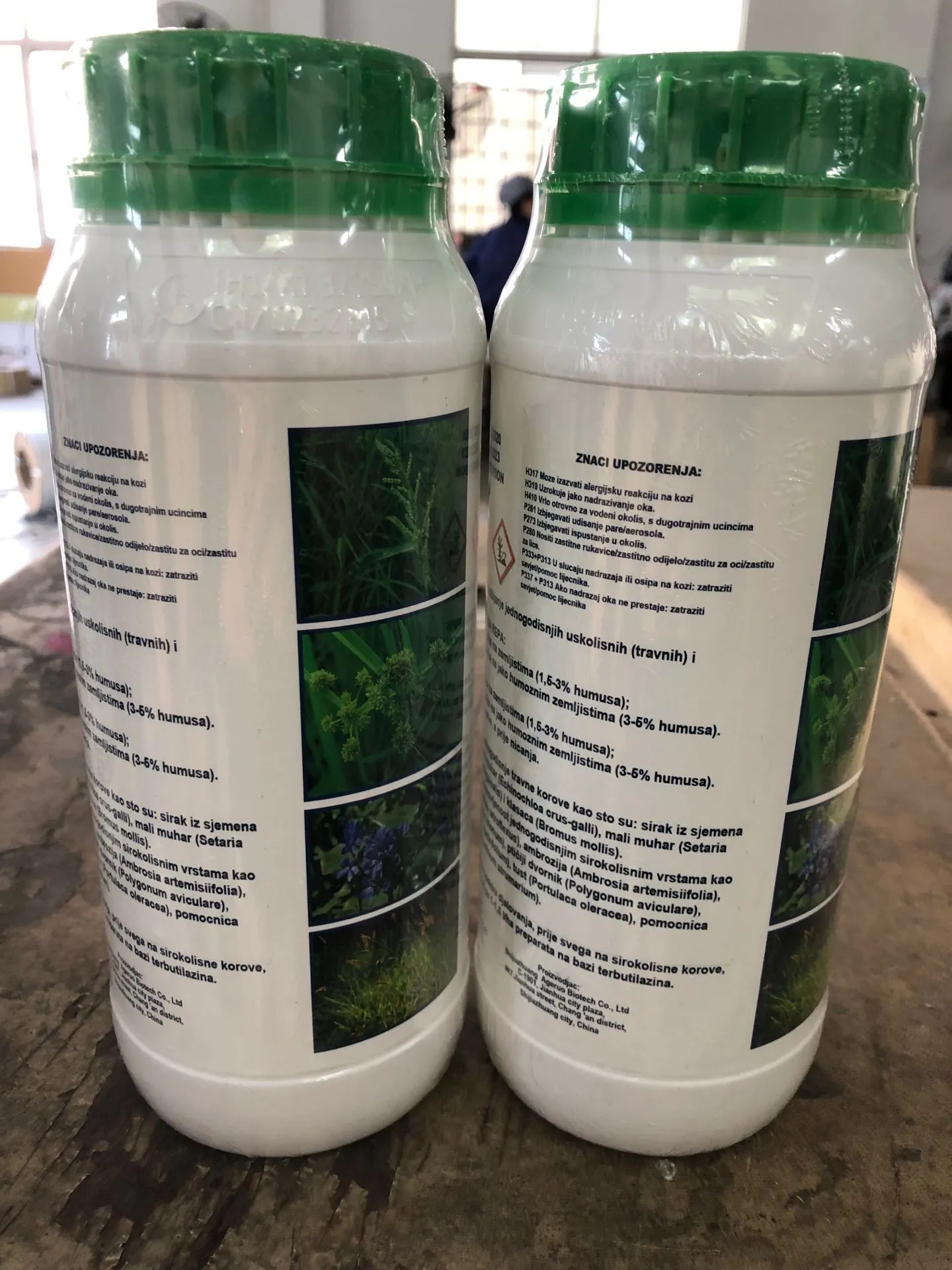
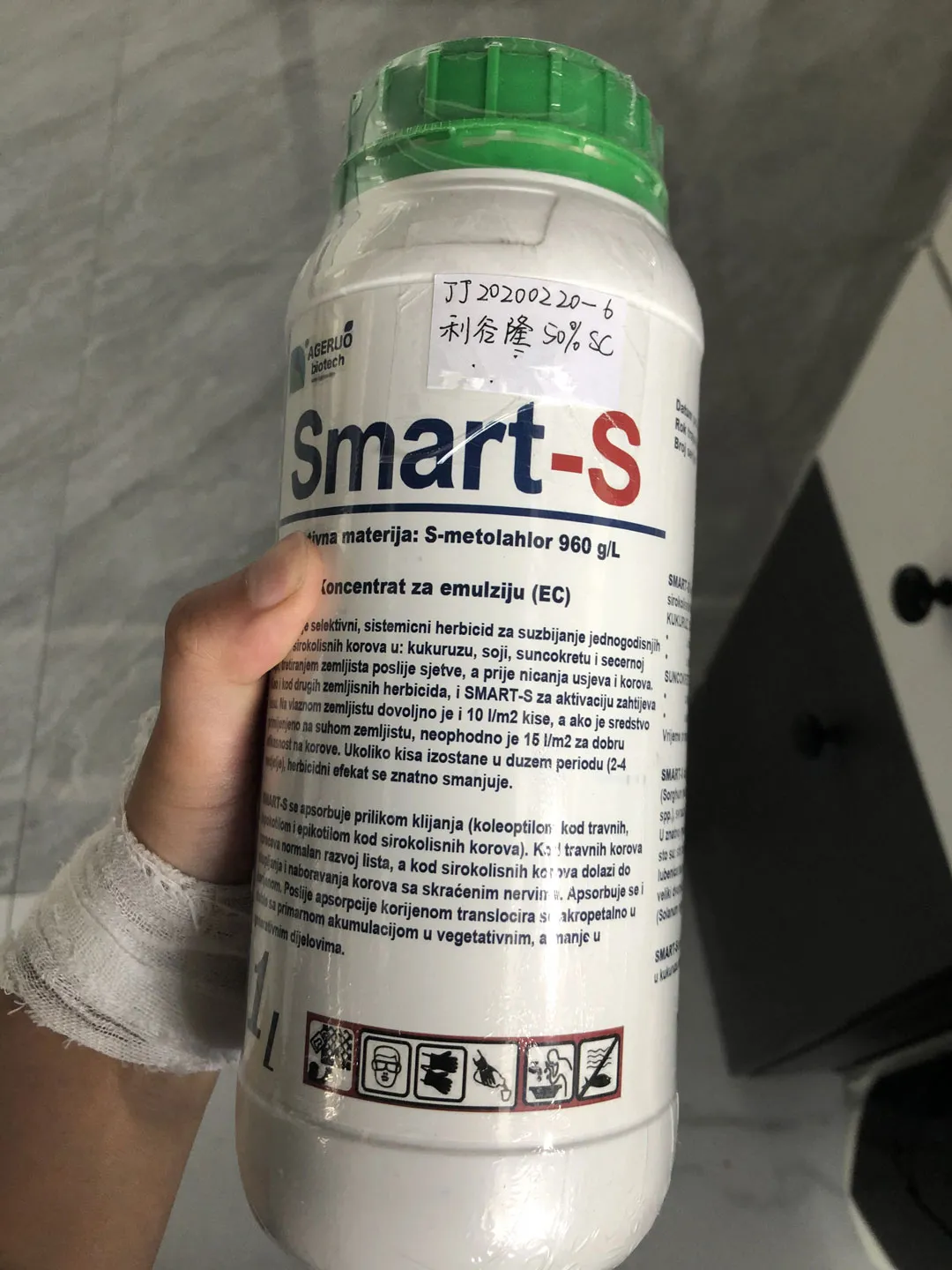
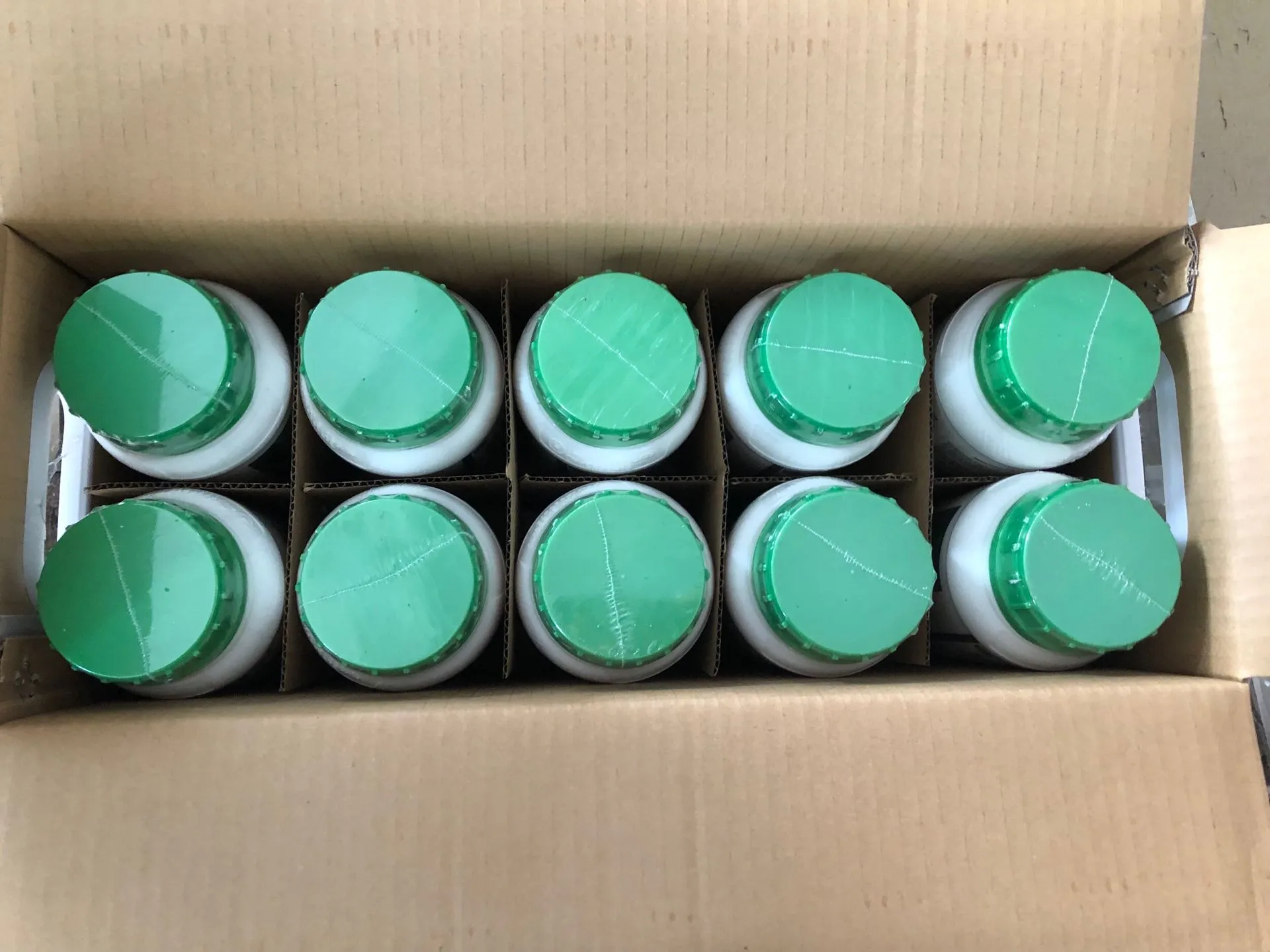
| Verpackungsoptionen | 1 l, 5 l, 20 l HDPE-Flaschen; 200 l-Fässer; IBC-Großpackungen verfügbar; OEM-Etikettenunterstützung |
| OEM/ODM-Funktionen | Private Branding, QR-/Fälschungsschutz, regionales Etikettendesign, Mehrsprachenkompatibilität |
| Regulatorische Unterstützung | Vollständige Registrierungsdossiers, GLP-Berichte, COA, MSDS, ICAMA, Einhaltung der Codex-MRLs |
| Produktionsstärke | ISO- und GMP-zertifizierte SC-Linien, automatisierte Qualitätssicherung, 24 Monate Haltbarkeit, Chargenrückverfolgbarkeit |
| Flexible Mindestbestellmengen | Mindestbestellmenge ab 500 l; skalierbare Produktion für nationale Ausschreibungen und regionale Marken |
| Logistik und Lieferung | 7–15 Tage Vorlaufzeit; LCL- und FCL-Versand; exportkonforme Dokumentation für über 60 Länder |
Suchen Sie nach leistungsstarken Linuron SC Herbizidformulierungen? POMAIS bietet Ihnen zuverlässige OEM-Lieferung und maßgeschneiderte Exportlösungen.
Linuron 450 g/l SC und 500 g/l SC Herbizid
Linuron 450g/L SC und 500g/L SC sind hochbelastbare Suspensionskonzentrat (SC) Herbizide entwickelt für selektive Unkrautbekämpfung in der Vor- und frühen NachauflaufphaseLinuron gehört zu den Photosynthesehemmende Herbizide vom Harnstofftyp, gezielt ausgerichtet Photosystem II in Chloroplasten, was zum Wachstumsstopp und schließlich zum Absterben des Unkrauts führt.
Diese Formulierungen sind für große landwirtschaftliche Betriebe optimiert, bei denen eine effektive Unkrautbekämpfung entscheidend für Ertrag und Qualität der Ernte ist. Dank ihrer systemischen Wirkung wird Linuron über Wurzeln und Blätter aufgenommen und bietet sowohl Bodenresidualaktivität als auch Blattaktivität. Häufig verwendet für Nutzpflanzen wie Karotten, Sellerie, Kartoffeln, SojabohnenUnd in Industrielle oder nicht landwirtschaftliche Standorte, Linuron SC-Herbizide sind für ihre lange Persistenz und geringe Phytotoxizität bei richtiger Anwendung bekannt.
Unsere Produkte werden unter strengen ISO- und GMP-Standards, und wir bieten vollständige Exportdokumentation, regulatorische Dossiers und individuelles Etiketten-/Verpackungsdesign für Private-Label-Partnerschaften. Egal, ob Sie staatliche Ausschreibungen, lokale Distributoren oder große Agrarkunden ansprechen möchten, POMAIS bietet zuverlässige Linuron-Herbizidversorgung mit globaler Logistik.
Wirkungsweise
Linuron ist ein systemisches selektives Herbizid die in erster Linie als Photosynthesehemmer, die sich speziell an die Photosystem-II-Komplex in Chloroplastenmembranen. Bei der Aufnahme durch die Wurzeln und teilweise durch die Blätter blockiert Linuron den Elektronentransport in der Photosynthesekette und verhindert so die Synthese essentieller Kohlenhydrate, die für das Überleben der Pflanze notwendig sind.
Als substituiertes HarnstoffherbizidLinuron stört den Stoffwechsel der Pflanzen kurz nach der Aufnahme, insbesondere bei schnell wachsenden breitblättrigen Unkräutern und einjährigen Gräsern. Anfällige Pflanzen zeigen Chlorose, Nekroseund Wachstumsstopp innerhalb weniger Tage nach der Anwendung. Seine verbleibende Bodenaktivität sorgt dafür anhaltende Unterdrückung keimender Unkräuter, wodurch es geeignet ist für Anwendung vor und nach dem Pflanzenauflauf abhängig von der Kulturpflanze und dem Unkrautspektrum.
Diese Wirkungsweise klassifiziert Linuron unter HRAC-Gruppe C2, was es zu einer ausgezeichneten Option für Widerstandsrotation Strategien. Es ist besonders wirksam in integrierten Unkrautbekämpfungsprogrammen (IWM), wenn es mit Nicht-PSII-Inhibitoren abgewechselt wird, um den Herbizidresistenzdruck zu verringern.
Zielunkräuter und Anwendungsbereiche
Linuron 450 g/l SC und 500 g/l SC werden häufig zur Kontrolle einer breiten Palette von einjährige breitblättrige Unkräuter und einige einjährige Gräser, bietet zuverlässige Leistung für verschiedene Kulturen und Bodenarten. Seine selektive Wirkung und Langzeitwirkung machen es besonders geeignet für Reihenkulturen und Unkrautbekämpfungsprogramme vor der Aussaat.
Wichtige Zielunkräuter:
- Breitblättriges Unkraut: Fuchsschwanz (Amaranthus spp.), Weißer Gänsefuß (Chenopodium Album), Beifußblättriges Traubenkraut (Ambrosia artemisiifolia), Nachtschatten (Solanum spp.), Senf (Brassica spp.)
- Gräser (selektive Unterdrückung): Hühnerhirse (Echinochloa crus-galli), Fuchsschwänze (Setaria spp.), Hühnerhirse (Eleusine indica)
Geeignete Pflanzen:
- Möhren
- Sellerie
- Kartoffeln
- Sojabohnen
- Spargel
- Koriander
- Petersilie
- Pastinaken
Linuron wird vorwiegend eingesetzt Vorauflauf or frühe Nachauflaufphase, was eine frühzeitige Unkrautbekämpfung ermöglicht und so die Konkurrenz in kritischen Phasen der Pflanzenetablierung reduziert. Seine Selektivität und der flexible Anwendungszeitpunkt machen es zu einer beliebten Wahl für Gemüseproduktionssysteme, wo bei der Unkrautbekämpfung die Wirksamkeit mit der Sicherheit der Pflanzen in Einklang gebracht werden muss.
Das Produkt ist auch wirksam bei Nicht-Anbauflächen wie Industriegelände, Eisenbahnlinien und Brachland, wo eine dauerhafte Unkrautbekämpfung unerlässlich ist.
Anwendungsmethoden und empfohlene Dosierung
Linuron 450g/L SC und 500g/L SC sind konzipiert für Blattapplikation über Bodensprühgeräte, normalerweise verwendet in Vorauflauf oder frühes Nachauflaufverfahren Unkrautbekämpfungsprogramme. Das Produkt sollte gleichmäßig ausgebracht werden, um eine gleichmäßige Bodenbedeckung und Restaktivität zu gewährleisten.
Empfohlene Dosierungsrichtlinien:
| Ernte | Unkraut bekämpfen | Linuron 450 g/l SC-Dosierung | Linuron 500 g/l SC-Dosierung | Bewerbungszeitpunkt |
|---|---|---|---|---|
| Möhren | Breitblättrige Unkräuter | 1.0 - 1.5 l / ha | 0.9 - 1.3 l / ha | Vorauflauf |
| Kartoffeln | Einjährige Laubbäume und Gräser | 1.2 - 2.0 l / ha | 1.0 - 1.8 l / ha | Vor- oder Frühpost |
| Sellerie | Breitblättrige Unkräuter | 1.0 - 1.5 l / ha | 0.9 - 1.3 l / ha | Vorauflauf |
| Sojabohnen | Breitblättrige Unkräuter | 1.5 - 2.5 l / ha | 1.4 - 2.2 l / ha | Vorauflauf |
| Industriegebiete | Gemischte einjährige Unkräuter | 2.0 - 3.0 l / ha | 1.8 - 2.7 l / ha | Vorauflauf |
Wasser volumen: Für eine gleichmäßige Abdeckung 200–400 l/ha verwenden.
Düsentyp: Für eine gleichmäßige Bodenoberflächenbehandlung werden Flachstrahldüsen bevorzugt.
Umweltbedingungen: Wenden Sie das Mittel an, wenn innerhalb von 6 Stunden kein Niederschlag erwartet wird, und vermeiden Sie die Anwendung auf wassergesättigten Böden.
Hinweis: Beachten Sie immer die örtlichen Vorschriften und erntespezifischen Richtlinien, um eine ordnungsgemäße Registrierung und legale Verwendung sicherzustellen.
Formulierungsoptionen und Verpackungsstabilität
Bei POMAIS bieten wir Linuron-Herbizid in zwei primären Hochlastformulierungen für den professionellen Einsatz in der Landwirtschaft:
- Linuron 450 g/L SC (Suspensionskonzentrat)
- Linuron 500 g/L SC
Beide Formulierungen sind für eine gleichmäßige Suspension, minimale Sedimentation und zuverlässige Wirksamkeit unter Feldbedingungen entwickelt. Die SC-Formulierung ermöglicht einfache Verdünnung, gleichmäßiges Sprühen und reduzierte Düsenverstopfung, wodurch es sich ideal für groß angelegte mechanisierte Anwendungen eignet.
Packspezifikationen
Wir bieten anpassbare Verpackungsoptionen um regionalen gesetzlichen Anforderungen und Händlerpräferenzen gerecht zu werden. Zu den Standardgrößen gehören:
- 1-Liter-, 5-Liter- und 20-Liter-HDPE-Flaschen
- Großverpackungen auf Anfrage erhältlich (z. B. 200-Liter-Fässer, IBC-Behälter)
Alle Behälter sind UV-beständig, auslaufsicher und chemisch stabil, wodurch die Produktintegrität während der Langzeitlagerung und des internationalen Transports gewährleistet wird. Die Verpackung kann vollständig OEM-kundenspezifisch mit Private Labeling, Sprachlokalisierung und gesetzeskonformen Kennzeichnungen.
Kompatibilität und Sicherheitsrichtlinien für Tankmischungen
Linuron 450 g/L SC und 500 g/L SC sind für die flexible Anwendung in integrierten Unkrautbekämpfungsprogrammen konzipiert. Sie sind mit einer Vielzahl von Herbiziden und Adjuvantien vor und nach dem Auflaufen kompatibel, insbesondere bei gemischten breitblättrigen und grasartigen Unkrautpopulationen in Kulturen wie Karotten, Sellerie, Sojabohnen und Kartoffeln.
Tankmischungskompatibilität
- Verträglich mit selektiven Herbiziden wie Metribuzin, Pendimethalin und Glyphosat bei Vorauflaufanwendungen.
- Wirkt synergetisch mit Flurochloridon, Acetochlorden Alachlor um das Spektrum der Unkrautbekämpfung zu erweitern und die Resistenzbildung zu verzögern.
- Führen Sie immer eine Glastest vor dem Mischen mit anderen Produkten, um die physikalische und chemische Verträglichkeit sicherzustellen.
Richtlinien zur Anwendungssicherheit
Um die Sicherheit und Leistung zu maximieren Linuron-Herbizid:
- Arbeiten jederzeit weiterbearbeiten können. Jede Präsentation und jeder KI-Avatar, den Sie von Grund auf neu erstellen oder hochladen, sauberes Wasser und halten Sie den pH-Wert zwischen 5-7 im Sprühtank.
- Vermeiden Sie das Mischen des Tanks mit stark alkalischen oder sauren Produkten, da dies das Suspensionskonzentrat destabilisieren kann.
- Bei gemäßigten Wetterbedingungen (15–25 °C) anwenden und starken Wind, vorhergesagten Regen oder von Dürre geplagte Pflanzen vermeiden.
- Arbeiten jederzeit weiterbearbeiten können. Jede Präsentation und jeder KI-Avatar, den Sie von Grund auf neu erstellen oder hochladen, PSA (Persönliche Schutzausrüstung) wie Handschuhe, Schutzbrille und Atemschutzmaske beim Mischen und Sprühen.
- Verhindern Sie, dass Sprühnebel auf nahe gelegene, nicht zum Zielgebiet gehörende Nutzpflanzen, Gewässer und Wohngebiete abdriftet.
Durch die Einhaltung dieser Richtlinien gewährleisten Sie eine sichere, effektive und konforme Nutzung von Linuron SC Herbizide über verschiedene landwirtschaftliche Systeme hinweg.
Regulatorisches Profil und Umweltauswirkungen
Linuron 450 g/L SC und 500 g/L SC entsprechen internationalen agrochemischen Standards und gesetzlichen Rahmenbedingungen und gewährleisten so ihre Eignung für den weltweiten Vertrieb und verantwortungsvollen Einsatz. Unsere Formulierungen sind in Regionen wie den USA und Kanada registriert oder entsprechen den Vorschriften der zuständigen Behörden. Europäische Union, Lateinamerika, Afrika und Asien, die die erforderlichen Qualitäts-, Rückstands- und Kennzeichnungsanforderungen erfüllen.
Einhaltung von Vorschriften
- Erfüllt FAO/WHO-Pestizidspezifikationen für Qualität und Formulierungsintegrität.
- Mit vollständiger Dokumentation erhältlich: MSDS, COA, TDS, ISO-Zertifizierungen und GLP-Rückstandsdaten für Registrierungsunterstützung.
- Trifft MRL (Höchstmengenrückstände) Vorschriften gemäß Codex Alimentarius und den örtlichen Lebensmittelsicherheitsbehörden, um die Einhaltung der Vorschriften für den Ernteexport sicherzustellen.
- Optionen zur Chargenrückverfolgung und Produktserialisierung für staatliche Prüfungen und Maßnahmen zur Fälschungsbekämpfung verfügbar.
Umweltverhalten
- Linuron ist ein Vorauflauf- und Frühnachauflaufherbizid mit Restaktivität im Boden, die eine ordnungsgemäße Handhabung erfordert, um ein Auswaschen zu vermeiden.
- Exponate mäßige Umweltpersistenz, wobei der Abbau hauptsächlich durch mikrobielle Aktivität erfolgt.
- So verringern Sie die Bewegung außerhalb des Standorts:
- Vermeiden Sie eine übermäßige Anwendung und halten Sie sich strikt an die Empfehlungen auf dem Etikett.
- Nutzen Sie Pufferzonen in der Nähe von Gewässern und praktizieren Sie Fruchtwechsel, um Ablagerungen im Boden zu verhindern.
- Bei normaler Verwendung nicht als hochgiftig für Vögel oder Bienen eingestuft, bei der Anwendung in der Nähe von Bestäuberhabitaten ist jedoch Vorsicht geboten.
Durch die Anpassung an aktuelle Umwelt- und Regulierungsstandards Linuron SC Herbizide bieten eine nachhaltige und weltweit bewährte Lösung zur Unkrautbekämpfung.
OEM-Services und globaler Marktsupport
Bei POMAIS bieten wir umfassende OEM-Fertigung und internationale Marktunterstützung für Linuron 450 g/l SC und 500 g/l SC, maßgeschneidert für Ihre Marken-, Compliance- und Vertriebsanforderungen in entwickelten und aufstrebenden Agrochemiemärkten.
OEM- und Private-Label-Dienste
- Unterstützung bei kundenspezifischen Formulierungen basierend auf Ihrem Zielunkrautspektrum, Ihrer Klimazone und gesetzlichen Einschränkungen.
- Anpassung der Verpackung mit Optionen von 100 ml bis 20 l HDPE-Flaschen, Aluminiumfolienbeuteln und Kartons in Exportqualität.
- Mehrsprachige Beschriftung und umfassende Branding-Services, einschließlich Fälschungsschutzfunktionen, QR-Codes und holografischen Siegeln.
- Flexible MOQ-Richtlinie für neue Marktteilnehmer und strategische Distributoren.
Regulatorischer und technischer Support
- Volle Unterstützung bei lokale Produktregistrierung, einschließlich Dossiererstellung, Feldversuchsprotokollen und GLP-Toxikologieberichten.
- Fabrikaudits vor Ort und Videoinspektionen zur Unterstützung Ihrer Compliance-Verfahren und Endkundenanforderungen verfügbar.
- Laufend Rezepturoptimierung und F&E-Unterstützung für regionale Anpassungs- und Resistenzmanagementstrategien.
Globale Vertriebsstrategie
- Nachgewiesene Exporterfahrung in Südamerika , Afrika, dem Nahen Osten und Zentralasien, mit etablierten Logistikkanälen und Hafenzugang.
- Schnelle Produktionsabwicklung: durchschnittliche Vorlaufzeit 7–15 Tage, abhängig von Menge und Verpackung.
- Zweisprachige Kundendienst- und Technikteams stehen für die Schulung von Vertriebspartnern und Endbenutzern zur Verfügung.
POMAIS ist nicht nur Ihr Linuron-Lieferant – wir sind Ihr strategischer Fertigungspartner für nachhaltiges Marktwachstum und Markenexzellenz.
Feldnutzungsszenarien für verschiedene Kulturen
Linuron 450 g/l SC und 500 g/l SC zeigen eine starke Kontrolle vor und nach dem Auflaufen in verschiedenen Anbausystemen, insbesondere dort, wo breitblättrige und einige grasartige Unkräuter anhaltende Ertragsprobleme verursachen. Nachfolgend finden Sie Anwendungsbeispiele aus der Praxis, die die Anpassungsfähigkeit und Leistung unter verschiedenen agronomischen Bedingungen veranschaulichen:
1. Karotten- und Selleriefelder
Im Wurzelgemüseanbau ist die Erhaltung eines sauberen Saatbetts entscheidend. Linuron wird häufig vor dem Auflaufen der Pflanzen oder kurz nach der Aussaat eingesetzt, um Amarant, Weißen Gänsefuß und Hirtentäschel zu bekämpfen. Seine Bodenaktivität bietet bei entsprechender Dosierung einen langanhaltenden Schutz ohne Ernteschäden.
2. Kartoffelanbau
Die Vorauflaufanwendung von Linuron 500 g/l SC in einer Dosierung von 1.0–1.5 l/ha bekämpft effektiv Nachtschattengewächse, Senfarten und Hühnerhirse. Sie sorgt für eine gleichmäßige Etablierung des Kartoffelbestandes und reduziert gleichzeitig den frühen Unkrautdruck, der um Feuchtigkeit und Nährstoffe konkurriert.
3. Spargel- und Lauchproduktion
Linuron wird gezielt in mehrjährigen Spargelbeeten und verpflanztem Lauch eingesetzt, um wiederkehrende Unkräuter wie Vogelmiere, Knöterich und Gänsedistel zu unterdrücken. Seine Integrationsfähigkeit in etablierte Anbausysteme macht es zu einer bevorzugten Option, wenn mechanisches Jäten nur eingeschränkt möglich ist.
4. Sojabohnen-Rotationsprogramme
Linuron dient als Herbizid vor der Aussaat, um frühzeitiges Aufkommen breitblättriger Unkräuter vor der Sojabohnenaussaat zu verhindern. Dadurch wird die Abhängigkeit von Herbiziden nach Pflanzenauflauf verringert und das Management von Herbizidresistenzen unterstützt.
5. Nicht-landwirtschaftliche und industrielle Standorte
An Bahndämmen, Kanalufern und in Versorgungskorridoren bietet Linuron 450 g/l SC eine langanhaltende und nachhaltige Bekämpfung hartnäckiger Unkräuter wie Wilder Salat, Gänsedistel und Acker-Schneekraut. Es unterstützt Vegetationsmanagementprogramme, bei denen Betriebssicherheit und Sichtbarkeit unerlässlich sind.
Unabhängig davon, ob Ihre Anwendung im Gemüseanbau oder in der industriellen Instandhaltung liegt, bieten Linuron SC-Formulierungen Flexibilität, Sicherheit und Konsistenz – unterstützt durch die Formulierungskompetenz und Verpackungszuverlässigkeit von POMAIS.
FAQ – Häufige Fragen
F1: Was ist der Unterschied zwischen Linuron 450 g/l SC und 500 g/l SC?
A: Der Hauptunterschied liegt in der Wirkstoffkonzentration. Linuron 500 g/l SC bietet eine höhere Wirkstoffkonzentration und ermöglicht dadurch eine geringere Anwendungsmenge pro Hektar bei gleichem Unkrautbekämpfungsspektrum. Es eignet sich für Anwender, die Wert auf Effizienz bei Transport, Lagerung und Mischung legen.
F2: Welche Arten von Unkraut bekämpft das Herbizid Linuron?
A: Linuron ist wirksam gegen eine Vielzahl von breitblättriges Unkraut wie Weißer Gänsefuß, Amarant, Senf, Vogelmiere und Hirtentäschel. Es hat auch teilweise Aktivität auf bestimmte einjährige Gräser wie Hühnerhirse und Fuchsschwanz, wenn es in der empfohlenen Menge und unter feuchten Bodenbedingungen angewendet wird.
F3: Kann Linuron mit anderen Herbiziden gemischt werden?
A: Ja. Linuron 450 g/l SC und 500 g/l SC sind Tankmischungen, die mit vielen Vor- und Nachauflaufherbiziden kompatibel sind, darunter Metribuzin, Pendimethalin und Flurochloridon. Vor dem Mischen im großen Maßstab wird ein Verträglichkeitstest empfohlen.
F4: Ist Linuron für die Anwendung vor oder nach dem Auflaufen geeignet?
A: Linuron wird vor allem eingesetzt als Vorauflaufherbizid kann aber auch angewendet werden frühe Nachauflaufphase in ausgewählten Kulturen wie Karotten und Kartoffeln, abhängig von den Anweisungen auf dem Etikett und der Empfindlichkeit der Kultur.
F5: Wie lange sind Linuron SC-Produkte haltbar?
A: Bei kühler und trockener Lagerung im ungeöffneten Originalgebinde haben Linuron SC Produkte eine Haltbarkeit 2 Jahre. Um die Stabilität der Formulierung zu erhalten, vermeiden Sie direkte Sonneneinstrahlung und extreme Temperaturen.
F6: Ist Linuron sicher für die Umwelt?
A: Linuron ist mäßig umweltbeständig und sollte gemäß den Anweisungen auf dem Etikett verwendet werden, um Auswaschung oder Oberflächenabfluss zu vermeiden. Pufferzonen in der Nähe von Gewässern und Spritzverbotszonen werden im Rahmen guter landwirtschaftlicher Praxis empfohlen.
Warum Sie sich für POMAIS entscheiden und mit uns zusammenarbeiten sollten
Zuverlässiger Hersteller von Linuron-Herbizid-SC-Formulierungen
Bei POMAIS sind wir spezialisiert auf die Herstellung und weltweite Lieferung von hochwertiges Linuron 450g/L SC und 500g/L SC Herbizide. Mit über einem Jahrzehnt Erfahrung in der Agrochemiebranche bieten wir Komplettlösungen für Ihre Anforderungen an die Unkrautbekämpfung – von der Formulierungsentwicklung bis zur globalen Logistik.
Was POMAIS auszeichnet
- Eigene Produktionsanlagen: Wir betreiben moderne, ISO-zertifizierte Fabriken mit automatisierten SC-Produktionslinien und gewährleisten so die Produktkonsistenz und -qualität über alle Chargen hinweg.
- OEM- und Branding-Support: Wir bieten OEM-Verpackung, Private Labeling und Mehrsprachigkeit um den Anforderungen Ihres lokalen Marktes gerecht zu werden.
- Schnelle Abwicklung: Unser Produktions- und Exportsystem ermöglicht es uns, kundenspezifische Verpackungen innerhalb von 15 Tagen fertigzustellen und weltweit mit optimierter Dokumentation und Exportlizenzen zu versenden.
- Technischer Support: Unsere Agronomen und Registrierungsexperten unterstützen Sie bei Produktplatzierung, Anwendungsempfehlungen und lokale Registrierungsdokumentation.
- Globale Marktreichweite: Wir betreuen Kunden in Zentralasien, Naher Osten, Afrika, Südamerika und Osteuropa, und unterstützt sowohl nationale Marken als auch regionale Vertriebshändler.
Lasst uns gemeinsam wachsen
Mit POMAIS gewinnen Sie einen langfristigen Partner, der sich auf Ihren Geschäftserfolg konzentriert. Egal, ob Sie auf der Suche nach einem Hersteller von Linuron-Herbizidherunter, eine Großlieferant von Pestiziden, oder eine maßgeschneiderte agrochemische Lösung, wir sind lieferbereit.
Kontaktieren Sie uns für Linuron Herbizidlösungen
Auf der Suche nach einem vertrauenswürdigen Partner zur Versorgung Linuron 450 g/l SC oder 500 g/l SC zu wettbewerbsfähigen Preisen und gleichbleibender Qualität?
POMAIS Wir unterstützen Sie gerne bei Ihren Beschaffungs-, Marken- und Vertriebsanforderungen – egal, ob Sie Agrochemikalien importieren, regional vertreiben oder eine Eigenmarke betreiben. Wir bieten:
- Umfassende OEM-Anpassung
- Technische Dokumentation und Support
- Schnelle Lieferung und Exportkonformität
- Kostenlose Muster auf Anfrage
Kontaktieren Sie uns noch heute, um Ihre nächste Bestellung zu besprechen und ein individuelles Angebot zu erhalten. Lassen Sie uns gemeinsam mit bewährten Herbizidformulierungen Ihren Marktvorteil sichern.
Kontaktiere uns!
Wir werden Ihnen an Werktagen innerhalb von 24 Stunden antworten!