
Глюфосинат амонію проти гліфосату
In agricultural weed management, two commonly used гербіциди він має Глюфосинат амонію та гліфосат. Обидва системні гербіциди effectively control a wide range of weeds, but they differ significantly in their спосіб дії, методи застосування, вплив на навколишнє середовище, та міркування безпеки.
У цій статті ми порівняємо Глюфосинат амонію та гліфосат, орієнтуючись на їх хімічні властивості, ефективність, Переваги та потенційні занепокоєнняЦе порівняння допоможе вам зрозуміти, коли і чому кожен гербіцид може бути найкращим варіантом для ваших конкретних потреб.
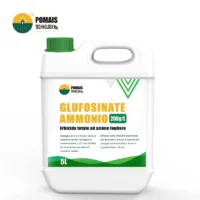
Що таке глюфосинат амонію?
Глюфосинат амонію це неселективний системний гербіцид used to control weeds and grasses. It is best known for its use in генетично модифіковані культури tolerant to глуфосинат, такі як певні різновиди кукурудза та соїГлюфосинат амонію діє шляхом пригнічення ферменту, який називається глютамін синтетаза, which is essential for plants to detoxify ammonia. Without this enzyme, toxic levels of ammonia build up in the plant, killing it.
- Хімічний клас: Фосфінотрицин
- Спосіб дії: Глюфосинат амонію пригнічує глютамін синтетаза, що призводить до накопичення токсичний аміак в рослинах.
- Цільові бур'яниВін ефективний проти широколистяні бур'яни, жир, а деякі багаторічні бур'яни.
Що таке гліфосат?
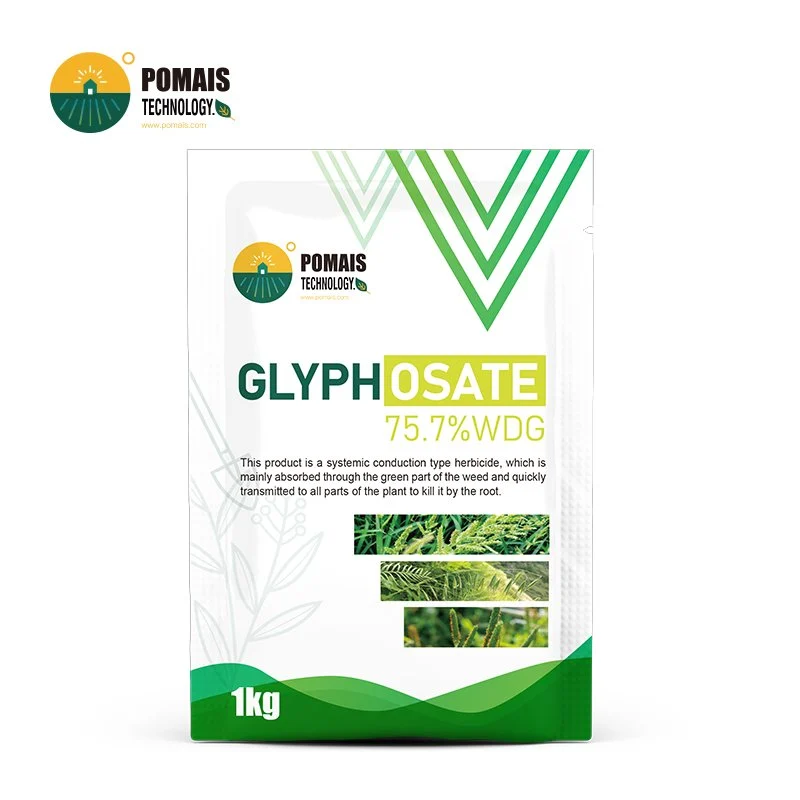
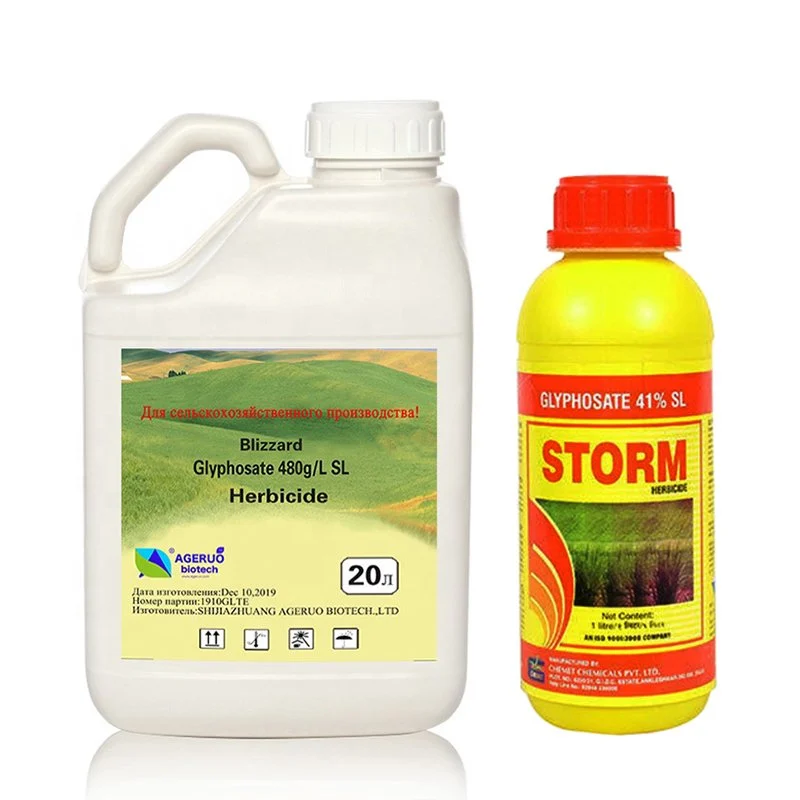
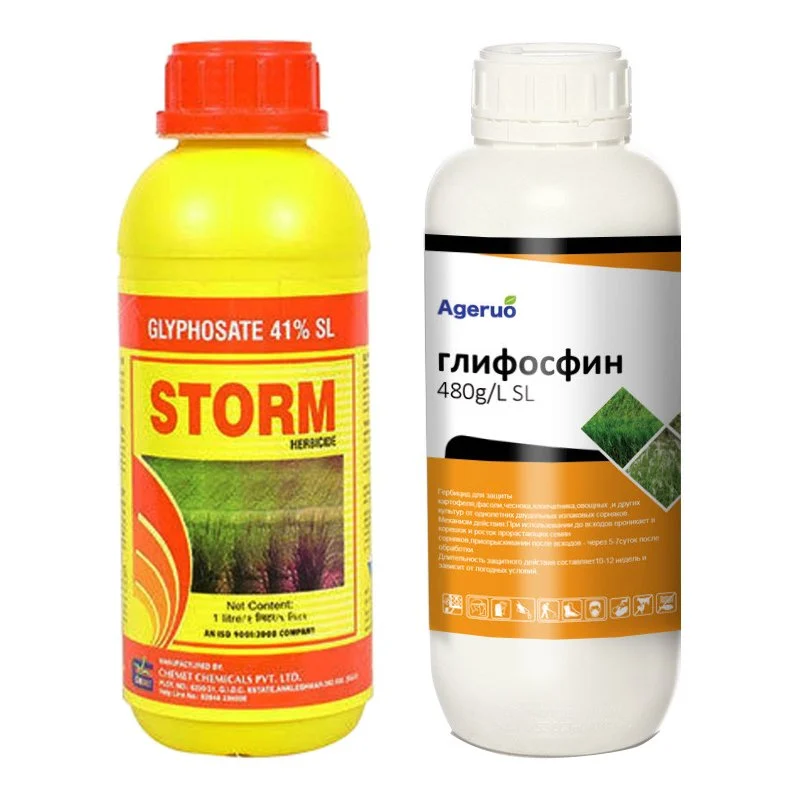
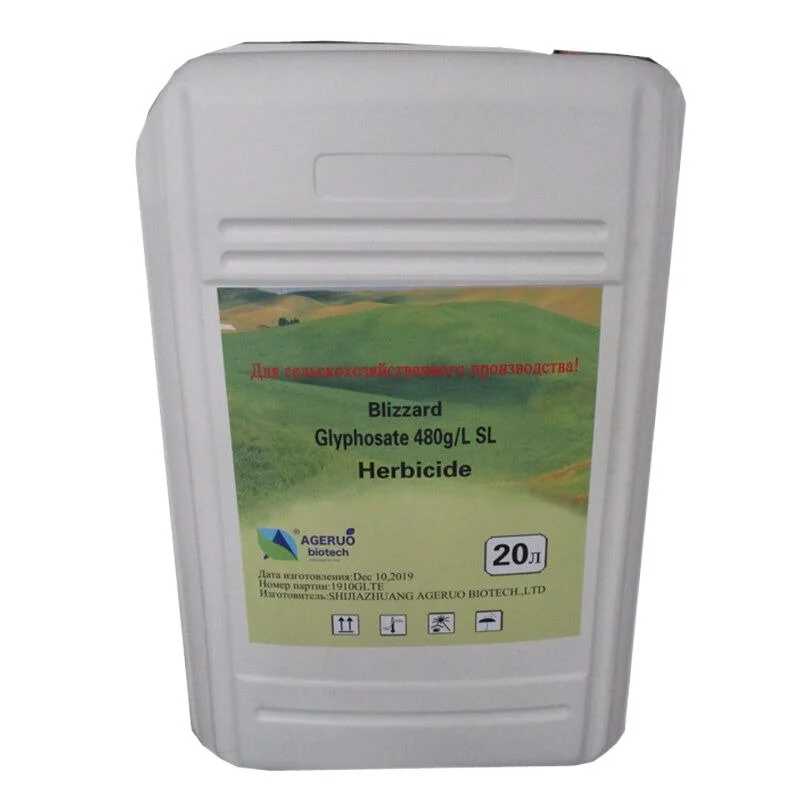
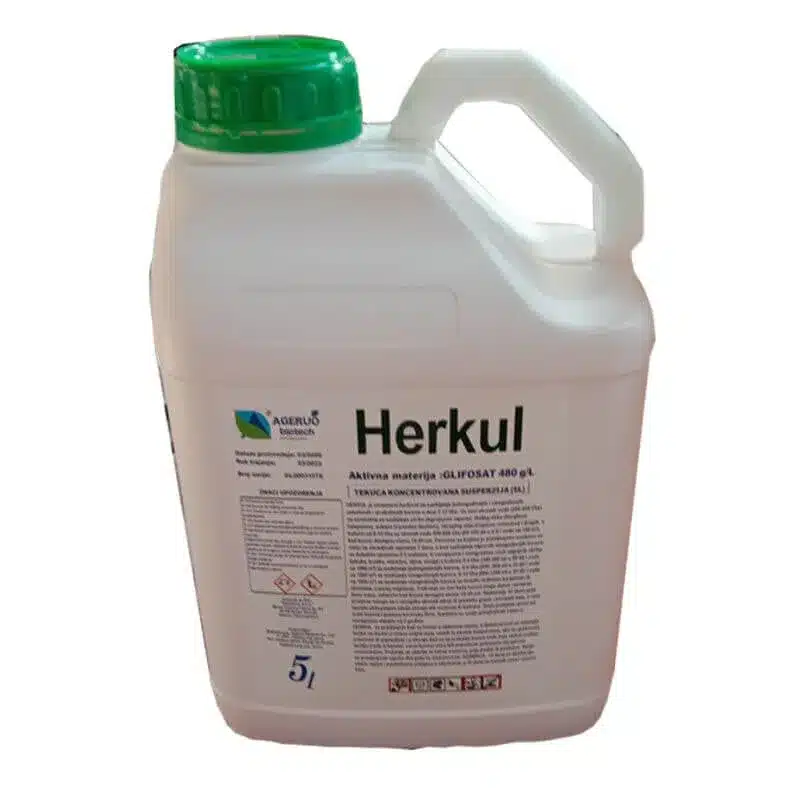
гліфосат є, мабуть, найширше визнаним і найчастіше використовуваним гербіцидом у світі. Він також є неселективний, systemic herbicide що діє шляхом пригнічення EPSP-синтаза enzyme in plants, which is crucial for producing essential amino acids. By blocking the production of these amino acids, гліфосат фактично зупиняє ріст рослини, що призводить до її загибелі.
- Хімічний клас: Гліцин
- Спосіб діїГліфосат пригнічує EPSP-синтаза, блокуючи вироблення амінокислот, необхідних для росту рослин.
- Цільові бур'яниЕфективний проти широкого спектру бур'янів, включаючи однорічні рослини, багаторічники та деревні рослини.

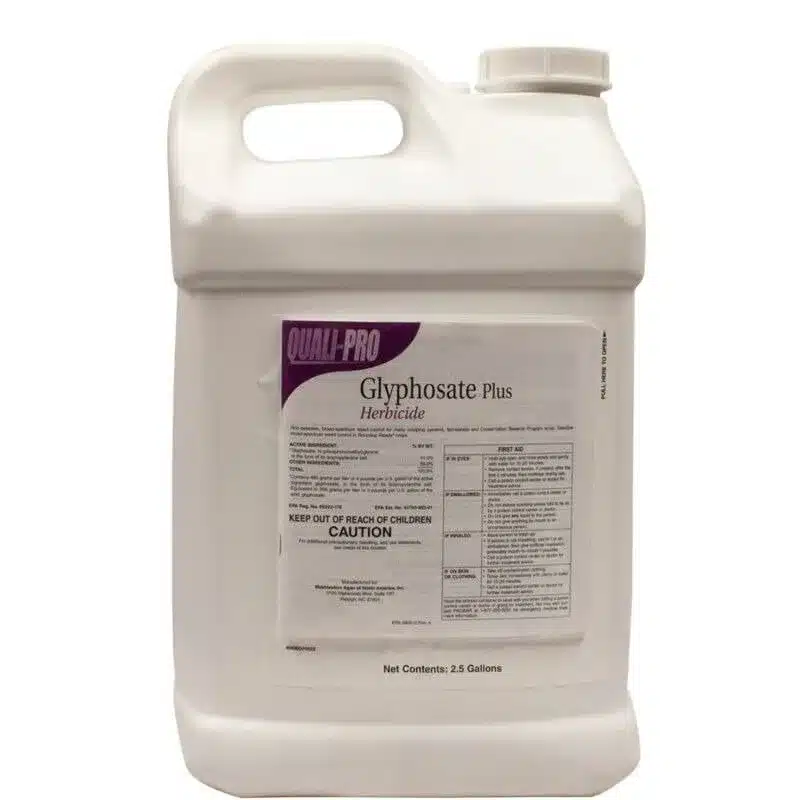
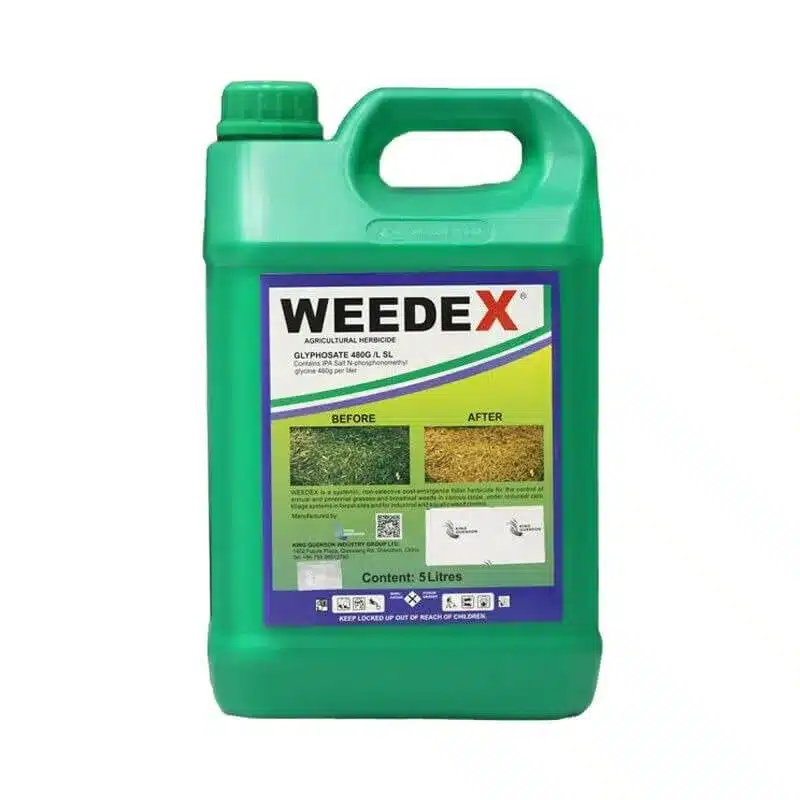
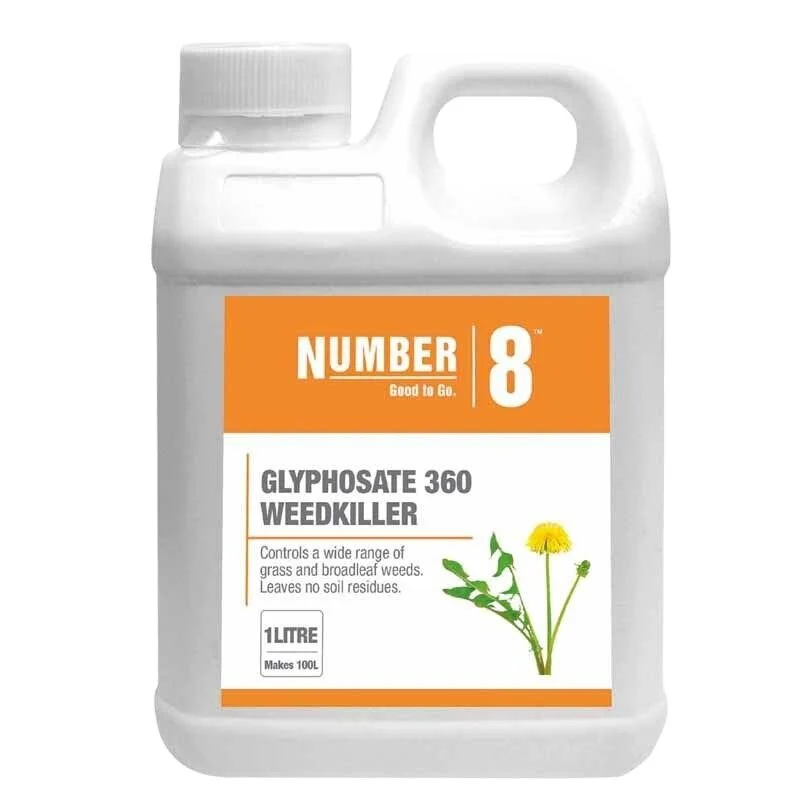
Ключові відмінності між глюфосинатом амонію та гліфосатом
| особливість | Глюфосинат амонію | гліфосат |
|---|---|---|
| Хімічний клас | Фосфінотрицин | Гліцин |
| Спосіб дії | Пригнічує глютамін синтетазащо призводить до накопичення аміаку | Пригнічує EPSP-синтаза, блокуючи вироблення амінокислот |
| вибірковість | Неселективний (впливає на більшість рослин) | Неселективний (впливає на більшість рослин) |
| Швидкість дії | Швидка дія, видимі симптоми протягом кількох годин | Slower-acting, often takes several days to see visible effects |
| Ефективність | Ефективний проти широколистих бур'янів, злаків та деяких багаторічних рослин | Широкий спектр ефективності проти широкого спектру бур'янів |
| Використання в сільському господарстві | Використовується в генетично модифікованих культурах (наприклад, кукурудза, стійка до глюфосинату) | Використовується в звичайних та генетично модифікованих культурах (наприклад, соєві боби, стійкі до гліфосату) |
| Вплив на навколишнє середовище | Потенційно токсичний для водних організмів, менша кількість залишків у ґрунті | Стійкість у ґрунті та воді, занепокоєння щодо забруднення навколишнього середовища |
| Безпека | Зазвичай менш токсичний для людей і тварин, але слід бути обережним під час застосування | Низька токсичність для людей і тварин, але викликає занепокоєння щодо довгострокового впливу на навколишнє середовище |
| Загальні програми | Досходовий та після сходів боротьба з бур'янами, особливо в генетично модифіковані культури | Широкий спектр боротьба з бур'янами, особливо в сільське господарство та озеленення |
Детальне порівняння: глюфосинат амонію проти гліфосату
Спосіб дії
- Глюфосинат амонію цілі глютамін синтетаза, фермент, що бере участь у детоксикація аміаку in plants. By inhibiting this enzyme, toxic levels of ammonia accumulate inside the plant, disrupting cellular processes and leading to plant death. Glufosinate is particularly effective in tolerant crops, where it can selectively control weeds without harming the crop.
- гліфосат, з іншого боку, перешкоджає фермент EPSP-синтаза, which is involved in producing amino acids needed for plant growth. This disrupts the plant’s metabolic pathways, halting growth and eventually causing death. Because гліфосат is неселективний, it can kill almost any plant it contacts, making it suitable for боротьба з бур'янами широкого спектру дії.
Ефективність та швидкість дії
- Глюфосинат амонію відомий своїм швидкодіючі природа. Симптоми пошкодження рослин, такі як пожовтіння та в'янення, typically appear within hours of application. This makes it ideal for situations requiring швидке знищення бур'янів.
- гліфосат is slower to show visible results. It may take several days for the plant to show signs of damage, and full plant death can take a week or more. However, гліфосат є високоефективним для боротьба з великими та вкоріненими бур'янами, Особливо багаторічні бур'яни та деревні рослини.
Вплив на навколишнє середовище
- Глюфосинат амонію має менша залишкова активність in soil than гліфосат, що означає, що він швидше розкладається та має менший потенціал для довгострокового забруднення. Однак він все ще токсичний для водне життя, so take precautions to avoid water contamination.
- гліфосат, хоча й ефективний, викликав значні екологічні проблеми. Він може зберігаються в ґрунті і було виявлено в ґрунтові води та поверхневі води, що потенційно впливає екосистеми та водне життя. Крім того, гліфосат пов'язаний з стійкі до гербіцидів бур'яни, особливо при використанні в монокультурах.
Міркування безпеки
- Глюфосинат амонію взагалі вважається менш токсичний to humans and animals than гліфосат. However, exposure can cause подразнення шкіри, пошкодження очейабо проблеми з диханням, тож носіть захисний одяг, рукавички та маски при застосуванні гербіциду.
- гліфосат is considered low-toxicity to humans and animals. Все-таки довгостроковий exposure concerns були порушені, зокрема, щодо його потенціалу канцерогенний наслідки, оскільки деякі дослідження пов'язують його з раком. Регуляторні органи, такі як EPA та ВООЗ переглянули його безпеку, але занепокоєння серед екологів та медичних працівників все ще залишаються.
Коли обирати глюфосинат амонію проти гліфосату?
Глюфосинат амонію
- Найкраще підходить для використання в генетично модифіковані культури стійкі до гербіциду, такі як кукурудза, стійка до глюфосинату та сої.
- Ідеально підходить для швидко weed knockdown, зокрема для передсходовий та після сходів контролювати.
- Підходить для несільськогосподарські площі та боротьба з бур'янами when quick results are needed.
гліфосат
- Гербіцид, який завжди використовується для боротьба з бур'янами широкого спектру дії, особливо для багаторічні бур'яни or деревні рослини.
- Ідеально підходить для масштабне боротьба з бур'янами in сільське господарство, лісівництво та озеленення.
- Найкраще підходить для використання в безоральне землеробство або райони з гліфосат-стійкі культури.
Висновок
обидві Глюфосинат амонію та гліфосат є високоефективними системні гербіциди які служать різним цілям у світі боротьба з бур’янами. Глюфосинат амонію працює швидше та ідеально підходить для використання в генетично модифіковані культури, тоді як гліфосат забезпечує широкий спектр контролю та є більш ефективним в управлінні багаторічні бур'яни та деревні рослини.
Коли choosing between the two, consider the специфічна проблема з бур'янами ви стикаєтеся, культур involved, and each herbicide’s вплив на навколишнє середовище. Always follow product labels and application guidelines to ensure безпечне та ефективне використання.
Часті питання (FAQ)
- Яка основна відмінність між глюфосинатом амонію та гліфосатом?
- Глюфосинат амонію інгібує глютамін синтетаза, В той час гліфосат інгібує EPSP-синтаза, so their modes of action differ. Additionally, Глюфосинат діє швидше, ніж гліфосат.
- Чи можна використовувати глюфосинат амонію та гліфосат разом?
- In some cases, you can use both herbicides together in бакові суміші for broader-spectrum weed control, but follow specific product recommendations.
- Чи безпечніший глюфосинат амонію, ніж гліфосат?
- Глюфосинат амонію взагалі вважається безпечніше ніж гліфосатале обидва гербіциди мають свої власні безпека concerns. Always use proper protective equipment when applying them.
- Який гербіцид краще підходить для боротьби з багаторічними бур'янами?
- гліфосат зазвичай більш ефективний проти багаторічні бур'яни та деревні рослини у порівнянні з Глюфосинат амонію, що є більш ефективним щодо однорічні бур'яни.
- Який гербіцид має тривалішу залишкову дію?
- гліфосат має тенденцію мати триваліший залишковий ефект у ґрунті, тоді як Глюфосинат амонію breaks down more quickly and is less persistent.
Гарячі продукти
Гарячі новини
Рекомендовані новини