
สปิโนซาดสามารถฆ่าเพลี้ยไฟได้หรือไม่?
ใช่สปิโนซาดสามารถฆ่าเพลี้ยไฟที่ไวต่อสารนี้ได้ เมื่อใช้ในสูตรยาฆ่าแมลงทางการเกษตรที่ได้รับการขึ้นทะเบียนแล้ว
สารสปิโนซาดจัดอยู่ในกลุ่มยาฆ่าแมลงสปิโนซิน และจัดอยู่ในกลุ่ม IRAC กลุ่มที่ 5สปิโนซาดรบกวนการส่งสัญญาณประสาทของแมลงโดยการปรับเปลี่ยนตัวรับอะเซทิลโคลีนชนิดนิโคตินิกแบบอัลโลสเตอริก ส่งผลให้ระบบประสาทถูกกระตุ้นมากเกินไป สูญเสียการเคลื่อนไหวตามปกติ เป็นอัมพาต และเสียชีวิตในที่สุด
ตัวอ่อนที่กำลังกินอาหารและตัวเต็มวัยที่ออกมาให้เห็นเป็นเป้าหมายโดยตรงที่สำคัญที่สุด อย่างไรก็ตาม การควบคุมเพลี้ยไฟนั้นทำได้ยาก เนื่องจากพวกมันมักซ่อนตัวอยู่ภายในดอกไม้ ดอกตูม ยอดอ่อน ใบที่พับงอ และเนื้อเยื่อพืชที่ได้รับการปกป้องอื่นๆ
ไข่ของพวกมันอาจถูกฝังอยู่ในเนื้อเยื่อของพืช ในขณะที่ดักแด้ระยะก่อนฟักและดักแด้ระยะฟักอาจยังคงอยู่ในดิน วัสดุปลูก เศษใบไม้ หรือรอยแตกของพืช
คำตอบที่เป็นรูปธรรมคือ:
สปิโนซาดสามารถควบคุมเพลี้ยไฟที่ไวต่อสารนี้ได้ แต่ประสิทธิภาพในภาคสนามขึ้นอยู่กับระยะการเจริญเติบโตของแมลง ความครอบคลุมของการฉีดพ่น ช่วงเวลาในการฉีดพ่น ความไวต่อสารของสายพันธุ์ สถานะการดื้อยา และการใช้ผลิตภัณฑ์ที่ได้รับการขึ้นทะเบียนอย่างถูกต้อง
คำตอบโดยย่อ: สารสปิโนซาดสามารถฆ่าเพลี้ยไฟได้หรือไม่?
สารกำจัดศัตรูพืชกลุ่มสปิโนซาดที่ขึ้นทะเบียนแล้ว สามารถควบคุมหรือยับยั้งเพลี้ยไฟที่ไวต่อสารดังกล่าวในพืชผลที่ได้รับการอนุมัติได้
สปิโนซาดออกฤทธิ์โดยการสัมผัสและการกินเข้าไป เพลี้ยไฟจะได้รับสารเมื่อสัมผัสกับพื้นผิวที่ได้รับการบำบัดหรือกินเนื้อเยื่อพืชที่ได้รับการบำบัด สารออกฤทธิ์จะส่งผลต่อระบบประสาทของพวกมัน
ตัวอ่อนที่กำลังกินอาหารเป็นเป้าหมายสำคัญในการกำจัด เนื่องจากพวกมันกำลังกินอาหารอย่างแข็งขันและอาจสัมผัสกับสิ่งต่างๆ มากกว่าไข่หรือดักแด้ที่ได้รับการปกป้อง ตัวเต็มวัยที่สัมผัสกับสิ่งต่างๆ ก็อาจได้รับผลกระทบเช่นกัน แม้ว่าการเคลื่อนที่และการกลับมาแพร่ระบาดของตัวเต็มวัยอาจทำให้การประเมินภาคสนามมีความซับซ้อนมากขึ้นก็ตาม
| คำถาม | คำตอบเชิงปฏิบัติ |
|---|---|
| สปิโนซาดสามารถฆ่าเพลี้ยไฟได้หรือไม่? | ใช่ สามารถควบคุมเพลี้ยไฟที่อ่อนแอได้ |
| หมวดหมู่สินค้า | สารกำจัดศัตรูพืชทางใบสำหรับการเกษตร |
| ชั้นเคมี | สปิโนซิน |
| กลุ่ม IRAC | 5 กลุ่ม |
| โหมดการทำงาน | การปรับเปลี่ยนอัลโลสเตอริกของ nAChR |
| เวทีหลักที่เปิดโล่ง | ตัวอ่อนที่กำลังกินอาหารและตัวเต็มวัยที่สัมผัสกับสิ่งแวดล้อมภายนอก |
| เวทีที่ได้รับผลกระทบโดยตรงน้อยกว่า | ไข่และดักแด้หรือตัวอ่อนที่ได้รับการปกป้อง |
| เส้นทางกิจกรรมหลัก | การติดต่อและการรับประทาน |
| ผลิตภัณฑ์ระบบทั่วไป | ไม่ |
| ข้อจำกัดหลักของสาขา | แหล่งอาหารที่ซ่อนเร้น การครอบคลุมพื้นที่ การกลับมาแพร่ระบาดซ้ำ และความต้านทาน |
สปิโนซาดเป็นสารออกฤทธิ์ควบคุมเพลี้ยไฟที่ถูกต้องตามกฎหมาย แต่ไม่ควรนำเสนอว่าเป็นผลิตภัณฑ์ที่สามารถกำจัดเพลี้ยไฟได้ทุกระยะในทุกสภาพแวดล้อม
สปิโนซาดคืออะไร?
สปิโนซาดเป็นสารออกฤทธิ์ฆ่าแมลงที่ได้จากกระบวนการทางชีวภาพ
ประกอบด้วยสารประกอบหลักสองชนิดที่เกี่ยวข้องกัน:
- สปิโนซิน เอ
- สปิโนซิน ดี
สารประกอบเหล่านี้มีต้นกำเนิดมาจากกระบวนการหมักที่เกี่ยวข้องกับจุลินทรีย์ในดินชื่อSaccharopolyspora spinosa
สปิโนซาดใช้กำจัดศัตรูพืชทางการเกษตรและศัตรูพืชที่ส่งผลกระทบต่อสุขภาพของประชาชนหลายชนิด เพลี้ยไฟเป็นหนึ่งในศัตรูพืชที่ระบุไว้ในผลิตภัณฑ์สปิโนซาดที่ขึ้นทะเบียนแล้ว แม้ว่าพืชชนิด สายพันธุ์ ข้ออ้าง อัตราการใช้ และวิธีการใช้ที่แน่นอนจะแตกต่างกันไปตามฉลากผลิตภัณฑ์แต่ละชนิด
แม้ว่าจะมีต้นกำเนิดจากธรรมชาติ แต่สารสปิโนซาดก็ยังคงเป็นยาฆ่าแมลงที่อยู่ภายใต้การควบคุม และประสิทธิภาพและความปลอดภัยขึ้นอยู่กับสูตร การใช้งานที่ได้รับอนุมัติ คุณภาพการใช้งาน และโปรแกรมการจัดการความต้านทาน
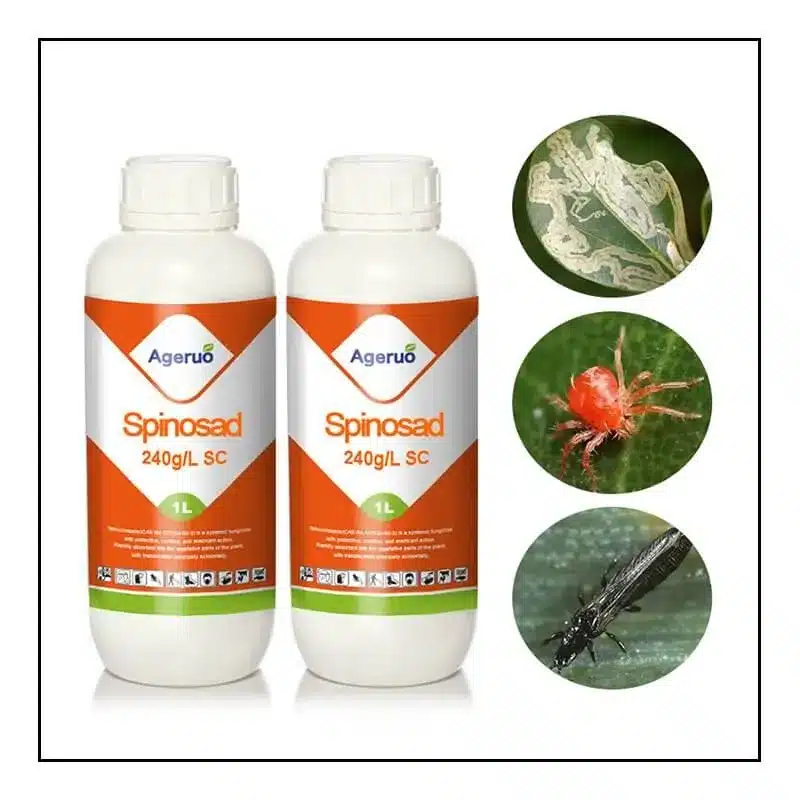
สปิโนซาดฆ่าเพลี้ยไฟได้อย่างไร?
สปิโนซาดฆ่าเพลี้ยไฟที่อ่อนแอต่อสารนี้โดยการรบกวนระบบประสาทของพวกมัน
IRAC จัดประเภทสปิโนซาดดังนี้:
กลุ่มที่ 5 — ตัวปรับอัลโลสเตอริกของตัวรับอะเซทิลโคลีนนิโคตินิก ตำแหน่งที่ 1
กลไกการออกฤทธิ์นี้แตกต่างจากสารกลุ่มไพรีทรอยด์ ออร์กาโนฟอสเฟต คาร์บาเมต นีโอนิโคตินอยด์ อะเวอร์เมกติน และสารควบคุมการเจริญเติบโตของแมลง
การปรับเปลี่ยนตัวรับนิโคตินิกอะเซทิลโคลีน
ตัวรับอะเซทิลโคลีนชนิดนิโคตินิกช่วยส่งสัญญาณผ่านระบบประสาทของแมลง
สปิโนซาดทำปฏิกิริยากับตำแหน่งอัลโลสเตอริกที่เกี่ยวข้องกับตัวรับเหล่านี้ ซึ่งจะทำให้การทำงานของตัวรับเปลี่ยนแปลงไปจากปกติและกระตุ้นการส่งสัญญาณประสาทมากเกินไป
กลไกนี้สามารถสรุปได้ดังนี้:
การสัมผัสสปิโนซาด → การปรับเปลี่ยนตัวรับกลุ่ม 5 → ภาวะตื่นตัวมากเกินไปของระบบประสาท → อัมพาต → การตายของเพลี้ยไฟ
กิจกรรมการสัมผัสและการกลืนกิน
เพลี้ยไฟอาจสัมผัสกับสารเคมีบนพื้นผิวพืชที่ได้รับการบำบัด หรือกินสารตกค้างขณะกินอาหาร
นี่หมายความว่าสปิโนซาดไม่จำเป็นต้องออกฤทธิ์โดยการฉีดพ่นโดยตรงเท่านั้น แต่แมลงเป้าหมายจะต้องสัมผัสกับสารตกค้างที่มีฤทธิ์ทางชีวภาพด้วย
การกำหนดตำแหน่งการฉีดพ่นยังคงมีความสำคัญ เนื่องจากเพลี้ยไฟหลายชนิดกินอาหารในโครงสร้างพืชที่ได้รับการปกป้อง
การรบกวนการให้อาหาร
หลังการสัมผัสเชื้อ การเคลื่อนไหวและการกินอาหารตามปกติจะผิดปกติไป
ประชากรเพลี้ยไฟอาจไม่หายไปทันทีจากการตรวจสอบด้วยสายตา แต่แมลงที่ได้รับผลกระทบอาจหยุดกินอาหารก่อนที่แมลงจะตายหมด
ดังนั้น การประเมินภาคสนามจึงควรพิจารณาทั้งจำนวนแมลงที่ยังมีชีวิตอยู่และการเกิดความเสียหายใหม่ต่อพืชผล
สารสปิโนซาดมีผลต่อระยะใดของวงจรชีวิตของเพลี้ยไฟ?
เพลี้ยไฟมีการเจริญเติบโตผ่านหลายระยะที่แตกต่างกัน:
- ไข่
- ตัวอ่อนระยะแรก
- ตัวอ่อนระยะที่สอง
- ดักแด้
- ดักแด้
- ผู้ใหญ่
ตัวอ่อนสองระยะแรกและตัวเต็มวัยจะกินอาหาร ส่วนดักแด้และตัวอ่อนระยะก่อนเข้าดักแด้จะไม่กินอาหาร เพลี้ยไฟศัตรูพืชหลายชนิดวางไข่ไว้ในเนื้อเยื่อพืช ในขณะที่การเข้าดักแด้อาจเกิดขึ้นในดิน วัสดุปลูก เศษใบไม้ หรือโครงสร้างพืชที่ได้รับการปกป้อง
การให้อาหารตัวอ่อน
ตัวอ่อนที่กำลังกินอาหารเป็นเป้าหมายโดยตรงที่สำคัญของการรักษาด้วยสปิโนซาดทางใบ
พวกมันกินเนื้อเยื่อพืชอย่างกระตือรือร้น และมีแนวโน้มที่จะกินเศษพืชที่เหลือเมื่อมีพืชปกคลุมพื้นที่หากินของพวกมัน
ตัวอ่อนในระยะแรกอาจจัดการได้ง่ายกว่า ก่อนที่ประชากรจะกระจุกตัวอยู่ในดอกไม้ ดอกตูม ผล หรือทรงพุ่มพืชที่หนาแน่น
ตำแหน่งที่ถูกต้องคือ:
สารสปิโนซาดมีประสิทธิภาพสูงในการกำจัดตัวอ่อนของเพลี้ยไฟที่กำลังดูดเลือด แต่ผลลัพธ์ยังคงขึ้นอยู่กับการสัมผัสและความไวต่อสารของแต่ละบุคคล
เพลี้ยไฟตัวเต็มวัย
สามารถควบคุมเพลี้ยไฟตัวเต็มวัยที่ออกมาให้เห็นได้เช่นกัน
อย่างไรก็ตาม ตัวเต็มวัยสามารถเคลื่อนที่ได้และอาจเคลื่อนย้ายระหว่างต้นพืชหรือเข้าไปในแปลงปลูกจากพืชโดยรอบ พวกมันมักซ่อนตัวอยู่ภายในดอกไม้ จุดเจริญเติบโต หรือรอยแตกของต้นพืช
ซึ่งก่อให้เกิดปัญหาในทางปฏิบัติสองประการ:
- ผู้ใหญ่บางคนอาจหลีกเลี่ยงการสัมผัสโดยตรง
- อาจมีตัวเต็มวัยใหม่เข้ามาในแปลงพืชหลังจากการบำบัดแล้ว
การพบผู้ใหญ่หลังจากมีการแพร่เชื้อไม่ได้หมายความว่าประชากรกลุ่มที่ได้รับผลกระทบนั้นรอดชีวิตโดยอัตโนมัติ
ไข่เพลี้ยไฟ
ไม่ควรคิดว่าจะสามารถควบคุมไข่เพลี้ยไฟได้ทั้งหมดโดยตรง
เพลี้ยไฟที่มีความสำคัญทางเศรษฐกิจหลายชนิดวางไข่ในใบ ดอกตูม หรือเนื้อเยื่อพืชอื่นๆ เนื้อเยื่อพืชเหล่านี้สามารถจำกัดการสัมผัสโดยตรงระหว่างไข่กับสารเคมีที่ฉีดพ่นทางใบได้
ไข่ที่อยู่ ณ ขณะทำการฉีดพ่น อาจฟักตัวต่อไปได้
นี่เป็นเหตุผลหนึ่งที่อาจทำให้ตัวอ่อนใหม่ปรากฏขึ้นหลังการรักษา
ดักแด้ระยะก่อนเข้าดักแด้และดักแด้
ดักแด้ระยะก่อนเข้าดักแด้และดักแด้ระยะดักแด้เป็นระยะที่ไม่กินอาหาร
ขึ้นอยู่กับชนิดของแมลง พวกมันอาจอาศัยอยู่ในดิน วัสดุปลูก เศษใบไม้ รอยแตกของพืช หรือสถานที่อื่นๆ ที่ได้รับการปกป้อง การฉีดพ่นทางใบแบบมาตรฐานอาจให้การเข้าถึงโดยตรงต่อระยะต่างๆ เหล่านี้ได้จำกัด
ต่อมาพวกเขาอาจเติบโตเป็นผู้ใหญ่และทำให้ประชากรดูเหมือนกลับมามีจำนวนเท่าเดิม
เหตุใดการครอบคลุมพื้นที่ด้วยการพ่นจึงมีความสำคัญ
การควบคุมเพลี้ยไฟเป็นเรื่องยาก เพราะพวกมันมักไม่ค่อยอยู่บนผิวใบที่เปิดโล่งและเข้าถึงได้ง่าย
พวกมันมักหากินหรือพักอาศัยอยู่ใน:
- การตกแต่งดอกไม้สด
- ดอกตูม
- จุดเติบโต
- รอยพับของใบไม้
- ส่วนล่างของใบ
- ร่องพืช
- ผลไม้ที่กำลังเจริญเติบโต
- เรือนยอดชั้นในที่หนาแน่น
เพลี้ยไฟศัตรูพืชหลายชนิดกินอาหารโดยซ่อนตัวอยู่ในตา ยอดอ่อน ดอก หรือใต้โครงสร้างของพืช ในบางกรณี ความเสียหายของพืชผลจะปรากฏให้เห็นก่อนที่จะพบตัวแมลงเสียอีก
แหล่งอาหารลับ
การฉีดพ่นที่ครอบคลุมเฉพาะส่วนนอกของทรงพุ่ม อาจทำให้พลาดการกำจัดเพลี้ยไฟที่อยู่ภายในดอกไม้ ดอกตูม หรือเนื้อเยื่อที่พับงออยู่
การใช้งานจะต้องวางสารตกค้างในบริเวณที่ตัวอ่อนและตัวเต็มวัยของแมลงกำลังหากินอยู่
ความหนาแน่นของทรงพุ่มพืช
พืชพรรณที่หนาแน่นอาจขัดขวางไม่ให้ละอองสเปรย์เข้าถึงใบด้านใน ดอก และส่วนยอดของต้นไม้ได้
อุปกรณ์ที่ใช้ ปริมาณน้ำ ความเร็วในการเคลื่อนที่ การเลือกหัวฉีด และการเจาะทะลุทรงพุ่ม ควรเหมาะสมกับพืชและฉลากผลิตภัณฑ์
การวางหยดน้ำ
การฉีดพ่นมากขึ้นไม่ได้หมายความว่าจะดีกว่าเสมอไป
วัตถุประสงค์คือการให้น้ำครอบคลุมโครงสร้างพืชเป้าหมายอย่างเหมาะสม โดยไม่เกินอัตราที่ลงทะเบียนไว้ หรือก่อให้เกิดน้ำไหลบ่าโดยไม่จำเป็น
การตัดสินใจเสริม
ฉลากผลิตภัณฑ์บางรายการอาจอนุญาตหรือแนะนำให้ใช้สารเสริมที่เหมาะสมเพื่อช่วยในการกระจายตัวหรือครอบคลุมพื้นที่ได้ดียิ่งขึ้น
ข้อสรุปนี้ไม่ควรนำไปใช้กับผลิตภัณฑ์สปิโนซาดทุกชนิดหรือพืชทุกชนิด การเลือกใช้สารเสริมฤทธิ์ต้องเป็นไปตามข้อกำหนดเฉพาะของฉลากและข้อกำหนดด้านความปลอดภัยของพืชแต่ละชนิด
เหตุใดจังหวะเวลาในการสมัครจึงมีความสำคัญ
โดยทั่วไปแล้ว สปิโนซาดจะได้ผลดีที่สุดเมื่อการตัดสินใจในการรักษาขึ้นอยู่กับการติดตามอาการมากกว่าการรอให้เกิดความเสียหายร้ายแรงที่มองเห็นได้
รักษาตั้งแต่ก่อนที่ประชากรจะเพิ่มจำนวนมากเกินไป
เพลี้ยไฟสามารถขยายพันธุ์ได้อย่างรวดเร็วภายใต้สภาวะที่เหมาะสม
เมื่อประชากรจำนวนมากเข้ามาอาศัยอยู่ภายในดอกไม้ ดอกตูม หรือทรงพุ่มที่หนาแน่น การกระจายแสงอย่างสม่ำเสมอจะทำได้ยากขึ้น
การแทรกแซงตั้งแต่เนิ่นๆ อาจช่วยเพิ่มโอกาสในการกำจัดตัวอ่อนที่กำลังกินอาหารก่อนที่จะเกิดความเสียหายอย่างรุนแรงต่อพืชผล
เป้าหมายคือช่วงการให้อาหารที่กำลังดำเนินอยู่
ไข่ที่ซ่อนอยู่ภายในเนื้อเยื่อพืชและดักแด้ที่ไม่กินอาหารนั้นยากต่อการเข้าถึงด้วยการฉีดพ่นทางใบ
การประยุกต์ใช้ที่มุ่งเน้นไปที่ระยะการให้อาหารที่เปิดโล่งนั้นมีพื้นฐานทางชีววิทยาที่แข็งแกร่งกว่า
ตรวจสอบการย้ายข้อมูลใหม่
เพลี้ยไฟตัวเต็มวัยสามารถเคลื่อนย้ายเข้าสู่พืชผลที่ได้รับการบำบัดแล้วจากวัชพืช แปลงนาข้างเคียง เศษพืชที่ถูกทิ้ง หรือพืชพรรณโดยรอบ
หลังการบำบัด การสำรวจควรแยกแยะระหว่างแมลงที่รอดชีวิตและแมลงที่อพยพเข้ามาใหม่
เหตุใดสารสปิโนซาดจึงอาจไม่สามารถควบคุมเพลี้ยไฟได้
มีหลายปัจจัยที่อาจลดประสิทธิภาพการทำงานในสนามได้
แมลงทริปส์ไม่ได้รับการระบุชนิดอย่างถูกต้อง
แมลงทริปส์แต่ละชนิดและแต่ละประชากรอาจมีความอ่อนแอต่อสารเคมี พฤติกรรม สถานที่กินอาหาร และประวัติการต้านทานสารเคมีที่แตกต่างกัน
การระบุข้อมูลที่ถูกต้องเป็นสิ่งสำคัญก่อนการเลือกผลิตภัณฑ์
การพ่นสเปรย์ไม่ครอบคลุมทั่วถึง
เพลี้ยไฟที่ซ่อนตัวอยู่ในดอกไม้ ดอกตูม ยอดอ่อน หรือส่วนยอดด้านใน อาจได้รับแสงแดดไม่เพียงพอ
ไข่ยังคงฟักออกมาเรื่อยๆ
ไข่ที่ได้รับการปกป้องอยู่ภายในเนื้อเยื่อพืชอาจฟักเป็นตัวอ่อนใหม่ได้หลังจากการฉีดพ่นครั้งแรก
ดักแด้ยังคงเจริญเติบโตเป็นตัวเต็มวัยต่อไป
ดักแด้และตัวอ่อนที่ได้รับการปกป้องอาจเจริญเติบโตจนสมบูรณ์ได้หลังจากการฉีดพ่นทางใบ
แมลงตัวเต็มวัยกลับเข้าทำลายพืชผลอีกครั้ง
ตัวเต็มวัยใหม่ๆ อาจเคลื่อนย้ายเข้ามาในแปลงพืชจากพืชอาศัยโดยรอบได้
สินค้าไม่ตรงกับฉลาก
ผลิตภัณฑ์สปิโนซาดที่ขึ้นทะเบียนสำหรับพืชหรือศัตรูพืชชนิดหนึ่ง ไม่สามารถนำไปใช้กับพืชหรือศัตรูพืชชนิดอื่นได้โดยอัตโนมัติ
ฉลากต้องระบุรายละเอียดเกี่ยวกับพืชผล ศัตรูพืชเป้าหมาย วิธีการใช้ ระยะเวลาการใช้ และสภาพการใช้งานในท้องถิ่น
ความต้านทาน ความไวลดลง
การดื้อยาเป็นหนึ่งในคำอธิบายที่สำคัญที่สุดสำหรับการลดลงของประสิทธิภาพของสปิโนซาดในการกำจัดเพลี้ยไฟ
การดื้อต่อสปิโนซาดในเพลี้ยไฟ
สารสปิโนซาดถูกนำมาใช้กันอย่างแพร่หลายในการกำจัดเพลี้ยไฟตะวันตก ( Frankliniella occidentalis )
งานวิจัยภาคสนามและห้องปฏิบัติการได้บันทึกประชากรที่มีความไวต่อสปิโนซาดลดลงหรือมีความต้านทานสูง ในการศึกษาประชากรภาคสนามครั้งหนึ่ง อัตราส่วนความต้านทานมีความแตกต่างกันอย่างมาก โดยบางประชากรแสดงความต้านทานระดับปานกลางหรือสูง
การดื้อยาไม่ได้หมายความว่าสปิโนซาดไม่มีประโยชน์ แต่หมายความว่าต้องใช้สารออกฤทธิ์นี้เป็นส่วนหนึ่งของโปรแกรมการจัดการการดื้อยาอย่างเป็นระบบ
ห้ามใช้กลุ่มที่ 5 อย่างต่อเนื่อง
การสัมผัสกับกลไกการออกฤทธิ์แบบเดียวกันซ้ำๆ จะเพิ่มแรงกดดันในการคัดเลือก
ไม่ควรใช้สารกำจัดศัตรูพืชกลุ่ม IRAC เดียวกันในการกำจัดศัตรูพืชในรุ่นต่อๆ ไปอย่างต่อเนื่อง
สปิโนซาดและสปิเนโทแรมอยู่ในกลุ่มที่ 5 เหมือนกัน
สปิโนซาดและสปิเนโทแรมเป็นสารฆ่าแมลงในกลุ่มสปิโนซินกลุ่มที่ 5 ทั้งคู่
ดังนั้น การเปลี่ยนจากสปิโนซาดเป็นสปิเนโทแรมจึงไม่ใช่การเปลี่ยนกลไกการออกฤทธิ์ที่แท้จริง
ชื่อผลิตภัณฑ์อาจเปลี่ยนไป แต่กลุ่ม IRAC ยังคงเหมือนเดิม
หมุนตามกลไกการออกฤทธิ์
โครงการต่อต้านควรใช้ทางเลือกที่จดทะเบียนในท้องถิ่นจากกลุ่ม IRAC ที่แตกต่างกันอย่างแท้จริง
การหมุนเวียนพืชควรพิจารณาจากช่วงเวลาการระบาดของศัตรูพืช ระยะการเจริญเติบโตของพืช การขึ้นทะเบียนในท้องถิ่น และประวัติการดื้อยา ไม่ใช่แค่การเปลี่ยนยี่ห้อเท่านั้น
ตรวจสอบความล้มเหลวที่ไม่คาดคิด
ผลลัพธ์ที่ไม่ดีไม่ได้หมายความว่าเป็นการต่อต้านเสมอไป
ก่อนที่จะสรุปเช่นนั้น โปรดตรวจสอบสิ่งต่อไปนี้:
- การระบุชนิดของทริปส์
- ระยะเวลาการสมัคร
- ความครอบคลุมของสเปรย์
- คุณภาพน้ำ
- การจัดเก็บสินค้า
- ความแม่นยำในการผสม
- การกลับมาแพร่ระบาดอีกครั้ง
- สภาพอากาศหลังการใช้งาน
- การปฏิบัติตามฉลาก
- ข้อมูลความต้านทานในพื้นที่
สารสปิโนซาดมีประสิทธิภาพในการกำจัดเพลี้ยไฟทุกสายพันธุ์หรือไม่?
สารสปิโนซาดมีประสิทธิภาพในการกำจัดเพลี้ยไฟหลายชนิดที่มีความสำคัญทางเศรษฐกิจ แต่ผลลัพธ์เพียงอย่างเดียวไม่ควรนำไปใช้กับทุกชนิดและทุกประชากร
ศัตรูพืชที่เกี่ยวข้องอาจรวมถึง:
- เพลี้ยแป้งดอกไม้ตะวันตก
- เพลี้ยหัวหอม
- เพลี้ยไฟยาสูบ
- เพลี้ยพริก
- เพลี้ยไฟชนิดอื่นๆ ที่กินดอกไม้หรือพืชผล
ความไวต่อโรคอาจแตกต่างกันไปตาม:
- สายพันธุ์
- เขตการผลิต
- พืชผล
- เคยได้รับสารฆ่าแมลงมาก่อน
- สถานะความต้านทาน
- สภาพแวดล้อมในเรือนกระจกหรือพื้นที่โล่ง
ข้อความกล่าวอ้างเกี่ยวกับผลิตภัณฑ์ในเชิงพาณิชย์ต้องสอดคล้องกับฉลากที่ได้รับอนุมัติ
ผู้จัดจำหน่ายไม่ควรขยายคำกล่าวอ้างทั่วไปเกี่ยวกับ "เพลี้ยไฟ" ไปใช้กับทุกชนิด ทุกพืชผล หรือทุกประเทศ โดยปราศจากการสนับสนุนด้านการขึ้นทะเบียน
สปิโนซาดออกฤทธิ์ทั่วร่างกายหรือไม่?
ไม่ควรจัดประเภทสปิโนซาดเป็นยาฆ่าแมลงแบบดูดซึมเข้าสู่ระบบพืชทั่วไป
ประสิทธิภาพในการควบคุมเพลี้ยไฟของผลิตภัณฑ์นี้ขึ้นอยู่กับการสัมผัสทางใบ การกิน และการวางสารตกค้างที่เหมาะสมเป็นหลัก ไม่ควรกล่าวว่าผลิตภัณฑ์นี้สามารถแพร่กระจายไปทั่วระบบท่อลำเลียงของพืชและเข้าถึงแมลงที่ซ่อนตัวอยู่ทุกตัวโดยอัตโนมัติ
ผลกระทบในทางปฏิบัติคือ:
การพ่นสเปรย์ครอบคลุมพื้นที่ยังคงมีความสำคัญ
การแบ่งแยกเช่นนี้ช่วยป้องกันไม่ให้ผู้ซื้อและผู้ใช้คาดหวังว่าผลิตภัณฑ์จะสามารถควบคุมเพลี้ยไฟทุกตัวที่ซ่อนอยู่ภายในดอกไม้ ดอกตูม หรือเนื้อเยื่อพืชที่ไม่ได้รับการรักษาได้
สปิโนซาดเพียงพอสำหรับการกำจัดเพลี้ยไฟอย่างสมบูรณ์หรือไม่?
สปิโนซาดสามารถเป็นส่วนประกอบที่มีประสิทธิภาพในโปรแกรมการจัดการเพลี้ยไฟได้ แต่ไม่ควรนำเสนอเป็นวิธีการแก้ปัญหาแบบครบวงจรโดยลำพัง
โปรแกรมที่มีประสิทธิภาพมากขึ้นนั้นประกอบด้วยสิ่งต่อไปนี้:
- การระบุชนิดของเพลี้ยไฟอย่างถูกต้อง
- การตรวจสอบพืชผลอย่างสม่ำเสมอ
- การตรวจสอบดอกไม้ ดอกตูม หรือใบไม้
- การตรวจสอบด้วยกระดาษโน้ตแบบติดได้เมื่อเหมาะสม
- การตรวจพบประชากรในระยะเริ่มต้น
- การจัดการวัชพืชและพืชอาศัยอื่น
- กำจัดพืชที่ถูกแมลงรบกวนอย่างหนักในกรณีที่ทำได้
- มาตรการควบคุมทางชีวภาพที่เหมาะสม
- การพ่นสเปรย์ที่แม่นยำ
- การหมุนเวียนระหว่างกลุ่ม IRAC ต่างๆ
- การประเมินผลหลังการรักษา
เป้าหมายไม่ใช่การใช้ยาฆ่าแมลงในปริมาณที่มากขึ้น แต่เป็นการกำหนดเป้าหมายไปที่ระยะการเจริญเติบโตของศัตรูพืชอย่างถูกวิธีด้วยเครื่องมือที่เหมาะสม พร้อมทั้งลดแรงกดดันจากการดื้อยา
สิ่งที่ผู้ซื้อควรตรวจสอบในผลิตภัณฑ์สปิโนซาดสำหรับกำจัดเพลี้ยไฟ
สำหรับผู้นำเข้า ผู้จัดจำหน่าย บริษัทจดทะเบียน และผู้ค้าปลีกทางการเกษตร ชื่อสารออกฤทธิ์เป็นเพียงจุดเริ่มต้นเท่านั้น
ข้อมูลระบุส่วนประกอบสำคัญ
ตรวจสอบให้แน่ใจว่าผลิตภัณฑ์มีส่วนประกอบของสปิโนซาด ไม่ใช่สปิเนโทแรมหรือสารฆ่าแมลงชนิดอื่น
สปิโนซาดและสปิเนโทแรมมีความเกี่ยวข้องกัน แต่เป็นส่วนประกอบออกฤทธิ์ที่แยกจากกัน และต้องมีเอกสารประกอบที่ถูกต้อง
ชนิดของสูตร
สูตรการผลิตต้องเหมาะสมกับตลาดเป้าหมาย ระบบการปลูกพืช การขึ้นทะเบียน อุปกรณ์ฉีดพ่น และสภาวะการจัดเก็บ
ควรพิจารณาการคิดค้นสูตรทางการเกษตรที่เป็นไปได้ก็ต่อเมื่อมีข้อมูลสนับสนุนจากกลุ่มผลิตภัณฑ์จริงและขั้นตอนการขึ้นทะเบียนแล้วเท่านั้น
เพลี้ยไฟและการเรียกร้องค่าเสียหายจากพืชผล
ฉลากควรระบุอย่างชัดเจนถึงการควบคุมหรือกำจัดเพลี้ยไฟในพืชที่ต้องการปลูก
การเรียกร้องค่าเสียหายจากเพลี้ยไฟในพืชชนิดหนึ่ง ไม่สามารถโอนไปยังพืชผัก ผลไม้ ดอกไม้ ไม้ประดับ หรือพืชในเรือนกระจกโดยทั่วไปได้โดยอัตโนมัติ
การระบุกลุ่ม IRAC
เอกสารทางเทคนิคและฉลากควรระบุอย่างชัดเจนว่าสปิโนซาดเป็นกลุ่มที่ 5
สิ่งนี้ช่วยสนับสนุนการสื่อสารด้านการจัดการความต้านทานและหลีกเลี่ยงการกล่าวอ้างการหมุนเวียนที่ไม่ถูกต้อง
ข้อกำหนดความคุ้มครอง
ข้อมูลผลิตภัณฑ์ควรระบุว่าจุดให้อาหารที่ซ่อนอยู่สามารถลดการสัมผัสได้
ผู้จัดจำหน่ายต้องการคำแนะนำด้านประสิทธิภาพที่สมจริงมากกว่าคำกล่าวอ้างแบบเหมารวม
การกำหนดตำแหน่งความต้านทาน
แผนการตลาดที่ดีควรอธิบายถึง:
- ข้อจำกัดการหมุนเวียนกลุ่ม 5
- กลุ่มยาที่ใช้ร่วมกันคือ สปิโนซาดและสปิเนโทแรม
- ความจำเป็นในการมีทางเลือกอื่นที่จดทะเบียนในท้องถิ่น
- คุณค่าของการติดตามผลหลังการรักษา
ข้อควรระวังเกี่ยวกับแมลงผสมเกสรและสิ่งแวดล้อม
ฉลากยาที่ขึ้นทะเบียนสปิโนซาดอาจมีข้อจำกัดหรือคำเตือนที่เกี่ยวข้องกับผึ้งและสัตว์ไม่มีกระดูกสันหลังในน้ำ
การใช้งานในช่วงที่พืชออกดอก การสัมผัสกับแมลงผสมเกสร การปนเปื้อนของน้ำ การฟุ้งกระจาย และการกำจัดผลิตภัณฑ์ ต้องปฏิบัติตามฉลากในท้องถิ่น
ต้นกำเนิดทางชีวภาพไม่ได้ทำให้ความรับผิดชอบต่อสิ่งแวดล้อมเหล่านี้หมดไป
เอกสารทางเทคนิค
ผู้ซื้อมืออาชีพควรตรวจสอบสิ่งต่อไปนี้:
- ใบรับรองการลงทะเบียน
- ฉลากที่ได้รับการอนุมัติ
- COA
- เอกสารความปลอดภัยจาก
- TDS
- ข้อกำหนดส่วนประกอบสำคัญ
- ข้อกำหนดสูตร
- ข้อมูลความเสถียร
- ข้อมูลประสิทธิผล
- ข้อกำหนดบรรจุภัณฑ์
- สภาพการเก็บรักษา
ความเข้าใจผิดที่พบบ่อย
สปิโนซาดฆ่าเพลี้ยไฟทุกระยะได้อย่างเท่าเทียมกัน
ลำดับ
ตัวอ่อนที่กำลังกินอาหารและตัวเต็มวัยที่สัมผัสกับสารเคมีทางใบ มีโอกาสที่จะพบกับสารเคมีที่ฉีดพ่นทางใบมากกว่าไข่ที่ฝังอยู่ในเนื้อเยื่อหรือดักแด้ที่อยู่ในระยะหลบซ่อน
แอปพลิเคชันเดียวสามารถกำจัดประชากรทั้งหมดได้
ไม่จำเป็น.
การฟักไข่ การเจริญเติบโตของดักแด้ และการอพยพของตัวเต็มวัย อาจทำให้เพลี้ยไฟกลับมาปรากฏตัวอีกครั้ง
สปิโนซาดออกฤทธิ์ทั่วร่างกายอย่างสมบูรณ์
นี่ไม่ใช่ข้อกล่าวอ้างทั่วไปที่เหมาะสม
การครอบคลุมพื้นที่และการจัดวางสารตกค้างยังคงมีความสำคัญ
สปิโนซาดและสปิเนโทแรมเป็นกลุ่มการหมุนที่แตกต่างกัน
ลำดับ
ทั้งคู่เป็นสมาชิกของกลุ่ม IRAC กลุ่ม 5
ที่มาจากธรรมชาติช่วยป้องกันการดื้อยา
ลำดับ
มีการบันทึกการดื้อต่อสารสปิโนซาดในเพลี้ยไฟตะวันตกแล้ว
ผลิตภัณฑ์สปิโนซาดทุกชนิดสามารถใช้ได้กับพืชทุกชนิด
ลำดับ
พืชที่ปลูก, ข้ออ้างเกี่ยวกับเพลี้ยไฟ, วิธีการใช้, อัตราการใช้, ระยะเวลาการใช้ และข้อจำกัดต่างๆ ต้องปรากฏอยู่บนฉลากผลิตภัณฑ์ในท้องถิ่น
คำถามที่พบบ่อย
สปิโนซาดสามารถฆ่าเพลี้ยไฟได้หรือไม่?
ใช่ ผลิตภัณฑ์สปิโนซาดทางการเกษตรที่ขึ้นทะเบียนแล้ว สามารถควบคุมหรือยับยั้งเพลี้ยไฟที่อ่อนแอต่อสารนี้ได้ในพืชผลที่ได้รับการอนุมัติ
สปิโนซาดฆ่าเพลี้ยไฟได้อย่างไร?
สปิโนซาดออกฤทธิ์แบบอัลโลสเตอริกในการปรับเปลี่ยนตัวรับอะเซทิลโคลีนนิโคตินิกของแมลง ส่งผลให้ระบบประสาทตื่นตัวมากเกินไป เป็นอัมพาต และเสียชีวิตในที่สุด
สปิโนซาดอยู่ในกลุ่ม IRAC ใด?
สปิโนซาดจัดอยู่ในกลุ่ม IRAC กลุ่มที่ 5
สปิโนซาดสามารถฆ่าเพลี้ยไฟตัวเต็มวัยได้หรือไม่?
สามารถควบคุมเพลี้ยไฟตัวเต็มวัยที่สัมผัสกับสารเคมีได้ แต่ประสิทธิภาพขึ้นอยู่กับพื้นที่การฉีดพ่น ความอ่อนแอของสายพันธุ์ ความต้านทาน และการกลับมาแพร่ระบาดซ้ำ
สารสปิโนซาดสามารถฆ่าตัวอ่อนของเพลี้ยไฟได้หรือไม่?
ใช่แล้ว ตัวอ่อนที่กำลังกินอาหารเป็นเป้าหมายโดยตรงที่สำคัญ เนื่องจากพวกมันสามารถสัมผัสหรือกินสารตกค้างบนเนื้อเยื่อพืชที่ได้รับการบำบัดแล้วได้
สปิโนซาดสามารถฆ่าไข่ของเพลี้ยไฟได้หรือไม่?
ไม่ควรคิดว่าสามารถควบคุมไข่ทั้งหมดได้โดยตรง เพลี้ยไฟหลายชนิดวางไข่ในเนื้อเยื่อพืช ซึ่งทำให้การสัมผัสโดยตรงกับใบพืชมีจำกัด
สารสปิโนซาดสามารถฆ่าดักแด้ของเพลี้ยไฟได้หรือไม่?
ดักแด้และตัวอ่อนที่ได้รับการปกป้องและไม่กินอาหาร อาจได้รับสารเคมีจากการฉีดพ่นทางใบในปริมาณจำกัด
ทำไมเพลี้ยไฟยังคงปรากฏอยู่หลังจากฉีดพ่นสารสปิโนซาดแล้ว?
สาเหตุที่เป็นไปได้ ได้แก่ ไข่ที่ซ่อนอยู่ ดักแด้ที่ได้รับการปกป้อง การปกคลุมที่ไม่สมบูรณ์ การอพยพของตัวเต็มวัย การระบุชนิดที่ไม่ถูกต้อง หรือการดื้อยา
สปิโนซาดออกฤทธิ์ทั่วร่างกายหรือไม่?
ไม่ควรจัดให้เป็นยาฆ่าแมลงแบบดูดซึมเข้าสู่ระบบทั่วไป การสัมผัสทางใบ การกิน และการครอบคลุมพื้นที่อย่างมีประสิทธิภาพยังคงมีความสำคัญ
สามารถหมุนตัวยา spinosad และ spinetoram ได้หรือไม่?
ไม่ควรพิจารณาว่าเป็นยาที่มีกลไกการออกฤทธิ์แตกต่างกัน เนื่องจากทั้งสองชนิดอยู่ในกลุ่ม IRAC Group 5 เหมือนกัน
บทสรุปเชิงปฏิบัติ
สปิโนซาดสามารถฆ่าเพลี้ยไฟที่ไวต่อสารนี้ได้ เมื่อใช้ในสูตรยาฆ่าแมลงทางการเกษตรที่ได้รับการขึ้นทะเบียนแล้ว
สารนี้จัดอยู่ในกลุ่ม IRAC กลุ่มที่ 5และรบกวนการส่งสัญญาณประสาทของแมลงผ่านการปรับเปลี่ยนแบบอัลโลสเตอริกของตัวรับอะเซทิลโคลีนชนิดนิโคตินิก ตัวอ่อนที่กำลังกินอาหารและแมลงตัวเต็มวัยที่สัมผัสกับสารนี้เป็นเป้าหมายโดยตรงที่สำคัญที่สุด
อย่างไรก็ตาม การควบคุมเพลี้ยไฟให้ได้ผลนั้นขึ้นอยู่กับมากกว่าแค่การเลือกใช้สารออกฤทธิ์
ไข่อาจซ่อนตัวอยู่ภายในเนื้อเยื่อพืช ดักแด้และตัวอ่อนอาจพบได้ในดินหรือที่ซ่อนเร้น ตัวเต็มวัยอาจหลบซ่อนอยู่ภายในดอกไม้และจุดเจริญเติบโต หรืออาจแพร่ระบาดเข้าสู่พืชผลจากพืชโดยรอบ
การตัดสินใจขั้นสุดท้ายควรพิจารณาถึง:
- ชนิดของทริปส์
- เวทีชีวิต
- ความครอบคลุมของสเปรย์
- ระยะเวลาการสมัคร
- ทรงพุ่มพืช
- สถานะความต้านทาน
- การลงทะเบียนท้องถิ่น
- คุณภาพสูตร
- การหมุนเวียน IRAC
- การติดตามหลังการรักษา
ข้อสรุปหลักคือ:
สารสปิโนซาดสามารถควบคุมเพลี้ยไฟที่ไวต่อสารนี้ได้ แต่เพื่อให้ได้ผลลัพธ์ที่เชื่อถือได้ในภาคสนาม จำเป็นต้องฉีดพ่นในระยะที่เพลี้ยไฟกำลังกัดกินและโผล่ออกมาตั้งแต่เนิ่นๆ ครอบคลุมพื้นที่อย่างทั่วถึง ขึ้นทะเบียนสารอย่างถูกต้อง และมีการจัดการความต้านทานอย่างมีระเบียบวินัย
ผลิตภัณฑ์
ข่าวน่าสนใจ
ข่าวแนะนำ
คำถามที่พบบ่อย