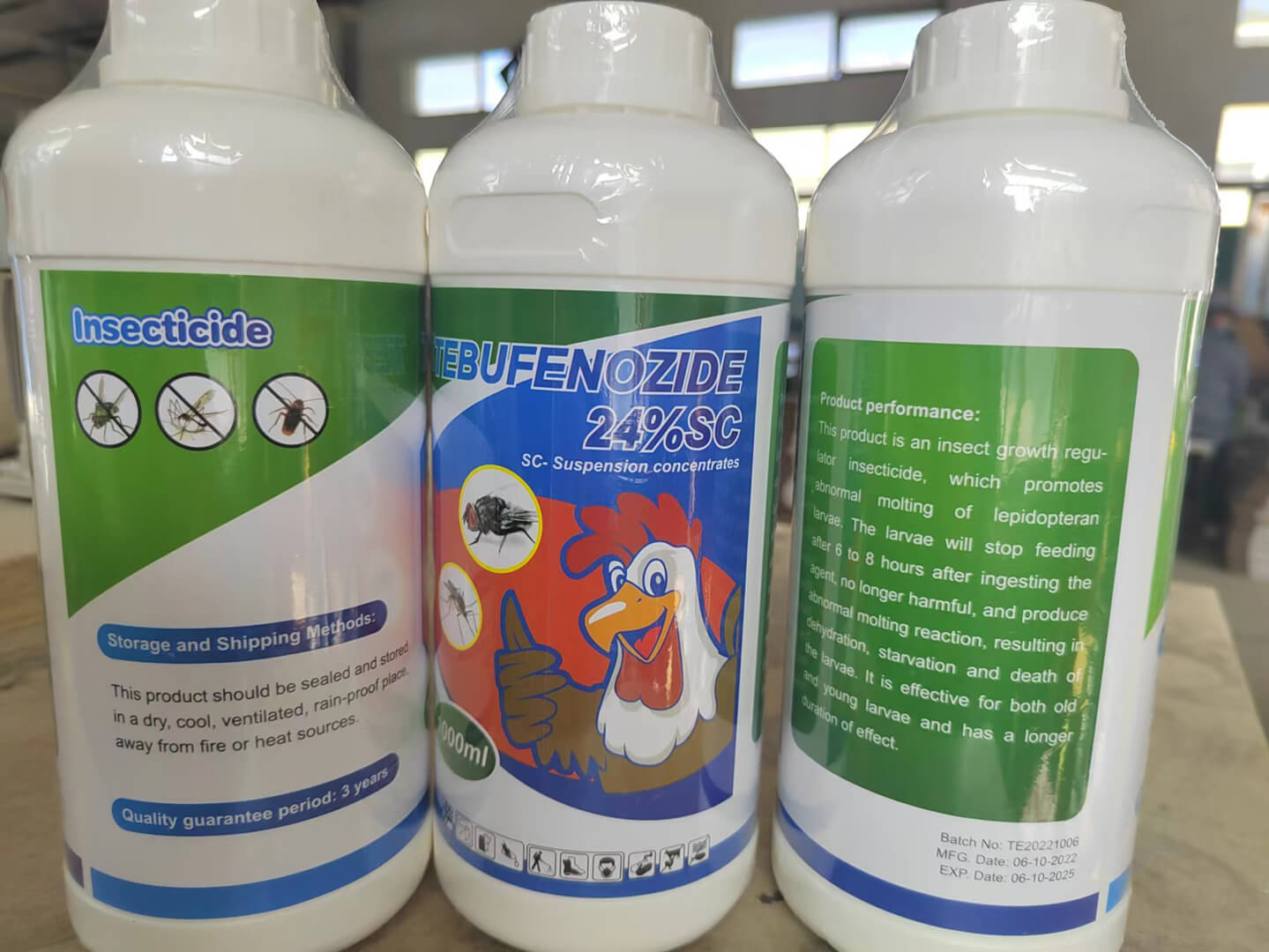
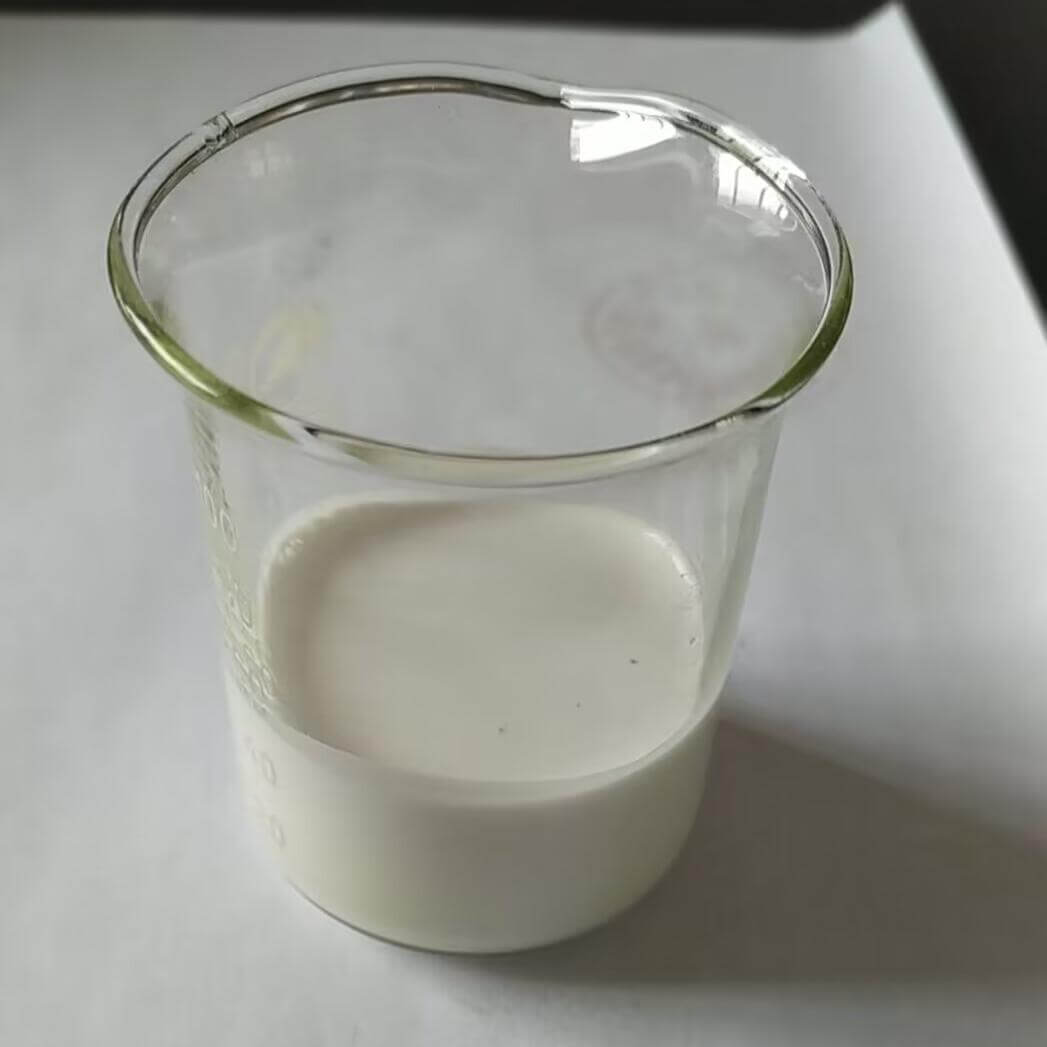
Тебуфенозид 24% SC – IRAC 18 IGR для боротьби зі сховищами та міською міллю
Вам потрібне рішення для боротьби з личинками молі, яке захищає цілісність запасів, не вносячи запаху, залишків або ризику для загального стану. Тебуфенозид 24% SC забезпечує селективний гормональний контроль личинок лускокрилих у середовищах зберігання продукції та міської логістики, розроблений для забезпечення стабільності, гнучкості OEM та відповідності вимогам дистрибуції.
-
Активний інгредієнт: Тебуфенозид | Група IRAC: 18 (агоніст рецепторів екдизону)
-
Формулювання: 24% SC (концентрат суспензії)
-
Цільова ціль: Личинки лускокрилих (види молі, що зберігає продукти, та міських молі)
-
Використовуйте фокус: Харчові склади, пакувальні зони, сховища текстилю/архівів, міські транспортні вузли
-
Документація: COA, SDS, TDS, елементи маркування доступні
-
OEM/Приватна торгова марка: План пляшки, етикетки, коробки, піддону, що налаштовується
- Розроблено для професійних покупців та оптових замовлень
- Ми підтримуємо індивідуальне пакування, маркування та розробку рецептур, щоб задовольнити потреби вашого ринку.
- Тільки запити на експорт оптом.
- Будь ласка, вкажіть країну призначення, тип бізнесу (імпортер/дистриб'ютор/реєстратор) та очікуваний обсяг.
- Роздрібні запити не будуть оброблені.

Про тебуфенозид 24% SC – IRAC 18 IGR для боротьби зі сховищами та міською міллю
| Активний інгредієнт | Тебуфенозид |
| CAS | 112410-23-8 |
| Група IRAC | 18 (агоніст рецептора екдизону, IGR) |
| Формулювання | 24% SC (концентрат суспензії) |
| Зовнішній вигляд | Однорідна водна суспензія зі слабким запахом |
| Якісне вікно | pH / В'язкість / Суспендованість у межах валідованих діапазонів вивільнення |
| Стабільність | Зберігання холоду/тепла: Пройдено (згідно з валідованим протоколом) |
| Термін придатності при зберіганні | У межах зазначеного діапазону при рекомендованому зберіганні |
| Використовувати домен | Продукти зберігання та міський моль личинки програми |
| Не для | Переносники інфекцій (комарі/мухи/блохи), нокдаун дорослих особин |
| документи | Сертифікат відповідності (COA), паспорт безпеки продукту (SDS), технічна інформація про технологію (TDS), елементи маркування; допомога при реєстрації за запитом |
| Примітка щодо відповідності | Для ліцензованих покупців: завжди дотримуйтесь інструкцій на етикетці продукту та місцевих правил |
Тебуфенозид 24% SC – IRAC 18 IGR для боротьби зі сховищами та міською міллю
Тебуфенозид 24% SC – це діацилгідразиновий регулятор росту комах (IGR), розроблений у вигляді суспензійного концентрату для професійного використання в умовах зберігання продукції та міської логістики. Він спрямований на лускокрилих. личинковий стадії (личинки молі), які пошкоджують упаковані харчові продукти, картон, текстиль та архіви. Продукт є селективний (орієнтовані на личинки), ненокдаун (не для швидкого вбивства дорослих тварин), та розроблені для слабкий запах/низьке забарвлення, що робить його придатним для використання в установах, де важливі гігієнічні вимоги.
Позиціонування
- Використати домен: Гігієна зберігання продукції та боротьба з міською міллю (склади, зони пакування, транзитні вузли, сховище текстилю/архіви).
- Чим це не є: Не є засобом для боротьби з дорослими переносниками інфекцій, що використовується в громадському здоров'ї; не призначений для боротьби з комарами/мухами/бліхами; не фумігант.
- Роль у програмі: Базовий ларвіцид у рамках програми комплексної боротьби зі шкідниками (IPM) разом із санітарією, виключенням, моніторингом та, за потреби, хімікатами, що не входять до Групи 18, для ротації.
Сфера відповідності
- Постачається ліцензованим покупцям, які працюють відповідно до місцевих правил. Завжди дотримуйтесь інструкцій на етикетці зареєстрованого продукту. Не використовуйте поза межами зазначеної зони дії шкідників/культур/ділянки.
Механізм дії та вибірковість
Гормонально-імітуючий механізм (IRAC Group 18): Тебуфенозид є агоністом рецепторів екдизону. Він імітує гормон линяння комах, запускаючи невдала або передчасна линька у чутливих личинок молі. Результатом є припинення харчування, а потім загибель личинок, що забезпечує захист без навантаження розчинником або запаху, типових для багатьох нокдаун-хімічних засобів.
Чому це важливо з операційної точки зору
- Вибірковий до цілей: Висока активність на личинки лускокрилих; обмежений вплив на нецільові групи та дорослі стадії, підтримка гігієнічних програм, де важливі сумісність матеріалів та комфорт працівників.
- Резиденція проти відновлення: Перериваючи розробку, програми стикаються з меншою кількістю «прихованих» особин, які вижили та пізніше стають дорослими, що зменшує тиск повторного зараження між партіями.
- Стабільність програми: Невідштовхувальний профіль та слабкий запах допомагають підтримувати стандартні умови експлуатації в зонах обробки/пакування.
Управління опором (на рівні принципів)
- Обертати с не-Група-18 активні учасники сезонних або групових програм.
- Поєднуйте з нехімічними засобами контролю (санітарія, герметизація/виправлення зазорів, управління температурою/вологістю, моніторинг пасток) для зменшення тиску відбору.
- Дотримуйтесь інтервалів та вікон програм, що відповідають міткам; уникайте постійної залежності від одного MOA.
Примітка щодо відповідальності: Ризик = Небезпека × Вплив. Дотримання вимог щодо продукції, маркування та використання відповідних на місці ЗІЗ є обов'язковими.
Цілі та варіанти використання — логістика зберігання продуктів та міська логістика
Цільовий профіль (фокус на личинках лускокрилих)
- Молі, що зберігаються на продуктах: Індійська борошняна міль, середземноморська борошняна міль, мигдалева міль — личинки, що живляться зерном, горіхами, борошняними сумішами, кондитерськими виробами.
- Одяг та музейні молі: Звичайна/чохлоносна одягова міль — личинки, що пошкоджують натуральні волокна, фетр, картонні підкладки, архівні матеріали.
- Складська/пакувальна моль: Види, що колонізують гофровані порожнечі, паперовий пил, харчові залишки та потоки упаковки зі змішаних матеріалів.
Де це найкраще підходить
- Продуктові склади та ЦОДи: Запобігання харчуванню личинок упакованими товарами та сипучими інгредієнтами; захист цілісності SKU та рівня рекламацій протягом циклів обороту.
- Зони пакування та комплектації: Захищайте напівфабрикати (картонні коробки, вкладиші, обгортки), де паперовий пил та залишки їжі сприяють розмноженню личинок.
- Міські транспортні вузли та сайти 3PL: Підтримуйте базові гігієнічні норми у високопродуктивних середовищах зі змішаними товарами та частим переміщенням піддонів.
- Текстильне/архівне зберігання та спеціалізовані колекції: Допоможіть зберегти волокна, текстиль та архівні документи відповідно до протоколів комплексного захисту від вологи (IPM), які сприяють хімічним процесам з низьким запахом та низьким рівнем плям.
Матриця варіантів використання (керівництво на рівні принципів)
- Харчовий склад → Личинки молі, що зберігається → Втручання, зосереджене на личинках, разом із санітарією, герметизацією та моніторингом; спрямовані на розрив циклів розвитку між партіями.
- Пакувальна підлога → Личинки молі, пов'язані з упаковкою → Підтримуйте профілактичні гігієнічні стандартні операційні процедури (СОП); сумісні з регулярним прибиранням та моніторингом від нерепелентних речовин.
- Міський центр 3PL → Зараження змішаного походження → Стабілізувати базовий тиск там, де часті вхідні навантаження підвищують ризик повторного зараження; поєднувати з інспекційними та карантинними зонами.
- Текстильний/архівний магазин → Одяг/личинки музейної молі → Доповнюйте контроль за навколишнім середовищем (температура, вологість, ізоляція); надавайте пріоритет сумісності матеріалів та низькому вмісту запаху.
Підказки щодо розробки програми (неопераційні)
- Якір IPM, а не нокдаун: Позиція як стовп личинкової стадії; спостереження за дорослими особинами та їхня ізоляція для запобігання повторній колонізації.
- Логіка обертання: Чергувати з не-IRAC 18 активні угоди в сезонних або групових планах для зменшення тиску відбору.
- Синергія гігієни: Ефективність залежить від санітарії (видалення сміття, контроль розливів), структурних ремонтів (щілини/ущільнення) та екологічного менеджменту (температура/вологість).
- Матеріальні міркування: Низький запах/низький профіль плям дозволяє використовувати поблизу пакувальних ліній, картонних коробок, текстильних виробів та архівів, де залишки є чутливими до репутації.
Примітка щодо межі: Цей продукт НЕ призначений для боротьби з переносниками інфекцій (комарі/мухи/блохи) в цілях охорони здоров'я або швидкого знищення дорослих особин. Він оптимізований для переривання росту личинок у видів лускокрилих у контексті зберігання продукції та міської логістики.
Вікно формулювання та контролю якості — 24% SC (концентрат суспензії)
Створено для професійних програм, де послідовність від партії до партії та сумісність матеріалів справі.
Обґрунтування формулювання
- 24% платформа SC: Стабільна, проста у використанні суспензія, розроблена для рівномірного розподілу; оптимізована система змочування/розподілу для підтримки стабільної роботи в установах, що потребують гігієни.
- Слабкий запах, низьке утворення плям: Підходить для використання поблизу картонних коробок, текстилю, архівних паперів та пакувальних ліній, де залишки та запах є критично важливими для репутації.
- Контроль процесу: Контроль якості (QA) охоплює кваліфікацію технічних матеріалів, дисперсію/гомогенізацію та фізико-хімічні перевірки в процесі виробництва; перевірка зберігання в холодних/теплових умовах перед випуском.
Вікно якості (рівень принципу)
- Зовнішній вигляд, pH, суспендованість/в'язкість та стабільність при зберіганні підтримуються в межах валідованих діапазонів вивільнення.
- Зразки для зберігання зберігаються для кожної партії; сертифікат відповідності видано відповідно до критеріїв випуску.
- Рекомендації щодо сумісності доступні на рівні програми (рецепти сумішей не розкриваються; дотримуйтесь інструкцій на зареєстрованій етикетці).
Технічний профіль (орієнтовні поля для вашого COA/TDS)
| Поле | Значення / Діапазон (рівень принципу) |
|---|---|
| Активний інгредієнт | Тебуфенозид |
| Група IRAC | 18 (агоніст рецепторів екдизону) |
| Тип рецептури | 24% SC (концентрат суспензії) |
| Зовнішній вигляд | Однорідна водна суспензія зі слабким запахом |
| pH (діапазон) | Зберігається в межах перевіреного вікна випуску |
| В'язкість / Реологія | Контрольована прокачуваність та дисперсія |
| Суспензійність | Відповідає внутрішнім критеріям випуску |
| Зберігання холоду/тепла | Пройдено (валідований протокол стабільності) |
| Термін придатності при зберіганні | У межах зазначеного діапазону при рекомендованому зберіганні |
| Документація | Сертифікат справжності (COA), паспорт безпеки продукту (SDS), технічний паспорт продукції (TDS), елементи маркування (на замовлення) |
Примітка: Специфікації контролюються нашою системою контролю якості. Точні числові обмеження та методи випробувань надаються в досьє продукту для ліцензованих покупців, а використання має відповідати зареєстрованій етикетці та місцевим нормам.
Упаковка та OEM — власна торгова марка, багатомовна, готова до масштабування
Розроблено для дистриб'юторів та операторів програм, яким потрібна сумісна презентація, швидке виконання замовлень та адаптація до потреб ринку.
Архітектура упаковки
- Первинні контейнери: Пляшки з HDPE/PET (з кришками із захистом від несанкціонованого відкриття), ламіновані пакети (на окремих ринках), каністри на вагу для партнерів з перепакування.
- Діапазони нетто-вмісту: 100 мл–1 л (роздрібна торгівля/професійна торгівля); більші артикули для програм B2B за домовленістю.
- Маркування: Багатомовне оформлення, регіонально-специфічні фрази ризику та піктограми, відстеження партії та QR-кодів, додаткові функції захисту від підробок.
- Картонування та палетування: Зовнішні картонні коробки, випробувані на падіння, варіанти термоусадки або обв'язки, схеми палет, адаптовані до обмежень ліній та вартості ліній.
- Регуляторні артефакти: Сертифікат справжності/Патент на продукцію/Технічний паспорт безпеки + елементи маркування; досьє для підтримки реєстрації на запит.
Варіанти упаковки (орієнтовні поля)
| Тип пляшки / упаковки | Діапазон чистого вмісту | Мови позначок | Одиниць / коробка | Картонна вага (Д×Ш×В) та загальна вага* | Палетування | Примітки щодо завантаження контейнера |
|---|---|---|---|---|---|---|
| Кругла пляшка HDPE | 100-250 мл | АН/ІСП/ФР/АР/РУ | 24-48 | На основі діапазону, за артикулом | 10–12 коробок/шар | Оптимізувати для завантажень змішаних SKU 20GP |
| Квадратна пляшка HDPE | 500 мл–1 л | АН/ІСП/АР/РУ | 12-24 | На основі діапазону, за артикулом | 8–10 коробок/шар | Для стабільності віддавайте перевагу укладанню блоків |
| легкий ПЕТ | 250-500 мл | АН/ІСП/ФР | 24 | На основі діапазону, за артикулом | 10–12 коробок/шар | Використовуйте кутових захисників на теплих смугах |
| Ламінований пакет** | 100-250 мл | АН/ІСП | 50-100 | На основі діапазону, за артикулом | 12–16 коробок/шар | Рекомендовано додатковий лоток |
| Каністра (насипом) | 5–20 л | EN (інші на вимогу) | 2-4 | На основі діапазону, за артикулом | 6–8 на шар | Підтримка вібрації внутрішніми перевезеннями |
* GW = вага брутто; точні розміри/вага уточнюються під час фіксації макета.
** Наявність залежить від місцевих норм та обсягу реєстрації.
Робочий процес OEM / власної торгової марки
- Область застосування та характеристики: Підтвердіть ринки, мови, цільові канали та мережевий контент.
- Ілюстрації та відповідність: Узгодьте елементи етикетки з місцевими правилами; зафіксуйте штрих-коди, партії/QR-коди та значки безпеки.
- Пілотний проект та реліз: Передвиробничі зразки для підтвердження відповідності/обробки; затвердження з посиланнями на сертифікати автентичності/паспорти безпеки продукції/технічні документи.
- Виробництво та контроль якості: Внутрішньопотокові перевірки; зберігання партій та документування.
- Логістичний комплект: Карта палет, маршрутні аркуші MSDS, пакувальний лист/комерційні документи та пакет фотографій для контролю якості при впуску.
Варіанти обслуговування
- Локалізація багатомовних ілюстрацій, гармонізація нормативних формулювань, функції захисту від підробок, оптимізація піддонів за маршрутом та фотопакети контролю якості для адаптації дистриб'юторів.
Відповідність системи та розробка програм — як розгортати без перебоїв
Роль в комплексній боротьбі зі шкідниками (IPM)
- Стовп личинкової стадії: Використовуйте 24% тебуфенозид підшкірно як переривник розвитку для личинок лускокрилих.
- Не нокдаун: Використовуйте моніторинг/контроль з боку дорослих там, де помітний тиск дорослих; уникайте покладатися на одну MOA.
- Множник гігієни: Результати масштабуються залежно від санітарії, структурної ізоляції та контролю навколишнього середовища.
Архітектура програми (на рівні принципів, неопераційна)
- Базове оцінювання
- Відобразіть на карті чутливі зони: приймання, перепаковування, комплектування, тривале зберігання, зони з високим рівнем запиленості, архівні штабелі.
- Визначте вектори ризику: вхідні піддони, гофровані порожнечі, паперовий пил, залишки їжі, текстильні скупчення.
- Встановлення ключових показників ефективності (KPI): рівень скарг, кількість пасток (дорослих особин), візуальні знахідки личинок у кожній зоні, інциденти переробки/затримки.
- Стек керування
- Переривання личинок: Тебуфенозид 24% SC як ядро для личинок лускокрилих у зонах ризику.
- Спостереження за дорослими: Невідлякувальні пастки та візуальний огляд для виявлення проривів та повторного занесення.
- Фізичні та процедурні: Глибоке очищення, герметизація щілин, ізоляція підозрілих товарів, ротація запасів (FIFO/FEFO), дотримання температурних/вологісних норм.
- Логіка ротації (керування опором)
- Альтернативно, Тебуфенозид (IRAC 18) з не-18 хімікати в рамках сезонних або партійних планів.
- Скористайтеся кнопкою різноманітність способів дії протягом усього навчального року; уникайте постійної залежності від одного MOA.
- Документуйте ротації у простій матриці (зона × місяць × MOA) для зручності аудиту.
- Креслення об'єкта (приклади)
- Продуктові склади та ЦОДи: Зосередьтеся на прийомі → перепакуванні → лініях тривалого перебування. Поєднуйте переривання личинок із санітарними стандартними операційними процедурами (СОП) та карантином вхідного складу для високоризикових одиниць продукції.
- Поверхи для пакування та комплектації: Надайте пріоритет зберіганню картонних коробок, місцям скупчення паперового пилу та контейнерам для обрізків. Підкріпіть це регулярним підбором персоналу та герметичним зберіганням напівфабрикатів.
- Міські 3PL-хаби: Стандартизувати перевірку біля воріт доків; застосовувати програму в зонах консолідації, де накопичуються вантажі змішаного походження.
- Текстильні/архівні магазини: Поєднуйте переривання росту личинок із контролем навколишнього середовища; плануйте перевірки з урахуванням сезонності та обслуговування опалення, вентиляції та кондиціонування повітря.
- Управління та документація
- Підтримувати вирівняно за мітками журнали виробництва, сертифікати справжності партій, маршрутні аркуші SDS, карти палет та фотопакети для контролю якості вхідного продукту.
- Реєструйте результати підрахунку пасток та візуальних перевірок; ініціюйте коригувальні дії за допомогою правил порогових значень, попередньо узгоджених з відділом контролю якості.
Індикатори успіху (як виглядає «добре»)
- Зниження виявлення личинок у чутливих зонах протягом послідовних циклів аудиту.
- Стабільна або зменшена кількість дорослих пасток, незважаючи на високий вхідний плин.
- Менше затримок SKU та подій переробки, пов'язаних з пошкодженням упаковки/волокна.
- Чисті аудити третіх сторін або клієнтів без ознак запаху/залишків.
Прикордонні умови
- Не позиціонуйте себе як вектор громадського здоров'я or дорослий нокдаун Рішення.
- Цінність програми залежить від належного догляду та ізоляції; сам лише хімічний контроль буде недостатньо ефективним у запилених, негерметичних середовищах.
- Завжди дотримуйтесь інструкцій на етикетці зареєстрованого продукту та місцевих правил; тут не наведено жодних рецептів сумішей чи робочих дозувань.
Безпека, відповідність вимогам та управління
Регуляторна позиція (рівень принципів)
- Область використання: Для ліцензованих покупців, які працюють відповідно до місцевих правил. Завжди дотримуйтесь інструкцій на етикетці зареєстрованого продукту.
- Семантика GHS: На кожному ринку призначення слід надавати та повідомляти про небезпеку та запобіжні заходи на витворах мистецтва; узгоджувати піктограми та сигнальні слова з місцевими правилами.
- Структура управління: Ризик = Небезпека × Вплив. Зменште вплив за допомогою інженерних засобів контролю (захисні споруди, вентиляція), адміністративних заходів контролю (стандартні операційні процедури, навчання) та засобів індивідуального захисту (ЗІЗ) відповідно до інструкції.
Зберігання та транспортування
- зберігання: Зберігати в оригінальних, щільно закритих контейнерах у прохолодному, сухому, добре провітрюваному приміщенні, подалі від харчових продуктів/кормів та несумісних матеріалів. Уникати замерзання/перегрівання згідно з інструкцією на етикетці.
- Сегрегація: Окремо від окислювачів/сильних кислот/предметів, що контактують з харчовими продуктами; тримайте комплекти для збору розливів у відведених місцях.
- Документація під час перевезення: Забезпечте наявність маршрутних листів MSDS/SDS, пакувальних листів та контактних даних для екстрених випадків, що супроводжують вантажі, відповідно до вимог маршруту.
Захист працівників (відповідно до маркування)
- Принцип ЗІЗ: Застосовуйте відповідні на місці засоби захисту, зазначені на етикетці, — наголошуйте на захисті очей/шкіри під час роботи та відкриття контейнерів.
- Навчання та вивіски: Проінструктуйте персонал щодо інструкцій на етикетках, інструкцій з надання першої допомоги та стандартних операційних процедур на об'єкті; позначте оброблені ділянки відповідно до політики закладу.
- Готовність до інцидентів: Підтримуйте наявність засобів для промивання очей/надання першої медичної допомоги та робочі процеси звітності про інциденти; реєструйте та розслідуйте будь-які відхилення.
Догляд за навколишнім середовищем
- Нецільове управління: Застосовувати в межах зазначеної ділянки/зони поширення шкідника; уникати потрапляння за межі цільової області.
- Відходи та порожня тара: Поводьтеся з промивальними/порожніми контейнерами відповідно до місцевих правил; не скидайте в каналізацію/водотоки всупереч інструкціям на етикетці.
- Інтеграція програми: Поєднуйте із санітарією, виключенням та моніторингом, щоб мінімізувати хімічне навантаження та тиск відбору.
Документація, що постачається
- доступно: Сертифікат справжності (COA), паспорт безпеки продукту (SDS), технічний паспорт продукції (TDS), елементи маркування, карта палет, фотопак (на запит).
- На запит/залежно від проекту: Досьє для підтримки реєстрації, зведення тестів (стабільність/треті сторони), графічний дизайн, локалізований для різних мов.
Примітка щодо відповідності: Ця сторінка не містить інструкцій з експлуатації, рецептів сумішей або дозування. Завжди дотримуйтесь інструкцій на етикетці зареєстрованого продукту та місцевих правил.
Докази та гарантії — докази, які ви можете надати відділу контролю якості
Стабільність та контроль партій
- Перевірка зберігання холоду/тепла: Кожна партія пройшла перевірку на відповідність валідованим протоколам перед випуском; зразки зберігання архівуються для можливості відстеження.
- Фізико-хімічна відповідність: Зовнішній вигляд, діапазон pH, суспендованість/в'язкість відповідають критеріям випуску; сертифікат автентичності видається на кожну партію.
- Контроль змін: Будь-які зміни сировини або упаковки проходять перевірку якості та документуються в досьє.
Сторонні розробники та документація
- Незалежне тестування (де доступне): Зведені звіти можна додавати до файлу постачальника згідно з угодою про нерозголошення.
- Нормативна документація: Сертифікат справжності (COA), паспорт безпеки продукту (SDS), технічний паспорт продукції (TDS), елементи маркування; пакет підтримки реєстрації на запит.
- Фотографічний контроль якості: Надання комплектів фотографій під час виробництва та перед відвантаженням (фасування, укупорювання, кодування, картонування, палетування) для перевірок вхідного відправлень.
Регіональні нотатки щодо ефективності (якісні)
- Вологі, теплі смуги: Слабкий запах та невідштовхувальний профіль підтримують гігієнічні стандарти поблизу пакувальних ліній; результати програми залежать від частоти санітарії.
- Склади з високим рівнем запиленості: Поєднуйте з глибоким очищенням та герметизацією щілин, щоб запобігти повторному утворенню колоній у гофрованих порожнинах.
- Текстильне/архівне середовище: Зручний для матеріалів профіль та стійкість до утворення плям підтримують чутливі колекції в умовах комплексного захисту від шкідників (IPM).
FAQ
Перехід від специфікації до запасу
Отримати цінову пропозицію / Запит на OEM-пакет
Розкажіть нам про ваш ринок, цільових шкідників/ділянки, очікуваний річний обсяг, нетто-матеріал, мови етикеток та потреби в документації (сертифікат справжності/паспорт безпеки/технічний паспорт/підтримка реєстрації). Ми повернемо вам пропозицію щодо відповідності смугам руху з контрольними точками макету, планом палетування та терміном доставки.
Запит стартового досьє
Отримайте підібраний пакет: огляд продукту, контрольний список елементів маркування, варіанти упаковки, зразок карти палет та покажчик документації — готові до ваших внутрішніх затверджень.
Зв'яжіться з POMAIS
Співпрацюйте з виробником, який розуміє гігієну зберігання продукції та обмеження міської логістики. Давайте узгодимо специфікації, зафіксуємо графічний дизайн та здійснимо відправку з упевненістю.
Зв'яжіться з нами!
Ми відповімо вам протягом 24 годин у робочі дні!