
Ацетаміприд: використання, застосування та властивості
Ацетаміприд – це неонікотиноїдний інсектицид, який використовується в зареєстрованих сільськогосподарських, тепличних, декоративних та окремих професійних програмах боротьби зі шкідниками.
Він головним чином спрямований проти попелиць, білокрилок, листокрилок, цикадок, борошнистих червців, псиллід, трипсів та інших чутливих шкідників. Ацетаміприд забезпечує системну дію разом із контактним та всередину впливом.
Ацетаміприд належить до Група 4A ІРАКЙого схвалені культури, цільові шкідники, методи застосування, норми, інтервали перед збором урожаю та обмеження щодо запилювачів різняться залежно від етикетки продукту та ринків призначення.
Швидка відповідь: Для чого використовується ацетаміприд?
Ацетаміприд в основному використовується проти колючо-сисних шкідників, які висмикують рослинний сік і можуть переносити хвороби сільськогосподарських культур.
Важливі вказівки щодо використання включають:
- Тля
- Білокрилки
- Листовійки
- Рослиноцвіті
- Борошнисті клопи
- Псиліди
- Трипси
- Вибрані жуки
- Вибрані мінери
- Інші комахи, зазначені на етикетках
Його можна застосовувати як позакореневе обприскування, обробку ґрунту, обробку насіння або іншим зареєстрованим методом застосування, залежно від формули та місцевої етикетки.
Сільськогосподарські продукти ацетаміприду не слід автоматично використовувати для боротьби зі шкідниками в приміщеннях, клопами, мурахами або для інших професійних санітарних потреб. Для такого використання потрібні окремо зареєстровані продукти та затверджені місця обробки.

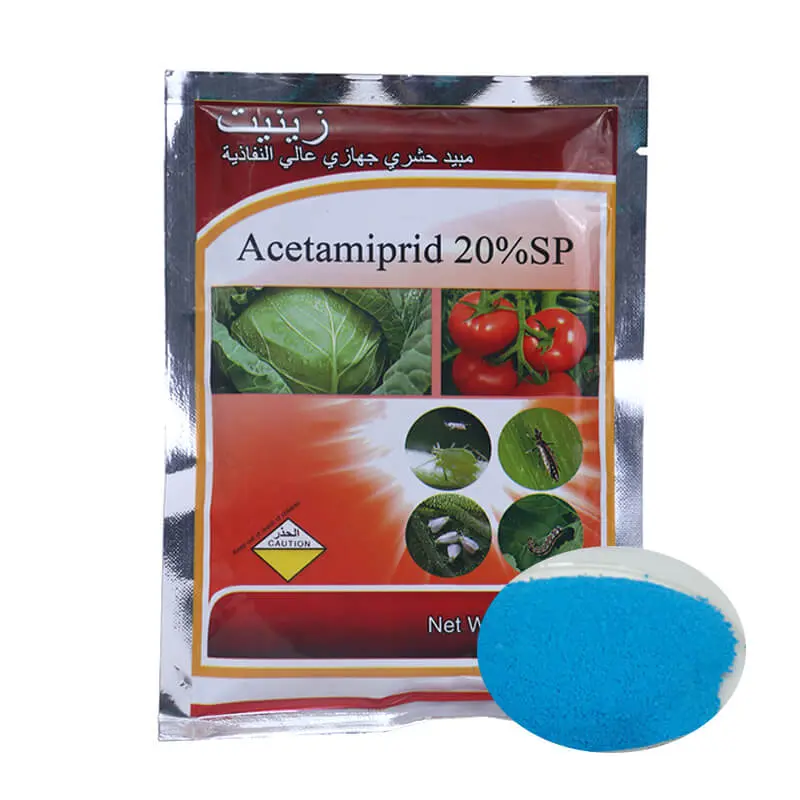

Що таке ацетаміприд?
Ацетаміприд – це системний неонікотиноїдний інсектицид, розроблений для боротьби зі чутливими шкідниками сільськогосподарських культур.
| властивість | Позиція ацетаміприду |
|---|---|
| Активний інгредієнт | Ацетаміпрід |
| Номер по CAS | 135410-20-7 |
| Хімічний клас | Неонікотиноїд |
| Група IRAC | 4А група |
| Цільовий сайт | Нікотинові ацетилхолінові рецептори |
| Основна діяльність | Системне, контактне та проковтування |
| Основний напрямок шкідників | Колюче-сисні комахи |
| Загальні інструкції з приготування рецептури | SP, WP, WDG, EC, SL та комбіновані продукти |
| Основне обмеження | Використання для боротьби з культурами, шкідниками та відповідно до етикеток |
| Занепокоєння опором | Повторний вплив групи 4А |
Ацетаміприд може поглинатися обробленими рослинами та транспортуватися всередині рослинних тканин за дозволених умов використання. Це дозволяє активному інгредієнту досягти деяких шкідників, які живляться рослинним соком або захищеними поверхнями рослин.
Однак системна дія не означає, що кожен метод застосування забезпечує однаковий рух рослин або повний захист усіх нових пагонів.
Покупці, які оцінюють комерційні характеристики, можуть переглянути доступні Інсектицидні форми ацетаміприду.
Застосування ацетаміприду
Сільськогосподарське використання
Ацетаміприд в основному використовується в програмах захисту сільськогосподарських культур від сисних шкідників та окремих комах-гризунів.
Залежно від реєстрації, інструкції щодо вирощування посівів можуть включати:
- Овочі
- Плодові культури
- бавовна
- Зернові
- рис
- Картопля
- Олійні насіння
- Бобові
- чай
- Тютюн
- Декоративні рослини
- Тепличні культури
Точна комбінація рослин і шкідників має бути вказана на етикетці місцевого продукту.
Ацетаміприд не слід рекламувати як універсальний інсектицид від усіх шкідників, що зустрічаються на цих культурах.
Тепличне та декоративне використання
Ацетаміприд можна використовувати в зареєстрованих програмах теплиць, розсадників та декоративних рослин.
Відповідні інструкції щодо шкідників можуть включати:
- Тля
- Білокрилки
- Борошнисті клопи
- Трипси
- Псиліди
- Листовійки
- Щурівці, де це дозволено
Умови в теплицях можуть впливати на тиск шкідників, стійкість залишків, вплив працівників та ризик запилювачів. Методи застосування, вимоги до повторного входу, вентиляція та захист від корисних комах повинні точно відповідати інструкціям на етикетці продукту.
Несільськогосподарське використання, що залежить від реєстрації
Ацетаміприд може міститися в окремо зареєстрованих препаратах для окремих міських або професійних застосувань боротьби зі шкідниками.
Сільськогосподарські препарати не слід використовувати для:
- Постільні клопи
- Кімнатні мурахи
- Мухи
- Таракани
- Житлові поверхні
- Зони обробки харчових продуктів
якщо на етикетці продукту не зазначено як шкідника, так і місце обробки.
Продукт, зареєстрований для позакореневого обприскування сільськогосподарських культур, не є автоматично придатним для боротьби зі шкідниками в приміщенні.
З якими шкідниками бореться ацетаміприд?
Найсильніша позиція ацетаміприду зазвичай пов'язана з колюче-сисними шкідниками.
| Група шкідників | Представницький напрямок |
|---|---|
| Тля | Використання шкідників, що висмоктують серцевину |
| Білокрилки | Дорослі та незрілі стадії, де зареєстровано |
| Листовійки | Програми боротьби зі шкідниками, що сисають, для конкретних культур |
| Рослиноцвіті | Рис та інші затверджені програми вирощування культур |
| Борошнисті клопи | Використання культур, що залежить від маркування |
| Псиліди | Вибрані програми з фруктів та овочів |
| Трипси | Контроль або пригнічення, залежні від виду та культури |
| Вибрані жуки | Тільки там, де зазначено на етикетці |
| Мінерки | Залежить від рецептури, виду та культури |
| Міські шкідники | Тільки в окремо зареєстрованих продуктах |
Слово «трипс» або «листоїд» не слід розглядати як одне універсальне твердження. Різні види можуть реагувати по-різному та мати різні профілі стійкості.
Перш ніж вибрати ацетаміприд, переконайтеся:
- Точний вид шкідника
- Культура
- Стадія життя шкідника
- Місцева сприйнятливість
- Заява про контроль або придушення
- Затверджений метод застосування
Механізм дії ацетаміприду
Ацетаміприд належить до Група 4A ІРАК, група неонікотиноїдів.
Він діє як конкурентний модулятор нікотинових ацетилхолінових рецепторів комах. Ці рецептори беруть участь у нормальній передачі нервових сигналів.
Процес можна коротко описати таким чином:
- Комаха контактує з обробленим матеріалом або споживає його.
- Ацетаміприд досягає нервової системи комах.
- Він зв'язується з нікотиновими ацетилхоліновими рецепторами.
- Порушується нормальна нервова сигналізація.
- Розвивається постійне подразнення та втрата координації.
- Може настати параліч і смерть.
Ацетаміприд, імідаклоприд, тіаметоксам, клотіанідин та динотефуран є членами групи 4A IRAC.
Перехід з ацетаміприду на інший інсектицид групи 4А не створює справжньої ротації механізму дії.
Ацетаміприд системний чи контактний?
Ацетаміприд – це системний інсектицид що також забезпечує контактну та ковтальну активність.
Його рух у рослинах залежить від:
- Формулювання
- Спосіб застосування
- Види культур
- Стадія росту
- Норма внесення
- Ґрунт та умови вологості
- Поглинання листям та коренями
- Місцева реєстрація
Позакореневе підживлення, обробка ґрунту та обробка насіння не створюють однакових схем руху.
Системна дія може покращити вплив деяких шкідників, що харчуються соком рослин, але це не усуває необхідності:
- Правильний час застосування
- Достатнє покриття розпиленням
- Ідентифікація шкідників
- Обробка чутливих до шкідників стадій
- Моніторинг опору
Нові рослини не завжди можуть отримувати таку ж концентрацію активного інгредієнта, як тканини під час внесення.
Як довго залишається ефективним ацетаміприд?
Не існує універсального залишкового періоду для всіх лікарських форм та застосувань ацетаміприду.
Залишкова продуктивність залежить від:
- Формулювання
- Зареєстрована норма активного інгредієнта
- Листове, ґрунтове або насіннєве внесення
- Ріст врожаю
- Ультрафіолетове опромінення
- Кількість опадів
- зрошення
- температура
- Тиск шкідників
- Схильність до шкідників
- Статус опору
Продукт, що вноситься в ґрунт, не можна безпосередньо порівнювати з позакореневим обприскуванням, яке піддається впливу опадів та швидкого росту листя.
Твердження, що ацетаміприд завжди залишається ефективним протягом «кількох тижнів», не слід застосовувати до всіх культур та лікарських форм.
Інтервали обробки та рішення щодо повторного застосування повинні відповідати вимогам зареєстрованої етикетки продукту, польовим дослідженням, тиску шкідників та місцевим технічним рекомендаціям.
Хімічні властивості та ідентифікація
| Ідентифікаційний елемент | Інформація |
|---|---|
| Звичайне ім'я | Ацетаміпрід |
| Номер по CAS | 135410-20-7 |
| Молекулярна формула | C10H11ClN4 |
| Хімічний клас | Неонікотиноїд |
| Класифікація IRAC | 4А група |
| Тип продукту | інсектицид |
| Основна біологічна активність | Системне, контактне та проковтування |
| Основний напрямок шкідників | Колюче-сисні комахи |
Загальні інструкції щодо приготування рецептури можуть включати:
- 20% СП
- 20% WP
- 25% WP
- 70% WDG
- Рідкі склади
- Зареєстровані комбіновані продукти
Вища концентрація ацетаміприду не означає автоматично:
- Ширший контроль шкідників
- Триваліша залишкова активність
- Краща придатність для вирощування культур
- Менше програм
- Покращена ефективність проти стійких шкідників
Остаточна позиція продукту залежить від зареєстрованої норми активного інгредієнта, якості рецептури, заявки на захист від шкідників сільськогосподарських культур, методу застосування та вимог ринку.
Запильники та запобіжні заходи щодо навколишнього середовища
Ацетаміприд не слід описувати як повністю безпечний для бджіл, корисних комах чи інших нецільових організмів.
Його профіль ризику може відрізнятися від профілю ризику інших неонікотиноїдів, але прямий вплив розпилення та забруднені квітучі поверхні все ще можуть створювати ризики.
Дотримуйтесь обмежень щодо запилювачів, зазначених на етикетці продукту.
Важливі запобіжні заходи можуть включати:
- Не застосовувати, коли бджоли активно шукають їжу там, де це заборонено.
- Запобігайте потраплянню на квітучі культури та бур'яни.
- Дотримуйтесь обмежень щодо застосування у фазі цвітіння.
- Захистіть сусідні рослини, що приваблюють запилювачів.
- Уникайте забруднення водойм.
- Запобігайте потраплянню стоку та води для промивання обладнання в каналізацію або зрошувальні системи.
- Врахуйте наявність паразитоїдів та хижих комах.
Ранкове або вечірнє застосування не замінює обмежень щодо запилювачів, зазначених на етикетці.
Ризик для навколишнього середовища також залежить від формули, способу застосування, швидкості внесення, погодних умов та місця обробки.
Управління опором
Повторне використання ацетаміприду або інших інсектицидів IRAC групи 4A може призвести до відбору стійких популяцій шкідників.
Програма управління опором повинна:
- Підтвердіть цільового шкідника.
- Обробляйте стадію, на якій шкідник найбільш вразливий.
- Уникайте непотрібних повторних застосувань.
- Дотримуйтесь максимальної кількості обробок, зазначеної на етикетці.
- Чергуйте з ефективними інсектицидами з різних груп IRAC.
- По можливості використовуйте вікна для розпилення залежно від покоління шкідників.
- Контролюйте ефективність польових робіт.
- Інтегруйте біологічні та культурні засоби контролю.
- Перш ніж збільшувати швидкість або частоту, дослідіть несправність керування.
Перехід з ацетаміприду на імідаклоприд, тіаметоксам, клотіанідин або динотефуран зазвичай залишається в межах групи 4А.
Зміна брендів не змінює спосіб дії.
Партнери по ротації повинні бути зареєстрованими, ефективними проти цільового шкідника та сумісними з програмою боротьби зі шкідниками, що використовуються для вирощування культур.
Застереження та безпека застосування
З продуктами, що містять ацетаміприд, слід поводитися відповідно до інструкцій на етикетці продукту та Паспорта безпеки.
Загальні запобіжні заходи включають:
- Використовуйте ЗІЗ, зазначені на етикетці.
- Уникайте контакту зі шкірою, очима та одягом.
- Уникайте вдихання аерозольного туману або пилу від препарату.
- Не їжте, не пийте та не куріть під час роботи з пестицидами.
- Запобігайте розсіюванню розпилювача.
- Захистіть водойми та дренажні системи.
- Дотримуйтесь обмежень щодо запилювачів.
- Дотримуйтесь зареєстрованих PHI та REI.
- Зберігайте продукт у оригінальній маркованій упаковці.
- Зберігати окремо від харчових продуктів, кормів та насіння.
Не існує універсальної норми застосування, PHI, REI або інтервалу обробки, що підходить для кожного продукту ацетаміприду.
Ці вимоги залежать від:
- Концентрація
- Формулювання
- Культура
- Шкідник
- Спосіб застосування
- Ринок призначення
- Місцева реєстрація
Ацетаміприд може бути включений до програми комплексного захисту від комах (ІЗБК), де він підтримує місцевий моніторинг, економічні пороги, захист корисних комах, управління стійкістю та інші нехімічні засоби контролю.
Не слід описувати його як автоматично сумісний з кожною системою IPM.
Чи можна змішувати ацетаміприд з іншими пестицидами?
Не слід припускати сумісність бакової суміші.
Перед змішуванням ацетаміприду з іншим інсектицидом, фунгіцидом, добривом, олією або ад'ювантом, переконайтеся:
- Обидві етикетки продуктів дозволяють таку комбінацію.
- Час збору врожаю та використання сумісні.
- Суміш юридично зареєстрована, де це необхідно.
- Якість води відповідна.
- Порядок рецептури було оцінено.
- Фізична сумісність прийнятна.
- Дані щодо безпеки врожаю доступні.
- Можна виконати комбіновані вимоги PHI та MRL.
Тест у банці може виявити видиму фізичну несумісність, але він не підтверджує юридичне схвалення, безпеку для врожаю, біологічну ефективність або хімічну стабільність.
Що повинні підтвердити покупці
Імпортери та дистриб'ютори, які оцінюють проект з ацетаміпридом, повинні підтвердити:
- Країна призначення
- Статус схвалення активного інгредієнта
- Зареєстрована культура
- Точно цільовий шкідник
- Заява про контроль або придушення
- Необхідна формулювання
- Концентрація ацетаміприду
- Спосіб застосування
- План ротації IRAC
- Максимальна кількість заявок
- PHI та REI
- Внутрішні та експортні МДР
- Обмеження щодо запилювачів
- Дані про безпеку врожаю
- Дані про ефективність
- Сертифікат справжності, паспорт безпеки та технічний паспорт продукції
- Вимоги до реєстраційних документів
- Мова упаковки та етикетки
- Очікуваний річний обсяг закупівель
Вибір продукту слід починати з визначення ринку, культури та цільового шкідника, а не лише з визначення його концентрації.
Щоб дізнатися більше про варіанти активних інгредієнтів та рецептур, перегляньте Портфоліо інсектицидів POMAIS.
Поширені запитання
Для чого використовується ацетаміприд?
Ацетаміприд в основному використовується проти попелиць, білокрилок, листокрилок, цикадок, борошнистих червців, псиллід, трипсів та інших чутливих шкідників на зареєстрованих культурах.
З якими шкідниками бореться ацетаміприд?
Його найрішучіша загальна позиція спрямована проти колючо-сисних комах. Окремі жуки, мінери та інші шкідники також можуть бути вказані на етикетках продуктів, призначених для певних культур.
Ацетаміприд застосовується системно чи контактно?
Ацетаміприд має системну дію, а також забезпечує контактну та ковтальну активність. Ступінь руху рослин залежить від форми препарату, способу застосування, культури та етикетки.
До якої групи IRAC належить ацетаміприд?
Ацетаміприд належить до групи IRAC 4A, неонікотиноїдної групи конкурентних модуляторів нікотинових ацетилхолінових рецепторів.
Чи ефективний ацетаміприд проти попелиці та білокрилки?
Так. Попелиця та білокрилка є одними з найважливіших цільових напрямків боротьби з цим продуктом, якщо культура та шкідник зазначені на етикетці продукту.
Чи може ацетаміприд контролювати трипсів?
Ацетаміприд може контролювати або пригнічувати окремі види трипсів на зареєстрованих культурах. Точне твердження та очікувана ефективність залежать від виду, стійкості, форми препарату та етикетки.
Чи безпечний ацетаміприд для бджіл?
Ацетаміприд не слід описувати як нешкідливий для бджіл. Безпосередній контакт та забруднені квітучі поверхні можуть створювати ризики. Дотримуйтесь обмежень щодо запилювачів, зазначених на етикетці продукту.
Чи можна чергувати ацетаміприд з імідаклопридом?
Ацетаміприд та імідаклоприд належать до групи 4A IRAC. Перехід між ними не є справжньою ротацією способу дії.
Чи можна використовувати сільськогосподарський ацетаміприд від постільних клопів?
Хіба що точна формула препарату зареєстрована спеціально для боротьби з постільними клопами та для призначеного місця обробки в приміщенні. Сільськогосподарські продукти не слід використовувати для несанкціонованого застосування в приміщеннях.
Резюме
Ацетаміприд – це системний неонікотиноїдний інсектицид, що належить до групи 4А класифікації IRAC.
В основному його використовують проти колючо-сисних шкідників, таких як:
- Тля
- Білокрилки
- Листовійки
- Рослиноцвіті
- Борошнисті клопи
- Псиліди
- Трипси
Його ефективність залежить від формули препарату, способу застосування, культури, стадії ураження шкідником, покриття, поглинання рослинами, погоди та рівня стійкості.
Ацетаміприд не слід позиціонувати як:
- Нешкідливий для бджіл
- Безпечний для всіх корисних комах
- Підходить для кожної культури
- Діє протягом одного фіксованого залишкового періоду
- Універсальний засіб для боротьби зі шкідниками в приміщенні
- Інший партнер для ротації, відмінний від інших інсектицидів групи 4А
Місцева етикетка продукту залишається контрольним документом для затверджених культур, шкідників, норм внесення, методів застосування, PHI, REI, MRL та екологічних обмежень.
Перегляньте інструкцію щодо використання ацетаміприду
POMAIS співпрацює з кваліфікованими імпортерами агрохімікатів, дистриб'юторами, реєстраційними компаніями та брендами засобів захисту рослин.
Для оцінки проекту з ацетаміприду надайте:
- Країна призначення
- Цільова культура
- Цільовий шкідник
- Необхідна формулювання
- Статус реєстрації
- Специфікація упаковки
- Мова позначок
- Необхідні технічні документи
- Очікуваний річний обсяг
Потім напрямок продукту може бути переглянутий відповідно до реєстрації, придатності для використання у шкідників, рецептури, управління стійкістю, вимог до залишків, упаковки та планування поставок.
Гарячі продукти
Гарячі новини
Рекомендовані новини